
Quick Take
- Whale vocalizations may hide a structural feature that researchers never expected to find. See how AI finds hidden patterns →
- Baby bats and human infants share a strange communication habit, a finding that is quietly reshaping what scientists think they know about animal intelligence. Hear about animal communication breakthroughs →
- Understanding what animals say could solve a dangerous real-world problem, though the solution isn't what most people would guess. Discover the real-world stakes →
- The man who helped invent the internet is now trying to build something far stranger, a project that might change how humans see every other species on Earth. Meet Vint Cerf and the team →
Interspecies Internet sounds like the title of a science‑fiction film. But this initiative, also known as Interspecies.io, is real. The organization brings together scientists, technologists, artists, and conservationists who believe communication reaches far beyond our own species. It imagines a kind of web where humans and animals can begin to understand and communicate with one another. Their work asks a simple but radical question: if intelligence and language are not uniquely human, what happens when we truly listen to other animals and use artificial intelligence to help us understand them?
A Global Think Tank
Interspecies Internet is a global, multidisciplinary think tank that focuses on research into communication between humans and other species. What began as a TED-stage idea later became a nonprofit with thousands of members and affiliates, including experts in animal cognition, neuroscience, AI, and ethics.
The group’s mission is to create forums, tools, and shared standards that help researchers decode non-human communication. It uses machine learning to study animal sounds, movements, and behavioral patterns, searching for structure and meaning. Rather than running one giant experiment, Interspecies Internet acts as a hub where labs, researchers, and creative teams share ideas and build better tools for understanding animals on their own terms.
Who Is Involved

Vint Cerf, co-founder and chairman of the board of Interspecies Internet.
©Вени Марковски Veni Markovski, CC BY 3.0 , via Wikimedia Commons – Original / License
AI has helped unveil patterns in non-human animal vocalizations, for example structures that suggest repetitive sounds and sound combinations in whale vocalizations that are thought to function in a similar way to vowels in human speech.
Kate Armstrong, Executive Director of Interspecies Internet
A wide network of people stands behind Interspecies Internet, bringing very different backgrounds together through a shared sense of curiosity. They want to know what other animals experience and how humans can respectfully find out. Founding trustees include well‑known figures in technology and animal research, with Internet pioneer Vint Cerf acting as the co-founder and chairman of the board. Partners also come from music, marine biology, and animal cognition. Advisory groups — AI researchers, primatologists, philosophers, conservation leaders, and artists — extend that knowledge base, help shape the organization’s direction, and keep discussions grounded in science and ethics.
How AI Meets Animal Communication
Interspecies Internet is especially interested in one big question: what are animals actually saying, and can artificial intelligence help us notice what we’ve been missing? Many animal signals are too subtle, fast, low, distant, or complex for humans to interpret them by ear or eye alone. Machine learning, pattern recognition, and large-scale data analysis give researchers a new way to study vocalizations, movement, posture, and behavior in species such as whales, elephants, birds, and primates. Instead of listening for one obvious sound, these tools look for hidden structure or patterns across huge amounts of data.
This is where the work gets genuinely fascinating. Some projects combine audio, video, 3D tracking, and environmental sensors to build a fuller picture of animal communication. A whale’s low-frequency call, an elephant’s distant rumble, or a primate’s tiny gesture can become part of a searchable pattern rather than a fleeting moment in the wild. The group also highlights open-source field devices that can record sound, motion, and environmental conditions in rugged places. Because those tools are modular and shareable, researchers around the world can collect better, more comparable data, turning scattered animal signals into something closer to a global conversation.
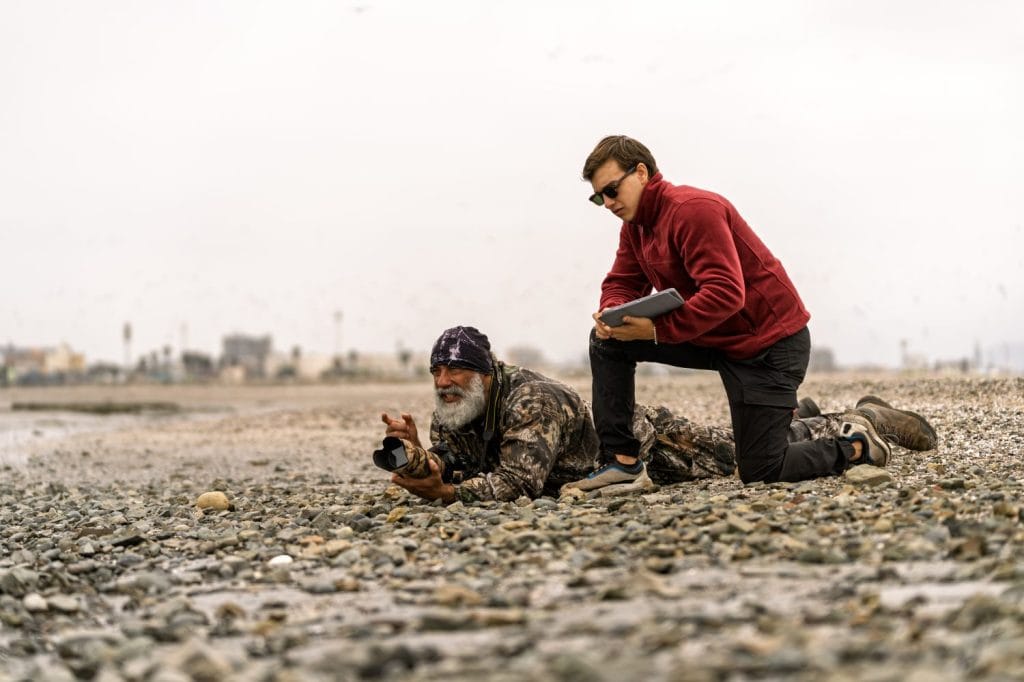
Researchers around the world collect data on different species for AI to analyze to try to decipher the meaning.
©Guillermo Spelucin R/Shutterstock.com
A Conversation with the Executive Director
We had the privilege of interviewing Kate Armstrong, Executive Director of Interspecies Internet, for more insight into the organization and its projects.
What breakthroughs have you seen in your research so far?
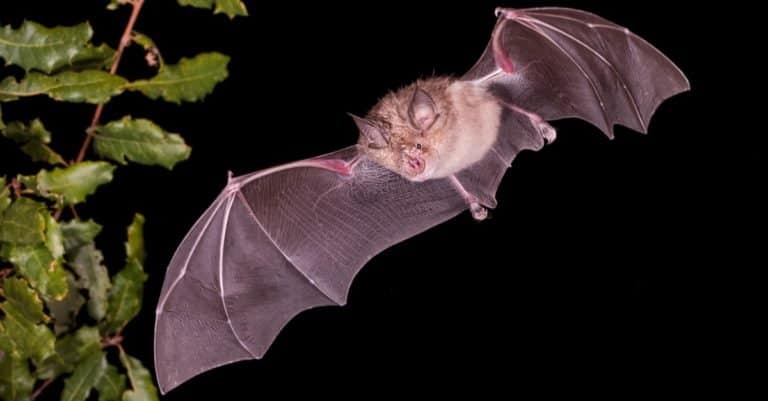
“AI has helped unveil patterns in non-human animal vocalizations, for example structures that suggest repetitive sounds and sound combinations in whale vocalizations that are thought to function in a similar way to vowels in human speech, as well as vocal learning patterns in juvenile animals such as bats, who babble in a similar way to human babies in order to acquire communication skills.”
Can we expect one day to be able to “talk” to the more intelligent animals? Will we ever be able to talk to our pets?
“That’s one possibility that some scientists and technologies are working towards. We do know there are many various types of intelligences in the animal world and it’s still unclear how we can or should categorize ‘intelligence’ in non-human animals.”

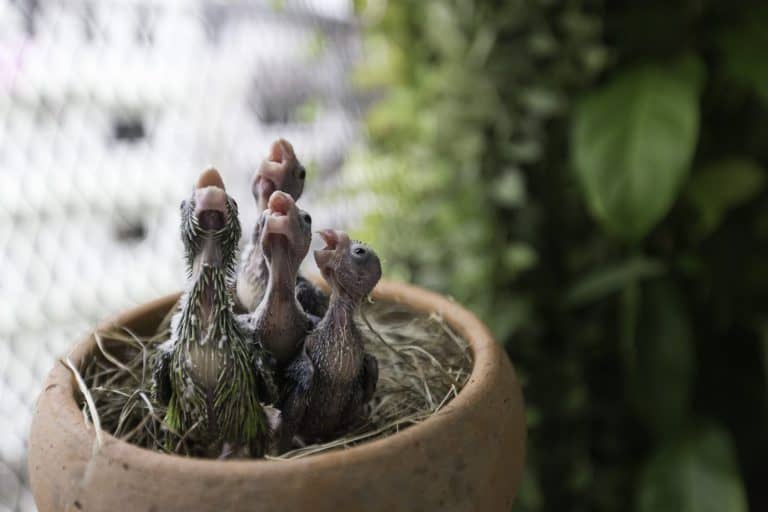
Interspecies Internet discovered that baby bats “babble” much like human infants as they learn to communicate.
©Corina Daniela Obertas/Shutterstock.com
What could we learn and do with animals if we are able to understand better what they are communicating?
“One promising application is in human-animal conflict scenarios where humans have a responsibility to ensure animal safety, [communicating] a threat without alarming the animal would be a huge benefit to both humans and non-human animals.”
What new initiatives of Interspecies Internet do you particularly want to focus the public’s attention on?
“We invite the public to engage in their own research and thinking regarding the positive and possible negative outcomes of such research. Our goal is to activate shared knowledge and frameworks to help researchers, data collectors, technologists and the general public make informed decisions about design and deployment of NACTs (non-human animal communication technologies).”
Why the Work Matters
Interspecies Internet projects do more than satisfy human curiosity; they connect directly to urgent issues such as conservation and animal welfare. Many of the animals under study face serious threats from habitat loss and climate change. Human activity often adds new stress. A better understanding of their communication can improve protection strategies, allowing researchers to design quieter oceans or safer migration corridors.
Recognizing complex communication in many species also challenges old assumptions. For a long time, people claimed humans alone held rich emotional and social lives. Evidence from animal cognition research paints a more complicated picture. As that evidence spreads, public attitudes shift; people may feel more empathy and a stronger sense of responsibility toward other species.