
D
Species Profile

Duck

Anatidae

Webbed feet, world travelers.
David Pecheux/Shutterstock.com

Duck Distribution

Click a location to explore more animals from that region

Invasive Species

This map shows coastal regions where Duck are found.

Loading map...

Found in 63 countries

Size Comparison

Human 5'8"
Duck 1 ft 6 in

Duck stands at 26% of average human height.

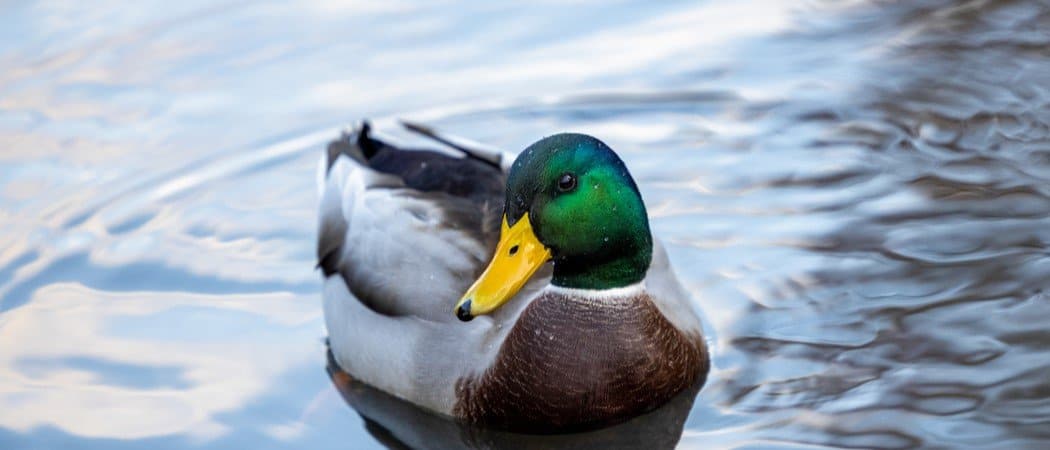
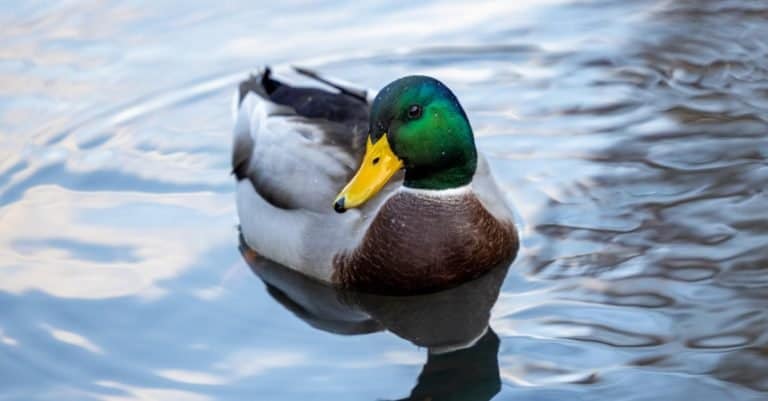
Duck swimming in a pond

At a Glance

Family Overview This page covers the Duck family as a group. Stats below are general traits shared across the family.
Also Known As Waterfowl, Water bird, Web-footed bird, Quacker
Diet Omnivore
Activity Diurnal+
Lifespan 7 years
Weight 7 lbs
Status Not Evaluated
Did You Know?

Family size spans from ~26-30 cm, ~0.2 kg birds to ~1.7 m, ~17 kg swans; wingspans can reach ~2.4 m.

Scientific Classification

Family Overview "Duck" is not a single species but represents an entire family containing multiple species.

Ducks are swimming waterbirds within the anseriform family Anatidae. They are characterized by webbed feet, a broad bill adapted for filtering or grazing, strong waterproof plumage, and diverse feeding strategies (dabbling, diving, grazing, and sea-duck foraging).

Kingdom
Animalia
Phylum
Chordata
Class
Aves
Order
Anseriformes
Family
Anatidae

Distinguishing Features

  • Webbed feet and strong swimming ability
  • Broad, often lamellate (filtering) bill in many species
  • Dense, waterproof plumage maintained by preen oil
  • Wide range of feeding modes: dabbling, diving, grazing, and marine foraging
  • Often strong sexual dimorphism in plumage in many dabbling ducks (males more colorful)

Physical Measurements

Males and females differ in size

Height
♂ 1 ft 12 in (8 in – 2 ft 11 in)
♀ 1 ft 10 in (7 in – 4 ft 1 in)
Length
♂ 2 ft 6 in (12 in – 2 ft 10 in)
♀ 1 ft 12 in (10 in – 2 ft 10 in)
Weight
♂ 3 lbs (0 lbs – 15 lbs)
♀ 3 lbs (0 lbs – 8 lbs)
Tail Length
♂ 3 in (2 in – 8 in)
♀ 5 in (2 in – 10 in)
Top Speed
81 mph
Usually 65-130 km/h

Appearance

Skin Type Ducks have dense, waterproof feathers and thick down for warmth. They have hard bills (many with lamellae for filtering), scaly legs and mostly webbed feet. Bill and leg colors change with seasons.
Distinctive Features
  • Sizes range about 30 cm to over 180 cm long. Weights from about 0.2–0.3 kg in tiny ducks to 10–15+ kg in swans, varying among geese, dabbling, diving, and sea ducks.
  • Wingspan range across Anatidae: approximately ~50 cm in the smallest ducks to ~240+ cm in the largest swans.
  • Many ducks live about five to fifteen years in the wild; larger geese and swans often reach ten to twenty-five years, and protected or captive birds can live even longer.
  • Broad, flat bill with internal lamellae is common in many ducks for filtering, dabbling, or grazing; bill shapes vary from narrow, serrated mergansers to broad sieving dabblers and stout grazing geese and swans.
  • Strong webbed feet for swimming; legs set relatively rearward in many diving ducks (efficient underwater propulsion but more awkward walking), while many geese are more terrestrial and walk well.
  • Waterproof plumage and frequent preening; many species show buoyant body form adapted to swimming, with robust breast and down insulation.
  • Ducks live mostly in wetlands, lakes, rivers, marshes, estuaries or coastal seas. They dabble, filter or dive for food, graze or forage at sea; mergansers eat fish. Many migrate; others stay or move locally.
  • Many ducks form large flocks outside the breeding season. Pair bonds may be seasonal or long-term (often stronger in geese and swans). Molt can make ducks flightless; males often have dull 'eclipse' plumage.
  • Vocal and display diversity: from complex whistles/quacks and visual head/wing displays in many ducks to louder honks and elaborate postures in geese/swans; courtship often linked to seasonal plumage and soft-part color changes.

Sexual Dimorphism

Sexual dimorphism is common but varies in Anatidae. Many ducks: males bright in breeding season then dull in eclipse; females and young are mottled for nest camouflage. Geese and swans often look similar, differing in size, voice, or small soft parts. Timing varies by genus, habitat, mating system, and display.

♂
  • Often brighter breeding plumage in many duck species (strong contrast, iridescent head/speculum, sharper patterning).
  • More pronounced/bright soft-part coloration in some taxa (bill/feet color intensity), sometimes seasonal.
  • Eclipse plumage common in many male ducks: temporary shift to more female-like, cryptic tones during/after molt.
  • In some groups, slightly larger body size or more robust head/neck; extent varies and is stronger in some geese/swans and some sea ducks.
♀
  • Often more cryptic mottled/striped/spotted plumage in many ducks, aiding nest and brood camouflage; typically less iridescence and lower contrast than breeding males.
  • More consistent plumage through the year in many species (less dramatic seasonal change than males).
  • In many geese/swans, females resemble males closely; differences may be subtle (slightly smaller size, minor soft-part or vocal differences) rather than plumage-based.

Did You Know?

Family size spans from ~26-30 cm, ~0.2 kg birds to ~1.7 m, ~17 kg swans; wingspans can reach ~2.4 m.

Many species have bill "lamellae" (comb-like edges) that strain food from water or help graze efficiently.

Waterproofing comes from dense feather structure plus oils from the uropygial (preen) gland-critical for insulation in cold water.

Feeding styles vary widely: dabblers tip-up, divers chase prey underwater, sea ducks forage in surf, and grazers crop grass like small herbivores.

Migratory anatids can travel thousands of kilometers between breeding wetlands and wintering areas, tracking seasonal food and ice.

Some species form strong long-term pair bonds (common in many geese/swans), while many dabbling ducks pair mainly for a season.

Down from several Anatidae (notably eiders) has been collected for centuries as an exceptionally effective natural insulator.

Unique Adaptations

  • Webbed feet for efficient paddling and maneuvering; legs set back in many divers improves swimming power but can reduce agility on land.
  • Bill specialization: broad "shoveler-like" filters, narrow fish-catching "merganser-like" bills, and stout grazing bills-reflecting major diet differences across the family.
  • Lamellae (fine ridges) and sensitive bill tips help detect and strain seeds, tiny invertebrates, and plant material from water and mud.
  • Dense down + waterproof contour feathers create strong insulation; many species remain active in near-freezing water.
  • Countercurrent heat exchange in legs and feet reduces heat loss while standing on ice or wading in cold water.
  • High-altitude and long-distance flight capacity in many species, supported by efficient avian respiration and strong pectoral muscles.
  • Salt-handling ability in many sea ducks (and some other waterfowl) via specialized nasal salt glands, aiding life in marine habitats.

Interesting Behaviors

  • Dabbling vs. diving vs. sea-foraging: many "ducks" feed by tipping forward to reach plants/invertebrates, while others pursue fish or mollusks underwater; sea ducks often dive repeatedly in cold, turbulent water.
  • Seasonal pairing strategies: across Anatidae, social systems range from short-term seasonal bonds (common in many dabbling ducks) to long-term monogamy with shared territory defense (common in many geese and swans).
  • Migration and staging: large mixed flocks gather at stopover wetlands to refuel, sometimes timing movements with wind, temperature, and freeze-up.
  • Vocal and visual displays: head-bobbing, wing-flicking, synchronized swimming, and complex calls help maintain pair bonds and coordinate flock spacing-especially in low-visibility marshes.
  • Brood and family cohesion: many species lead downy young to feeding areas soon after hatching; in geese and swans, families may stay together through migration and winter.
  • Diversity in nesting: nests can be hidden in reeds, on islands, in tree cavities, on tundra, or on cliff-like shorelines; many line nests with down plucked from the breast.

Cultural Significance

Anatidae (ducks, geese, swans) are key game and farm birds; domestic ducks come from mallards, domestic geese from wild geese. They give down and feathers, appear in art, festivals, and hunts, are used in wetland conservation, and symbolize grace, vigilance, and migration.

Myths & Legends

Greek myth: Zeus transforms into a swan to approach Leda; the union is linked to the births of figures such as Helen of Troy, tying swans to themes of power and transformation.

Irish legend (The Children of Lir): four children are turned into swans for centuries, a tale of endurance, sorrow, and eventual release.

European and Central Asian "Swan Maiden" tales: swan-women shed feather skins to become human; a hidden swan skin binds a maiden to the one who keeps it, exploring identity and freedom.

Kalevala (Finnish epic): a duck lays the cosmic eggs that break and become parts of the world-an origin story linking waterbirds to creation.

Chinese cultural tradition: mandarin ducks are enduring symbols of marital harmony and devotion, frequently appearing in wedding art and poetry.

Siberian/North Eurasian earth-diver motifs: in some traditional stories, a diving waterbird (often described as a duck or similar bird) brings up a bit of mud from the deep to form land.

Conservation Status

NE Not Evaluated (family-level hub). Individual Anatidae species span the full IUCN spectrum, from Least Concern (many widespread dabbling ducks, geese, swans) through Near Threatened/Vulnerable, to Endangered/Critically Endangered (notably some pochards, mergansers, and island endemics). A few Anatidae are also known to be Extinct historically (e.g., Labrador Duck) or have faced extreme depletion.

Has not yet been evaluated against the criteria.

Population Unknown

Protected Under

  • Ramsar Convention on Wetlands (site-based protection across many key wetlands used by Anatidae)
  • AEWA (Agreement on the Conservation of African-Eurasian Migratory Waterbirds)
  • EU Birds Directive (protection and management of wild birds and key sites in the EU)
  • Migratory Bird Treaty frameworks (e.g., MBTA in the United States; analogous bilateral migratory bird agreements in Canada and elsewhere)
  • CITES listings apply to some Anatidae taxa/subpopulations where international trade controls are relevant
  • National hunting regulations, protected areas, and flyway management plans in many range states

You might be looking for:

Mallard

22%

Anas platyrhynchos

Widespread dabbling duck; primary wild ancestor of most domestic ducks.

View Profile

Domestic duck

18%

Anas platyrhynchos domesticus

Domesticated form derived mainly from the mallard (plus some Muscovy influence in some regions).

Wood Duck

10%

Aix sponsa

Colorful perching duck of North America; nests in tree cavities.

View Profile

Northern Pintail

8%

Anas acuta

Slender dabbling duck with long central tail feathers (male).

View Profile

Common Eider

7%

Somateria mollissima

Large sea duck; down used for insulation.

Muscovy Duck

7%

Cairina moschata

Large duck native to the Americas; often domesticated; distinct from mallard-derived domestic ducks.

View Profile

Life Cycle

Birth 9 chicks
Lifespan 7 years

Lifespan

In the Wild
1–30 years
In Captivity
3–20 years

Reproduction

Mating System Monogamy
Social Structure Socially Monogamous
Breeding Pattern Seasonal
Fertilization Internal Fertilization
Birth Type Internal_fertilization

Anatidae (ducks, geese, swans) are mostly socially monogamous: pairs form for breeding. Many ducks have seasonal bonds, while geese and swans often keep long-term pairs. Extra-pair matings occur; polygyny is rare.

Behavior & Ecology

Social Flock Group: 100
Activity Diurnal, Crepuscular, Cathemeral
Diet Omnivore Energy-rich seeds/grains and aquatic invertebrates (varies strongly by species and season)
Seasonal Migratory 6,214 mi

Temperament

Generally wary to moderately tolerant depending on hunting pressure and human exposure; many populations become more approachable in protected/urban wetlands.
Socially flexible: strong seasonal shifts from territorial/pair-focused breeding behavior to highly gregarious non-breeding flocking and synchronized movements.
Aggression varies widely: males often show heightened aggression during courtship and mate-guarding; dominance hierarchies can form at dense feeding sites.
Foraging behavior is highly diverse across the family (dabbling, diving, grazing, benthic probing, sea-duck pursuit/reef foraging), influencing time budgets and social spacing.
Within Anatidae, adults range from very small ducks to very large swans. Lifespans commonly span about 5 to over 30 years, longer in bigger species and in safer places.

Communication

Quacks, grunts, whistles, and honks Type and frequency vary widely across Anatidae; many ducks are relatively high-pitched while geese/swans are typically louder and lower-frequency
Contact calls that help maintain cohesion in flocks and between parent and young.
Alarm calls and agitation calls in response to predators/disturbance.
Courtship calls (often sex-specific) used alongside visual displays; some species have mechanical/wing sounds that complement calls.
Visual courtship displays (head-bobbing, bill-dipping, up-ending, wing-flashing, tail-wagging, synchronized swimming/short chases); display repertoires vary greatly among genera.
Posture and plumage signaling (e.g., contrasting speculum flashes, head/neck carriage), especially important in mate choice and species recognition in mixed flocks.
Tactile interactions Allopreening in pairs/families; pecking/bill-jabbing in aggression
Spatial signaling via spacing, approach-retreat, and group alignment; flock takeoffs/landings can act as coordinated social cues.
Scent/oil from the uropygial gland is primarily for feather maintenance; social/sexual chemical signaling is less emphasized than visual/vocal channels and likely varies among species.

Habitat

Biomes:
Freshwater Wetland Marine Tundra Boreal Forest (Taiga) Temperate Forest Temperate Grassland Mediterranean Savanna Tropical Rainforest Tropical Dry Forest Desert Hot Desert Cold Alpine +8
Terrain:
Plains Valley Riverine Coastal Island Hilly Plateau Mountainous Muddy Sandy +4
Elevation: Up to 18044 ft 8 in

Ecological Role

Widespread wetland consumers and nutrient/energy movers across freshwater, coastal, and agricultural landscapes; roles range from plant grazers/seed eaters to invertebrate and fish predators depending on lineage and habitat.

Seed dispersal (external and internal) and plant community shaping via grazing Regulation of aquatic invertebrate populations (and fish predation in some lineages) Bioturbation and sediment mixing while dabbling/foraging, influencing water clarity and nutrient cycling Nutrient transport between aquatic and terrestrial systems via movement and feces (especially during migration) Key prey base for higher predators (raptors, mammals) supporting food webs

Diet Details

Main Prey:
Aquatic insects Crustaceans Mollusks Worms Small fish and fish eggs Tadpoles and small amphibians
Other Foods:
Aquatic vegetation Seeds and grains Tubers, rhizomes and roots Algae and aquatic biofilm Leafy shoots and grasses Berries and soft fruits

Human Interaction

Domestication Status

Semi domesticated

Many Anatidae (ducks, geese, swans) have been domesticated or semi-domesticated for thousands of years. Domestic ducks mostly come from mallards; domestic geese from wild geese; Muscovy ducks were domesticated separately in the Americas. Swans are rarely domesticated but kept in parks. Escaped birds often form feral flocks, hybridize, and cause local problems.

Danger Level

Moderate
  • Aggressive defense of nests/young (especially larger geese and swans) leading to bites, bruising, or knocks/falls
  • Wing strikes from large species (notably swans) that can cause significant injury
  • Zoonotic and hygiene risks: fecal contamination and pathogens (e.g., Salmonella, Campylobacter; avian influenza risk management in poultry contexts)
  • Slip/fall hazards around ponds and docks when birds are habituated and people cluster to feed them
  • Indirect hazards: large flock movements near airports can contribute to bird-strike risk (public safety/aviation)

As a Pet

Suitable as Pet

Legality: Laws differ by country and state. Domestic duck breeds are often legal with local rules. Wild native ducks usually need permits and can't be taken from the wild. Non-native or ornamental types, and sale/transport, may be restricted.

Care Level: Moderate

Purchase Cost: Up to $3,000
Lifetime Cost: $1,000 - $60,000

Economic Value

Uses:
Food production Feathers/down and fiber Hunting and game management Ornamental/collection and aviculture Ecosystem services and pest control Tourism and cultural value Research and education
Products:
  • meat (duck, goose; some swan use historically/regionally)
  • eggs
  • down and feathers (bedding, insulation, apparel fill)
  • foie gras (from certain domesticated ducks/geese in some regions)
  • hunting leases, licenses, guiding and associated rural economies
  • ornamental birds for estates/parks and aviculture trade
  • weed/pest control in some agricultural systems (managed grazing/foraging)
  • wildlife watching/ecotourism (wetlands, migration spectacles)

Relationships

Related Species 2

Screamers Anhimidae Shared Order
Magpie-goose Anseranas semipalmata Shared Order

Ecological Equivalents 5

Animals that fill a similar ecological role in their ecosystem

Grebes
Grebes Podicipedidae Aquatic birds that pursue invertebrates and fish by diving. They overlap with diving ducks in lakes and wetlands, occupying a similar foraging zone despite belonging to a different evolutionary lineage.
Loons Gavia Large diving waterbirds that occupy similar open-water niches as sea ducks and some diving ducks, especially in northern lakes and coastal waters.
Coots and rails Rallidae Wetland birds that graze and consume aquatic invertebrates. They often share marsh habitat with dabbling ducks and can compete for vegetation and shallow-water resources.
Cormorants and shags Phalacrocoracidae Fish-eating diving birds that strongly overlap with fish-feeding sea ducks and mergansers in coastal and riverine habitats.
Gull Laridae Common around waterbodies used by Anatidae; overlap in scavenging and opportunistic feeding, and can prey on eggs and ducklings.

Types of Duck

35

Explore 35 recognized types of duck

Mallard
Mallard Anas platyrhynchos
American Black Duck Anas rubripes
Northern Pintail
Northern Pintail Anas acuta
Eurasian Teal Anas crecca
Northern Shoveler Spatula clypeata
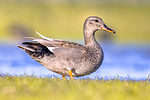
Gadwall
Gadwall Mareca strepera
Eurasian Wigeon Mareca penelope
American Wigeon Mareca americana
Blue-winged Teal Spatula discors
Cinnamon Teal Spatula cyanoptera
Wood Duck
Wood Duck Aix sponsa
Mandarin Duck Aix galericulata
Harlequin Duck Histrionicus histrionicus
Long-tailed Duck Clangula hyemalis
Common Eider Somateria mollissima
King Eider
King Eider Somateria spectabilis
Spectacled Eider Somateria fischeri
Common Goldeneye
Common Goldeneye Bucephala clangula
Barrow's Goldeneye Bucephala islandica
Bufflehead Bucephala albeola
Common Merganser Mergus merganser
Red-breasted Merganser Mergus serrator
Hooded Merganser Lophodytes cucullatus
Tufted Duck Aythya fuligula
Greater Scaup Aythya marila
Lesser Scaup
Lesser Scaup Aythya affinis
Canvasback
Canvasback Aythya valisineria
Redhead Aythya americana
Ruddy Duck
Ruddy Duck Oxyura jamaicensis
White-headed Duck Oxyura leucocephala
Common Shelduck Tadorna tadorna
Ruddy Shelduck Tadorna ferruginea
Black-bellied Whistling-Duck
Black-bellied Whistling-Duck Dendrocygna autumnalis
Fulvous Whistling-Duck
Fulvous Whistling-Duck Dendrocygna bicolor
Cotton Pygmy-goose Nettapus coromandelianus

“A duck can sleep with one eye open in order to stay alert to predators”

Ducks are omnivorous eating plants, insects, small fish, seeds, and crustaceans. A duck is a bird known as a waterfowl because they live near ponds, rivers, and lakes.

This animal lives on every continent except Antarctica. Some of them live in freshwater habitats while others live in saltwater. They have a lifespan of up to 10 years.

5 Incredible Duck Facts!
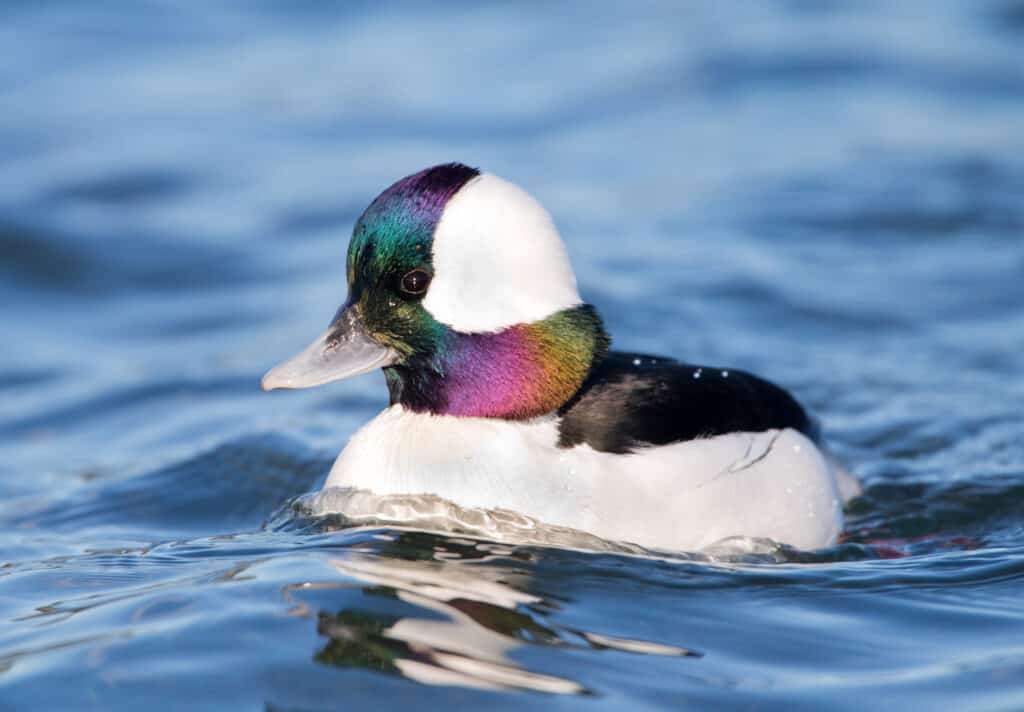
Bufflehead duck

All ducks have waterproof feathers

  • All types of ducks have waterproof feathers
  • A unique system of blood vessels keeps their feet warm in icy weather
  • Not all ducks make a quacking sound
  • These birds can turn their heads backward to clean, or preen, their feathers
  • Male ducks have more colorful feathers than females

Scientific Name
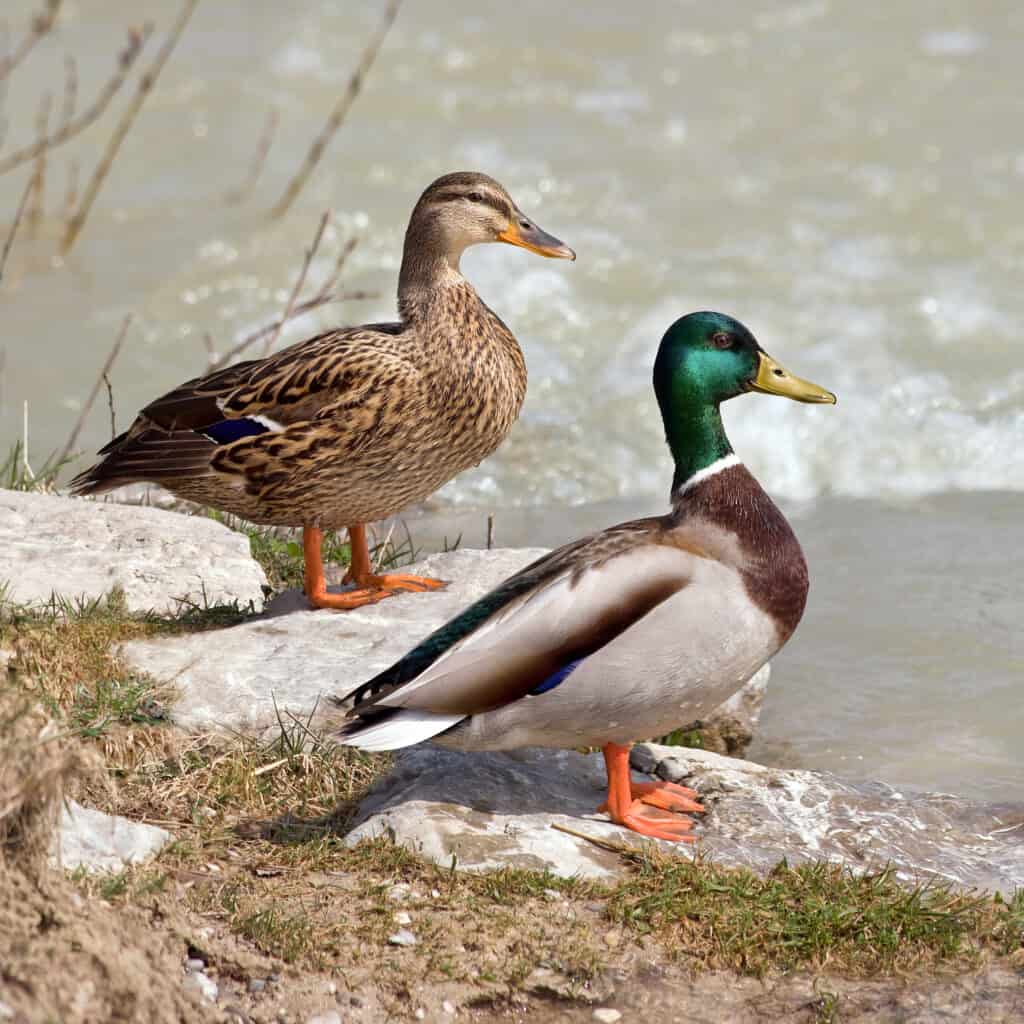
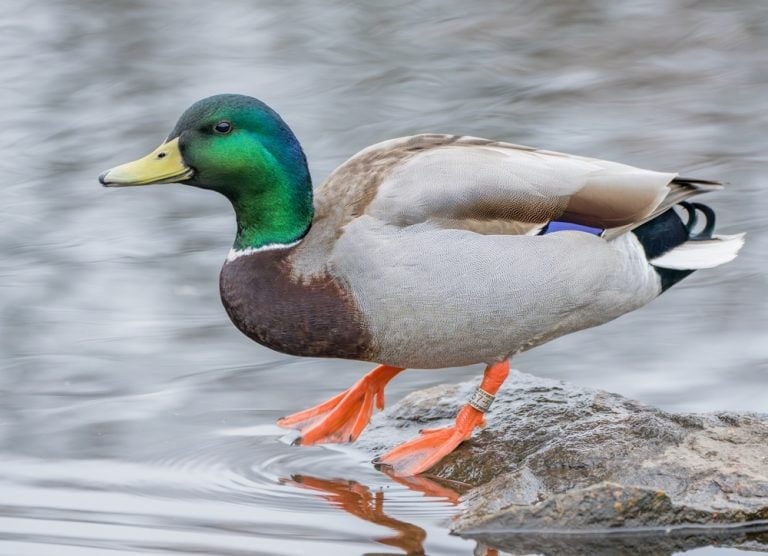
Male and female mallard ducks Anas platyrhynchos

Male and female mallard ducks Anas platyrhynchos

The scientific name for one of the duck species, the mallard, is Anas platyrhynchos. Almost all domesticated ducks are descendants of the mallard.

The Latin word platyrhynchos means flat-nosed which relates to the shape of this duck’s bill. All of these birds belong to the Anatidae family and are in the class Aves.

There are dozens of types of ducks.

Common Types of Ducks
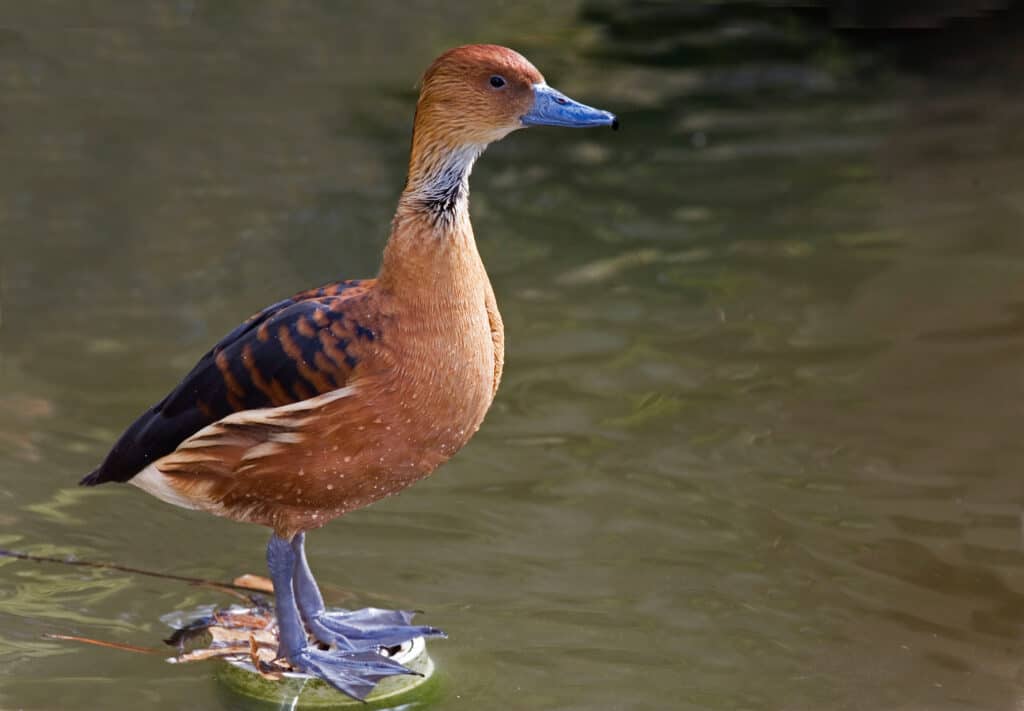
Fulvous Whistling-Duck

Fulvous whistling ducks form monogamous pair bonds and many mates with one partner for life.

  • Mallard – The mallard is a type of dabbling duck, meaning it feeds at the surface. Their populations range from temperate and subtropical regions of North America to Eurasia and North Africa.
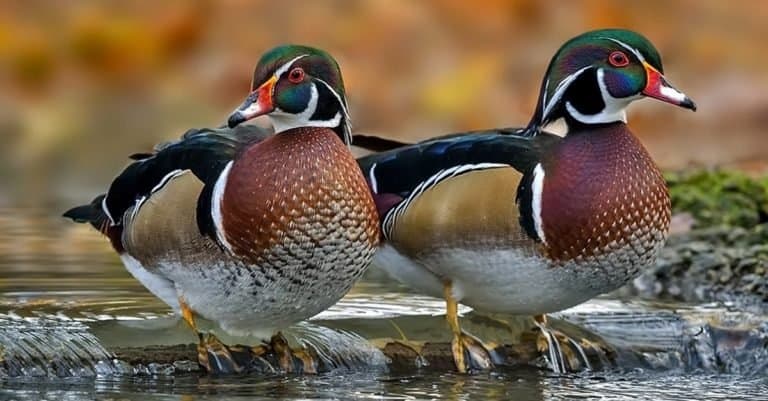
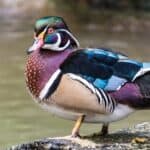
  • Wood Duck – The wood duck is a type of perching duck, meaning it often perches high up in trees. These ducks are native to North America, and southern populations don’t migrate like their northern counterparts.
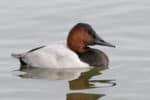
  • Canvasback – The canvasback is a type of diving duck, meaning it feeds by diving below the surface of the water. These ducks are commonly found in North America and prefer to nest in prairie marshes surrounded by emergent vegetation.
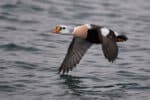
  • King Eider – The king eider is a large sea duck that breeds along the arctic coasts of northeastern Europe, North America, and Asia. The oldest king eider lived to be almost 19 years old.

Appearance and Behavior
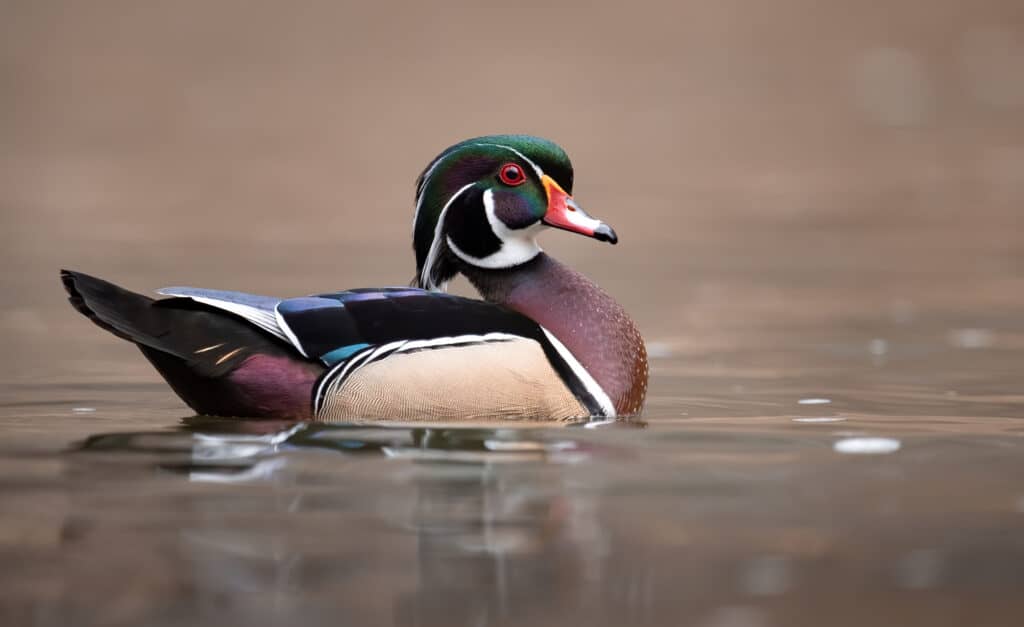
Wood Duck

A wood duck swimming on the water’s surface.

When it comes to a duck’s feathers, males, also called drakes, are more colorful than females. A drake’s feathers may be bright green, purple, silver, or blue. Alternatively, females, also called hens, are usually brown or grayish in color.

The exact coloration depends on the species. As an example, a male Cayuga duck has iridescent green feathers. A female Cayuga has some iridescent green plumage, but it’s less apparent. They both have black bills. This duck is named after the place where it originated, Lake Cayuga, New York.

These birds have webbed feet that help them to swim in lakes, streams, and ponds. In addition, ducks have a long, flat bill used to scoop up insects, vegetation, or other food items.

Look closely at a duck’s bill and you’ll see lamellae on the sides. Lamellae is the serrated edge of a duck’s bill that helps it to filter sand and mud while dipping its bill in the water in search of food.

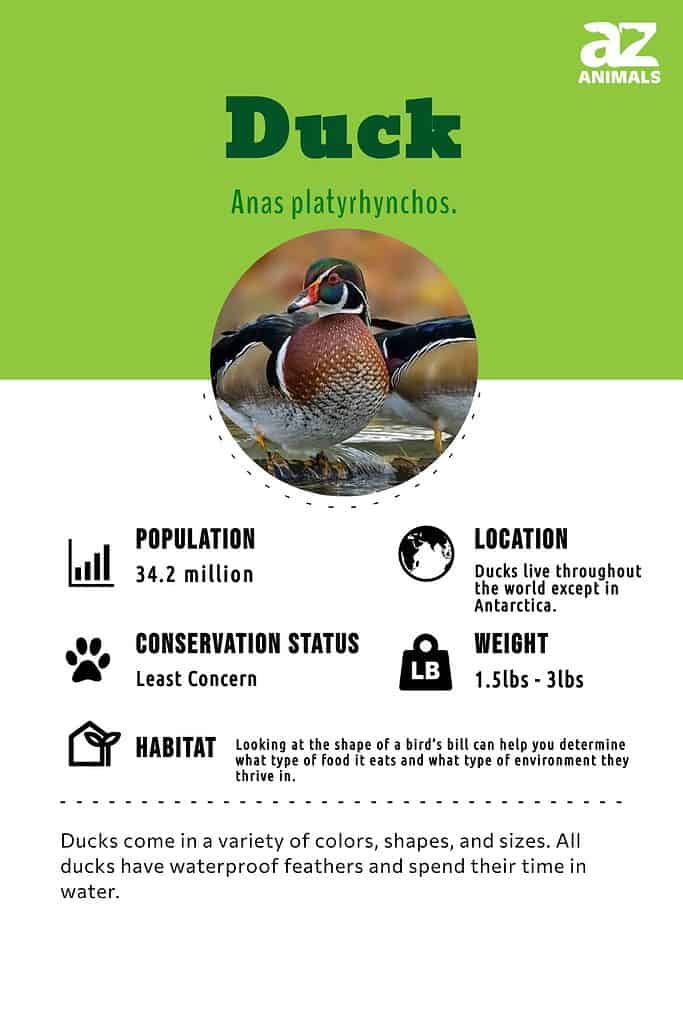
Looking at the shape of a bird’s bill can help you determine what type of food it eats. Species with a flat bill are likely to eat an abundance of vegetation such as algae and grass. Alternatively, a bird with a more pointed or sharper bill is likely to eat fish and other small sea life.

Have you ever noticed the small bump on the end of a duck’s bill? That’s called a nail. It’s there to help a duck dig in the mud for insects, vegetation, or other food.

The size of a duck depends on its species. Generally, they range from 20 to 26 inches long and weigh from 1.6 to 3.5 pounds. A 20-inch-long bird is equal in length to one and a third of bowling pins. A duck weighing 3 pounds is half as heavy as a brick.

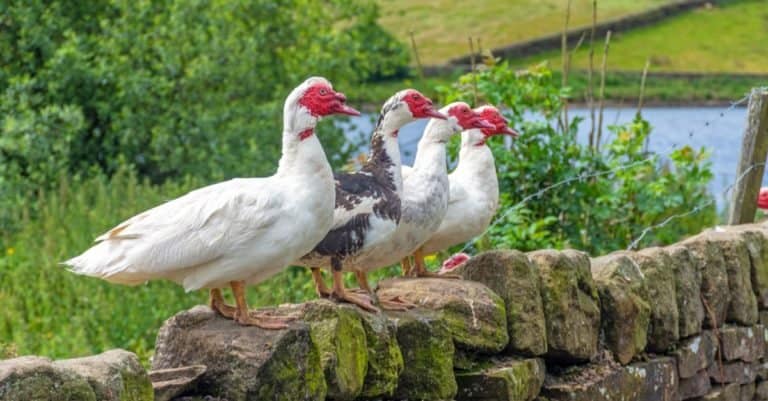
The Muscovy duck is the biggest species living in North America. It grows to be around 30 inches long and weighs about 15 pounds.

A goose is another type of waterfowl but is much larger than a duck. A Canadian goose measures between 2.5 to 3.6 feet long and weighs from 7.1 to 14 pounds!

These birds have a few ways to protect themselves from predators. A wild duck with the ability to fly may be able to escape a predator by taking off into the air. A female bird with dull-colored feathers may be able to hide in tall weeds or other vegetation near a body of water. They are fast swimmers which may help them to escape a threat.

These birds are social creatures and feel safer in a group. A group of ducks may be referred to as a team or a raft. Of course, they can also be called a flock. A flock could contain ten birds or dozens depending on the population in the region. Check out this article to learn more about group duck names and how they function in a flock.

These birds use their call whether it’s quacking or other sounds to alert others of a predator nearby. Wild ducks are shy and try to stay away from people.

Evolution and Origins of Ducks

One common theory is that ducks evolved to the small size that they are in the modern day to enable them to feed off of small particles in the water. For this reason, ducks evolved a wider bill that helps them eat smaller bits of food. There are more species of duck than geese or swans, which proves that the wider bill evolution worked.

With that said, almost all varieties of domestic ducks come from the mallard. This, however, excludes the Muscovy Duck.

Habitat
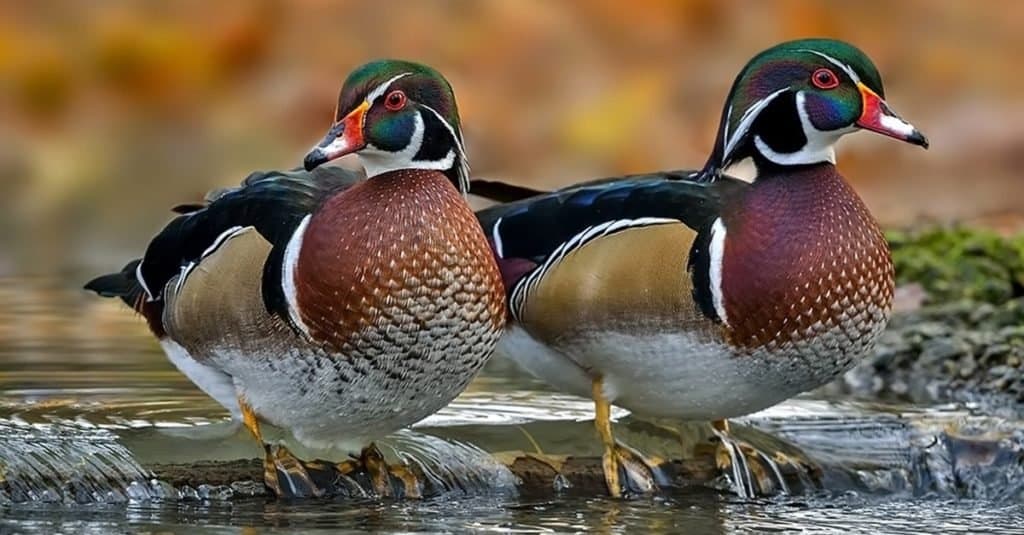
The wood duck or Carolina duck is a species of perching duck

These birds live throughout the world except in Antarctica.

These birds live throughout the world except in Antarctica. Some species live in the tropics while others live in temperate climates. They live near rivers, ponds, lakes, and streams. They sometimes sleep in a nest made of tall grass near a body of water. Other times they sleep while actually floating on the water!

Some species in northern regions of North America migrate in the fall because food starts to become scarce at that time of year. These birds may migrate to a warm area in the southern part of the United States or further on to Mexico. Some species go to central California for the winter.

The change of daylight in the springtime serves as a signal for ducks to fly north again.

What eats ducks?
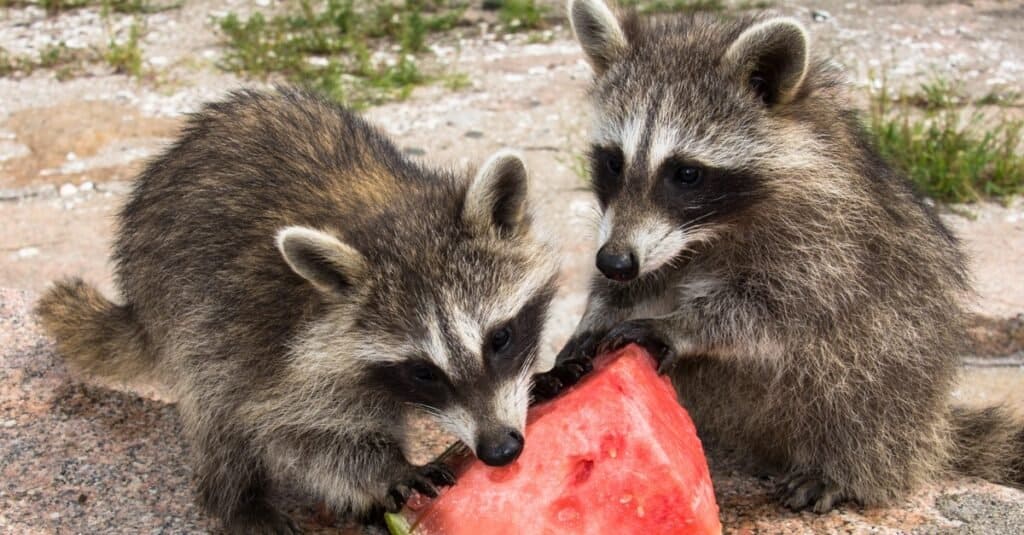
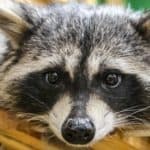
Raccoon eat

Raccoons eats ducks

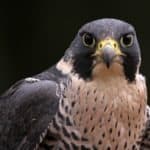
Adult ducks can fall prey to a variety of predators including possum, peregrine falcon, coyotes, hawks, snakes, and raccoons.

Baby birds, or ducklings, fall victim to many predators as well. They are sometimes eaten by large fish such as pike or bass. Snapping turtles, crocodiles and herons also eat ducklings.

What do ducks eat?
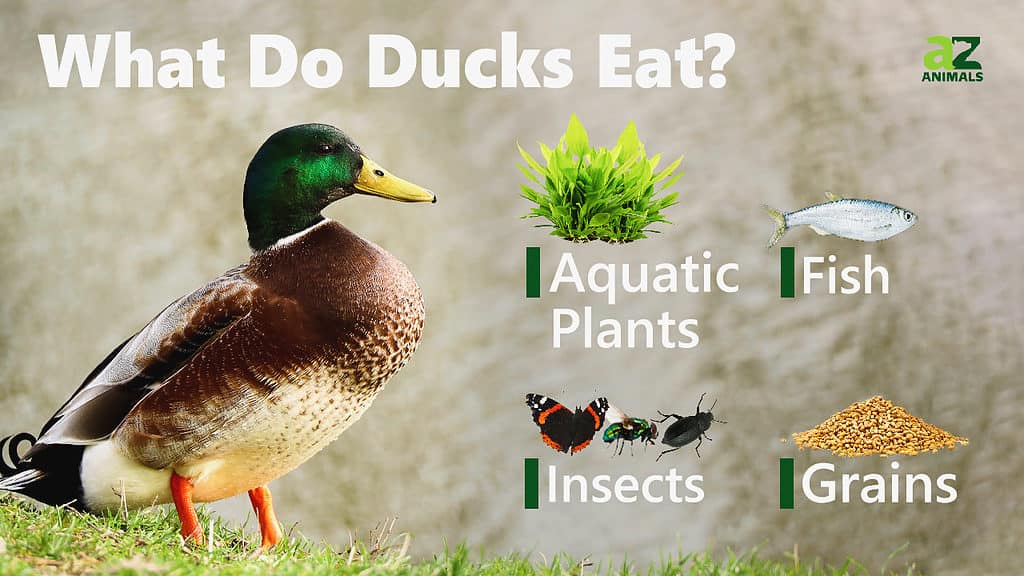
These birds eat insects, fruit, seeds, algae, small fish, and crustaceans.

These birds eat insects, fruit, seeds, algae, small fish, and crustaceans.

These birds are omnivores. They eat the food source that is most abundant in their habitat.

Have you ever seen a duck’s rear end sticking up out of the water? This happens when a dabbling duck tips its head underwater to filter through the sandy bottom of a creek or pond looking for food.

Other types of ducks dive beneath the surface for food while others find prey floating on the surface.

Predators and Threats
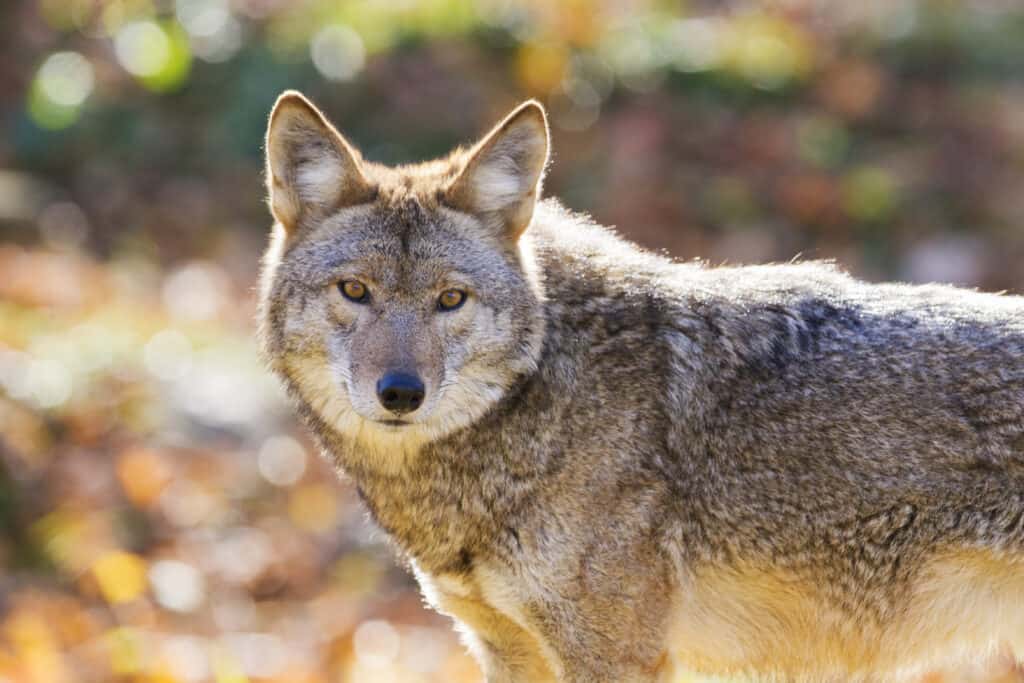
coyote in sunlight

Coyotes prey on ducks and other small mammals

Coyotes, snakes, peregrine falcons, raccoons, hawks, and possums are predators of adult birds. A peregrine falcon is fast enough to capture an adult that takes flight from a pond or lake. Raccoons, coyotes, and possums can overpower an adult bird after capturing it in a sneak attack.

Ducklings can be preyed on by pike, bass, crocodiles, snapping turtles, and herons. These little animals are especially vulnerable because they aren’t big enough to fly and can’t swim as fast as adults. So, a large fish like a pike or bass could follow a duckling swimming overhead and drag it down.

These birds face the environmental threat of loss of habitat. Wetlands are being affected by pollution. In addition, some species are hunted by humans for food or sport. The avian flu is a disease that can travel quickly through a duck population.

The conservation status of the Anas platyrhynchos is listed as Least Concern with an increasing population.

Duck Reproduction, Babies and Lifespan
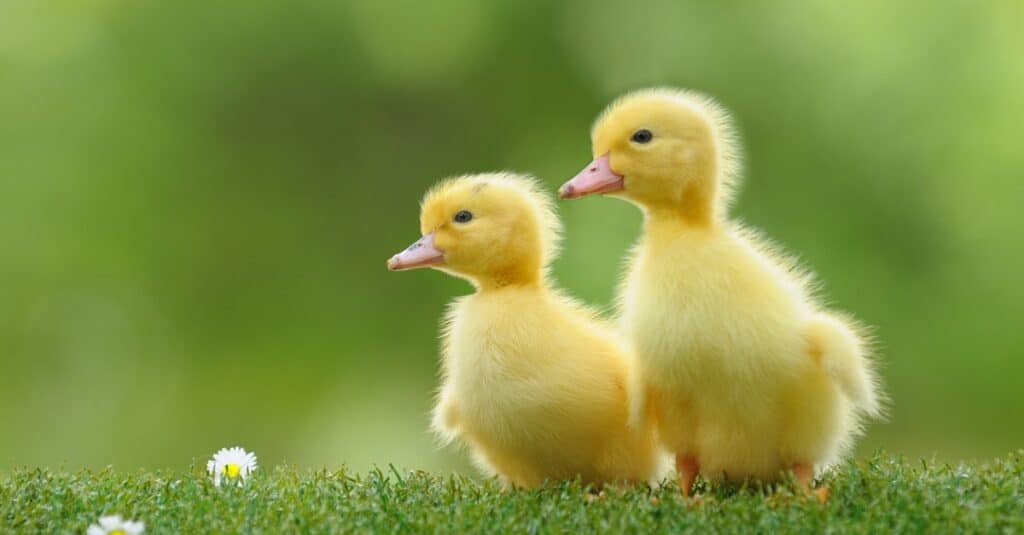
baby duck siblings

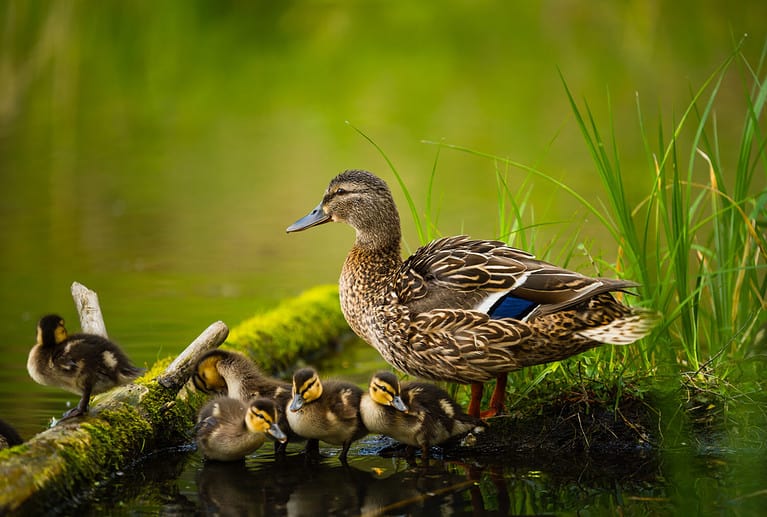
Baby ducks

These birds begin to choose their mates in the month of December. A female chooses a male out of a large group. She looks for a mate with beautiful, healthy plumage. Some of the courtship rituals include bobbing heads, making whistling sounds, and swimming around one another.

Drakes call to females and make sounds trying to get as much attention as possible. This is a noisy time for ducks! Males and females pair up for one season but find a different mate the next breeding season. This is called seasonal monogamy.

The female builds a nest made of sticks, grass, and feathers near a pond or lake. The gestation period of these birds is 28 days. Incidentally, the gestation period is the same for Canadian geese. They lay eggs starting in mid-March through the end of July. There are usually 12 eggs in a clutch. Duck eggs are fairly large weighing about two and a half ounces. After the eggs are laid, the male doesn’t contribute to their care.

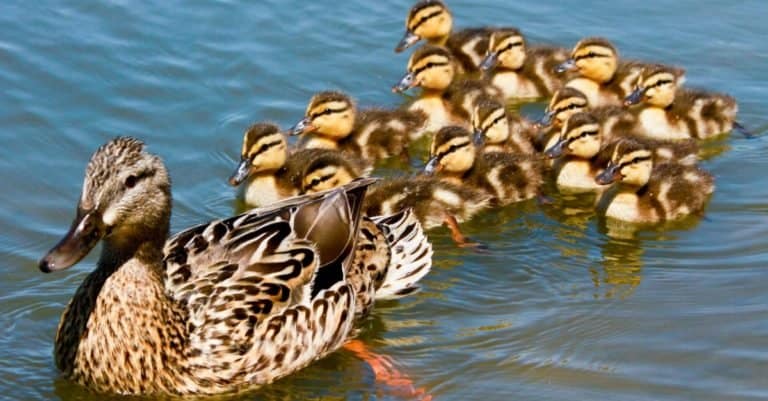
It takes about 24 hours for all of the eggs in a clutch to hatch. Baby ducks are called ducklings. Immediately after hatching, a duckling’s feathers begin to dry, and it starts wiggling its legs. About ten hours later, the mother directs her babies out of the nest and leads them to the water. That’s quick!

The ducklings stay with their mother as they learn how to swim and how to find food in the water. She protects them from other ducks and keeps them warm on cold evenings. At 50 to 60 days old, the ducklings are able to fly and live independently.

These birds become sexually mature at one year old. They have a lifespan of 5 to 10 years. The record for the oldest duck is 29 years old.

These birds are vulnerable to illnesses such as duck virus hepatitis, aspergillosis, and colibacillosis.

Duck Population

According to the IUCN Red List of Threatened Species, the latest estimated population of the mallard (scientific name: Anas platyrhynchos) is approximately 19,000,000 worldwide. An estimated 5,700,000 to 9,220,000 of these birds live in Europe.

Its conservation status is Least Concern with an increasing population.

Ducks in the Zoo

View all 451 animals that start with D
How to say Duck in ...
Bulgarian
Зеленоглава_патица
Catalan
ànec_collverd
Czech
Kachna_divoká
Danish
Gråand
German
Stockente
English
Mallard
Esperanto
Platbeka_anaso
Spanish
Anas_platyrhynchos
Finnish
Sinisorsa
French
Canard_colvert
Galician
Lavanco
Hebrew
ברכיה_(עוף)
Croatian
Divlja patka
Hungarian
Házikacsa
Italian
Anas_platyrhynchos
Japanese
マガモ
Dutch
Wilde_eend
English
Stokkand
Polish
Kaczka_krzyżówka
Portuguese
Pato-real
Slovenian
mlakarica
Swedish
Gräsand
Turkish
YeÅŸilbaÅŸ
Chinese
绿头鸭

Sources

  1. Wikipedia / Accessed March 17, 2021
  2. Britannica / Accessed March 17, 2021
Rebecca Bales

About the Author

Rebecca Bales

Rebecca is an experienced Professional Freelancer with nearly a decade of expertise in writing SEO Content, Digital Illustrations, and Graphic Design. When not engrossed in her creative endeavors, Rebecca dedicates her time to cycling and filming her nature adventures. When not focused on her passion for creating and crafting optimized materials, she harbors a deep fascination and love for cats, jumping spiders, and pet rats.
Connect:

Thank you for reading! Have some feedback for us?


Duck FAQs (Frequently Asked Questions)

Ducks are Omnivores, meaning they eat both plants and other animals.