A
Species Profile

American Bully

Canis lupus familiaris

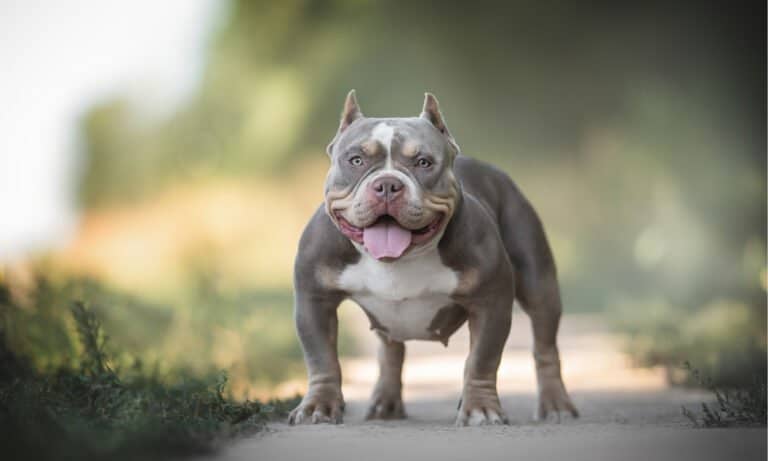
Big heart in a bold build
Zanna Pesnina/Shutterstock.com

American Bully Distribution

Click a location to explore more animals from that region

Origin Location

This map shows the native origin of the American Bully. As a domesticated species, they are now found worldwide.

Loading map...

Size Comparison

Human 5'8"
American Bully 1 ft 6 in

American Bully stands at 27% of average human height.

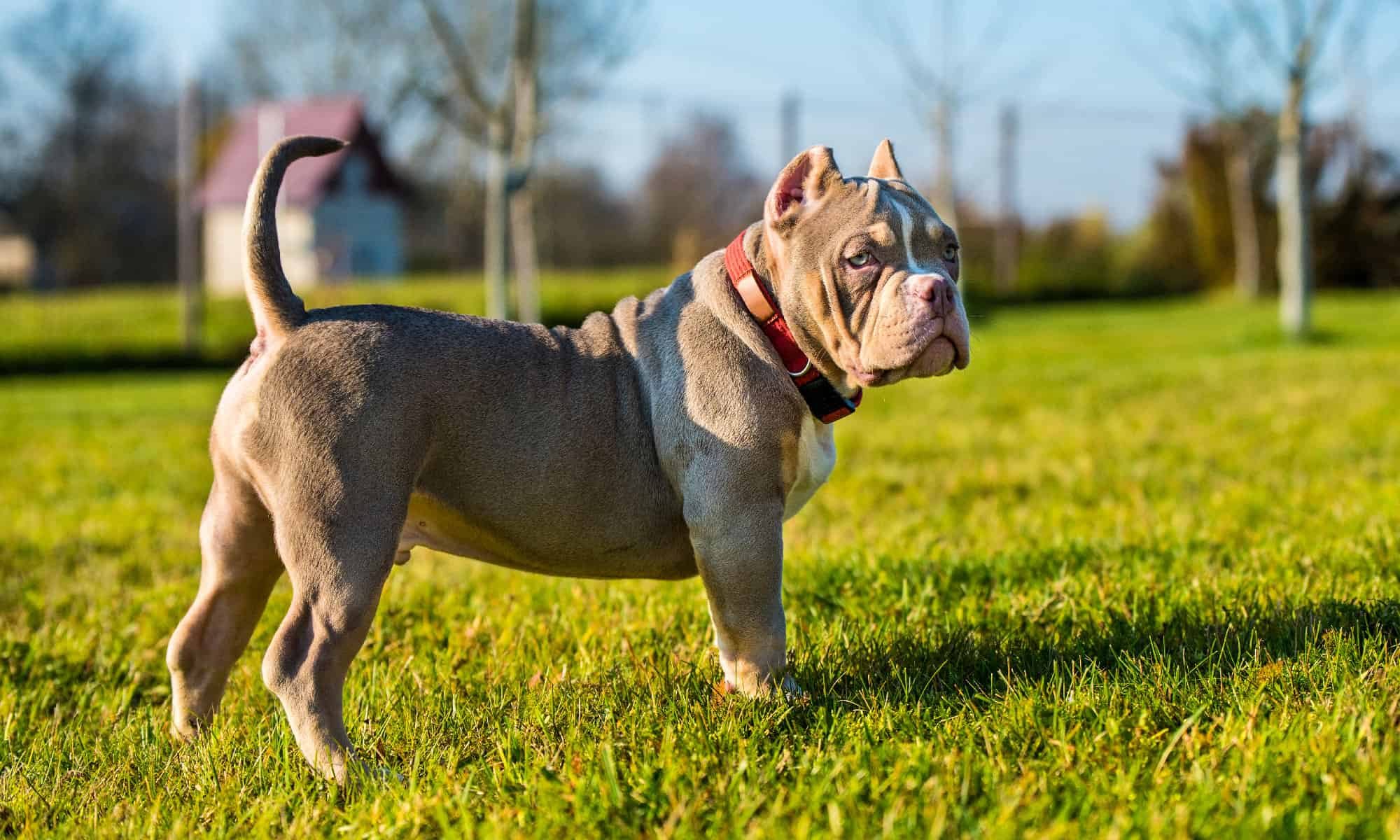
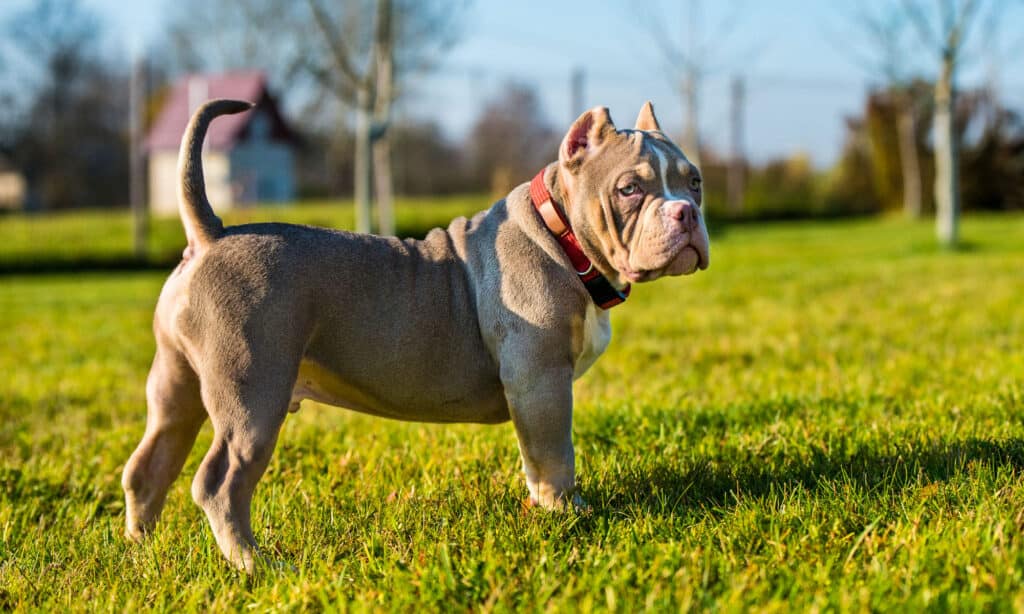
American Bully puppy dog

At a Glance

Domesticated
Also Known As Bully, AB, Bully dog
Diet Omnivore
Activity Diurnal+
Lifespan 10.5 years
Weight 57 lbs
Status Not Evaluated
Did You Know?

The American Bully is a modern U.S.-developed breed/type, selected primarily for companionship rather than working roles.

Scientific Classification

The American Bully is a modern companion-oriented dog breed/type developed in the United States from bully-type terrier and bulldog lineages. It is typically characterized by a muscular build, broad chest, blocky head, and a temperament commonly selected for sociability and stability as a pet.

Kingdom
Animalia
Phylum
Chordata
Class
Mammalia
Order
Carnivora
Family
Canidae
Genus
Canis
Species
lupus

Distinguishing Features

  • Heavily muscled, compact to medium-large build depending on variety (e.g., Pocket/Standard/Classic/XL)
  • Broad, deep chest; substantial bone; thick neck
  • Large, blocky head with short-to-moderate muzzle
  • Short, glossy coat in many colors/patterns
  • Primarily bred as a companion animal rather than for working performance

Physical Measurements

Males and females differ in size

Height
♂ 1 ft 6 in (1 ft 2 in – 1 ft 10 in)
♀ 1 ft 5 in (1 ft 1 in – 1 ft 9 in)
Length
♂ 2 ft 9 in (2 ft 2 in – 3 ft 5 in)
Weight
♂ 73 lbs (29 lbs – 132 lbs)
♀ 62 lbs (31 lbs – 99 lbs)
Tail Length
♂ 9 in (7 in – 12 in)
♀ 10 in (8 in – 1 ft 1 in)
Top Speed
22 mph
Lower top speed, short bursts

Appearance

Primary Colors
Secondary Colors
Skin Type Mammalian skin with a short, close, glossy single coat; skin is often moderately loose around neck/shoulders. Breed/type tendency toward environmental/food allergies and irritant dermatitis in some lines; careful coat/skin monitoring and parasite control are important.
Distinctive Features
  • Domestic dog selectively bred for companionship and a muscular bully-type conformation rather than wild survival traits typical of wolves: shorter muzzle, broader skull, heavier bone, and reduced endurance-focused build.
  • Blocky, broad head with pronounced cheek muscles; shorter-to-moderate muzzle (varies by line/size class).
  • Very broad chest, thick neck, and compact-to-moderate length body with substantial musculature; strong forequarters and wide stance are hallmark traits.
  • Short, smooth coat with minimal grooming needs (weekly brushing, occasional bathing); nails and dental care are important due to compact build and strong jaws requiring routine oral hygiene.
  • Multiple size/variety classes exist within the American Bully type (e.g., Pocket/Standard/Classic/XL), influencing overall height, mass, and proportionality while maintaining the bully silhouette.
  • Companion-focused temperament selection: typically people-oriented, stable, and sociable when responsibly bred, socialized, and trained; benefits from early socialization, reward-based training, and structured routines.
  • Heat sensitivity can occur, especially in heavier dogs and those with shorter muzzles; avoid intense exercise in hot/humid conditions and provide cooling/adequate hydration.
  • Exercise needs: moderate daily activity (brisk walks, controlled play, strength-safe conditioning) to maintain lean muscle; avoid excessive jumping in young dogs to protect developing joints.
  • Common health concerns in the type: hip/elbow dysplasia, cruciate ligament injury risk, patellar luxation (especially smaller varieties), and general orthopedic strain from heavy musculature/rapid growth.
  • Respiratory/airway considerations may occur in shorter-muzzled individuals (snoring, reduced heat tolerance); select for functional breathing and maintain healthy weight.
  • Dermatologic/allergy issues are relatively common (itching, recurrent ear infections); may require elimination diets, vet-directed allergy management, and regular ear cleaning.
  • Cardiac screening is advisable in breeding stock (e.g., congenital or acquired heart issues reported in bully-type lines); routine veterinary checkups recommended.
  • Weight management is critical: tendency to gain weight if overfed; feed measured portions and prioritize body condition scoring to reduce joint and heart strain.
  • Responsible ownership context: strong, powerful build requires leash skills, impulse control training, and secure containment; avoid sensationalized aggression narratives while emphasizing management and socialization.

Sexual Dimorphism

Sexual dimorphism is typically noticeable: males tend to be heavier-boned with broader heads/necks and more pronounced musculature; females are often slightly smaller and more refined while still muscular. Exact differences vary by size class (Pocket/Standard/Classic/XL) and individual lineage.

♂
  • Broader, more blocky head; thicker neck and heavier forequarters.
  • Greater overall mass and muscle definition; wider chest and more pronounced cheek musculature.
  • May mature into a more imposing silhouette, increasing the need for early leash manners and structured training.
♀
  • Slightly smaller frame with a more refined head/neck while retaining the characteristic broad chest and muscular body.
  • Often shows a lighter bone structure and less extreme head width compared with males in the same variety.
  • May reach mature body condition with less overall mass, but still requires joint-friendly exercise and weight control.

Did You Know?

The American Bully is a modern U.S.-developed breed/type, selected primarily for companionship rather than working roles.

Many registries recognize size classes (e.g., Pocket, Standard, Classic, XL), reflecting deliberate selection for different builds and heights.

Despite the "bully" look, well-bred individuals are typically bred for stable, social temperaments and family suitability.

Its ancestry traces to bull-and-terrier and bulldog-type lineages, but it is distinct from the American Pit Bull Terrier in many kennel organizations' standards.

Their broad chest and heavy bone create a powerful silhouette, but they're often "people dogs" that prefer being close to family.

Coat colors and patterns are highly variable; short coats make grooming simple but offer limited cold protection.

Like many domestic dogs (Canis lupus familiaris), they excel at reading human cues-eye contact, pointing, and tone-skills shaped by domestication.

Unique Adaptations

  • Companion-focused selection within a wolf-descended species: compared with wild Canis lupus, the American Bully is bred for reduced reactivity, increased sociability, and stable behavior in human homes.
  • Robust musculoskeletal conformation: broad chest, heavy bone, and strong jaw musculature reflect bully-type heritage-useful for power but requiring careful conditioning to protect joints.
  • Short, low-maintenance coat: easy grooming and reduced matting, but less insulation and sun protection than double-coated breeds.
  • High human-attunement: like many domestic dogs, they tend to track human faces and body language closely; training that uses clear cues and rewards is especially effective.
  • Size-class diversity: within the same general "bully" phenotype, selection has produced a range of heights and proportions, allowing different lifestyles (apartment vs. larger homes).

Interesting Behaviors

  • "Velcro dog" tendencies: many American Bullies seek constant proximity, leaning or sitting against their people for contact.
  • Comedic "wiggle-butt" greetings: full-body wagging is common in sociable lines, especially during familiar reunions.
  • Strong chew motivation: many enjoy sustained chewing; appropriate chew items and training help prevent destructive chewing.
  • Play style often includes body-bumping and wrestling-supervision and compatible playmates matter due to their strength.
  • High tolerance for handling when well-socialized: many accept grooming, nail trims, and vet handling better than more aloof breeds.
  • Thermally cautious behavior: in cold weather they may seek blankets, warm spots, and shorter outdoor sessions due to short coat.
  • Barrier frustration can appear (excitement behind fences/leashes); calm leash skills and controlled greetings help channel it.

Cultural Significance

American Bully (Canis lupus familiaris) shows a shift from gripping and guarding types to a family companion dog. In the U.S. it is popular on social media, clubs, and events, yet sparks debates about responsible ownership, breed laws, ethical breeding, and socialization.

Myths & Legends

In city dog stories, the American Bully (Canis lupus familiaris) is said to be a planned family companion version of bully-type dogs, bred for softer, more social home behavior while keeping its blocky shape.

Some breeder lore speaks of "four pillars" of the Bully (Pocket, Standard, Classic, XL) as a folk taxonomy-an identity story emphasizing variety within a shared look, often celebrated at shows and community gatherings.

A frequent naming anecdote retold in clubs is that "Bully" was embraced as a reclaimed term-meant to signal the bulldog/bull-and-terrier heritage without implying a working fighting purpose, emphasizing companionship instead.

In some communities, stories show the American Bully (Canis lupus familiaris) as a loyal, protective family guardian — not a trained guard dog by default, but a steady presence who stands between loved ones and danger.

Conservation Status

NE Not Evaluated

Has not yet been evaluated against the criteria.

Population Stable

Life Cycle

Birth 6 pups
Lifespan 11 years

Lifespan

In the Wild
8–13 years
In Captivity
8–13 years

Reproduction

Mating System Polygyny
Social Structure Managed Domestic
Breeding Pattern Transient
Fertilization Managed Selective
Birth Type Managed_selective

American Bully breeding is controlled by humans. Breeders arrange matings, often using popular stud males with many females rather than pair bonds. Matings are timed; gestation is about 63 days. Some lines have birth risks like dystocia and C-sections.

Behavior & Ecology

Social Pack Group: 3
Activity Diurnal, Cathemeral
Diet Omnivore High-quality, meat-forward complete dog diet (commonly chicken- or beef-based)

Temperament

Companion-selected sociability: commonly people-oriented, tolerant of handling, and motivated by attention/affection; compared with the base species (wolf), less independent and more reliant on human-guided structure.
Confidence and stability are common breeding goals; however, arousal and impulsivity can occur without training, enrichment, and clear household routines.
American Bullies vary with other dogs. Many are friendly or neutral with known dogs; some are picky or reactive, especially with same-sex dogs or around tight spaces, toys, food, or barriers. Early socialization helps.
High strength-to-size ratio: may be physically powerful and tenacious in play; supervision is important during rough play, around small animals, and in crowded dog settings if the individual is dog-selective.
Breed-distinct from base species: reduced predatory/hunting role and increased affiliative behaviors with humans; engagement is often play- and food-reinforced rather than driven by pack hunting/ecology.
Care requirement (behavioral): benefits from consistent positive-reinforcement training, impulse-control exercises, and daily enrichment (sniffing, problem-solving, structured tug/fetch) to prevent frustration-related behaviors.
Care requirement (physical/comfort): heat sensitivity can occur in heavy-muscled dogs; avoid overexertion in hot weather and emphasize hydration/rest.
Health-linked behavior notes: orthopedic discomfort (e.g., hip/elbow issues, cranial cruciate ligament disease) can reduce tolerance and increase irritability; maintain lean body condition and use low-impact conditioning.
Common breed-associated concerns to monitor with vets/breeders: skin/allergy tendencies, ear/skin infections secondary to allergies, brachycephalic-style airway issues in shorter-muzzled lines, and heart disease in some lines-pain or breathing difficulty can affect sociability and activity tolerance.

Communication

Barks Alert, demand, play, barrier frustration
Growls Warning, resource guarding, rough play modulation
Whines/whimpers Attention-seeking, frustration, discomfort
Pants/snorts Exertion or heat; may be louder in shorter-muzzled individuals
Body language: broad, stiffened posture when aroused; loose wiggly posture and play bows during friendly engagement; hard staring or freezing as early warning signals.
Facial and ear cues: relaxed open mouth vs. tight mouth; ear carriage and head turns used to signal uncertainty/avoidance.
Tail and whole-body wag patterns: low, loose wag and hip wiggle often affiliative; high, tight wag can indicate high arousal and needs context.
Scent communication: sniffing, urine marking, and overmarking during walks; investigation of novel scents is a major enrichment channel.
Tactile communication: leaning, pawing, nudging, and close contact/'cuddle' resting with trusted humans.
Play communication: self-handicapping, pauses, role reversals, and 'shake-off' to reset; may need human interruption to keep intensity appropriate as it varies by individual arousal and training.

Habitat

Biomes:
Temperate Forest Boreal Forest (Taiga) Tundra Temperate Grassland Mediterranean Desert Hot Desert Cold Freshwater Wetland +3
Terrain:
Plains Hilly Mountainous Coastal
Elevation: Up to 16404 ft 3 in

Ecological Role

Domesticated, human-associated omnivorous mesopredator/scavenger analog; in modern settings primarily a companion animal with diet supplied by humans rather than a functional wild predator.

companionship and social bonding in human households deterrence/alerting (perceived guarding presence) participation in working/therapy activities when temperamentally suited as free-ranging individuals (where present), can influence urban wildlife via opportunistic predation and scavenging (generally a managed/undesired ecological effect)

Diet Details

Main Prey:
Small mammals Birds and eggs Carrion and human food waste
Other Foods:
Human-provided starches Fruits Vegetables Grasses and herbaceous plants

Human Interaction

Domestication Status

Domesticated

Canis lupus familiaris (domestic dogs) come from gray wolves by long human selection for tameness and teamwork. The American Bully is a modern U.S. companion bully-type breed from the late 1900s, made from bulldog and bull-and-terrier lines (often Pit Bull– and Staffordshire-type). Bred stocky, muscular, broad-chested, blocky-headed, people-friendly; kept as pets, show/sport dogs, and overrepresented in shelters and breed policy debates.

Danger Level

Moderate
  • High strength and mass relative to many companion breeds can increase injury severity if a bite occurs, even if overall temperament is stable
  • Poor socialization, inadequate supervision with children, or rough handling can lead to fear/defensive biting (as with any dog)
  • Leash reactivity or dog-directed aggression can occur in some individuals/lines, creating bystander risk during dog-dog incidents
  • Health-related discomfort (e.g., orthopedic pain, skin infections) can increase irritability and bite risk if touched
  • Mismatched ownership (insufficient training, containment, or management) can lead to escape/roaming and conflict
  • Breed-type stigma/BSL can escalate consequences of incidents (mandatory muzzling, seizure, euthanasia in some locales)

As a Pet

Suitable as Pet

Legality: American Bully (Canis lupus familiaris) is legal in many places but may be restricted by breed-specific legislation (BSL) or called 'pit bull-type.' Landlords, HOAs, or insurance companies may ban, charge extra, require insurance, fences, muzzles, or registration. Check local rules.

Care Level: Moderate

Purchase Cost: $500 - $5,000
Lifetime Cost: $15,000 - $45,000

Economic Value

Uses:
Companion animal ownership (pet industry spend) Breeding and kennel/show economy Training, boarding, grooming services Veterinary and preventive healthcare Rescue, sheltering, and municipal animal services Housing/insurance risk management (policies, riders, compliance)
Products:
  • Puppy sales/adoption fees; stud services (where lawful/ethical)
  • Show entries/registrations and related travel/handling services
  • Food (often higher consumption due to body mass), supplements (use varies; not always necessary)
  • Training classes and behavior support (socialization, impulse control, leash manners)
  • Durable equipment: strong leashes/harnesses, secure crates, chew-resistant toys
  • Veterinary care including screening/management for orthopedic, skin, and airway issues
  • Rescue-related costs: spay/neuter, rehabilitation, fostering, rehoming

Affiliate Disclosure: As an Amazon Associate and affiliate partner of various brands, we may earn a small commission when you purchase through links on our site, at no extra cost to you. This helps us continue to provide high-quality content.

Despite being a new breed, the American bully has cemented its place in dog lovers’ hearts. These excellent family pets are trainable, loveable, and loyal to a fault. The breed originated in the United States in the 1980s. Breeders created this companion dog from American pit bull terriers, American bulldogs, and American Staffordshire terriers. The idea was to combine the stocky, muscular bodies of bulldog-type breeds with the affectionate, playful personality of the American Staffordshire terrier. What emerged was a physically tough dog with a heartwarming personality.

In contrast to their intimidating name, American bullies more than live up to their mandate as companion dogs. With wide grins that seem to reflect their inner dispositions, they love to play and cuddle with their owners. They also get along well with children and other dogs. American bullies are short-haired dogs that come in a range of colors including black, brown, white, grey, tan, fawn, red, and blue. Their coats may be a mix of these colors, usually two or three.
American Bully

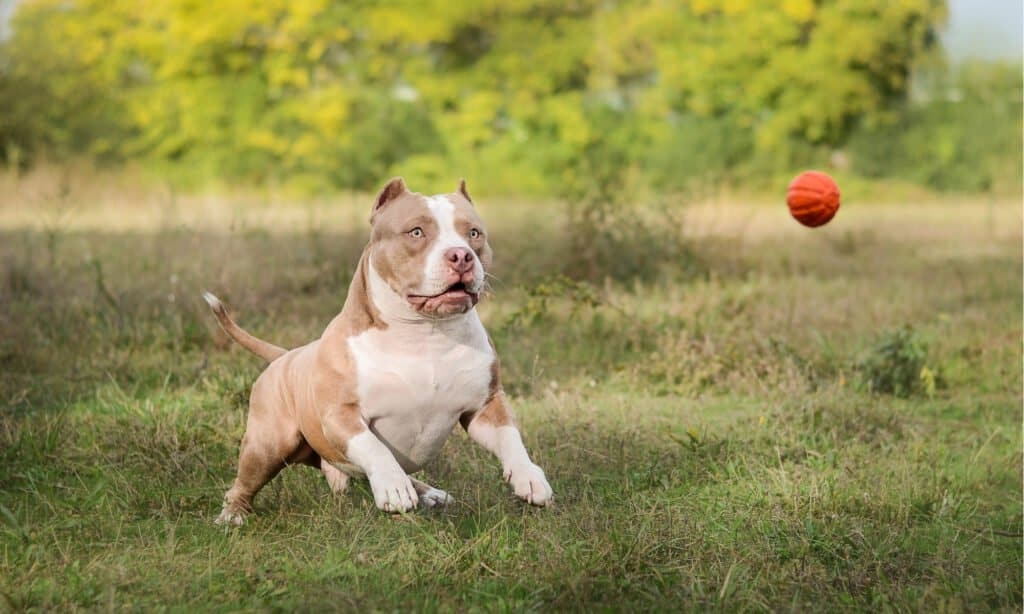
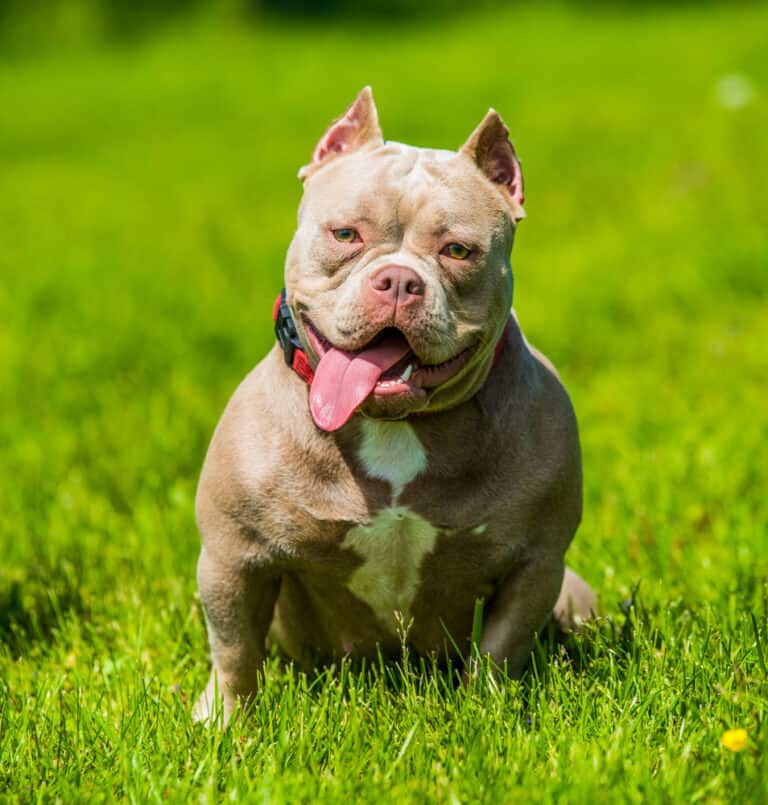
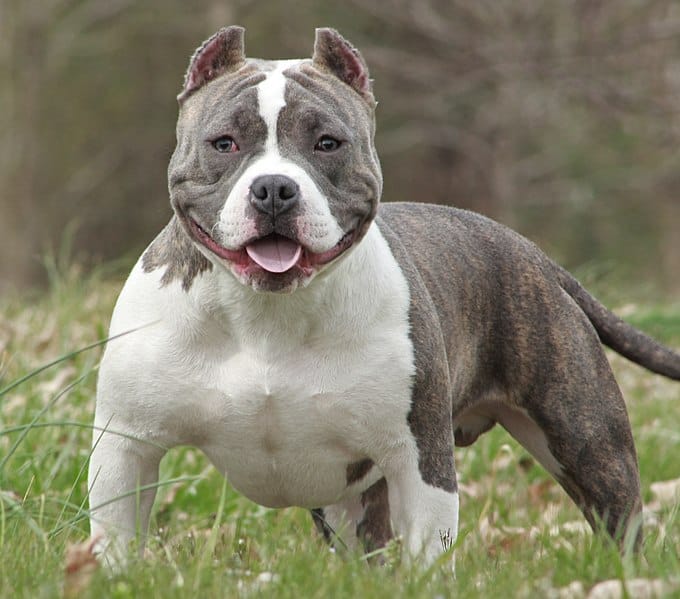
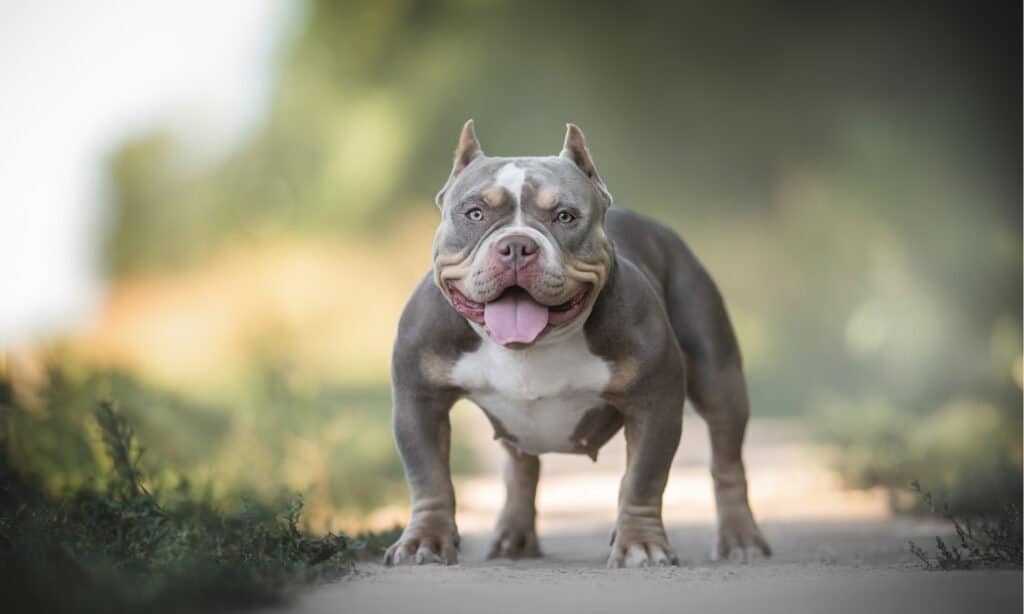
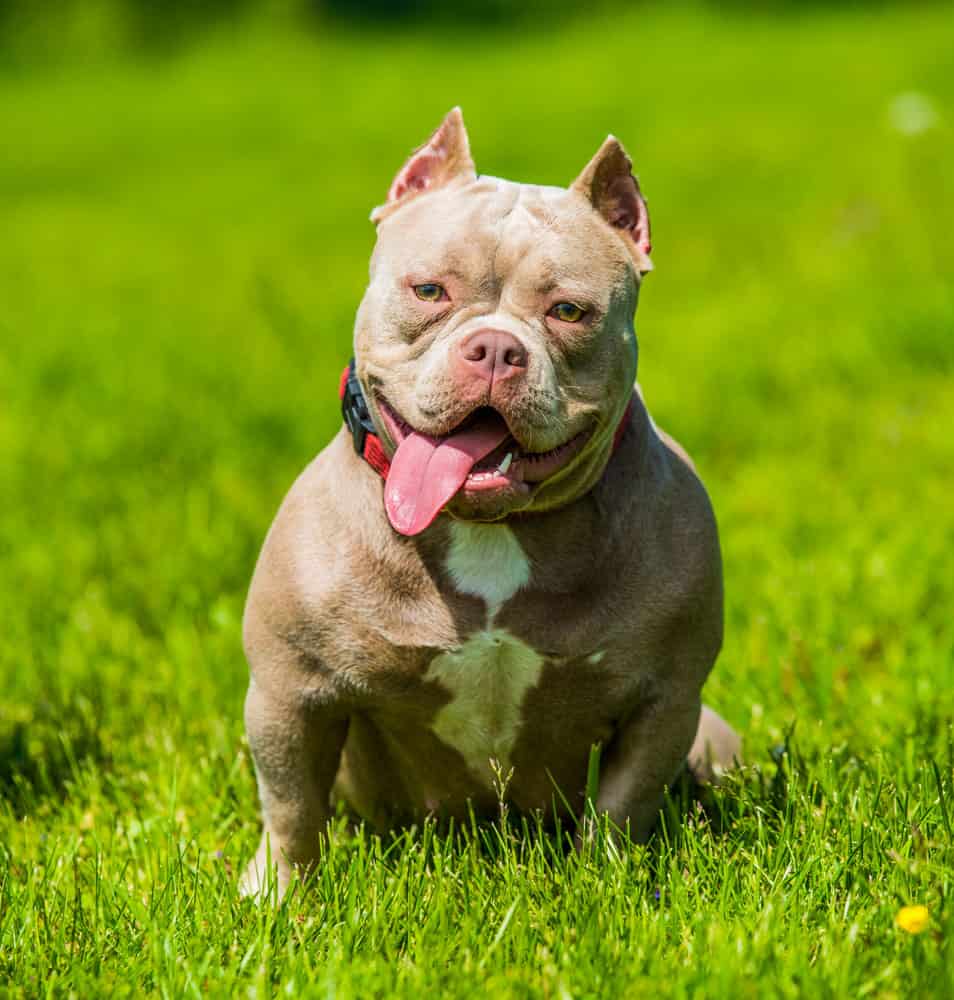
Standard American bullies are medium to large dogs with incredibly stocky bodies and well-defined muscles.

The 5 Different Types

There are five different types of American bully mixes besides the purebred standard American bully:

  • XL American Bully (mix of American bully and pit bull)
  • Pocket American Bully (mix of American bully and Patterdale terrier)
  • Bully Pitsky (mix of American bully and Siberian husky or Alaskan malamute)
  • Bully Chi (mix of American bully and chihuahua)
  • American Labrabull (mix of American bully and Labrador retriever)

Ownership: 3 Pros and Cons

ProsCons
Affectionate and great with children. American bullies make fantastic family pets regardless of the age of the children in the household. With loving and affable dispositions, they make loyal lifelong companions.Require moderate exercise. Because American bullies originate from working dogs, they have moderate to high energy levels. Daily exercise is a must, preferably outdoors as well as indoors.
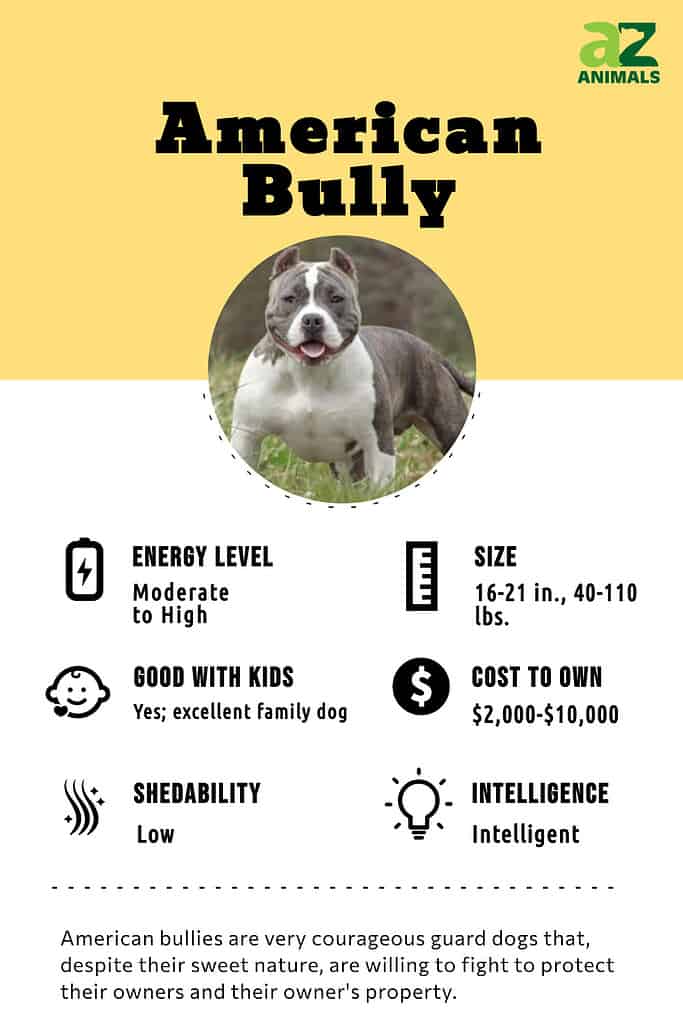
Easy to train. Despite their tough appearance, American bullies are eager to please, making them easy to train. They lack the stubbornness typical of similar breeds.Expensive. American bullies are expensive dogs to purchase. The typical price range for a purebred puppy is $2,000 to $10,000. Any cheaper than this and the puppy is likely a mixed breed.
Easy to groom. When it comes to grooming, the short-coated American bully needs very little maintenance. The breed does shed, but only minimally.Puppies grow extremely quickly. American bully puppies grow at an astonishing rate, gaining weight and filling out almost too quickly for their owners to keep up. It is vital to adjust their food allowance accordingly to accommodate their changing needs.

Size and Weight

Standard American bullies are medium to large dogs with incredibly stocky bodies and well-defined muscles. Adult males range from 17-21 inches in height, while females stand anywhere from 16-20 inches. The weight of both males and females differs greatly based on breeding, with some adults weighing as little as 40 pounds and some as much as 110 pounds. American bully puppies grow rapidly, weighing 50-70 pounds by six months of age and standing 14-18 inches at the withers.
American Bully puppy dog

The American Bully can weigh as much as 110 pounds when fully grown, depending on breeding.

Height (Male)17-21 inches
Height (Female)16-20 inches
Weight (Male)40-110 pounds
Weight (Female)40-110 pounds

American bullies also come in these size variations:

  • Pocket (under 17 inches)
  • Classic (16-20 inches with a lighter frame than the Standard)
  • Extreme (16-20 inches with a heavier frame than the Standard)
  • XL (19-23 inches with a heavy frame)

Health Issues

Although American bullies are generally healthy, robust dogs, there are a few common health issues to watch out for. The most common is hip dysplasia, a condition affecting the hip joint. The cartilage protecting the bones in the hip deteriorates, causing pain and difficulty moving as the bones rub together. Elbow dysplasia is a similar condition affecting the elbows. Because bully puppies grow so quickly, they are susceptible to these ailments.

Some American bullies suffer from congenital heart diseases like mitral valve disease, often a result of obesity or parasites like heartworm. Also, because of their brachycephalic faces (flat faces with short noses), American bullies may suffer from breathing issues. Finally, watch out for skin diseases like eczema and eye issues like cherry eye.

American bullies typically live for 10-13 years with good breeding and proper care. In summary, the most common health issues for American bullies include:

  1. Hip and elbow dysplasia
  2. Congenital heart diseases
  3. Breathing issues due to brachycephalic face
  4. Skin diseases like eczema
  5. Eye issues like cherry eye

Temperament
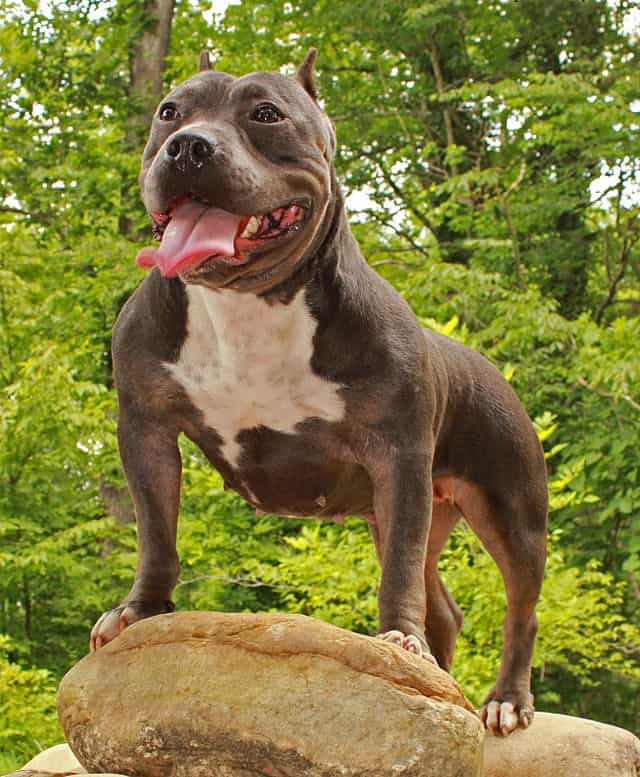
Female American bully pocket standing on a rock

American bully dogs look intimidating, but they make affectionate family dogs.

American bullies are confident, outgoing dogs without the aggression that sometimes accompanies these traits in other breeds. In addition to this, they are gentle and loving with their owners. Their behavior toward other dogs is usually friendly and unaggressive. They love to play with children and thrive on attention.

Because of their devoted personalities, American bullies need to spend a lot of time with their families. They may suffer from separation anxiety if left alone too long or too frequently, which can lead to destructive behavior. Another common American bully trait is relatively high energy levels. Although they can survive in smaller living quarters, they will need adequate exercise and stimulation to stave off boredom.

Care

Although American bullies may seem like the ideal pet because of their lovable temperaments, there are many factors owners must take into consideration when preparing to care for this breed. Before purchasing one of these dogs, consider carefully the factors involved like grooming, training, and exercise.

Best Dog Food

American bullies have different nutritional requirements based on their age and stage of development. As a breed, they need a high degree of protein and fat to support their bulky mass and heavy bones. It is also crucial to keep them at a healthy weight to prevent the development of conditions like hip and elbow dysplasia.

Puppies

American bully puppies need dog food specifically formulated for large-breed puppies. At A-Z Animals, we recommend Wag Wholesome Grains Large Breed Puppy food for bully puppies. Not only is it made with real chicken and whole grains, but calcium and phosphorus allow proper bone development to prevent bone and joint disorders.

Best for Puppies
Amazon Brand - Wag Wholesome Grains Large Breed Puppy Dry Dog Food
  • Formulated to meet the special nutritional needs of large-breed puppies
  • Supports optimal joint, digestive, and immune system health
  • No artificial flavors, chicken by-product meal, corn, wheat, or soy
  • The first ingredient is wholesome chicken
Check Amazon

American bully puppies grow rapidly. Their food allowance should change as they do. Owners should feed their bully puppies three times a day until the age of six months. Then, switch to twice a day. The daily food allowance (split between the three feedings) for a small bully puppy is two to three cups.

Adults

At A-Z Animals, we say the best dog food for American bullies is Bully Max High-Performance Super Premium Dog Food. This food delivers the high-protein, high-calorie content American bullies need to thrive. It’s suitable for any adult bully or puppy over the age of four weeks.

With 30% protein and 20% fat, this food packs an impressive 535 calories per cup. Dogs weighing 51-75 pounds need about 2 ½ to 3 â…“ cups a day, while dogs weighing 76-100 pounds need 3 â…“ to 4 cups a day.

Best for Muscle Gain
Bully Max High Performance Super Premium Dog Food
  • Improve your pit bull’s muscle strength
  • A fantastic choice for growing puppies
  • Contains chicken meal and fat
  • 5 Star rated performance dog food
Check Amazon

Maintenance and Grooming

american bully

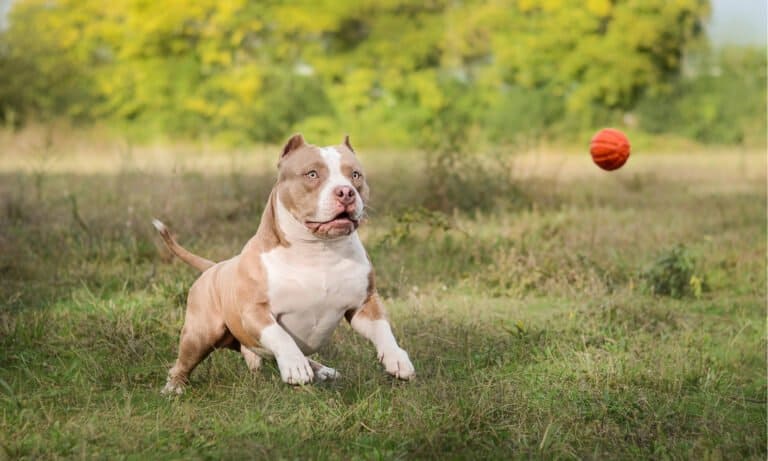
American bully dogs have moderate exercise needs and require minimal maintenance and grooming.

Being short-haired dogs, American bullies require minimal maintenance and grooming. Haircuts are not necessary as their hair doesn’t grow long enough. They do shed, though not abundantly. Weekly brushing will help to remove loose hairs and reduce shedding. A bath every six to eight weeks should be sufficient unless your dog gets dirty or begins to smell. Overly frequent bathing can result in dry or itchy skin. Regular ear cleaning and nail clipping will keep your American bully comfortable and reduce the risk of infections or other health conditions.

Training

American bullies are eager to please and therefore easy to train. They are intelligent but not stubborn, unlike other breeds like the American bulldog. Consistency and positive reinforcement are key. A successful training regime will help your bully curb its natural strength by interacting calmly with other dogs and humans, especially children.

Exercise

American bullies have moderate exercise needs. They should receive at least 60 minutes of exercise a day, whether walking, running, or playing. Many bullies enjoy swimming but may find it difficult to sustain for long periods due to their dense body type.

Because of their short noses, American bullies may have difficulty breathing during periods of exertion. Always be on the lookout for respiratory issues and cut short the exercise session if you notice your bully gasping for breath.

Puppies

American bully puppies love to play and cuddle with their owners. Though they typically fit into their new families with ease, be aware that this breed is renowned for its rapid growth rate during its first few months. Be prepared to adjust your puppy’s food and exercise as needed. Also, invest in a collar that will expand adequately to accommodate its thickening neck. Adult American bullies have an average neck size of 18-24 inches.
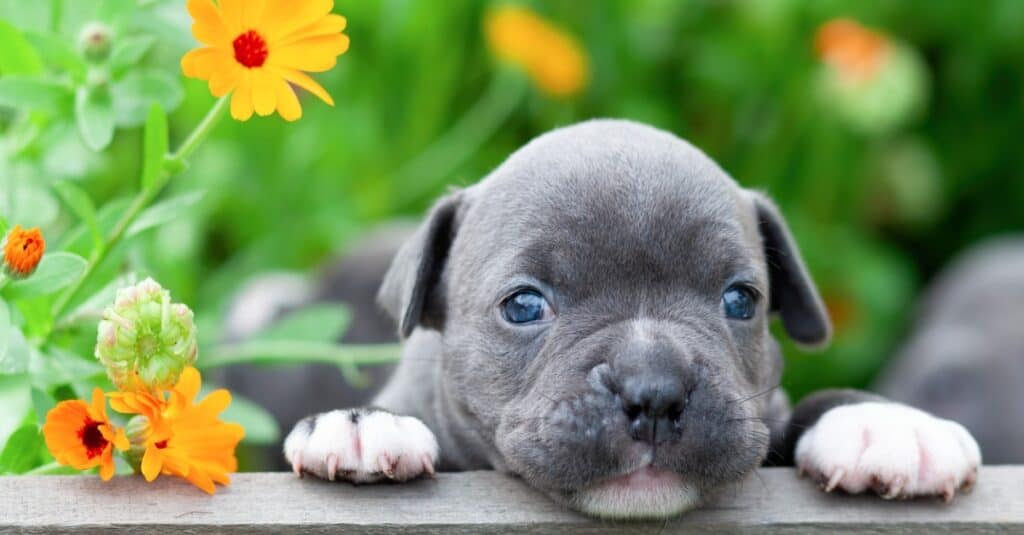
American bully puppy with two paws on ledge

American bullies like this puppy, if raised properly, make for great family companions.

Children

American bullies are generally excellent with children. Their friendly, gentle dispositions render them tolerant and affable even with more excitable kids. As with any breed, owners should socialize their American bully puppies at a young age to ensure they are comfortable interacting with children and other dogs.

It is vital to remember that American bullies are strong dogs capable of knocking over full-grown adults. Owners should discourage overly excitable play for the safety of both children and dogs.

Similar Dogs

Because breeders created American bullies from a mix of other breeds, they bear a striking similarity to other types of dogs including the American pit bull terrier, the American bulldog, and the American Staffordshire terrier.

  • American Pit Bull Terrier: American pit bull terriers are more assertive than American bullies. They are also less stocky.
  • American Bulldog: Bullies and bulldogs are visually similar with broad chests, thick heads, and stocky bodies. However, bulldogs are slightly larger and more stubborn.
  • American Staffordshire Terrier: These dogs are smaller than bullies but share their fun-loving, affable temperament.
  • Rocky
  • Bronx
  • Bruno
  • Queen
  • Buffy
  • Hugo
  • Rogue
View all 327 animals that start with A

Sources

  1. United Kennel Club / Accessed October 27, 2022
Kathryn Dueck

About the Author

Kathryn Dueck

Kathryn Dueck is a writer at A-Z Animals where her primary focus is on wildlife, dogs, and geography. Kathryn holds a Bachelor’s Degree in Biblical and Theological Studies, which she earned in 2023. In addition to volunteering at an animal shelter, Kathryn has worked for several months as a trainee dog groomer. A resident of Manitoba, Canada, Kathryn loves playing with her dog, writing fiction, and hiking.

Thank you for reading! Have some feedback for us?


American Bully FAQs (Frequently Asked Questions)

American bullies are expensive dogs with puppies ranging from $2,000 to $10,000. Mixed-breed puppies usually sell for significantly less.