B
Species Profile

Belgian Sheepdog

Canis lupus familiaris

Black coat, bright mind, bold heart.
Lisjatina/Shutterstock.com

Belgian Sheepdog Distribution

Click a location to explore more animals from that region

Origin Location

This map shows the native origin of the Belgian Sheepdog. As a domesticated species, they are now found worldwide.

Loading map...

Found in 1 country

Size Comparison

Human 5'8"
Belgian Sheepdog 2 ft

Belgian Sheepdog stands at 35% of average human height.

Belgian sheepdog

At a Glance

Domesticated
Also Known As Groenendael, Belgian Shepherd, Belgian Shepherd Dog, Chien de Berger Belge, Belgische Herdershond
Diet Omnivore
Activity Diurnal+
Lifespan 5 years
Weight 30 lbs
Status Not Evaluated
Did You Know?

"Belgian Sheepdog" usually means the black, long-haired Groenendael in the U.S., but many countries register it as a variety of the Belgian Shepherd Dog.

Scientific Classification

A medium-to-large herding dog breed/variety originating in Belgium; the term “Belgian Sheepdog” most often denotes the black, long-coated Groenendael variety of the Belgian Shepherd Dog, especially in American kennel nomenclature.

Kingdom
Animalia
Phylum
Chordata
Class
Mammalia
Order
Carnivora
Family
Canidae
Genus
Canis
Species
Canis lupus

Distinguishing Features

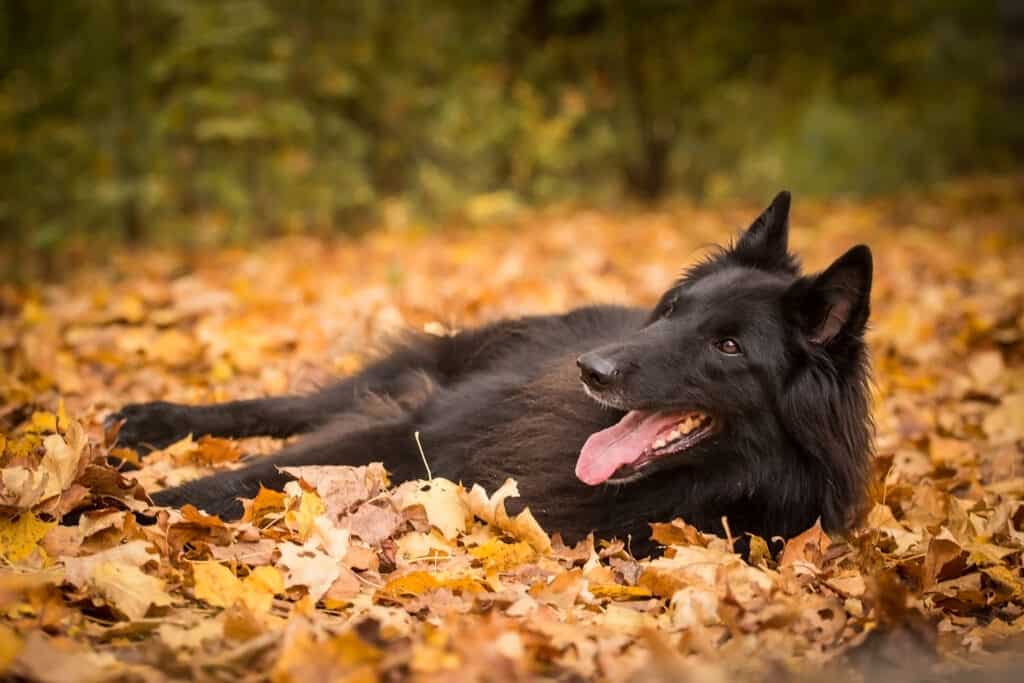
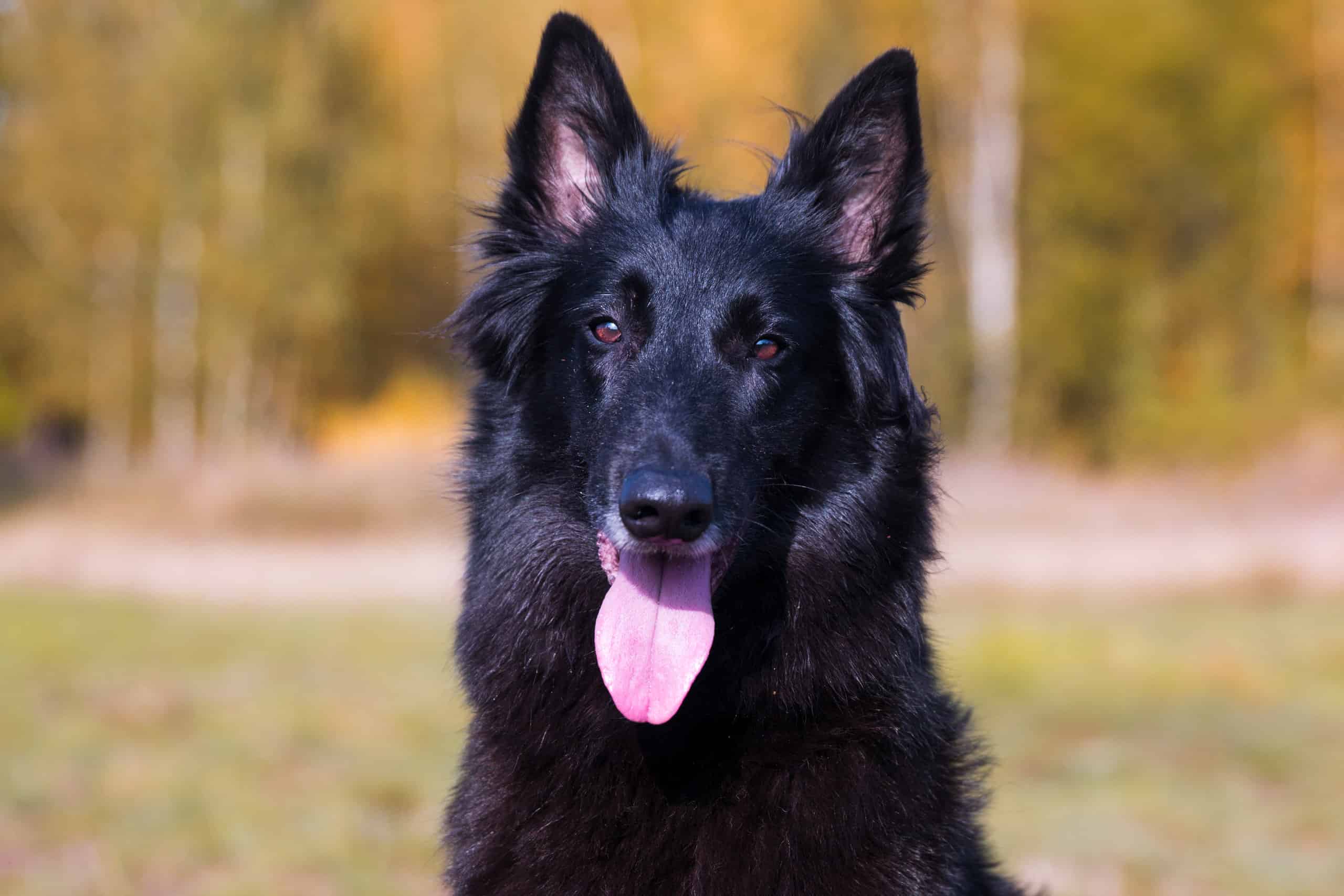
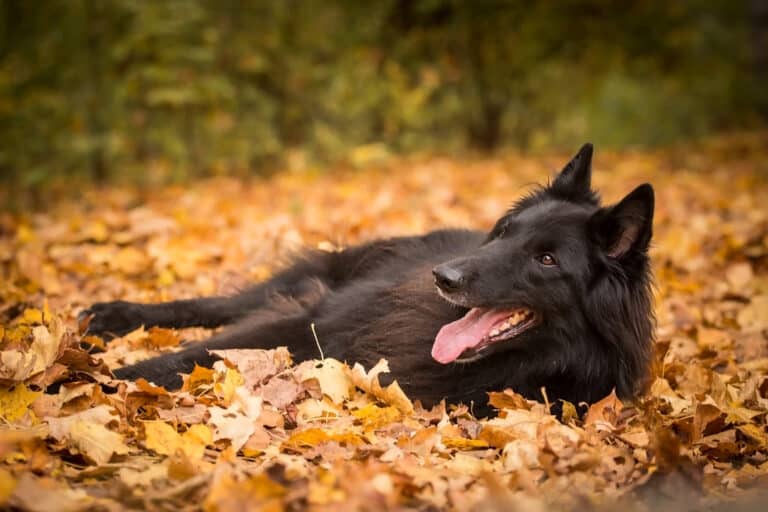
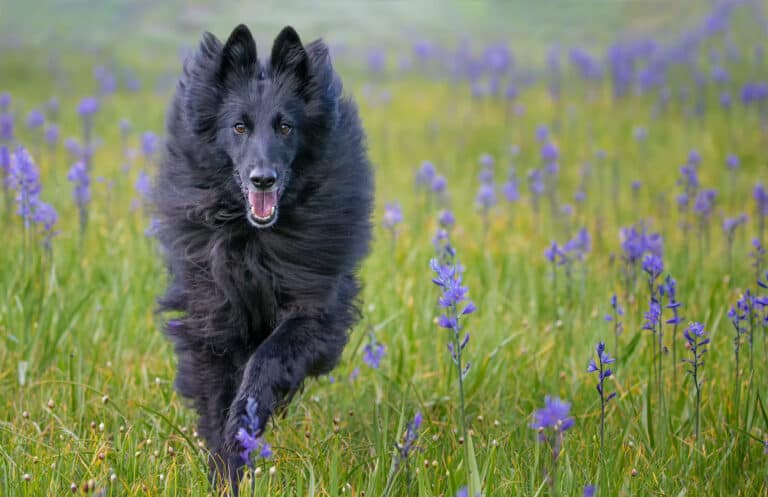
  • Long, abundant coat with a pronounced mane/ruff (Groenendael variety)
  • Typically solid black coloration (may show small white markings on chest/toes)
  • Erect triangular ears; athletic, square-proportioned build
  • Bred for herding; often used in sport/working roles (obedience, agility, protection work)

Physical Measurements

Males and females differ in size

Height
2 ft 1 in (1 ft 12 in – 2 ft 2 in)
1 ft 11 in (1 ft 10 in – 2 ft)
Length
3 ft 4 in (3 ft 1 in – 3 ft 7 in)
Weight
64 lbs (55 lbs – 75 lbs)
50 lbs (44 lbs – 55 lbs)
Tail Length
1 ft 2 in (1 ft 1 in – 1 ft 4 in)
Top Speed
31 mph
About 50 km/h sprint

Appearance

Primary Colors
Secondary Colors
Skin Type Pigmented skin with a dense double coat: long, harsh outer hair over a thick insulating undercoat. Heavy coat, not hairless or oily. Sheds seasonally and needs regular brushing to prevent mats.
Distinctive Features
  • Breed identification (species context): A domestic dog breed/variety selectively bred from Belgian herding dogs for a long, black, double coat and agile working structure rather than wild-type coloration or behavior.
  • Naming distinction: In American kennel nomenclature, "Belgian Sheepdog" commonly denotes the black, long-coated Groenendael; many other registries group it as the Groenendael variety of the Belgian Shepherd Dog.
  • Herding-dog morphology: medium-to-large, athletic, square/near-square outline with a deep chest and evident tuck-up; built for endurance, quick turns, and sustained trotting.
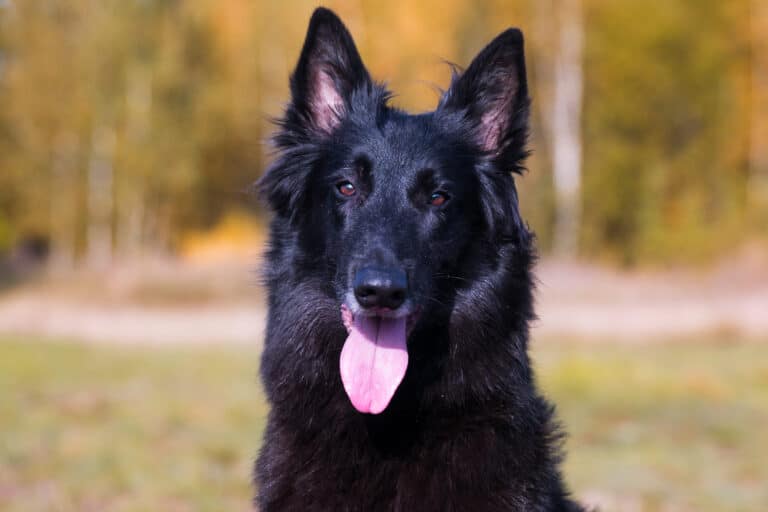
  • Head and expression: clean, chiseled wedge-shaped head; moderate stop; dark almond-shaped eyes; black nose; tight lips-alert, intense shepherd expression.
  • Ears: erect, triangular, high-set ears with firm cartilage, contributing to the alert silhouette typical of Belgian shepherds.
  • Coat furnishings: pronounced neck ruff/mane, longer "breeches" on the rear thighs, and feathering on legs and tail; tail carried with a full plume (not curled tightly over the back).
  • Breed-typical temperament/working roles: highly responsive, vigilant, and driven-often used in herding, protection sports, police/service work, obedience, and agility; typically more intense and high-energy than many pet-only breeds.
  • Common health issues in Belgian Sheepdogs include hip and elbow dysplasia, hereditary eye problems (like progressive retinal atrophy), epilepsy or seizures, and sensitivity to some anesthetics or drugs; health screening is important.
  • Brush at least weekly, more during shedding. Do regular nail and ear care. Needs lots of daily exercise and mental work. Early socialization and training help stop being too watchful and reactive.

Sexual Dimorphism

Sexual dimorphism is moderate: males are typically taller/heavier with a more imposing outline and fuller ruff; females are usually slightly smaller, more refined, and may have a less exaggerated mane and overall lighter head/neck appearance.

  • Larger frame with heavier bone and broader chest; often a more prominent neck ruff/mane creating a 'lion-like' silhouette.
  • Head may appear broader through skull and muzzle; overall more substantial outline.
  • Slightly smaller and more refined build; typically a cleaner neck profile with a less voluminous ruff.
  • Narrower head and lighter overall silhouette while retaining the same erect ears and long black coat.

Did You Know?

"Belgian Sheepdog" usually means the black, long-haired Groenendael in the U.S., but many countries register it as a variety of the Belgian Shepherd Dog.

The Groenendael name comes from Château de Groenendael near Brussels; "groenendael" roughly translates to "green valley."

The variety was standardized in the late 1800s; breeder Nicolas Rose is widely credited with founding the Groenendael line from his black dogs.

Despite the glamorous coat, the breed was developed as a practical herding and guard dog-today it excels in police work, sport (IGP/Schutzhund), agility, and search-and-rescue.

Their square, athletic build and springy trot are designed for all-day movement-more like a canine endurance athlete than a heavy livestock guardian.

Common breed health concerns seen in Belgian Shepherd lines include hip dysplasia, epilepsy, thyroid disease (hypothyroidism), and eye disorders (e.g., PRA/cataracts); bloat (GDV) risk exists as in many deep-chested dogs.

The signature black coat can sun-fade to a brownish tint at the tips ("rusting"), especially with strong sun exposure or age.

Unique Adaptations

  • Weather-shedding double coat with a mane/ruff that helps insulate the neck and chest during cold, wet Belgian conditions; requires routine brushing to prevent mats.
  • Erect ears and intense visual focus support rapid environmental scanning-useful for herding/guarding but can amplify reactivity without training.
  • Light, square frame and efficient gait enable quick turns and sustained trotting-ideal for boundary patrol, herding, and modern dog sports.
  • Strong handler sensitivity (quick to read human posture/voice); excels with positive, precise training but can shut down under harsh corrections.
  • Natural "switchability" when well-trained: can be calm in the home yet highly driven on task-best developed through consistent routines and mental work.
  • Coat and skin benefit from balanced nutrition and grooming; seasonal "coat blows" are normal and require extra brushing during peak shedding.

Interesting Behaviors

  • "Shadow herding": instinct to orbit people or other pets, gently steering with body pressure and quick direction changes.
  • High alertness and watchfulness-often posting up at windows/doorways to monitor the environment and sounding a sharp alarm bark.
  • Velcro-dog attachment: tends to follow a preferred person room-to-room and works best with close handler engagement.
  • Mouthy, busy-brain play style (tug, chase, carry/hold) that reflects working-dog genetics; needs rules and outlets.
  • Prone to motion sensitivity-reacting to bikes/runners/cars-unless given early socialization and structured training.
  • Problem-solving "trial behaviors" when under-stimulated (inventing jobs, rearranging objects, fence running).

Cultural Significance

Belgian Sheepdog (Groenendael) (Canis lupus familiaris) is part of Belgium’s national shepherd-dog group, one of four related types (Tervuren, Malinois, Laekenois). Once messenger, ambulance, and guard dogs, they now serve in police, detection, and sport, valued for speed, being easy to train, and hard work.

Myths & Legends

Late 19th-century Belgian dog fans say Nicolas Rose of Château de Groenendael valued black shepherds, especially dogs called Picard d'Uccle and Petite, and helped shape the black, long-coated line named Groenendael.

Belgian wartime lore: in Belgium and neighboring regions, stories persist of courageous Belgian shepherds carrying messages and aiding Red Cross and military units-dogs remembered as silent runners through shellfire and chaos.

In parts of Western Europe, old tales say black dogs guard homes, crossroads, or lonely roads. Some call them omens, others call them protectors, shaping how people see black shepherd dogs.

"The green valley hound": local storytelling around the name Groenendael ("green valley") sometimes frames the black shepherd as the watchful spirit-dog of wooded estates-more a romantic regional association than a single canonical tale.

Belgian Sheepdog (Groenendael) tradition: Low Countries stories show the shepherd's dog as a loyal partner who "knows the flock by name," a common rural motif that fits its old role as a watchful, quick herder.

Conservation Status

NE Not Evaluated

Has not yet been evaluated against the criteria.

Population Stable

Life Cycle

Birth 6 pups
Lifespan 5 years

Lifespan

In the Wild
3–8 years
In Captivity
10–14 years

Reproduction

Mating System Polygynandry
Social Structure Managed Domestic
Breeding Pattern Serial
Fertilization Managed Selective
Birth Type Internal_fertilization

Belgian Sheepdog (Groenendael) breeding is controlled by people: planned, chosen matings around heat, often with different partners across a dog's life. By nature dogs can mate with several partners, but breeders control mate choice, timing, and health checks.

Behavior & Ecology

Social Pack Group: 3
Activity Diurnal, Crepuscular, Matutinal, Vespertine
Diet Omnivore Animal-based protein (commonly chicken or beef)

Temperament

Highly intelligent, fast-learning, and strongly handler-focused; often excels in obedience, agility, tracking, and protection sports when trained with clear structure and reward-based methods.
Belgian Sheepdog (Groenendael) is watchful and alert, often reserved with strangers. Many lines are more sensitive to new things and more likely to warn, guard, or defend territory than average dogs.
High work drive and endurance; needs substantial daily physical exercise plus mental work (problem-solving, scent games, structured training). Under-stimulation can present as excessive barking, pacing, destructive behavior, or obsessive motion-chasing.
Herding-influenced social control: may attempt to 'gather' moving people/animals (circling, blocking, body-checking, heel-nipping) without careful training; channeling into controlled sports/herding outlets reduces conflict.
Emotionally sensitive and responsive to tone/handling; harsh corrections can increase anxiety or reactivity. Best outcomes with consistent routines, gradual exposures, and confidence-building.
Potential challenges: separation-related distress due to tight bonding; may be dog-selective. Early, positive socialization and ongoing cooperative training are key care requirements.
Coat and care-linked behavior: long, dense black coat can limit heat tolerance; may prefer activity during cooler morning/evening periods and requires routine grooming to prevent matting and manage shedding.
Health issues that can change behavior or how well they stand being handled: hip/elbow dysplasia, epilepsy (manage stress), hypothyroidism (energy/weight/behavior), PRA/cataracts (vision loss may increase startle), and bloat/GDV risk.

Communication

Sharp, frequent alert barking to novel sounds/approaches Common guardian-style signaling in the breed
Whining or high-pitched yips when aroused, anticipating work, or frustrated by restraint/under-stimulation
Low growls as a distance-increasing signal when uncomfortable Often paired with intense stare and forward posture
Occasional howl-like vocalization, more likely when isolated or responding to environmental triggers Species-context carryover
Intense eye contact and 'hard stare' to control movement Herding/working trait distinguishing the breed from many companion-oriented dogs
Whole-body posture changes: high tail carriage and forward weight shift when on alert; freezing and head-forward scanning before barking
Mouthy 'grip'/nipping attempts in play or when trying to stop motion; should be redirected to toys/tasks and shaped with impulse-control work
Physical contact seeking with trusted people (leaning, nudging, pawing) to initiate interaction or work; can escalate if needs are unmet
Scent-based communication: routine sniffing, urine marking, and investigation of novel objects/people; often strong tracking/scent-work aptitude
Stress signals: lip-licking, yawning, shake-offs, displacement sniffing; important for handlers to notice due to the breed's sensitivity and potential for reactive escalation

Habitat

Biomes:
Temperate Forest Temperate Grassland Mediterranean Boreal Forest (Taiga) Tundra Alpine Savanna Desert Hot Desert Cold Tropical Dry Forest Tropical Rainforest Wetland Freshwater +7
Terrain:
Plains Hilly Mountainous Valley Coastal
Elevation: Up to 13123 ft 4 in

Ecological Role

Domesticated omnivorous canid functioning primarily as a herding/guardian companion rather than a wild predator; ecological impact is largely human-mediated.

livestock herding and movement control property and flock guarding/deterrence working and service roles (e.g., police, search-and-rescue, sport) human companionship and social support rodent/pest deterrence around farms (incidental)

Diet Details

Main Prey:
Dog food Animal-based protein sources Carbohydrate and fiber sources commonly used in dog diets
Other Foods:
Berries and other fruits Vegetables Grains and starches Roots and tubers

Human Interaction

Domestication Status

Domesticated

Domestic dog (Canis lupus familiaris) came from the gray wolf (Canis lupus) through domestication starting at least 15,000 years ago. Belgian Shepherd types were bred in Belgium in the late 1800s as farm and herding dogs. The Groenendael (called Belgian Sheepdog in the U.S.) is the long-coated, solid-black type bred for intelligence, trainability, endurance, and protective instincts.

Danger Level

Moderate
  • Bite risk if under-socialized, fear-reactive, or poorly managed; herding/guarding tendencies can manifest as nipping or intense monitoring of movement
  • Protective territorial behavior toward strangers if not trained and socialized early
  • High drive and sensitivity can lead to reactivity in chaotic environments
  • Injury risk increases with off-leash roaming or inadequate confinement; risk is typically manageable with responsible ownership, training, and supervision

As a Pet

Suitable as Pet

Legality: Generally legal to own as a domestic dog breed. Subject to standard municipal animal-control rules (licensing, leash laws, vaccination) and any local breed-neutral dangerous-dog ordinances; rarely targeted by breed-specific legislation compared with some mastiff/terrier types.

Care Level: Experienced

Purchase Cost: $800 - $2,500
Lifetime Cost: $18,000 - $45,000

Economic Value

Uses:
Companion animal (pet) Working dog (herding) Service/assistance roles (task-specific) Sport and competition dog Security/personal protection (trained) Breeding and showing
Products:
  • Puppy sales from ethical breeders
  • Training services (obedience, sport, working certifications)
  • Competition participation (conformation, agility, obedience, IGP/Schutzhund, herding trials)
  • Professional working placements (e.g., detection, SAR in some lines)
  • Grooming supplies/services for long double coat
  • Veterinary services and preventive care (vaccines, parasite control, dental care)

Relationships

Ecological Equivalents 6

Animals that fill a similar ecological role in their ecosystem

Belgian Malinois
Belgian Malinois Canis lupus familiaris Close working-line relative within the Belgian Shepherd group. Similarly high-drive herding and guarding dog used for sport (IGP), police/military work, and protection. Compared with the Groenendael, typically has a shorter coat, is often more heat-tolerant, and is commonly selected for intense bitework drive.
Belgian Tervuren
Belgian Tervuren Canis lupus familiaris Same Belgian Shepherd type but usually fawn/mahogany with a black overlay and a long coat; similar herding instincts, athleticism, and handler focus. Often has exercise and mental enrichment needs comparable to the Groenendael.
Belgian Laekenois
Belgian Laekenois Canis lupus familiaris Same functional niche (herding and guarding) with a rough, wiry coat. Tends to be rarer and may have slightly different grooming demands, while retaining the high trainability and alertness typical of the Belgian Shepherd group.
German Shepherd Dog
German Shepherd Dog Canis lupus familiaris Occupies a similar niche as a versatile herding/guarding working dog used in police and service roles; generally heavier-boned. The Groenendael is typically more refined, with a long black coat, and may be perceived as more sensitive/'velcro' with stronger handler bonding in many lines.
Dutch Shepherd
Dutch Shepherd Canis lupus familiaris Fills a comparable herding/working niche with high stamina and is often selected for sport or police work. Has a similar need for structured training and daily outlets. Coat varieties differ—Dutch Shepherds are often brindle, whereas the Groenendael has a characteristically long black coat.
Belgian Sheepdog
Belgian Sheepdog Canis lupus familiaris Groenendael variety of the Belgian Sheepdog (Canis lupus familiaris): bred for herding and guarding. Long black coat with a ruff; medium-large and agile. Requires daily exercise, training, brushing, and socialization. Common health concerns include hip and elbow dysplasia, eye disease, epilepsy, hypothyroidism, cancer, and bloat.

Belgian sheepdogs are a medium-sized breed that was originally developed to herd sheep in Belgium. Over the years, they have also proven themselves to be valuable assets to the military, police, search-and-rescue teams, people in need of service animals, and families wanting a loyal companion and brave protector. Highly intelligent, social, and energetic, these dogs are easily trainable and will take on much larger animals or people without hesitation to protect their families.

They do require a dedicated owner who is willing to put time and energy into their socialization and training. Otherwise, these dogs may revert to instinct and display alpha behaviors, including herding children like sheep, fighting other dogs, and becoming hyper-territorial. A well-mannered Belgian sheepdog will channel these instincts into enthusiastic play, watchfulness, and an appropriate reserve when meeting strangers.

The 4 Different Types of Belgian Sheepdogs and Sheepdog Mixes

Belgian Sheepdogs come in four varieties:

  • Malinois — short red, fawn, or grey coats.
  • Tervueren — long red, fawn, or grey coats.
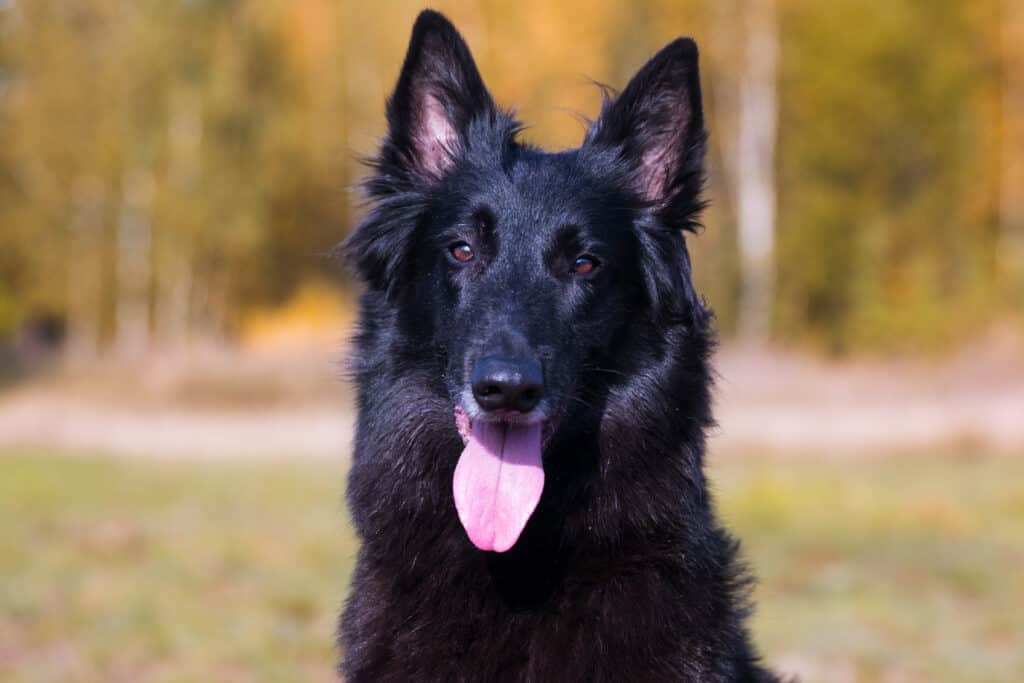
  • Groenendael — long black coats.
  • Laekenois — rough reddish-fawn coats.  
Belgian sheepdog

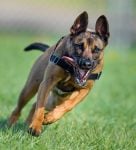
Belgian sheepdogs are quite playful!

3 Pros and Cons of Owning Belgian Sheepdogs

ProsCons
Easy to train. This breed is intelligent, social, and loves to have a job to do, all of which makes them easier to train than many other breeds.Separation anxiety. Belgian sheepdogs become anxious if left alone too long. They don’t do well in families where no one will be home, and they have to stay in a crate all day.
Superb watchdog. Belgian sheepdogs are always alert and will readily bark to tell you when a stranger is nearby. They are fearlessly protective, even against larger animals and people.Dominant behaviors. These dogs like being in charge. They will try to be the alpha over other dogs and over you and your family if you do not train them properly.
Excellent service animals. For generations, Belgian sheepdogs have been popular military, police, search-and-rescue, and service animals. When properly trained, they can protect and serve your family well.Very energetic. Belgian sheepdogs have enormous energy, and they love to bark. They’re also highly social. This means you can’t just let them play alone in the backyard; they will insist you join them.

The Best Dog Food for Belgian Sheepdogs

No matter what breed of dog you select, plan on providing them with a high-quality dog food made with real meat and healthy vegetables, and grains. Avoid cheap foods with artificial additives and hard-to-digest fillers. You may save yourself a lot of heartache and money in the long run by proactively keeping your dog healthy rather than treating health conditions that may arise from poor nutrition.

Belgian Sheepdog Size and Weight

Belgian sheepdogs are a medium-sized breed, ranging from 24 to 26 inches tall for males and 22 to 24 inches tall for females. Adult males may weigh 65 to 75 pounds, while females are slightly smaller at 60 to 70 pounds.

Belgian Sheepdog Common Health Issues

Belgian sheepdogs are a hardy breed that do not have excessive health problems as compared to other breeds. Some issues to watch out for that tend to be common issues in dogs in general are hypothyroidism, seizures, allergies, elbow and hip dysplasia, the eye conditions pannus and progressive retinal atrophy, and hemangiosarcoma (liver and spleen cancer). Don’t be unduly alarmed by this list. Belgian sheepdogs have a relatively long life expectancy of 12 to 14 years.

Belgian Sheepdog Temperament and Behavior

Having been developed to herd sheep, this breed is athletic, alert, and intelligent. They can pour on the power for huge bursts of speed, but also have great endurance to run or play steadily for a long time. This is a dog that requires a great deal of exercise and space to run and play. They will tend to treat children or household pets like sheep and herd them by chasing and nipping at their heels.

They also have strong instincts to guard and protect their herd. This makes them cautious around strangers, attentive, and vocal. They bark quite a bit to alert their owners to possible danger. They like to chase prey, and without training will chase cats, squirrels, and passing bicycles with equal gusto. Belgian sheepdogs are fiercely loyal to their families and will sacrifice themselves without hesitation, even if confronted by a larger dog or other animal, or a threatening human.

These dogs are highly social and will much prefer living in the house with you than outdoors in a kennel. They can adapt to life in an apartment or small house if given lots of exercise and interaction. However, their tendency to bark a lot, especially when left alone, may be annoying to neighbors living in close proximity. So, a detached house with a fenced yard is the best living situation for them.

How To Take Care of Belgian Sheepdogs

Maintenance and Grooming

This breed comes in black, brindle, cream, or fawn coloring. Their coats are relatively easy to maintain, and they don’t need frequent bathing. Just brush them about once a week.

They shed heavily once a year and require more frequent brushing at that time. You can also give them some warm baths and blow-dry them to loosen up dead hair during shedding season.

Training

Belgian sheepdogs are intelligent, energetic, social, and enjoy having work to do. All these traits make them relatively easily trainable. They do not respond well to harsh training techniques and can become stubborn if that approach is attempted. It is essential to train and socialize this breed to channel their instincts and alpha behaviors in constructive directions that will serve your family well and make your pet into a well-mannered companion.

Exercise
Belgian shepherd/sheepdog

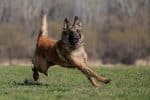
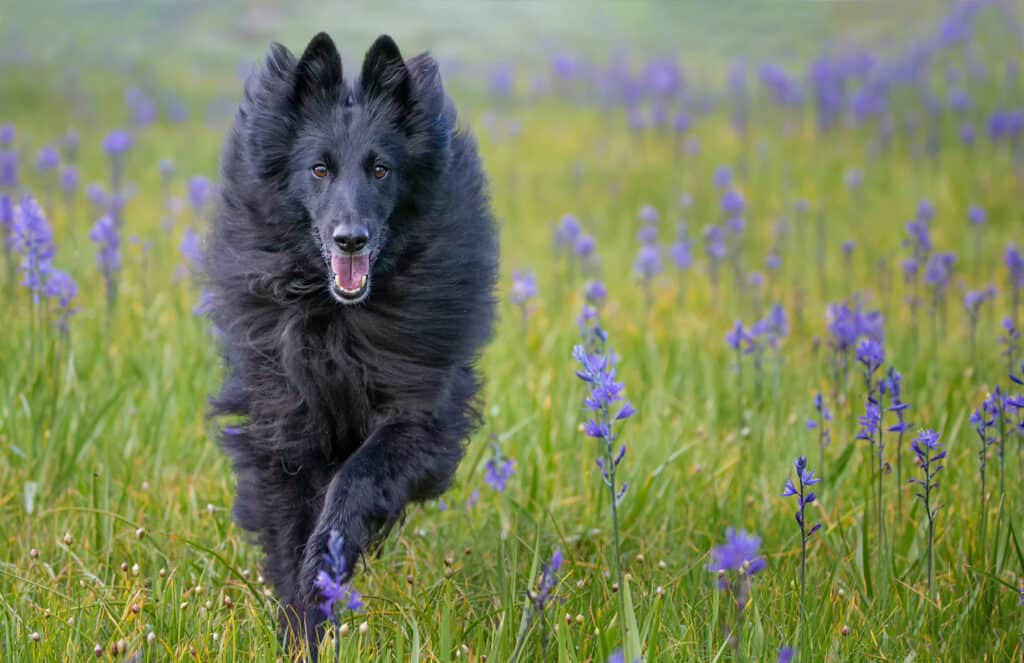
Belgian sheepdogs need plenty of vigorous exercise on a daily basis.

These dogs require daily vigorous exercise. If you like jogging, biking, or hiking, this dog will be in heaven trotting along by your side. If you and your family have a more sedentary lifestyle or do not have the time to be active with your dog, this is not the best breed for you.

Keep in mind that it’s not enough simply to turn a Belgian sheepdog out in a fenced yard to play alone. They are very social and will want to play with you, not entertain themselves. They tend towards separation anxiety and will act out by barking, chewing, destroying things, and trying to escape enclosures.

Belgian Sheepdogs and Children

This breed does just fine with children if properly trained and socialized. Without training, it will chase your children down, nip at them, and try to herd them all together. It may also attempt to intervene in conflicts or play between kids that it thinks require an aggressive or protective response.

Dogs Similar to Belgian Sheepdogs

  • Bouvier des Flandres: Native to the same area as Belgian sheepdogs and similarly used for herding, guarding, police work, as a service animal, and as a household pet.
  • German Shepherd: One of the most popular dog breeds in the United States, often used in police work or as a service dog. It is similar in size and appearance to the Belgian sheepdog.
  • Shiloh shepherd: A breed similar in appearance to a Belgian sheepdog or German shepherd, but larger and bred to have a calm, family-friendly temperament.
View all 453 animals that start with B

Sources

  1. Dogtime / Accessed November 28, 2022
  2. AKC / Accessed November 28, 2022
  3. DogBreedList / Accessed November 28, 2022
  4. Dog Temperament / Accessed November 28, 2022
  5. Purina / Accessed November 28, 2022
Drew Wood

About the Author

Drew Wood

Drew is a college professor and freelance writer who graduated from the University of Virginia. His travels have taken him to 25 countries and 44 states, where he has enjoyed learning about wildlife in a wide range of environments. In addition to his love of animals, he enjoys scary movies, landscaping, strategy games, and philosophical discussions over a cup of coffee. He is also an emotional support human to a neurotic Spanish Water Dog and a hyperactive Chihuahua mix.

Thank you for reading! Have some feedback for us?


Belgian Sheepdog FAQs (Frequently Asked Questions)

The average cost of purchasing a Belgian sheepdog puppy is $1,500-$3,000. Annual feeding and maintenance is about $650.