



Quick Take
- The Bergamasco's dreadlock coat looks like a grooming nightmare, though the reality is the opposite of what you'd expect. See the grooming reality →
- Training this breed with a conventional owner-dog hierarchy will likely backfire, and the reason for this goes back thousands of years. Explore the training approach →
- Those iconic dreadlocks aren't just for show. Shaving them off carries a consequence most owners never consider. Why the coat matters →
- Being a rare, less popular breed gives the Bergamasco an unexpected health advantage over more common dogs. Check the health advantage →
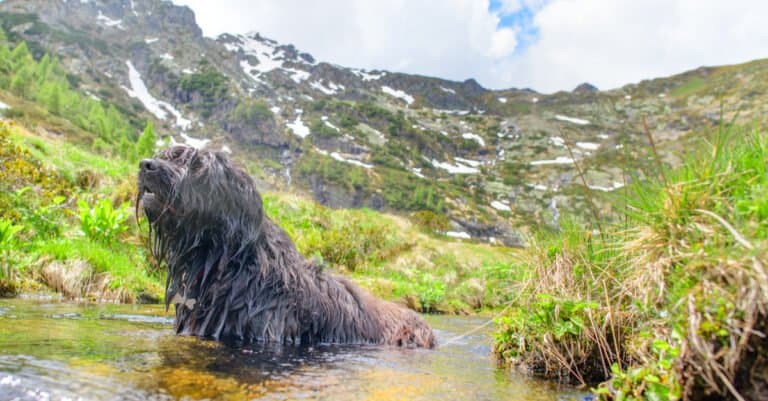
The Bergamasco is a dog that has a long history. It can be traced back thousands of years. Experts believe that the breed began in Persia, which is now called Iran. The Bergamasco was used as a sheepdog by nomads in the mountains between Persia and Europe, who settled in Italy.
Compared to other sheepdog breeds, Bergamascos are very independent and have learned to solve problems and rise to challenges on their own. This is due to their role of working closely with just one nomadic shepherd and a large number of sheep; the lone shepherd had to rely on the Bergamasco to accomplish tasks on its own. After reading this, it should be no surprise to learn that the Bergamasco is a very intelligent dog; it does best when in a relationship where it is seen as more of an equal to its human owner.
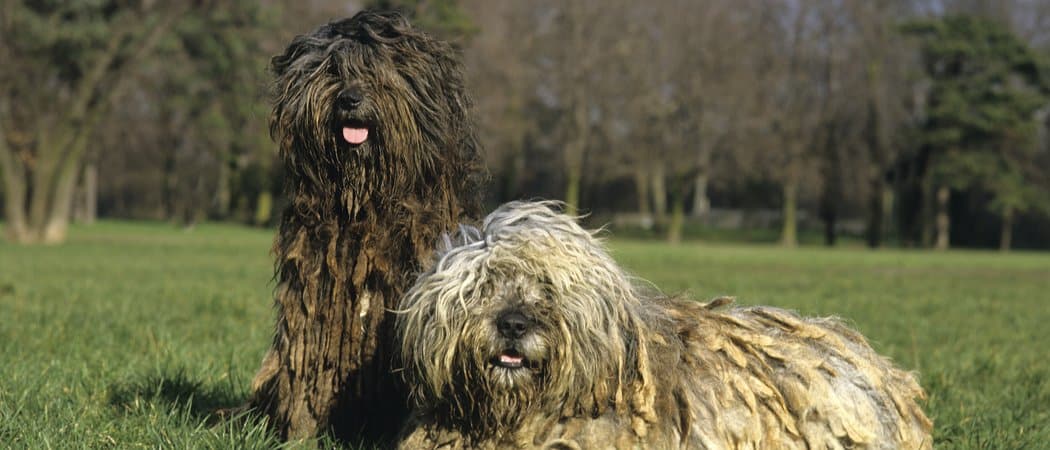
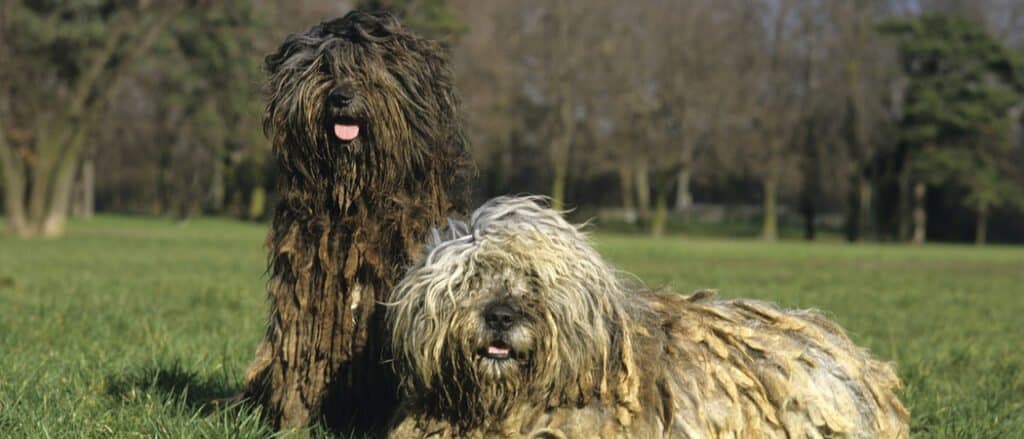
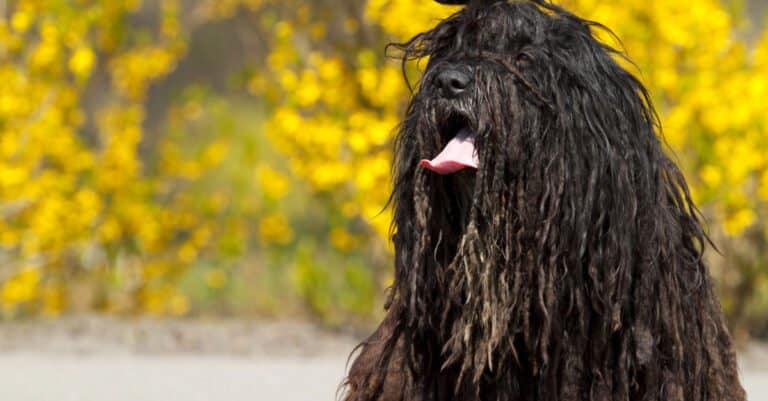
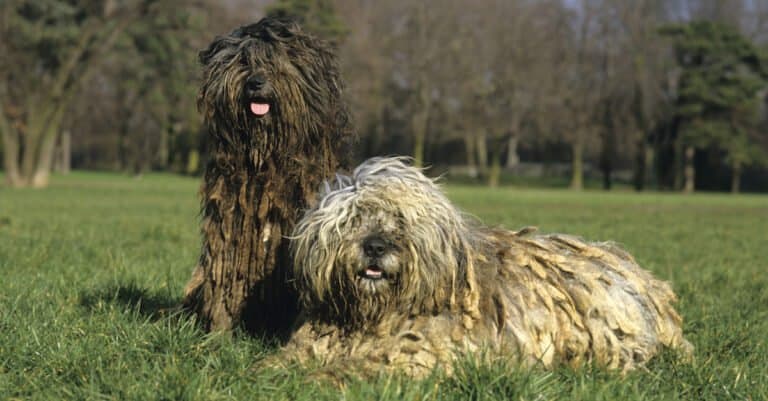
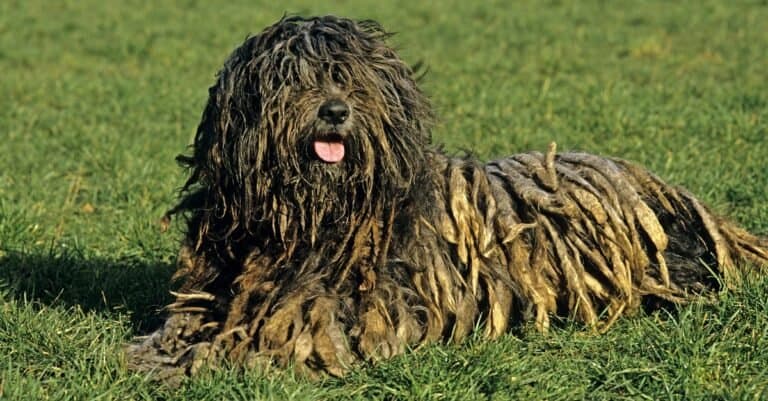
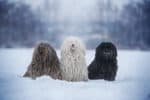
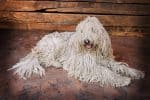
Bergamascos are easily identified by their unique matted flocks that look like dreadlocks. These flocks help the dog regulate their temperature and help them adapt to living in the cold mountains. Bergamascos do very well with children and can make an excellent family pet.

3 Pros and Cons to Owning a Bergamasco
This list offers an unbiased look at the advantages and disadvantages of owning a Bergamasco. All of these factors should be considered when deciding if this breed is the right animal for your household.
| Pros | Cons |
|---|---|
| Easy to groom: Grooming a Bergamasco is very easy. Once their coat is grown and ‘ripped’, you’ll hardly have to do any work to maintain it. | Independent: Bergamascos are very independent and like being treated as an equal. This can make training a challenge. |
| Good with children: Bergamascos are excellent with children and can make a wonderful addition to a family. | Can be rebellious: Some Bergamascos may become rebellious if they don’t get their own way. |
| Moderate exercise needs: Bergamascos don’t have an extremely high exercise need. They will just need to receive a moderate amount of exercise with their owner (as opposed to on their own) each day. | Hesitant around strangers: It may take a Bergamasco some time to warm up to a stranger. |
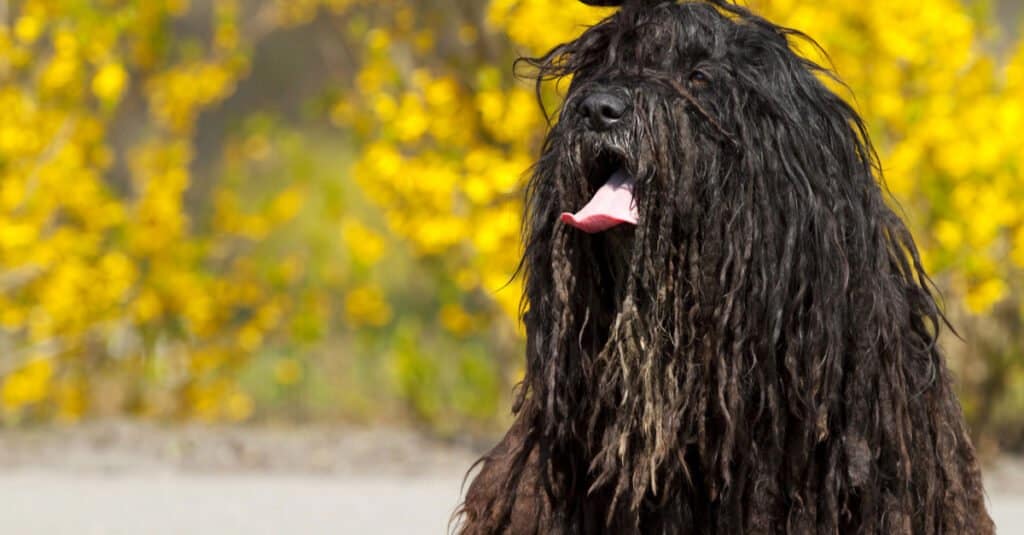
Historically, the Bergamasco may have been used primarily as a sheepdog, but it’s clear this breed is also a great family dog.
©magdanphoto/Shutterstock.com
Size and Weight
The Bergamasco is a medium to large breed. Males weigh between 71 and 84 pounds and are generally between 23 and 24 inches tall. Females are a bit smaller than their male counterparts. They typically weigh between 57 and 74 pounds and stand between 21 and 23 inches tall.
Common Health Issues
Overall, Bergamascos are a healthy breed. Since the breed is rarer and has not been overbred like other more popular breeds, it is believed to be a stronger breed. However, there are still a few potential concerns to be aware of if you plan to own a Bergamasco.
Hip dysplasia is one potential problem to be aware of. This is a genetic condition where the hip bone isn’t formed correctly, and the joints rub against one another. It can make it very painful for a dog to walk and may require surgery. Always look for a reputable breeder who will share information about the dog’s parents, since this is an inheritable condition.
Some Bergamascos may also suffer from bloat, though it is not very common with this breed. Bloat, formally called gastric dilation and volvulus, is a condition where a dog’s stomach fills with fluid or gas and then twists. This can be life-threatening for a dog, and you should seek immediate medical attention if you are concerned that your Bergamasco is suffering from bloat.
Temperament and Behavior
The Bergamasco has a very patient personality. They are known for being very calm, and because of their traits and behavior, they can be a great dog for a child. Bergamascos are also very intelligent. They were left to be independent and devise their own solutions to problems when herding sheep in the mountains, and because of this can be intuitive and resourceful.
Overall, a Bergamasco is eager to please its owners. However, due to their high intelligence and history of being left on their own to solve problems, they also like being treated as equals. They may become rebellious if they don’t get their own way.
How to Take Care of a Bergamasco
Planning to adopt a Bergamasco? It is important to keep this breed’s temperament, nutritional needs, physical and mental stimulation requirements, and activity needs in mind as you are preparing to give them the care they’ll need to thrive.
The Best Dog Food
When choosing food for a Bergamasco, look for a high-quality choice formulated for medium-to-large breed dogs. Keep the dog’s age in mind (puppy, adult, senior) when choosing food, as this will impact which food is best. The exact amount of food your dog should be fed each day can vary based on his or her age, weight, activity level, metabolism, health concerns, and other factors. If you are unsure how much food your dog should get each day, consult with your veterinarian.
Since a Bergamasco puppy has a smaller stomach, it will be important to feed the dog smaller meals more frequently throughout the day. Most puppies should eat between three and four times until they are at least six months old. You can consult with your veterinarian for additional advice for your specific pup.
Maintenance and Grooming
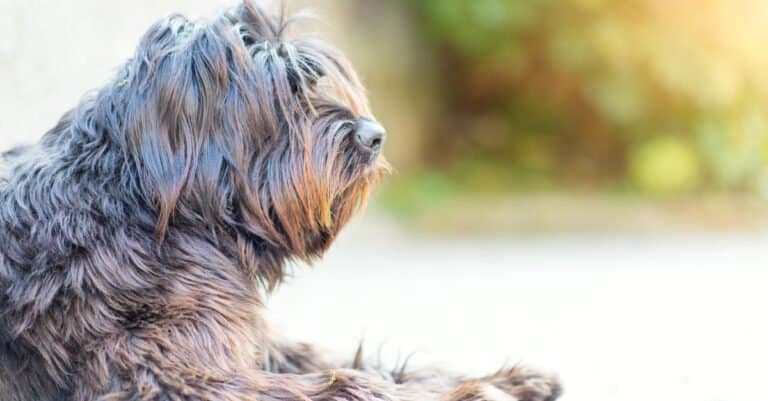
Bergamascos have a very unique coat, which, despite appearances, is easy to maintain. The coat of a puppy starts quite soft, but once the puppy is about one, their hair will become much coarser and fuzzier, almost like goat wool. Owners will need to ‘rip’ the hair into mats, like dreadlocks. This only needs to be done this one time and will only take a few hours of time. For the next six months, take care to check and confirm that the mats are still separate, but after six months have passed, even this step won’t be necessary.
After this time, grooming is barely necessary. The coat will remain clean, and the dog will be able to simply shake off any debris that lands in the coat. While you may be tempted to shave your Bergamasco, these dogs are not meant to be without dreads. The dreads serve an important purpose in helping the dog regulate its temperature. Without dreads, they would not be able to do this well.
A Bergamasco should be bathed between one and three times each year. Their teeth should also be brushed regularly, and their ears should be kept clean. You should also trim your pet’s nails to keep them from getting too long.
Training
Bergamascos are very intelligent; however, they are also known for being independent thinkers. They will do best with training when they are treated more as an equal, rather than a subordinate. When training your Bergamasco, try to make it clear what you are asking them to do and why you are asking it, and they may respond better to training.
Begin training and socialization from an early age. This will help you to see better results and will allow your dog to begin to learn expectations around different people and in different environments.
Exercise
Since the Bergamasco bonds so closely with its owners, exercising this breed is best done together. Take your dog on a walk or play with them in the backyard together rather than putting them outside alone to get exercise. It is not a very high-energy dog and only needs to get a moderate amount of daily exercise.
Puppies
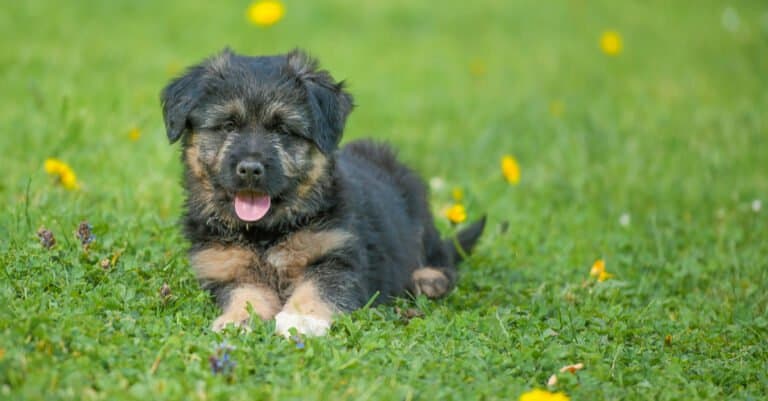
If you’re bringing home a Bergamasco puppy from a breeder or a rescue organization, be prepared for his or her coat to change considerably over the first year. The coat will start very soft, but as puppies approach their first birthday, fuzzy sheep-like hair and coarse goat-like hair will begin to grow in. You’ll need to rip the coat into mats around the first birthday.
Puppies will need a safe space in the home where they can play in a hazard-free space. Before bringing home a puppy, check your home and remove anything that could potentially cause harm to the dog. Also, be sure to be prepared and purchase the food and other supplies you’ll need for your puppy before bringing it home.
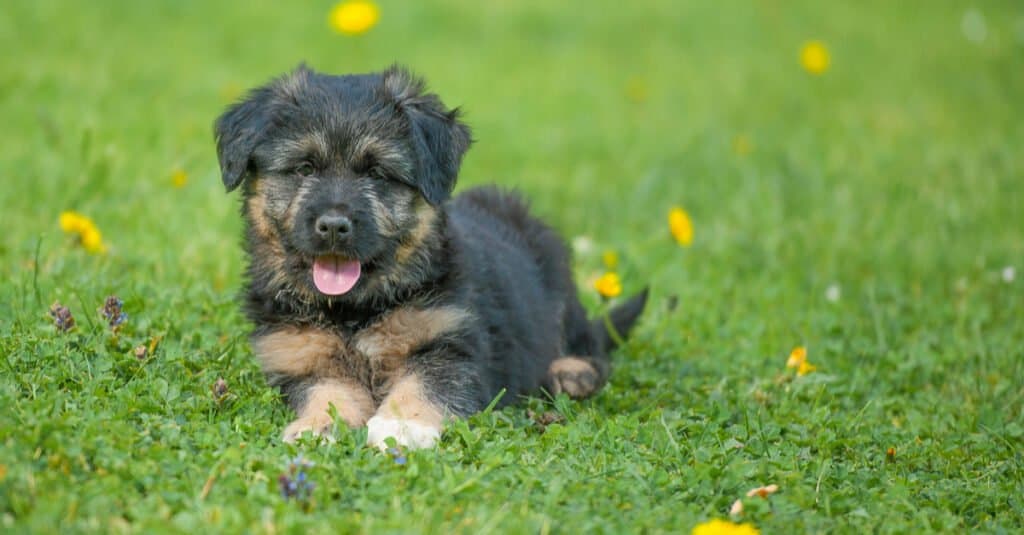
Bergamasco puppy in a meadow
©michelangeloop/Shutterstock.com
Bergamascos and Children
Individuals who are looking for a dog that is good with children should definitely consider a Bergamasco. This breed is very gentle and patient with children. When Bergamascos are around children, their protective and herding instincts are often on display. It can also make a wonderful therapy dog for both children and adults.
Dogs similar to the Bergamasco
If a Bergamasco isn’t for you, consider one of these breeds instead.
- Polish Lowland Sheepdog: Slightly smaller than the Bergamasco, this dog is also a herding dog that does very well with children. Both breeds can also make an excellent watchdog. It has an average weight of 40 pounds compared to the 77-pound average weight of a male Bergamasco.
- Old English Sheepdog: Also a herding dog, it is very intelligent and affectionate. The Old English Sheepdog, however, is much more difficult to groom.
- Australian Shepherd: Another herding dog that does best in average to cold weather conditions, it has a higher energy level and requires more daily exercise.
Bergamasco Pictures
View all of our Bergamasco pictures in the gallery.

michelangeloop/Shutterstock.com
Sources
- American Kennel Club / Accessed July 20, 2021
- Wikipedia / Accessed July 20, 2021
- Bergamasco Sheepdog Club of America / Accessed July 20, 2021
- Dogtime / Accessed July 20, 2021
- VetStreet / Accessed July 20, 2021
- Friendship Hospital for Animals / Accessed July 20, 2021
- Dog Temperament / Accessed July 20, 2021
- Dog Breed Info / Accessed July 21, 2021
- Instagram / Accessed July 21, 2021
- Instagram / Accessed July 21, 2021
- Instagram / Accessed July 21, 2021
- Dogell / Accessed July 21, 2021
- Dogell / Accessed July 21, 2021