




P
Species Profile

Parson Russell Terrier

Canis lupus familiaris

Leggy little fox-bolter with fire
Kristyna Mrazkova/Shutterstock.com

Parson Russell Terrier Distribution

Click a location to explore more animals from that region

Origin Location

This map shows the native origin of the Parson Russell Terrier. As a domesticated species, they are now found worldwide.

Loading map...

Found in 1 country

Size Comparison

Human 5'8"
Parson Russell Terrier 1 ft 2 in

Parson Russell Terrier stands at 20% of average human height.

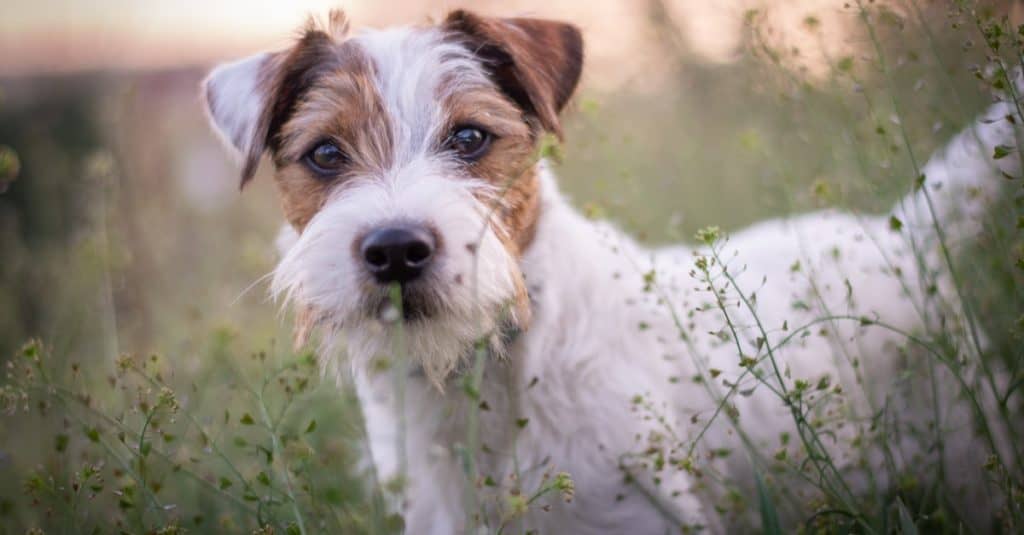
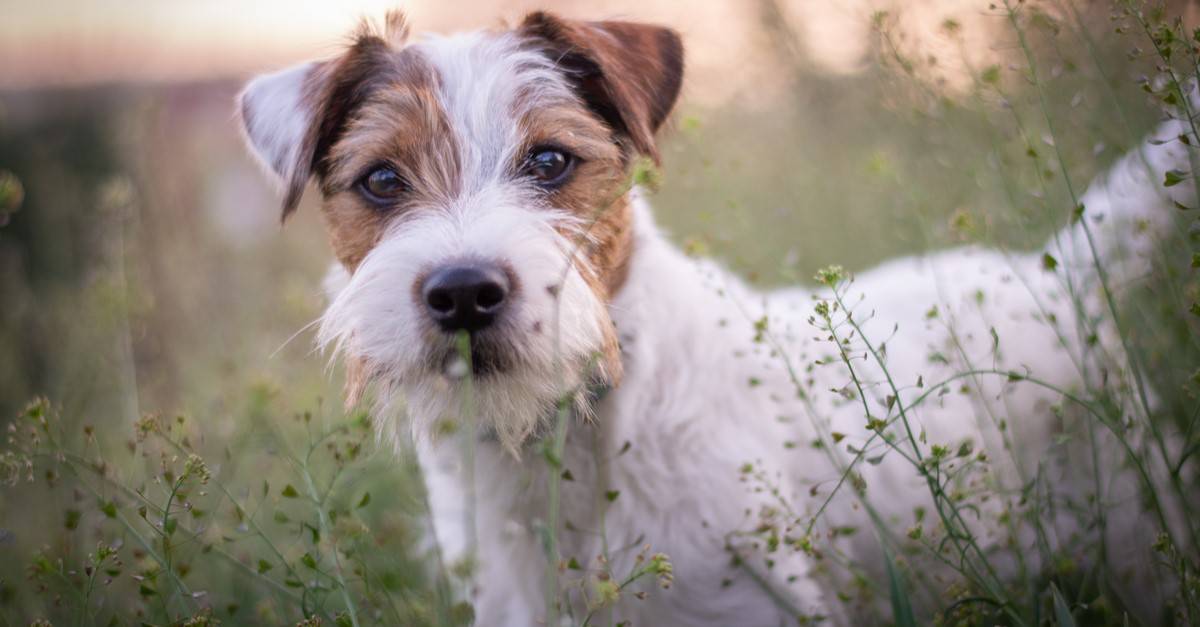
Parson Russell Terrier Sitting in Grass

At a Glance

Domesticated
Also Known As Jack Russell, Jack Russell Terrier, JRT
Diet Omnivore
Activity Diurnal+
Lifespan 14 years
Weight 8 lbs
Status Not Evaluated
Did You Know?

Developed in 19th-century England by Rev. John "Jack" Russell to work with foxhounds, not as a companion-only dog.

Scientific Classification

The Parson Russell Terrier is a small, athletic terrier breed developed for fox bolting and related field work; it is distinct from the Jack Russell Terrier and Russell Terrier in modern breed standards and typical proportions.

Kingdom
Animalia
Phylum
Chordata
Class
Mammalia
Order
Carnivora
Family
Canidae
Genus
Canis
Species
Canis lupus

Distinguishing Features

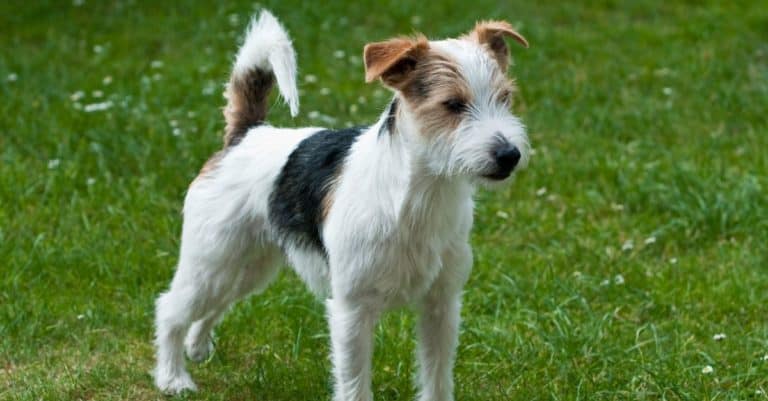
  • Small, agile working terrier; predominantly white coat common
  • Longer-legged, more square/rectangular outline compared with many Jack Russell types
  • V-shaped drop ears; alert terrier expression
  • High energy, strong prey drive typical of working terriers

Physical Measurements

Males and females differ in size

Height
1 ft 2 in (1 ft 1 in – 1 ft 3 in)
1 ft 1 in (1 ft 1 in – 1 ft 2 in)
Length
1 ft 8 in (1 ft 6 in – 1 ft 10 in)
Weight
15 lbs (13 lbs – 18 lbs)
14 lbs (12 lbs – 17 lbs)
Tail Length
6 in (5 in – 6 in)
Top Speed
28 mph
running

Appearance

Primary Colors
Secondary Colors
Skin Type Canine skin with a tight, weather-resistant coat; coat may be smooth or broken/rough; moderate shedding, more hand-stripping needed for broken/rough coats.
Distinctive Features
  • Small, athletic domestic dog (Canis lupus familiaris) specialized as a working terrier for fox bolting.
  • Longer legs and more square, balanced proportions than typical Jack Russell Terrier/Russell Terrier types; less low-to-ground outline.
  • Narrow, strong muzzle with dark almond eyes; alert, confident expression.
  • V-shaped drop ears folding forward close to cheeks; not prick-eared.
  • Deep but not overly broad chest for entering tight spaces; strong neck and level topline.
  • High-set tail carried upright; often docked where legal (breed tradition).
  • Coat texture may be smooth or broken/rough; harsh outer coat provides field protection.
  • Temperament/behavior: high prey drive, intense focus, vocal/energetic; needs structured training and daily vigorous exercise.
  • Care: regular brushing; hand-stripping or professional grooming for broken/rough coats; nail and dental care important.
  • Common health concerns: patellar luxation, primary lens luxation/cataracts, Legg-Calvé-Perthes, allergies/atopy; mostly-white dogs can have higher deafness risk-screening recommended.

Sexual Dimorphism

Males are typically slightly taller/heavier with broader skulls and more muscular neck/forequarters. Females tend to be finer-boned with a narrower head and lighter overall build, while keeping the same leggy, athletic outline.

  • Slightly larger frame and heavier bone
  • Broader head and more pronounced cheek musculature
  • Thicker neck and forequarters
  • Slightly smaller, lighter build
  • Narrower head and finer bone
  • Often a more streamlined outline

Did You Know?

Developed in 19th-century England by Rev. John "Jack" Russell to work with foxhounds, not as a companion-only dog.

"Parson" refers to its creator's clergy role; the breed name honors the parson's working terrier ideal.

Compared with many Jack Russell Terriers, Parsons are typically more square in outline and longer in leg, built for speed and endurance over rough ground.

Accepted as a distinct Kennel Club type in the UK (1990 as Parson Jack Russell Terrier; renamed Parson Russell Terrier in 1999).

The breed's classic look includes a mostly white coat (often with tan/black markings), V-shaped drop ears, and a strong, flexible body for going to ground.

It comes in two coat varieties-smooth and rough (broken)-both intended to protect skin in brambles and burrows.

Though small, it was designed to keep up with horses and hounds for hours, making it unusually athletic for its size.

Unique Adaptations

  • Longer legs and more square, balanced proportions than many Jack Russell types-built to run with hounds and still work close to ground.
  • Tough, weather-resistant coat options (smooth or broken/rough) that help protect against scrapes, thorns, and damp field conditions.
  • Predominantly white coloration historically helped riders and hunters distinguish the dog from quarry during fast-paced hunts.
  • Compact, muscular build with notable agility-adapted for quick turns, leaps, and scrambling over stone walls and uneven terrain.
  • High arousal + rapid recovery: a working-terrier trait-burst of intense activity followed by readiness to go again.

Interesting Behaviors

  • Intense "hunt-and-search" focus: many Parsons will quarter a field, sniff methodically, then lock onto scent trails with single-minded drive.
  • Bolt-and-bark tendency: vocal alerting and persistent barking can appear when they detect movement (a working trait for flushing quarry).
  • Digging with purpose: rapid, powerful digging bursts-especially at scent sources-reflect their earthdog heritage.
  • Chase reflex: quick pursuit of small, fast animals (squirrels, rabbits) is common unless carefully managed with training and leash habits.
  • High toy/food motivation: many excel at trick training, agility, and scent games because they love a challenge and rewards.
  • Bold social style: confident approach to other dogs; may show terrier "opinions" if poorly socialized or allowed to rehearse pushy behavior.
  • Restless when under-stimulated: without daily outlets, they may invent jobs (patrolling windows, rearranging cushions, chewing).

Cultural Significance

Parson Russell Terrier (Canis lupus familiaris) is a British working dog bred for foxhunting—finding, indicating, and bolting foxes so hounds could chase. Today they represent energetic, clever small dogs and excel in agility, earthdog, and scent work.

Myths & Legends

A famous story says Rev. John 'Jack' Russell owned a white-and-tan terrier named Trump. Trump is seen as the model fox-working terrier and a main origin for the Parson Russell Terrier.

In old British hunting stories, a good Parson Russell Terrier (Canis lupus familiaris) was brave enough to go after a fox underground but smart enough not to fight until it got hurt.

Old country hunters thought a mostly white Parson Russell Terrier was lucky on fast hunts because its color made it less likely to be seen as prey during the chase, a practical hunting superstition.

When the Kennel Club first called the Parson Russell Terrier a separate breed and later renamed it, breeders told stories about keeping the 'true' longer-legged hunting terrier, which helped set Parsons apart from Jack Russells.

Conservation Status

NE Not Evaluated

Has not yet been evaluated against the criteria.

Population Stable

Life Cycle

Birth 5 pups
Lifespan 14 years

Lifespan

In the Wild
13–15 years
In Captivity
12–16 years

Reproduction

Mating System Polygynandry
Social Structure Managed Domestic
Breeding Pattern Transient
Fertilization Managed Selective
Birth Type Managed_selective

In domestic settings, Parson Russell Terriers are typically paired by breeders; mating is internal with no lasting pair bond, and either sex may mate with multiple partners across seasons. Athletic fox-bolting terrier; screen for patellar luxation, eye issues, and provide high exercise.

Behavior & Ecology

Social Pack Group: 3
Activity Diurnal, Crepuscular
Diet Omnivore Meat-forward complete dog diet (often poultry or fish based), with high-value lean meats used as training rewards

Temperament

HUBS: Domestic dogs are highly social, human-oriented generalists; individuals vary by socialization, training, and environment.
Breed distinction vs base species (Canis lupus familiaris): higher prey drive, stronger digging/bolting instinct, and greater intensity/tenacity than many breeds.
Bold, confident, energetic; quickly aroused by movement, scents, and novel sounds.
Affectionate and people-focused with family; can be reserved with strangers without early exposure.
Often vocal and alert; may bark persistently if under-stimulated or rewarded unintentionally.
High chase instinct; risk of pursuing wildlife/cats-recall reliability often limited under distraction.
Can be dog-selective, especially with same-sex or pushy dogs; benefits from structured introductions.
Intelligent, fast learner; independent streak-best with consistent cues and reward-based training.
Enjoys problem-solving (scentwork, barn hunt, agility); boredom can become destructiveness.
Typical terrier behaviors: digging, grabbing/holding toys, vigorous play, boundary-testing.
Care requirements: daily vigorous exercise plus mental work; secure fencing and leash management recommended.
Care requirements: early socialization, impulse-control training, and calm-settle routines reduce reactivity.
Health concerns seen in the breed line: patellar luxation and Legg-Calvé-Perthes (hindlimb lameness).
Health concerns: primary lens luxation and other hereditary eye diseases (screening recommended).
Health concerns: allergies/atopy and dental crowding in small dogs; routine skin and dental care helpful.

Communication

sharp alert barking
repetitive demand barking
growls during guarding or high arousal play
whines for attention or frustration
occasional howl in response to other dogs/sirens
play bow and bouncy, forward-leaning invitations to chase
upright tail carriage and intense staring when targeting prey-like movement
ear and facial tension changes signaling arousal or uncertainty
mouthy play, toy shaking, and pawing to solicit interaction
scent marking, ground scratching, and investigative sniffing to map territory
body blocking, shoulder checks, and quick darting movements in dog-dog negotiation

Habitat

Biomes:
Temperate Forest Temperate Grassland Mediterranean Boreal Forest (Taiga) Tundra Alpine Desert Hot Desert Cold Savanna Tropical Dry Forest Tropical Rainforest Wetland Freshwater Marine +8
Terrain:
Plains Hilly Valley Coastal Island Riverine
Elevation: Up to 16404 ft 3 in

Ecological Role

Human-associated mesopredator/omnivorous companion; historically a working terrier used for bolting foxes and controlling vermin around farms and stables.

Rodent and small pest suppression in managed environments Deterrence of nuisance wildlife through presence and pursuit Companionship and working partnership with humans Can contribute to local predation pressure on small wildlife if allowed to roam (management responsibility)

Diet Details

Main Prey:
Rodents Rabbits Ground-nesting birds and fledglings Squirrels Insects and other small invertebrates
Other Foods:
Fruits Vegetables Grains and starches Root/tuber starches Edible plant fiber sources

Human Interaction

Domestication Status

Domesticated

Canis lupus familiaris (domestic dog) comes from the gray wolf and was shaped by people. The Parson Russell Terrier, bred in Britain to bolt foxes, is small, leggy, fast, with high stamina, agility, and strong prey drive. People use them for field work, sports, and active pets. They need firm training and outlets for energy.

Danger Level

Low
  • Nipping/biting risk if poorly socialized, mishandled, or in pain (increased risk around children who grab/tease)
  • Resource guarding possible without training/management
  • High chase drive can cause collisions or leash-related injuries if the dog bolts after wildlife
  • Dog-dog conflict risk (terrier boldness) which can indirectly endanger handlers during break-ups
  • Allergic reactions/scratches from normal pet handling

As a Pet

Suitable as Pet

Legality: Parson Russell Terrier is generally legal as a pet in the United States and most places. Usual rules apply (licenses, leashes, housing rules) and laws about dangerous dogs are behavior-based; breed bans often affect other breeds. Check local laws.

Care Level: Experienced

Purchase Cost: $800 - $2,500
Lifetime Cost: $18,000 - $45,000

Economic Value

Uses:
Companion animal market Working/utility (pest control/field work) Sports/competition (agility, earthdog, barn hunt) Breeding/kennel clubs and events Veterinary and preventative care services Pet products and training services
Products:
  • Puppy sales/adoptions and stud services
  • Training classes (obedience, recall, impulse control)
  • Sport participation fees (agility/earthdog/barn hunt trials)
  • Equipment: crates, long lines, harnesses, GPS/activity trackers
  • High-durability toys/chews and enrichment gear
  • Routine veterinary care, vaccines, parasite prevention
  • Grooming tools (coat-type dependent: smooth or broken/rough)

Relationships

Ecological Equivalents 7

Animals that fill a similar ecological role in their ecosystem

Domestic dog
Domestic dog Canis lupus familiaris Parson Russell Terrier (Canis lupus familiaris) was bred as an earth/fox terrier and exhibits a strong prey drive, digging and chase instincts, high energy, a bold, independent nature, and long, square legs; it requires vigorous exercise and secure fencing.
Jack Russell Terrier
Jack Russell Terrier Canis lupus familiaris Performs the same 'fox-bolting' terrier role and is often confused with the Parson Russell Terrier. Jack Russells vary more in size and shape, while Parson Russell Terriers are more balanced, longer-legged, nearly square, and more uniform for field work.
Russell Terrier
Russell Terrier Canis lupus familiaris Occupies a closely related working terrier niche. Typically shorter in the leg and more rectangular than the Parson Russell Terrier, reflecting different modern breed standards and typical proportions.
Smooth Fox Terrier
Smooth Fox Terrier Canis lupus familiaris Historically used in fox work and den/earth-type tasks. Shares similar prey-drive, alertness, and stamina, though many lines have been bred with greater emphasis on show-ring characteristics.
Border Terrier
Border Terrier Canis lupus familiaris Working terrier used for pursuing and bolting quarry; similar size class, endurance, and tenacity, though often less springy and with a different typical temperament profile than Parson Russell lines.
European polecat
European polecat Mustela putorius Small, agile predator that hunts in burrows and dense cover. Occupies an ecologically analogous small-game/den-hunting niche (non-canid), emphasizing flexibility, persistence, and close-quarters pursuit.
Red fox
Red fox Vulpes vulpes Not a taxonomic relative, but a key quarry context: Parson Russell Terriers were developed to locate and bolt foxes from dens during mounted hunts, which shaped strong scenting, digging, and underground/earth-working motivation.

Quick Take

  • Achieving the stamina to outrun a thoroughbred horse is a core requirement for this specific breed.
  • The Ataxia condition creates a nerve disruption that prevents the dog from moving fluidly.
  • The weatherproof coat creates a counterintuitive disadvantage for groomers who find no need for their services.
  • The ferreting process was required to reach foxes that successfully retreated into small underground burrows.

The Parson Russell Terrier was bred in England in the 1800s for the purpose of hunting foxes. These hunts were largely formalized affairs involving riders on horseback and packs of hounds pursuing an individual fox to his eventual doom. While many breeds of hounds served well in the pursuit of the fox, they were too large to actually ferret them out if they got into an underground burrow. What was needed in the mix was a very specific type of dog that was capable of running as fast as a man on horseback could gallop, yet still small and fearless enough to dig down after any foxes that were run to ground.

The breed draws its name from a well-known sportsman of the time, the Reverend John Russell, who created this swift little terrier to work in tandem with the larger dogs present in the hunt pack. Required to match wits with the wily fox, the Parson Russell Terrier, or PRT as it is abbreviated, was created to run with the pack but think independently and solve problems on its own when confronted with them.

A detailed infographic about Parson Russell Terriers featuring an illustration of a dog chasing a fox, pros and cons of ownership, and physical breed standards.
Bred to match the stamina of galloping horses and dive into dark burrows, this high-stakes hunter is anything but a lap dog. © A-Z Animals

Owning A Parson Russell Terrier: 3 Pros And 3 Cons

ProsCons
Very playful and friendly.
These are very high-energy dogs who have been bred for life in a pack setting. In addition, their progenitors were chosen for independent thinking and adaptability. Playing around helps burn energy and fills the need for them to use their brains.
A dominant personality requires strong human leadership.
There is really no other way to put it than to say that any terrier needs to know who its master is. If their human owner is not prepared to maintain a firm grasp of this concept, the void will be filled by the dog itself.
Good with children and other pets.
They do not have the same level of selfish possessiveness that some other terriers are afflicted with. This makes them a safe bet for playtime with the youngest members of the family.
Needs a large amount of exercise.
Any small animal whose breeder wants it to outrun a thoroughbred horse must have a lot of energy built into its basic nature. This energy can be burned off via exercise, or it will find an outlet in nervous habits at home.
Low maintenance coat and good overall health.
These dogs shed very little. Their original breeder obviously took great care to only include the healthiest and most vibrant stock in the mix for his program. It shows in the very low list of afflictions the breed is known to suffer from.
Not recommended for beginners.
For those who are new dog owners, it is not easy to understand that the happy, playful PRT that loves every moment of its time interacting with humans has another side to its character. This other side can lead it to do very much as it likes if it is not kept properly focused. The price of neglect is a disobedient, hyperactive animal.

Types Of

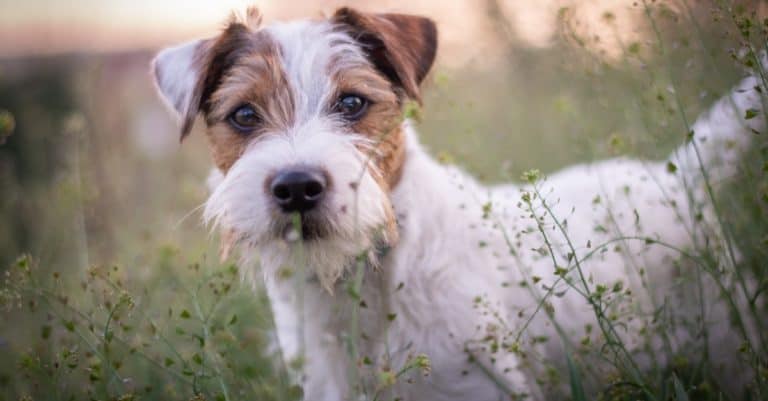
Parson Russell Terrier Sitting in Grass

White is the most common color for the Parson Russell Terrier.

The Parson Russell Terrier is one of three Russell Terrier breeds; the other two are the Jack Russell and the Russell Terrier. There are two different coat types that the Parson Russell Terrier comes in — broken and rough. The most common color is white, but they also come in the following other colors:

  • Black
  • Brown
  • Tan
  • Cream
  • Tri-Color

Size And Weight

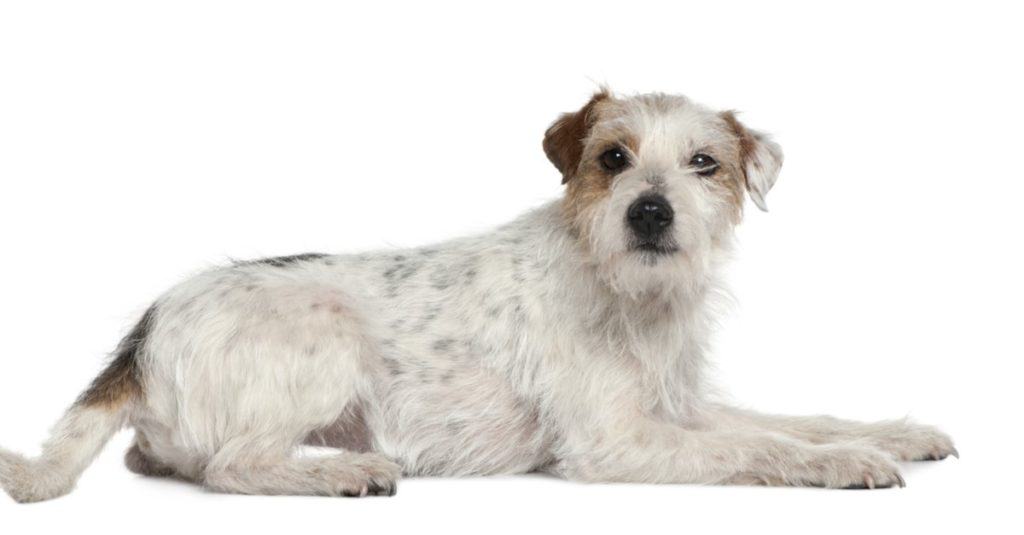
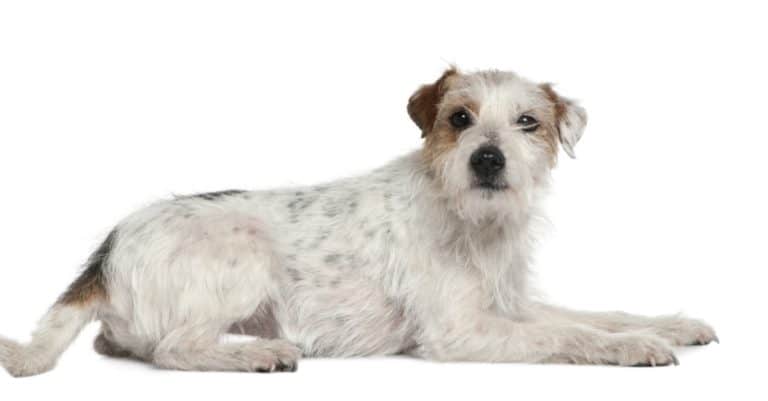
Parson Russell Terrier isolated on white background

This breed is small, averaging heights of 13 to 14 inches.

Because its ultimate purpose was to dig out creatures it has run into a burrow, the PRT is a small dog standing only about 13 to 14 inches high. Healthy specimens are found to weigh up to 13 to 17 pounds, depending on the sex of the animal.

Common Health Issues

Ataxia is the major threat to the health of a PRT. This is a type of nerve damage or disease related to inner ear imbalances or spinal cord constrictions. Ataxia takes the form of a disruption in the smooth coordination of the four limbs necessary for quadrupedal animals to move fluidly.

Patellar luxation, or slippage of the kneecap, is another ailment that occurs in many small dog breeds. The kneecap essentially dislocates and can either snap back into place on its own or may require external force to return it to its proper positioning. Needless to say, this can be quite painful both when it happens and when the kneecap goes back into place.

Deafness is another issue that Parson Russell Terriers face. There are many causes of deafness in dogs as a result of infection, infestations, or various ear ailments, but the majority of cases with a PRT occur simply due to their very long lifespan.

While Parson Russell Terriers are generally healthy, conditions such as patellar luxation, congenital deafness, and certain forms of ataxia are known to occur in the breed at a higher rate than in many other breeds.

Temperament And Behavior
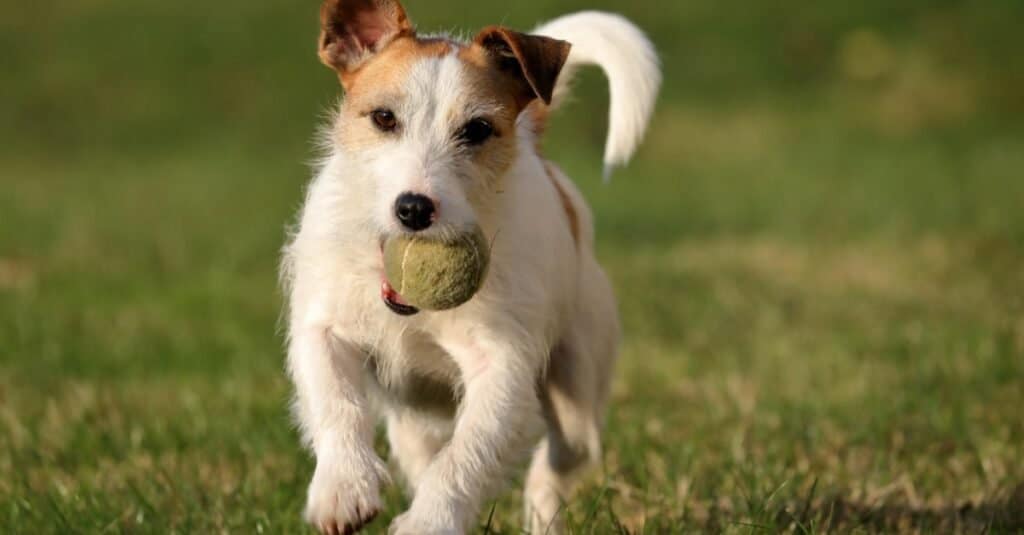
Types of terrier dogs

The Parson Russell Terrier is not only affectionate and charming, but also likes to be kept busy.

If there were only one word to describe the Parson Russell Terrier, it would probably have to be busy. If nothing is happening in its life, this breed will find something to occupy its time. Given the chance, it will wander and hunt out beyond its normal domain. They live to chase things, and it doesn’t much matter what it is. Digging is also part of their normal temperament.

They have enough playfulness and energy to tire out a five-year-old. These dogs can relate well with just about anybody or anything except for very small creatures that they may not recognize as fellow pets but as something to pursue. PRTs know how to be around horses, but are hit-or-miss when it comes to cats that they didn’t grow up with.

How To Take Care Of Parson Russell Terriers

The key to caring for a Parson Russell Terrier is to keep them occupied. These are not couch potato dogs that can lie around all day doing nothing. If they are not provided opportunities for vigorous play and exercise, they will create their own. This is a dog that will play a very big part in your life.

The Best Dog Food
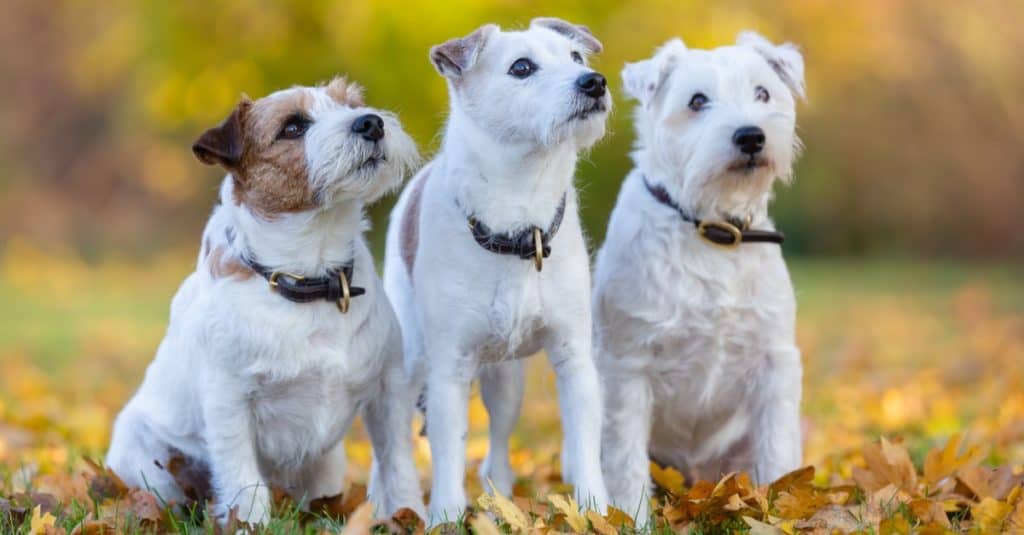
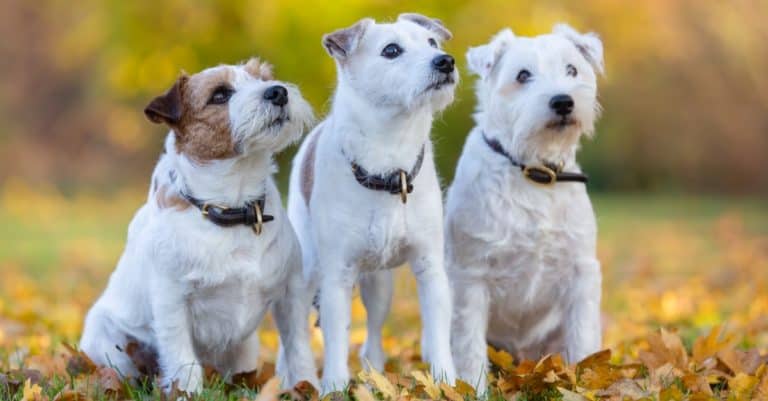
Three Parson Russell Terriers side by side on an autumnal meadow

This breed is usually rewarded with treats for good behavior, so they might be fed a bit less at mealtimes to avoid overfeeding.

Somewhere between 1 ¼ and 1 ¾ cups of dry dog food is the usual maintenance ration for these dogs. This should be divided between breakfast and dinner. Adjust the quantity based on how much of an active lifestyle the particular dog is living at the time. Smaller dog breeds can become obese quickly.

Since training a PRT may well involve the provision of treats for good behavior, this should reduce their overall everyday supply of dog food. As high-energy as they are, an occasional serving of real meat can help keep them in top form.

Maintenance And Grooming

Exercise and attention are the two main things you will need to provide for dogs of this breed. Their coats are rather weatherproof and do not require more than an occasional brush out in most cases. They do not shed very much, provided they have a proper diet. If it becomes unbalanced, they will begin to shed a little bit more than usual. So long as they get proper care, they are not hypoallergenic, but can be very little trouble to look after. Their nails will need trimming. This is especially true for indoor animals that do not have any opportunity for digging.

Training
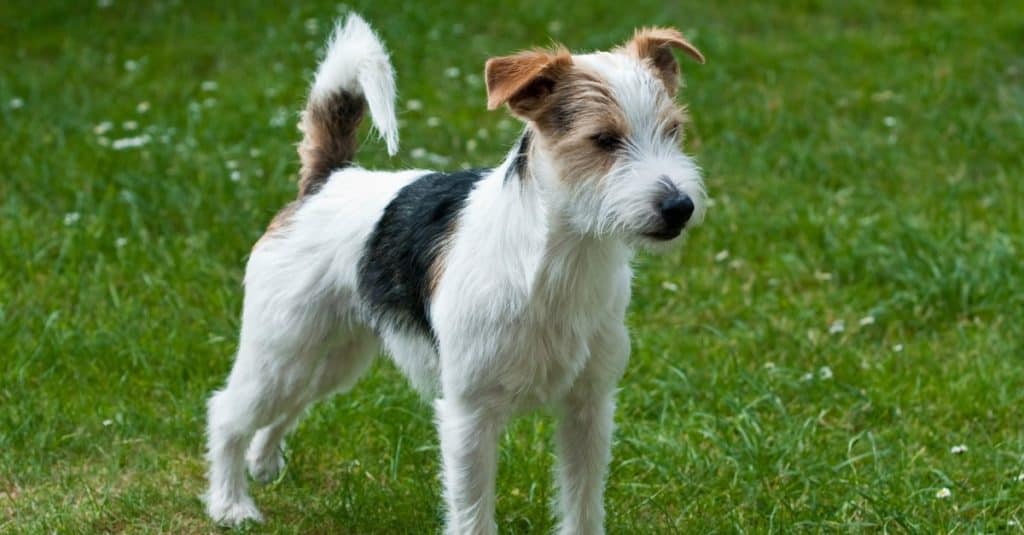
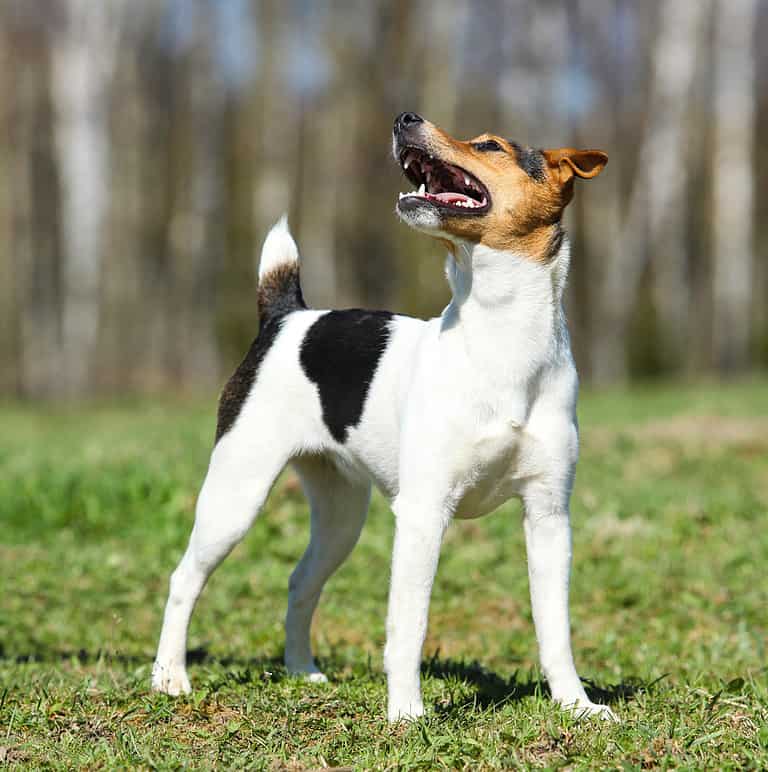
Parson Russell Terrier standing on grass

This breed requires specific training to ensure they have a definitive role in the family.

Very few people are fox hunters these days. It is necessary to provide a PRT with an alternate purpose in life. Training must take into account their need to fit into a definite role in the family without straying.

This does not equate to cruelty or punishment, but it does mean that you have to be firm and consistent in the things you teach these dogs and also in the things they cannot do. If there are any gray areas or inconsistencies, their own inquisitive personality will produce their own solution to the challenge. It may be one that you do not appreciate. Get on top of them early and keep it that way. In turn, you will have a loving, vivacious, and superb life companion. Simply put, the extra training effort you put in early will pay dividends for life.

Exercise

How much exercise is enough for one of these dogs? There might be no solid answer to that question. They can keep going and going so long as you are willing to let them run and play. This is what makes them so ideal for juvenile companions. The dogs and the kids can tire each other out and then go to bed happy. The important thing to remember about exercise, in this case, is that these dogs need exercise as much mentally as they do physically.

Puppies
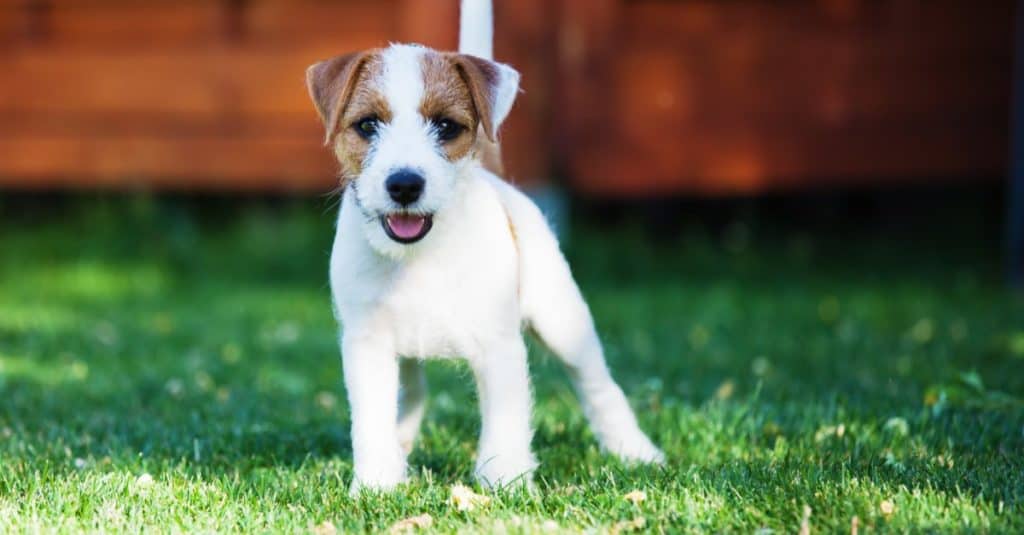
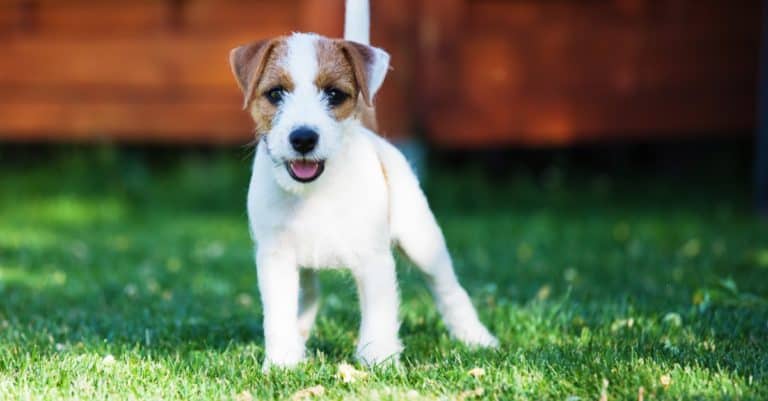
Parson Russell Terrier puppy in the garden

Parson Russell Terriers, like all puppies, require a lot of time and a balanced diet of puppy food.

There are no major differences when it comes to raising PRT puppies rather than any others. The most important requirement is to put in the time necessary to mold their character as you would like it to be. Of course, you need to provide a properly balanced diet of puppy food and make sure they get plenty of exercise. Obtaining a rescue dog, provided it was properly raised, can greatly reduce the time and effort to obtain a satisfactory canine-human balance.

Parson Russell Terriers And Children

These energetic dogs are very good companions for children. They are small, so they are not likely to accidentally hurt anybody through the application of simple mass in motion. They love to run, jump, and play. Most importantly, they do not need special instruction on how to behave around small humans. They can simply dive right in and become part of the family.

Dogs Similar To Parson Russell Terriers

There are a large number of dog breeds that share similarities with the Parson Russell Terrier.

  • Jack Russell Terrier: The most obviously similar dog is the Jack Russell Terrier.
  • American Foxhound: Next is one of the PRT’s big brothers on the hunt, the American Foxhound. Although more beagle-ish in appearance, the larger, longer-legged Foxhound shares many of the Parson Russell Terrier’s finest attributes. This is not surprising since they both exist for the same original purpose. The most famous breeder of the American Foxhound was George Washington.
  • Rat Terrier: Conversely, the Rat Terrier is like a PRT’s little brother. It was bred for the pursuit of smaller game and vermin, as its name clearly denotes. Apart from that, however, it is a very similar dog that fits apartment living in particular as long as it gets a healthy dose of daily exercise.
View all 246 animals that start with P

Sources

  1. American Kennel Club / Accessed April 1, 2021
  2. The Spruce Pets / Accessed April 1, 2021
  3. Petfinder / Accessed April 1, 2021
  4. Pet Guide / Accessed April 1, 2021
  5. Your Dog Advisor / Accessed April 1, 2021
  6. Pet Budget / Accessed April 1, 2021
Melissa Bauernfeind

About the Author

Melissa Bauernfeind

Melissa Bauernfeind was born in NYC and got her degree in Journalism from Boston University. She lived in San Diego for 10 years and is now back in NYC. She loves adventure and traveling the world with her husband but always misses her favorite little man, "P", half Chihuahua/half Jack Russell, all trouble. She got dive-certified so she could dive with the Great White Sharks someday and is hoping to swim with the Orcas as well.
Connect:

Thank you for reading! Have some feedback for us?


Parson Russell Terrier FAQs (Frequently Asked Questions)

The price of puppies will start at $1000 and go up from there. Finding a rescue dog can of course drop this price considerably. Basic maintenance and care for a PRT are not much, but the price can go up if it is necessary to hire someone to walk them every day. In that case, expenses can be much higher than for a more laid-back animal.