


R
Species Profile

Rotterman

Canis lupus familiaris

Two guardians, one loyal partner
Gemma Fletcher/Shutterstock.com

Rotterman Distribution

Click a location to explore more animals from that region

Origin Location

This map shows the native origin of the Rotterman. As a domesticated species, they are now found worldwide.

Loading map...

Found in 1 state/province

Size Comparison

Human 5'8"
Rotterman 2 ft 1 in

Rotterman stands at 37% of average human height.

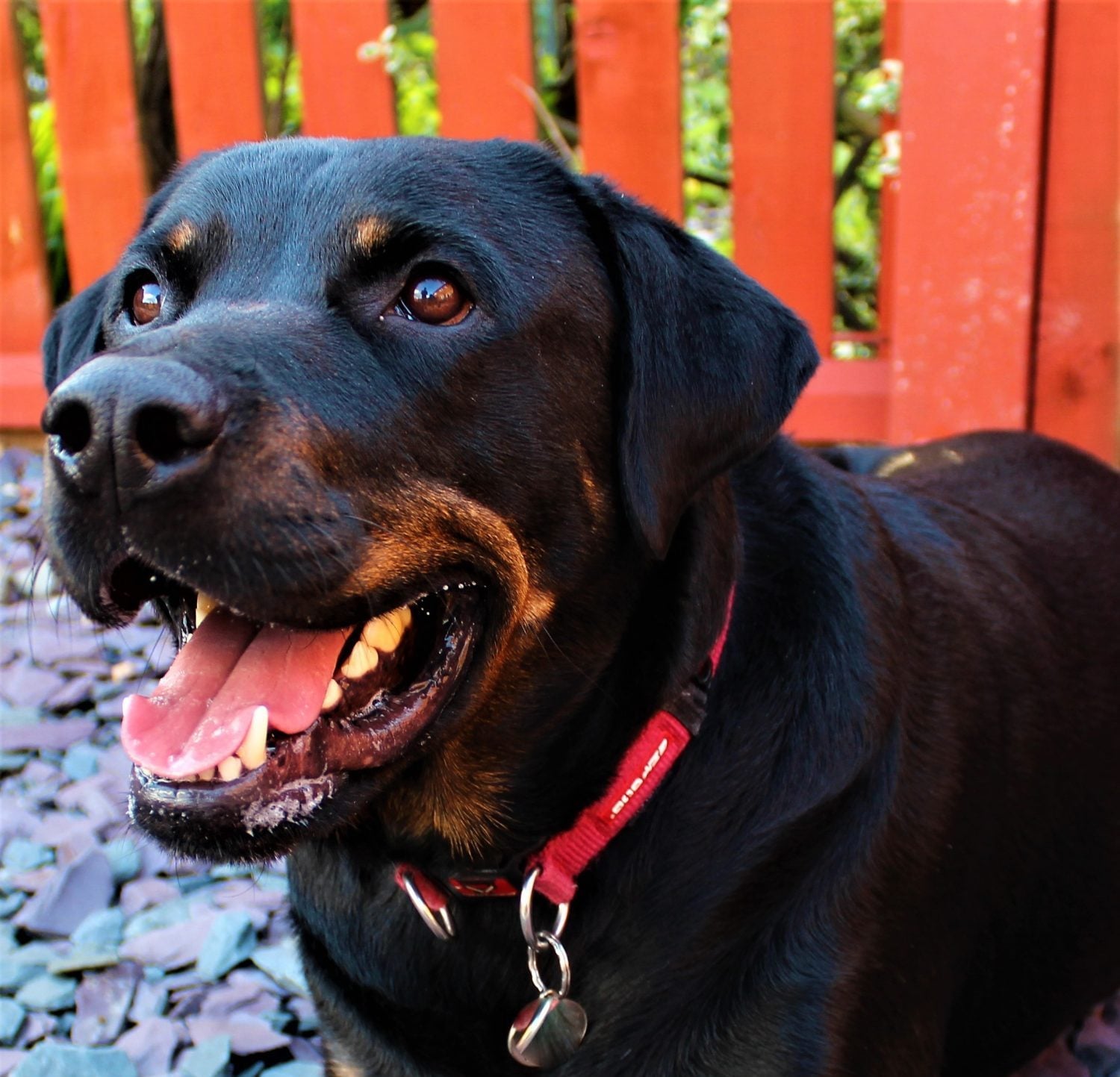
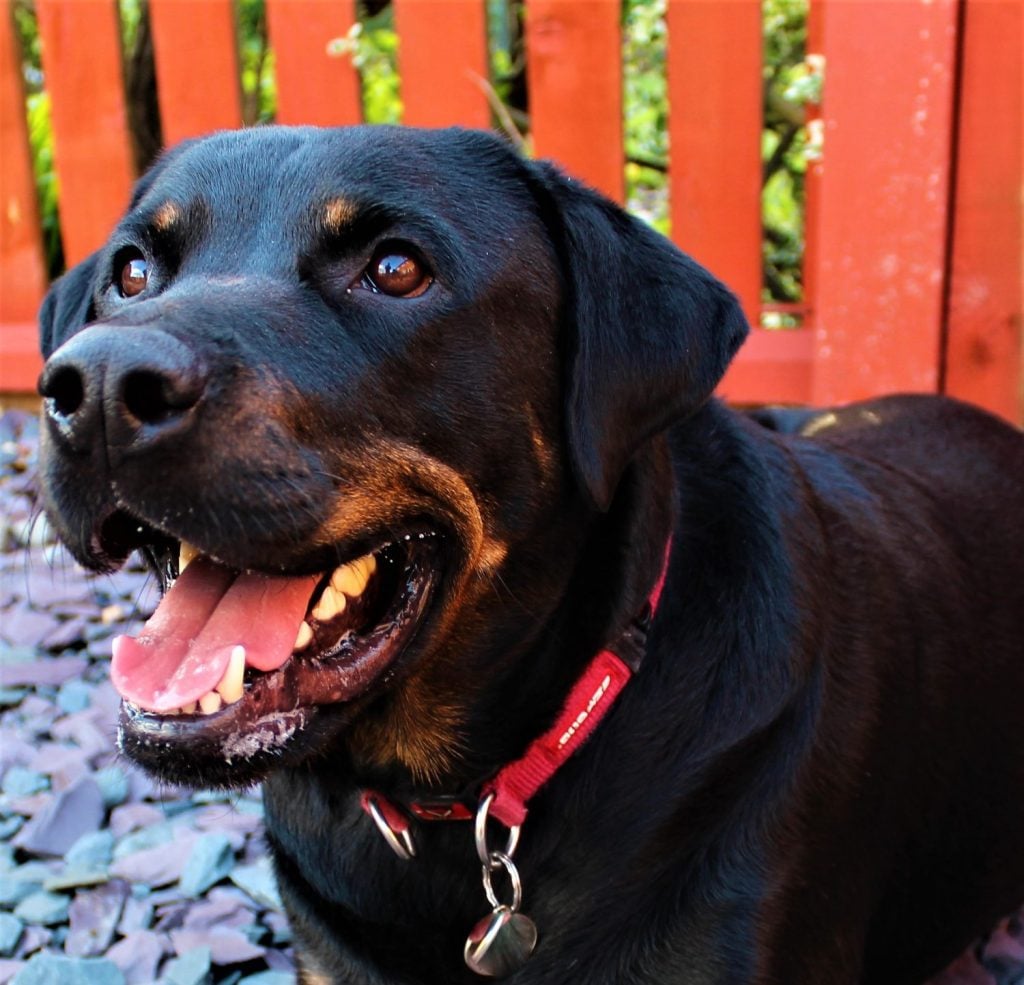
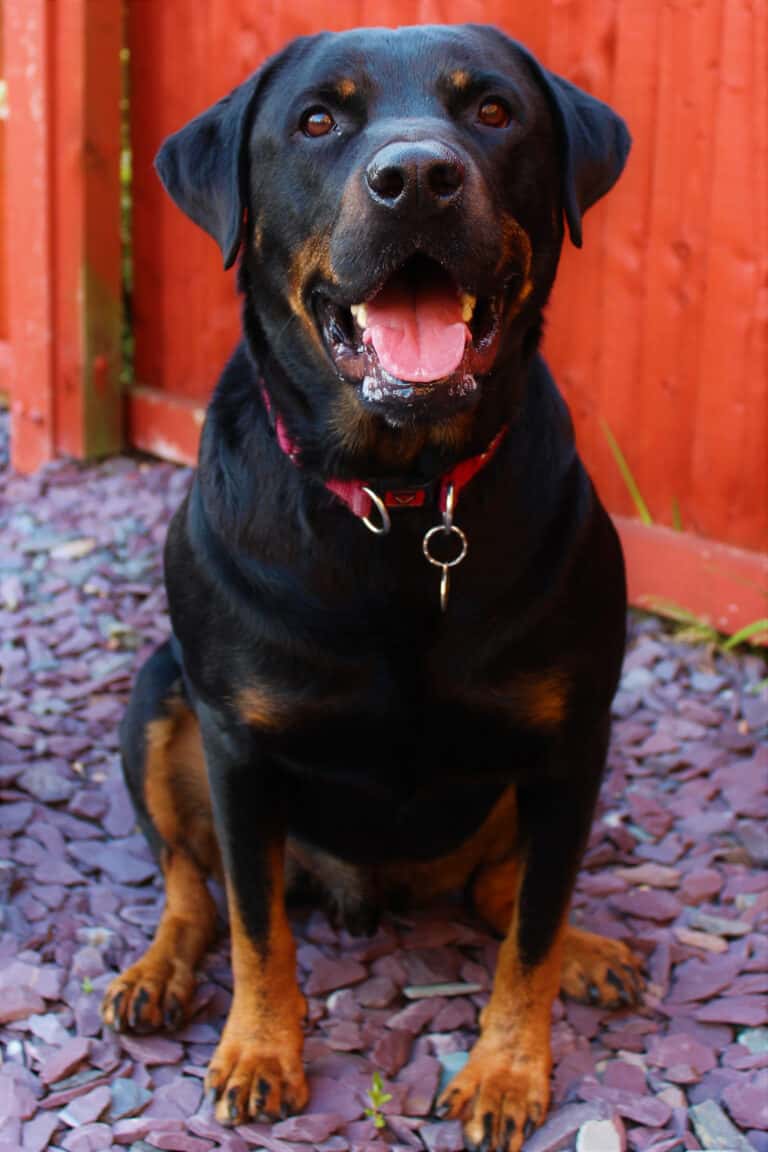
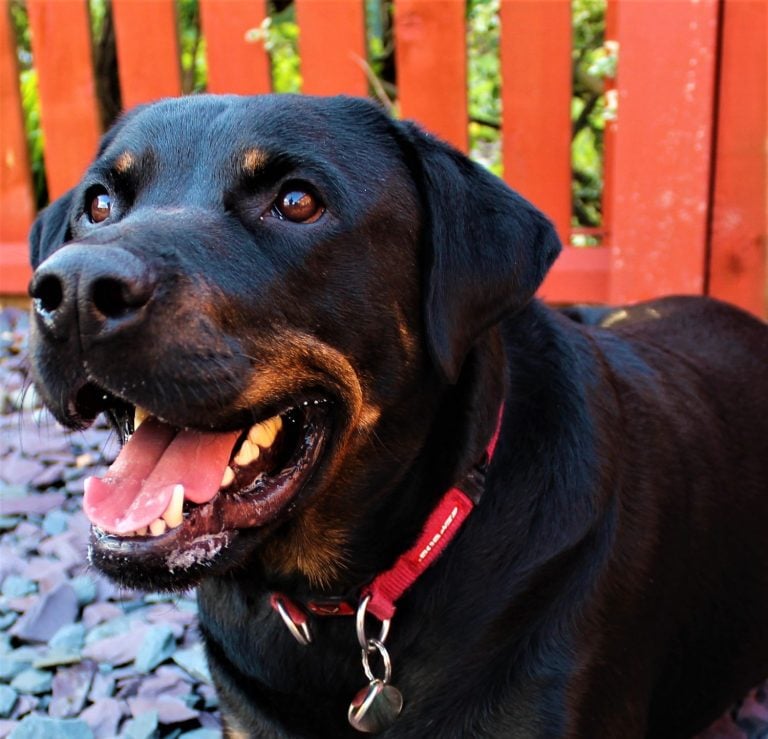
An adult male Rotterman (Rottweiler cross Doberman) dog

At a Glance

Domesticated
Also Known As Rottie-Doberman, Rottie Dobe, Doberweiler, Rottie Dobie, Rottweiler–Doberman mix, Doberman-Rottweiler mix
Diet Omnivore
Activity Diurnal+
Lifespan 10 years
Weight 55 lbs
Status Not Evaluated
Did You Know?

Rotterman is a mixed-breed (hybrid) domestic dog, not a standardized kennel-club breed-littermates can look and behave quite differently.

Scientific Classification

A domestic dog crossbreed typically combining the size and strength of the Rottweiler with the athletic, guard-oriented traits of the Doberman Pinscher; individual temperament and appearance vary widely because it is a hybrid.

Kingdom
Animalia
Phylum
Chordata
Class
Mammalia
Order
Carnivora
Family
Canidae
Genus
Canis
Species
Canis lupus

Distinguishing Features

  • Hybrid (“designer”) dog: Rottweiler × Doberman Pinscher
  • Often medium-large, muscular, short-coated; coloration may include black-and-tan or black with rust markings
  • Traits frequently marketed as protective/alert, but behavior varies strongly by individual and upbringing

Physical Measurements

Males and females differ in size

Height
2 ft 2 in (1 ft 12 in – 2 ft 4 in)
2 ft (1 ft 10 in – 2 ft 2 in)
Length
3 ft 8 in (3 ft 3 in – 4 ft 1 in)
4 ft (3 ft 5 in – 4 ft 5 in)
Weight
97 lbs (79 lbs – 115 lbs)
79 lbs (62 lbs – 99 lbs)
Tail Length
1 ft 2 in (12 in – 1 ft 4 in)
1 ft 1 in (10 in – 1 ft 4 in)
Top Speed
30 mph
running

Appearance

Primary Colors
Secondary Colors
Skin Type Short, dense coat over tight skin; moderate shedding, generally low matting; skin may be pigmented and sensitive to allergens.
Distinctive Features
  • Mixed-breed domestic dog (Canis lupus familiaris), not a standardized kennel-club breed; appearance varies widely by litter.
  • Distinguished from the wild base species (gray wolf) by compact domestic muzzle/stop variation, broader skull options, and selected coat colors/markings (black-and-tan points).
  • Large, athletic, deep-chested build; often combines Rottweiler breadth with Doberman-like leg length and tuck-up.
  • Head ranges from blocky (Rottweiler) to wedge-shaped (Doberman); strong jaws and pronounced cheek muscles possible.
  • Ears may be natural drop/rose; tail length and carriage vary (docking/cropping are human practices, not breed requirements).
  • Coat usually short and close; may be slightly thicker than Doberman, typically less dense than double-coated breeds.
  • Breed-typical health risks can include hip/elbow dysplasia, cruciate ligament injury, osteochondritis, gastric dilatation-volvulus (bloat), cardiomyopathy/arrhythmias, and hypothyroidism; risk depends on parent lines.
  • Care needs: consistent, structured training and early socialization; high daily exercise (strength + aerobic) and mental work; monitor weight and joint impact during growth.
  • Grooming: weekly brushing; regular nail/ear care; watch for skin irritation/allergies and pressure sores on short coats.
  • Cold sensitivity is common with short coats; benefits from weather protection in low temperatures.

Sexual Dimorphism

Males are typically taller, heavier, and more muscular with broader heads and necks. Females are usually lighter-framed with a narrower chest and head, though overlap is common due to mixed ancestry.

  • Heavier bone and larger overall mass
  • Broader skull and thicker neck
  • More pronounced chest and forequarter musculature
  • Slightly smaller, leaner build
  • Narrower head and chest
  • Often finer limb proportions

Did You Know?

Rotterman is a mixed-breed (hybrid) domestic dog, not a standardized kennel-club breed-littermates can look and behave quite differently.

Both parent breeds were developed for work: Rottweilers as drover/butcher's dogs and Dobermans as personal protection dogs.

Many inherit the classic black-and-tan or black-and-rust pattern, but markings and head shape can range from "Rottie-like" to "Dobie-like."

They often bond intensely with one or two people, combining the Doberman's "shadow dog" tendency with the Rottweiler's steady guardian style.

Because both parent breeds can be prone to heart disease, responsible owners often prioritize cardiac screening (e.g., echocardiogram/Holter) in adulthood.

Their intelligence and drive make them excel at structured work-obedience, scent games, agility-style conditioning-when properly socialized.

As domestic dogs (Canis lupus familiaris), Rottermans share wolf ancestry but are adapted for human social cues-many readily follow pointing and learn routines quickly.

Unique Adaptations

  • Hybrid variability: because it's a cross, traits aren't fixed-coat length, size, energy level, and reactivity can vary widely even within the same litter.
  • Guardian-breed physique: typically deep-chested, muscular, and athletic-built for short sprints and sustained trotting rather than marathon running.
  • Human-directed learning: like other domestic dogs, they're tuned to human facial cues and routine, aiding training for protection sports or family obedience.
  • Environmental sensitivity: many are acutely responsive to sound/motion changes, which can be useful for watch work but requires careful, positive exposure to novelty.
  • Short, low-maintenance coat (in many): often sheds year-round but usually needs only weekly brushing and routine nail/ear care.

Interesting Behaviors

  • Perimeter "patrolling": pacing fence lines or checking rooms, especially when they hear novel sounds.
  • "Velcro" following: staying close to their handler from room to room (common in Doberman lines).
  • Body-blocking/standing between: placing themselves between family members and strangers, often silently.
  • Lean-and-check-in: pressing their body against people, then scanning the environment-an affectionate, watchful habit often seen in large guardian breeds.
  • High object interest: strong tug/retrieve drive in some individuals; can become mouthy without training.
  • Alert-bark selectivity: many bark less than some breeds but escalate quickly if they perceive a threat-early socialization helps calibrate responses.
  • Work-to-settle pattern: intense play/training bursts followed by a strong "off switch" when their needs are met.

Cultural Significance

Rottermans are a modern Rottweiler–Doberman cross. Both parent breeds are known as guardian dogs: Rottweilers from Rottweil drove cattle and guarded money; Dobermans were bred in 19th-century Germany for personal protection and later used in security, police, and sport. Public talk stresses responsible owners, training, and socializing.

Myths & Legends

Old Rottweil butcher-dog story: in the cattle market town, butchers tied coin purses to their dogs' collars so thieves would stay away, a common tale behind the breed's guard dog reputation.

Karl Friedrich Louis Dobermann, a 19th-century German tax collector and dogcatcher, is said to have bred the Dobermann as a protective dog to join him on dangerous rounds, creating its guardian image.

Across Britain and northern Europe, legends of spectral black dogs, like Black Shuck and the Barghest, tell of scary night guardians at crossroads and lonely roads, shaping how people imagine dark-coated guard dogs.

War-dog legends of Dobermans: during World War II, Dobermans served with U.S. forces in the Pacific; enduring stories from Guam depict them as brave sentries and messengers, cementing the breed's heroic cultural image.

The Roman drover-dog legacy: popular histories link Rottweiler-type dogs to mastiff-like drover dogs used with Roman herds-an ancestral narrative often cited to explain the breed's strength and cattle-handling roots.

Conservation Status

NE Not Evaluated

Has not yet been evaluated against the criteria.

Population Stable

Life Cycle

Birth 6 pups
Lifespan 10 years

Lifespan

In the Wild
8–12 years
In Captivity
8–13 years

Reproduction

Mating System Polygynandry
Social Structure Managed Domestic
Breeding Pattern Serial
Fertilization Internal Fertilization
Birth Type Internal_fertilization

Rotterman reproduction follows domestic dog patterns: internal fertilization with short, heat-cycle-limited pairings, often arranged by owners or breeders. Without management, both sexes may mate with multiple partners across a breeding season, with no cooperative alloparental care.

Behavior & Ecology

Social Pack Group: 3
Activity Diurnal, Crepuscular, Cathemeral
Diet Omnivore Meat-forward foods (e.g., beef or chicken-based diets) with a strong aroma; many individuals are highly food-motivated.

Temperament

Species context (C. lupus): far more human-directed and home-territory focused than wolves; reduced cooperative hunting.
HUBS: typically confident guardian-type behavior, environmental vigilance, and strong handler attachment; intensity varies widely.
Often protective/territorial; benefits from clear boundaries to prevent over-guarding of home, car, or people.
High trainability with firm, reward-based methods; harsh handling increases avoidance, defensiveness, or shutdown.
Generally athletic with strong working drive; needs daily aerobic exercise plus structured tasks (obedience, scent work).
Socialization-critical: early, positive exposure reduces stranger suspicion and dog-dog reactivity common in guardian lines.
Breed-mix distinction: combines Rottweiler power with Doberman speed; can be both imposing and highly agile.
Impulse control can be challenging in adolescents; consistent routines and enrichment reduce mouthing and jumping.
Health concerns to monitor: hip/elbow dysplasia, osteoarthritis risk; gastric dilatation-volvulus (bloat) risk in deep-chested builds.
Cardiac concerns in the mix: dilated cardiomyopathy risk (Doberman-linked); consider screening (echo/Holter) if indicated.
Possible inherited issues: von Willebrand disease tendency (Doberman-linked), hypothyroidism, and some cervical spine problems in certain lines.
Care requirements: maintain lean body condition, use joint-friendly exercise, and avoid intense exertion right after meals (bloat risk).
Coat care is low to moderate; frequent shedding possible-weekly brushing and nail/ear care support handling tolerance.

Communication

Alert barking with rapid escalation when perceiving threat or novelty
Low growls and rumbling vocalizations used as distance-increasing signals
Whines and grumbles for attention, frustration, or anticipation
Occasional howling in response to sirens or social triggers
Direct staring, forward posture, and blocking/leaning to control space near handlers
Ears and tail carriage shifts signaling arousal, uncertainty, or confidence Often docked in some lines
Muzzle tension, lip licking, yawning, and head turns as stress/appeasement signals
Scent marking and intensive sniffing to assess visitors and boundaries
Physical contact (leaning, pawing) and body positioning to maintain proximity to bonded people

Habitat

Biomes:
Temperate Forest Temperate Grassland Boreal Forest (Taiga) Tundra Alpine Desert Hot Desert Cold Mediterranean Savanna Tropical Dry Forest Tropical Rainforest Wetland Freshwater Marine +8
Terrain:
Plains Hilly Mountainous Coastal
Elevation: Up to 16404 ft 3 in

Ecological Role

Human-associated domestic omnivore and companion/guardian; primarily an anthropogenic niche occupant rather than a natural ecosystem predator.

Companionship and social support for humans Property/livestock deterrence and guarding Pest control via opportunistic predation on rodents Assistance roles (obedience work, protection sports, service/working tasks depending on training) Promotes human outdoor activity through exercise needs

Diet Details

Main Prey:
Rodents Rabbits and hares Small birds Squirrel Carrion
Other Foods:
Cooked grains/carbohydrates Root and green vegetables Fruits Dietary fibers

Human Interaction

Domestication Status

Domesticated

Rotterman (Rottweiler × Doberman Pinscher mix) is a cross of two working guardian breeds of Canis lupus familiaris, the fully domesticated dog from gray wolves shaped by humans. Rottermans are large, athletic, trainable, and often protective. Traits range from calmer Rottweiler-like to faster Doberman-like; they need socialization and training.

Danger Level

Moderate
  • Bite risk increases with poor socialization, inadequate containment, unmanaged guarding/territorial behavior, or coercive/incorrect protection training.
  • Size and strength can cause injury through jumping, pulling, or accidental collisions even in friendly individuals.
  • Higher likelihood of stranger-wariness; may challenge unfamiliar people entering the home/yard without proper introductions and management.
  • Potential dog-dog aggression or prey drive in some individuals, creating indirect risk during interventions (e.g., breaking up fights).
  • Health-related behavior changes (pain from orthopedic disease) can elevate irritability/reactivity if untreated.

As a Pet

Suitable as Pet

Legality: Usually legal in most U.S. places, but BSL, insurance, housing, or local rules may limit 'Rottweiler-type' or 'Doberman-type' dogs. Leash, registration, and training rules may be stricter.

Care Level: Experienced

Purchase Cost: Up to $2,500
Lifetime Cost: $20,000 - $60,000

Economic Value

Uses:
Companion animal Working/guard dog (deterrence) Dog sports and training services Pet industry spending (food, gear, veterinary care, boarding)
Products:
  • sale/adoption fees for mixed-breed puppies or rescues
  • professional training (obedience, behavior modification, sport foundations)
  • veterinary services (preventive care, orthopedic and cardiac workups where indicated)
  • pet insurance policies (often recommended for large working-breed mixes)
  • boarding/daycare (may be limited by size/temperament policies)
  • equipment (secure crates, strong leashes/harnesses, fencing, enrichment toys)

Quick Take

  • Maintaining a 130-pound Rotterman depends on meeting a specific strong owner requirement.
  • Inheriting Von Willebrand’s Disease from the parent breeds creates specific health complications for the Rotterman.
  • This big breed paradoxically defies aggressive parentage by exhibiting a patient and affectionate nature.
  • Executing early socialization is necessary to neutralize the Rotterman’s inherent protective aggression.

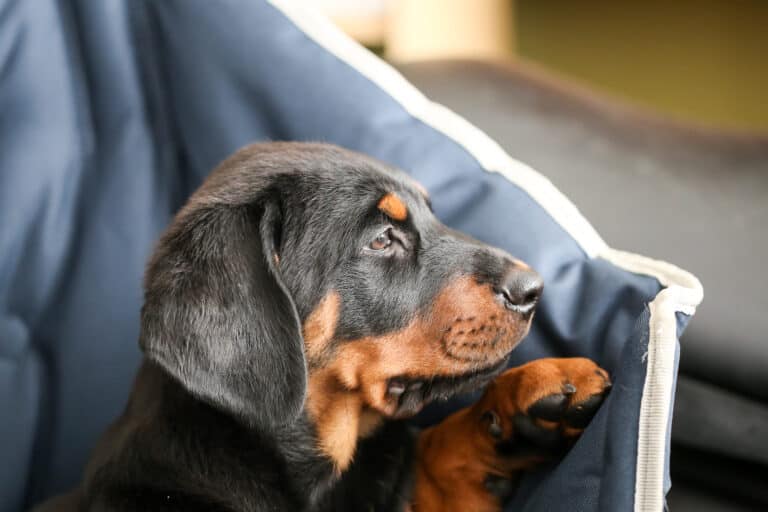
The Rotterman is the result of crossbreeding a Rottweiler and a Doberman Pinscher. It is a large and powerful breed that needs a strong owner. While their parent breeds are notorious for being aggressive, the Rotterman is very affectionate, loyal, and protective.

When raised with pets and children, they are patient and very tolerant. Because of their high intellect, they are easy to train but need a firm and persistent trainer. It’s the perfect breed for search and rescue training, and they make excellent guard dogs.

An infographic titled Rotterman: The Gentle Giant with a Formidable Past, featuring a large illustration of a black and tan dog with data points on its temperament, health, and care needs.
They look intimidating, but they are paradoxically patient. Unlocking the loyal 'Gentle Giant' within this powerful hybrid requires a firm hand and relentless socialization. © A-Z Animals

Three Pros and Cons of Owning a Rotterman 

The Rotterman has a lot of good traits, but before purchasing one, there are a few things dog owners should know:

ProsCons
Excellent guard dogs without all the barkingThey may be stubborn at times, so they require a firm hand when training
Very affectionate and loves to play and exercise with the whole familyIf not socialized properly, they can be territorial and aggressive towards other pets
Highly intelligent and easy to trainNot hypoallergenic

The Best Dog Food for a Rotterman

Rottermans require a nutritious, high-quality diet that will give them energy. In addition, because of their size, they need dog food specifically formulated for large breeds. However, as they change through the different stages of their lives, they need a diet to accommodate their development. For example, the puppy stage, adult stage, and senior stage.

They require 4-6 cups of high-quality food split into two portions per day. However, if they receive wet food, this amount should be reduced according to the instructions on the label. Never overfeed them because they are prone to obesity, which will affect their overall health.

Size and Weight

Rottermans are a large breed, and they can weigh between 70 and 130 pounds. In addition, they are tall and measure 22 to 27 inches.

Common Health Issues

Unfortunately, the Rotterman inherits many of its parent breed’s health issues. These include:

Temperament

The Rotterman has a loving nature and is extremely loyal to its owners. They are natural protectors and would happily stand in the way of danger for their families. However, this protective side can also be detrimental because it can make them aggressive towards new people entering the home.

If socialized from a young age, the Rotterman gets along well with other pets. However, they should always be supervised around smaller dogs and children because they are a large breed and can accidentally cause harm.

How to Take Care of a Rotterman

Caring for a Rotterman is relatively easy because of their short coats and good health. However, owners must meet certain requirements to keep them happy and healthy.

Grooming

Luckily, when it comes to grooming, Rottermans are a breeze. While Doberman Pinschers are generally light shedders, Rottweilers shed moderately year-round and can shed heavily during seasonal changes, so brushing your Rotterman at least once or twice a week is recommended, and more frequently during shedding seasons. In addition, a light run over their coat with a grooming mitt daily will keep your dog’s coat shiny.

Both Rottweilers and Dobermans have short coats and typically do not require frequent bathing; bathing once every couple of months or as needed when dirty is usually sufficient.

In addition, as soon as their nails touch the ground, they need a trim, approximately once every two months. Dental hygiene in dogs is very important, so brush their teeth daily with high-quality dog toothpaste.

Training

The Rotterman is incredibly intelligent and is easily trainable if done properly. However, they can be stubborn, which makes things a little trickier. It shouldn’t be a problem if you are persistent and have a firm hand. However, training them as soon as possible will help manage these behaviors and ensure an obedient dog.

Exercise

Rottermans have high energy levels and can become destructive if not stimulated properly. In addition, they are prone to obesity, so ensure that they get enough exercise each day. Rottermans need at least two hours of exercise daily; this can include hiking, long walks, and playtime in the backyard.

Puppies

The Rotterman can produce a litter of 6 to 12 pups; however, larger litters are often expected. But, for first-time mothers, it is not unusual to give birth to only two puppies.

Depending on your location and breeder of choice, Rottermans’ price can range from $900 to $3000. However, if you can find one in a shelter, it will cost much less to adopt.

Rottermans and Children

Introducing a full-grown Rotterman into a home with young children will not be good if they have never been around kids before. However, if introduced when they are puppies, they are caring, loving, patient, and protective of kids, no matter their age.

Dogs similar to the Rotterman

Several breeds are similar to Rottermans in both size and behavior; they include:

View all 181 animals that start with R

Sources

  1. Wag Walking / Accessed October 1, 2022
  2. Pet Guide / Accessed October 1, 2022
  3. Dog Zone / Accessed October 1, 2022
  4. Dog Time / Accessed October 1, 2022
Chanel Coetzee

About the Author

Chanel Coetzee

Chanel Coetzee is a writer at A-Z Animals, primarily focusing on big cats, dogs, and travel. Chanel has been writing and researching about animals for over 10 years. She has also worked closely with big cats like lions, cheetahs, leopards, and tigers at a rescue and rehabilitation center in South Africa since 2009. As a resident of Cape Town, South Africa, Chanel enjoys beach walks with her Stafford bull terrier and traveling off the beaten path.
Connect:

Thank you for reading! Have some feedback for us?


Rotterman FAQs (Frequently Asked Questions)

It is a large and powerful breed that needs a strong owner. While their parent breeds are notorious for being aggressive, the Rotterman is very affectionate, loyal, and protective.