
Sea anemones are probably familiar to just about all of us. You might have seen them in the ocean, private aquariums, or ‘touch pools’ at large aquariums. But, would you believe that there are actually over 1,000 species of sea anemone? Here, we’ll learn about a few of those species, as well as some of the most incredible anemone facts. Read on to learn more about these incredible invertebrates!
1. There are Over 1,000 Species of Sea Anemone
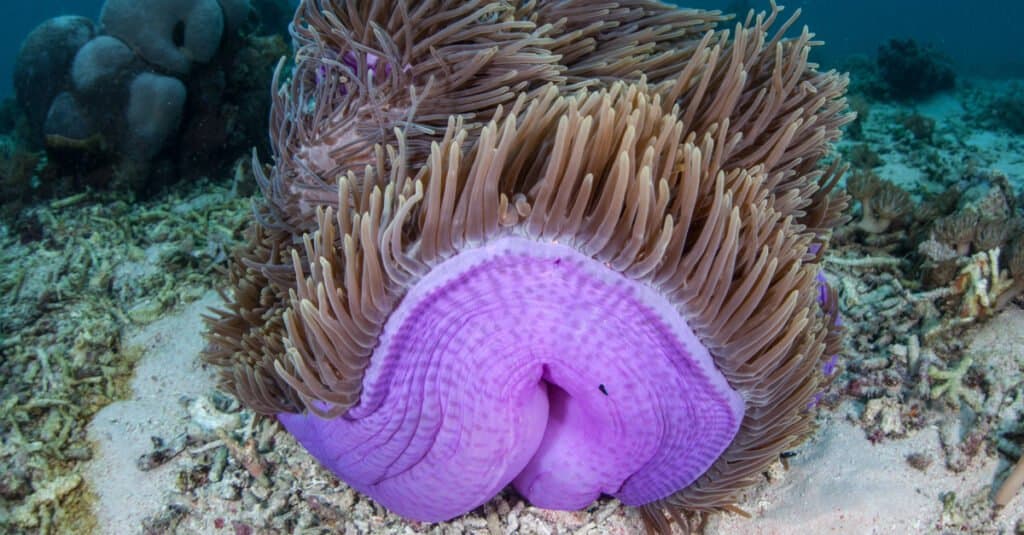
Sea anemones belong to the Actinaria order of animals.
©Ethan Daniels/Shutterstock.com
There are over 1,000 species of sea anemones living in our oceans. They live specifically in salt water and can be anywhere from under an inch wide to several feet across. Each species has its own unique look. The most familiar look like undersea flowers with thick, tubular stems.
2. Sea Anemones Look Like Flowers
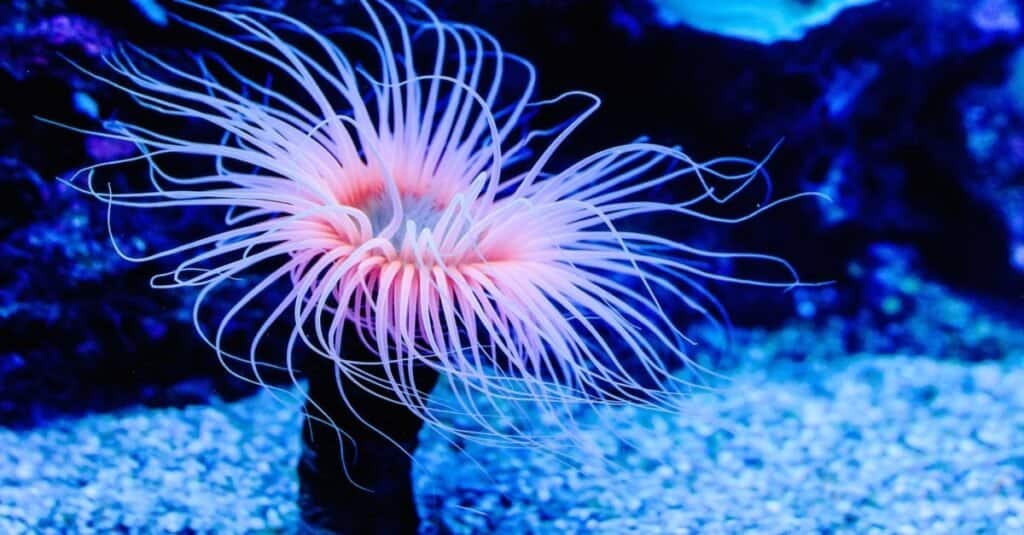
Sea anemones look like sea flowers.
©Natalia Fedori/Shutterstock.com
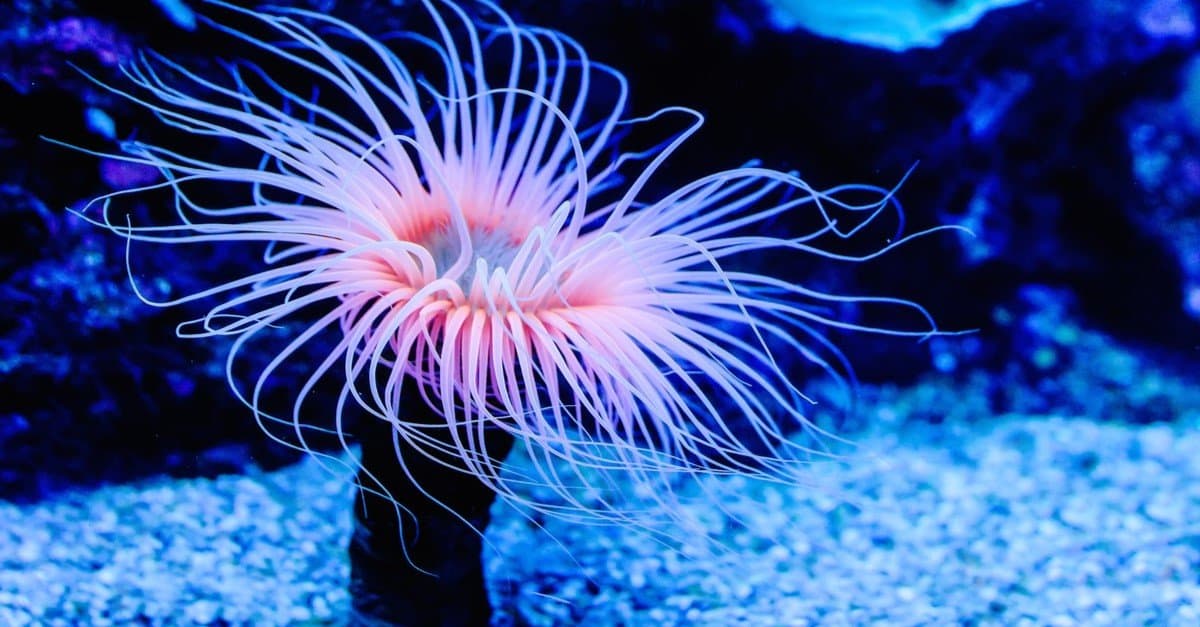
An incredible sea anemone fact is that these strange creatures look like flowers of the sea. The most iconic sea anemones have thick stalks and heads covered in short, brightly colored tentacles. Other varieties have thinner stalks and much longer, thinner tentacles. A few species form fields of sea anemones, which look like patches of waving grass on the ocean floor. They’re perhaps most famous for sucking in their tentacles when predators come around, or when humans try to touch them.
3. Sea Anemones are Carnivorous
It might come as a surprise, but sea anemones are actually venomous.
©iStock.com/agus fitriyanto
All those colorful tentacles hide a deadly secret: neurotoxic venom meant to paralyze and kill. Despite their harmless appearance and lack of teeth or claws, sea anemones actually get their nutrition from living things. These may include fish, hermit crabs, or even tiny zooplankton. When the fish swims close, or the crab crawls too close, the sea anemone shoots out a stinging tentacle and injects the prey. The paralyzing venom acts fast to disable the unfortunate victim, who is then pulled into the anemone’s grasp and digested.
4. Sea Anemones Live in Very Shallow, and Very Deep Water
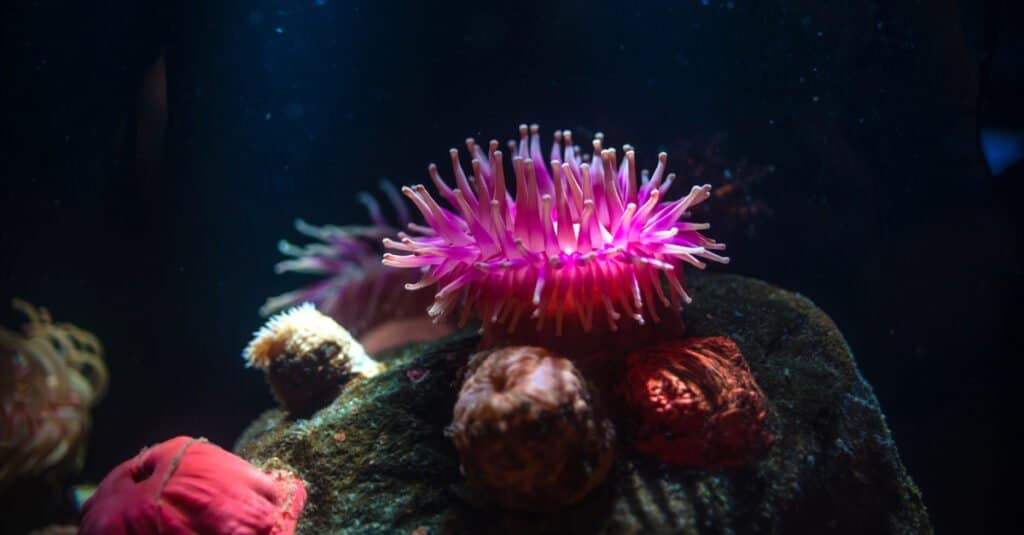
Sea anemones can inhabit shallow ocean depths, as well as survive in waters over 10,000 feet deep.
©Francesco Cantone/Shutterstock.com
Though most sea anemones live in warm, shallow waters, there are a few varieties that break the mold. Sea anemones have been found living in waters over 10,000 feet below the ocean’s surface. Like all deep water creatures, these sea anemones have adapted to survive in the low light, low food source waters of the deep ocean. But, most sea anemones live much closer to the ocean’s surface and provide vital habitat for all manner of fish, eels, stingrays, and sharks.
5. Sea Anemones have a ‘Foot’
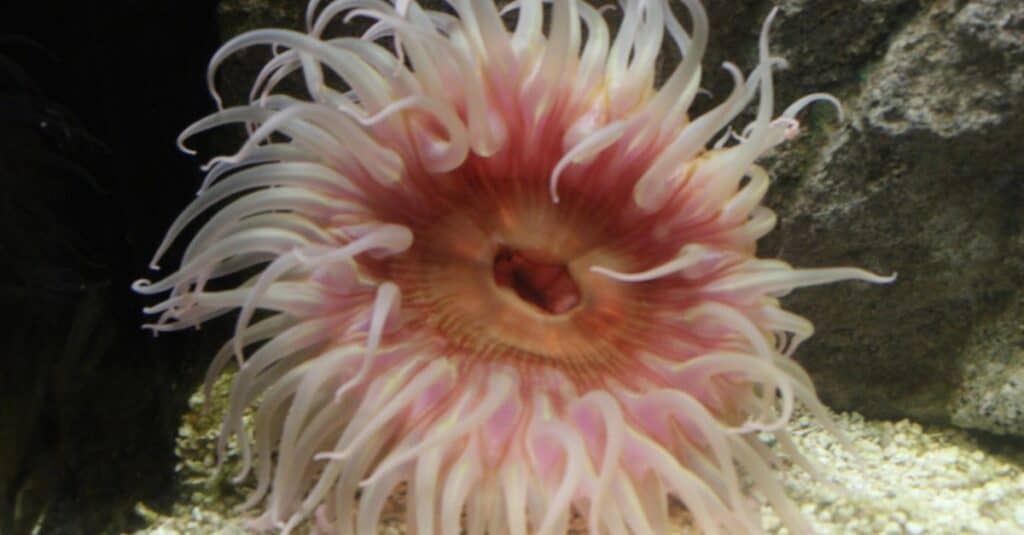
Many sea anemones use their feet to anchor themselves to hard coral.
©imagine.bee/Shutterstock.com
One of the most incredible sea anemone facts has to do with their anatomy. Sea anemones are not stuck in one place for the duration of their lives. Rather, they come equipped with both tentacles for movement, and a type of foot. This foot is known as the pedal disc, and, while you might not see it ‘walking’, it can move the sea anemone. By moving in tiny incremental steps, sea anemones use their pedal discs (feet) to walk across the ocean floor. Or, maybe, just to a slightly nicer patch of coral. Their feet also anchor them, so they don’t float away.
6. Sea Anemones have Symbiotic Relationships
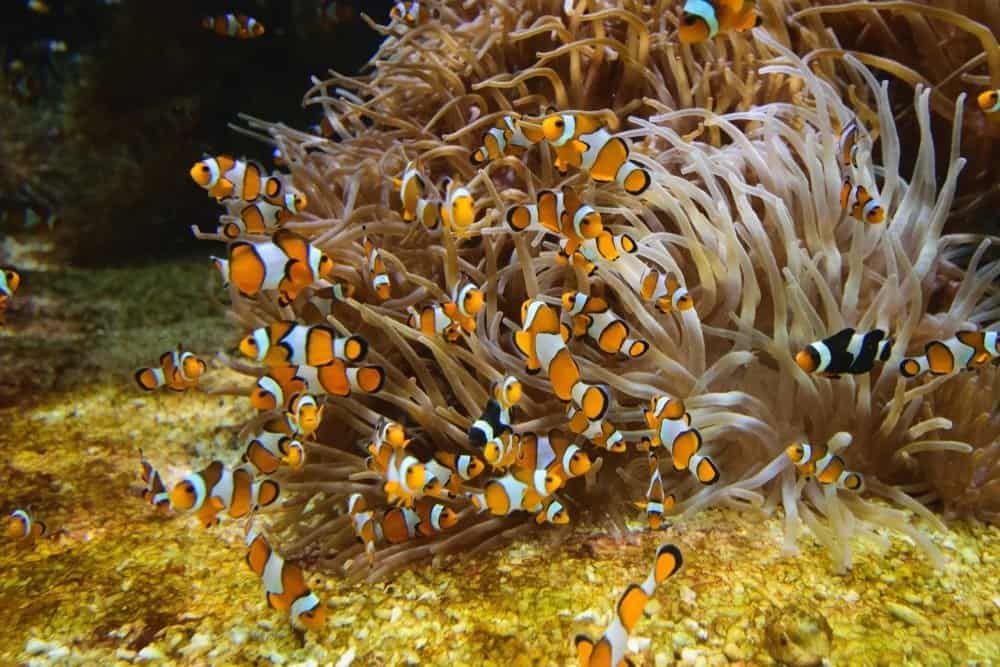
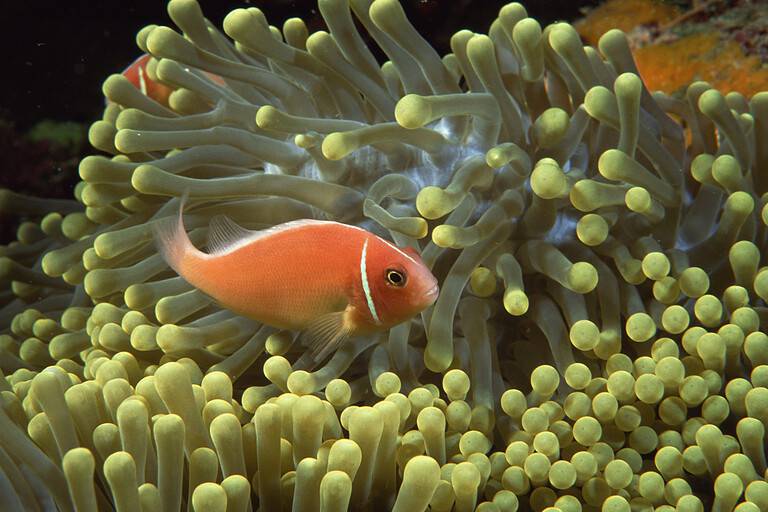
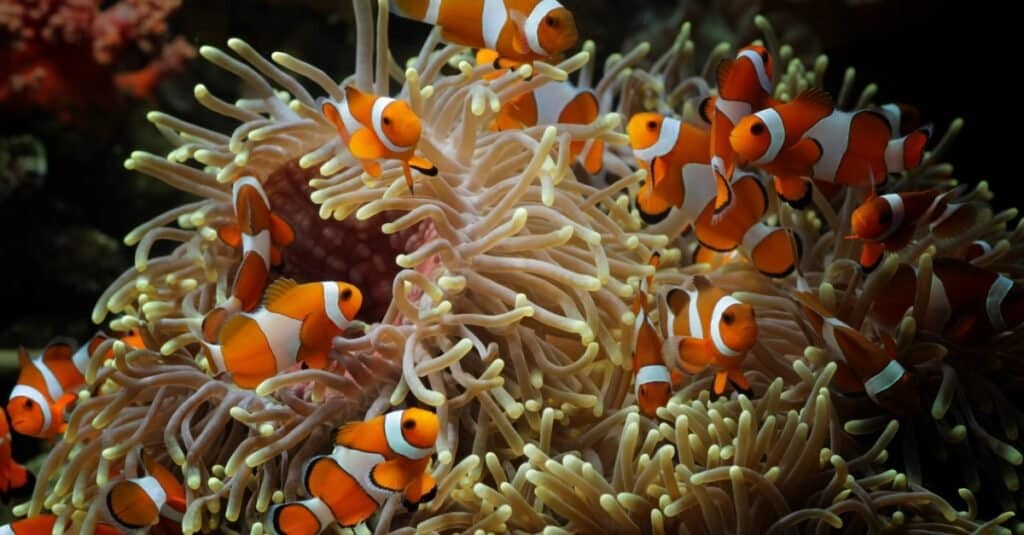
Sea anemones have a symbiotic relationship with certain other sea creatures like the clownfish.
©Angus Taylor/Shutterstock.com
For many, the sight of a sea anemone brings up one fish in particular: the clownfish. Made famous in popular culture, these fish have actually adapted to live within the sea anemones’ dangerous tentacles. In exchange for providing a safe habitat, clownfish help sea anemones by cleaning them and providing nutrients through their waste. Other symbiotic species include green algae and zooplankton, which live among the sea anemone’s tentacles.
7. Sea Anemones have Many Ways of Reproducing
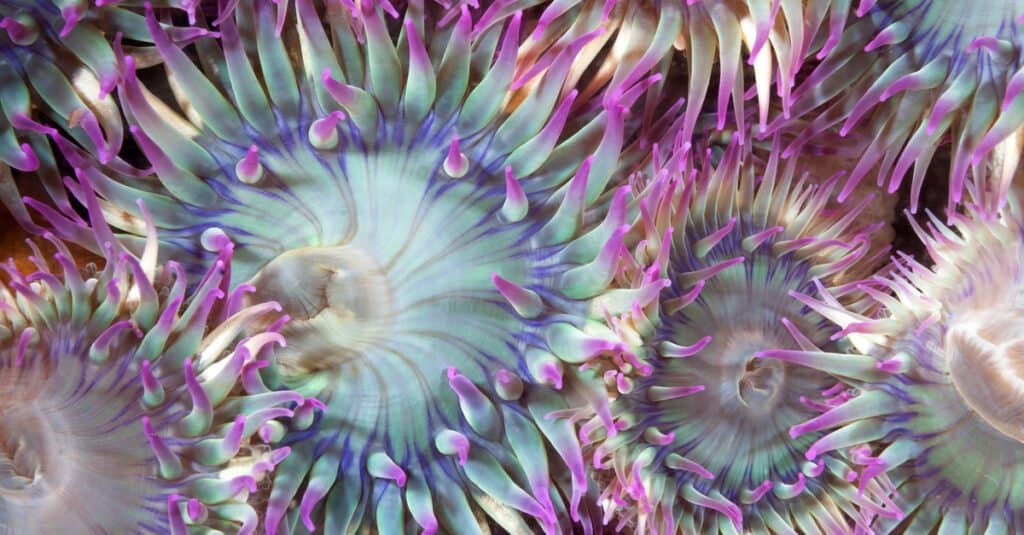
Sea anemones can reproduce both sexually and asexually.
©Joe Belanger/Shutterstock.com
Sea anemones aren’t like snakes, sharks, or even cockroaches when it comes to reproduction. Instead of eggs or live young, they can actually reproduce simply by budding or asexual reproduction. Essentially, this entails the sea anemone creating a tiny ‘bud,’ which then splinters off and becomes a new anemone. But that’s not the only reproductive trick up the sea anemones’ sleeve. They can also reproduce sexually, and some species can change their sex at various points in their life to reproduce more effectively.
8. Sea Anemones Are Loved by Humans
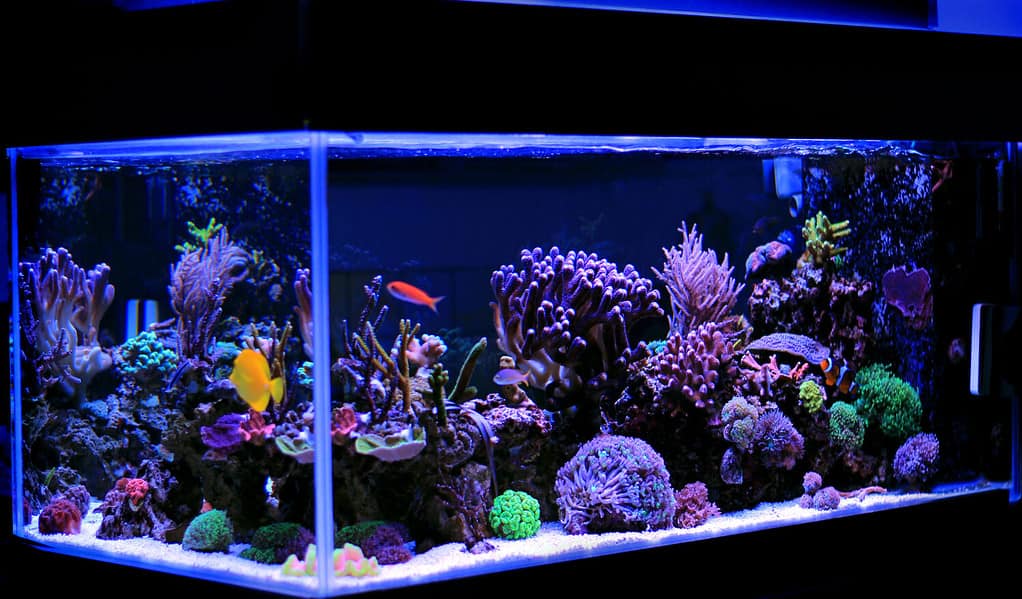
Sea anemones are favorites among aquarium enthusiasts, appearing in many commercial and private aquariums.
©Vojce/Shutterstock.com
Another incredible sea anemone fact is that these attractive ‘plants’ are beloved by aquarium enthusiasts. They can be found in just about every commercial aquarium, as well as many private aquariums. And, in certain parts of the world like Sardinia and Spain, people actually eat sea anemones. They’re also eaten in Southeast Asia and Indonesia.
9. Sea Anemone Anatomy is Very Different
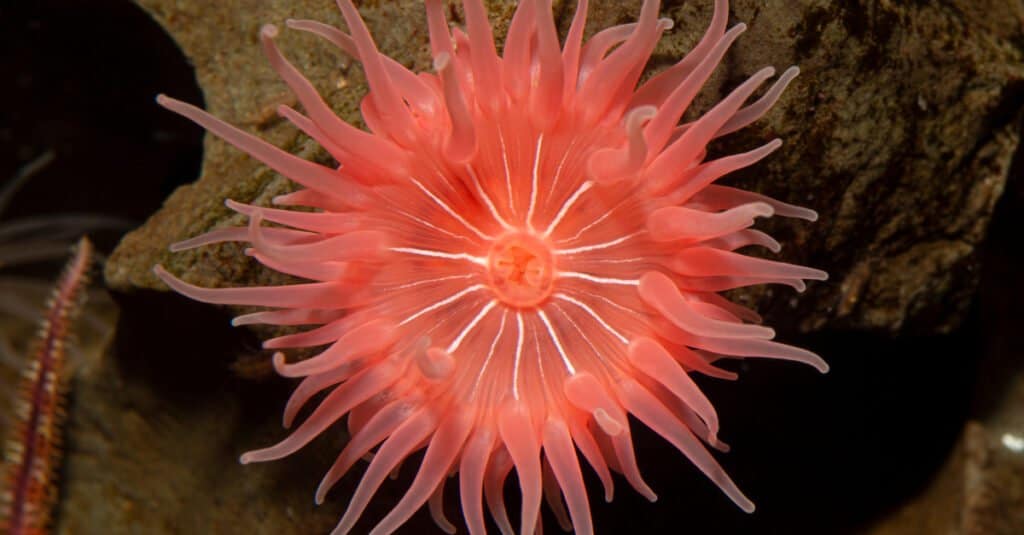
Every species of sea anemone has its own unique appearance.
©Ernie Cooper/Shutterstock.com
Unlike mammals, such as dogs, elephants, tigers, and humans, sea anemones have no eyes or ears. Instead, they have tubular bodies with a single opening that serves as both an entrance and an exit, for food. One of the most incredible sea anemone facts is that their muscles act to control their tentacles and digest food. In addition to this, sea anemones have muscular feet that attach to hard coral to keep them stable in the ocean currents.
10. Sea Anemones Are Related to Jellyfish and Coral
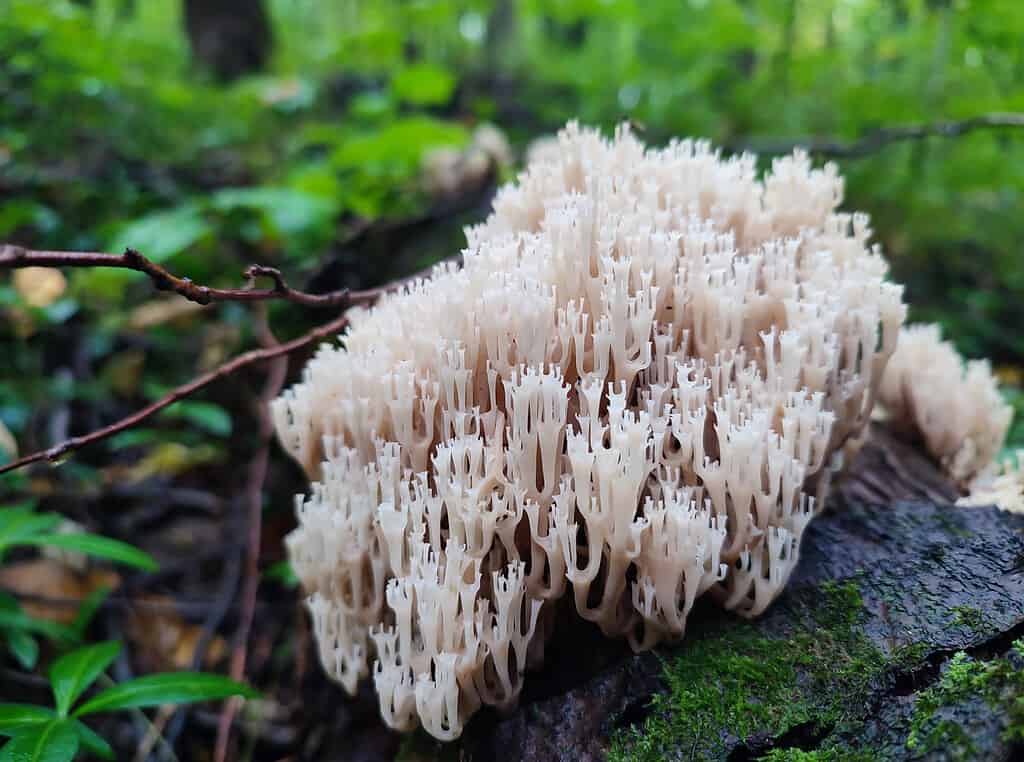
Jellyfish, as well as corals, like these coral mushrooms, are in the same phylum as sea anemones.
©Kristini/Shutterstock.com
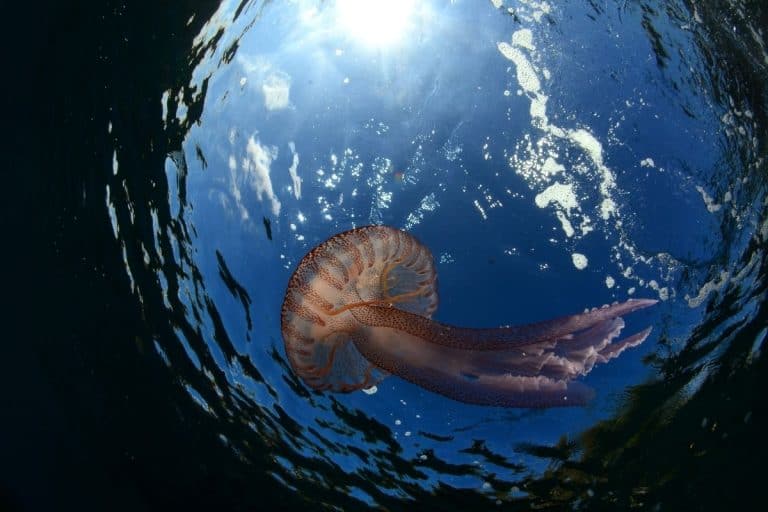
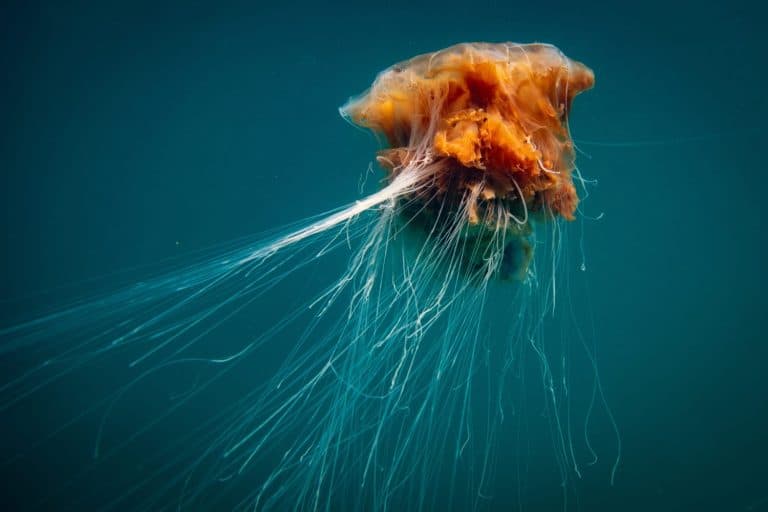
Sea anemones belong to the Cnidaria phylum of animals. This phylum includes jellyfish, corals, gorgonians, and hydras, among many others. In fact, there are over 11,000 distinct species within the Cnidaria phylum. Cnidarians share a few things in common. First, they’re all aquatic, living in both salt and freshwater. And, they’re invertebrates that either free swim (like jellyfish) or attach to the ocean floor (like sea anemones).