
Quick Take
- They may look like twins to us, but crocodilians are picking up on signals humans can't even detect. See their hidden signals →
- Their family trees split so long ago that calling them 'cousins' wildly understates how foreign they are to each other. Explore their deep divergence →
- The method crocs use to broadcast their identity to rivals is nothing like what alligators do, and the difference between the two is striking. Compare their signaling methods →
- Chickens and monkeys crack the same puzzle, and the reason why exposes something surprising about how animals perceive their own kind. Meet the other species →
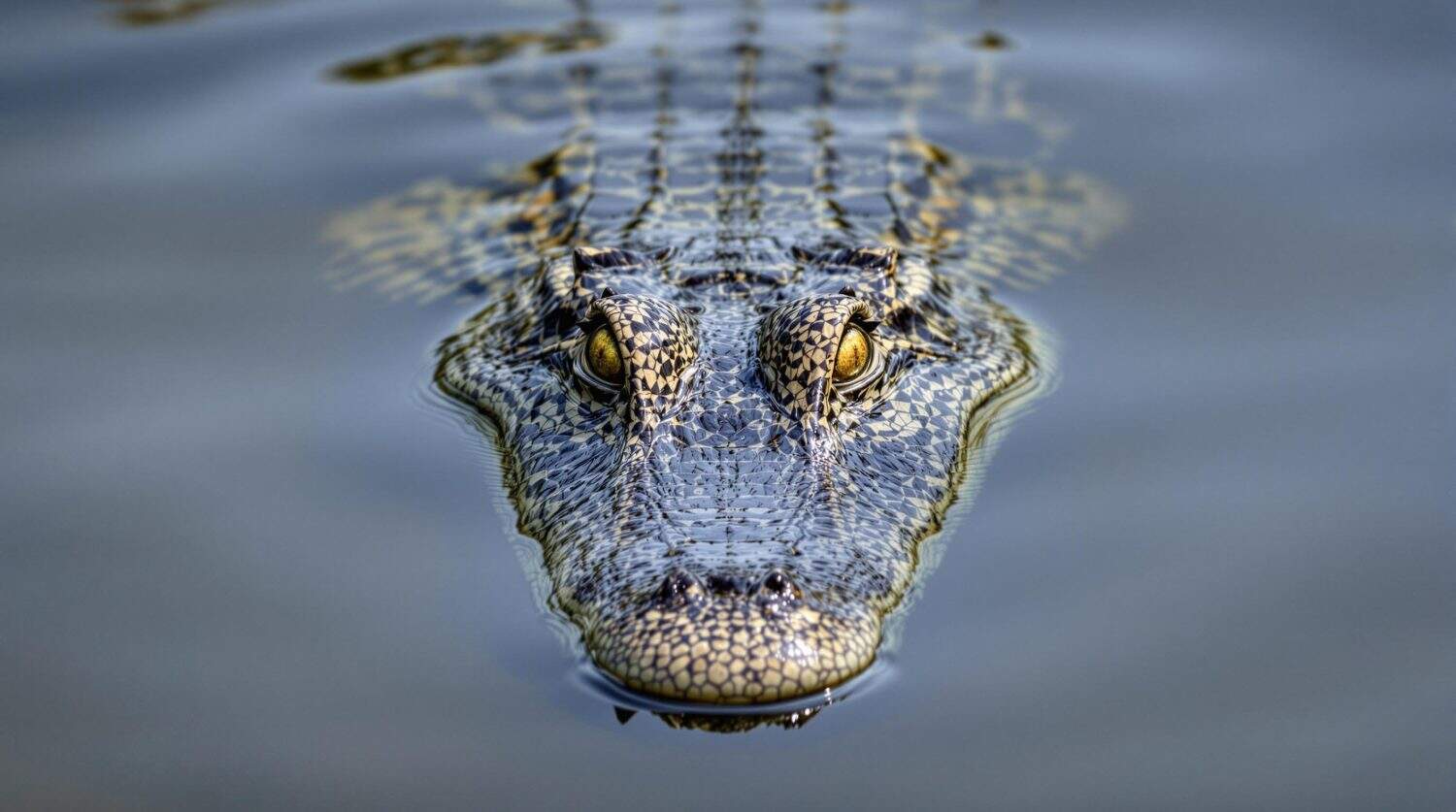
To the untrained eye, alligators and crocodiles look practically identical — one has a narrower snout, one has a broader one, but to many people, they’re basically the same giant reptile. That got us thinking after spotting a discussion on Reddit’s r/zoology forum, where a user asked a fascinating question: when an alligator sees a crocodile, does it recognize it as a completely different animal, or just a strange-looking version of itself?
More Than Just Looks
The short answer is yes. While alligators and crocodiles may look similar to us, scientists agree that the animals themselves almost certainly recognize each other as completely separate species.
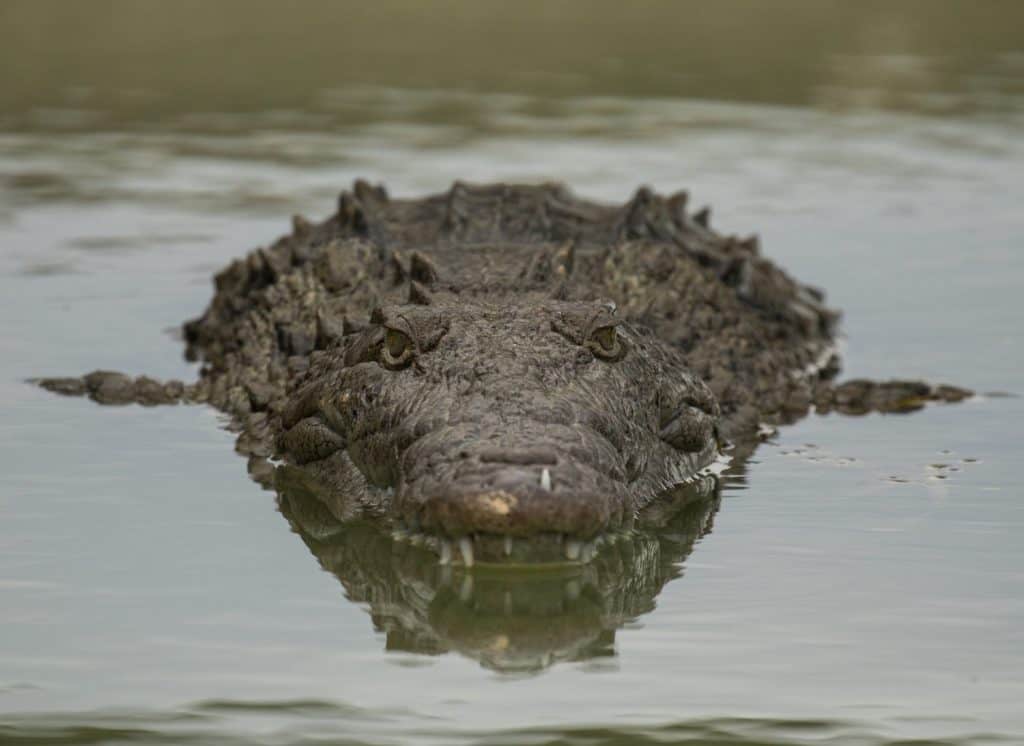
In the Florida Everglades, the territories of crocodiles and alligators overlap.
©Gagat55/Shutterstock.com
Despite their similar appearance, alligators and crocodiles aren’t actually close relatives. In fact, genetic research shows that their families split over 80 million years ago, and they have been evolving separately ever since.
Because of this deep historical divide, they are vastly different under the surface. To an alligator, a crocodile doesn’t just look a bit off — it sounds, smells, and behaves like an entirely different creature.
How They Tell Each Other Apart
Crocodilians rely on much more than vision to understand the world around them. Researchers have found that alligators and crocodiles also use vocalizations, chemical signals, and body language to communicate. American alligators, for example, are famous for their deep, booming bellows that can make the water around them vibrate. Crocodiles also have their own distinct displays and vocal signals, such as roars and growls.
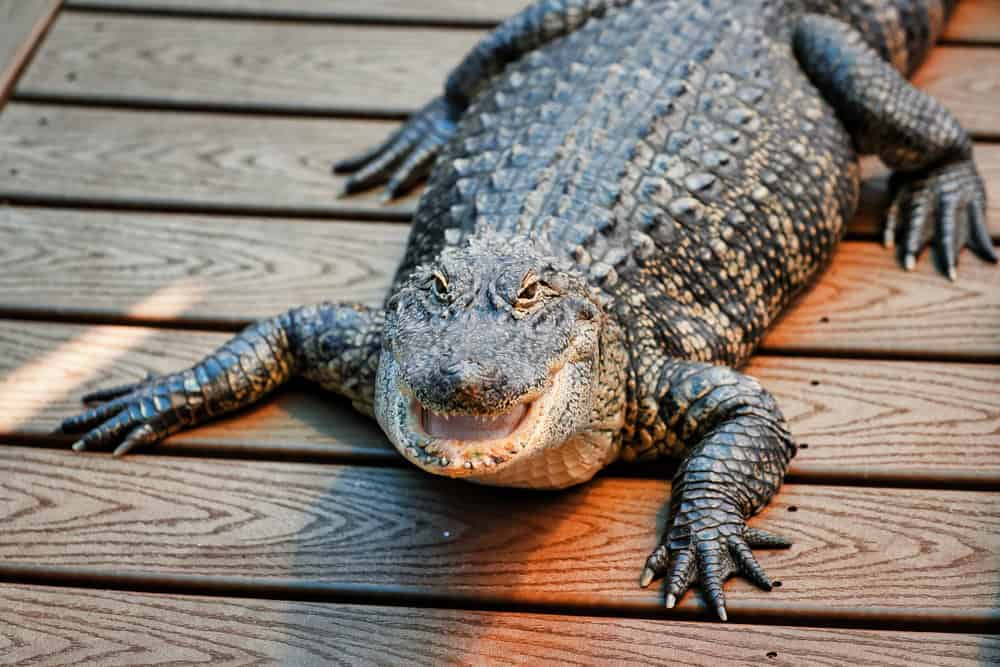
Crocodiles and alligators cannot cross-breed and produce offspring.
©damoon016/Shutterstock.com
During breeding and territorial disputes, both animals release species-specific scents. These chemical signals help them instantly identify mates or rivals, making a case of mistaken identity highly unlikely. Even their postures and social displays are entirely different. While humans might mix them up, the differences are stark and obvious to the animals themselves.
They’re Not the Only Ones
Alligators and crocodiles aren’t unique in this ability. Many bird species easily recognize their own kind despite massive variations in size or color. For example, a chicken instantly recognizes another chicken, even if the two may belong to wildly different-looking breeds.
Several closely related monkey species look nearly identical to the human eye, yet they use distinct visual cues, vocalizations, and behaviors to maintain clear social boundaries.
Ultimately, animals are highly attuned to specific signals that we typically don’t notice.
The Bottom Line
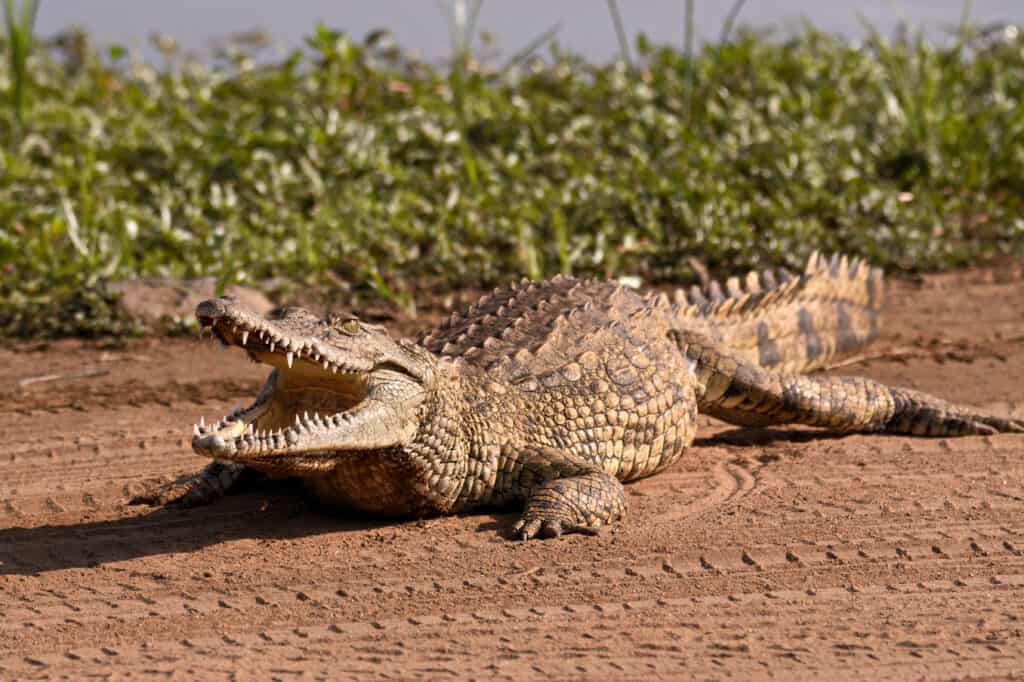
While crocodiles and alligators share certain warning postures, many social signals are strictly species-specific.
©iStock.com/Robby_Holmwood
While humans have spent centuries lumping crocodiles and alligators together, the reptiles themselves don’t make that mistake. Backed by 80 million years of separate evolution, they use distinct calls, unique chemical scents, and specific body language to help them distinguish members of their own species. They have more than enough tools to know that the creature across the water isn’t a peer — it’s a stranger. Where humans see two identical armored reptiles, they see an ancient neighbor speaking an entirely different language.