
Fall Creek Falls State Park is one of the largest in Tennessee, spanning more than 28,000 acres. It is best known for its namesake — Fall Creek Falls — which is a stunning 256-foot waterfall. The park receives more than 750,000 visitors annually, and although the waterfall is the prominent feature in the park, there are still plenty of activities to enjoy, including hiking, biking, rock climbing, and fishing. Although much of the park is centered around the Cane Creek Gorge and the nearby falls, its location on the edge of the Cumberland Plateau means it has a diverse range of geological features and is home to a wide range of animals. Keep reading to discover which ones you might spot!
Big Brown Bat
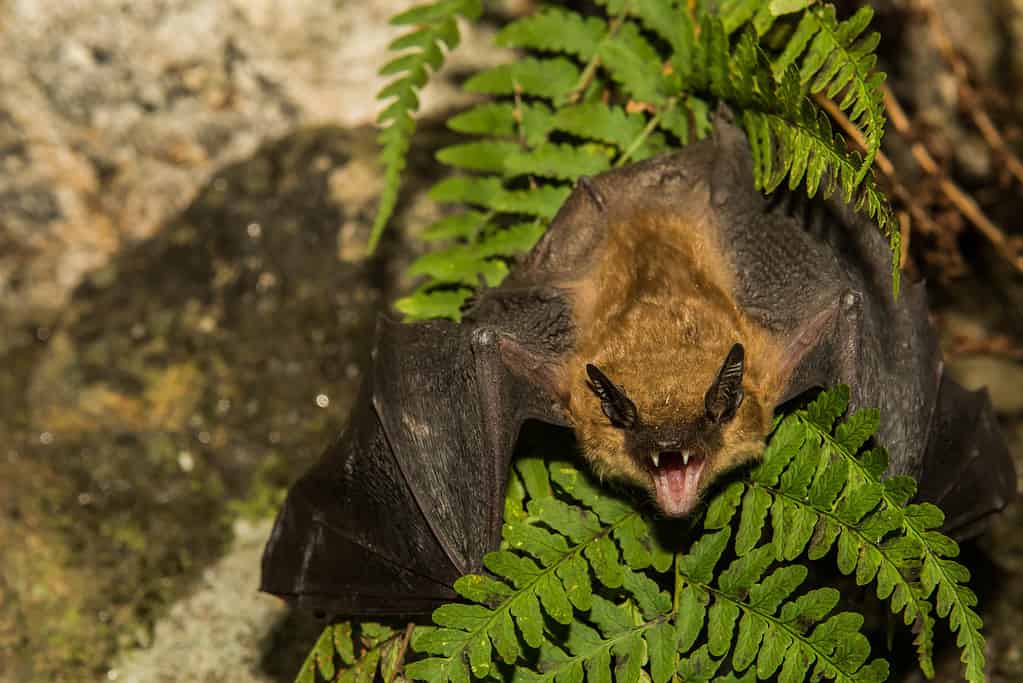
Big brown bats have a wingspan of up to 14 inches.
©JasonOndreicka/iStock via Getty Images
There are several species of bats in the region, but one that you’re more likely to see is the big brown bat (Eptesicus fuscus). Big brown bats are reddish brown and have a wingspan of up to 14 inches. Although they are most often found in forests, big brown bats are capable of living in various habitats, including grasslands, mountains, and even urban areas. They are nocturnal and can be seen hunting for insects at night.
Blackburnian Warbler
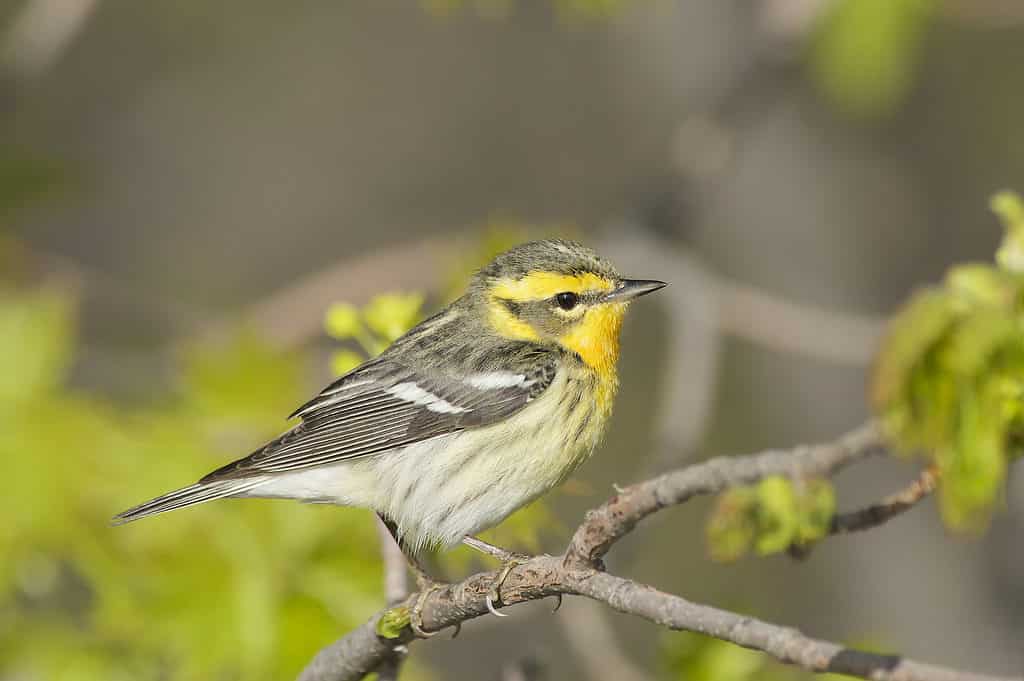
Blackburnian warblers have distinctive yellow coloration.
©pcnorth/Shutterstock.com
A pretty little bird that is an occasional visitor to the state park is the Blackburnian warbler (Setophaga fusca). These birds are four to five inches long. In the summer, the males have stunning black, white, and yellow underparts, as well as a black and yellow head. The females are not as striking, being a more muted version of the same colors. They predominantly eat insects, although they also sometimes eat berries. Although they are only sporadic visitors to Fall Creek Falls State Park, Blackburnian warblers can be observed along the Wheeler Farm Loop trail during the spring and fall.
Blue-Headed Vireo
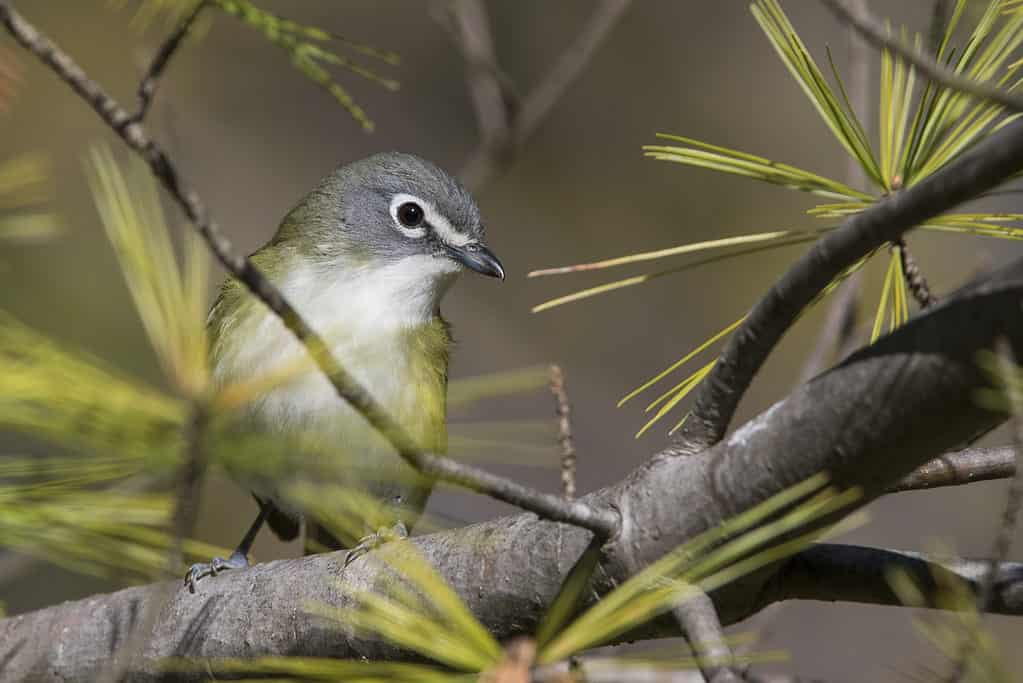
Blue-headed vireos have a bluish-colored head and yellow underparts.
©iStock.com/mirceax
Another small bird found around the Wheeler Farm Loop is the blue-headed vireo (Vireo solitarius), which is named for its distinctive bluish-grey head. They also have yellow wing bars and an olive green body. Blue-headed vireos prefer forest habitats, where they can forage for insects. They are fairly vocal songbirds, particularly the males, who attract females by vocalizing to them.
Bobcat
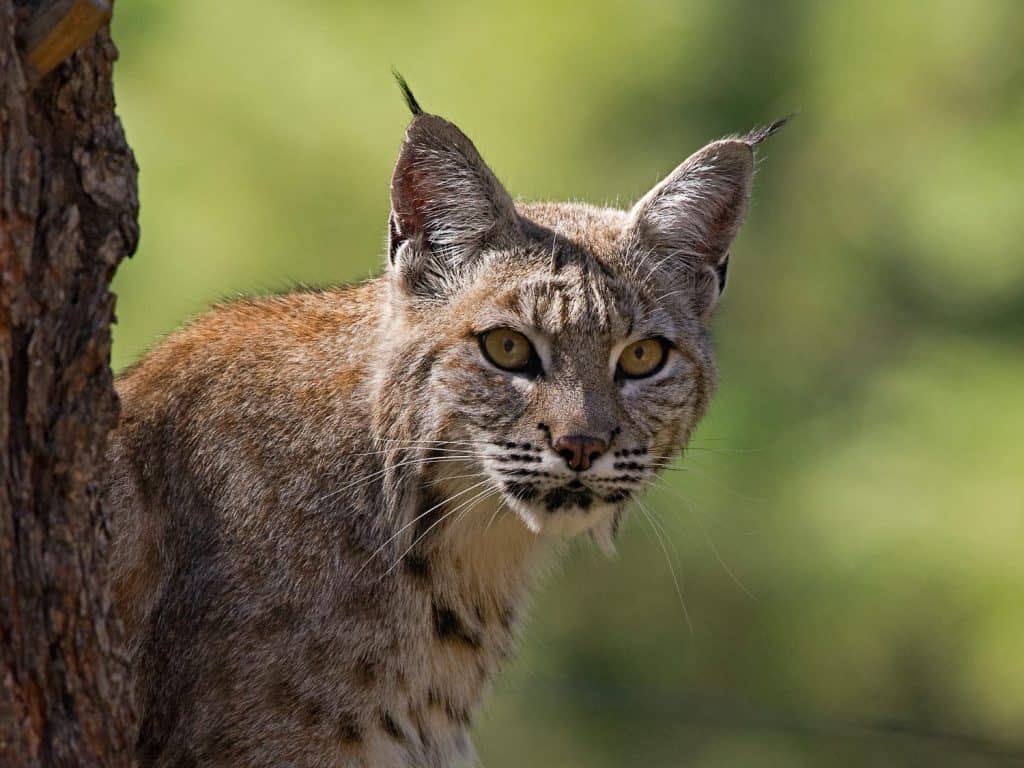
Bobcats are present in the park, although sightings are quite rare.
©Laurie E Wilson/Shutterstock.com
You might also see a bobcat (Lynx rufus) during your visit, although sightings are quite rare. Bobcats are medium-sized cats, which are easily distinguished by their short “bobbed” tail and their black-tipped, tufted ears. Bobcats are usually greyish-brown with black markings, which results in them being well camouflaged in their woodland habitat. They are primarily nocturnal and prey on animals such as rabbits, hares, and birds.
Coyote

Coyotes can be found in a variety of habitats.
©karlumbriaco/iStock via Getty Images
You might also spot a coyote (Canis latrans) during your visit. They live in a range of habitats, including forests, woodlands, and grasslands, typically in family groups, but also sometimes alone. Coyotes have a varied diet and prey on animals such as birds, rabbits, hares, rodents, and reptiles.
Eastern Fence Lizard
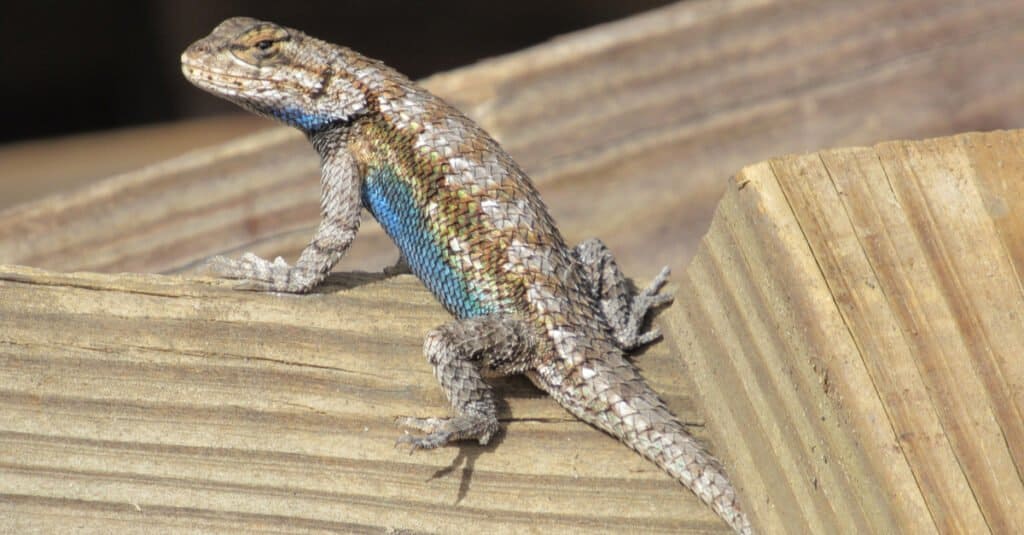
The eastern fence lizard is the only spiny lizard in Tennessee.
©Isabel Eve/Shutterstock.com
If you’re in a forest or woodland area in the park, then you might encounter the eastern fence lizard (Sceloporus undulatus), especially if you’re near a rocky spot. Eastern fence lizards are typically four to 7.5 inches long and have grayish-brown bodies. Males can be distinguished by the bluish coloration on their bellies and throats.
Flycatchers
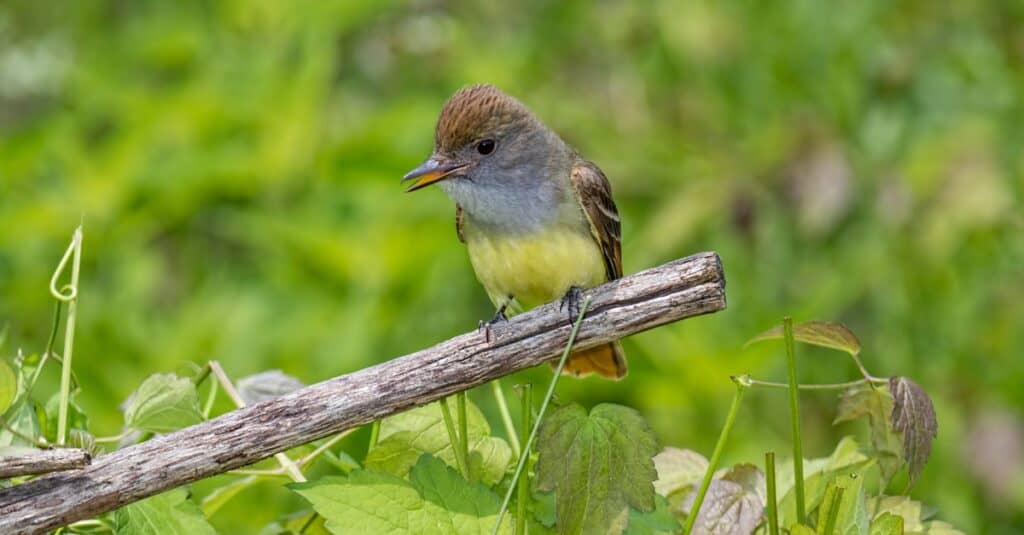
Great crested flycatchers have a distinctive bushy crest.
©John L. Absher/Shutterstock.com
There are two species of flycatchers in the region — the great crested flycatcher (Myiarchus crinitus) and the Acadian flycatcher (Empidonax virescens) — both of which can be found around the Wheeler Farm Loop area. These birds are both fairly small, at around five to eight inches long, and have a brownish appearance. However, great crested flycatchers can be distinguished by their bushy crest and yellowish underparts.
Frogs
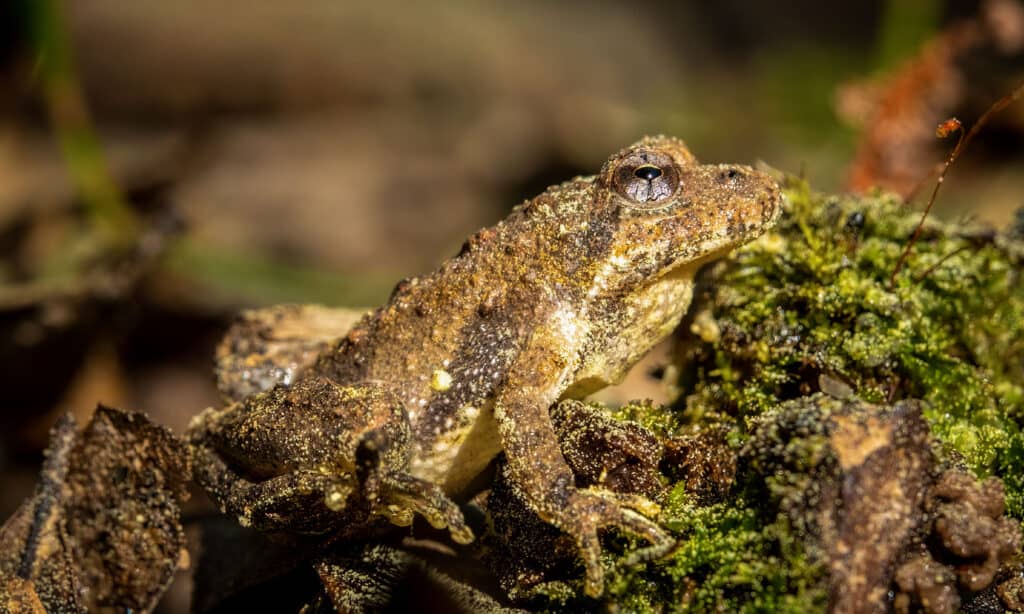
Northern cricket frogs are the smallest frogs in Fall Creek Falls State Park.
©samray/Shutterstock.com
If you’re near water, then you should keep an eye out for frogs, as there are several species that inhabit the state park. These include the southern leopard frog (Lithobates sphenocephalus), northern cricket frog (Acris crepitans), and Cope’s gray treefrog (Dryophytes chrysoscelis). Northern cricket frogs are the smallest species you’ll encounter, being only 1.5 inches long as adults.
Hawks
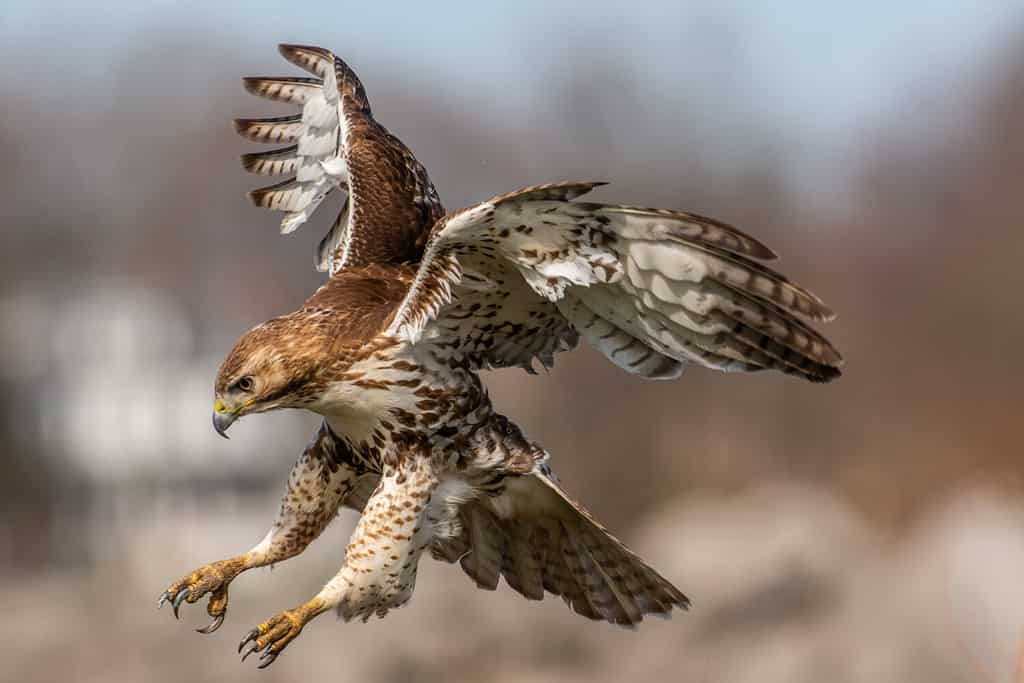
Red-tailed hawks can be seen around the Paw Paw Trail.
©David Brace/Shutterstock.com
There are three species of hawks that you’re likely to see in Fall Creek Falls State Park — red-tailed hawks (Buteo jamaicensis), broad-winged hawks (Buteo platypterus), and Cooper’s hawks (Astur cooperii). Hawks can be found in the park all year round and live in a variety of habitats. However, the Paw Paw Trail is a good place to spot red-tailed hawks, while broad-winged hawks and Cooper’s hawks often frequent Millikan’s Overlook. Hawks prey on animals such as rodents, reptiles, and amphibians and can usually be seen soaring overhead while searching for prey.
Nine-Banded Armadillo
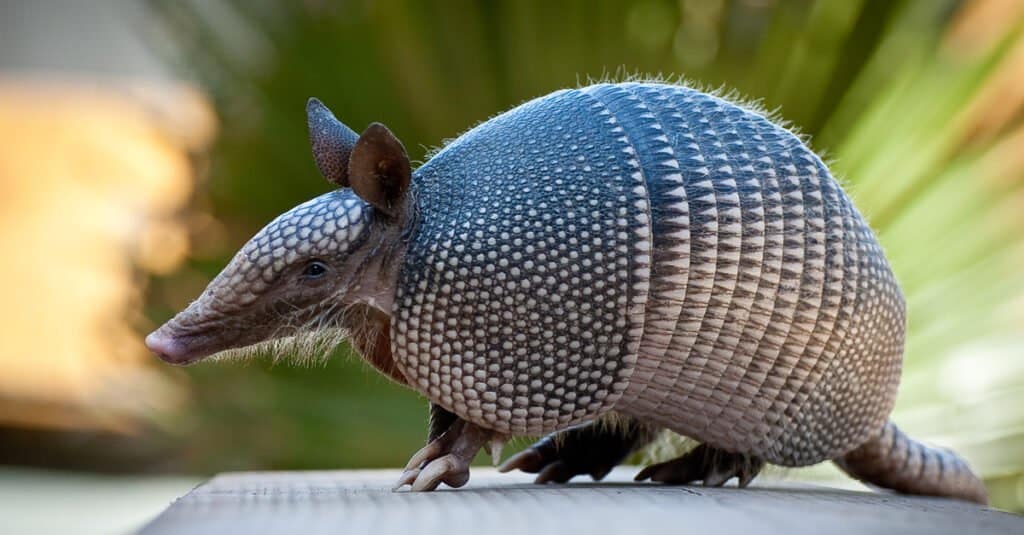
The nine-banded armadillo mainly preys on insects.
©Heiko Kiera/Shutterstock.com
Nine-banded armadillos (Dasypus novemcinctus) are also present, living in both forests and in open scrubland. Their unique armor covers their head, body, and tail, but their underside lacks protection. These armadillos are so named because they typically have nine bands on their armor, although this isn’t always a strict number. They are insectivores but may occasionally prey on small amphibians.
Owls
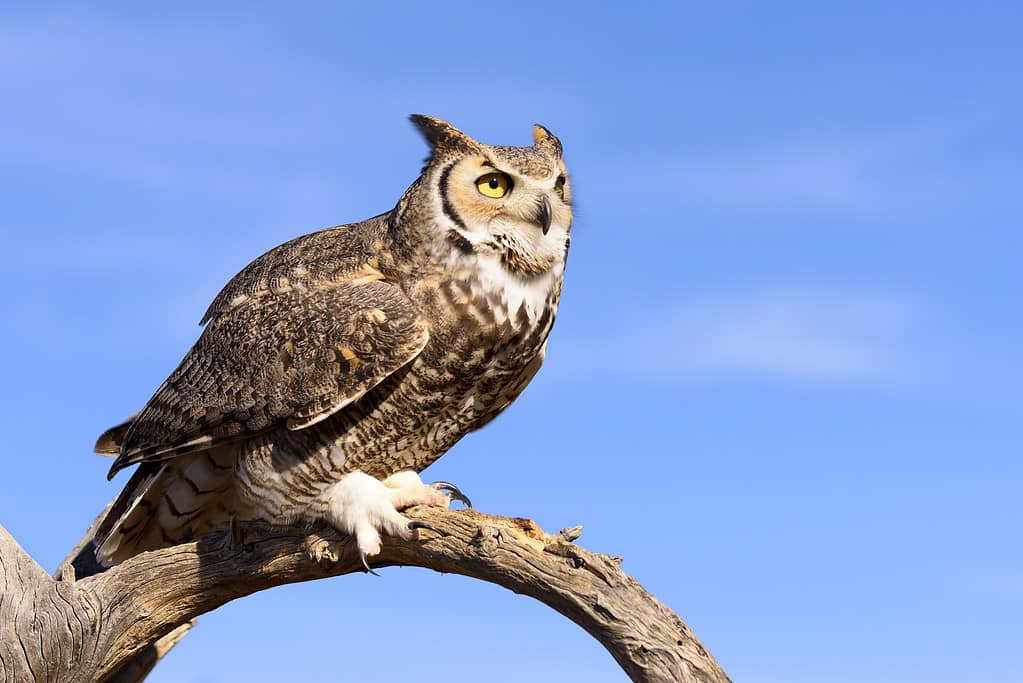
Great horned owls can be seen around forests and grasslands.
©kojihirano/iStock via Getty Images
There are also three species of owls that can be observed in the area year-round — the eastern screech owl (Megascops asio), the barred owl (Strix varia), and the great horned owl (Bubo virginianus). Owls can usually be found in forests and woodlands that are close to grasslands and other suitable open spaces where they can hunt.
Snakes

You might spot the venomous copperhead snake around the trails in the park.
©Creeping Things/Shutterstock.com
There are many species of snakes that inhabit Fall Creek Falls State Park. However, copperheads (Agkistrodon contortrix) are the venomous species that you’re most likely to see. Copperheads can live in a variety of habitats but are often found in forests or grasslands. They are often seen around the trails in the park, so it’s important to watch your step, as most bites occur when they are accidentally stepped on.
Copperheads aren’t the only species of snake that you might see, though, as there are also several non-venomous species. These include the gray rat snake (Pantherophis spiloides), North American racer (Coluber constrictor), and the common garter snake (Thamnophis sirtalis).
Southern Two-Lined Salamander
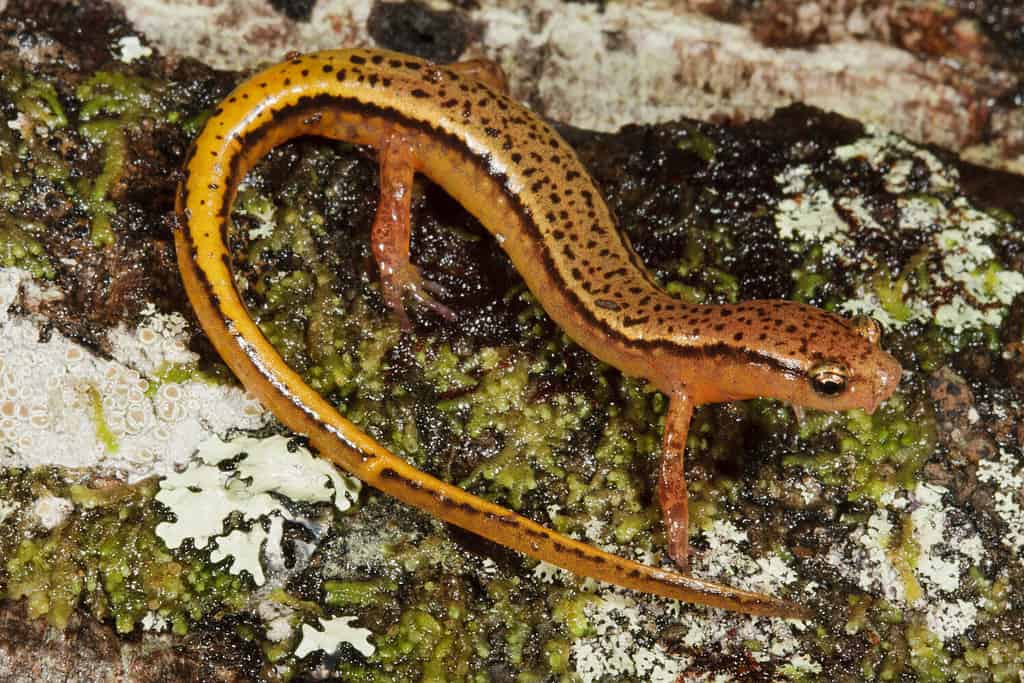
Southern two-lined salamanders can be found in forest streams.
©Nathan A Shepard/Shutterstock.com
There are several species of salamanders in the park, and a common species is the southern two-lined salamander (Eurycea cirrigera), which is named for the two black lines running down its body. Southern two-lined salamanders can be found around streams in forests and woodlands.
Squirrels
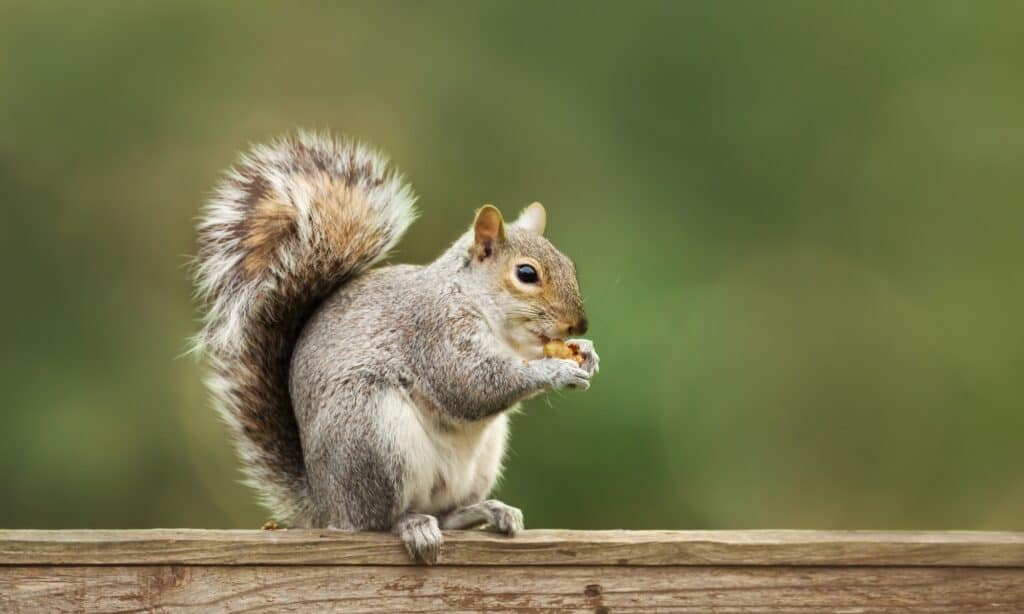
Squirrels are frequently seen in the state park.
©iStock.com/Dgwildlife
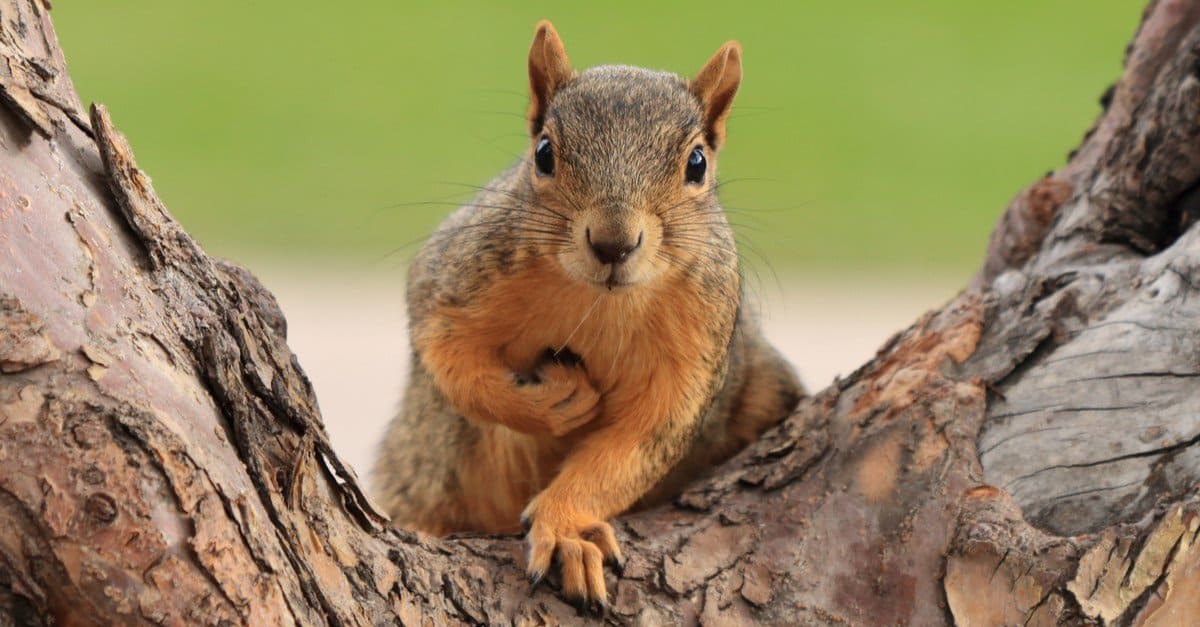
Undoubtedly, squirrels are one of the animals that you’re most likely to encounter during your visit, particularly eastern grey squirrels (Sciurus carolinensis). They are widespread across the park and are even known to frequent areas such as picnic and camping grounds.
White-Tailed Deer
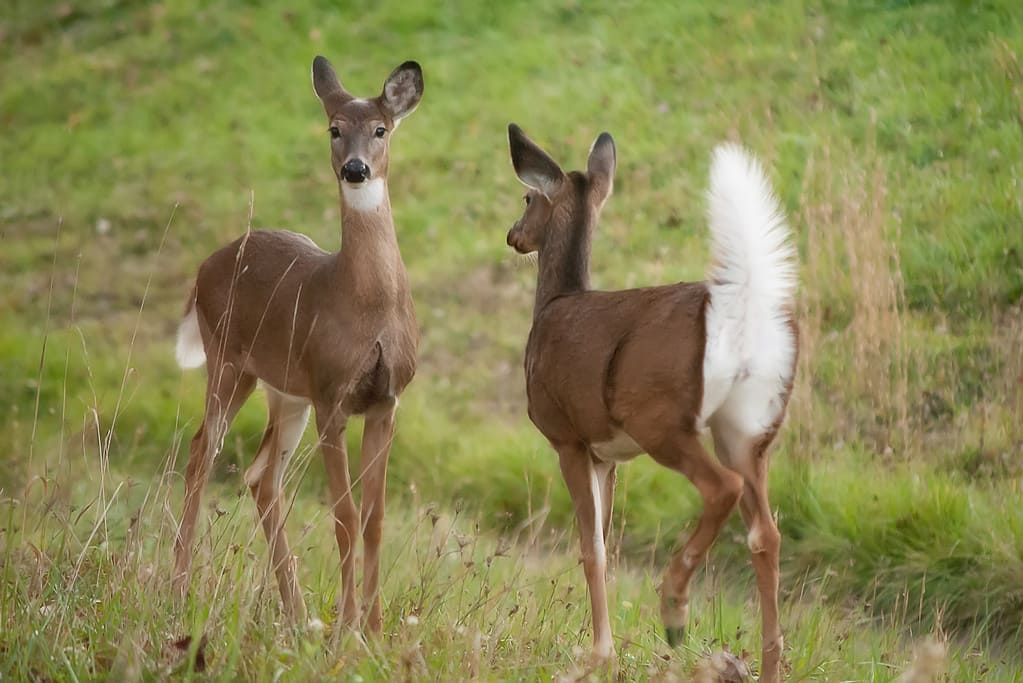
You might encounter white-tailed deer during your visit.
©Christopher Roth/iStock via Getty Images
White-tailed deer (Odocoileus virginianus) are also some of the most common animals that you might spot in Fall Creek Falls State Park. They can be found across most areas in the park, including along the trails. White-tailed deer are easily recognized by the white underside of their tail, that they are named for. This is most easily seen when the deer are alarmed, as they raise and expose their tail.
Woodpeckers
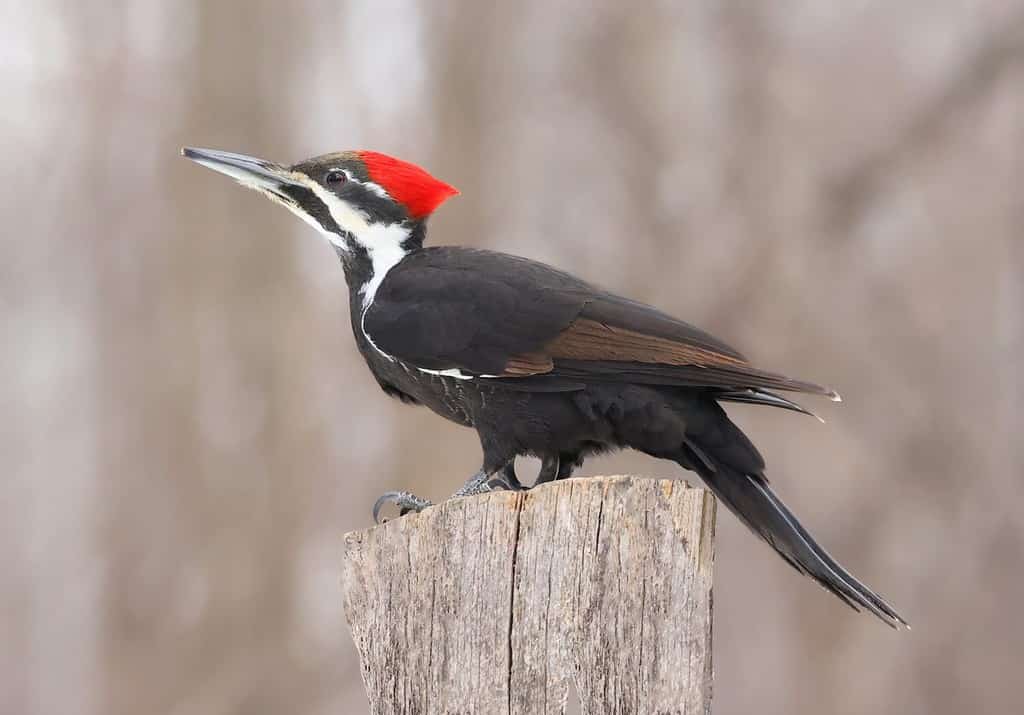
Pileated woodpeckers frequent the forests of Fall Creek Falls State Park.
©Vlad G/Shutterstock.com
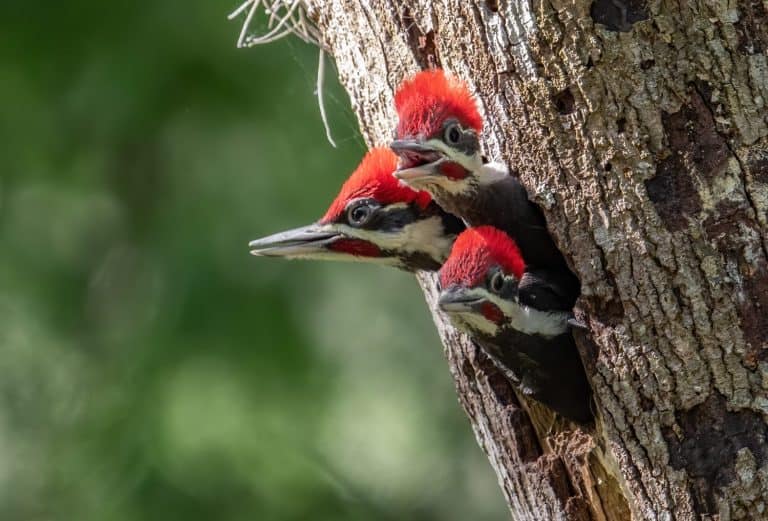
You can also find pileated (Dryocopus pileatus) and hairy woodpeckers (Leuconotopicus villosus) in the area. Both of these species prefer forests and woodlands, where they forage for insects in the trees. Pileated woodpeckers, in particular, are known for their habit of creating large, rectangular-shaped holes in trees.
Yellow-Billed Cuckoo

Yellow-billed cuckoos can be found in forests and woodlands.
©Kit Leong/Shutterstock.com
If you hear the call of a cuckoo during your visit, then you should keep your eyes peeled for the yellow-billed cuckoo (Coccyzus americanus). Yellow-billed cuckoos favor forests and woodlands and can be seen around the Wheeler Farm Loop. They have brown bodies with black and white underparts, a yellow bill, and a yellow ring around their eye.