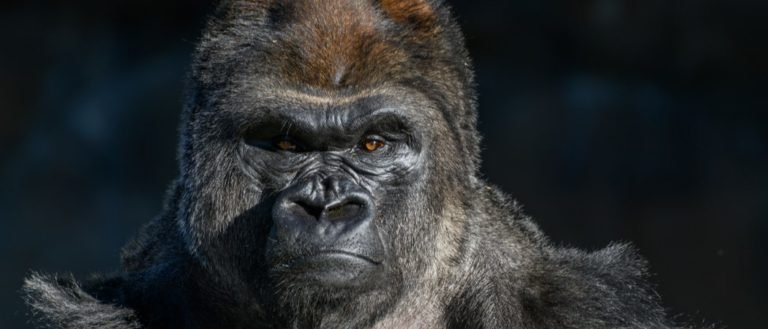
Gorilla
Gentle giants of the African forests

Gentle giants of the African forests
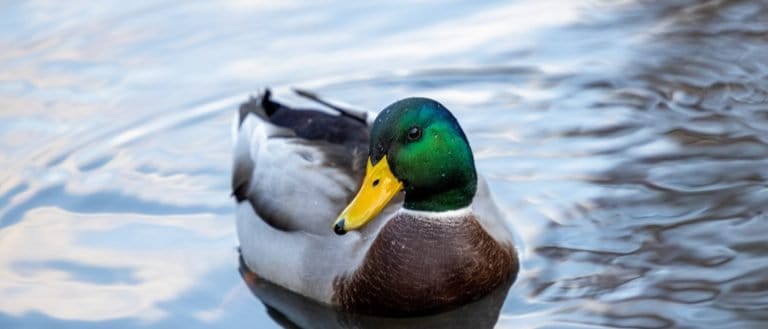
Webbed feet, world travelers.
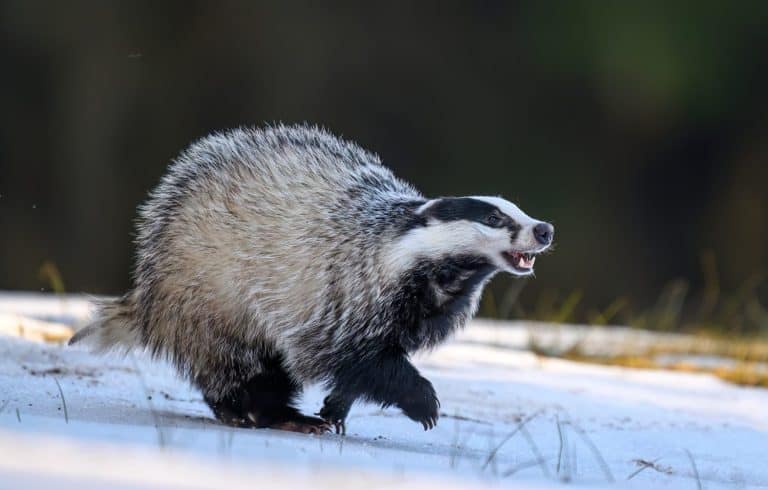
Built to dig. Born to endure.
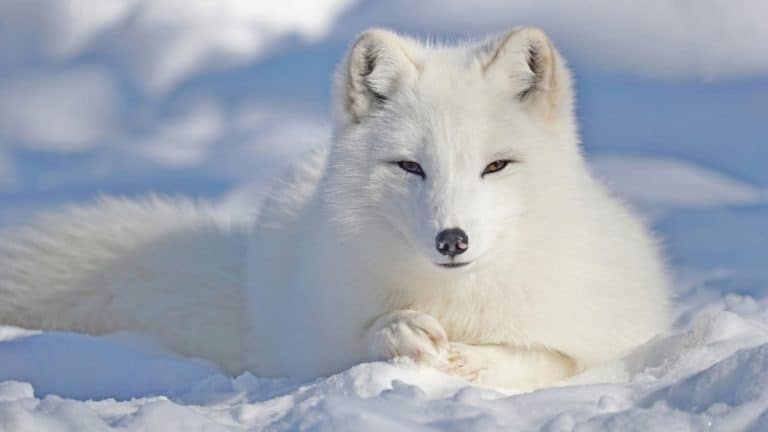
Built for blizzards, born for tundra
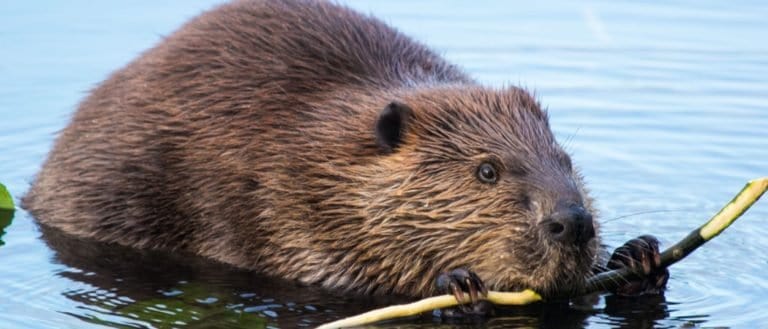
Build wetlands, shape worlds.
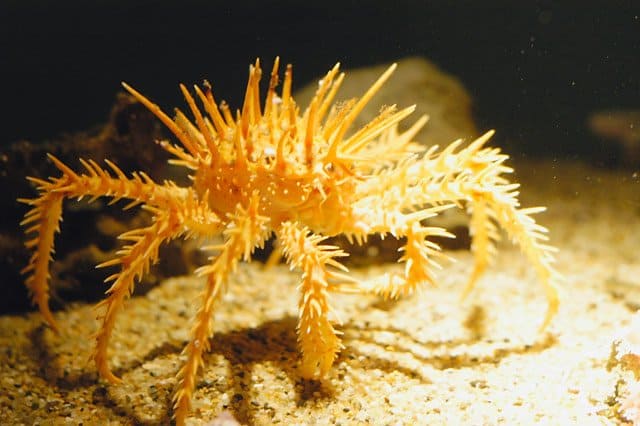
Cold-water royalty of the seafloor
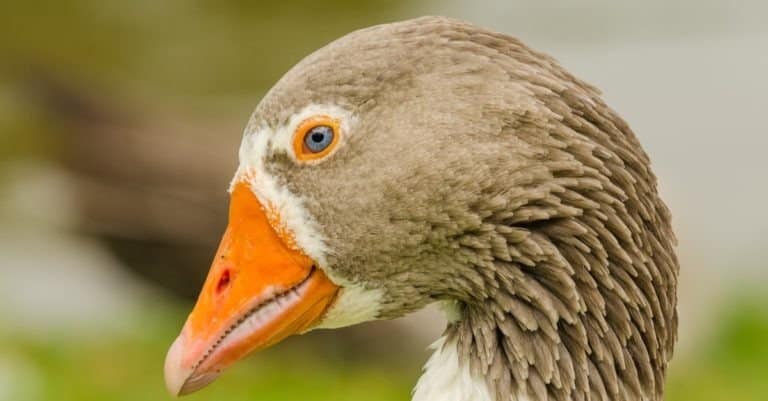
Webbed feet, sky roads, wetland lives
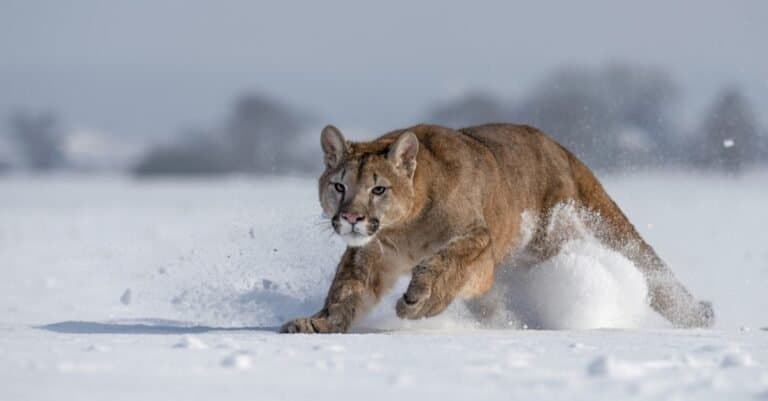
One cat. Two continents.
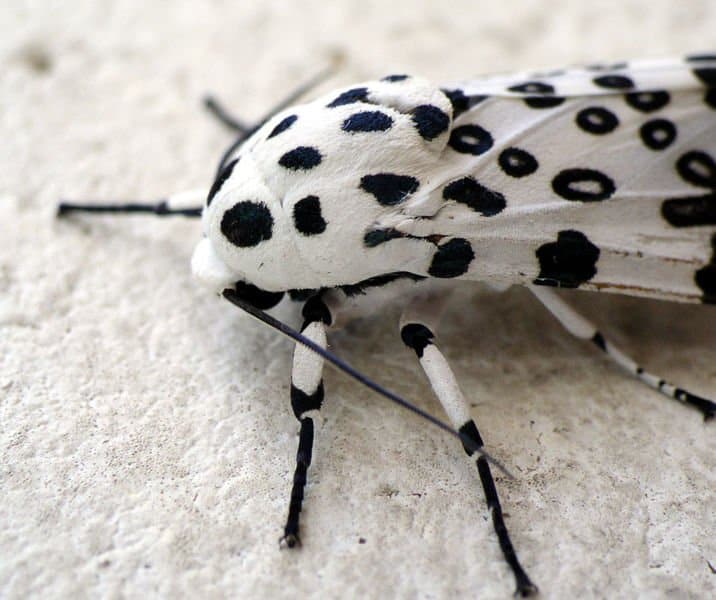
Six legs, endless lives.
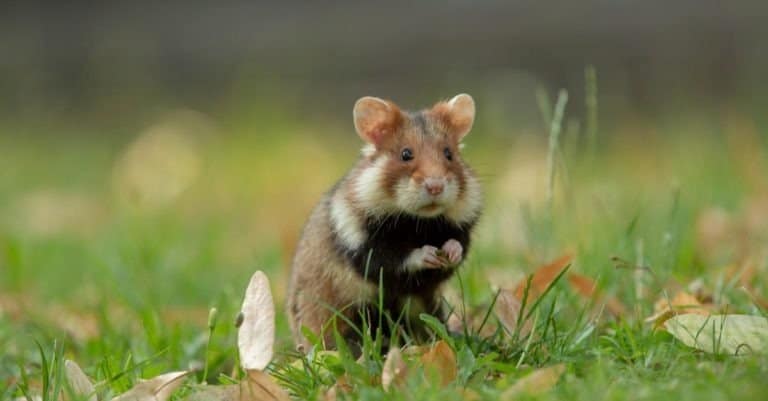
Pouches, burrows, and big impacts
Climate change is a persistent, long-term alteration in the statistical properties of the climate system-such as mean temperature, precipitation patterns, and the frequency or intensity of extremes-over decades or longer. In contemporary conservation contexts it is primarily driven by human-caused greenhouse gas emissions and land-use change, leading to rapid warming and associated physical and ecological changes.
Climate change means shifts in the air and oceans: warmer air and sea temperatures, changes in rain and snow, sea-level rise, and ocean acidification, plus more extreme events. These changes move climate zones and push ecosystems past the conditions they need. Habitats shift poleward, upslope faster than many species can follow. Seasonal cues change, causing timing mismatches for breeding, migration, flowering, and food. Heat and extremes raise stress and cause deaths, favoring heat- or drought-tolerant species and harming specialists, endemics, habitats like coral reefs, alpine, Arctic, and coastal wetlands. It worsens fires, tree deaths from drought, pests, disease spread, and invasive species, and makes protected areas less effective. Conservation needs adaptive planning, habitat connectivity, climate-aware restoration, and emissions cuts.
Climate-driven range shifts require movement and new habitat; habitat loss/fragmentation blocks dispersal, creating 'climate traps' and accelerating local extinctions.
Roads, dams, fences, and seawalls prevent climate tracking, reduce access to climate refugia (cool tributaries, upland routes), and increase mortality during displacement.
Altered fire regimes, river regulation, and wetland drainage reduce buffering capacity against heat, floods, and drought, amplifying climate impacts on survival and breeding.
Warming increases toxicity and bioavailability of some pollutants and exacerbates hypoxia; stressed animals have reduced detox capacity, increasing mortality and reproductive harm.
Warmer temperatures and altered rainfall expand vectors and pathogen viability while host stress suppresses immunity, increasing outbreak frequency and severity.
Climate change favors many invasives (broader tolerances, faster growth), enabling them to outcompete natives, alter habitats, and introduce novel predation/disease pressures.
Climate-driven redistribution lowers stock resilience; overfishing removes age structure and biomass needed to withstand heatwaves and productivity swings, increasing collapse risk.
Scarcer water and forage during drought intensify competition with humans and livestock, reducing wildlife condition and increasing mortality in dry periods.
As climate shifts suitable farming zones, expansion into new areas removes habitats and increases chemical use, compounding stress and limiting adaptive movement corridors.
Urban heat islands and impermeable surfaces intensify local warming and flooding; urban growth also blocks movement and increases light/noise stress during climate-driven shifts.
Loss of canopy reduces microclimate buffering and moisture retention, making forests hotter and drier and increasing vulnerability to heat, drought, and fire under climate change.
Mining fragments landscapes and degrades water quality; under climate-induced low flows, contaminants concentrate and aquatic habitats lose resilience.
During heat, drought, or breeding shifts, disturbance reduces time for thermoregulation and foraging; stressed animals abandon nests or refuges more readily.
Climate-driven prey/water scarcity pushes wildlife into farms and settlements, increasing retaliatory killing and lowering tolerance for species already stressed by climate extremes.
Climate stress lowers body condition and recruitment; additive mortality from hunting becomes more impactful, especially after extreme events when populations are depleted.
Climate-driven scarcity raises value of some species, increasing exploitation pressure; trade also moves species/pathogens into newly suitable climates.
Range contractions and fragmented 'refugia' reduce gene flow; small isolated populations have less adaptive capacity to rapidly changing climates, increasing extinction risk.
Compounding extremes (e.g., repeated heatwaves, drought-fire cycles, back-to-back marine heatwaves) can prevent recovery between events and cause rapid population crashes.
The ocean is doing most of the heavy lifting: it absorbs the vast majority of the extra heat trapped by greenhouse gases, meaning global warming is as much an ocean story as an atmosphere story.
The "fingerprint" of human-caused warming is counterintuitive: the lower atmosphere (troposphere) warms while the upper atmosphere (stratosphere) cools-something the Sun alone wouldn't produce.
Warming doesn't just shift where species can live-it can scramble timing. Many plants leaf out or flower earlier, but their pollinators or migrating birds may not shift at the same pace, creating "phenological mismatches."
A small change in average temperature can mean a big change in extremes: warming loads the dice for more frequent/intense heat waves, which often drive sudden mass die-offs in wildlife.
Climate change can make drought and fire worse in a reinforcing loop: hotter conditions dry fuels faster, increasing wildfire risk; fires then release more CO2 and reduce carbon-storing vegetation.
Some diseases gain new territory as temperatures rise: warmer conditions can allow vectors (like mosquitoes or ticks) and pathogens to expand into places that were previously too cold.
Melting land ice doesn't just raise seas-it can also freshen parts of the ocean surface and potentially disrupt ocean circulation patterns that move heat and nutrients around the planet.
Coral reefs can bleach from heat stress even when water only stays unusually warm for weeks; repeated events close together leave less time for recovery, turning once-rare crises into recurring ones.
Species don't all "move uphill" or "poleward" easily: mountains run out of elevation, islands run out of land, and fragmented habitats can block climate-driven migrations.
Climate impacts stack: heat stress, altered rainfall, invasives, and disease can combine so that the total damage is larger than any single factor alone.
Average warming of about 1°C globally is like shifting the baseline of an entire climate system-small on a thermometer, but enough to markedly increase the odds of record-breaking heat events.
Sea level rise is like turning coastal storm surges into higher starting points-each additional centimeter acts like a permanent "boost" that lets waves and flooding reach farther inland.
Think of heat waves as a "loaded dice" effect: as the average climbs, the extreme high-temperature faces come up more often, so rare events become common.
Ocean warming is like adding energy to the planet's biggest heat reservoir; because water stores far more heat than air, a seemingly modest temperature change represents an enormous amount of accumulated energy.
Range shifts can be like pushing habitat "isotherms" (temperature zones) across maps: ecosystems may need to track moving climate bands, but roads, farms, and cities can make that movement impossible.
For many cold-adapted species, warming is like shrinking their world from the bottom up-lower elevations become unsuitable first, compressing populations into smaller and smaller refuges.
Climate change can act like turning up the "background stress" knob; then events like drought, wildfire, or disease outbreaks become the tipping point that causes rapid population declines.
Ocean acidification (from CO2 dissolving into seawater) is like changing the chemistry of the building material for many shell-forming organisms-making it harder to build and maintain shells and skeletons.
Earlier springs are like moving the starting gun in ecological races: if insects hatch earlier but birds arrive on old schedules, chicks can miss peak food availability.
Warming-driven wildfire seasons are like extending the window when forests are flammable-more days each year where a single ignition can become a large, high-intensity fire.
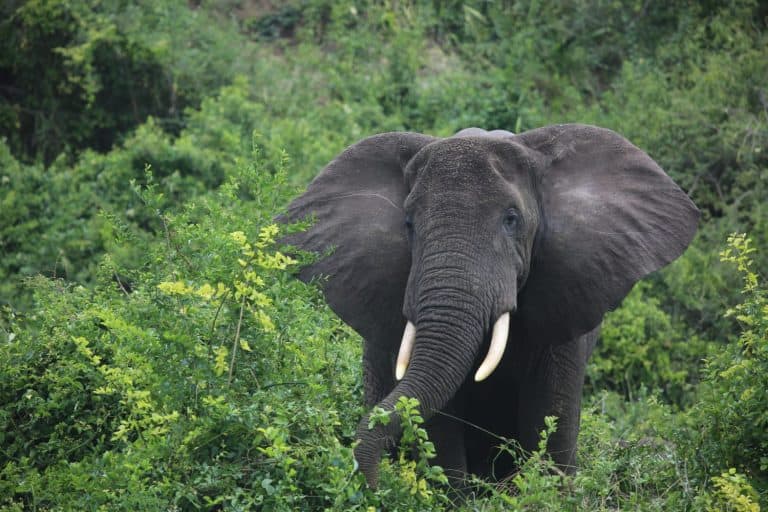
The rainforest's master gardener
Built for blizzards, born for tundra
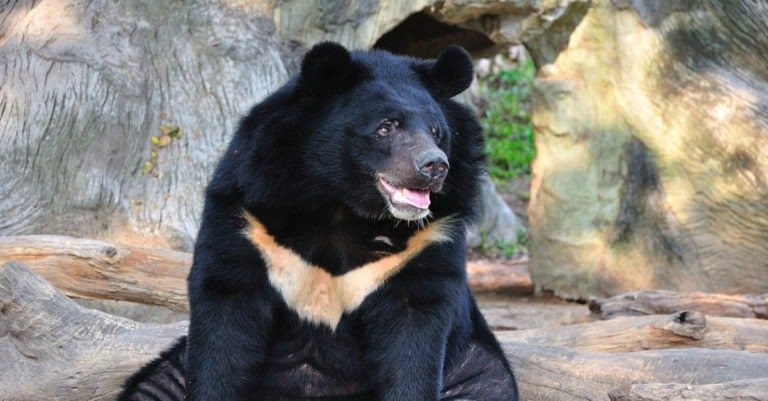
Moon-marked climber of Asian forests
Built to dig. Born to endure.
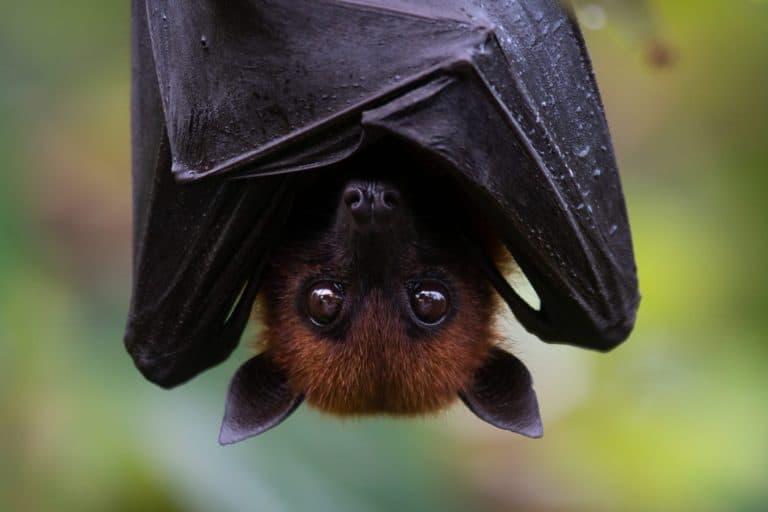
Night pilots of the mammal world
Build wetlands, shape worlds.
One cat. Two continents.
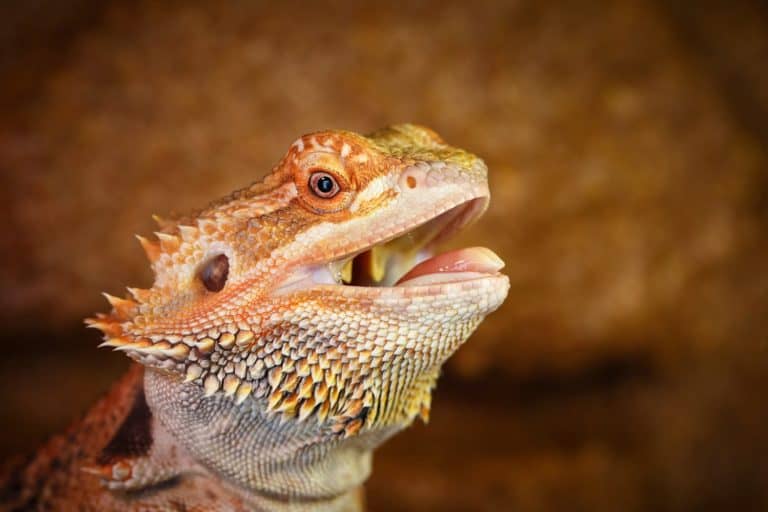
Big beard, bright sun, bold attitude.
Webbed feet, world travelers.
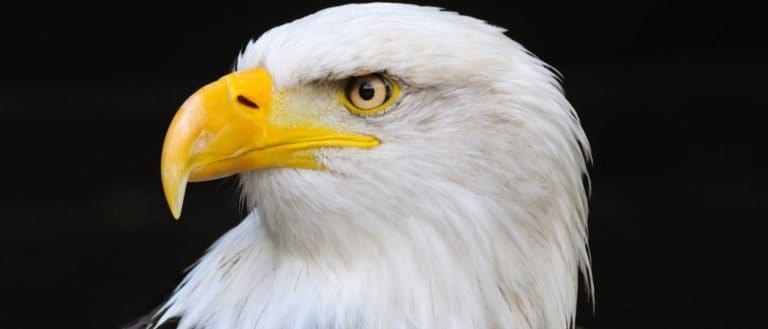
Built to soar, born to strike
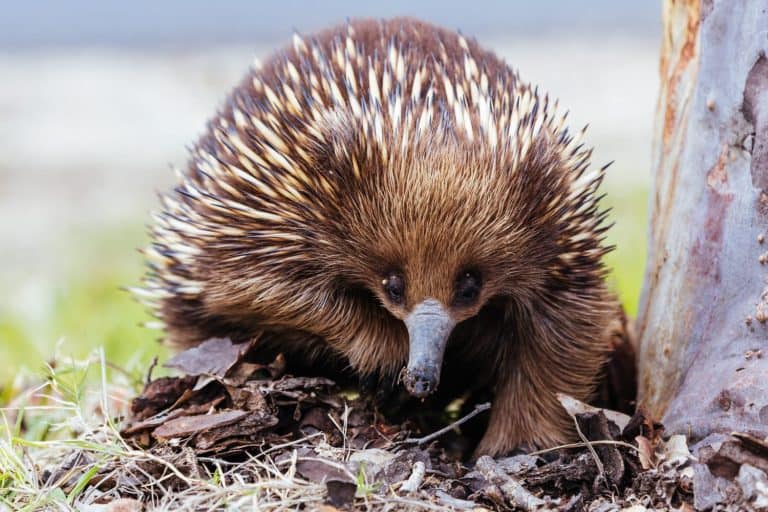
Spines, eggs, and ant-eating mastery
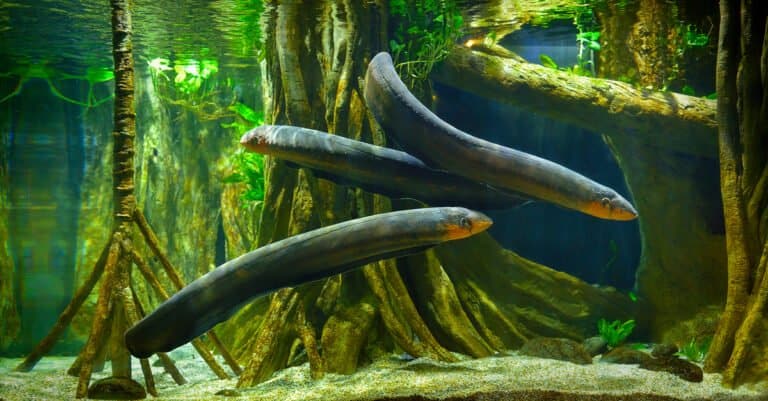
Lightning hunter of the Amazon
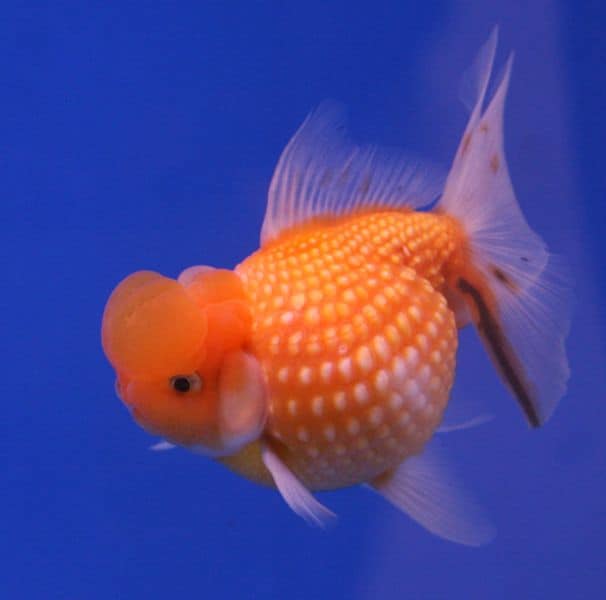
Bony rays, endless ways.
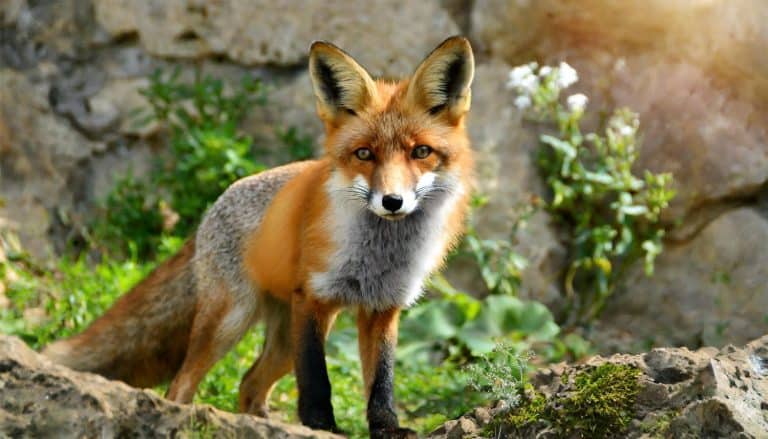
From dunes to tundra-fox smart.
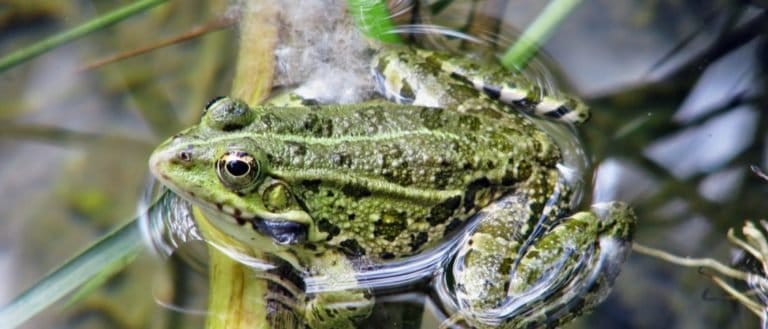
Tailless jumpers, masters of change
Webbed feet, sky roads, wetland lives
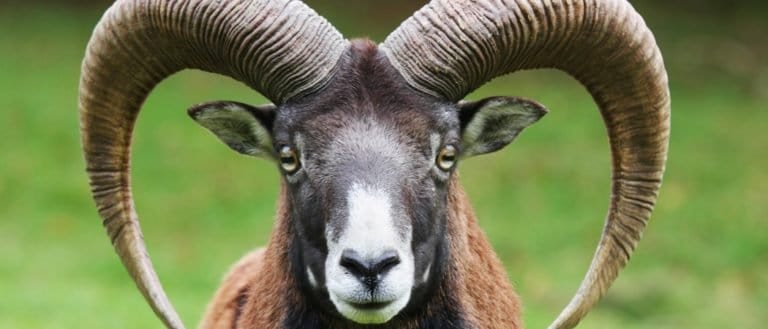
Sure-footed masters of rock and range
Gentle giants of the African forests
Pouches, burrows, and big impacts
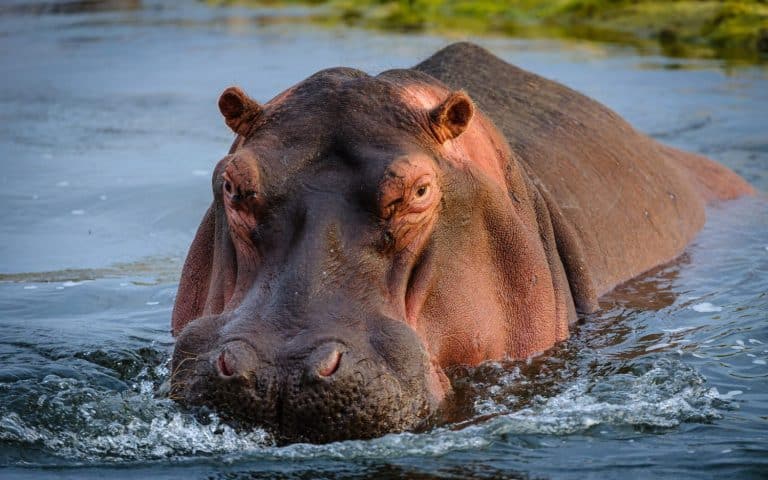
Big river grazer, bigger attitude
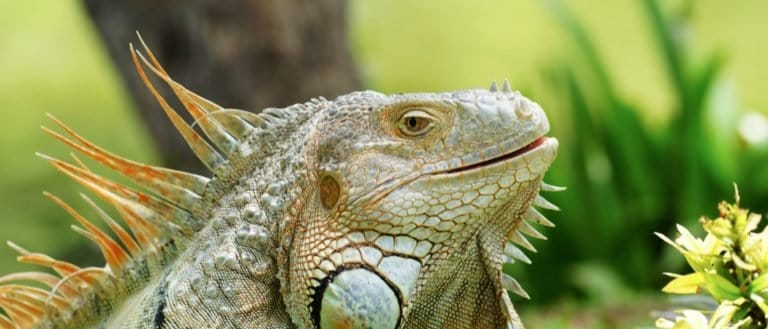
Sun-powered lizards of the Americas
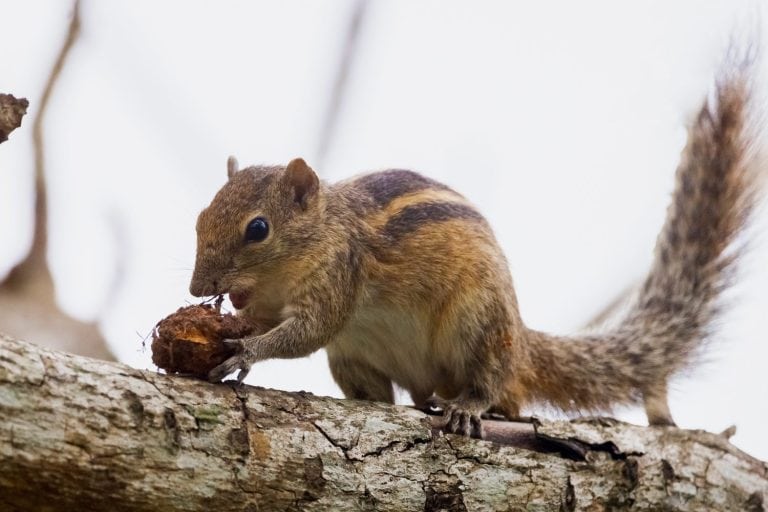
Three stripes. Big city attitude.
Six legs, endless lives.
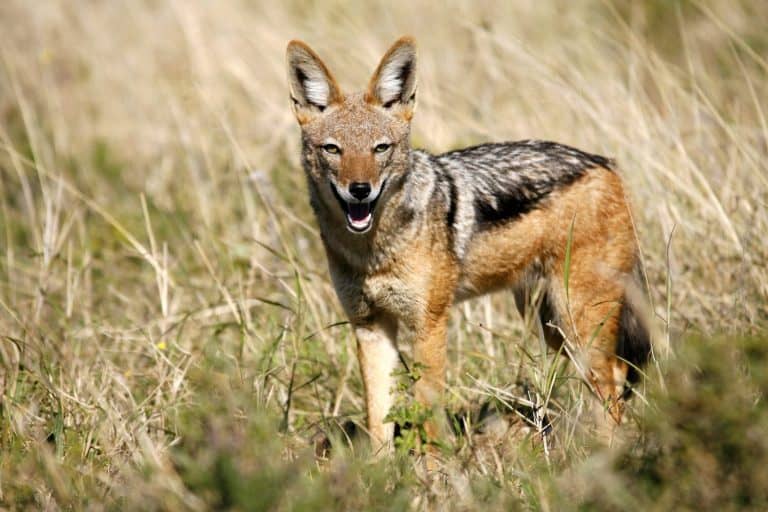
Small canids, big survival skills
Thank you for reading! Have some feedback for us?
We appreciate your help in improving our content.
Our editorial team will review your suggestions and make any necessary updates.
There was an error submitting your feedback. Please try again.