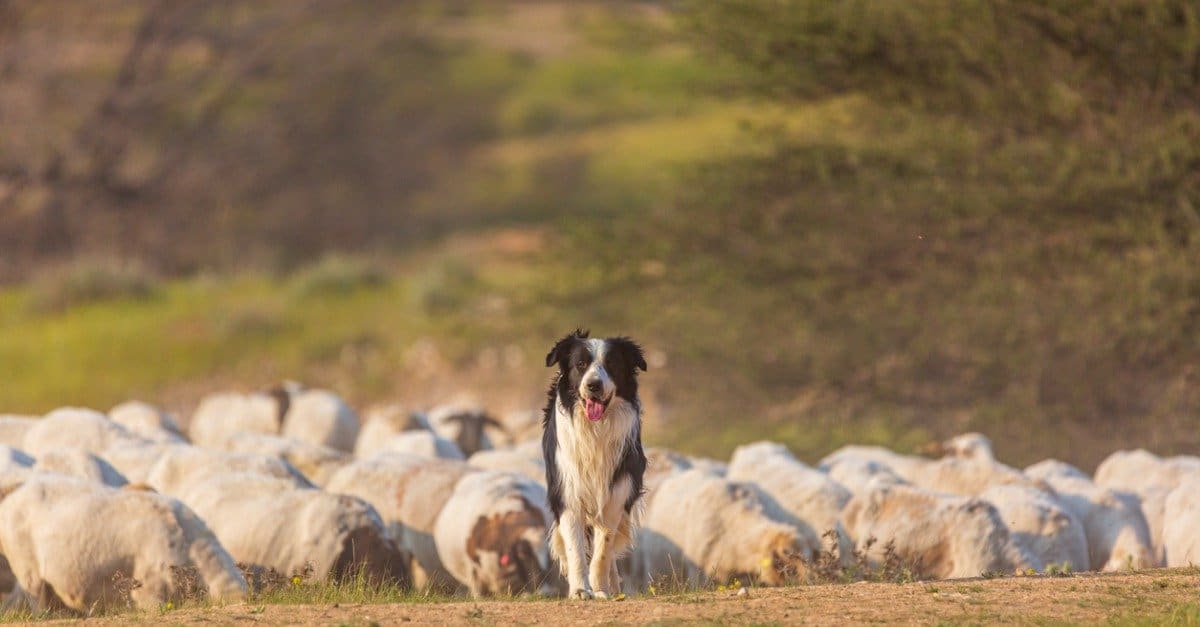

Dogs were believed to have been first domesticated over 20,000 years ago, and they’ve since come to fill several important roles in human society. Dogs have shared space with us on the battlefield, in the fields, and in our homes. In some cases, dogs have high-stakes jobs requiring specialized training. While there’s no universally recognized definition for the different types of working dogs, here are some of the most widely recognized categories.
1. Military and Police Dogs
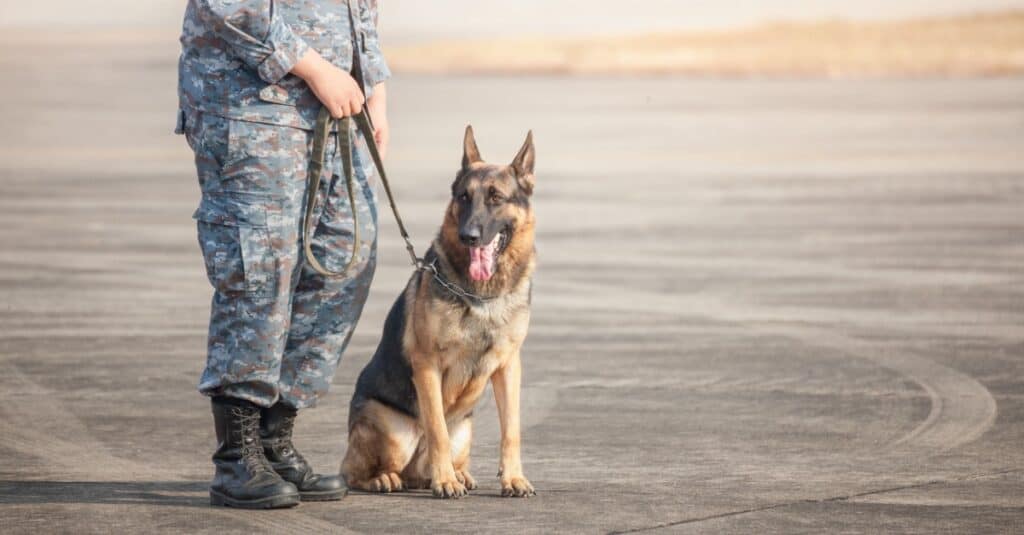
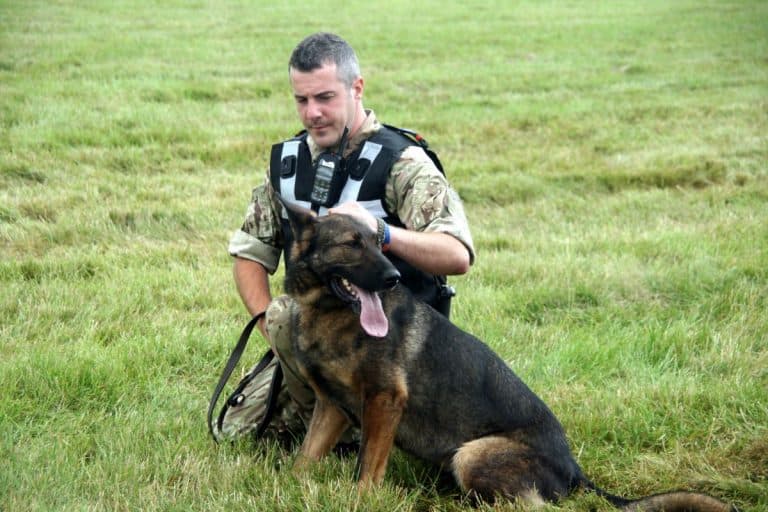
German Shepherds are popular dogs in both the armed forces and police forces.
©iStock.com/Puttachat Kumkrong
Military working dogs performed critical roles in World War I, delivering supplies, messages, and aid to wounded soldiers. The United States military established its first K-9 corps during World War II, and they’ve since expanded into every branch of the military. After training, military dogs are assigned to a branch of the armed forces. They generally stay in the same branch for their entire careers, just like their human counterparts. Military dogs primarily perform security-related jobs, such as searching for drugs or explosives at home and on the battlefield, patrolling bases, apprehending suspects, and conducting search and rescue operations.
Police K-9s have a similar function assisting law enforcement officers all over the U.S. After rigorous training, patrol dogs help with officer protection, area clearance, suspect apprehension, and other security-related duties. Detection dogs search for narcotics or explosives. Police dogs with specialized training also assist with arson detection, tracking missing persons, and locating cadavers. The most common breeds in both the military and police forces are German Shepherds and Belgian Malinois. Both breeds are intelligent and can be trained for a wide variety of tasks.
2. Service Dogs
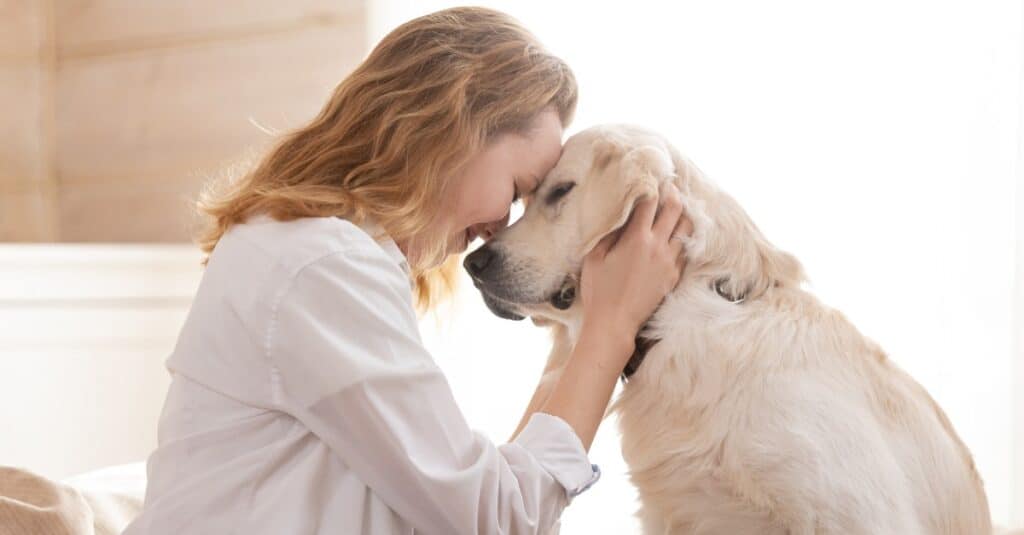
The calm, gentle temperament of the Golden Retriever makes them great service dogs.
©iStock.com/Monoliza21
Guide dogs that assist the blind are the most well-known type of service dog, but canines can be trained to assist humans with many different types of disabilities. There are also dogs trained to assist the hearing-impaired, as well as dogs trained for comprehensive mobility assistance. Dogs can be trained to assist people with seizures. Autism dogs can be trained to interrupt certain behaviors or alert the parents of non-verbal children when their child needs assistance.
Dogs with a particularly strong sense of smell can even be trained to detect the onset of a diabetic episode or allergic attack. Psychiatric service dogs are trained to help individuals with debilitating depression or PTSD. Labradors and Golden Retrievers are popular breeds for service dogs due to their intelligence, friendliness, calm temperaments, and willingness to work.
3. Search and Rescue Dogs
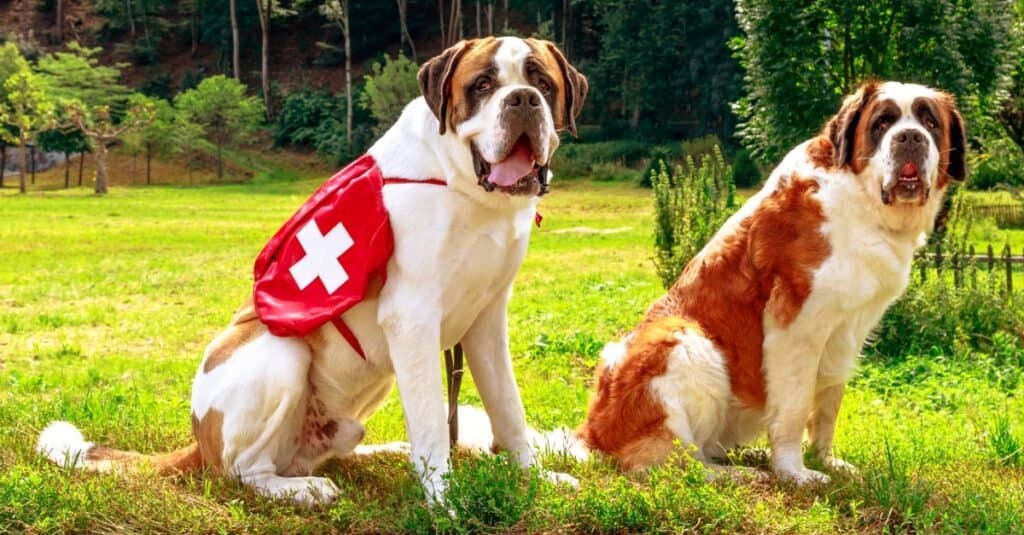
In the late 19th century, Saint Bernards assisted with rescues in the Swiss Alps.
©iStock.com/bennymarty
When most of us think of search and rescue dogs, we think back to the late 19th century when Saint Bernards were deployed throughout the Alps to assist with mountain rescues. Search and rescue dogs are still being trained to assist in locating missing people in a wide variety of environments. These dogs can search for missing hikers across miles of wilderness or locate people trapped under mud and rubble after an avalanche or earthquake.
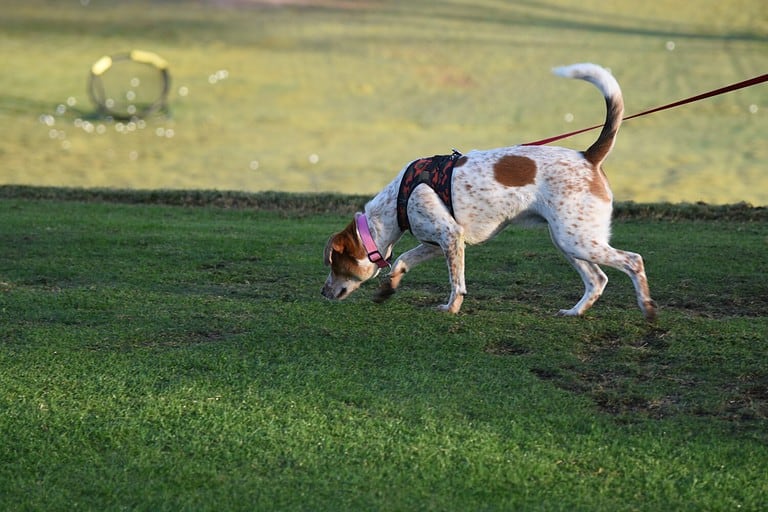
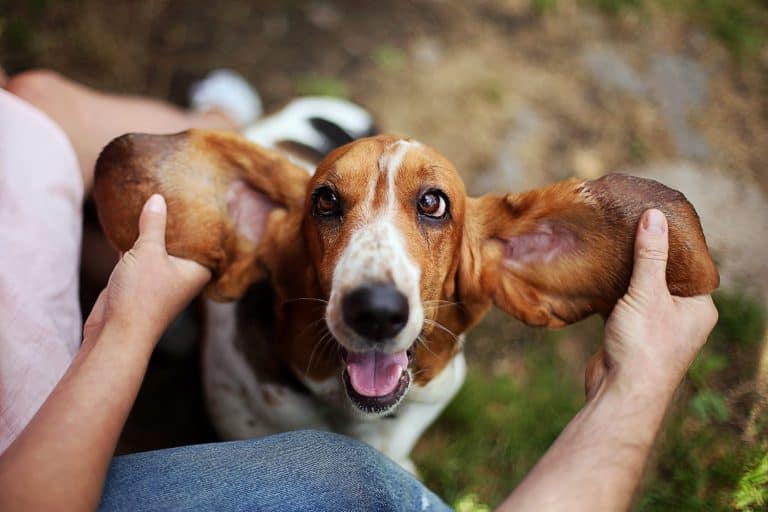
A great sense of smell is obviously a priority for search and rescue dogs of any breed. These dogs are trained to detect the scent of humans. Some dogs can follow airborne scents, while others can track a scent trail after sniffing an object belonging to a missing person. Bloodhounds, Basset Hounds, and Beagles are all popular choices for search and rescue work due to their well-known tracking abilities.
4. Herding Dogs
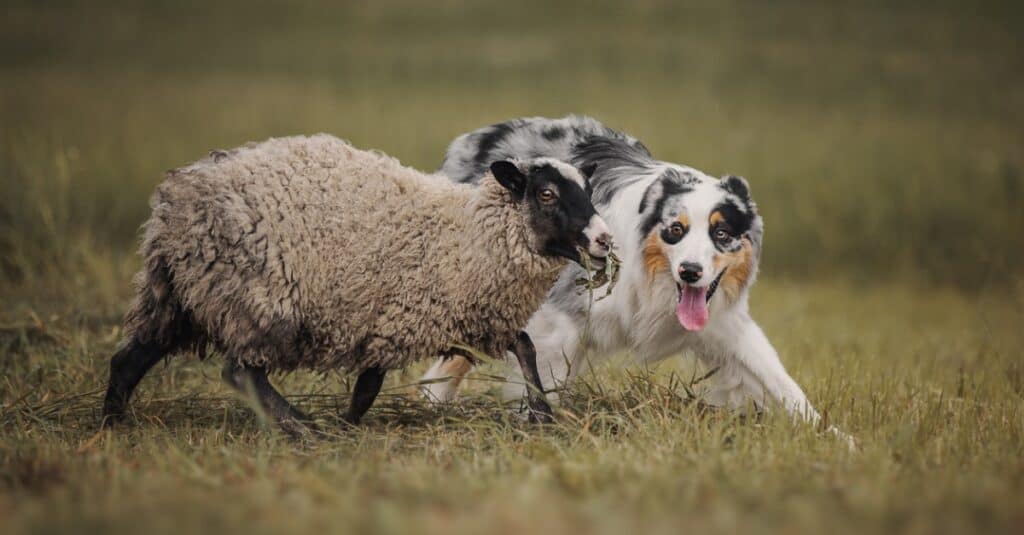
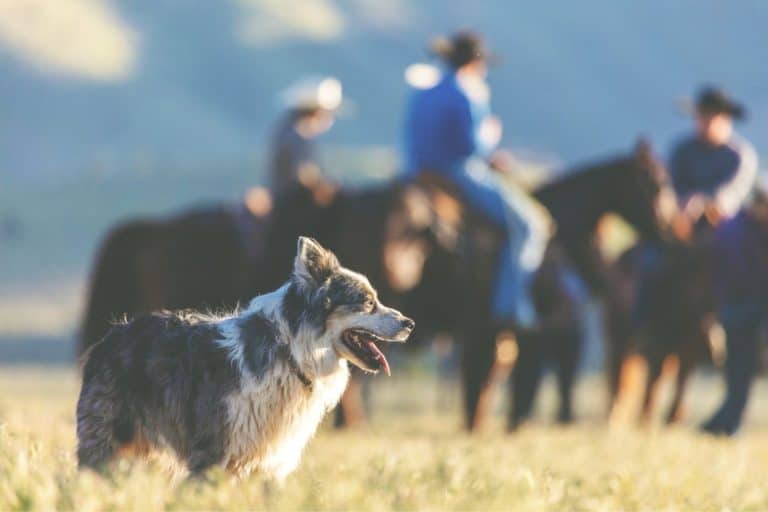
A herding dog must be alert and focused on its flock or herd.
©iStock.com/Julia_Siomuha
Herding dogs were developed to assist with herding and protecting livestock. They are trained to efficiently move and direct the animals in their care. They keep animals from straying from the group and protect them from predators. Some dogs are trained to move the stock by staring them down, while others will nip the heels of particularly stubborn animals. These dogs have evolved to modify their prey drive while still retaining their hunting instincts.
Herding dogs take the majority of the work of moving stock off the shoulders of farmers and ranchers, and many dogs are even companions for farm and ranch families. Border Collies, Australian Shepherds, Australian Cattle Dogs, and even smaller dogs like Pembroke Welsh Corgis are known for their strong herding abilities and skill with working stock.
5. Drafting Dogs
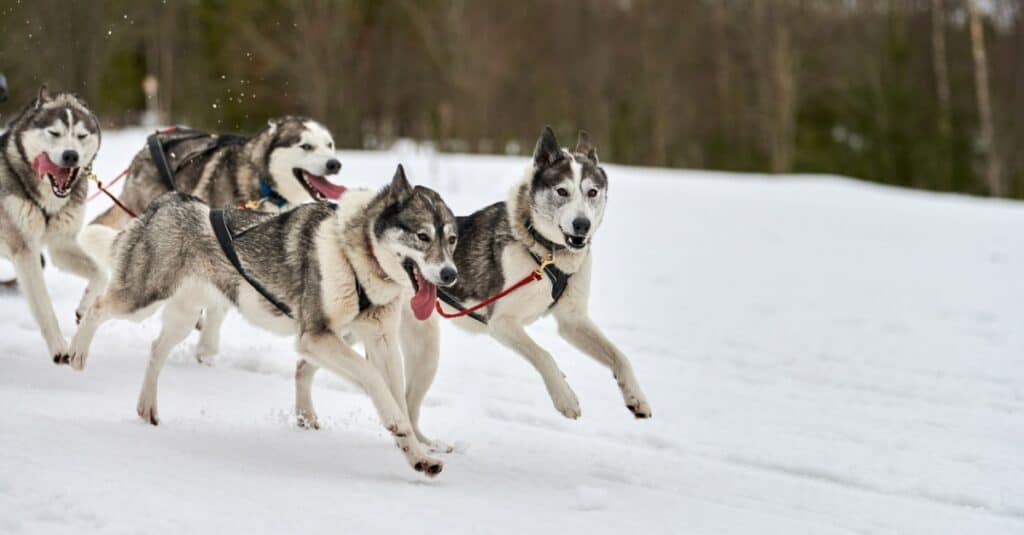
Huskies have thick coats that help them survive the most frigid conditions.
©iStock.com/TRAVELARIUM
Different types of working dogs face their own challenges, but few are asked to perform more physically demanding work than drafting dogs. Like oxen or horses, these dogs were assigned the task of pulling carts or sleds. Most cart-pulling dogs today do so as part of training and competition. Understandably, canines bred for this unique job were strong and heavily built. Bernese Mountain Dogs and Newfoundlands were once commonly used for this task.
Today, using sled dogs is more common. Breeds like the Siberian Husky and Alaskan Malamute share the size and sturdy build of cart-pulling dogs, but they also have thick coats that can help them survive even in the most frigid of conditions. Sled dogs were used by explorers first venturing into the Arctic. They also helped deliver medicine and other essential supplies to the most rugged frontiers of North America. Most sled dogs today engage in the practice as recreation, yet some remote communities at high latitudes still use sled dogs for transportation.
6. Guard Dogs
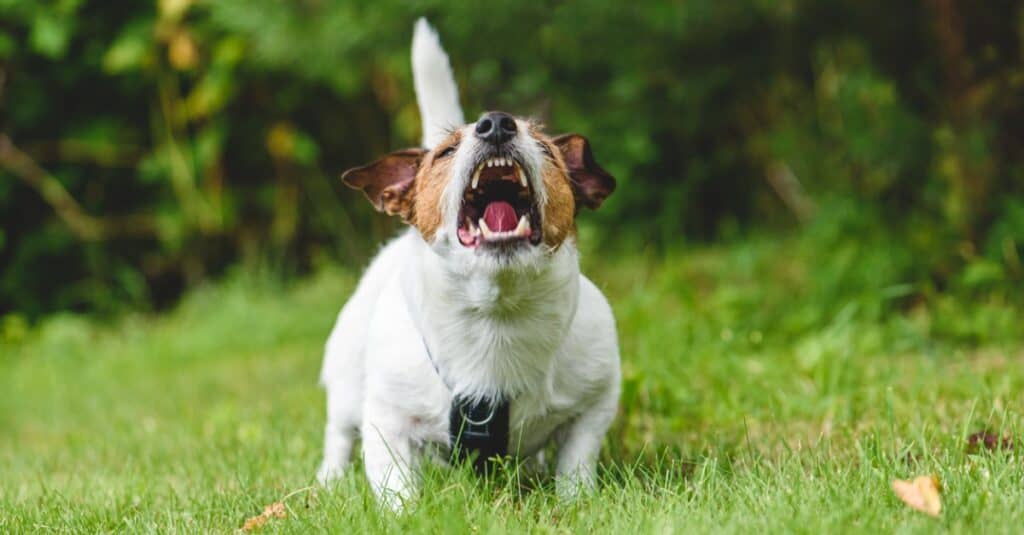
Jack Russell Terriers have been known to make exceptional watchdogs.
©iStock.com/alexei_tm
Some people assume that a good guard dog simply needs size and the protective instinct to do its job. However, a good guard dog can properly read threats and exercise caution, but react swiftly when necessary. The ancestors of guard dogs were designed to defend their homes and families against threats. Many were also trained to protect livestock from predators such as bears and wolves. Large, powerful dogs like Rottweilers and Mastiffs could hold their own in a fight with both humans and animals. People still employ guard dogs for personal protection and to guard livestock.
Of course, size isn’t everything. While smaller breeds may not be ideal guardians, many can serve as excellent watchdogs. Chihuahuas and Jack Russell Terriers are two small breeds that serve as exceptional watchdogs. Their curious personalities and alert behavior ensure that nothing gets by them and that you hear about it first. Dogs of any size require proper training to ensure they act appropriately in uncertain situations. Without proper training, an aggressive and constantly alert dog can pose more of a risk than a benefit.