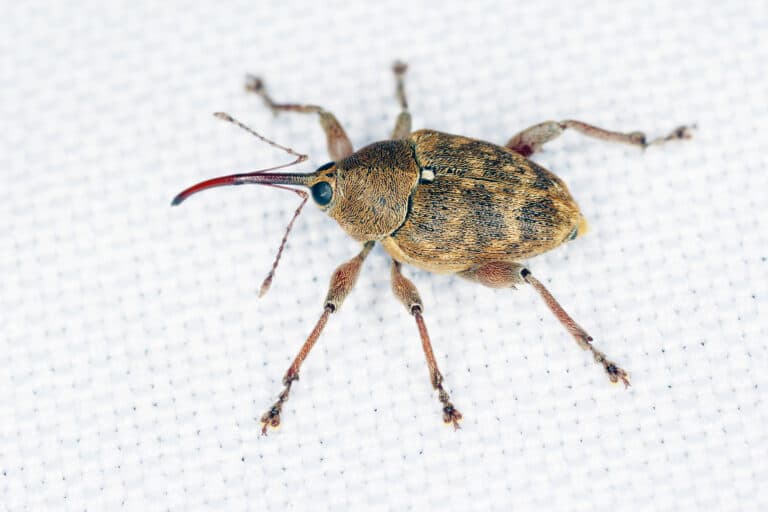
Nut Weevil
Snouts that drill, larvae that dine

Snouts that drill, larvae that dine
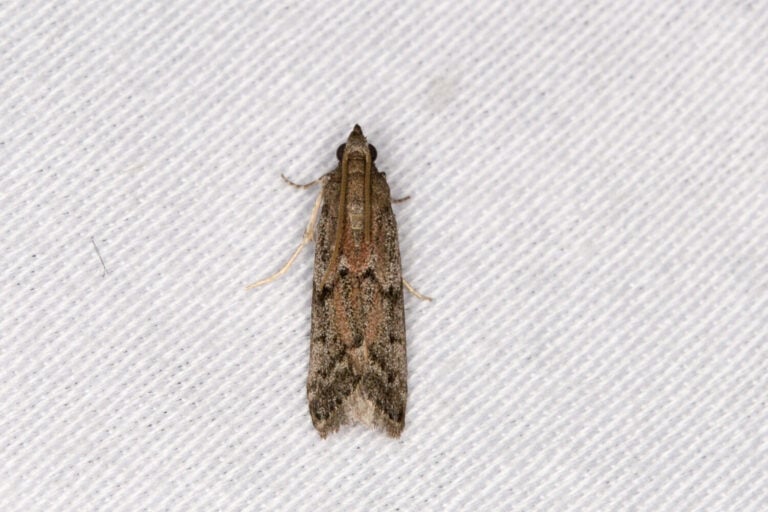
Find the webbing, find the moth.
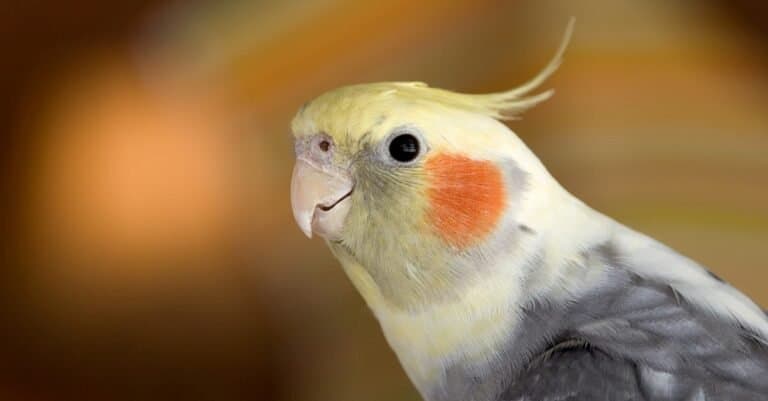
Crest up-Australia's whistling nomad
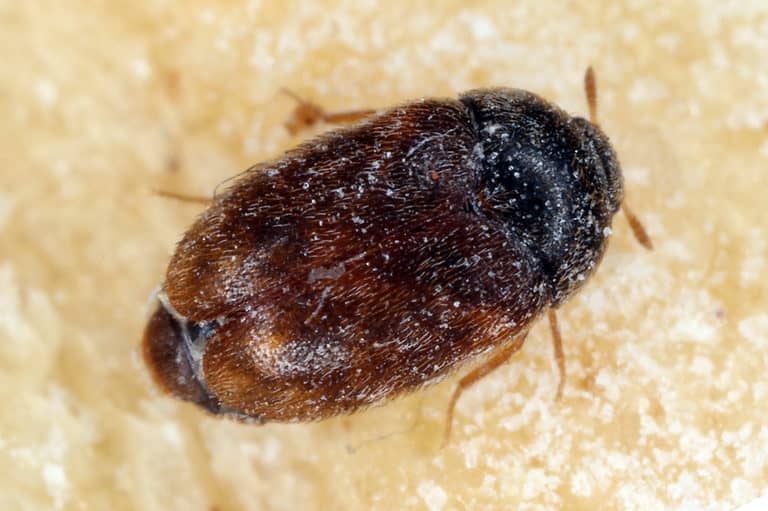
Tiny beetle, massive quarantine threat.
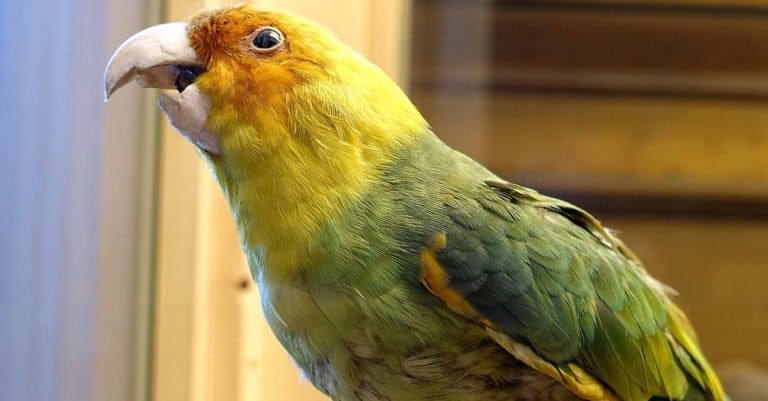
The lost parrot of the American East
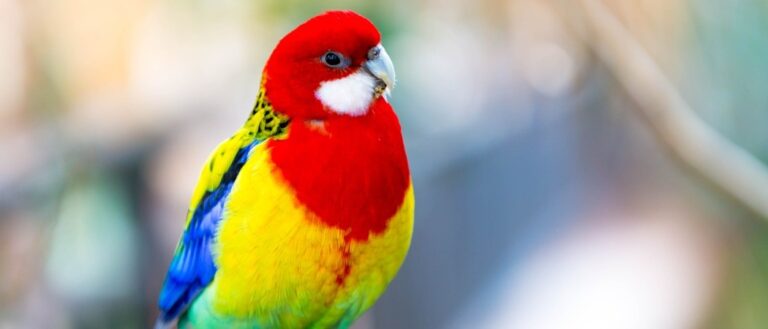
Budgie: the nomad that learned to talk
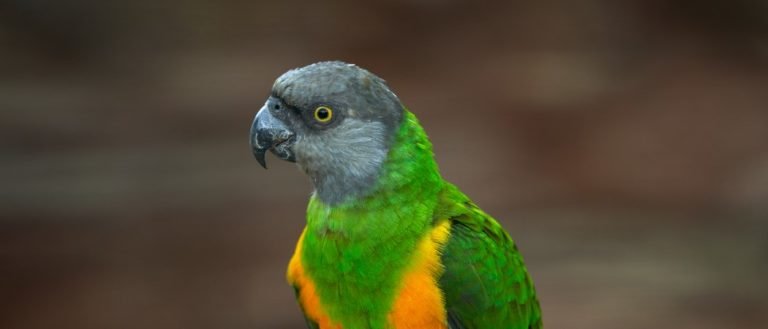
West Africa's V-chested woodland parrot
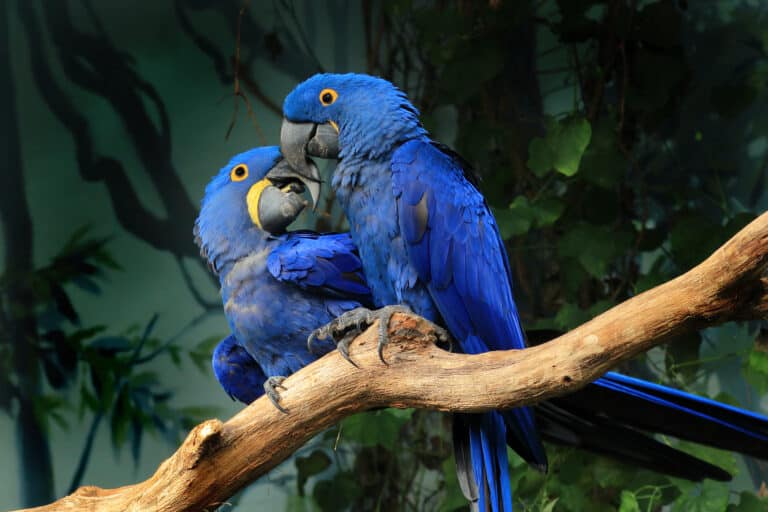
Biggest parrot. Toughest nutcracker.
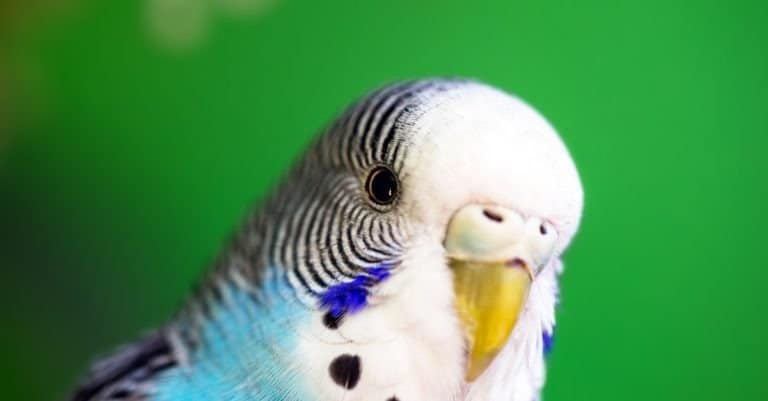
Tiny nomad parrot, big personality
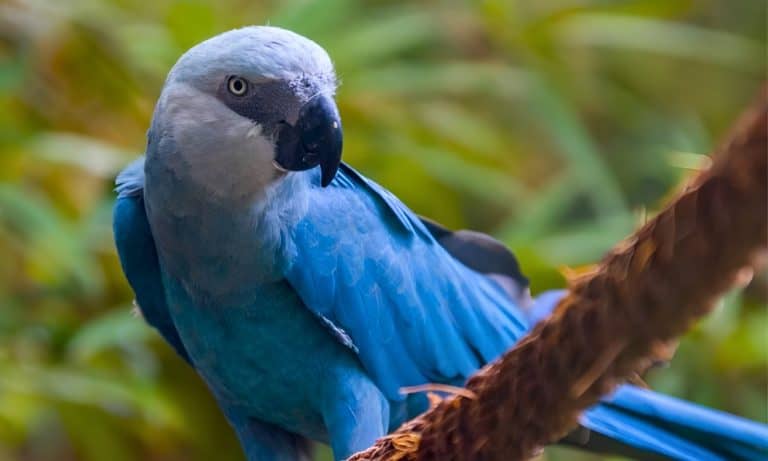
Blue hope from Brazil's Caatinga
A granivore is an organism whose diet consists predominantly of seeds (including cereal grains and other plant propagules), emphasizing energy- and nutrient-dense plant reproductive tissues such as endosperm, embryo, and seed coat. Granivory is a form of herbivory characterized by behavioral and morphological adaptations for locating, handling, dehusking, and mechanically processing seeds.
Granivory means eating mostly seeds and grains — compact packets of carbs, fats, and proteins made for plant reproduction. Seeds are often dry, hard, and wrapped in husks, so granivores specialize in harvesting, cracking, and grinding them to reach the nutritious inside. Many birds (finches, sparrows, pigeons), small mammals (mice, squirrels), and some insects are granivores. They often have body features for seed eating, such as strong jaws, special teeth or beaks, and guts that help break down dry, concentrated food. In nature, granivores can shape plant communities by eating and spreading seeds, which changes how many new plants grow. They feed from plants, forage on the ground, or cache (store) seeds — forgotten caches can help seeds spread. Granivory usually names the main diet, but many switch to insects, fruit, or green plants when needed.
Etymology: Derived from Latin roots meaning "grain/seed" and "to devour"; literally "grain/seed-eater."
Granivores only eat grasses/cereal grains; in reality they consume many kinds of seeds from diverse plants.
Granivory is the same as herbivory in general; it is a specific subtype focused on reproductive tissues rather than leaves/stems.
Granivores never eat animal matter; many species supplement with insects or other foods, especially during breeding or growth.
Granivores get lots of calories from carbohydrates and fats in seeds, helping them keep energy and body heat. Oil-rich seeds give essential fatty acids (like linoleic acid) for cell membranes and hormones. Legumes and some seeds add protein for growth and breeding. Seeds also give micronutrients such as vitamin E, B vitamins, and minerals (magnesium, phosphorus, manganese). Calcium and some amino acids may be low, so many granivores eat minerals or some animal matter too.
Adapted for cracking, dehusking, and grinding hard, dry seeds and grains; many granivorous birds rely on a keratin beak rather than teeth, while granivorous mammals emphasize strong incisors and grinding cheek teeth.
Designed to process dry, starch- and lipid-rich plant material and to mechanically reduce seeds via mastication (mammals) or a muscular gizzard (birds), with variable reliance on microbial fermentation depending on species and seed composition.
Gut Length: Moderate relative to body length (generally longer than carnivores, often shorter than strict folivores); can be relatively short in seed specialists relying heavily on mechanical breakdown and nutrient-dense kernels.
Animals called granivores mostly eat seeds and grains year-round, with bills or teeth for cracking seeds; may also eat some insects or plants seasonally or in some life stages.
Facultative granivores that rely heavily on seeds when abundant but regularly broaden their diet (e.g., insects, green plant material, fruit, or scavenged foods) due to seasonality, life stage, or habitat conditions.
Granivory likely arose many times after seed plants became common and predictable food. Early granivores probably appeared in the late Paleozoic with gymnosperm diversification in the Permian, then grew much more in the Mesozoic and Cenozoic as flowering plants (angiosperms) spread and made many nutritious seeds. The diet evolved from general herbivory, omnivory, or insectivory toward eating plant parts that make seeds, along with body and behavior changes for finding, handling, removing shells, and breaking seeds—stronger jaws or beaks, bigger jaw muscles, special teeth or beak shapes, gizzards/crops, cheek pouches, gnawing incisors, and food caching.
Eating seeds (granivory) evolved many times in unrelated animal groups. Different animals evolved similar tools and habits to eat seeds. For example: passerine finches (like Darwin’s finches) and Old World sparrows and buntings evolved stout, seed‑cracking beaks; parrots (Psittaciformes) and grosbeaks (Passeriformes) evolved strong beaks and jaw muscles; galliform birds (quail, pheasants) and columbids (pigeons/doves) both eat many seeds but use different processing (gizzard grinding vs fast swallowing then gizzard); murid rodents (mice/rats) and sciurid rodents (ground squirrels/chipmunks) evolved gnawing incisors, cheek pouches in some, and storing seeds; desert granivores such as kangaroo rats (Dipodomys) and harvester ants (Pogonomyrmex) both harvest and store seeds; some lizards (e.g., Uromastyx) eat mostly seeds like nearby birds and rodents.
Granivory parallels human grain- and seed-forward eating patterns (e.g., diets centered on rice, wheat, maize, oats, legumes, and seeds like sunflower/sesame). Like granivores, humans use processing (milling, cooking, soaking/fermenting) to make seeds more digestible and accessible-functionally similar to biological adaptations such as strong beaks/teeth and gizzards. Key differences: humans typically diversify with more fruits/vegetables and animal foods, and must manage issues linked to heavy reliance on refined grains (lower fiber/micronutrients) versus whole grains and seeds.
Knowing a species is a granivore helps protect the habitat parts they need: seed-producing plants, seasonal seed supplies, and safe cover near feeding sites. It guides restoration—planting native grasses and forbs with the right seed size and timing—and shows which granivores are vulnerable to land-use change, drought, fire, and invasive plants that change seed banks. It also guides the timing of mowing, grazing, or burns to avoid removing seeds, and warns of risks like rodenticide exposure and ripple effects on seed dispersal, new plant growth, and food webs.
Granivores intersect strongly with farming because grains are major crops and post-harvest storage concentrates seeds. Some granivores are crop and storage pests (e.g., seed-eating birds, rodents) causing losses pre-harvest (seedlings/heads) and post-harvest (granaries/silos). Others provide services by consuming weed seeds in fields, reducing future weed pressure (notably many small birds and rodents that target weed seed banks). Understanding granivory supports integrated pest management: adjusting planting/harvest timing, using habitat buffers or alternative foraging patches, improving grain storage and exclusion, and reducing reliance on broad poisons that can harm non-target wildlife.
Found across: Birds (especially finches, sparrows, pigeons/doves, galliforms), Mammals (rodents-mice, rats, hamsters, squirrels; also some other small mammals), Insects (notably seed-harvesting ants and some beetles), Reptiles (some lizards with opportunistic or seasonal seed use)
Granivores eat seeds and act as primary consumers at the base of land food webs. By taking seeds they shape which plants grow, sometimes killing seeds and sometimes spreading them when they store or pass seeds whole. Granivores are also important prey for raptors, snakes and mesocarnivores, linking plants to higher predators.
Granivores eat seeds and sit low on the food chain, so energy moves efficiently from plants to them versus higher levels. Seeds are energy-rich (starches, oils, proteins) and meet energy needs, but hard seed coats, tannins, and defenses make seeds hard to digest. Granivores have strong jaws or bills, gizzards, teeth, and gut microbes. This pathway can support large granivore populations and food for predators, but heavy seed removal can reduce plant regeneration unless seeds are dispersed or cached.
Seasonal Variation: Granivores follow plant timing and seed pulses. In spring and early summer they eat more insects and green plants for breeding and young while taking developing seeds. Late summer and autumn bring peak seeds, prompting fattening and caching. In winter or dry times they eat stored or human food; if seeds are scarce they eat buds, stems, or bugs.
Seeds are basically "plant babies with packed lunches": a granivore is eating a plant's reproductive tissue that's preloaded with concentrated starches, oils, and proteins to fuel germination.
Many granivores are built for seed processing, not just eating-think stout, conical beaks (birds) or ever-growing incisors (rodents) paired with powerful jaw muscles to crack tough hulls efficiently.
Some birds effectively have a built-in "grinding mill": swallowed grit in the gizzard helps pulverize hard seeds, letting them extract nutrients without chewing like mammals do.
Granivory can shape ecosystems: by selectively eating certain seeds, granivores can influence which plants successfully reproduce and how plant communities change over time.
A seed-heavy diet often favors specialized behaviors like caching-some granivores store seeds and may "plant" forgotten caches, indirectly aiding seed dispersal and future plant growth.
Calorie density comparison: gram-for-gram, many seeds and grains are closer to nuts than leafy greens-more like "trail mix fuel" than "salad water," which is why they're a high-energy staple for small animals.
Mechanical analogy: a granivore's feeding toolkit is like a snack factory line-crack (beak/teeth), de-husk (manipulation), then grind (gizzard or molars) to access the nutrient-rich core.
Ecosystem-scale comparison: a flock of seed-eaters can act like a roaming filter, removing certain seed "types" from the landscape the way a sieve separates particles-subtly reshaping what plants get a chance to grow.
Tiny nomad parrot, big personality
Blue hope from Brazil's Caatinga

The soft coo of North American backyards
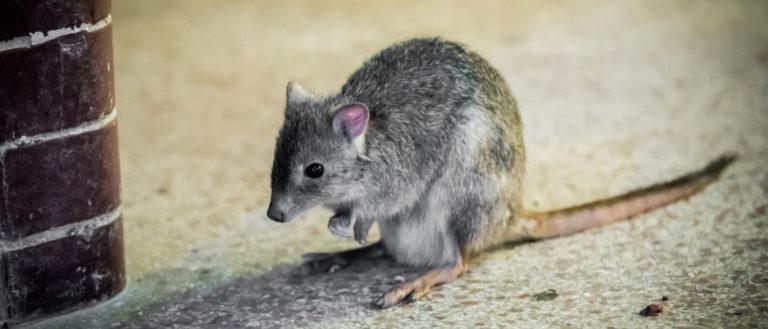
Two-footed seed bankers of the desert
The lost parrot of the American East
West Africa's V-chested woodland parrot
Budgie: the nomad that learned to talk
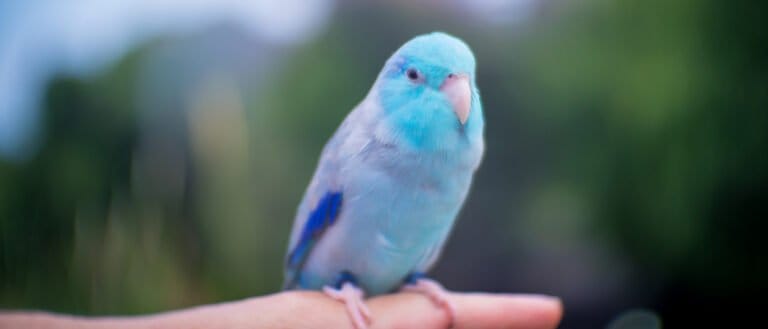
Small body, big parrot attitude
Crest up-Australia's whistling nomad
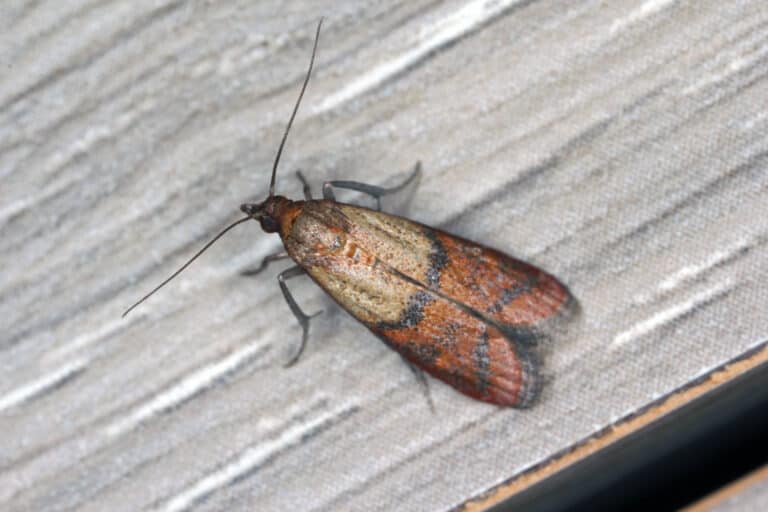
See the webbing, stop the pantry moth.
Biggest parrot. Toughest nutcracker.
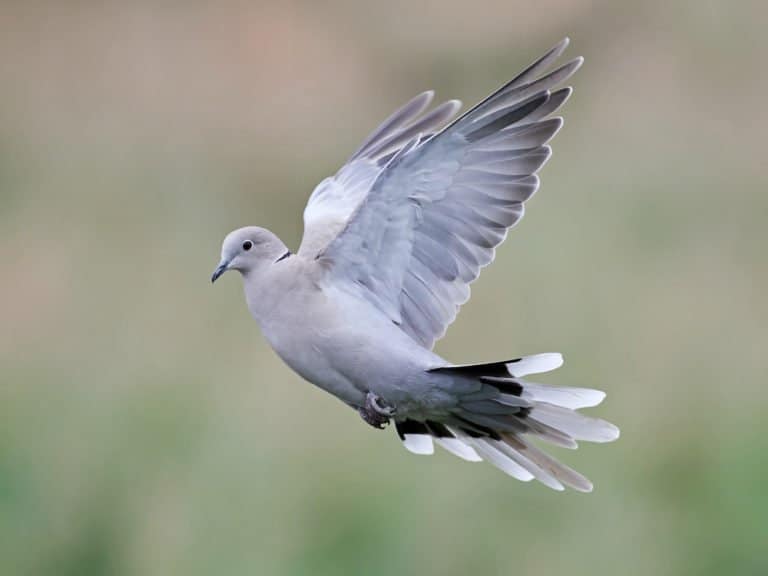
The collar-marked urban colonizer
Snouts that drill, larvae that dine
Tiny beetle, massive quarantine threat.
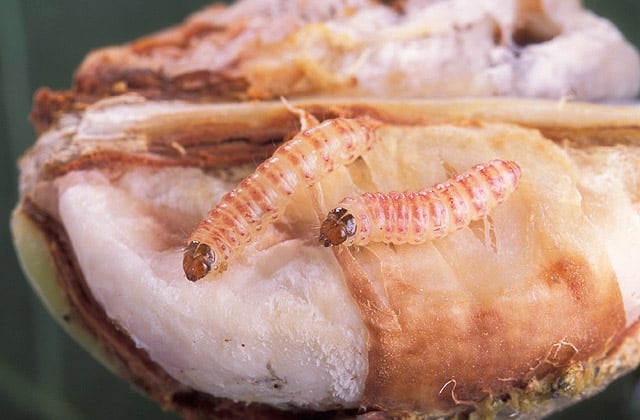
Tiny moth, huge cotton trouble.
Find the webbing, find the moth.
Thank you for reading! Have some feedback for us?
We appreciate your help in improving our content.
Our editorial team will review your suggestions and make any necessary updates.
There was an error submitting your feedback. Please try again.