
Western Blind Snake
The ant-nest specialist you rarely see

The ant-nest specialist you rarely see
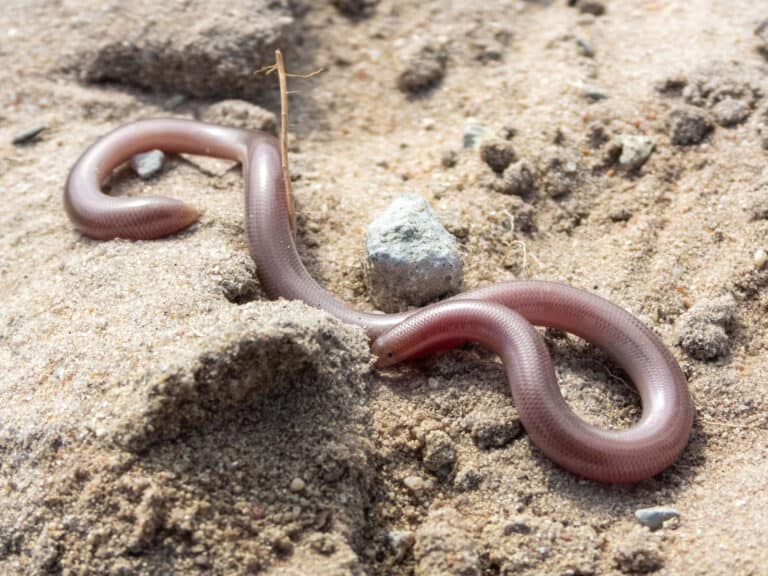
The harmless "worm" that's a snake
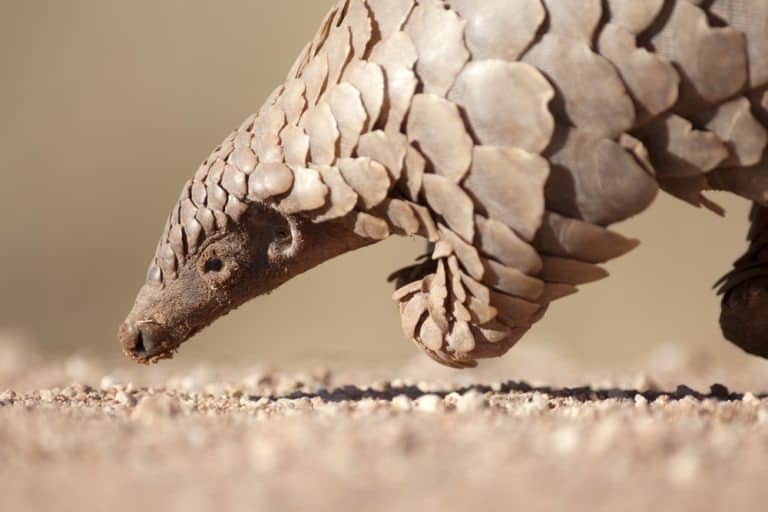
Nature's pinecone-shaped ant-eater
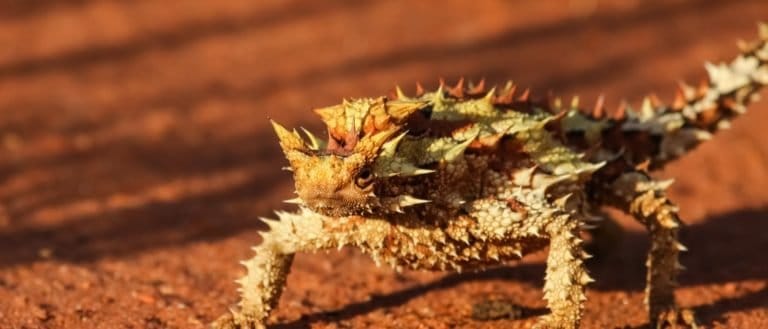
The ant-eating, water-wicking lizard
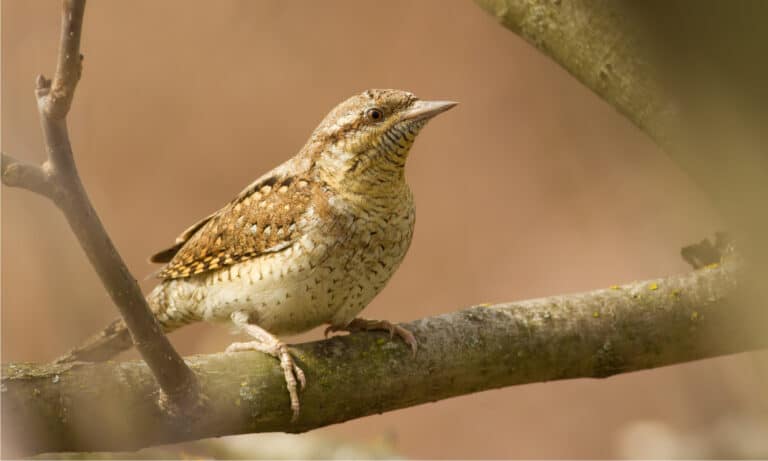
The woodpecker that plays snake
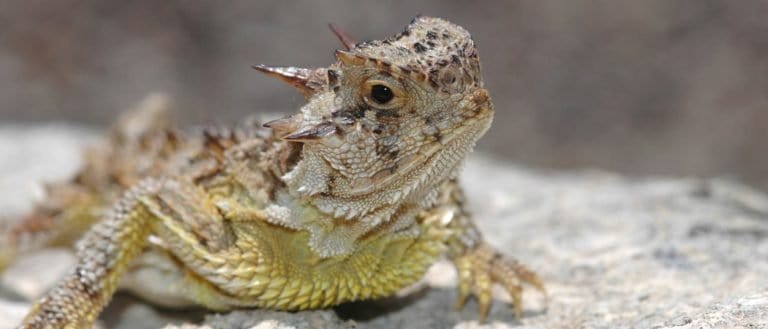
Spines, stealth, and ants for dinner.
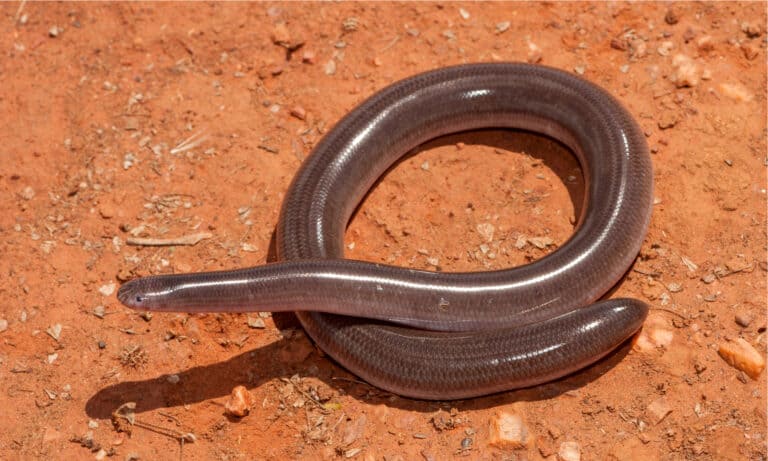
Wormlike, but 100% snake.
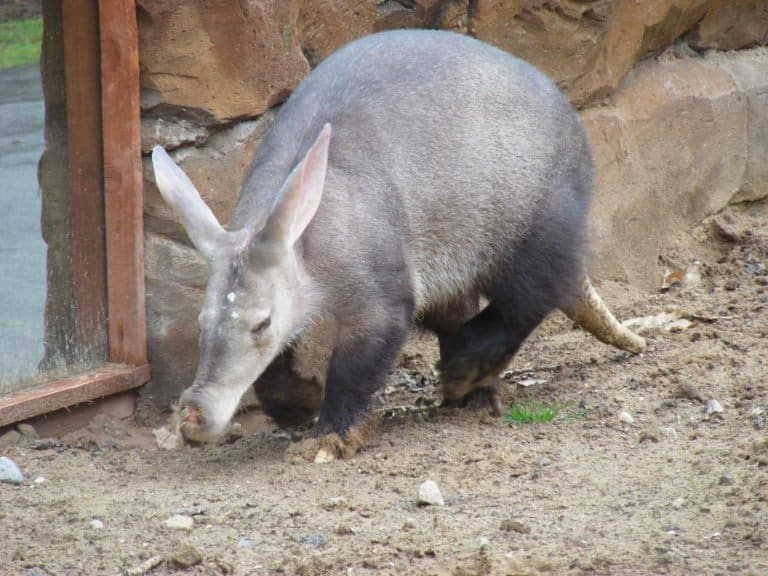
Africa's original termite specialist
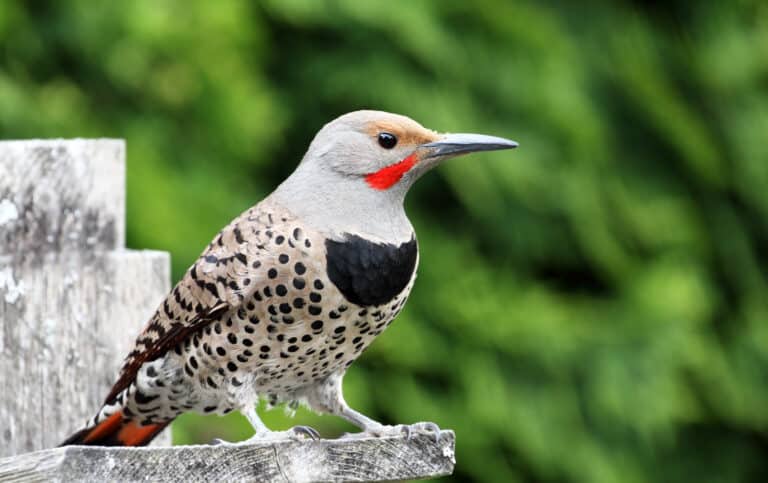
The ant-eating woodpecker next door
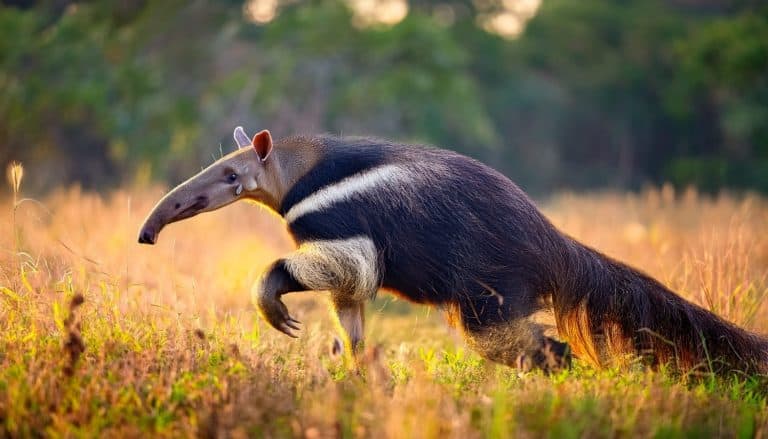
Built to raid ant cities
A myrmecophage is an animal whose diet is specialized for consuming social insects-primarily ants (Formicidae) and/or termites (Isoptera/termitoid lineages). In ecological terms, myrmecophagy describes a trophic specialization where these insects constitute the dominant, regularly targeted food resource, often accompanied by anatomical and behavioral adaptations for locating and extracting prey from nests.
Myrmecophagy is a diet in which an animal eats mostly ants and termites — workers, young, and sometimes reproductives. Because these insects live in defended colonies hidden in soil, wood, or hard mounds, myrmecophages evolve ways to reach nests and take many small prey. This diet evolved independently in groups: mammals like anteaters (Vermilingua), pangolins (Pholidota), the aardvark (Orycteropus afer), some armadillos, and in reptiles, amphibians, and birds. Many find nests by smell, sound or vibration, then use long sticky tongues, narrow snouts, or strong digging forelimbs to extract prey. They do not stay long at one nest to lower the risk of bites, stings, or chemical attacks, sampling several colonies. Ants and termites can be protein-rich and common, but small size and protected nests limit feeding rate, so myrmecophages show behaviors and body changes—resistance to insect chemicals, less chewing, or stomach changes for chitin—that make this diet work.
Etymology: From Greek: myrmex ("ant") + -phage / phagein ("to eat" or "eater"). The term literally means "ant-eater," and is used broadly for ant- and termite-feeding specialization.
"Myrmecophages eat only ants." Many specialize in termites as well, and some include other insects opportunistically.
"Any insectivore that eats ants is a myrmecophage." The term implies primary reliance/specialization, not incidental or occasional ant consumption.
"Myrmecophagy is nutritionally poor." Ants and termites can be energy- and protein-rich, but the challenge is access and processing, not necessarily low nutrient value.
Provides high protein and fat from insect bodies and brood, plus minerals (notably iron, zinc, and calcium) and B vitamins; chitin contributes fiber-like roughage. Many myrmecophages also rely on formic acid/other defensive chemicals and/or strong stomach acidity to help process insect exoskeletons and reduce microbial load from colony material.
Teeth are reduced, simplified, or absent because prey (ants/termites) are small and typically swallowed with minimal chewing; prey processing relies more on the tongue, saliva, and stomach mechanics than on mastication.
Digestive tract is specialized to handle large quantities of small, chitin-rich insects. Prey is captured with a sticky tongue and swallowed; a muscular stomach (sometimes aided by swallowed grit) mechanically breaks down insects, while chemical digestion targets proteins and chitin.
Gut Length: Generally short to moderate relative to body length (often closer to carnivores than herbivores), reflecting a high-protein, low-fiber diet; may be modestly extended to help process chitin-heavy meals.
Obligate myrmecophages rely overwhelmingly on ants and/or termites for nutrition and show strong anatomical specializations (e.g., elongated snout, reduced/absent teeth, powerful digging claws, sticky projectile tongue).
Facultative myrmecophages regularly eat ants and/or termites and may have some relevant adaptations, but they are not dependent on social insects and commonly include substantial amounts of other prey or plant matter in their diets.
Myrmecophagy (specialist ant and termite feeding) evolved many times in different mammals, starting at least in the early Cenozoic after the end‑Cretaceous extinction about 66 million years ago. As tropical and subtropical forests and savannas spread and social insects, especially termites, became common, some insect-eating groups shifted to raid dense colonies. This happened step by step: visiting nests, gaining large digging claws and reinforced shoulder bones, long snouts with few or no teeth, very long sticky tongues and big salivary glands, and stomachs that handle chitin. By the Oligocene–Miocene anteaters, pangolins, aardvarks, numbats, and echidnas had evolved independently.
Unrelated lineages have repeatedly converged on ant/termite feeding with similar toolkits (elongated snout, reduced or absent teeth, long sticky tongue, strong claws). Examples include: (1) Placental mammals: anteaters in the Americas; pangolins in Africa and Asia; the aardvark in Africa. (2) Marsupials: the numbat in Australia, which independently evolved termite specialization. (3) Monotremes: echidnas in Australia and New Guinea, converging on ant/termite feeding despite very distant ancestry from placentals and marsupials. Beyond mammals, partial convergence occurs in some reptiles (for example, certain horned lizards that specialize on ants), illustrating that the ant/termite niche repeatedly favors similar functional solutions across deep evolutionary splits.
Humans are not myrmecophages, but we can partly do the same through entomophagy (eating insects), especially ants and termites, which some cultures eat. Ants and termites give good protein, fats, and vitamins and minerals. But a diet of only ants or termites is unrealistic for most people because of limits on supply, food safety (germs, parasites, and chemical residues), allergy risk (people with shellfish allergies may react), and the need for varied foods for fiber and some vitamins. Today insect foods are best as sustainable protein supplements, not sole staples.
Labeling a species myrmecophagous shows it depends on healthy ant and termite communities and habitats that support them (soil, dead wood, leaf litter, savannas and forests). Conservation should keep prey available: limit strong insecticides, avoid removing nesting sites like coarse woody debris or termite mounds, protect feeding areas, and keep grounds connected. Myrmecophages can fall fast when land is changed, fire patterns shift, overgrazing occurs, or pesticide drift lowers social insect numbers. Watching ant and termite numbers and mound density gives an early warning and guides habitat restoration.
Myrmecophages—animals that eat ants and termites—matter for farming because ants and termites shape soils and can damage crops or wooden structures. By eating many ants and termites, they can help lower pest numbers, such as reducing termites that harm wood or pest ants. These effects vary, and many ants and termites aerate soil, return nutrients, and break down dead matter. Understanding myrmecophagy can guide integrated pest management toward habitat-based methods instead of broad insecticides. Insect farming for food or feed is growing; knowing colony biology and sustainable harvest can lower ecological harm and disease risk.
Found across: Mammals: Xenarthra (anteaters; many armadillos are also strong ant/termite predators), Mammals: Tubulidentata (aardvark), Mammals: Pholidota (pangolins), Mammals: Monotremata (echidnas), Mammals: Marsupials (numbat; some bandicoots and relatives include ants/termites heavily), Mammals: Carnivora (aardwolf; also some bears like sloth bears can be strongly myrmecophagous seasonally), Reptiles: lizards with ant specialization (e.g., horned lizards and some skinks), Birds: ant-eating specialists and heavy ant consumers (notably some woodpeckers and other ground-foraging insectivores)
Myrmecophage: a specialist insect eater (secondary consumer) that feeds on ants and termites, helping control colony size and foraging. By taking many colony-forming prey, they can slow termite-driven wood and leaf-litter breakdown locally, move nutrients with digging and droppings, make small habitats used by other animals and seedlings, and pass energy to larger predators.
Myrmecophages (ant and termite eaters) catch prey well when they find colonies because ants and termites are packed together, so they search less than for lone insects. Prey give little energy and often defend themselves (stings, bites, chemicals), so gain needs fast intake and avoiding nest damage that triggers swarms. Energy goes plants → social insects → myrmecophages, so only a small share of plant energy reaches them, though local biomass can be high where ant/termite production is steady.
Seasonal Variation: Feeding and prey choice change with rain and colony cycles. In warm, wet seasons ants and termites forage more and colonies grow, making prey easier to find; heavy rains can flood nests and push feeding into trees. In dry seasons prey hide deeper, so myrmecophages dig, use warm spots, expand range; forage at night. Alate flights after rain give opportunities.
Myrmecophages can eat staggering numbers of insects in a day-often thousands-so their "prey" is measured more like grains of rice than individual animals.
Many myrmecophages don't rely on teeth to chew; instead, they use sticky tongues plus powerful stomachs (and sometimes swallowed grit) to grind tough exoskeletons.
Specialized tongues can be extreme: some anteaters extend a tongue longer than their head and flick it in and out rapidly to harvest insects before a colony fully mobilizes.
Ants and termites come with built-in chemical defenses (acids, toxins, biting soldiers), so myrmecophages often have tough skin, narrow snouts, and behaviors like short visits to many nests to avoid getting overwhelmed.
Because their food is patchy and well-defended, many myrmecophages are selective "raid-and-move" feeders-briefly exploiting a nest, then leaving it to recover, which can reduce the risk of exhausting local food sources.
Eating ants/termites is like "grazing on living sprinkles": each bite is tiny, but the daily total adds up to a serious calorie haul through sheer volume.
Their feeding strategy resembles a quick bank withdrawal rather than a robbery-take a small amount from many colonies instead of draining one nest and facing maximum defense.
A myrmecophage's tongue works like a biological flypaper strip on a piston, repeatedly dipping into tunnels to pull out insects the way a sticky tape roller picks up lint from tight corners.
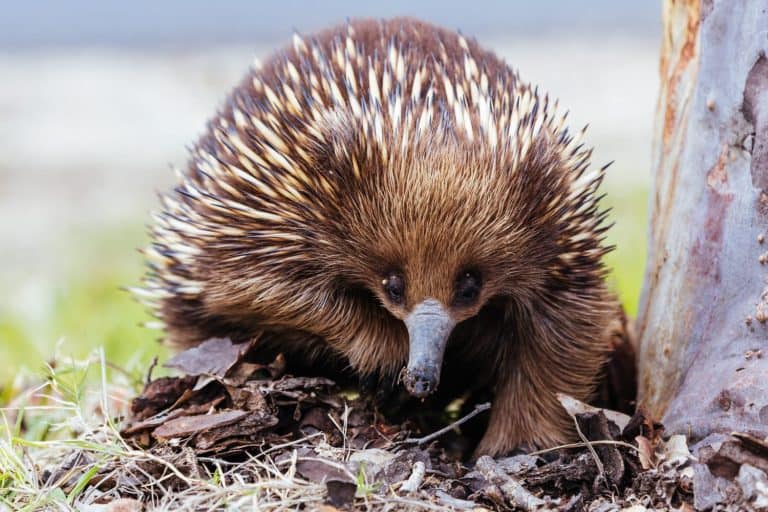
Spines, eggs, and ant-eating mastery
Built to raid ant cities
The ant-eating, water-wicking lizard
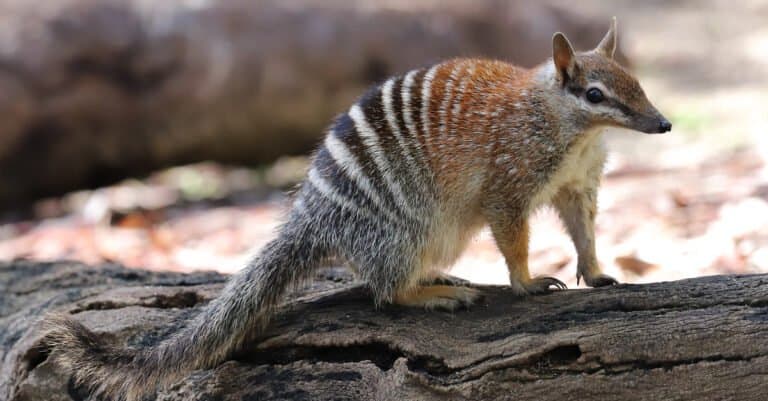
Striped termite specialist of Australia
Africa's original termite specialist
Nature's pinecone-shaped ant-eater
Spines, stealth, and ants for dinner.
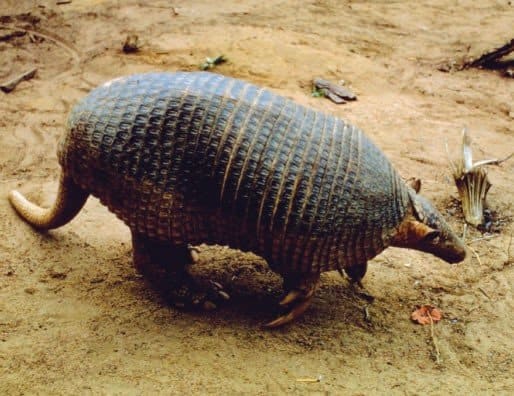
Big burrows. Bigger impact.
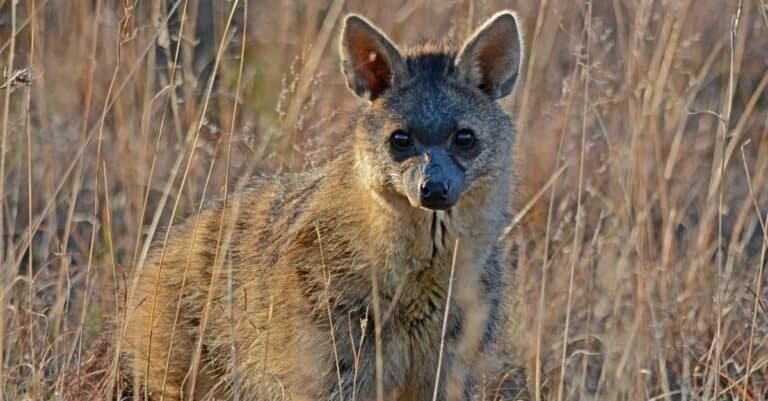
The hyena that lives on termites
The ant-nest specialist you rarely see
The harmless "worm" that's a snake
Wormlike, but 100% snake.
The ant-eating woodpecker next door
The woodpecker that plays snake
Thank you for reading! Have some feedback for us?
We appreciate your help in improving our content.
Our editorial team will review your suggestions and make any necessary updates.
There was an error submitting your feedback. Please try again.