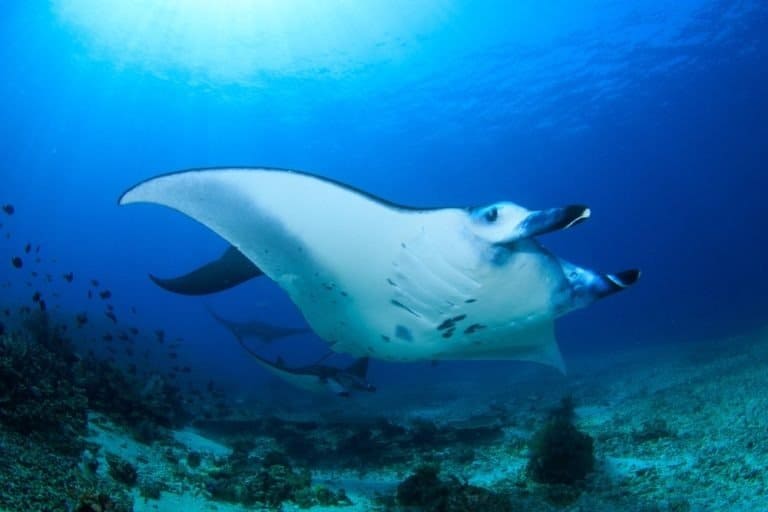
Manta Ray
Wings of the sea, built to filter

Wings of the sea, built to filter
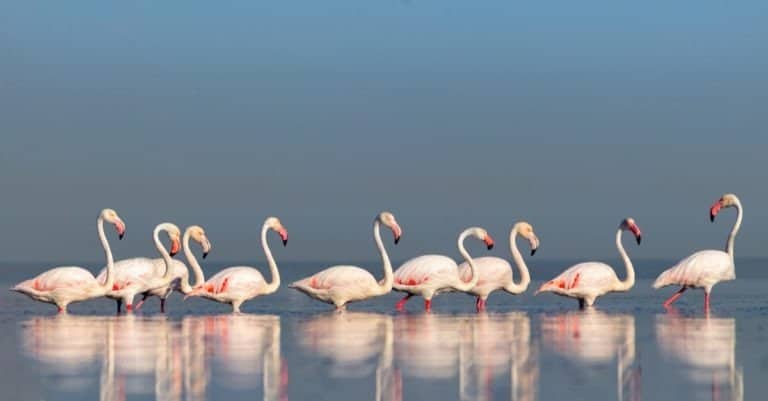
Pink by diet, united by colonies
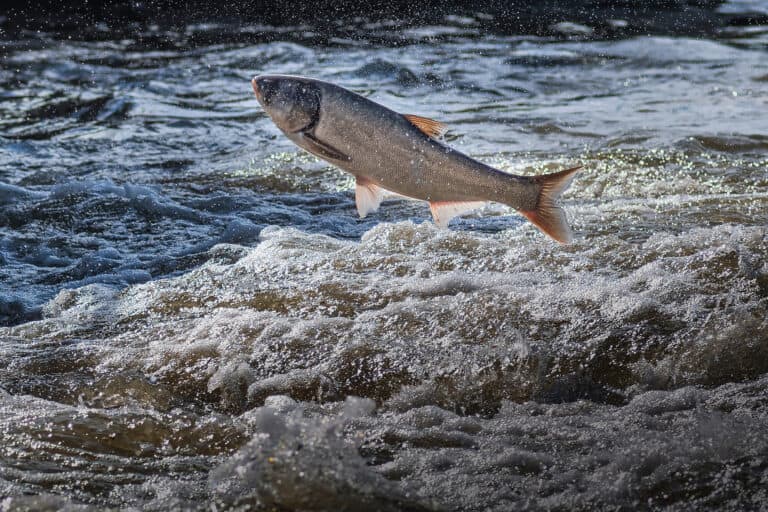
Plankton powerhouses, river spawners
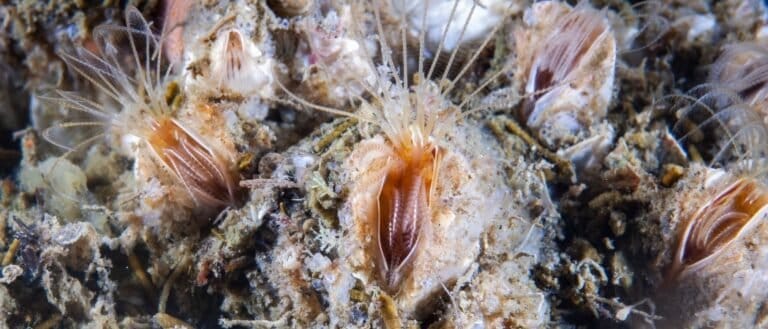
Crustaceans that live like living glue
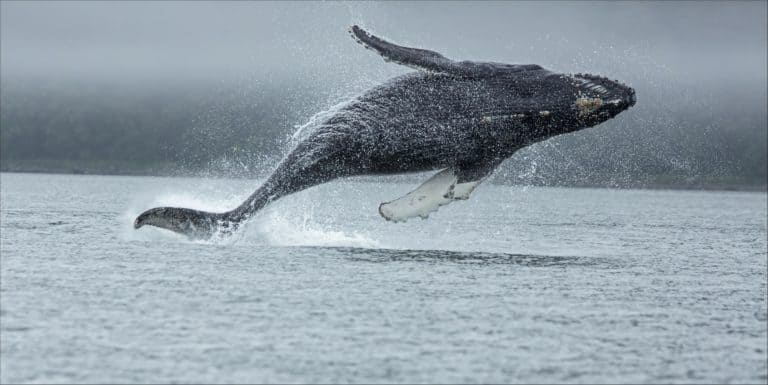
Planet's biggest krill-powered giant
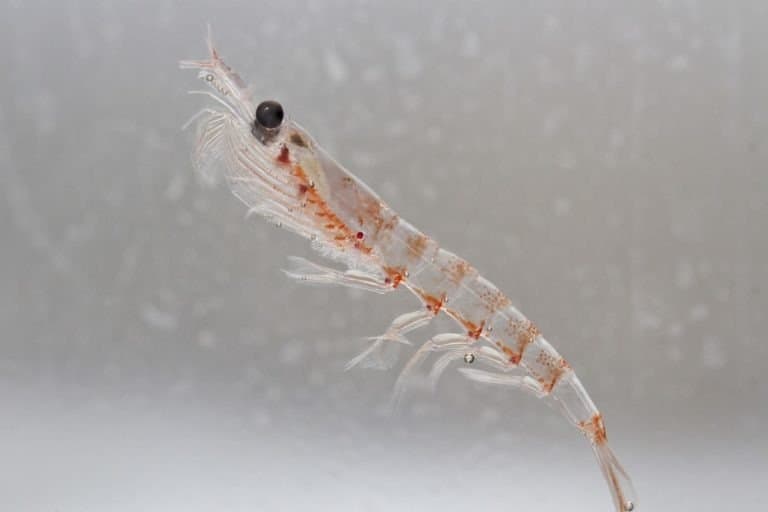
Tiny swarms, giant ocean impact
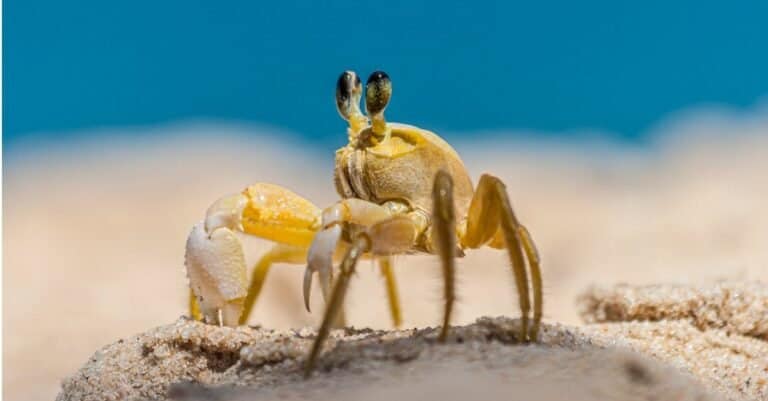
Built for the backwash
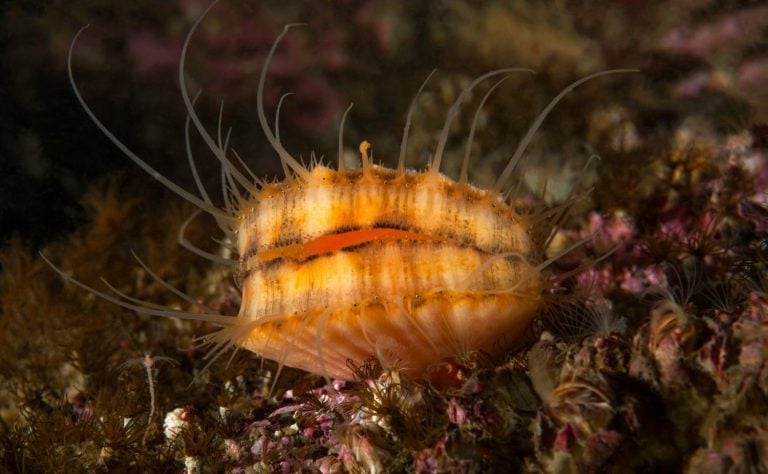
The clapping swimmers of the seafloor
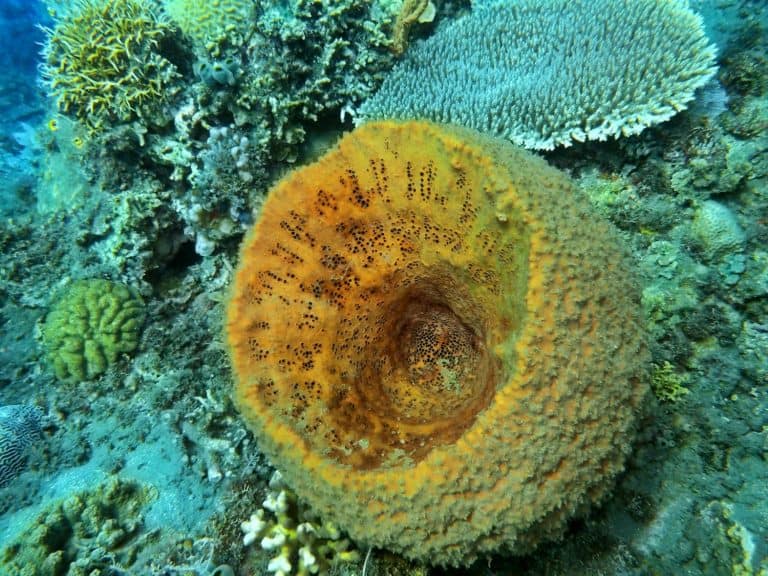
Porous powerhouses of the sea
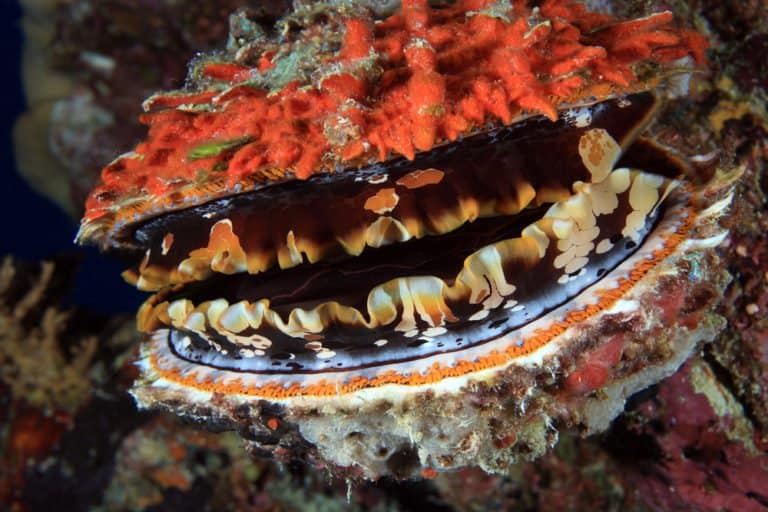
Reef builders that clean the coast
A filter feeder is an organism that obtains nutrition by moving water across specialized filtering structures that retain suspended food particles-such as plankton, detritus, and small invertebrates-while allowing water to pass. This feeding mode relies on physical separation (sieving, trapping, or adhesion) rather than grasping or chewing individual prey items.
Filter feeding is a way some animals eat by straining or trapping tiny food from the water. They take in phytoplankton, zooplankton, bacteria, bits of dead organic matter (detritus), and tiny larvae or invertebrates. Because food items are small, filter feeders often move or pump large volumes of water to get enough to eat.
Many body designs have changed for filter feeding. Baleen whales use baleen plates to sieve prey; bivalves (mussels and oysters) pump water over gills that catch food; some fish (herrings, menhaden, whale sharks) use gill rakers or special mouth parts; many invertebrates make mucus nets or use tiny hairs (cilia) to trap food.
Filter feeders help shape aquatic systems by clearing water, changing nutrients and plankton, and turning microscopic plankton into food for bigger animals. They differ in how picky they are and are sensitive to water quality, cloudiness, and pollutants.
Etymology: From Medieval Latin "filtrum" ("felt used for filtering/straining"), likely of Germanic origin; it entered English via French/Anglo-French forms of "filter," combined with English "feeder," meaning an organism that feeds in a particular way.
Filter feeders only eat plankton: many also ingest detritus, bacteria, and microscopic larvae or other small invertebrates depending on availability and filter size.
Filter feeding is passive: numerous filter feeders actively pump water, ram-filter while swimming, or generate currents with cilia to drive water through their filters.
All filter feeders clean water equally: filtration rates and particle selectivity vary widely among species, and some conditions (e.g., high sediment loads or toxins) can reduce feeding or cause harm.
Filter feeding primarily supplies energy from carbohydrates and lipids in plankton and detrital particles, plus high-quality protein from zooplankton and larvae. It also provides essential fatty acids (e.g., omega-3s like EPA/DHA) important for membrane function, growth, and reproduction; vitamins and pigments (A, E, carotenoids) supporting immunity and oxidative balance; and minerals/trace elements (iodine, iron, selenium, zinc). Many filter feeders rely on high throughput feeding to meet caloric needs because individual particles are small and dilute.
Teeth are often reduced, absent, or not used for chewing; instead, feeding relies on specialized filtering structures that trap suspended particles from water.
Adapted for processing large volumes of low-calorie, small-particle food; emphasizes continuous intake, efficient sorting, and extensive nutrient extraction, often supported by microbial fermentation.
Gut Length: Moderate to long relative to body length (commonly longer than similarly sized carnivores; varies widely by group and particle type)
Animals that must feed by filtering floating particles (plankton, detritus, tiny invertebrates) from water using baleen, gill rakers, mucous nets, or siphons.
Facultative or opportunistic filter feeders that can filter suspended particles but may also switch to other feeding modes (e.g., active hunting, grazing, scavenging, deposit feeding) depending on prey availability, life stage, or habitat conditions.
Filter feeding evolved many times from the early Paleozoic to the Cenozoic. Early examples in the Cambrian–Ordovician (around 520–450 million years ago) include sponges and suspension feeders using sieves or mucus nets to catch plankton. In vertebrates it evolved later and multiple times: in large fish (chondrichthyans like whale sharks, and some ray-finned fish like menhaden) by changing gill rakers and arches. In mammals it arose in baleen whales (Mysticeti, about 30–20 million years ago) when teeth were lost and baleen plates allowed bulk filtration. Groups evolved filters (baleen, gill rakers, cilia, mucus) and behaviors to move water.
Filter feeding is a classic case of convergence: unrelated lineages evolved similar "suspension-feeding" diets using different anatomical solutions. Examples include baleen whales (mammals) converging on bulk filtration with whale sharks and basking sharks (cartilaginous fishes) that filter plankton using modified gill structures; bivalves (mollusks) and barnacles (crustaceans) both strain plankton with ciliated gills vs. feathery cirri; sponges (poriferans) and tunicates (urochordates) independently use internal pumping and mucus/ciliary filters to capture tiny particles; flamingos (birds) filter small aquatic organisms using lamellae in the bill, convergent with some filter-feeding ducks and with fish gill-raker sieves; and manta rays (cartilaginous fishes) evolved specialized filtering structures distinct from sharks yet targeting similar planktonic resources.
Humans are not true filter feeders because we do not have body parts that strain tiny food from water. The closest examples are eating animals that filter water (bivalves like mussels, oysters, clams) or eating seaweed and microalgae products (spirulina, chlorella). These choices are like relying on lower levels of the food chain and can give efficient seafood and protein. Unlike filter feeders, people must handle food-safety risks—biotoxins, pathogens, heavy metals, microplastics—by harvest rules and by cooking or processing, not by biological filtering.
Filter feeders are key to keeping water, plankton and habitat healthy. They act as indicator species: changes in their growth, breeding, or toxin levels can warn of eutrophication (too many nutrients), harmful algal blooms, excess sediment, or pollution. Protecting their food and filtration habitat means cutting nutrient runoff, treating wastewater, limiting dredging and silt, and saving nursery areas like reefs, beds and estuaries. It sets harvest limits for bivalves and forage fish, predicts climate effects on shell-builders and plankton, and guides shellfish reef restoration to clear water and firmer shores.
Filter feeders link to farming and food through aquaculture and water-quality work. Bivalve farming (oysters, mussels, clams) gives high-protein seafood with little or no added feed because these animals eat plankton. Their filtering can make water clearer, but farms depend on land practices upstream: nutrient runoff from farms can cause harmful algal blooms and shellfish closures. Best management practices (buffer strips, reducing fertilizer loss, and manure management) help protect production. Filter-feeder ecology also shapes integrated multi-trophic aquaculture (IMTA), where shellfish remove extra nutrients from finfish farms and support seagrass and nursery habitats that help fisheries.
Found across: Mammals: baleen whales (Mysticeti), Fishes: planktivorous sharks (e.g., whale shark, basking shark) and some bony fishes (e.g., paddlefish, menhaden, anchovies), Rays: manta and devil rays (Mobulidae), Molluscs: bivalves (oysters, mussels, clams), Crustaceans: barnacles, krill, some copepods, Porifera: sponges, Tunicates: sea squirts (ascidians) and larvaceans, Annelids: fan worms (Sabellidae/Serpulidae) and other suspension-feeding polychaetes, Insects (larvae): mosquitoes, blackflies and other aquatic larvae, Birds: flamingos (specialized filter-feeding beaks)
Filter feeders are mostly primary or secondary consumers that turn suspended phytoplankton, zooplankton, detritus, and microbes into animal biomass. They link benthic and pelagic zones by removing particles and making feces that settle, moving nutrients and carbon. They are key prey and can clear water to help seagrass and algae grow.
Filter feeders are energy-efficient at getting food because they passively filter water with low search costs and can process large volumes. But the particles they eat have low and variable energy, so less energy moves up the food chain. They can support large biomass where plankton and particles are abundant, and their growth and reproduction follow particle amount and type. By filtering so much, they can send more primary production into benthic pathways and reduce food for other plankton feeders.
Seasonal Variation: Filter feeders eat most when plankton or particles are high—spring blooms, wet seasons or monsoons, and upwelling. In low productivity times (winter, dry seasons, stratified/oligotrophic), many reduce filtering, eat poorer detritus, use energy stores, or enter dormancy. Storms, floods, turnover, or upwelling cause short feeding pulses; extreme turbidity or harmful algal blooms can stop feeding or make mobile feeders leave.
Some of the biggest animals ever-baleen whales-live on some of the smallest food, gulping water and then pushing it out through baleen "combs" that trap krill and plankton.
Many filter feeders can "switch modes": certain fish and rays filter-feed when plankton is abundant but change tactics (like suction or picking) when larger prey is available.
Bivalves (like oysters and mussels) don't just eat particles-they also help reshape ecosystems by clearing the water column, which can improve light penetration and change what plants and algae can grow.
Filter feeding has evolved multiple times across very different groups (whales, clams, sponges, some sharks), a classic example of convergent evolution driven by the same food-rich environment: particle-filled water.
Some filter feeders can selectively capture certain particle sizes, effectively "sorting" food by using different mesh sizes, mucus, or cilia-driven flows rather than simply grabbing everything at random.
Filter feeders are like living sieves: instead of hunting a single meal, they process huge volumes of water to harvest countless tiny bites.
Baleen works like a hairbrush or comb-water flows through the "teeth," while food gets snagged and collected.
A mussel bed functions like a neighborhood-scale water treatment system: thousands of small filters working in parallel can noticeably change local water clarity over time.
Planet's biggest krill-powered giant
Crustaceans that live like living glue
Pink by diet, united by colonies
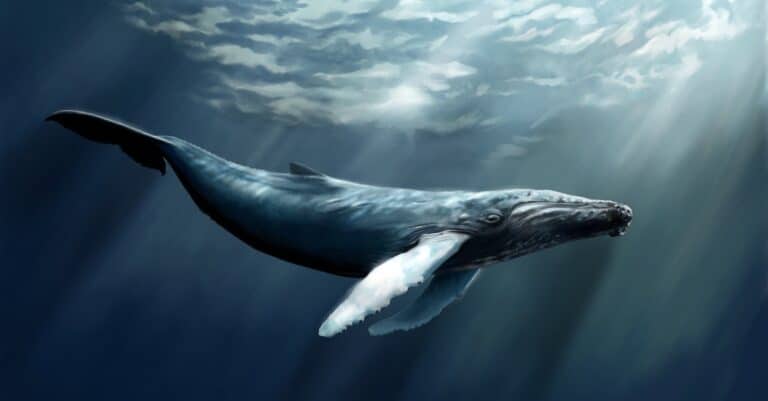
Big flippers. Bigger journeys.
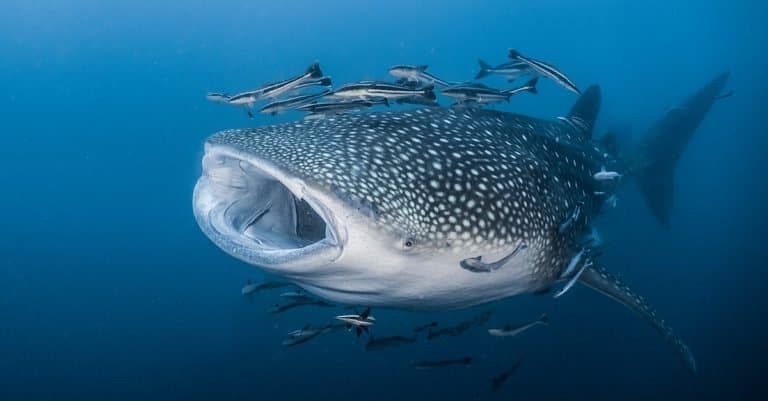
Spot the gentle giant of the seas
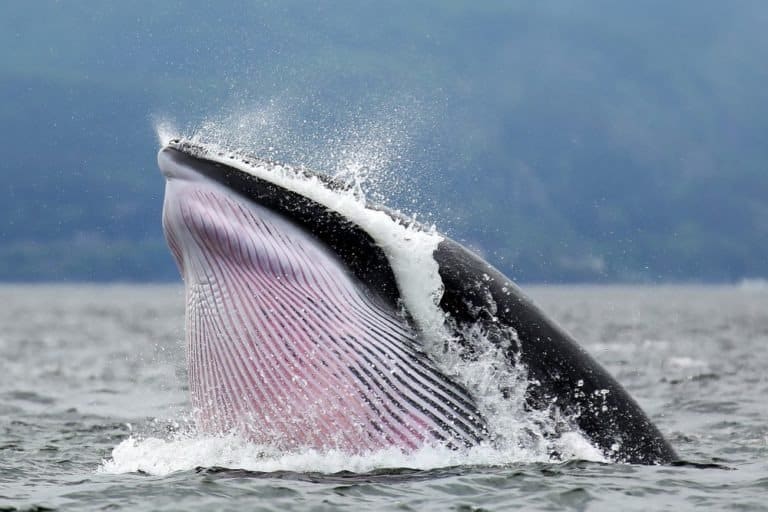
Small rorqual, big ocean presence
Porous powerhouses of the sea
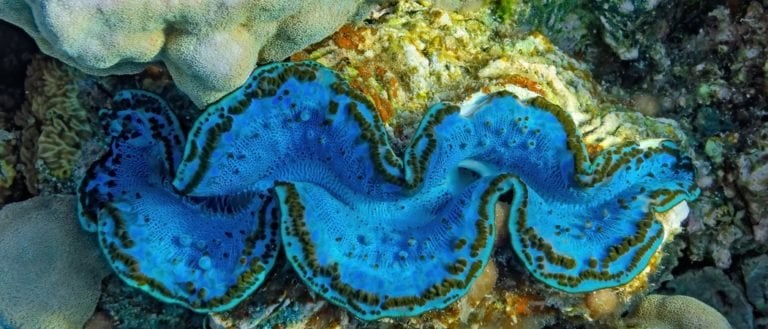
The clam that runs on sunlight.

Tadpole larva, siphon-powered adult
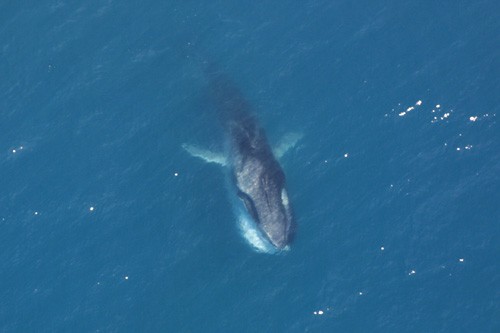
The fast rorqual with a split-color jaw
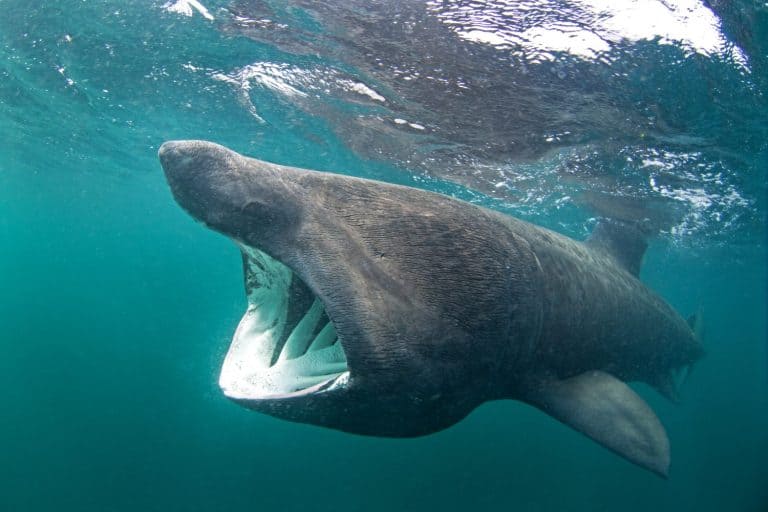
Big mouth, tiny prey.
Reef builders that clean the coast
Wings of the sea, built to filter
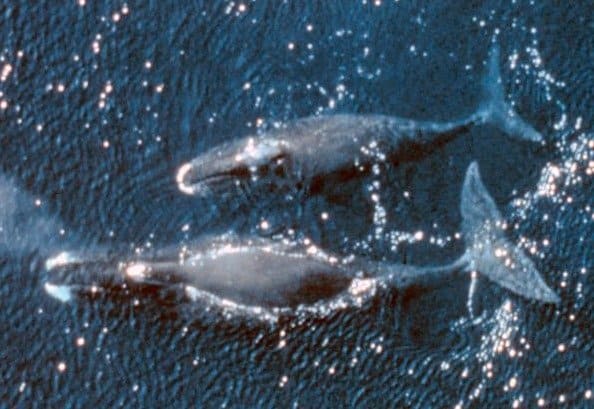
The Icebreaker with a 200-Year Life
Tiny swarms, giant ocean impact
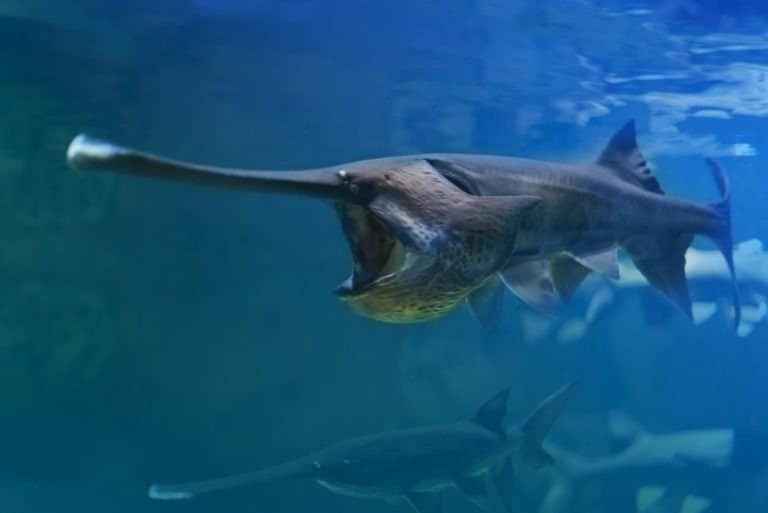
Paddles for noses, rivers for life
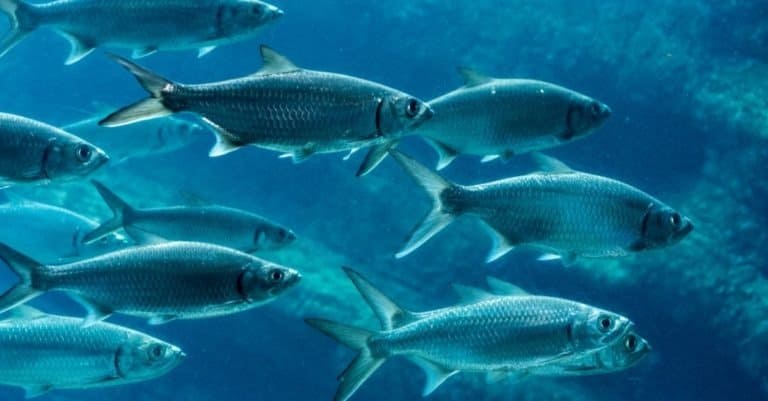
Small fish, huge impact
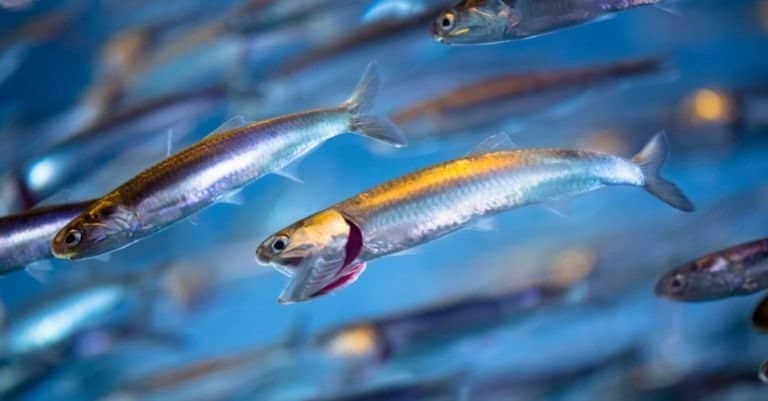
Small Fish, Big Impact
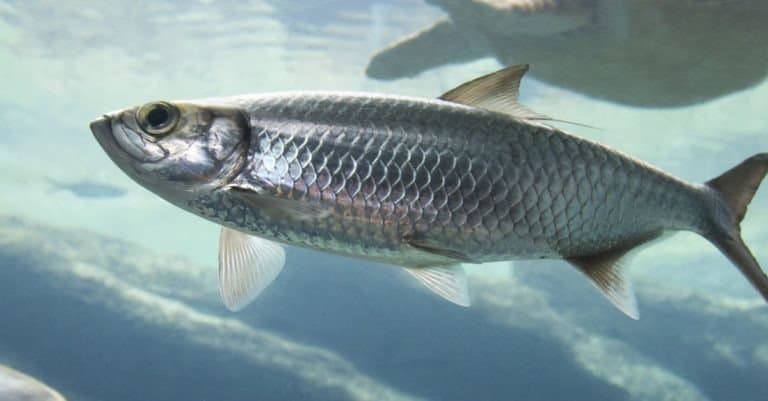
Small fish, huge impact.
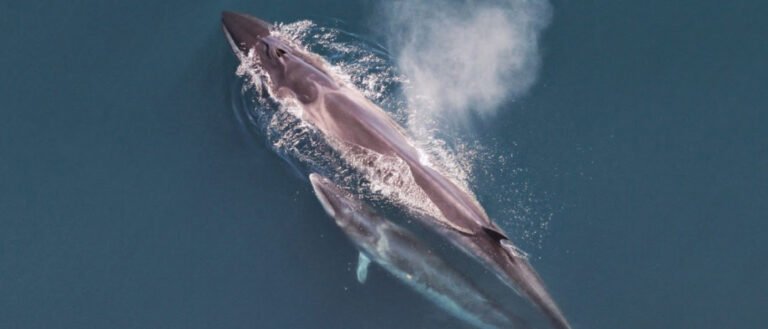
The sleek copepod hunter of the open sea
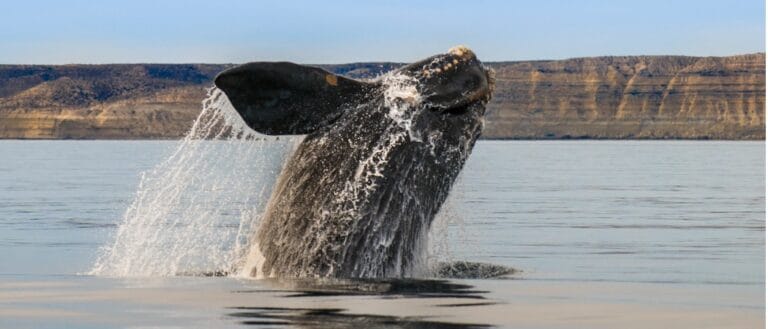
Baleen giants: ocean's living filters
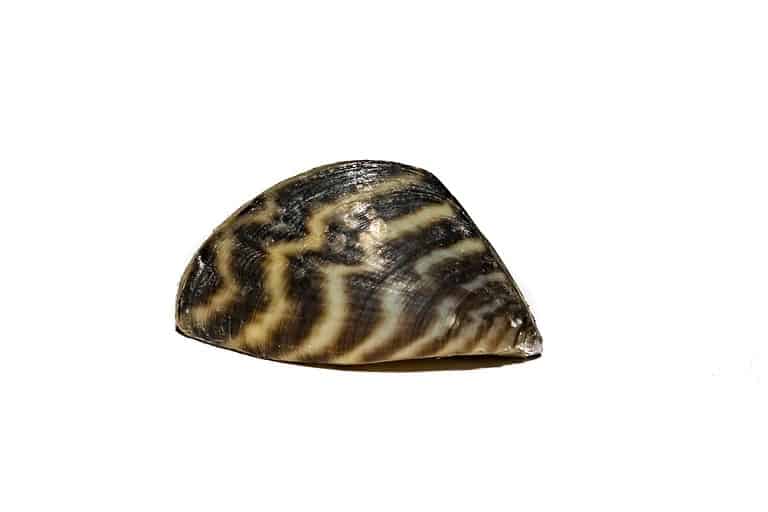
Clean, Drain, Dry-Stop Zebra Mussels
Built for the backwash
Thank you for reading! Have some feedback for us?
We appreciate your help in improving our content.
Our editorial team will review your suggestions and make any necessary updates.
There was an error submitting your feedback. Please try again.