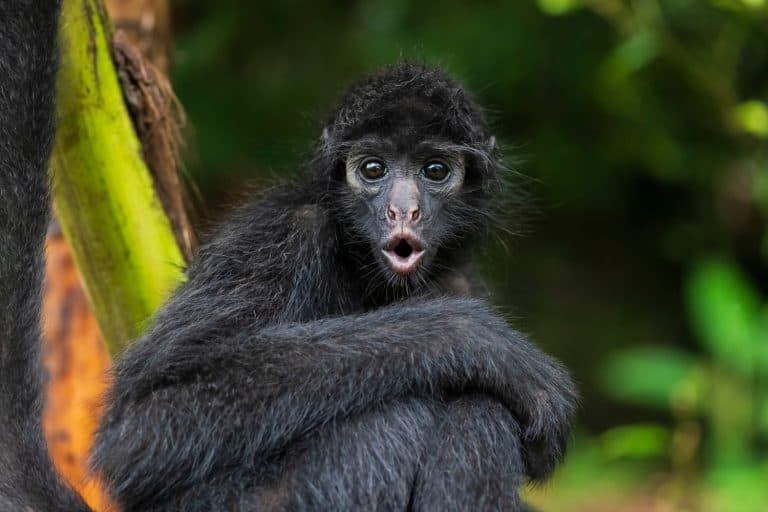
Spider Monkey
Fifth-tail flyers of the rainforest

Fifth-tail flyers of the rainforest
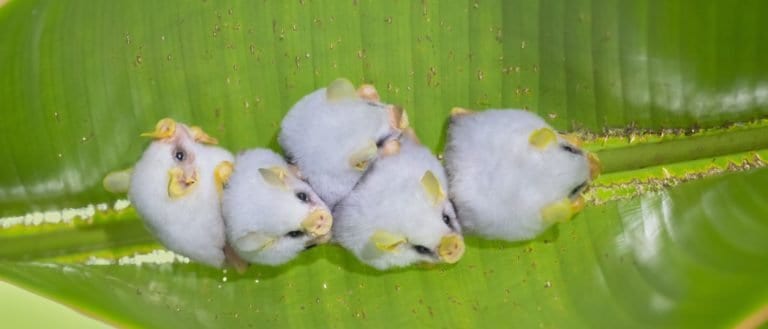
The bat that sleeps in a leaf tent
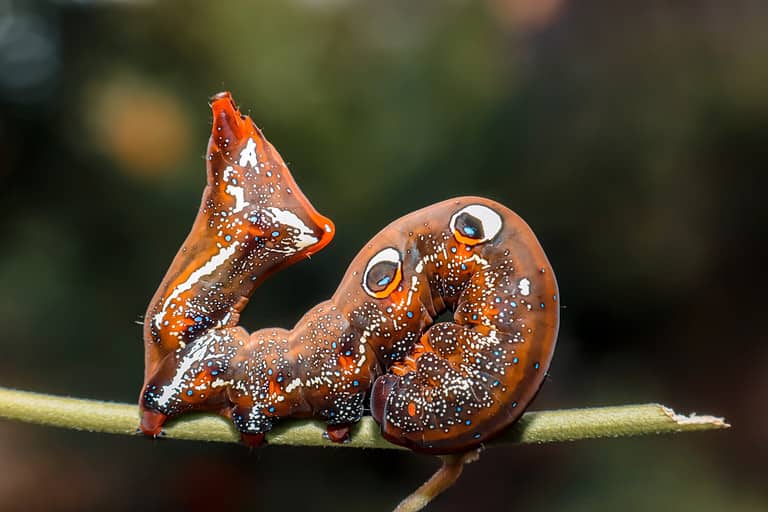
The moth that sips through fruit skins
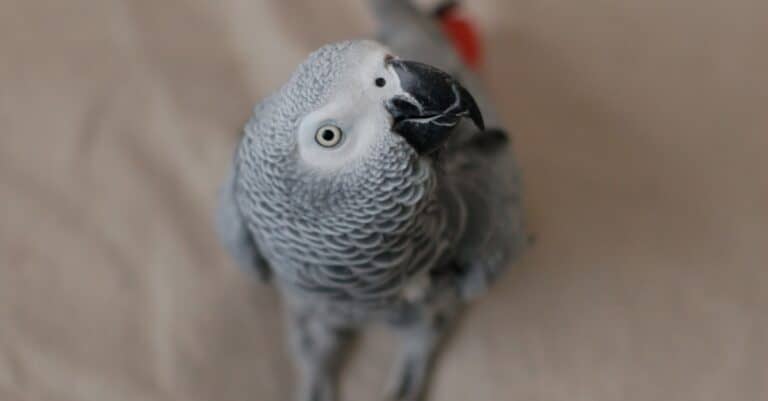
The red-tailed genius of Africa
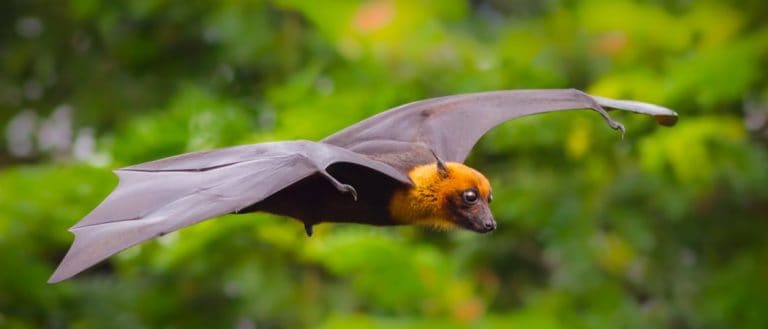
Plant the forest-one flight at a time
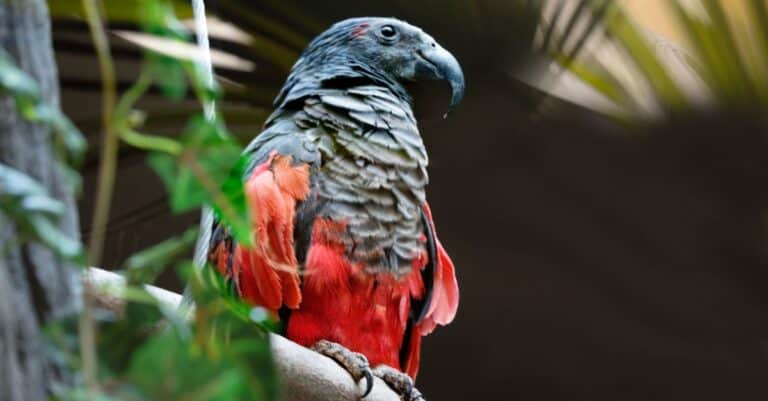
New Guinea's Fig-Eating Dracula Parrot
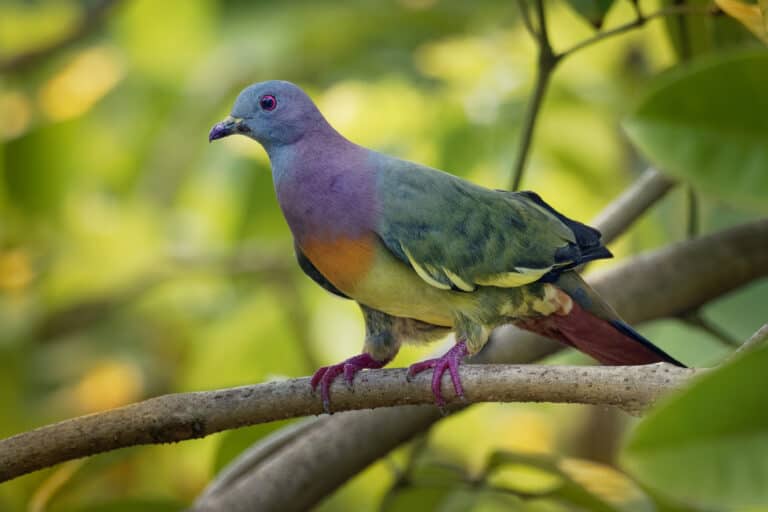
Pink neck, green cloak-seed sower
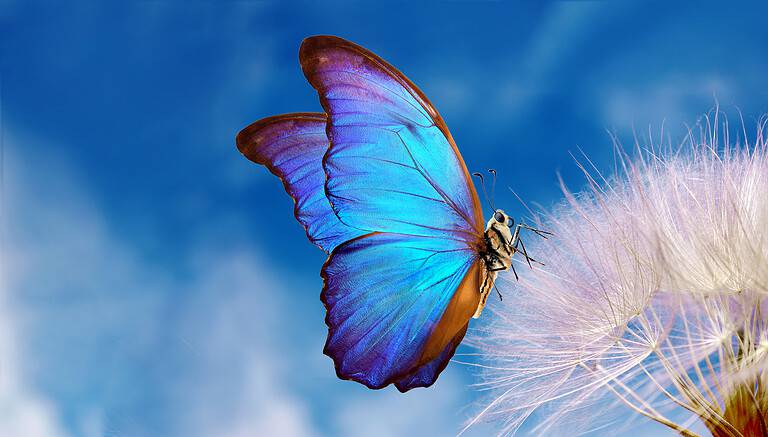
Flash of blue, heartbeat of the rainforest
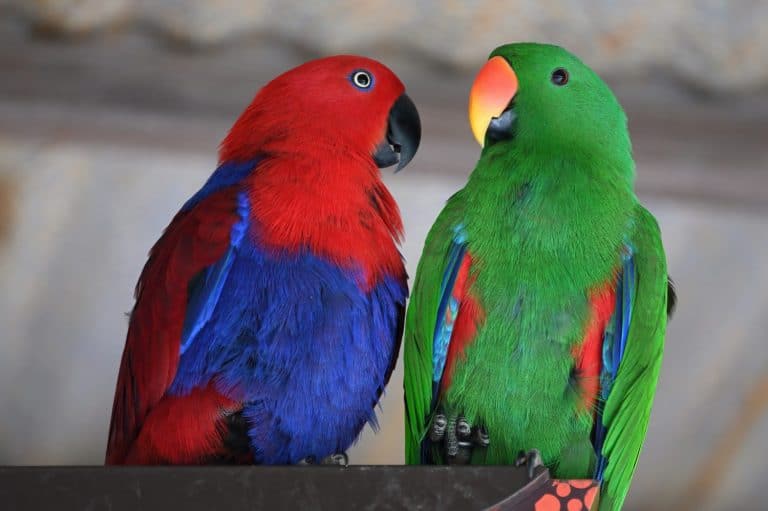
Two sexes, two costumes-one parrot
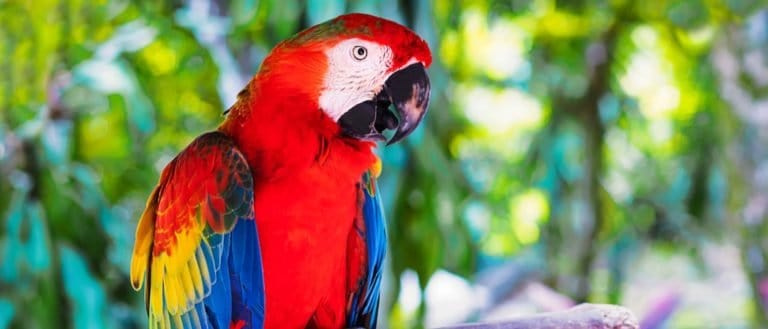
Scarlet skies, rainforest voice.
A frugivore is an organism whose diet consists predominantly of fruits, especially fleshy fruits (the mature, seed-bearing structures of flowering plants). In ecological terms, frugivory is a form of herbivory in which fruit consumption is a primary feeding strategy and often results in seed dispersal through spitting, dropping, or passage through the digestive tract.
Frugivory is a diet where an animal gets most energy and nutrients from fruit, especially soft, sweet fruit when ripe. Fruits are made by plants to be eaten so seeds can move away. Frugivores help plants by carrying seeds, while getting sugars, water, vitamins, and minerals. Many frugivores are birds (hornbills, toucans), bats (fruit bats), primates, and other mammals and reptiles. Some are obligate frugivores that eat mainly fruit all year; others are facultative and eat insects, nectar, or leaves when fruit is scarce. Frugivores shape plant communities by choosing which seeds move, how far, and where seeds are dropped (perches, roosts, paths). Some swallow fruit whole and pass seeds in droppings; others spit or drop seeds. Fruit diets are high in sugars and water, so frugivores often have color vision, special beaks or jaws, and guts for fast sugar digestion.
Etymology: From Latin frux (genitive: fructus) meaning "fruit" or "produce," combined with -vore from Latin vorare meaning "to devour" or "to eat."
"Frugivores eat only fruit and nothing else." (Many species supplement with other foods seasonally or for specific nutrients.)
"Frugivory always destroys seeds." (In many cases seeds remain viable and are dispersed; some species are seed predators, but many are effective dispersers.)
"All fruit includes the seeds, so frugivores must eat seeds." (Some consume pulp and discard seeds; whether seeds are eaten or dispersed depends on the animal and fruit.)
A frugivorous diet gives quick energy from sugars (glucose, fructose, sucrose) and water. Fruits add fiber to help digestion and gut microbes, plus small nutrients like vitamin C, provitamin A carotenoids, potassium, and polyphenols. Because fruit often has little protein, some amino acids, sodium, calcium, or vitamin B12, frugivores eat insects, leaves, seeds, or visit mineral sources (clays, salt licks) to balance nutrients for muscles, bones, nerves, and reproduction.
Frugivores have teeth or beaks shaped to grasp, pierce skins, and crush soft, fleshy fruit, not to cut tough meat or grind fibrous plants; some also handle hard seeds.
Frugivores have digestive systems for quickly handling water-rich, sugar-rich, low-fiber fruit. They use fast stomach emptying and absorb nutrients in the small intestine. Fermentation varies and is often lower than in folivores.
Gut Length: Moderate relative to body length (typically shorter than specialized grazers/folivores; often comparable to omnivores, with species-specific variation).
Obligate/near-obligate frugivores that rely overwhelmingly on fruit (often fleshy fruits) as their primary energy source across seasons, with only minor or incidental intake of other items.
Facultative frugivores that eat a lot of fruit when available but regularly include substantial non-fruit foods (e.g., insects, leaves, seeds, nectar, small vertebrates) depending on season, habitat, or life stage.
Frugivory (eating fruit) evolved many times after land ecosystems had fleshy fruits and animals found and ate them. Early seed plants (Late Paleozoic) had dry seeds, but fleshy fruits spread with angiosperms in the Cretaceous. As angiosperm forests grew in the Paleogene (66–23 Ma), vertebrates (birds, bats, primates) moved from insect or mixed diets to fruit. This came with better color vision and smell, tree grasping or perching, digestive changes for sugary foods, and teeth or beaks for soft fruit. In groups like Old World primates and some birds, animals get calories while plants gain seed dispersal.
Frugivory is a classic example of convergent evolution. Unrelated animals in many groups evolved fruit-based diets when they lived in similar forests and had similar food chances. Examples: New World fruit bats (Phyllostomidae) and Old World fruit bats (Pteropodidae) both specialize on fruit and have good smell, strong jaws, and ways to handle fruit. Primates (spider monkeys, capuchins, chimpanzees) and big frugivorous birds (hornbills, toucans) both forage in the canopy, have good spatial memory, and scatter seeds. Passerines (waxwings, manakins) and parrots evolved special beaks, tongues, and guts for sugary fruit. Some arboreal marsupials and rodents (possums, squirrels) climb and pick ripe pulp like primates. These groups independently evolved the same roles: finding patchy fruit and spreading seeds.
A frugivorous diet is like a fruit-forward human diet (plant-based ones that focus on whole fruit), but no human diet is fully frugivorous. Humans need more nutrients — protein, essential fats, vitamin B12, iron, zinc, iodine, calcium. Studying frugivores shows how fruit sugars and fiber can be used well with each animal’s gut and metabolism. It also shows a fruit-only human diet can be limiting unless mixed with legumes, nuts/seeds, or fortified foods, and helps us learn about seasonal eating and food shortages.
Frugivores (fruit-eating animals like birds, bats, and primates) are key seed dispersers. If they decline, forest regrowth, plant gene flow, and recovery after damage can fall. Diet data help conservation: protect and restore keystone fruiting trees and spread-out fruiting so food is available year-round; make habitat corridors that follow fruit resources; time logging and human work to avoid peak fruiting and feeding; and predict climate change effects on fruiting and animal movements. Diet studies also help reduce crop conflicts and guide restoration of frugivore-plant links.
Frugivores can eat farm fruits, causing crop damage and money loss, especially when native fruit is scarce. They also help farms by spreading seeds that rebuild forests and hedgerows, which improve pollinator habitat, water control, and soil stability near fields. Some bats and birds that eat fruit also eat insects, helping control pests. Farmers can use netting, deterrents, and habitat buffers instead of killing animals; keep native fruiting plants away from crops; and add agroforestry or hedgerows to give fruit alternatives and boost wildlife. The amount of fruit in the landscape affects frugivore visits to farms.
Found across: Primates (many monkeys, apes, some lemurs), Bats (especially Old World fruit bats/flying foxes; also some Neotropical fruit-eating bats), Birds (toucans, hornbills, pigeons/doves, parrots, turacos, manakins, tanagers), Carnivorans with fruit-heavy diets (e.g., binturong, kinkajou, some foxes and civets), Rodents (e.g., agoutis, some squirrels; often fruit and seed consumers), Reptiles (some turtles and lizards/iguanas, especially in floodplains and islands), Fish in certain systems with seasonal fruit fall (some characins and other omnivorous fishes; occasional in carp), Large herbivores as seasonal frugivores and seed dispersers (e.g., elephants, tapirs)
Frugivore: a primary consumer that turns fleshy fruits and arils into animal biomass, linking plants to higher trophic levels. They are major mutualists that disperse seeds by endozoochory (gut passage) or epizoochory (on body or by handling), affecting plant communities, gene flow, and forest regeneration. Their feeding also creates dropped or partly eaten fruit that feed insects, microbes, and scavengers.
Frugivores are primary consumers at a lower trophic level than carnivores, so more energy reaches them from plants. But fruits are often high in water and vary in protein and fat, so frugivores must eat a lot and move widely to meet needs. Where fruit is steady, frugivory can support many animals, but numbers can swing with fruiting cycles. Frugivores also move energy and seeds across the landscape.
Seasonal Variation: Frugivores usually follow fruit timing. When fruit is abundant they eat mostly fruit, gather at fruiting trees, feed more, and move to find patches. In low-fruit seasons they eat fallback foods (insects, nectar, leaves, buds, flowers, cultivated fruits), travel farther, or migrate. Breeding and fattening match fruit pulses; lean times cut reproduction, cause more deaths, and boost competition.
Many frugivores are "forest gardeners": they disperse seeds far from the parent plant-sometimes kilometers away-helping forests regenerate and plants colonize new areas.
Some fruits are effectively "designed" around frugivores: bright colors, strong aromas, and a sweet pulp are signals aimed at getting an animal to eat the fruit and transport the seeds.
Fruit doesn't automatically mean low protein: many frugivores (like some primates and bats) balance a fruit-heavy diet with leaves, nectar, insects, or higher-protein fruits to meet their amino acid needs.
Fruit-eating can be seasonal and strategic: when fruit is scarce, many frugivores switch diets or travel long distances to track fruiting trees, shaping migration and movement patterns.
Some frugivores can tolerate compounds in fruit that deter other animals-like certain tannins or mild toxins-giving them access to food sources competitors avoid.
Seed dispersal by a single fruit bat can function like a nightly "delivery route," moving hundreds of seeds away from parent trees-comparable to scattering handfuls of garden seeds across a neighborhood rather than planting them all in one yard.
Frugivory is more like eating the plant's "advertised" product (the sweet pulp) than the plant itself: the plant pays in calories to hire animals as transport for its seeds.
A fruit-rich diet is energy-dense like "nature's sports drink plus snack"-quick sugars and water together-yet it often requires pairing with other foods to cover nutrients that fruit alone is low in (like some proteins and minerals).
Fifth-tail flyers of the rainforest
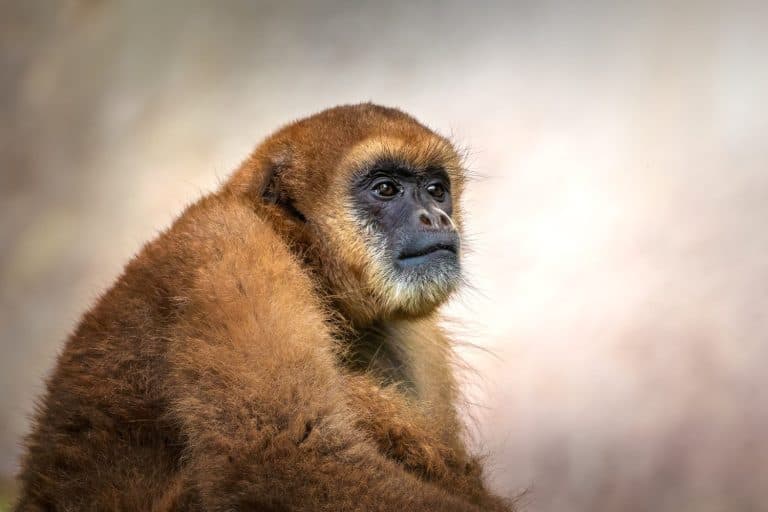
Fifth-tail climbers of the Amazon
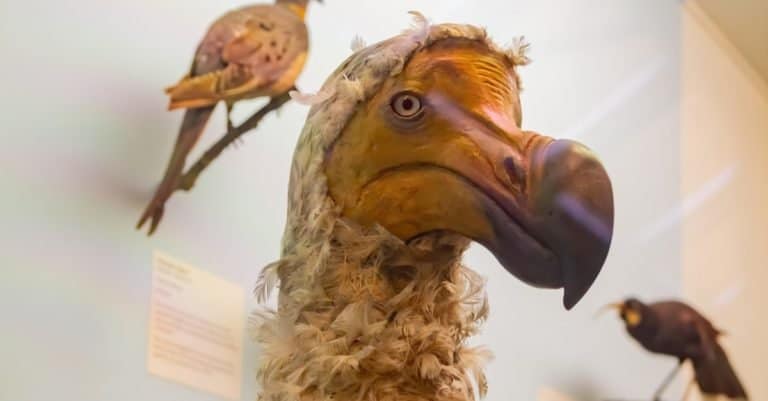
Mauritius' lost pigeon giant
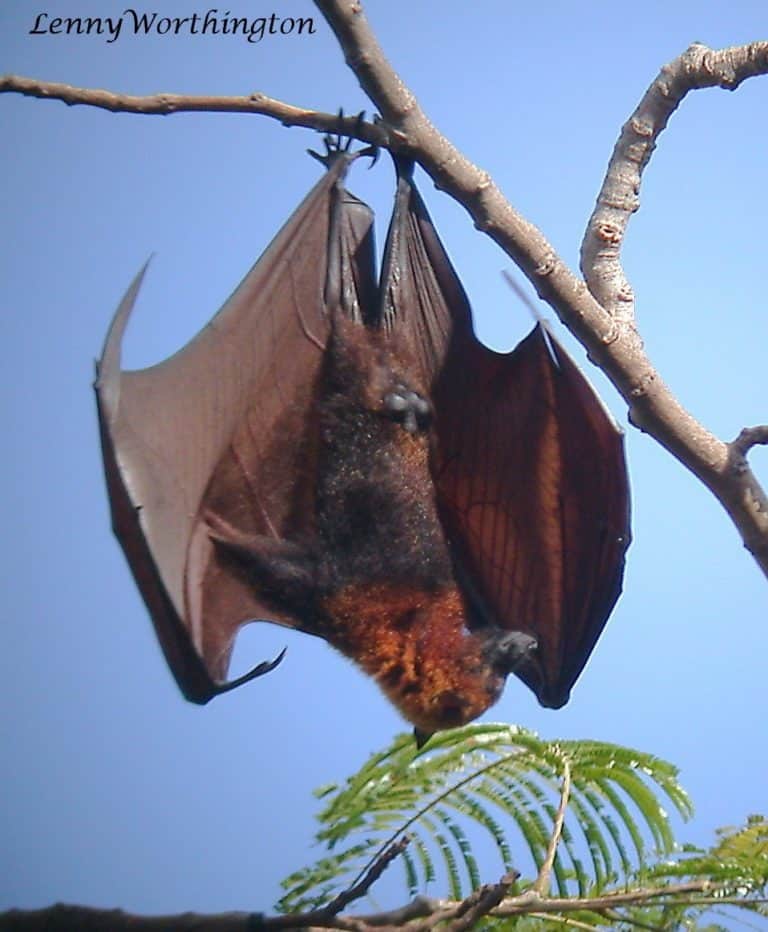
Golden crowns, forest rebirth
The bat that sleeps in a leaf tent
Plant the forest-one flight at a time
Scarlet skies, rainforest voice.
The red-tailed genius of Africa
Two sexes, two costumes-one parrot
New Guinea's Fig-Eating Dracula Parrot
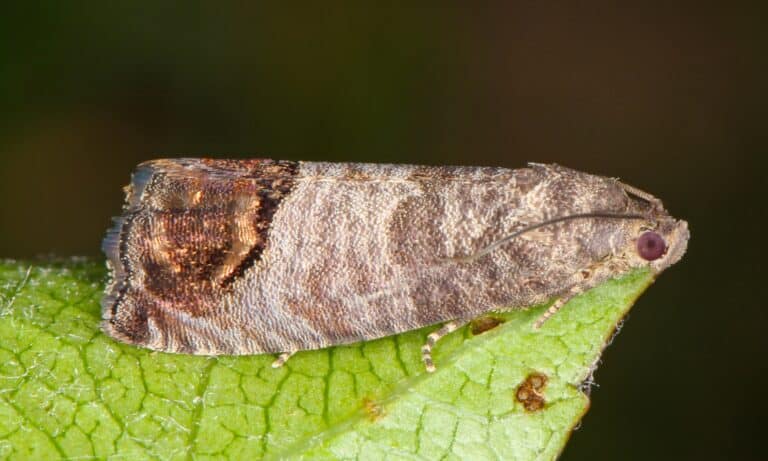
The copper-patched "worm in the apple"
Pink neck, green cloak-seed sower
Flash of blue, heartbeat of the rainforest
The moth that sips through fruit skins
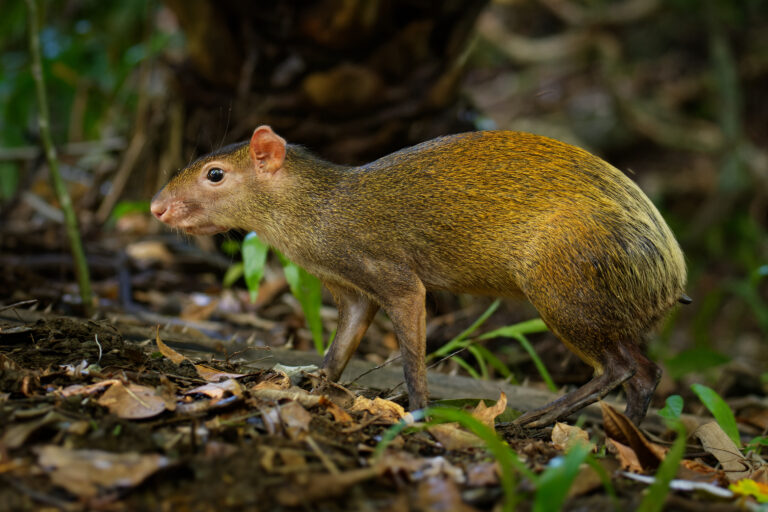
The forest's seed-burying sprinters
Thank you for reading! Have some feedback for us?
We appreciate your help in improving our content.
Our editorial team will review your suggestions and make any necessary updates.
There was an error submitting your feedback. Please try again.