Animal Habitats

Agricultural/Farmland

Cultivated land including cropfields and pastures with farm-associated species
1,988 Animals
1/83 Page
Overview

Understanding This Category

Agricultural habitat (farmland) is land deliberately managed by people for growing crops and/or raising livestock, including the cropped areas and associated features such as field margins, hedgerows, irrigation canals, ditches, and fallows. Its ecological conditions are dominated by repeated disturbance (planting, tillage, harvesting) and management inputs (water, fertilizer, pesticides).

Agricultural landscapes are human-made habitats from small mixed farms to large single-crop fields. Farming uses cycles—tilling, sowing, weeding, harvesting—and adds water and fertilizer, making seasonal food and cover. Most wildlife is found in hedgerows, grassy margins, fallow plots, ditches and ponds. Less intensive, mixed farms support many plants, pollinators, birds, mammals, and amphibians.

Key Characteristics

Human-managed vegetation dominated by crops and/or pasture, with frequent disturbance (tillage, mowing, harvesting).
Strong seasonality and rapid habitat turnover linked to planting/harvest cycles.
Inputs and infrastructure common: irrigation, fertilizers, pesticides, drainage, field roads and tracks.
Mosaic structure that may include semi-natural elements (hedgerows, margins, fallows, ditches, ponds).
Soils often altered (compaction, erosion, nutrient enrichment) relative to nearby natural habitats.
Wildlife communities biased toward generalists and crop-associated species; specialists persist mainly where edges and refugia remain.
High edge effects and connectivity importance; biodiversity strongly influenced by field size and landscape heterogeneity.
Primary productivity is high but simplified, typically favoring a few domesticated species and associated weeds/pests.
Environment

Environmental Conditions

Climate

Temperature Range
5°°C to 35°°C
Precipitation
~300-1200 mm/year (often supplemented by irrigation in drier regions) with seasonal distribution important for planting/growing periods; drought and heatwaves can be limiting without irrigation.

Conditions

Generally high light/open exposure due to low tree cover; full sun dominates in crop fields with partial shade along hedgerows, shelterbelts, riparian strips, and farm buildings; strong seasonal variation as crops grow and are harvested (canopy closes then resets).

Typically includes field ditches, irrigation canals, ponds/reservoirs, farm dams, and drainage tiles; may occur near rivers/floodplains (riverine alluvium) or in coastal lowlands. Water availability often managed via irrigation and drainage; water quality can be influenced by fertilizer/pesticide runoff and sediment.

Ecology

Ecological Community

Biodiversity Level

Medium (often low within intensively managed crop fields but higher in heterogeneous farmland with hedgerows, ditches, fallows, cover crops, and reduced chemical inputs; species richness is typically dominated by generalists and edge-associated species, while specialists decline with high disturbance and simplified landscapes).

Flora

  • Annual crop plants (cereals, oilseeds, legumes, vegetables)
  • Perennial crops (orchard and vineyard species)
  • Pasture and forage grasses
  • Ruderal/weedy forbs in disturbed soils
  • Field-margin plants (hedgerow shrubs, wildflowers, ditch/streamside vegetation)

Fauna

Ecosystem Services

  • Food, fiber, and biofuel production
  • Pollination of crops and wild plants (especially in field margins and orchards)
  • Biological pest control by predators and parasitoids
  • Soil formation and nutrient cycling via decomposers and soil fauna
  • Carbon storage (particularly in soils under reduced tillage, pastures, hedgerows)
  • Water regulation: infiltration, reduced runoff/erosion where ground cover and margins are maintained
  • Erosion control through cover crops, grassed waterways, and hedgerows
  • Habitat connectivity and refuge provided by hedgerows, ditches, fallows, and uncultivated patches
  • Cultural services: rural landscape values, recreation, and educational opportunities
Conservation

Conservation Status

Mixed and mostly degraded: agricultural land is still large and growing in some places, but habitat quality and biodiversity have fallen in many areas because of more intensive farming, simpler crop rotations, loss of semi-natural features, heavy agrochemical use, and less habitat connection. Farmland can support much biodiversity with low-intensity farming and field margins, but those are becoming rare.

Estimated ~30-60% loss of traditional, low-intensity/high-nature-value farmland features (e.g., hedgerows, fallows, diverse rotations, wet field margins) in many regions over the past century; while total cropland area has not declined globally, the structurally diverse components that support biodiversity have often been substantially reduced. Lost
Increasing Current Trend

Primary Threats

  • Intensification (monocultures, frequent tillage, drainage, pesticide/herbicide use, high fertilizer inputs) simplifies structure and reduces food resources; nutrient runoff drives eutrophication in adjacent waters.
  • Removal of hedgerows, fallows, wetlands, and riparian buffers; consolidation into larger fields; roads/irrigation canals fragment remaining semi-natural elements.
  • High irrigation demand and groundwater extraction reduce river flows, dry wetlands/ditches, and lower resilience of farmland-adjacent habitats.
  • Heat, drought, altered rainfall timing, and more extreme events shift crop suitability and phenology; increases pest pressure and can intensify irrigation and chemical reliance.
  • Conversion of natural habitats to cropland/pasture in parts of the tropics and drylands increases overall footprint and landscape fragmentation.
  • Disturbed, nutrient-rich systems favor invasive weeds/pests; high-density production can facilitate disease dynamics and pesticide resistance.
  • Peri-urban growth converts high-quality soils and breaks landscape connectivity, increasing disturbance and edge effects.

Protection Efforts

  • Agri-environment schemes (payments for hedgerows, flower strips, fallows, skylark plots, delayed mowing)
  • Maintaining/restoring semi-natural features: hedgerows, stone walls, ditches, ponds, riparian buffers, shelterbelts
  • Reducing agrochemical impacts: integrated pest management (IPM), precision fertilization, pesticide risk reduction, vegetated buffer strips
  • Soil and water conservation: cover crops, reduced/zero tillage where appropriate, contour farming, erosion control, wetland/ditch management
  • Diversification: crop rotation complexity, intercropping, agroforestry, maintaining mixed farming mosaics
  • Certification and standards (e.g., organic, regenerative agriculture initiatives, commodity sustainability standards)
  • Conservation easements/land trusts and protected landscape designations that allow compatible farming
  • Wildlife-friendly infrastructure (bird-safe mowing/harvest practices, set-asides during nesting, pollinator habitat networks)

Notable Protected Areas

Ifugao Rice Terraces (Rice Terraces of the Philippine Cordilleras, UNESCO World Heritage, Philippines) Val d'Orcia Cultural Landscape (UNESCO World Heritage, Italy) Wachau Cultural Landscape (UNESCO World Heritage, Austria) Causses and Cévennes, Mediterranean agro-pastoral cultural landscape (UNESCO World Heritage, France) Cinque Terre Cultural Landscape / Cinque Terre National Park (Italy) Satoyama-linked protected landscapes and park networks (Japan; various protected landscape designations incorporating traditional agricultural mosaics)

Restoration Potential

Moderate to high for biodiversity and ecosystem function at landscape scale: restoring field margins, re-wetting drained areas, rebuilding hedgerow networks, diversifying rotations, and reducing chemical inputs can rapidly improve pollinators, birds, and soil biota. Full restoration is constrained by production targets, land tenure, and commodity economics, but targeted measures can yield strong gains without removing land entirely from production.

Climate Vulnerability

High: productivity and habitat quality are sensitive to drought/heat, shifting pest and disease pressures, and extreme rainfall/flood events. Adaptive capacity varies widely-diverse rotations, agroforestry, soil organic matter rebuilding, and water-smart irrigation improve resilience, but water scarcity and compounding heat extremes can sharply reduce both yields and associated biodiversity.

Human Impact

Human Interaction

Human Uses

  • Food production (grains, vegetables, fruits, legumes, oilseeds)
  • Fiber production (cotton, flax, hemp)
  • Animal feed and forage production (hay, silage, pasture-linked systems)
  • Biofuel and bioproduct feedstocks (corn, sugarcane, oil crops)
  • Seed production and plant breeding trials
  • Pollination-dependent specialty crops supported by managed and wild pollinators
  • Water management and storage functions via irrigation networks, ditches, and farm ponds
  • Habitat provisioning in field margins (hedgerows, riparian strips, fallows) for pest control and pollination services
  • Soil resource use and management (tillage, amendments, compost/manure application)

Impacts

  • Habitat simplification and fragmentation from field enlargement and hedgerow removal, reducing connectivity for wildlife
  • Biodiversity declines from intensive monocultures, frequent disturbance, and reduced floral/structural diversity
  • Agrochemical impacts (pesticides, herbicides, fertilizers) causing non-target mortality, reduced pollinator abundance, and soil biota changes
  • Nutrient runoff/leaching leading to eutrophication of streams, lakes, and coastal waters
  • Soil degradation: erosion, compaction, loss of organic matter, salinization in irrigated systems
  • Water extraction for irrigation altering river flows, wetlands, and groundwater levels
  • Greenhouse gas emissions (nitrous oxide from fertilizers, methane from rice paddies and livestock systems, CO2 from soil carbon loss)
  • Spread of invasive species and pathogens via trade, machinery, and disturbed margins
  • Light/noise disturbance and road mortality near farms with increasing infrastructure
  • Exposure risks for farmworkers and nearby residents (chemical drift, dust, heat stress)

Sustainable Practices

  • Diversified crop rotations and intercropping to break pest cycles and improve soil fertility
  • Reduced/zero tillage, cover crops, and residue retention to limit erosion and build soil carbon
  • Integrated Pest Management (monitoring, thresholds, biological control, targeted applications) to reduce pesticide use
  • Precision agriculture (variable-rate nutrients/irrigation) to reduce inputs and runoff
  • Buffer strips, riparian setbacks, and constructed wetlands to intercept nutrients/sediments
  • Hedgerow restoration, flower strips, and beetle banks to support pollinators and natural enemies
  • Managed fallows and set-asides to provide refuge habitat and overwintering sites
  • Efficient irrigation (drip, scheduling, soil moisture sensors) and salinity management
  • Nutrient management planning (manure/compost timing, nitrification inhibitors where appropriate)
  • Agroforestry and silvopasture to increase structural diversity and resilience
  • Rotational grazing and pasture management to maintain ground cover and reduce compaction
  • Certification/standards (organic, regenerative, conservation compliance) and outcome-based monitoring for biodiversity and water quality
Fun Facts

Did You Know?

Farmland isn't just crops-field margins (hedges, ditches, grassy strips, fallows) often hold more wild species than the crop itself, acting like mini nature reserves.

Many wild plants and animals have evolved to exploit farm rhythms: some species time breeding or migration to sowing/harvest cycles and post-harvest "leftovers."

Irrigation doesn't just add water-it can create entirely new wet habitats (canals, rice paddies, drainage ditches) that support fish, amphibians, and waterbirds.

Not all "weeds" are ecologically bad: some provide critical nectar, seeds, or host plants for butterflies and pollinators-especially when crops aren't flowering.

Small changes can have big outcomes: reducing pesticide use or adding flowering strips can rapidly increase beneficial insects that help control pests.

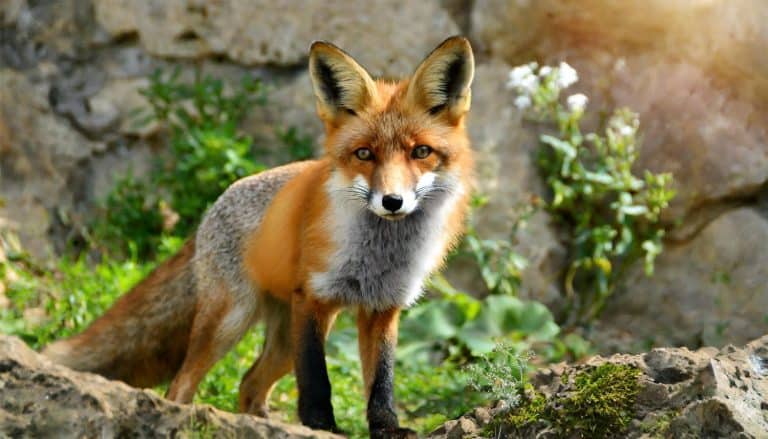
Some "pests" are actually key prey: farmland rodents can sustain owls, foxes, and raptors-predators that also help keep crop damage in check.

Farm soils are living ecosystems: a single handful can contain billions of microbes, plus a network of fungi that helps plants access nutrients and water.

Biodiversity on farms depends heavily on connectivity-fields near woodlots, wetlands, and hedgerows usually support far more wildlife than isolated monocultures.

Think of a farmed landscape like a city for wildlife: the crop is the "downtown," while hedgerows, ditches, and fallows are the parks, sidewalks, and back alleys where many species actually live.

Hedgerows function like wildlife highways-linear corridors that let animals move between habitat patches the way greenways connect neighborhoods.

A monoculture field is like a buffet with only one dish: great for a few specialists, but hard for most species to survive year-round.

Cover crops are the farm equivalent of leaving a blanket on the soil-protecting it from erosion, feeding soil life, and keeping nutrients from washing away.

Pollinators on farms work like a delivery service: they move "packages" of pollen between flowers, improving yields for many fruits, nuts, and seeds.

Integrated pest management is like preventative medicine: monitoring and targeted actions reduce the need for "strong antibiotics" (broad-spectrum pesticides).

The world's largest single crop by harvest is often sugarcane-farmland can be so productive that one crop can outweigh all others by billions of tons in a good year.

The biggest farm operations can span hundreds of thousands of hectares-large enough to be seen as geometric patches from space.

Agriculture is the largest human use of land by area: roughly half of the world's habitable land is used for farming (cropland + grazing).

Some of the most extreme "made" habitats on Earth are irrigated deserts: fields in places that would otherwise be almost plantless can become major food-producing landscapes.

Hedgerows can be biodiversity hotspots: in some regions, a single kilometer of hedge can contain dozens of woody plant species and provide nesting sites for many birds and insects.
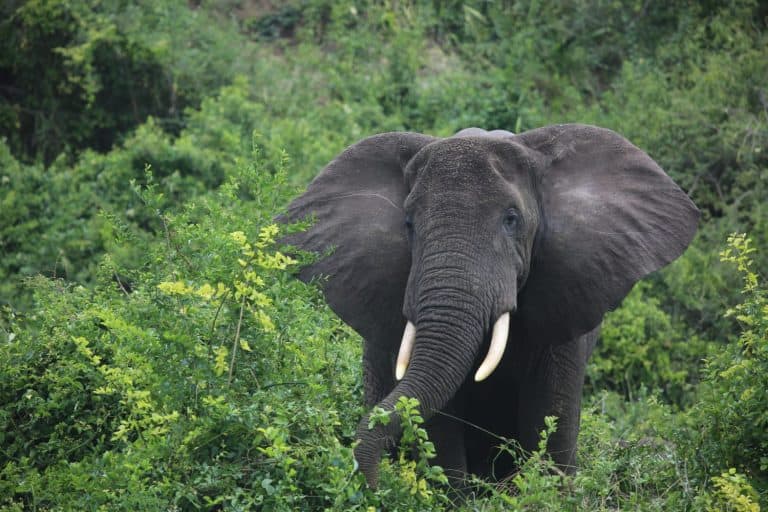
Agricultural/Farmland Animals

Showing 1-24 of 1,988

All Animals A-Z

A

B

C

G

M

P

S