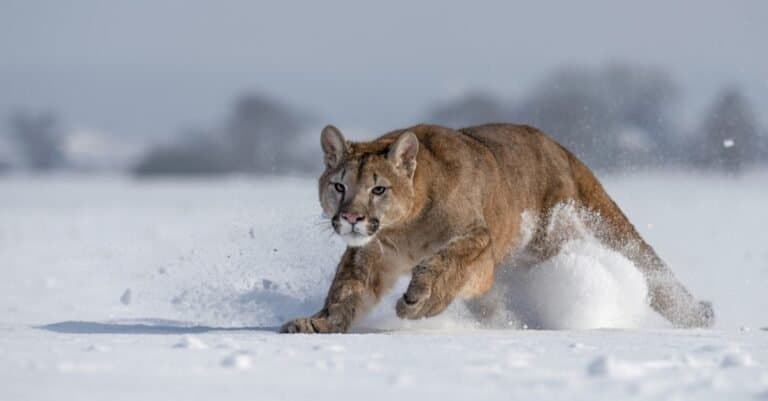
Cougar
One cat. Two continents.

One cat. Two continents.
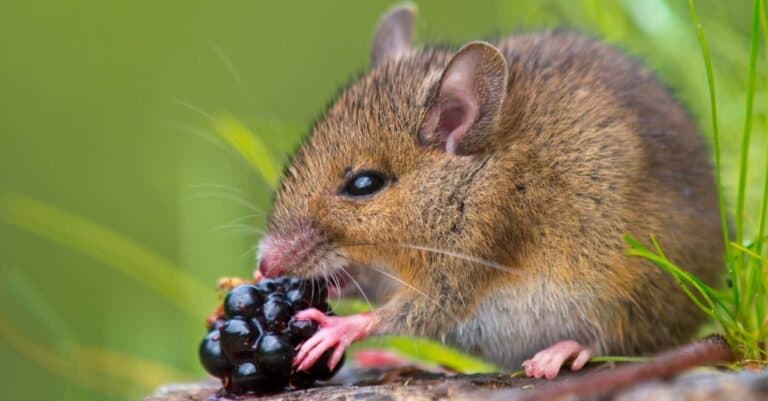
Small gnawers, huge impact.
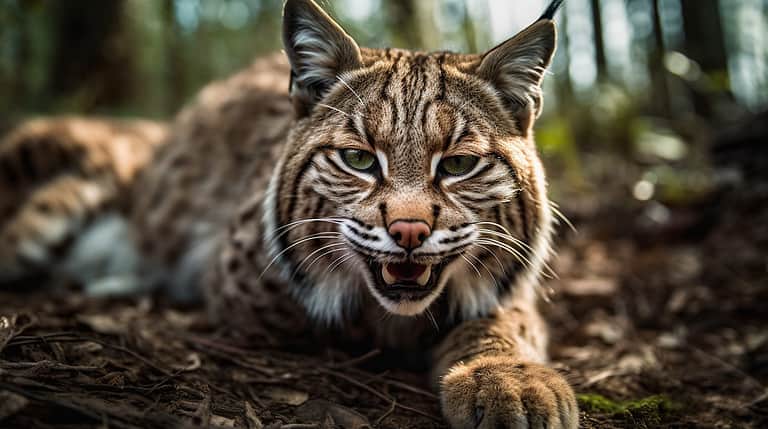
Small lynx, big adaptability.
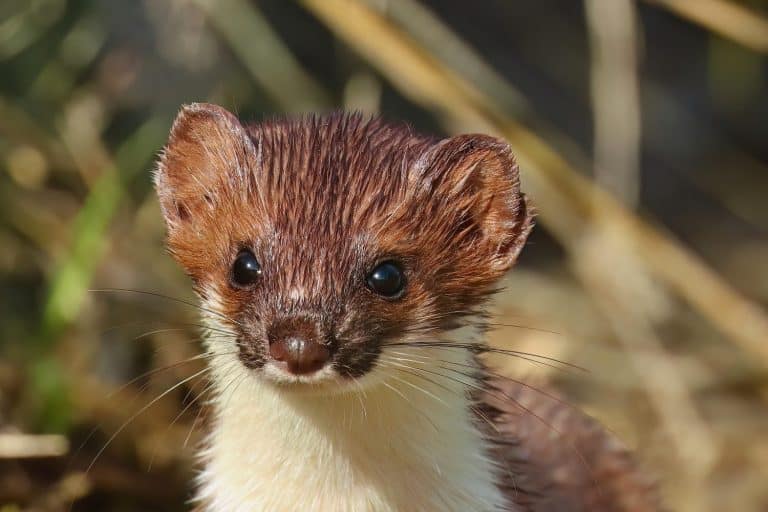
Small body, fearless hunter
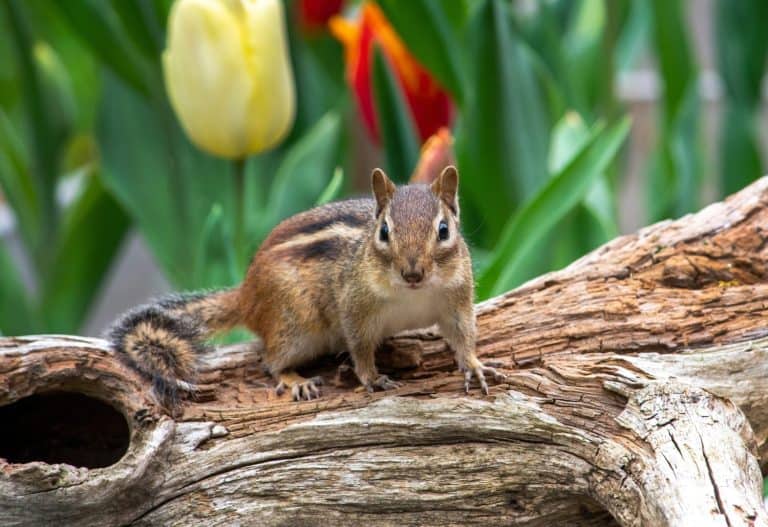
Pocket-cheeked, stripe-backed foragers
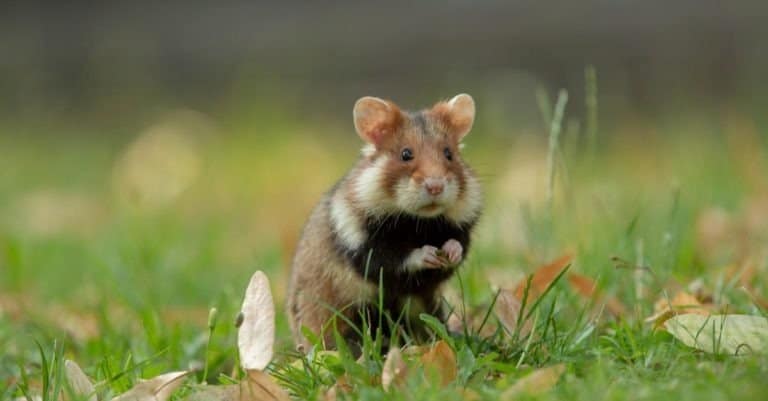
Pouches, burrows, and big impacts
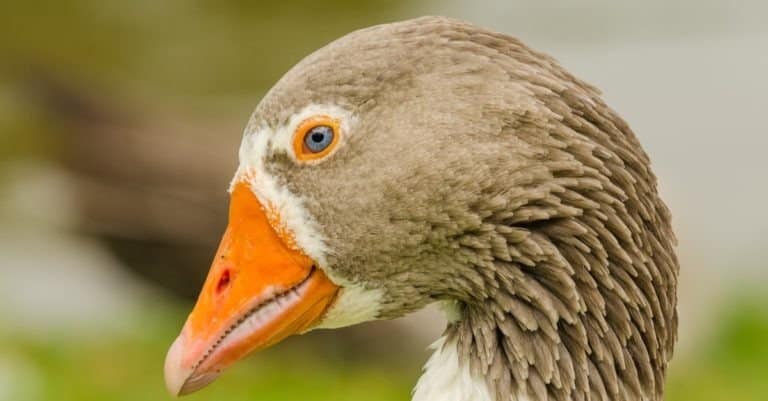
Webbed feet, sky roads, wetland lives
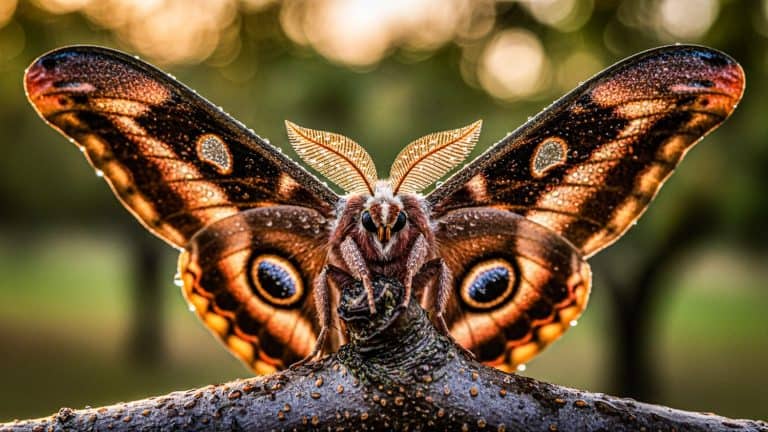
More than night flyers
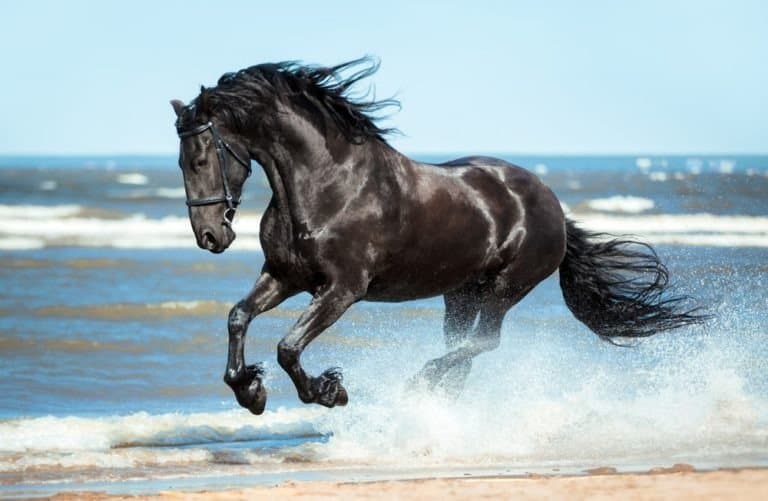
One hoofbeat, a thousand histories
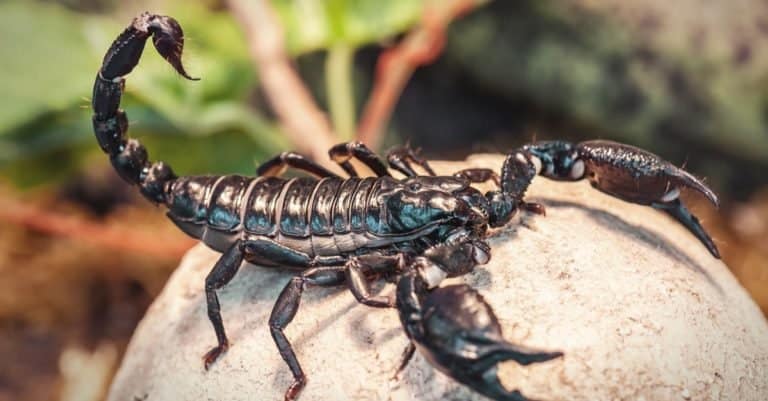
Glow at night, strike with precision
A prairie is a temperate grassland habitat dominated by perennial grasses and flowering forbs, with few trees because of climate (moderate rainfall, periodic drought) and recurring disturbance-especially fire and grazing. It typically forms extensive open landscapes with deep, fertile soils and high seasonal variability.
Prairies are open grasslands of grasses and wildflowers with few trees because fires, grazing, and dryness keep woody plants away. Fire and herbivores like bison create short- and tall-grass patches that support many insects, birds, and small mammals. Deep roots build rich soils, store carbon, hold water, and resist drought. Many prairies became farms, so remnants are vital.
High light availability (open canopy); full sun with minimal tree cover; strong seasonal photoperiod and frequent wind-driven exposure.
Primarily intermittent to perennial streams and small rivers (often in riverine corridors), shallow wetlands/seasonal ponds (prairie potholes in some regions), seeps, and ephemeral drainages; water availability varies strongly with season and drought. Aquatic parameters (currents/salinity) generally freshwater; currents range from still (ponds/wetlands) to moderate in streams.
Medium to high: Plant diversity is often high (many grasses and especially forbs), and invertebrate diversity can be very high; vertebrate diversity is moderate but includes specialized grassland birds and burrowing mammals. Overall diversity depends strongly on disturbance regime (fire/grazing), habitat size and connectivity, and prevention of woody encroachment and conversion to cropland.
Temperate prairies (temperate grasslands) are among the most changed and least protected land habitats worldwide. Much is turned to cropland and heavy grazing, breaking prairie into small, separate patches, cutting native plant diversity and stopping fire-grazing patterns, causing sharp declines in grassland birds and pollinators. Even where grass remains, invasive plants, soil damage, and changed water flow degrade condition.
Moderate to high where land can be reallocated from intensive agriculture and where remnant prairies exist as seed sources. Prairie vegetation can be re-established relatively quickly (years to decades), but full recovery of soil structure, microbial communities, and pre-conversion biodiversity (especially invertebrates and some specialist plants) can take decades to centuries. Large, contiguous restorations with reintroduced/managed fire and grazing show the best outcomes.
Moderate to high. Prairies are adapted to climate variability, fire, and grazing, but fragmentation and altered hydrology reduce resilience. Increased drought/heat, shifting precipitation timing, and more extreme events can drive compositional change, stress ground-nesting birds and pollinators, and increase invasion risk. Maintaining large connected areas, heterogeneity (fire-grazing mosaics), and diverse native plant assemblages improves adaptive capacity.
Prairies aren't "empty" landscapes-they're often more like upside-down forests, with much of their structure and diversity hidden in roots, rhizomes, and soil life.
Fire is not just tolerated-it's often essential. Many prairie plants are adapted to burn and can resprout rapidly because their growing points are protected at or below the soil surface.
Grazing can increase diversity when it's patchy: large herbivores create a mosaic of short and tall areas, which benefits different birds, insects, and plants.
A prairie in peak bloom can host an astonishing variety of flowers (forbs), even though grasses dominate the overall cover-many of the showiest species are seasonal "cameos."
Prairies can be excellent carbon storers because so much plant material ends up underground; carbon is often locked into soil rather than wood.
What looks like "just grass" is frequently hundreds of species woven together-plants, pollinators, ground-nesting birds, burrowing mammals, fungi, and microbes form a tightly linked community.
Wind is a key architect: many prairie plants are built to flex, not snap, and their seeds are often designed to ride gusts across open ground.
Prairie streams and wetlands can be biodiversity hotspots within the grassland matrix, acting like oases for amphibians, waterfowl, and specialized plants.
A prairie is like an iceberg: the scenic part is above ground, but the largest, most important mass (roots and soil life) is hidden below.
Think of fire on the prairie like pruning in a garden-periodic "resetting" removes old growth, recycles nutrients, and keeps woody plants from taking over.
Prairie grasses behave like spring-loaded carpets: they bend with wind, recover after grazing, and bounce back quickly after disturbance.
If forests are "wood-based ecosystems," prairies are "soil-based ecosystems"-their wealth is stored in deep, dark topsoil rather than trunks.
A prairie is a patchwork quilt: different burn histories, grazing intensity, and moisture levels stitch together many micro-habitats in one landscape.
Prairie roots are like a living rebar grid: they hold soil in place, reduce erosion, and help water soak in rather than run off.
Some prairie soils (mollisols) are among the most fertile on Earth-built over thousands of years by dense grass roots and steady nutrient cycling.
Tallgrass prairie plants can reach "basketball hoop" height or more in wet years; big bluestem is often called the "king of the prairie" for its towering stature.
In many prairie regions, most of the plant's biomass is underground: grass root systems can extend several feet deep, making prairies champions of below-ground growth.
Prairies can experience huge seasonal extremes-hot, windy summers and frigid winters-yet remain highly productive because grasses rebound quickly after stress and disturbance.
Some of the fastest ecological "turnarounds" happen on prairies: after a burn, green regrowth can appear within days, and flowering can surge dramatically the same season.
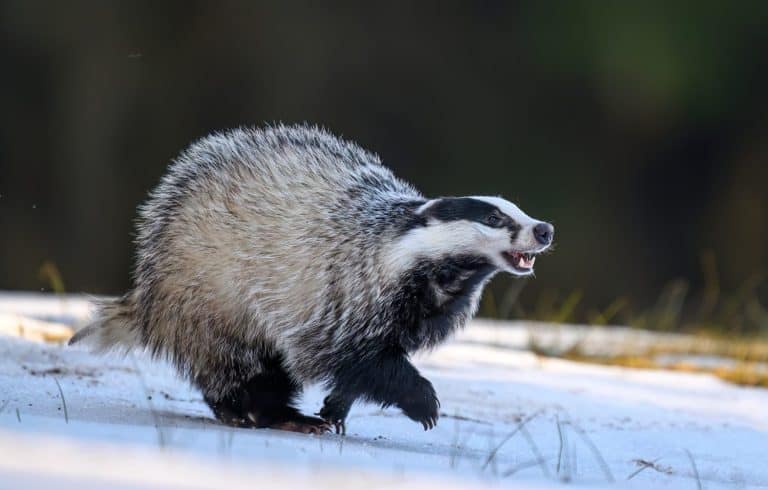
Built to dig. Born to endure.
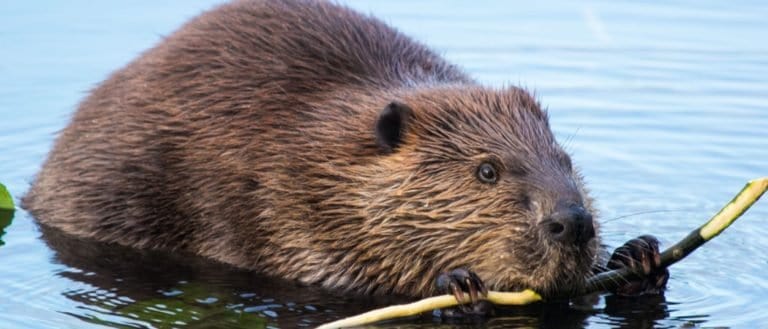
Build wetlands, shape worlds.

Small hunter, big household legend
One cat. Two continents.
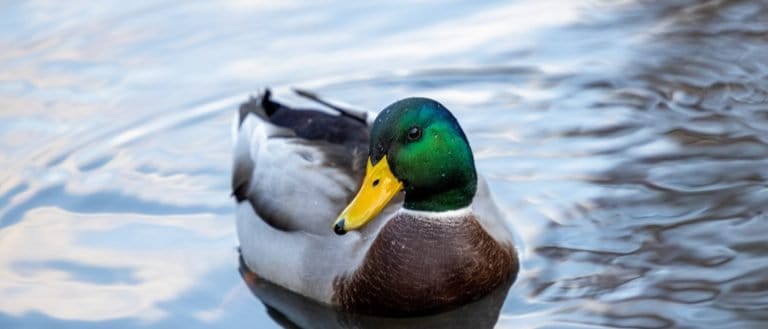
Webbed feet, world travelers.
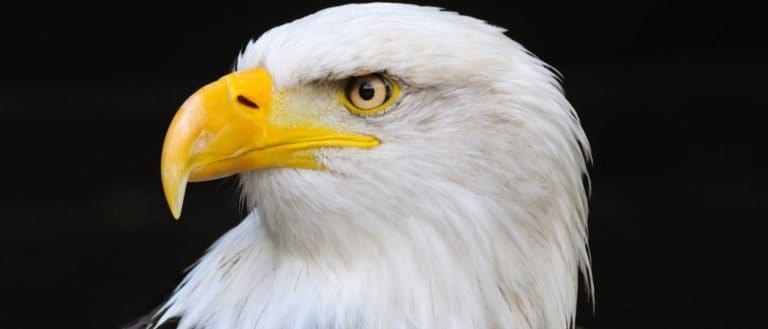
Built to soar, born to strike
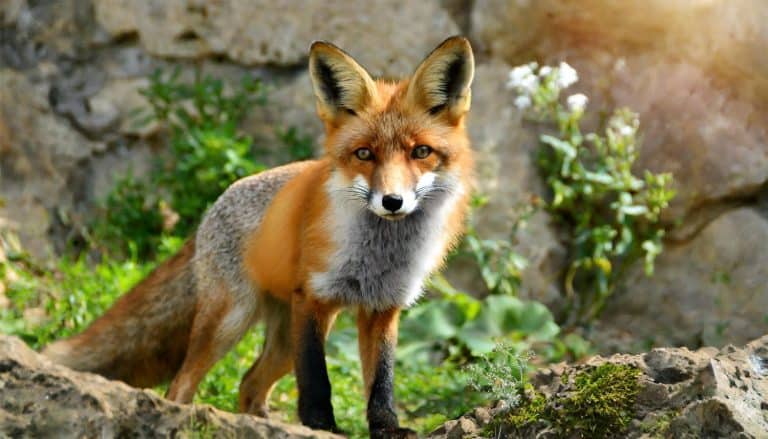
From dunes to tundra-fox smart.
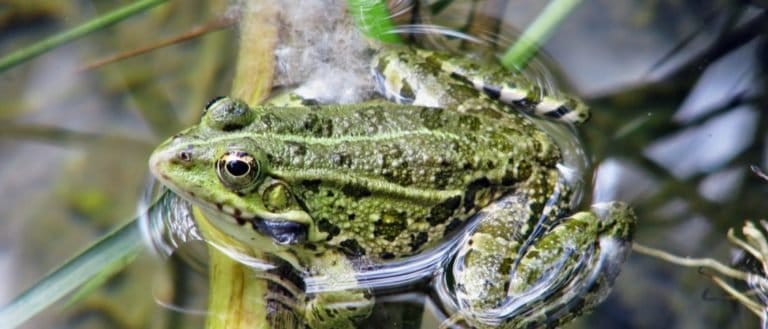
Tailless jumpers, masters of change
Webbed feet, sky roads, wetland lives
Pouches, burrows, and big impacts
One hoofbeat, a thousand histories
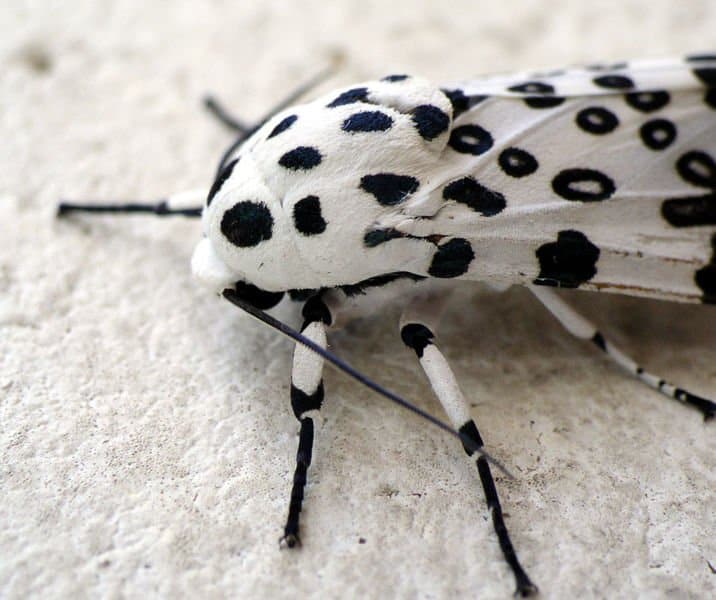
Six legs, endless lives.

From geckos to dragons-lizard power
Small gnawers, huge impact.
More than night flyers
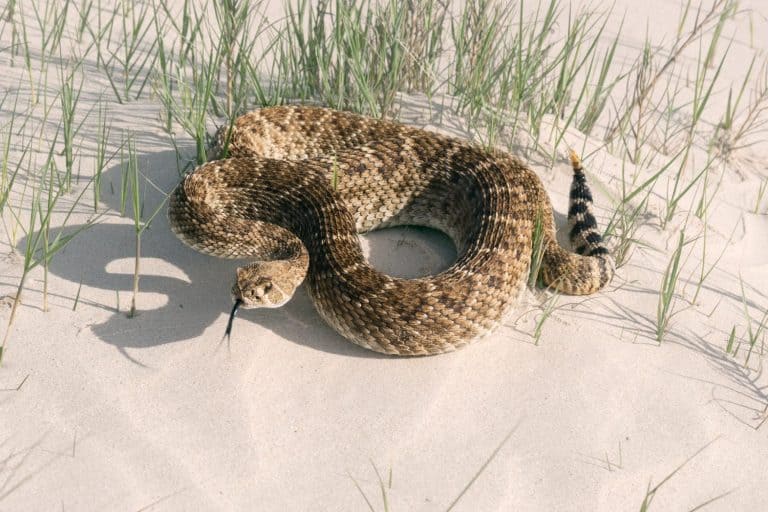
Hear the rattle, give it space.
Glow at night, strike with precision
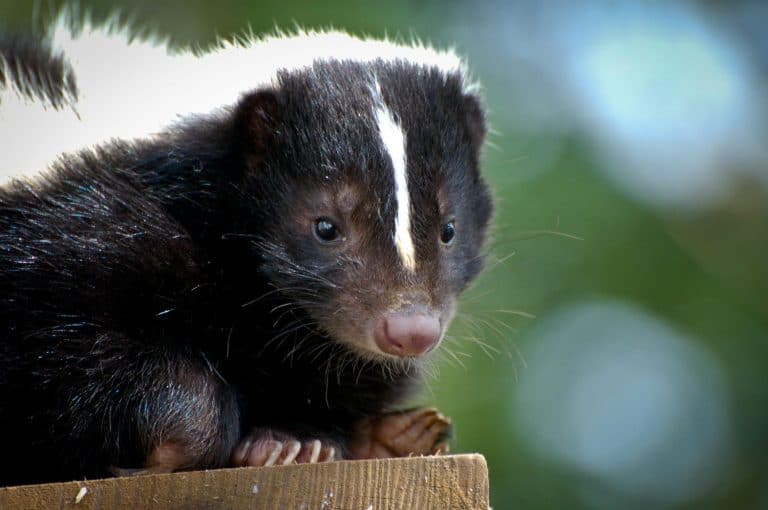
Bold stripes, bigger attitude.
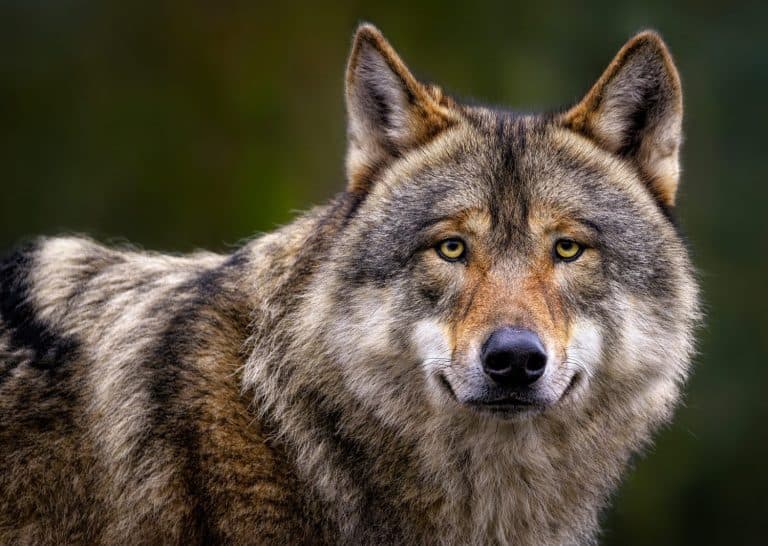
Packs, howls, and healthy wildlands
Small lynx, big adaptability.
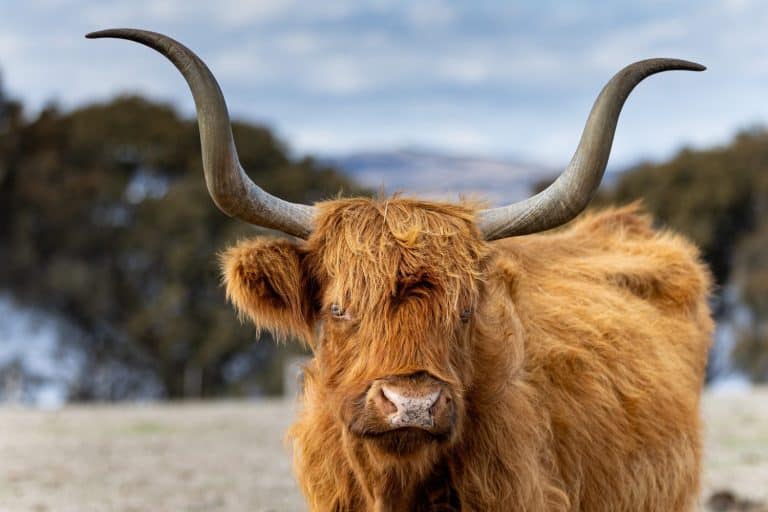
Built for bad weather, born in Scotland
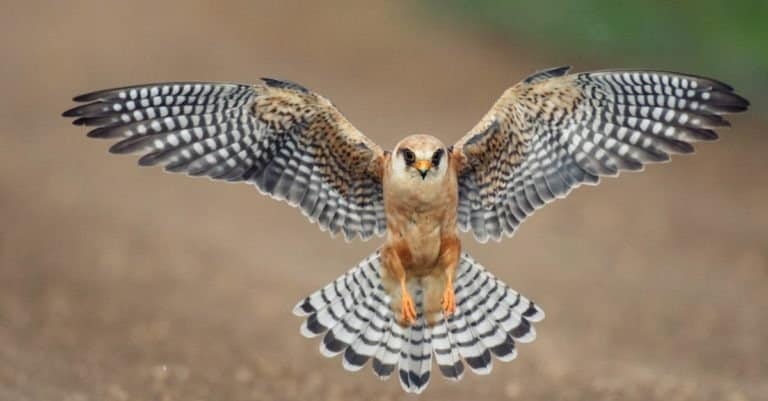
Speed, smarts, and sky mastery
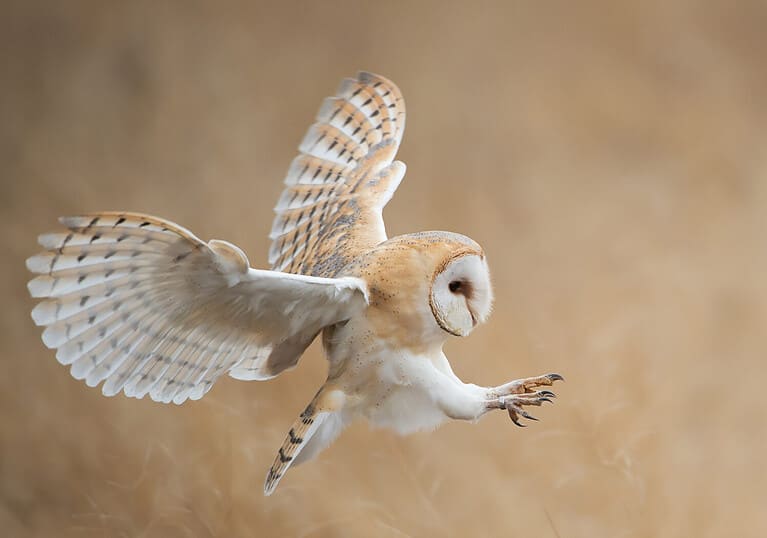
Heart-faced hunter of the night
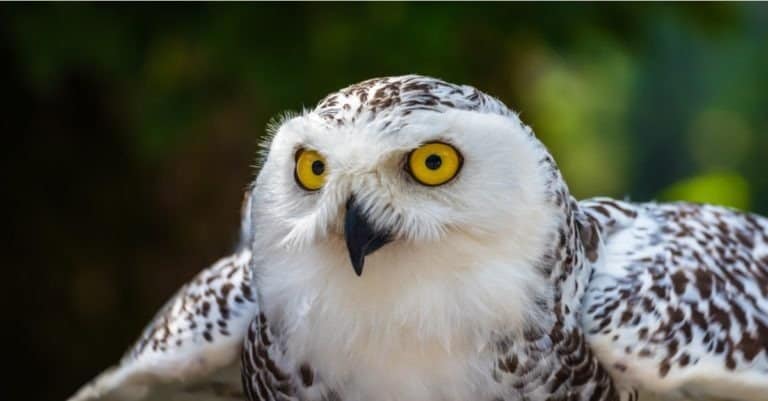
White hunter of the wide tundra
Thank you for reading! Have some feedback for us?
We appreciate your help in improving our content.
Our editorial team will review your suggestions and make any necessary updates.
There was an error submitting your feedback. Please try again.