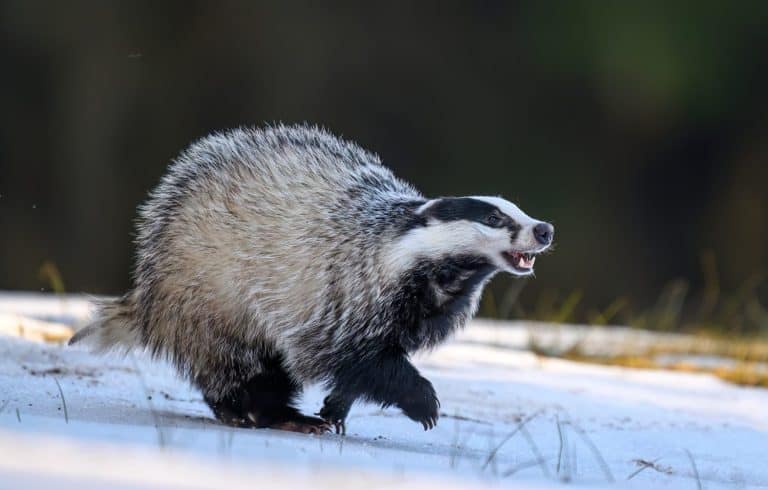
Badger
Built to dig. Born to endure.

Built to dig. Born to endure.
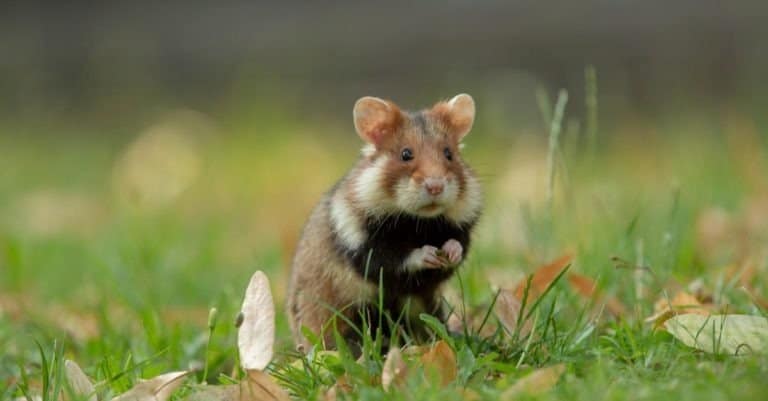
Pouches, burrows, and big impacts
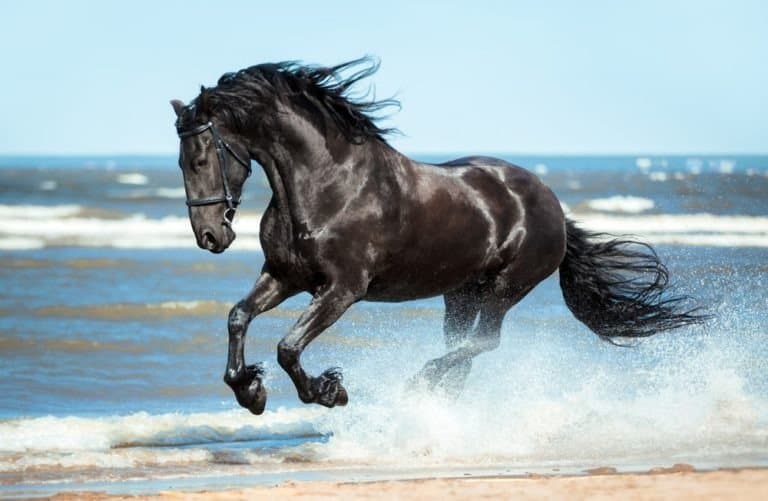
One hoofbeat, a thousand histories

Humps of fat, miles of grit
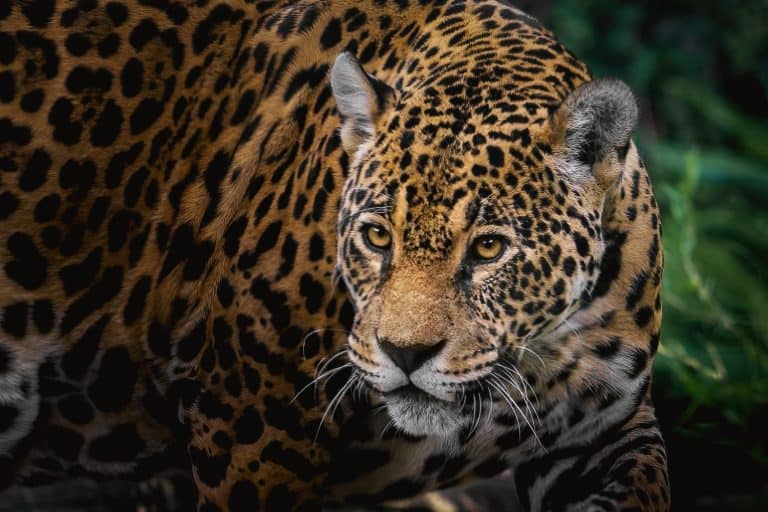
Power of the Americas' apex cat
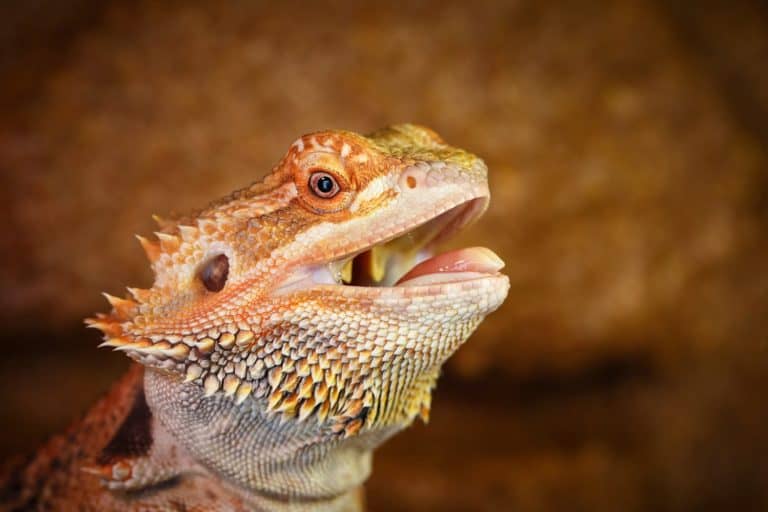
Big beard, bright sun, bold attitude.
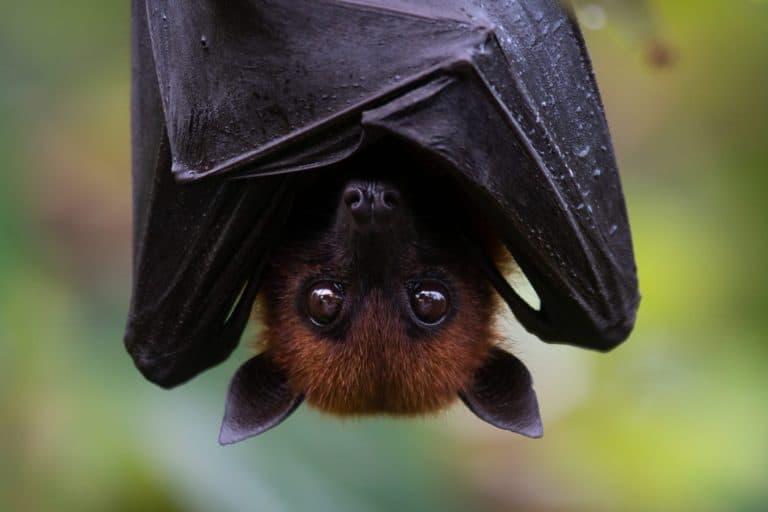
Night pilots of the mammal world
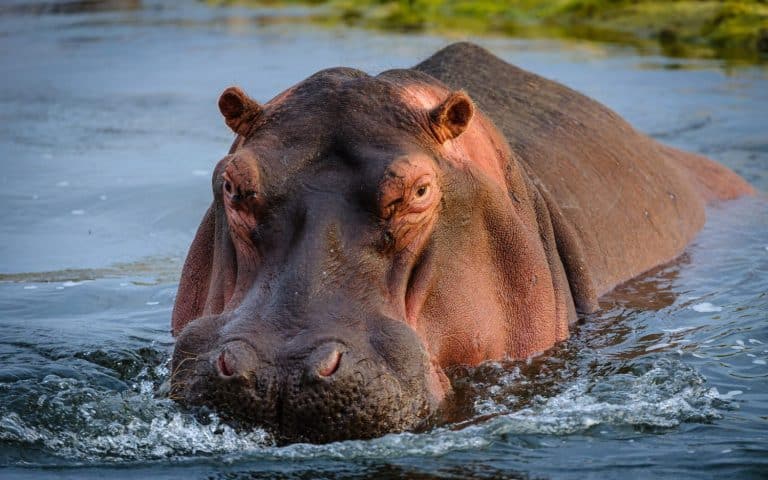
Big river grazer, bigger attitude
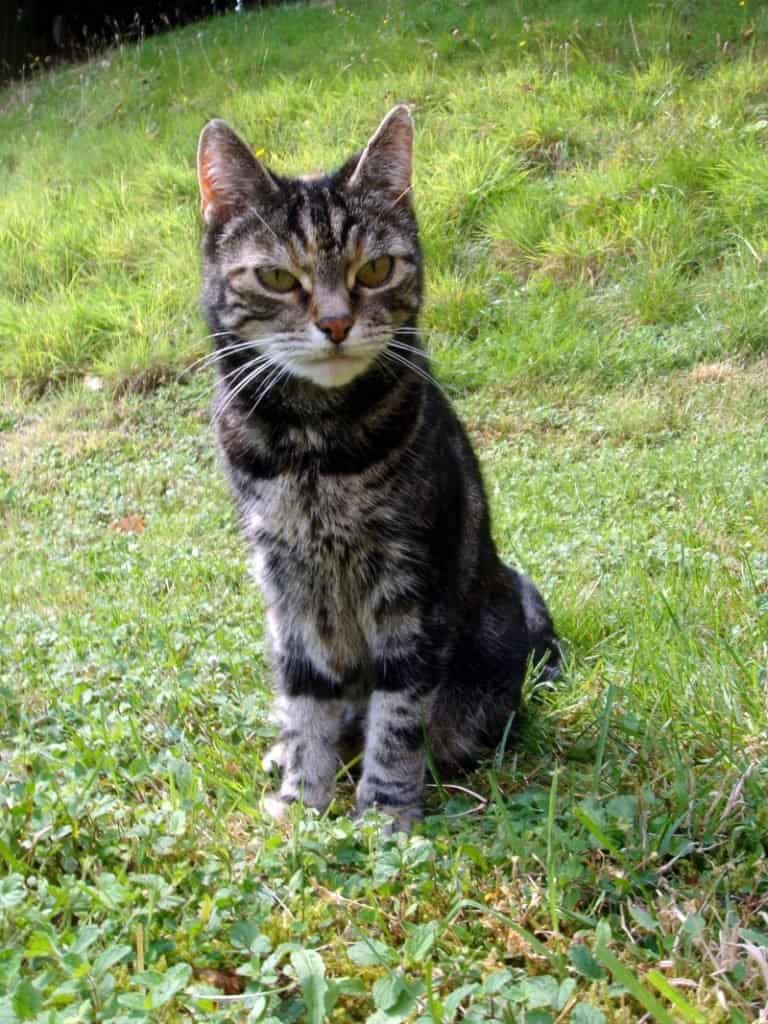
Small hunter, big household legend
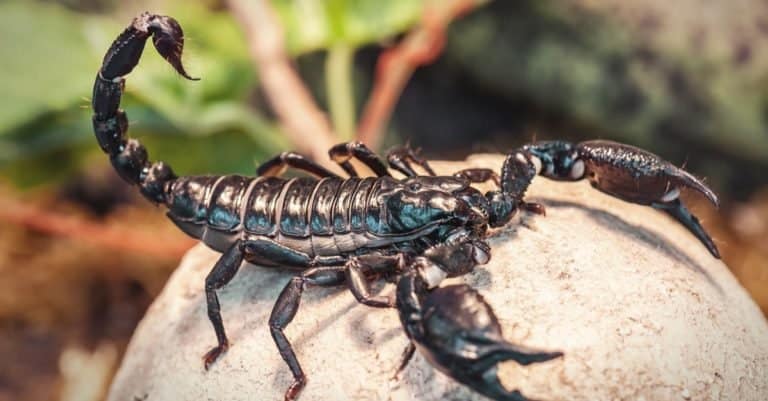
Glow at night, strike with precision
A savanna is a tropical to subtropical, grass-dominated habitat with scattered trees and/or shrubs, maintained by seasonal rainfall, periodic drought, frequent fire, and grazing. It forms a shifting mosaic between open grassland and woodland depending on soils, rainfall, and disturbance.
Savannas are grasslands with scattered trees shaped by wet and dry seasons, fire, and grazing. Grasses grow fast in the wet season; dry fires help grasses that grow back quickly and keep tree cover thin. Plants have deep roots or thick bark. Wildlife includes large grazing mammals, birds, reptiles, insects, and predators. Wet spots and rivers give dry-season refuge.
High light/insolation year-round; generally open canopy with intense direct sunlight. During wet season, cloud cover and tall grasses can reduce ground-level light locally; frequent fire maintains open structure and high light availability.
Water availability is strongly seasonal. Common features include seasonal streams and rivers, floodplains, ephemeral pools/pans, wetlands that expand in the wet season, and permanent waterholes/lakes along riverine corridors; soils may become temporarily waterlogged in low-lying areas during rains.
High - savannas typically support high biodiversity because they combine grassland and woodland elements, create strong seasonal pulses of resources, and maintain habitat mosaics via fire-grazing interactions. Diversity is especially high for large mammals, birds, and insects (notably termites and pollinators), though local richness can vary with rainfall, soil fertility, and degree of fragmentation or overgrazing.
Moderate to poor overall condition globally, with substantial conversion and fragmentation in many regions (notably South American savannas such as the Cerrado, parts of East/Southern Africa, and northern Australia near development fronts). Ecological integrity is often reduced by altered fire regimes, intensive grazing, and loss of large herbivores/predators, though large intact blocks still persist in some protected and remote landscapes.
Moderate to high where conversion has not been intensive and soils/hydrology remain intact: recovery can be rapid with managed grazing and appropriate fire regimes, plus reseeding native grasses. Lower and slower where long-term cultivation, erosion, severe compaction, invasive dominance, or woody encroachment have fundamentally altered soils and vegetation structure.
High. Savannas are strongly governed by rainfall seasonality and fire; projected increases in heat extremes, drought frequency, and rainfall variability can reduce productivity, intensify fire risk, and shift biome boundaries (including CO2-driven woody encroachment in some regions). Vulnerability is greatest where landscapes are fragmented, water sources are limited, and wildlife migrations are constrained.
Savannas aren't "failed forests": they're often stable ecosystems maintained by the combination of seasonal rainfall, fire, and grazing-remove one and the whole system can shift.
Trees can be present yet still "lose" to grasses: grasses regrow quickly after fire and grazing, while tree seedlings are repeatedly "top-killed" (burned or browsed back) and kept in a shrub-like state for years.
Fire can increase biodiversity: patchy burns create a mosaic of fresh regrowth, tall grass, and unburned refuges-different species specialize in different patches.
The ground can hold more carbon than the trees: many savannas store a large share of their carbon underground in roots and soils, even when the tree cover looks sparse.
Some plants are built for burning: thick bark, resprouting buds, and underground storage organs let many savanna species treat fire less like a disaster and more like a reset button.
Wet season doesn't just "add water"-it moves the whole food web: insects boom, grasses flush, predators track herbivores, and breeding seasons often synchronize with rainfall pulses.
Think of a savanna as a "seasonal switchboard": the wet season turns the system on (growth, breeding, insects), and the dry season turns it down (dormancy, fire readiness, migrations).
Savannas are ecological middle-grounds-like a gradient dial between grassland and forest, with the setting controlled by rainfall, soils, fire frequency, and grazing pressure.
Fire in savannas is often like pruning in a garden: regular, smaller "cuts" can maintain open structure and prevent dense woody takeover-though too much or poorly timed fire can be harmful.
Savanna trees are like iceberg plants: a modest canopy can hide an enormous investment below ground in roots and stored energy to survive drought and fire.
Grazers and browsers split the buffet: grazers (e.g., zebra) are lawnmowers for grasses, while browsers (e.g., giraffe) are like hedge-trimmers for shrubs and trees-together they shape vegetation.
Largest tropical savanna on Earth: Brazil's Cerrado-often called the "upside-down forest" because many plants invest heavily in deep roots.
One of the world's biggest intact savanna ecosystems: northern Australia's tropical savannas span vast areas and experience some of the most frequent large-scale fires on the planet.
Among the most spectacular animal migrations: the Serengeti-Mara system hosts one of Earth's largest mass movements of large mammals (especially wildebeest and zebra) tied to seasonal rains.
Fire as a mega-force: in many savannas, frequent burning can be the dominant "architect" of vegetation structure-sometimes more decisive than herbivores in keeping landscapes open.
Deep-root champions: many savanna trees and shrubs send roots several meters down to survive long dry seasons-often far deeper than their above-ground size suggests.
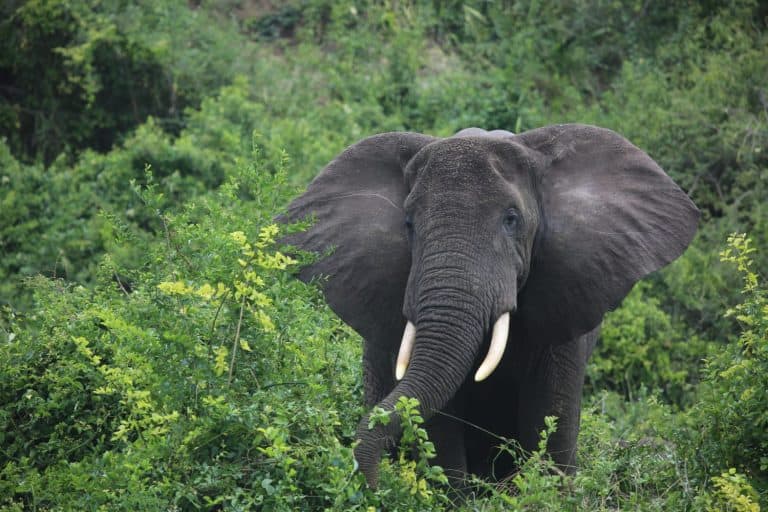
The rainforest's master gardener
Built to dig. Born to endure.
Night pilots of the mammal world
Humps of fat, miles of grit
Small hunter, big household legend
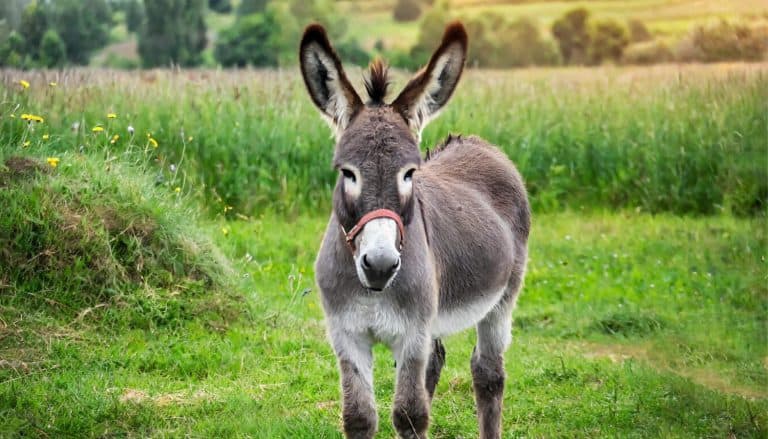
Sure-footed partner of people
Big beard, bright sun, bold attitude.
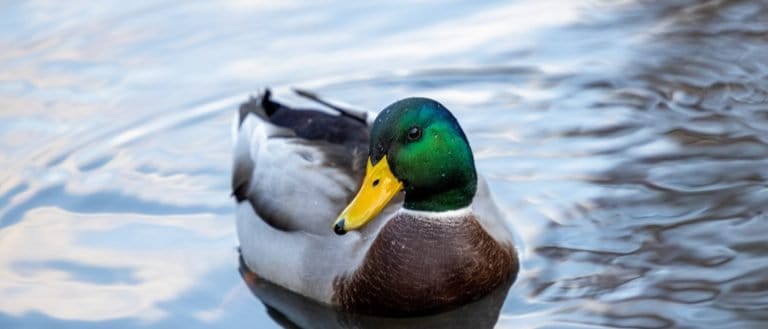
Webbed feet, world travelers.
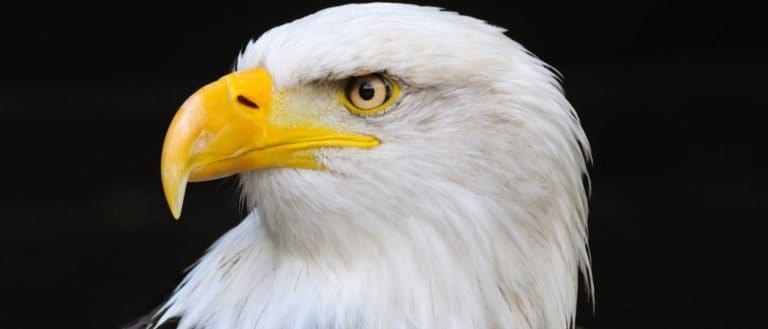
Built to soar, born to strike
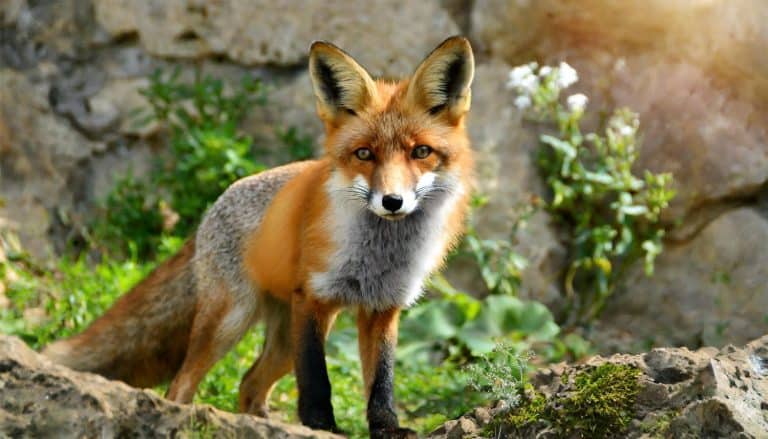
From dunes to tundra-fox smart.
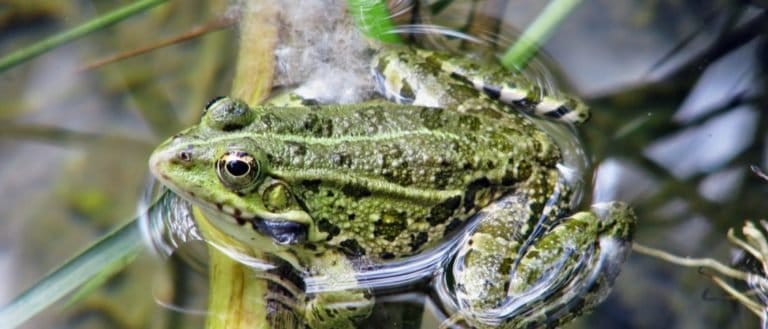
Tailless jumpers, masters of change
Pouches, burrows, and big impacts
Big river grazer, bigger attitude
One hoofbeat, a thousand histories
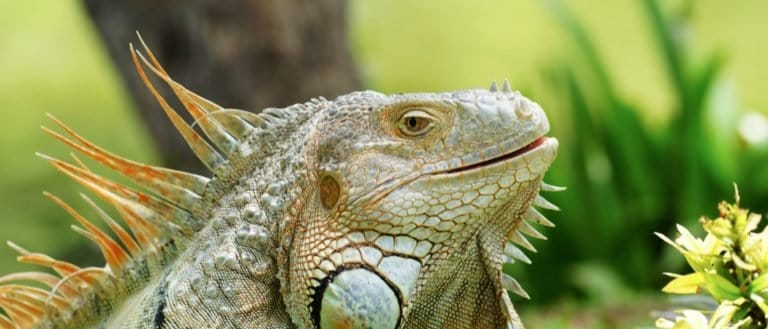
Sun-powered lizards of the Americas
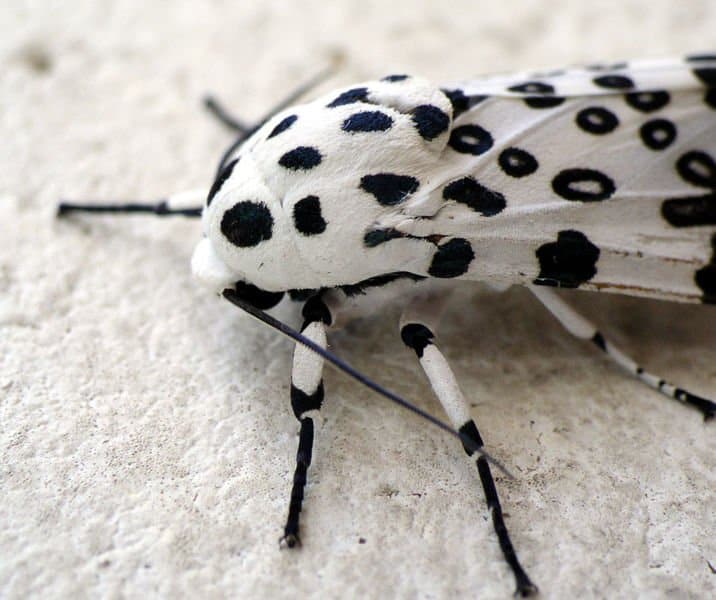
Six legs, endless lives.
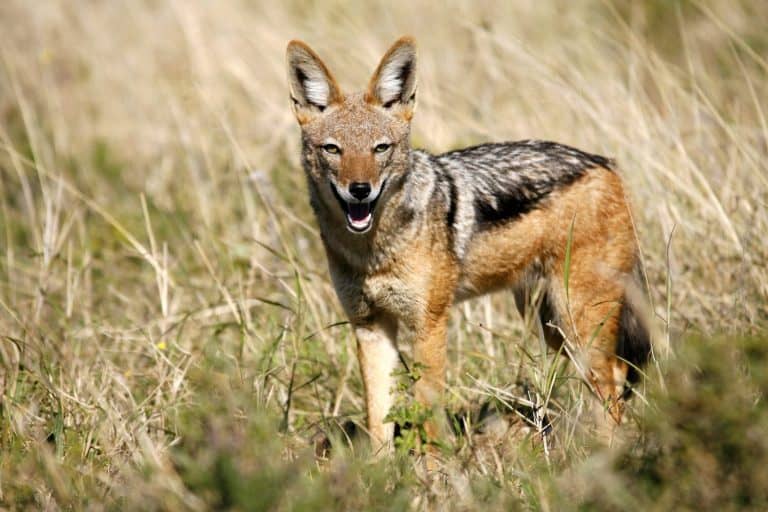
Small canids, big survival skills
Power of the Americas' apex cat
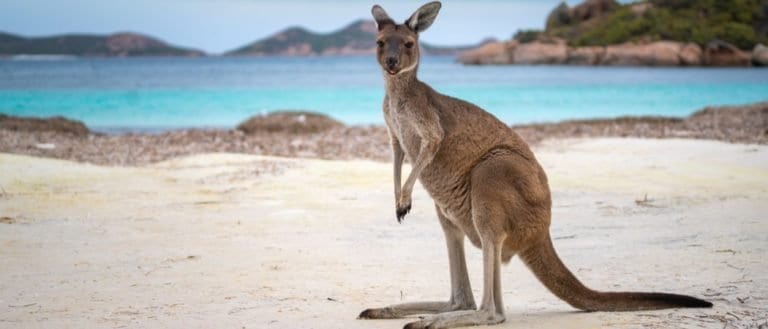
Big hops, big pouches, big variety
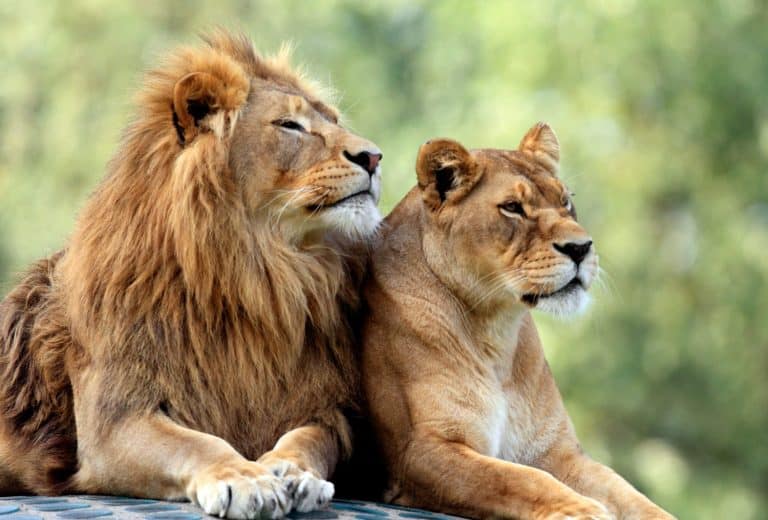
Built for prides, born for the hunt
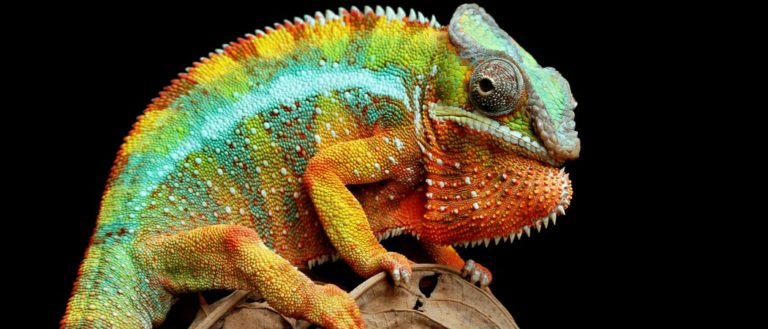
From geckos to dragons-lizard power
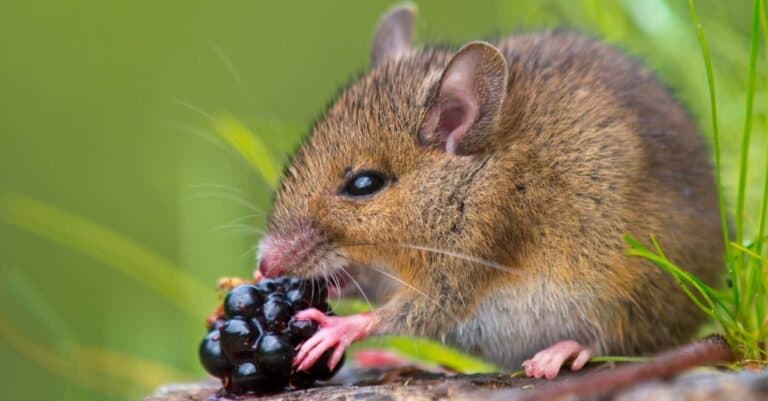
Small gnawers, huge impact.
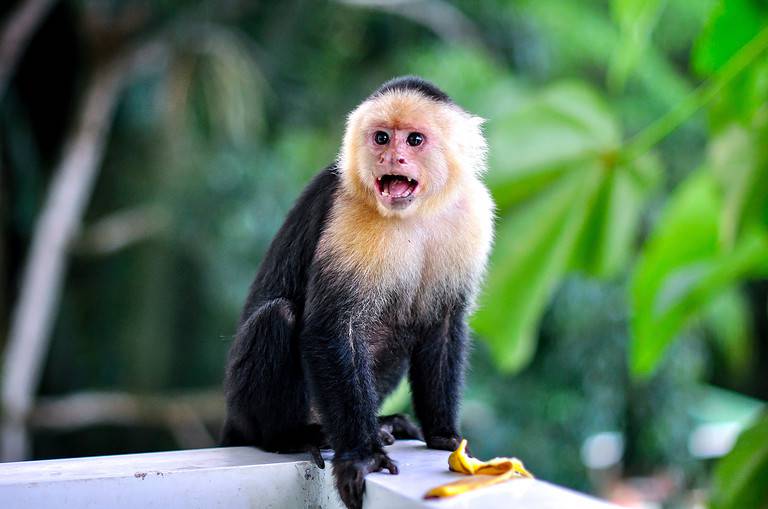
Hands, minds, and social lives
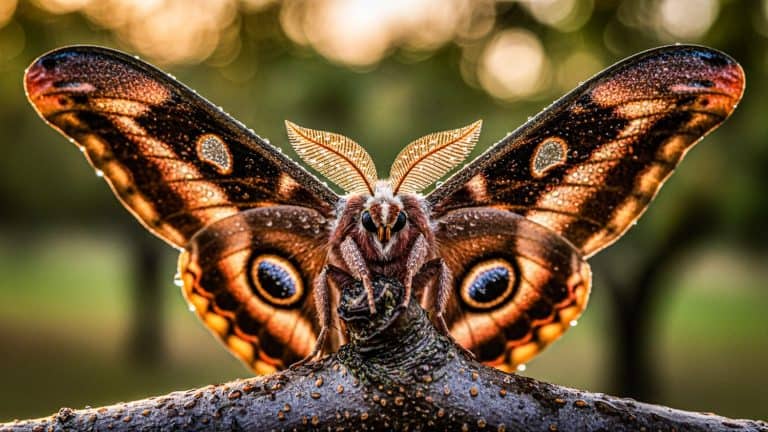
More than night flyers
Thank you for reading! Have some feedback for us?
We appreciate your help in improving our content.
Our editorial team will review your suggestions and make any necessary updates.
There was an error submitting your feedback. Please try again.