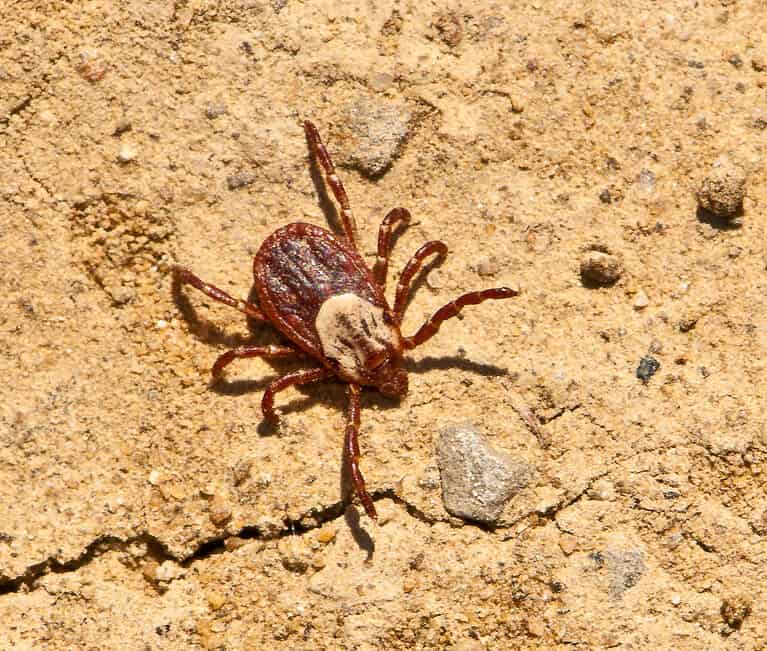
Pacific Coast Tick
Ornate hunter of the Pacific slopes

Ornate hunter of the Pacific slopes
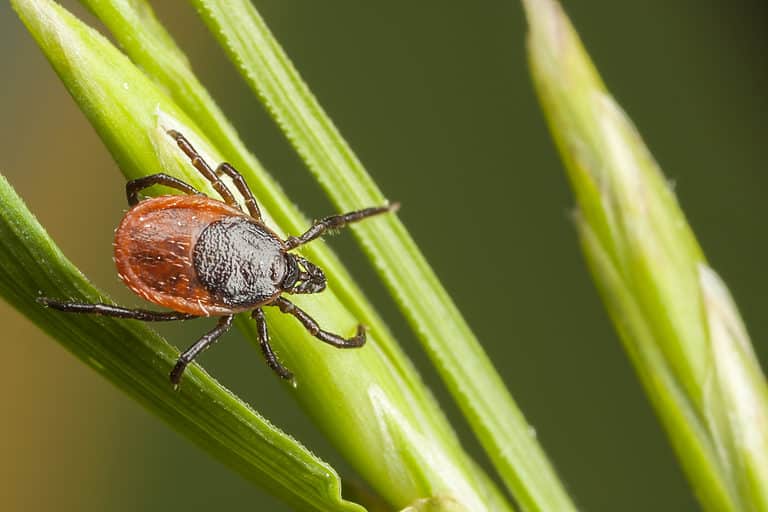
Pacific Coast tick, outsized impact.
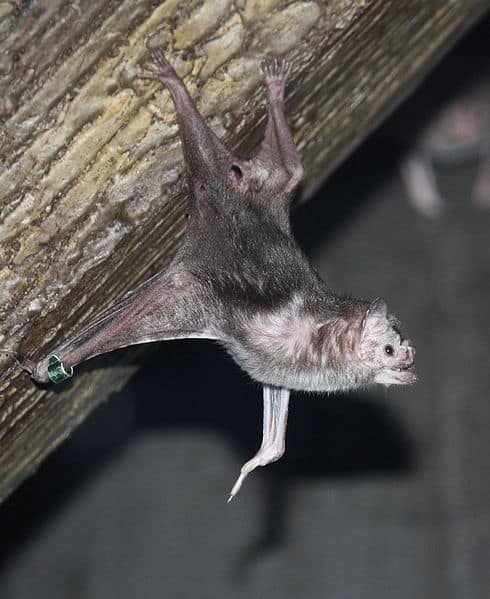
Small bite, big biology.
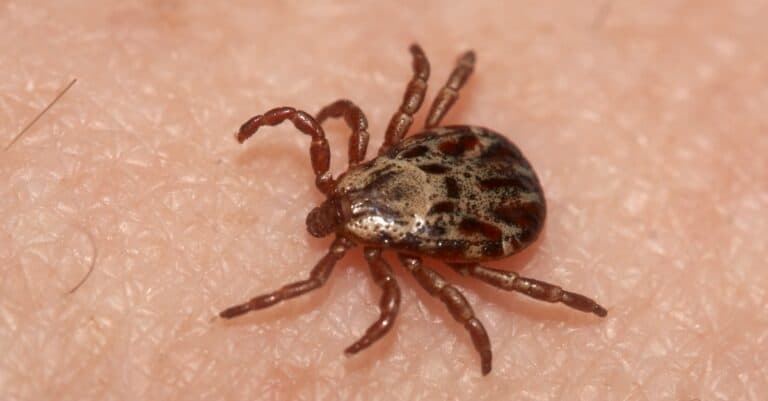
Small tick, big consequences.
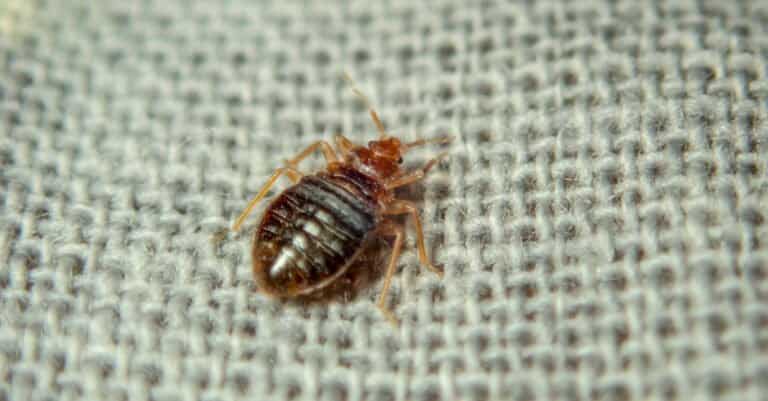
Flat, fast, and hard to spot
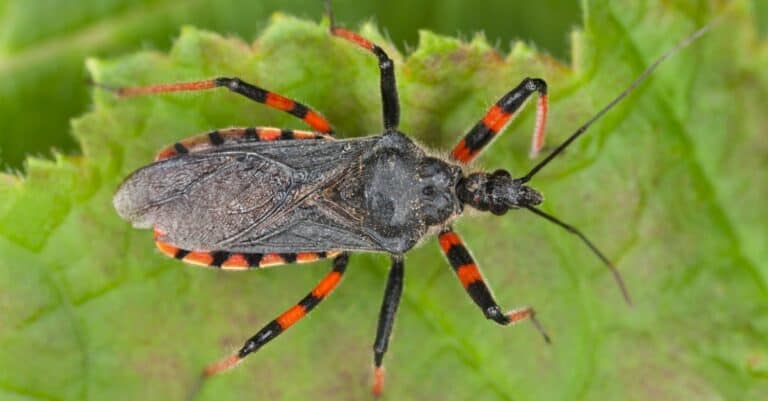
Night feeder, public-health sentinel
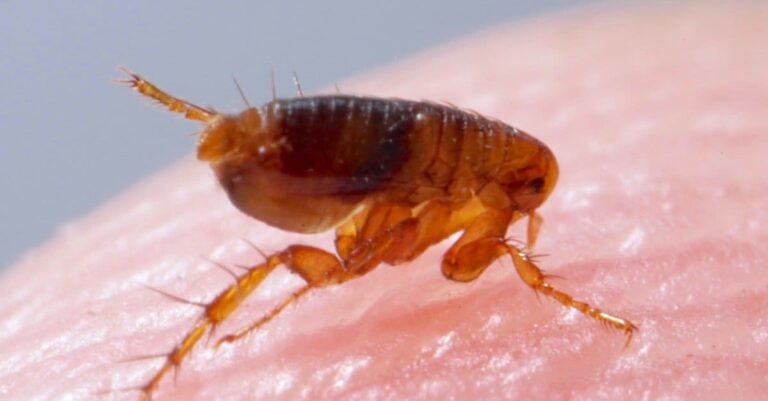
Small bite, big jump.
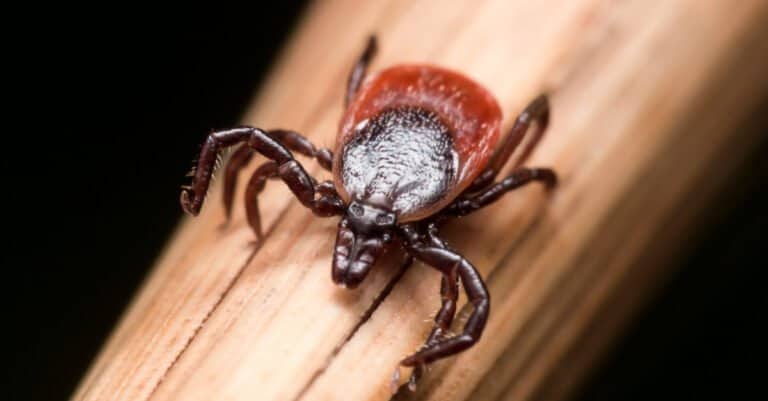
Small tick, big impact.
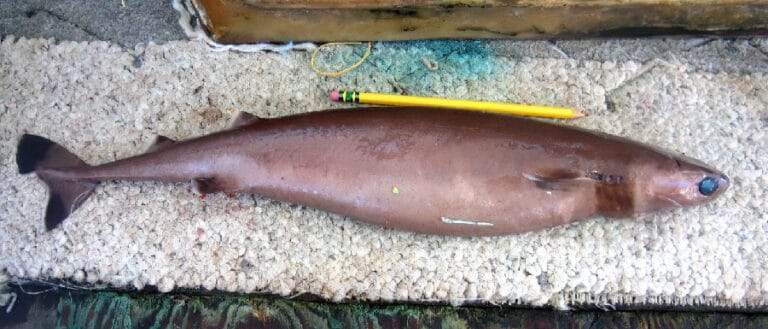
The deep-sea donut-cutter
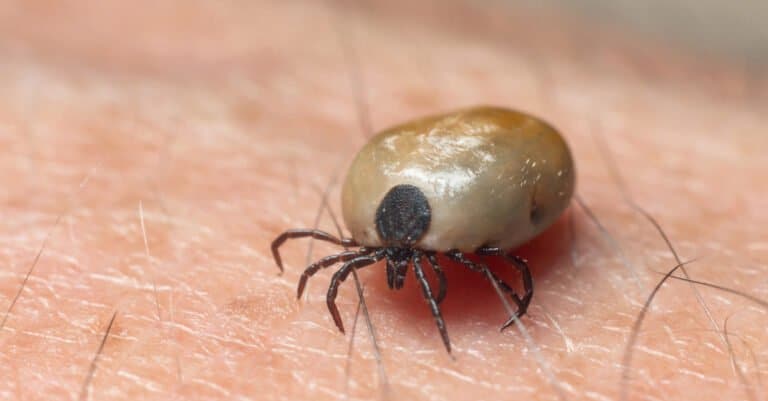
Ornate hitchhiker with a big bite
A sanguivore is an organism whose diet consists primarily of the blood of other animals (hematophagy), obtained by piercing skin or accessing blood-rich tissues and ingesting blood as the main nutritional source. Scientifically, sanguivory is a specialized form of parasitism or micropredation characterized by morphological, physiological, and behavioral adaptations that enable repeated blood-feeding while minimizing host defense responses.
Sanguivory (hematophagy) is a special diet in which an animal gets most of its food from the blood of other animals. Because blood is a defended, liquid resource, blood-feeders often use stealth and quick feeds rather than fighting their hosts, and many feed on different hosts at different times. Blood is high in protein and iron but can lack some vitamins and other nutrients. It also brings dangers like host immune reactions, blood clotting, and host grooming or removal. Sanguivores have evolved special mouthparts (e.g., piercing-sucking), saliva with anticoagulants and numbing chemicals, ways to remove extra water and salts, and systems to handle high iron and heme. They can change host health and behavior and sometimes spread diseases. Examples include mosquitoes, ticks, leeches, vampire bats, and some lampreys; often only one sex or life stage feeds on blood.
Etymology: From Latin "sanguis" (blood) + Latin "-vorus" (devouring, eating), paralleling terms like "carnivore" and "herbivore." Related scientific term: "hematophagy" from Greek "haima" (blood) + "-phagein" (to eat).
All sanguivores are dangerous disease vectors (many are not competent vectors, and transmission depends on specific pathogen-vector-host relationships).
Sanguivores must kill their hosts to feed (most take small meals and rely on hosts surviving for future feeding opportunities).
Any animal that occasionally tastes blood is a sanguivore (true sanguivory implies blood is the primary dietary resource, not an opportunistic supplement).
Provides highly bioavailable protein (amino acids) for tissue maintenance; heme iron for oxygen transport and enzyme function; B vitamins (especially B12, riboflavin, niacin) supporting red blood cell formation and energy metabolism. Sanguivory also imposes challenges: blood is very high in water and iron but relatively low in certain micronutrients and energy density, so sanguivores typically need efficient digestion, rapid fluid handling by kidneys, and mechanisms to avoid iron overload.
Teeth and mouthparts pierce skin and keep blood flowing instead of chewing. Vampire bats have sharp front teeth and fewer chewing surfaces; mosquitoes, ticks, and leeches use proboscis, stylets, or barbed tubes and suction.
Digestive tract geared toward rapid processing of a liquid, protein- and iron-rich meal. Emphasis is on absorption, water/salt balance, and detoxification of excess iron and nitrogenous waste.
Gut Length: Short to moderate relative to body (generally shorter than herbivores; often comparable to carnivores but optimized for liquid absorption)
Obligate sanguivores that rely on blood as their primary/near-exclusive food source for normal survival and reproduction, with strong anatomical and physiological adaptations for blood-feeding.
Animals called sanguivores that usually feed on blood but can also eat other foods depending on sex or life stage. For example, some adults take nectar while larvae filter feed.
Sanguivory (blood-feeding) evolved many times in animals, in groups with piercing mouthparts or parasitic habits. It became possible once terrestrial vertebrates, later large mammals and birds, were common, especially from the Mesozoic, with expansion in insects and ectoparasites. The shift to blood came in steps: first feeding on skin secretions, wounds, or arthropod hemolymph; then sometimes taking blood when hosts were nearby; then full specialization with changes to stop pain, clotting, and immune defenses and to handle blood’s poor vitamin mix. In vampire bats this led to only-blood diets, teeth and tongues, anticoagulant saliva, and social help to avoid starvation.
Unrelated lineages have repeatedly converged on sanguivory. Classic examples include: vampire bats (mammals: Phyllostomidae) and mosquitoes (insects: Culicidae), both evolving anticoagulant saliva and host-seeking via CO₂/heat cues; leeches (annelids: Hirudinea), independently evolving anticoagulants and painless incision; ticks (arachnids: Ixodida) converging on long-duration blood meals and cement-like attachment; fleas and bed bugs (insects: Siphonaptera; Hemiptera) converging on piercing mouthparts and nocturnal host use; and lampreys (jawless fishes: Petromyzontidae), which independently evolved rasping oral discs and anticoagulant secretion for blood-feeding on fishes. Even within flies, tsetse (Glossinidae) and some biting midges (Ceratopogonidae) show convergent blood-feeding adaptations despite distant relationships.
Sanguivory has no healthy human match. Humans cannot live on blood as main food because it lacks key nutrients (vitamin C, folate, fiber) and brings safety risks from germs and parasites. Some cultures use blood in small amounts (blood sausages, soups) for extra protein and iron, not as the only food. In survival situations drinking raw blood is unsafe and too much iron can be harmful. Humans also lack special traits (saliva that stops clotting, kidneys and guts) that sanguivores have.
Knowing how sanguivores find and feed on hosts helps protect them and their hosts by showing when interactions are natural or human-made. Many need intact roosts and breeding sites and steady host numbers; habitat loss or host drops can make their numbers fall fast. When people bring livestock close or crowd wildlife, sanguivores can expand and raise disease risk, like rabies in vampire bats, leading to killing. Better plans use targeted steps—vaccinate livestock, protect roosts safely, and plan land use—rather than broad killing that can harm ecosystems and worsen disease.
Sanguivores affect agriculture through livestock health and production. Blood-feeding can cause stress, wounds, infections, and lower weight gain and milk yield. Some sanguivores can spread diseases among animals and sometimes to people. Knowing how they feed helps farms use smart steps, like better housing, keeping roosts away from barns, timed grazing or night pens, fences or repellents, and vaccination programs, to cut losses without wide poisoning or destroying habitat. Managers often try to stop disease spread from wildlife to high-value animals while keeping wildlife populations. This is mainly a pest-control and animal-health issue that helps keep farm output steady.
Found across: Bats (Chiroptera; especially phyllostomid vampire bats), Leeches (Annelida: Hirudinea), Arachnids: ticks and some mites (Arachnida), Insects: mosquitoes, biting flies (e.g., tsetse/blackflies/sand flies), fleas, lice, bed bugs and related true bugs (Insecta), Jawless fishes: lampreys (Petromyzontiformes), A few birds (e.g., vampire finch), Occasionally in other fishes and elasmobranchs as partial/secondary blood-feeding (e.g., some parasitic catfishes, cookiecutter shark)
Sanguivores are specialized parasites or ectoparasites (and sometimes small predators) that feed on vertebrate blood. In food webs they act as secondary consumers on herbivores and higher-level consumers on carnivores. Their main role is to control host health and numbers. They can carry diseases between species and serve as prey for groomers and insectivores.
Sanguivores (blood feeders) get energy easily once they reach blood because blood is nutrient-rich and liquid, needing little processing. But overall efficiency is low because finding hosts costs a lot, hosts use grooming and immune defenses, and feeding is risky. They can absorb much energy per meal (aided by anticoagulants and anesthetics), but gains come in bursts and depend on whether hosts are available. Strategies include stealth, night activity, quick feeding, and long gaps, tying their numbers to host density.
Seasonal Variation: Sanguivore feeding follows host numbers, behavior, and climate. In temperate zones feeding peaks in warm months; many overwinter by dormancy or staying on hosts, so feeding falls in winter. Short tundra and alpine summers cause sudden, intense feeding. In monsoon tropics rainy seasons boost feeding; dry seasons make water hotspots. Host migration and breeding drive seasonal pulses.
Blood is mostly water, so sanguivores have to solve a "too much fluid, not enough fuel" problem-vampire bats start shedding excess water and salt within minutes of feeding, making it easier to take off.
Not all sanguivores are insects: vampire bats are mammals that live almost entirely on blood, and they have specialized enzymes that help keep blood from clotting while they feed.
Some blood-feeders can "taste" the best spot: vampire bats use heat-sensing in their nose to find warm, blood-rich areas near the skin surface.
A blood-only diet is nutritionally tricky (especially low in certain vitamins), so some sanguivores rely on gut microbes to make up the difference-vampire bats host bacteria that help supply key nutrients.
Finding a host can be as important as feeding: many sanguivores track carbon dioxide, body heat, and odors to locate animals in the dark or at a distance.
Drinking blood is like trying to live on watered-down protein shakes: you get lots of fluid but relatively modest energy per mouthful, so efficiency and rapid water disposal matter.
Heat-sensing to locate blood vessels is the biological equivalent of using a thermal camera to find the "hotspots" where circulation runs closest to the surface.
Anticoagulants in saliva function like a tiny, localized "don't-clot" medication-keeping the flow going long enough to drink without the wound sealing shut.
Small bite, big biology.
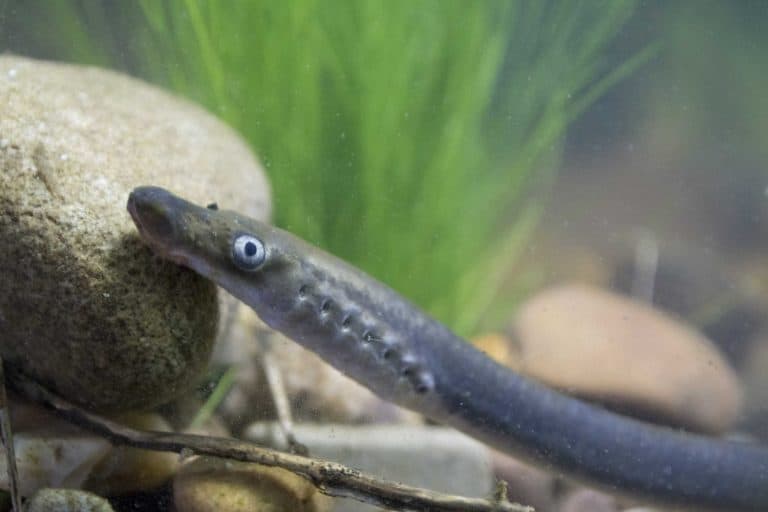
Jawless. Ancient. Unforgettable.
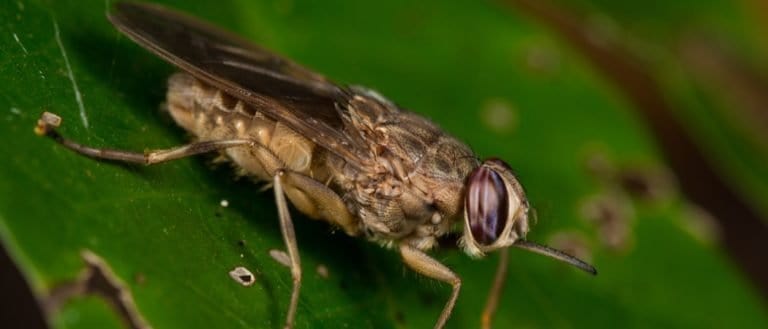
The fly that gives birth, not eggs
The deep-sea donut-cutter
Small bite, big jump.
Flat, fast, and hard to spot
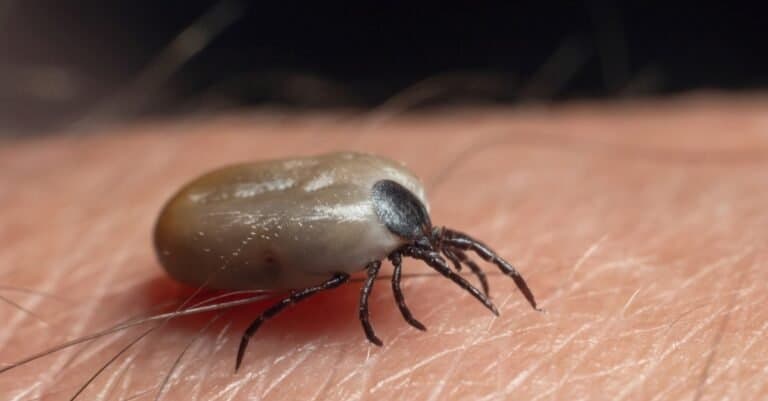
Small bite, big impact
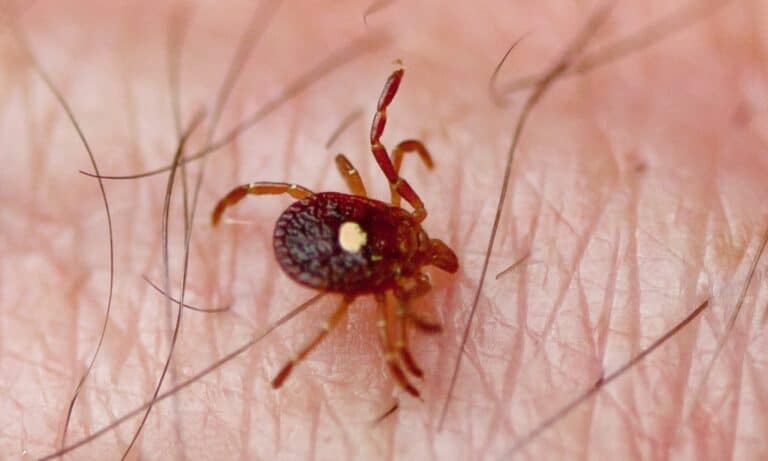
The hunter tick with the lone star
Small tick, big impact.
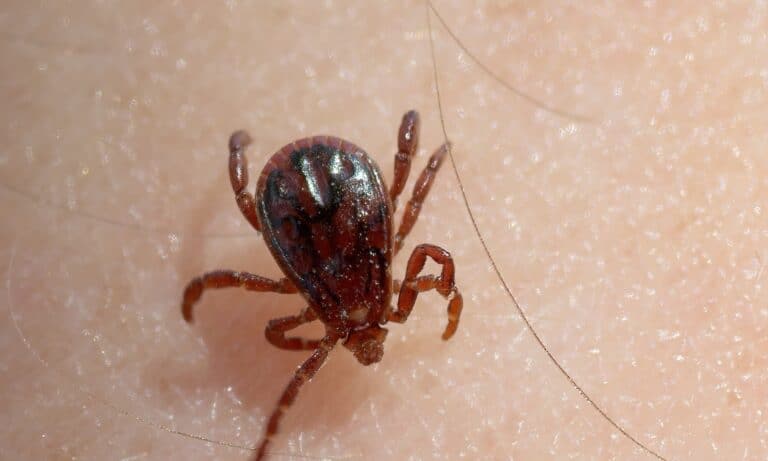
The indoor tick that loves dogs
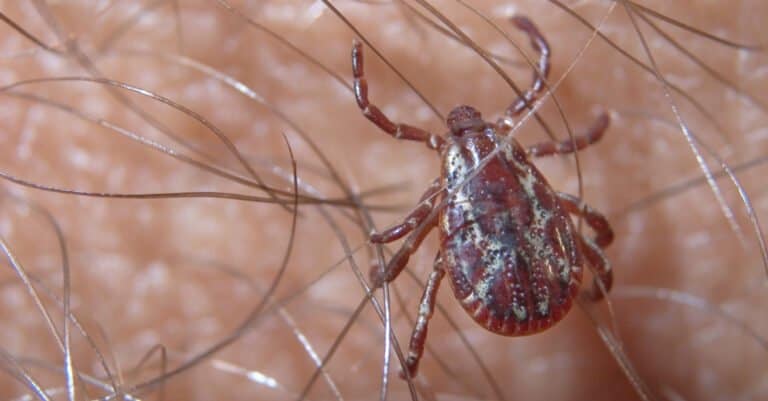
Ornate hitchhiker of field and brush
Small tick, big consequences.
Ornate hitchhiker with a big bite
Night feeder, public-health sentinel
Ornate hunter of the Pacific slopes
Pacific Coast tick, outsized impact.
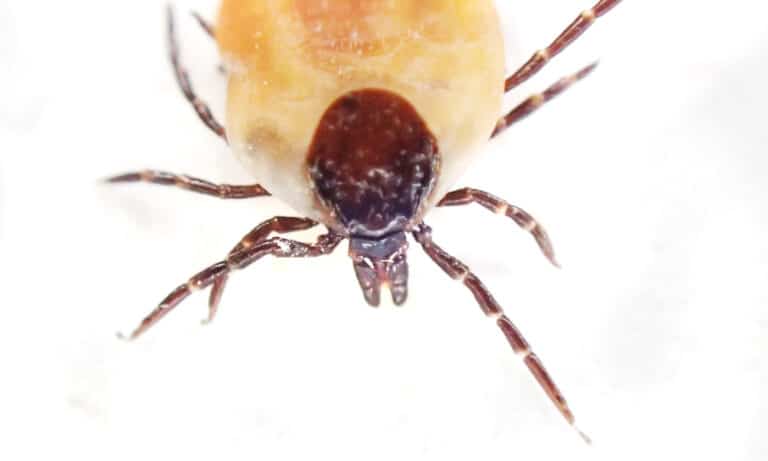
The burrow-dwelling bite you don't see
Thank you for reading! Have some feedback for us?
We appreciate your help in improving our content.
Our editorial team will review your suggestions and make any necessary updates.
There was an error submitting your feedback. Please try again.