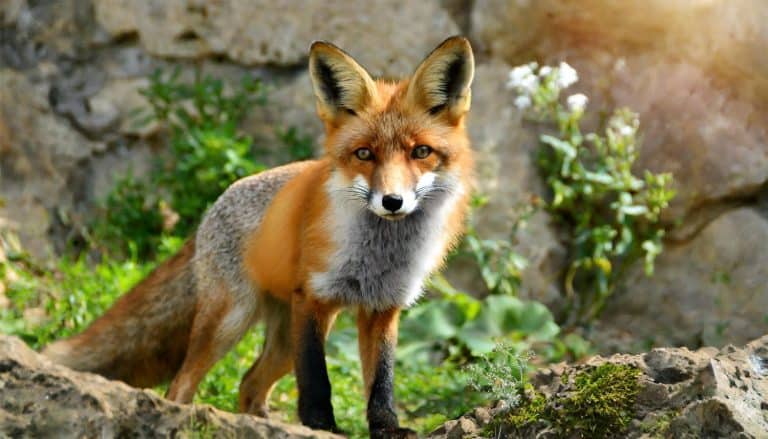
Fox
From dunes to tundra-fox smart.

From dunes to tundra-fox smart.
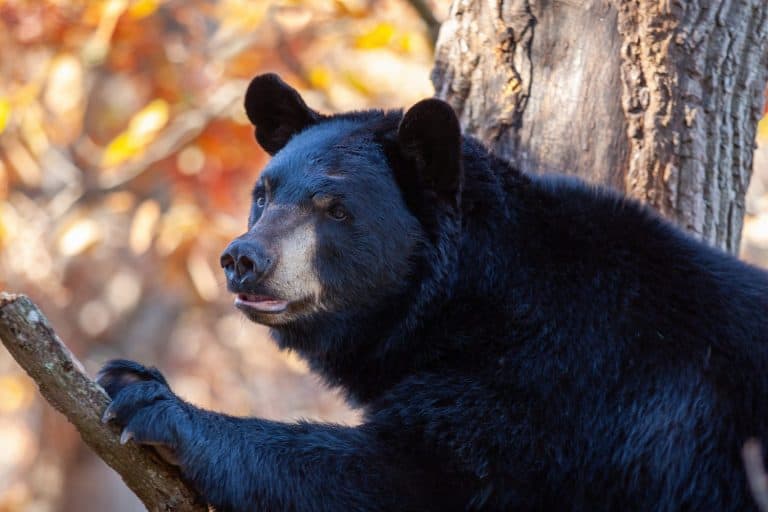
Many colors. One tough survivor.
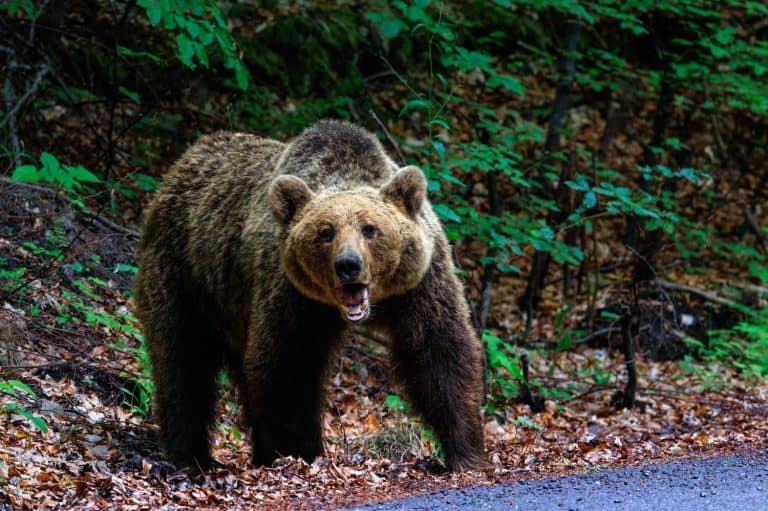
Hump-shouldered king of the wild buffet
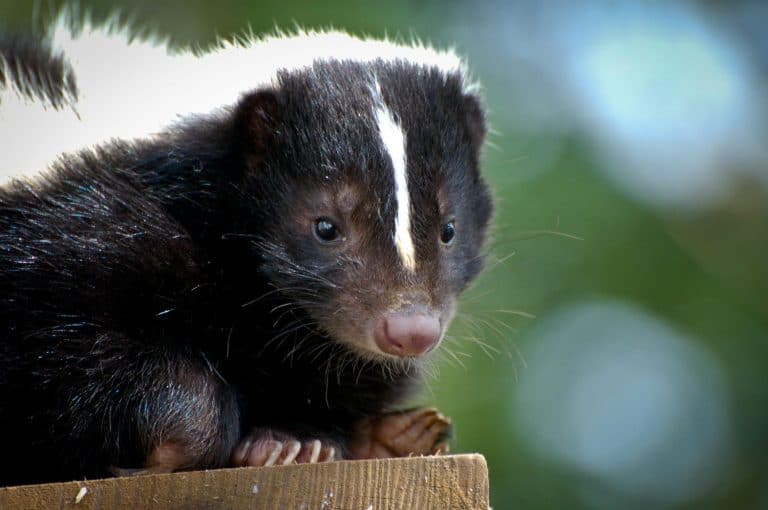
Bold stripes, bigger attitude.
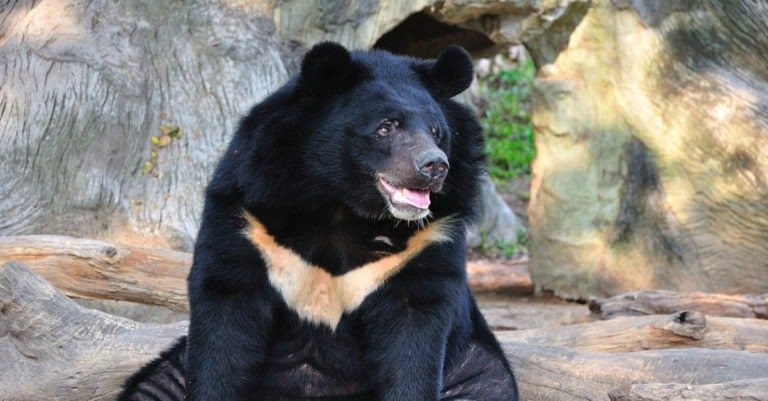
Moon-marked climber of Asian forests
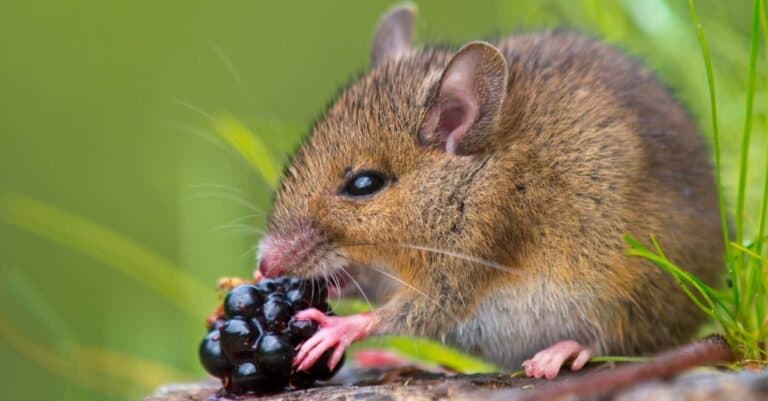
Small gnawers, huge impact.
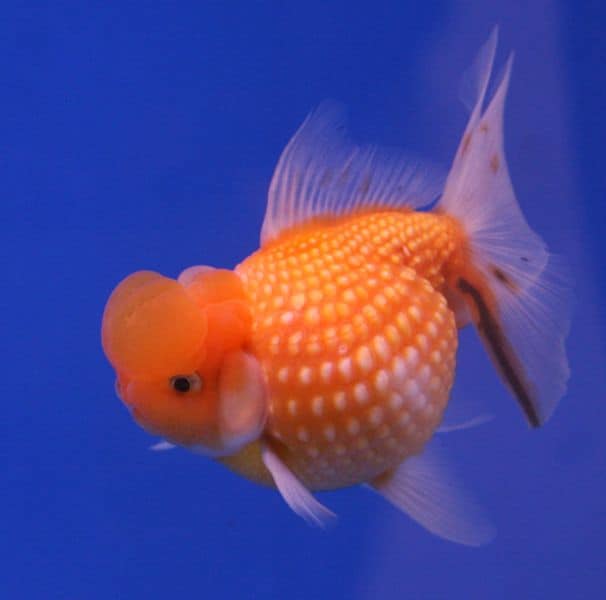
Bony rays, endless ways.
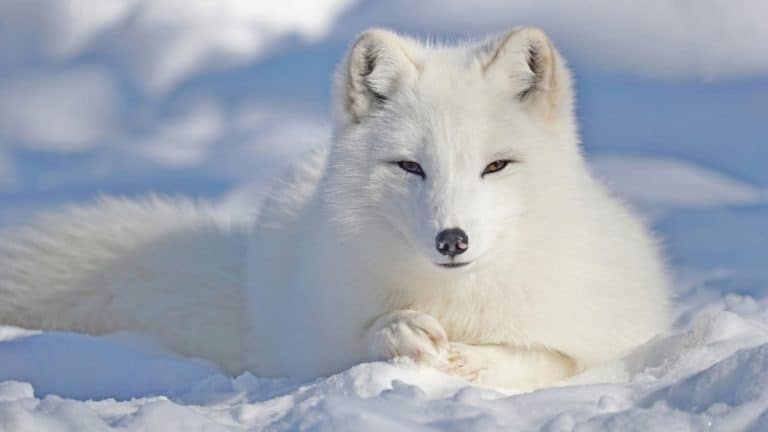
Built for blizzards, born for tundra
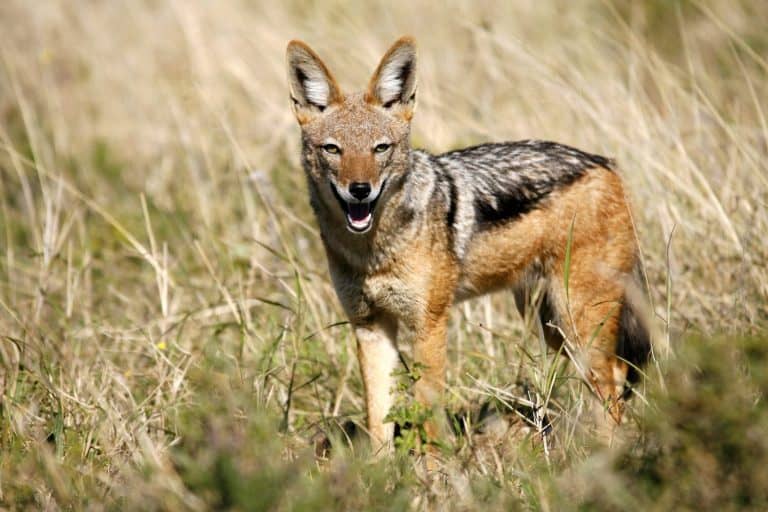
Small canids, big survival skills

The wolf's cousin, humanity's partner
An omnivore is an organism whose habitual diet includes both plant-derived foods (e.g., fruits, leaves, seeds, roots) and animal-derived foods (e.g., insects, fish, meat, eggs, dairy). Omnivory is a flexible feeding strategy in which the proportion of plant versus animal foods can vary with ecology, season, life stage, and food availability.
An omnivorous diet includes meaningful food from both plants and animals. This gives access to macronutrients (carbohydrates, fats, proteins) and micronutrients (vitamins, minerals). Omnivory is common in animals that face changing food supplies because it lowers reliance on one food type and helps when food is scarce.
Omnivory does not mean an equal split between plants and animals. Some omnivores eat mostly plants with some animal food; others eat mostly animals with some plants. The balance can change with season, place, and individual need. Humans are often omnivores, eating grains, vegetables, fruits, nuts, plus meat, fish, eggs, and dairy.
Omnivores have flexible feeding and digestion that handle many food kinds. This gives dietary variety and helps them cope when foods are limited. But health depends on food choices: an omnivorous diet can be full of nutrients or high in processed foods and low in fiber and vitamins.
Etymology: From Latin roots meaning "all" and "to eat/devour," describing an organism that eats a wide variety of foods.
Omnivore means eating plants and animals in equal amounts (the ratio can vary widely).
All omnivorous diets are automatically balanced or healthy (they can be high-quality or poor-quality depending on choices).
Omnivores must eat meat to be omnivores (many omnivorous patterns include animal foods that are not meat, and intake can be occasional).
A mixed plant-and-animal diet supplies a broad nutrient profile: carbohydrates and fiber from plant foods for energy and gut health; protein and essential amino acids from meat/invertebrates for growth and tissue repair; fats (including essential fatty acids) for energy storage and hormone function; vitamins and minerals such as iron, zinc, B12 (more available from animal foods) and vitamin C, folate, potassium, magnesium (common in plant foods). This flexibility helps omnivores meet nutritional requirements across seasons and fluctuating food availability.
Omnivores typically have a mixed dentition suited for both tearing animal tissue and crushing/grinding plant material, allowing flexible processing of varied foods.
Omnivore digestive systems are generally versatile, balancing the ability to digest animal proteins/fats with some capacity to process plant carbohydrates and modest fiber loads; the gut is intermediate in complexity and length compared to carnivores and herbivores.
Gut Length: Intermediate; commonly ~5-10× body length (species-dependent), longer than many carnivores but shorter than most specialized herbivores.
Species that are consistently omnivorous across their normal ecology-regularly eating both plant material and animal matter as a core, year-round strategy (generalist feeders rather than primarily herbivores or carnivores).
Facultative omnivores that can lean strongly toward herbivory or carnivory depending on season, habitat, life stage, or local food availability, but readily incorporate both plant and animal foods when accessible.
Omnivory evolved many times across life because animals that could eat plants and animals had more food. On land, early synapsids and many Mesozoic mammals ate plants and animals. In the Cenozoic, mammals like primates, bears, pigs, and many rodents grew more general teeth and flexible guts for mixed diets. Birds became omnivores many times, with beaks and guts letting them switch seasonally between seeds, fruit, insects, and small animals. Fish, amphibians, reptiles, and invertebrates often become omnivores in changing habitats, first by behavior and later by changes in teeth and gut function.
Omnivory is a clear example of convergent evolution: many unrelated animal groups evolved mixed plant and animal diets on their own. Examples include bears (e.g., brown bear) and pigs (suids) that eat roots, fruit, insects, and meat; primates like humans and capuchins that added plants plus insects or small animals; canids such as foxes and corvid birds (crows and ravens) that eat fruit, seeds, insects, and carrion; freshwater fish like common carp and many cichlids that graze plants or algae and eat invertebrates; and some reptiles (skinks, box turtles) that evolved jaws for varied food and switch diets by season. These different lines share similar roles and flexible feeding.
An omnivorous diet closely mirrors many common human dietary patterns that include both plant and animal foods (e.g., "mixed" diets). Like human omnivory, it emphasizes flexibility-food choices can shift with season, culture, availability, and cost. It also highlights that nutritional needs can often be met through multiple food combinations, and that access to diverse food sources can buffer against shortages or single-crop failures.
Knowing a species is an omnivore helps conservation. Omnivores can switch foods when one resource drops, but they may also go into human areas (crops, garbage, livestock feed) and cause conflicts. Protect habitats that keep a mix of plants and prey through seasons. Reduce access to human food (lock bins, guard crops) to stop them relying on people and causing fights. Omnivores can help keep food webs stable, so watching their diet shifts can warn of ecosystem changes like prey collapse, vegetation shifts, or invasive species.
Omnivores intersect strongly with agriculture because they may both help and harm farming systems. Many omnivores consume pest insects or rodents (natural biological control), while also eating fruits, grains, eggs, or young livestock, causing crop or poultry losses. Understanding their seasonal diet helps farmers time deterrents, habitat features (hedgerows, buffer strips), or integrated pest management to maximize pest-control benefits and reduce damage. Omnivores can also affect food production indirectly by scavenging waste, spreading seeds, or moving nutrients-services that can be beneficial or problematic depending on the context.
Found across: Mammals (e.g., bears, pigs, primates, many rodents), Birds (e.g., corvids, gulls, chickens, many waterfowl), Reptiles (especially many turtles/terrapins; some lizards), Fish (many species are opportunistic omnivores, shifting between algae/plant matter and invertebrates), Invertebrates (e.g., many crabs, cockroaches, ants, and other generalist scavengers)
Omnivores are flexible eaters that can be primary consumers when they eat plants and secondary (or higher) consumers when they eat animals. They link plant and animal energy paths, help steady food webs by switching foods, shape communities by grazing, eating seeds, hunting or scavenging, and aid seed spread and nutrient cycling.
Energy transfer from plants to consumers and from prey to predators is about 10% on average (often 5–20%). Omnivores can improve energy intake by choosing higher energy foods like animal prey, fruits, and nuts, so they do not have to eat only hard to digest plants. But feeding at higher trophic levels gives less energy from the food-web base, so omnivores mix abundant low-trophic foods with richer high-trophic foods. This mix helps populations survive shortages but can increase competition across trophic levels.
Seasonal Variation: Omnivores follow seasonal food pulses. In spring and summer they eat protein-rich items like insects, young animals, amphibians and fresh plants to fuel growth and breeding. In late summer and autumn they shift to energy-rich fruits, nuts and seeds, building fat or caching food. In winter or dry times they use stored food, roots, plants, carrion, or human food.
"Omnivore" doesn't mean "eats everything"-many omnivores are still picky, with strong preferences and foods they can't digest or avoid for toxin reasons.
Omnivory can be seasonal: some omnivores shift diets dramatically across the year (more plants when they're abundant, more animal matter when plants are scarce), effectively "changing menus" with the weather.
A lot of omnivores rely on microbes to handle the plant side of the diet-gut bacteria help break down tough fibers and can even produce vitamins the animal can use.
Omnivory is a risk-management strategy: mixing foods can reduce dependence on any single resource and help animals survive droughts, harsh winters, or boom-and-bust prey cycles.
Some classic "predators" are actually omnivores in practice-many carnivore-looking animals regularly eat fruit, seeds, or roots when it's an efficient energy choice.
Omnivory is like a diversified investment portfolio: spreading calories across plants and animals can buffer against sudden "market crashes" in any one food source.
It's the dietary equivalent of having both a pantry and a freezer-plants can be abundant and easy to gather, while animal foods can be more intermittent but nutrient-dense.
An omnivore's gut is often a "middle-ground tool": not as specialized as a cow's fermentation chamber, but usually better at handling mixed meals than a strict carnivore's short, protein-focused system.
Built for blizzards, born for tundra
Moon-marked climber of Asian forests
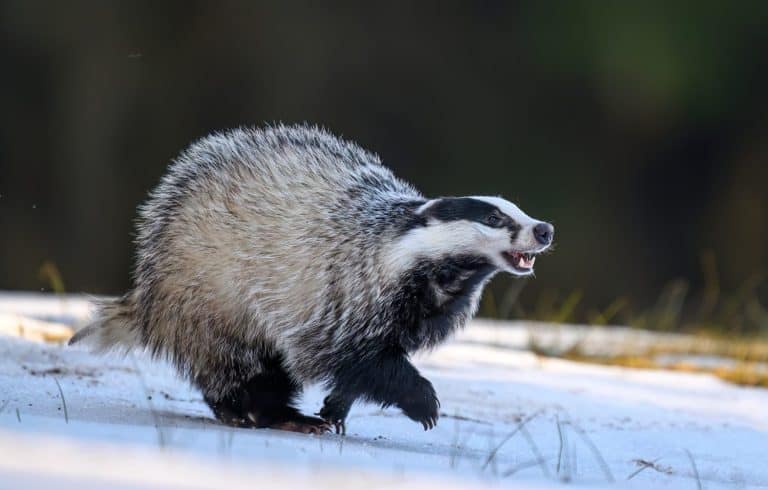
Built to dig. Born to endure.
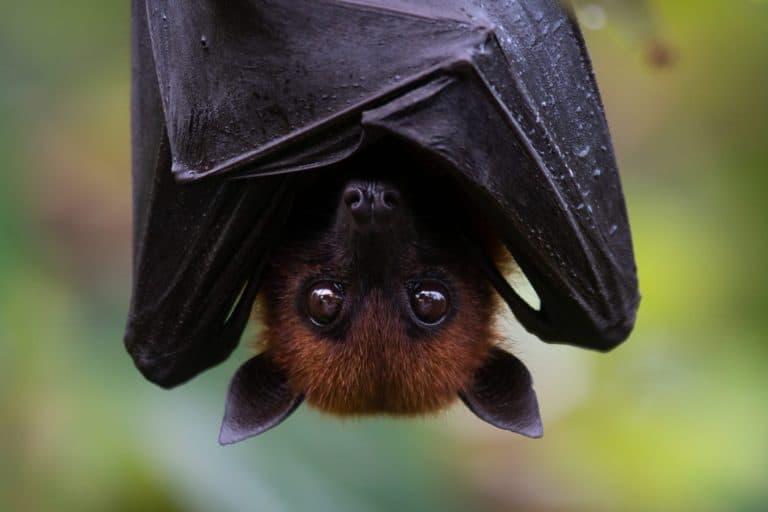
Night pilots of the mammal world
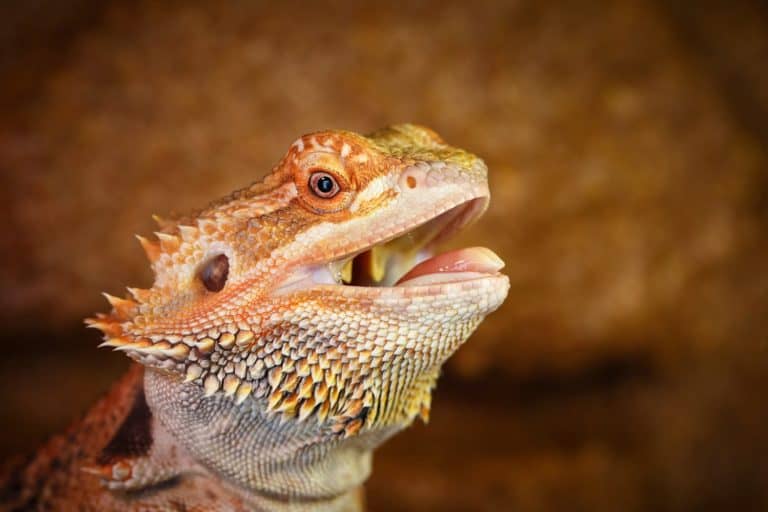
Big beard, bright sun, bold attitude.
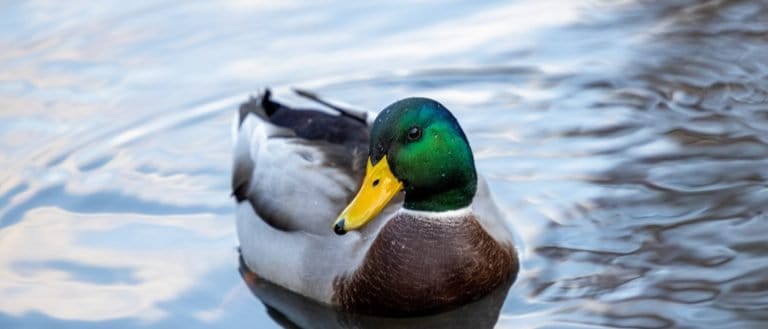
Webbed feet, world travelers.
Bony rays, endless ways.
From dunes to tundra-fox smart.
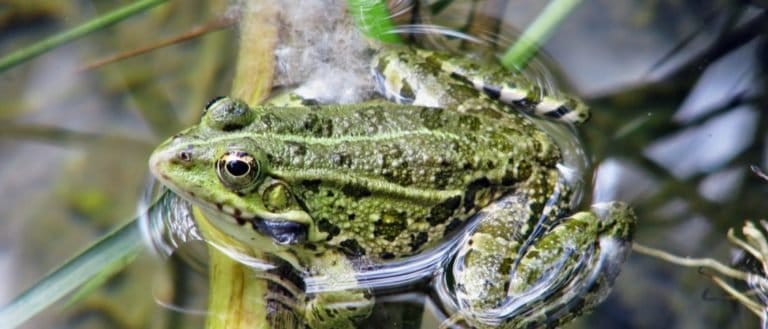
Tailless jumpers, masters of change
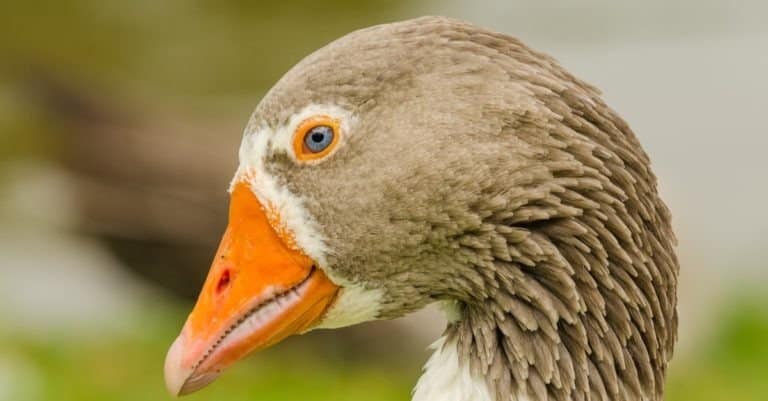
Webbed feet, sky roads, wetland lives
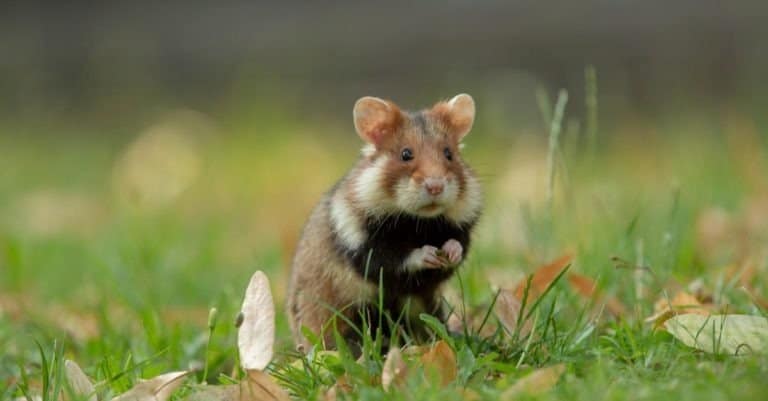
Pouches, burrows, and big impacts
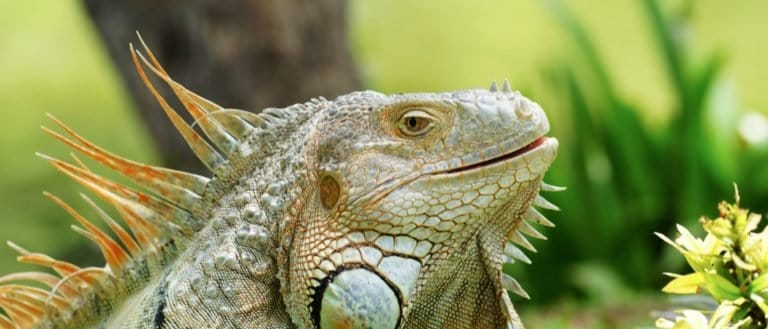
Sun-powered lizards of the Americas
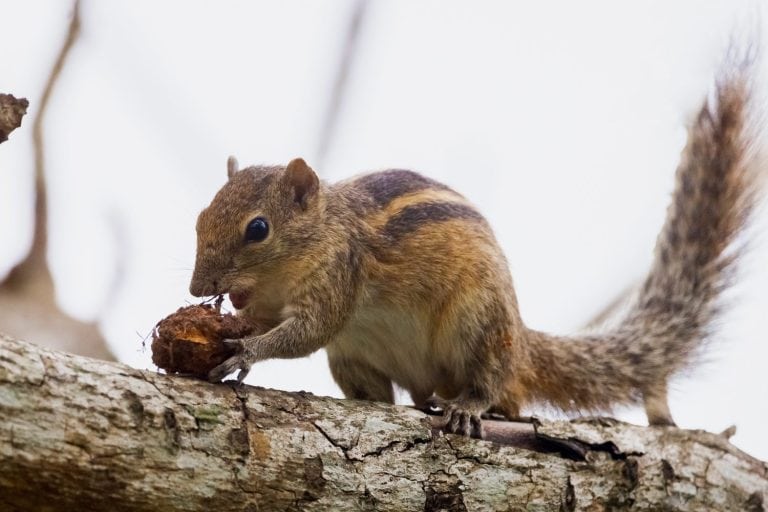
Three stripes. Big city attitude.
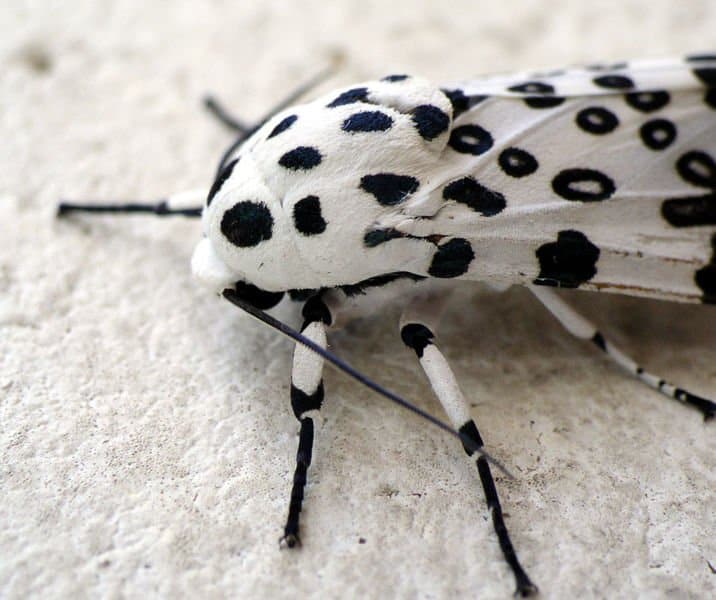
Six legs, endless lives.
Small canids, big survival skills
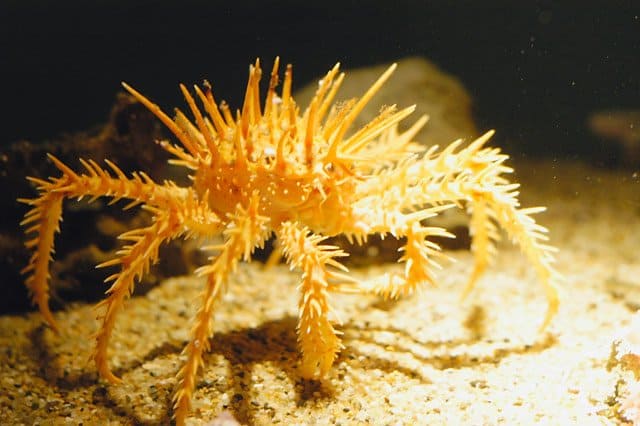
Cold-water royalty of the seafloor
Small gnawers, huge impact.
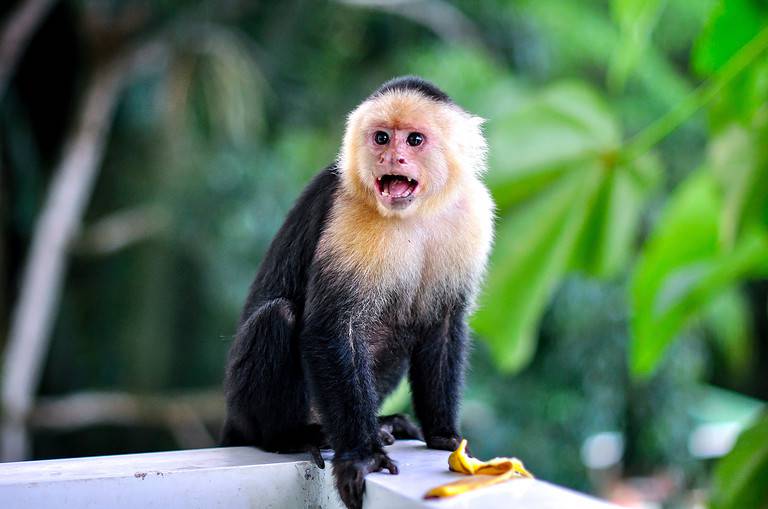
Hands, minds, and social lives
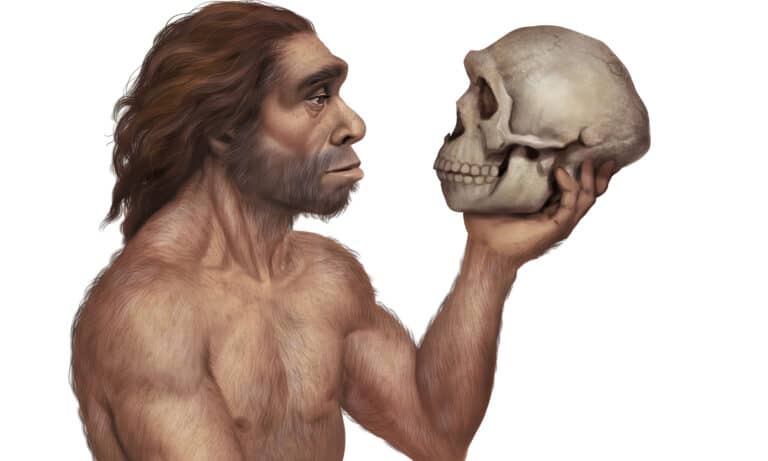
Not cavemen-Ice Age people
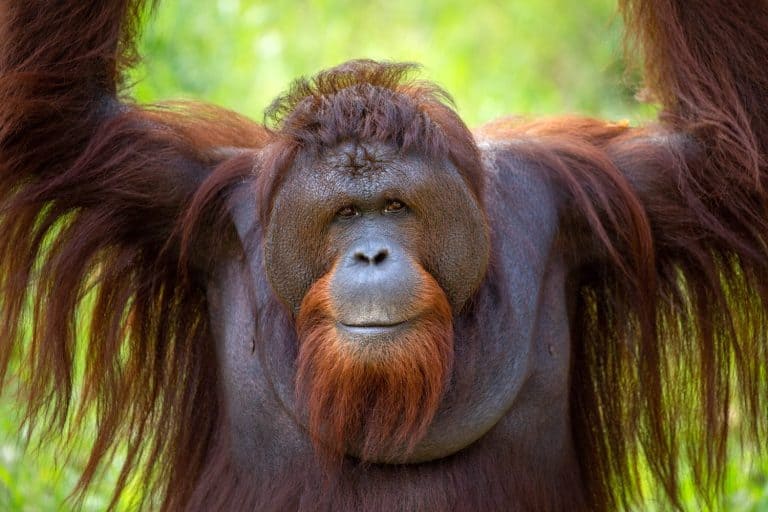
Red apes, rainforest architects
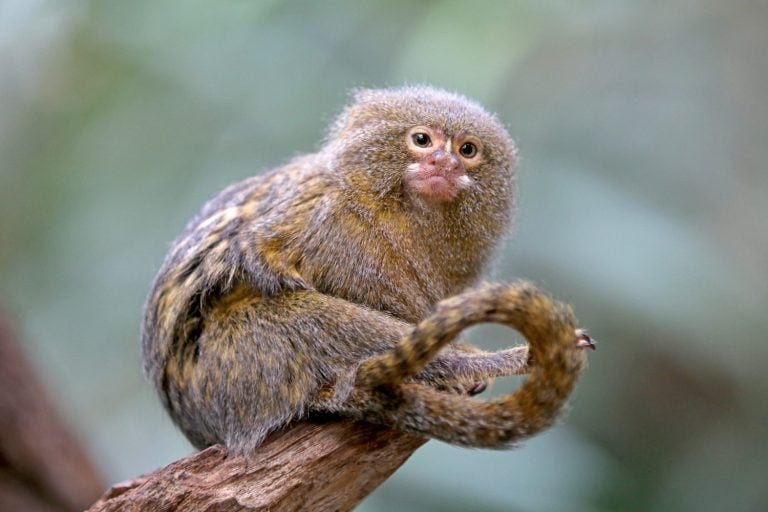
Tiny sap-sipping acrobats of the Amazon
Bold stripes, bigger attitude.
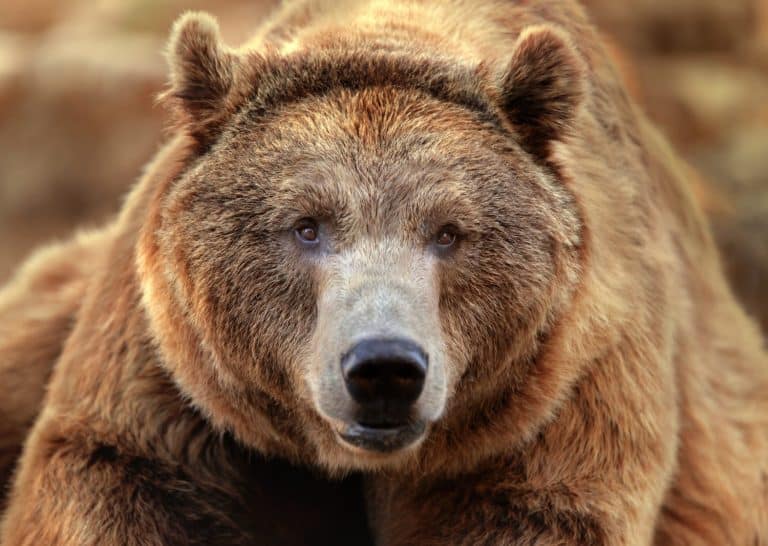
Hump, claws, and wild omnivory
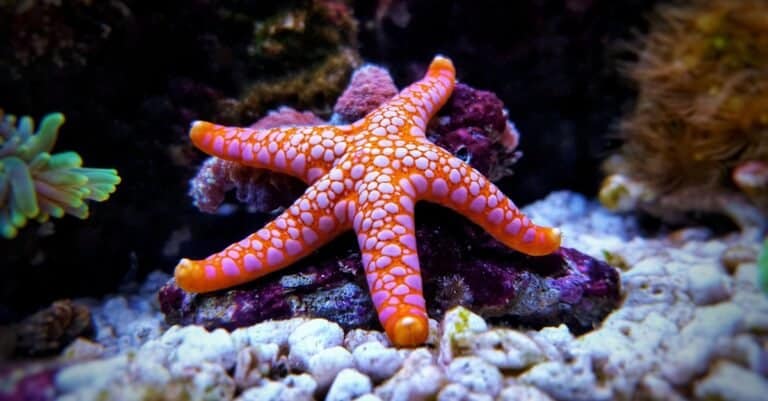
Hydraulic feet, star-shaped predators
Thank you for reading! Have some feedback for us?
We appreciate your help in improving our content.
Our editorial team will review your suggestions and make any necessary updates.
There was an error submitting your feedback. Please try again.