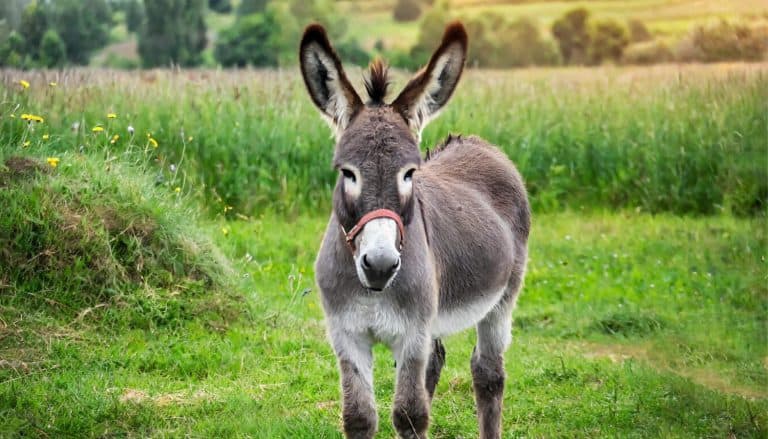
Donkey
Sure-footed partner of people

Sure-footed partner of people
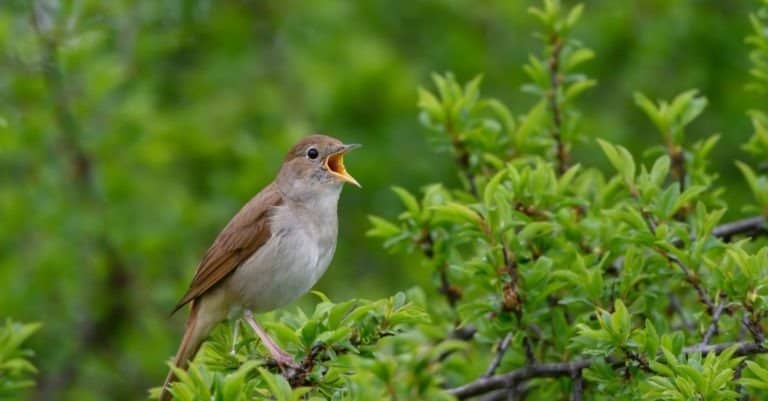
Plain feathers, legendary night song
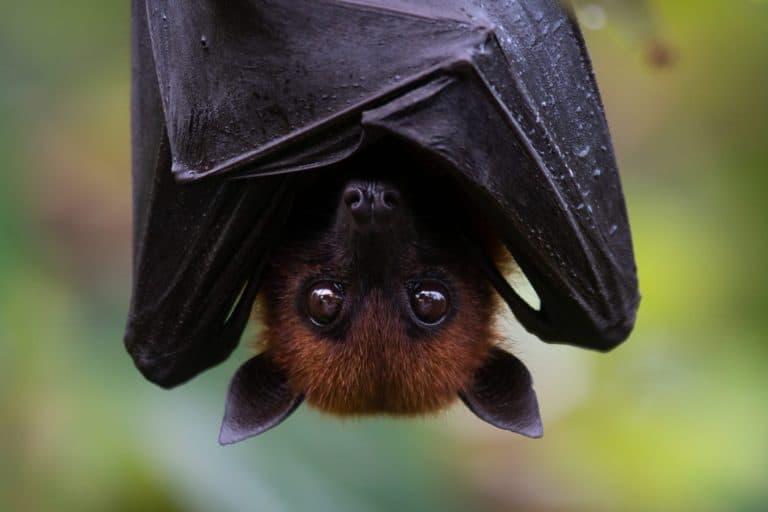
Night pilots of the mammal world
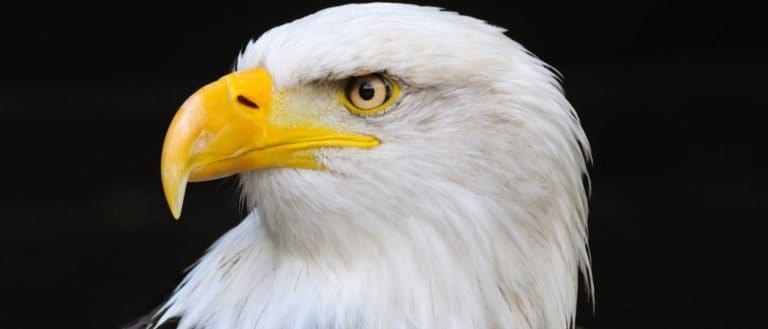
Built to soar, born to strike
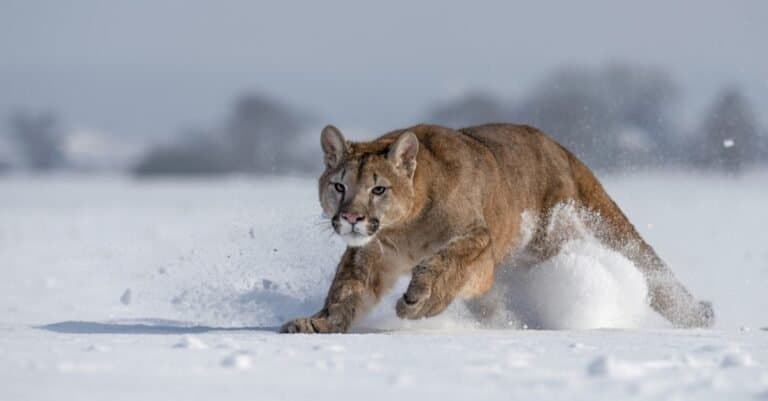
One cat. Two continents.
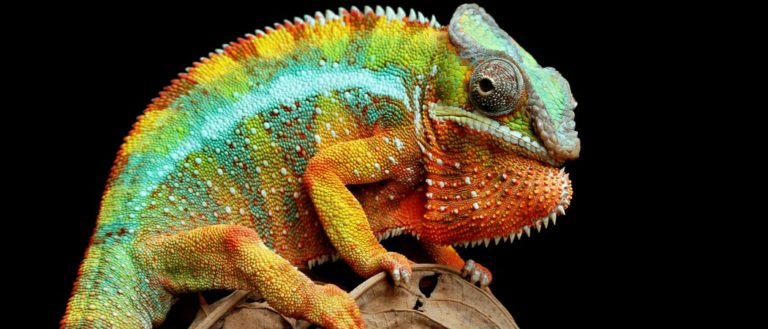
From geckos to dragons-lizard power
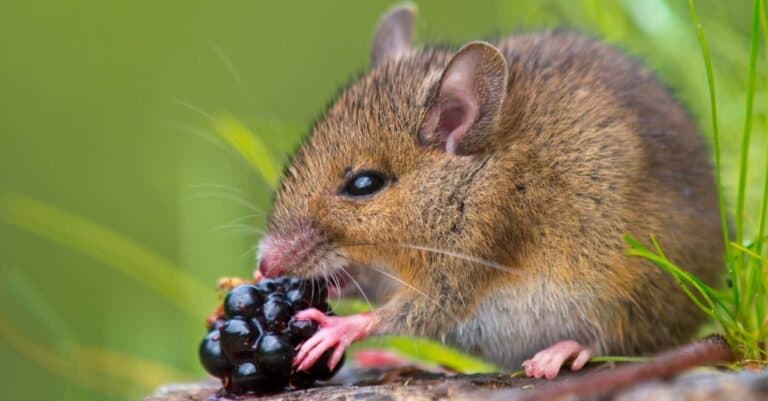
Small gnawers, huge impact.
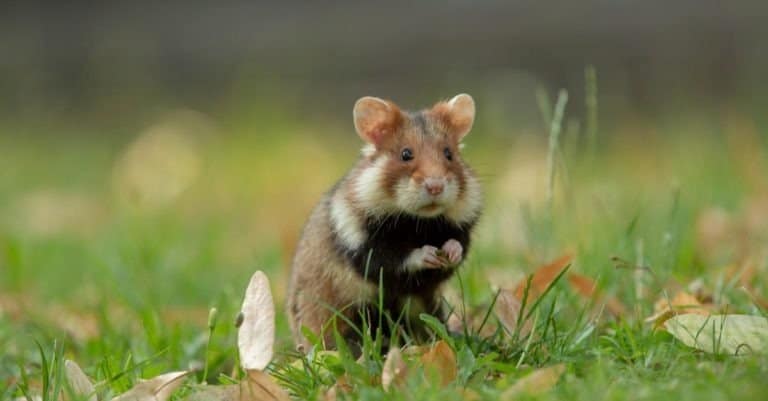
Pouches, burrows, and big impacts
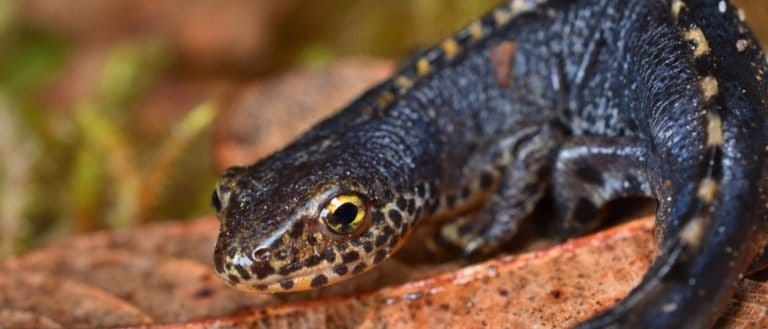
Crests, ponds, and potent defenses

Webbed feet, world travelers.
A deciduous forest is a terrestrial forest habitat dominated by broadleaf trees that shed their leaves seasonally, usually in response to cold winters or pronounced dry seasons. This leaf-drop creates strong annual cycles in light, temperature, and moisture that shape the forest's plants, animals, and soils.
Deciduous forests change with the seasons. In spring leaves flush and the canopy closes, shading the floor and helping insects and wildlife breed. In autumn leaves fall, creating leaf litter that feeds soil life. Understory light swings let spring ephemerals bloom. Animals migrate, hibernate, store food, or shift diets. Disturbances create varied stands and high biodiversity.
Strong seasonal and vertical stratification: high light at ground level in early spring (before canopy leaf-out) and in autumn; low to moderate understory light during peak summer canopy closure; dappled light common; winter leaf-off increases light but cold/short photoperiod limits growth.
Commonly associated with perennial or seasonal streams, rivers, ponds, wetlands, and seeps; riparian corridors are frequent in valleys. Water availability varies seasonally (spring melt/high flow; late-summer low flow in some regions).
High: strong vertical structure (canopy-subcanopy-shrub-ground layers), abundant seasonal resources (spring flowers, summer foliage, autumn mast), and extensive leaf litter/woody debris create many niches for insects, birds, mammals, and especially fungi and leaf-litter soil communities; richness is typically high compared with more structurally simple habitats.
Moderate to poor overall condition globally. Temperate deciduous forests have experienced extensive conversion and fragmentation, with many remaining areas second-growth and simplified in structure; however, some regions (parts of Europe and North America) show localized recovery through reforestation and improved management.
High in many landscapes due to strong natural regeneration capacity and widespread availability of secondary forests, but outcomes depend on restoring soil health, controlling invasive species, and re-establishing connectivity and natural disturbance regimes (e.g., fire where appropriate). Full recovery of old-growth structure and specialist biodiversity can take many decades to centuries.
Moderate to high. Vulnerable to phenology mismatches (earlier spring), increased drought/heat stress, range shifts of dominant tree species, higher pest/pathogen pressure, and-regionally-greater wildfire risk. Resilience improves with diverse, mixed-species stands, intact soils/hydrology, and landscape connectivity enabling species movement.
Trees don't "throw away" their leaves-before dropping them, many deciduous trees reclaim valuable nutrients (like nitrogen) from the leaves and store them for spring.
Leaves changing color isn't just "pretty": reds and purples (anthocyanins) can act like sunscreen, helping protect leaf tissues as trees recover nutrients before leaf drop.
Winter forests aren't inactive-many plants and animals time their life cycles to the leafless season (e.g., early spring wildflowers bloom before the canopy closes; some predators hunt more easily when cover is sparse).
A leafless canopy lets much more sunlight hit the forest floor in late winter/early spring, which is why deciduous forests often have a rich carpet of spring ephemerals.
Deciduous forests can be shaped by either cold winters or dry seasons-"deciduous" describes the leaf strategy, not a single climate zone.
Many animals treat falling leaves like habitat engineering: leaf litter becomes insulation, hiding cover, and a giant recycling layer where fungi and invertebrates break down nutrients.
Think of a deciduous forest like a solar-powered city with seasonal business hours: full production in summer, energy-saving mode in winter (or the dry season).
The leaf litter layer is the forest's "compost blanket"-like a slow cooker for nutrients, gradually feeding the soil as it decomposes.
Spring wildflowers in deciduous forests are like students arriving early to claim a seat: they bloom fast before the canopy "crowds out" the light.
A deciduous tree is like a budget-savvy traveler: it packs away valuables (nutrients) before leaving (dropping leaves) to avoid winter "expenses" (water loss and freeze damage).
The canopy acts like a seasonal dimmer switch-bright forest-floor lighting in spring and fall, deep shade in midsummer.
Some temperate deciduous forests are among the most biologically diverse temperate habitats on Earth-certain Appalachian cove forests in the southeastern U.S. can host an exceptional number of tree species in a small area.
The autumn color display in deciduous forests is one of the planet's most dramatic large-scale seasonal transformations-entire landscapes shift pigment palettes within weeks.
Deciduous forests can produce surprisingly high annual plant growth (productivity) during the warm season-many race through most of their yearly photosynthesis in just a few months when leaves are out.
Old-growth pockets of temperate deciduous forest can reach impressive ages and sizes (for example, centuries-old oaks and beeches), creating some of the largest wildlife tree cavities in temperate regions.
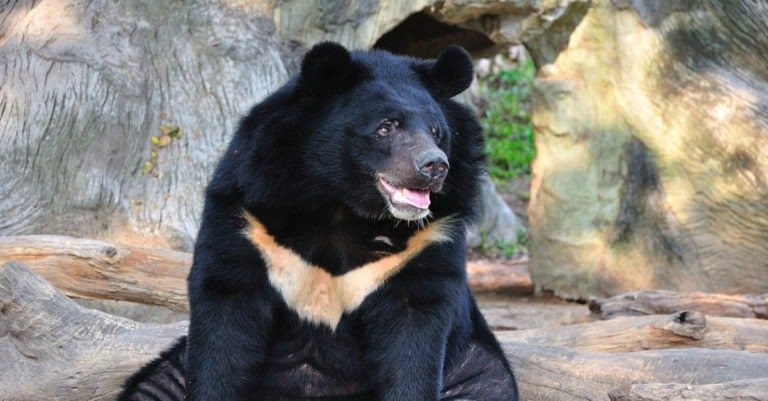
Moon-marked climber of Asian forests
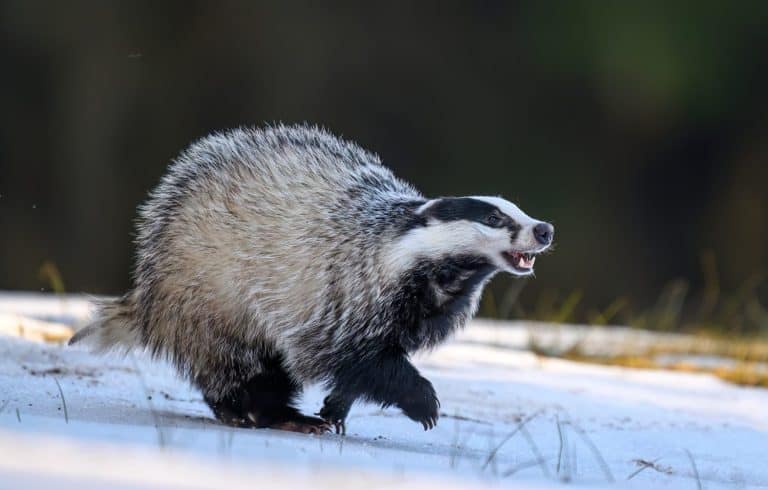
Built to dig. Born to endure.
Night pilots of the mammal world
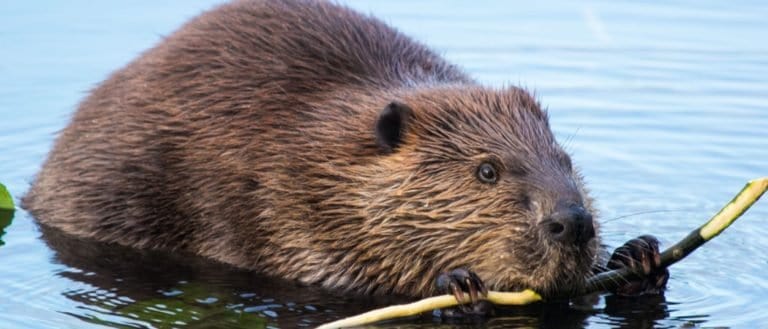
Build wetlands, shape worlds.

Small hunter, big household legend
One cat. Two continents.
Sure-footed partner of people
Webbed feet, world travelers.
Built to soar, born to strike
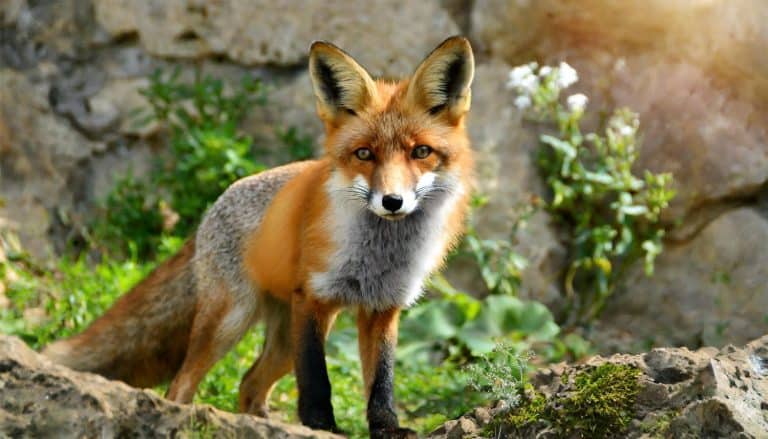
From dunes to tundra-fox smart.
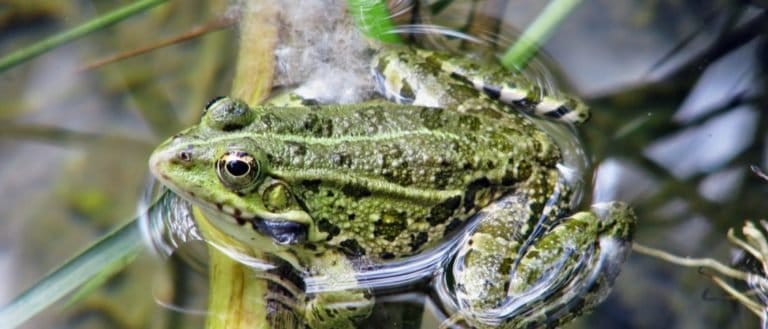
Tailless jumpers, masters of change
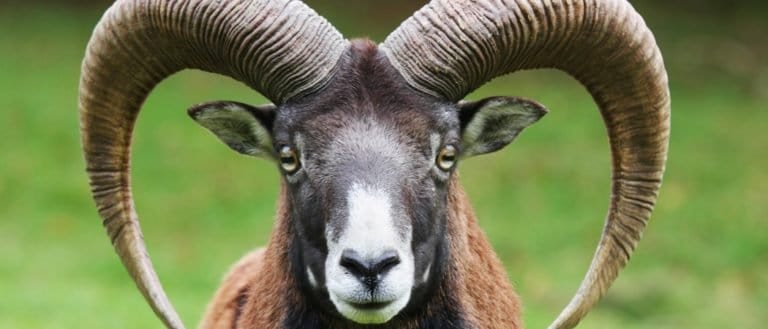
Sure-footed masters of rock and range
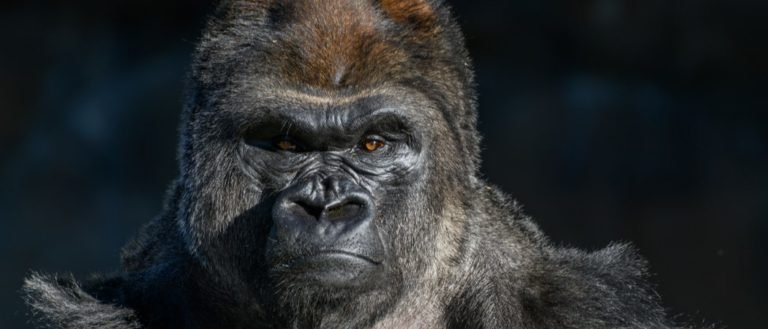
Gentle giants of the African forests
Pouches, burrows, and big impacts

One hoofbeat, a thousand histories
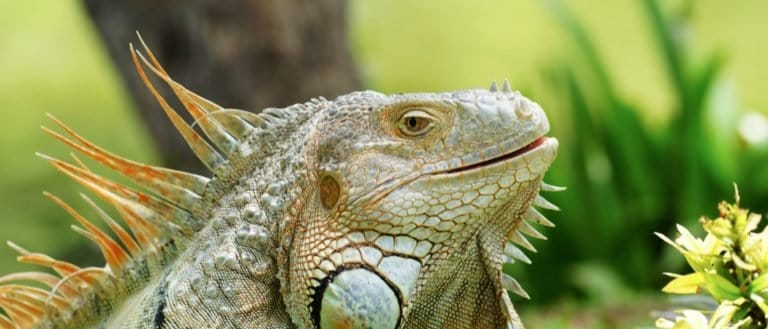
Sun-powered lizards of the Americas
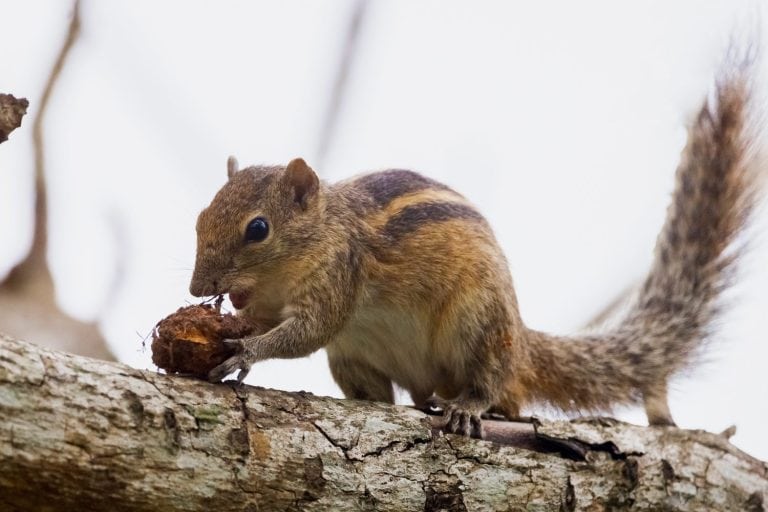
Three stripes. Big city attitude.
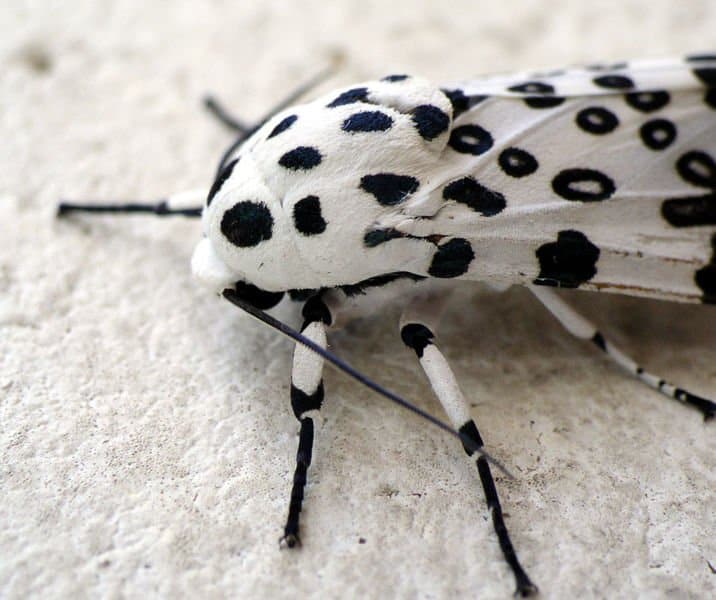
Six legs, endless lives.
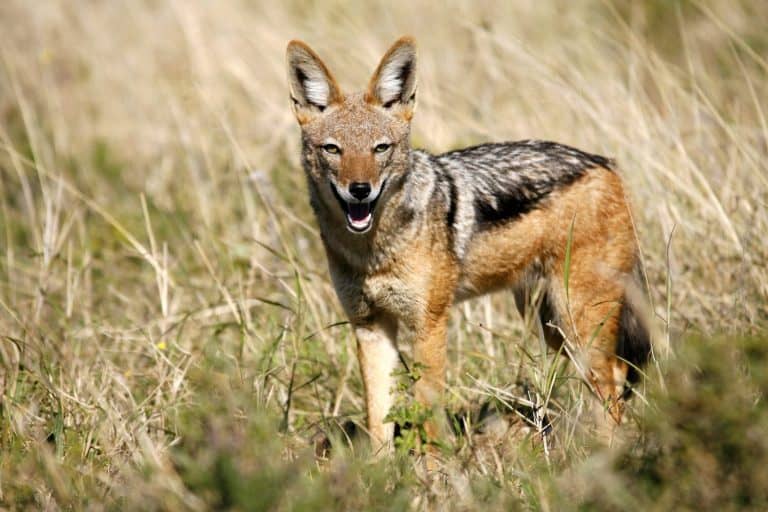
Small canids, big survival skills
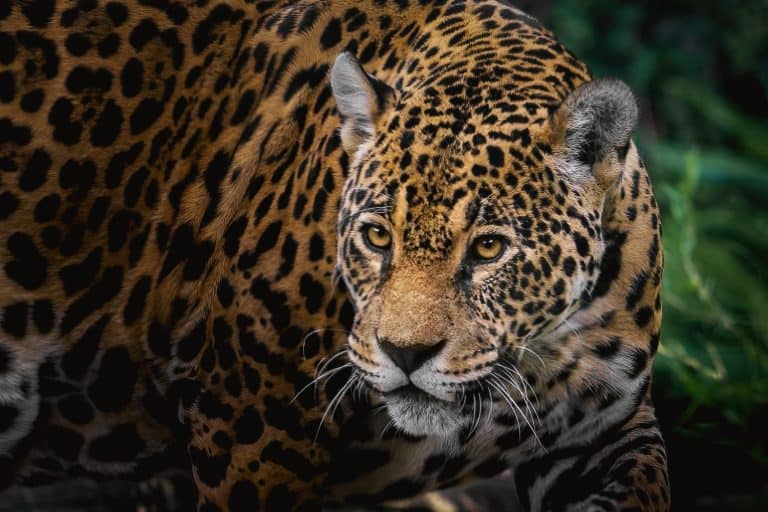
Power of the Americas' apex cat
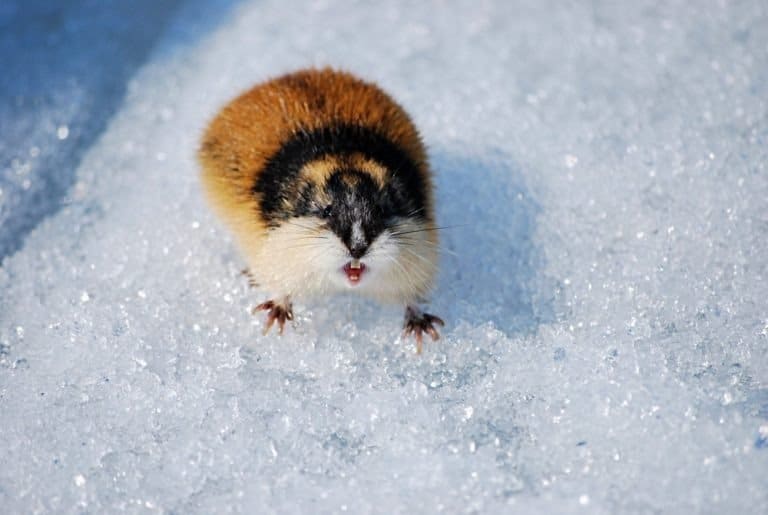
Small rodents, huge tundra impact

Built for prides, born for the hunt
From geckos to dragons-lizard power
Small gnawers, huge impact.
Thank you for reading! Have some feedback for us?
We appreciate your help in improving our content.
Our editorial team will review your suggestions and make any necessary updates.
There was an error submitting your feedback. Please try again.