



B
Species Profile

Beagador

Canis lupus familiaris

Big heart, bigger nose.
Mary Swift/Shutterstock.com

Beagador Distribution

Click a location to explore more animals from that region

Origin Location

This map shows the native origin of the Beagador. As a domesticated species, they are now found worldwide.

Loading map...

Size Comparison

Human 5'8"
Beagador 1 ft 8 in

Beagador stands at 29% of average human height.

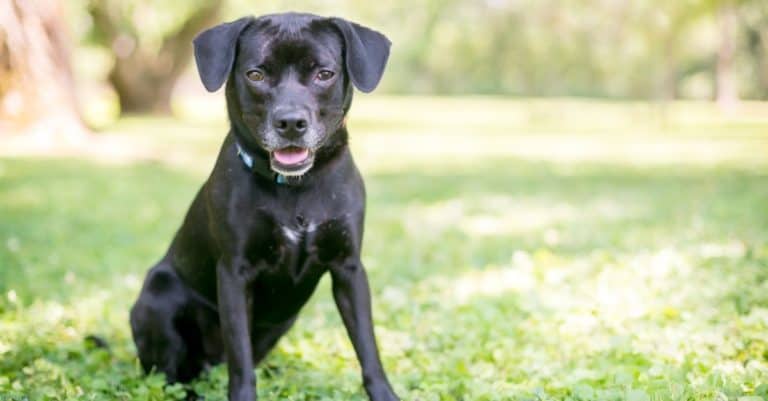
A cute black Retriever/Beagle mixed breed puppy, Beagador, sitting outdoors

At a Glance

Domesticated
Diet Omnivore
Activity Diurnal+
Lifespan 5 years
Weight 36 lbs
Status Not Evaluated
Did You Know?

Beagadors are a "designer cross," not a standardized kennel-club breed-two littermates can look quite different.

Scientific Classification

A Beagador is a mixed-breed domestic dog produced by crossing a Beagle with a Labrador Retriever. Typical traits combine the Beagle’s scent-driven, curious temperament with the Labrador’s sociability and retrieving/working-dog heritage; appearance and behavior can vary widely between individuals.

Kingdom
Animalia
Phylum
Chordata
Class
Mammalia
Order
Carnivora
Family
Canidae
Genus
Canis
Species
lupus

Distinguishing Features

  • Mixed Beagle–Labrador morphology; variable size (often medium), coat length usually short-to-medium
  • Drop ears common; may inherit Beagle-like facial markings or Labrador-like solid coloration
  • Scent-oriented behavior (tracking/sniffing) often strong due to Beagle ancestry
  • High sociability and trainability often influenced by Labrador ancestry, but prey/scent drive can affect recall

Physical Measurements

Males and females differ in size

Height
♂ 1 ft 8 in (1 ft 3 in – 1 ft 12 in)
♀ 1 ft 6 in (1 ft 2 in – 1 ft 9 in)
Length
♀ 2 ft 8 in (2 ft 4 in – 3 ft 1 in)
Weight
♂ 53 lbs (31 lbs – 75 lbs)
♀ 40 lbs (24 lbs – 60 lbs)
Tail Length
♂ 12 in (9 in – 1 ft 2 in)
♀ 10 in (8 in – 1 ft 1 in)
Top Speed
25 mph
Fast sprinter

Appearance

Primary Colors
Secondary Colors
Skin Type Dog skin with a short-to-medium double coat; coat density and undercoat vary. Moderate to heavy shedding is common, with seasonal 'blow' likely if Labrador-type coat is inherited. Skin may be sensitive to allergies.
Distinctive Features
  • Designer cross (Beagle × Labrador Retriever), not a formal kennel-club standardized breed; appearance and temperament are notably variable between individuals.
  • Often combines a Beagle-like head/ear set (longer, drooping ears) with a more Labrador-like body (sturdier frame, thicker tail), but can lean strongly toward either parent type.
  • Frequent 'hound nose' scent drive: strong interest in tracking odors, tendency to follow scents, and possible wandering/poor off-leash reliability without training.
  • Typically friendly, social, and people-oriented (Labrador influence) with curious, food-motivated behavior (common to both lines).
  • Energy and exercise needs are usually high: benefits from daily brisk walks plus play/retrieving games and scent-work/nose games for mental enrichment.
  • Common care needs: consistent reward-based training, early recall work, secure fencing (scent-chasing risk), and structured feeding to prevent weight gain.
  • Grooming: regular brushing to manage shedding; ear care is important because drop ears can trap moisture and predispose to ear infections.
  • Beagadors may inherit health issues from parent breeds, such as obesity, hip or elbow dysplasia, spinal/back problems, ear infections, allergies, and inherited eye problems; regular vet checks and healthy weight are important.
  • Not a distinct species-scientific name remains Canis lupus familiaris; differences from the base domestic dog are in mixed ancestry-driven coat, head/body proportions, and behavior tendencies rather than species-level traits.

Sexual Dimorphism

As in many domestic dogs (Canis lupus familiaris), males often average slightly larger and more muscular than females, but the magnitude varies widely in a mixed cross and there is no fixed standard.

♂
  • Often somewhat broader head/neck and heavier bone; may carry more muscle mass if not overweight.
  • May appear taller/longer-bodied depending on Labrador influence.
♀
  • Often slightly smaller, finer-boned overall; may look more compact if Beagle influence is stronger.
  • Body outline may appear lighter/less blocky, though variation is substantial.

Did You Know?

Beagadors are a "designer cross," not a standardized kennel-club breed-two littermates can look quite different.

Many inherit the Beagle's powerful nose and the Lab's people-focused friendliness, making scent games a favorite pastime.

Coats often range from short to medium and can be tri-color, black, yellow, chocolate, tan, or mixed patterns-reflecting both parents' variety.

Their food motivation can be intense (common in both Beagles and Labradors), which helps training-but also increases obesity risk.

Floppy ears from both parent breeds can trap moisture and debris, so regular ear checks matter.

They often excel at family life when given enough exercise and enrichment, combining "hound curiosity" with "retriever sociability."

Unique Adaptations

  • Enhanced olfaction (from hound ancestry): large nasal surface area and scent-focused behavior support tracking and nosework-style enrichment.
  • Retrieving/working-dog drive (from Labrador ancestry): many show strong object-carrying interest, making structured fetch and carrying games effective exercise.
  • Domestic-dog sociability vs. the base species (gray wolf): selection for human companionship typically yields lower fear/aggression toward strangers and greater trainability.
  • Athletic, efficient trot and endurance (common in many domestic dog types): supports long walks, hikes, and active play-provided joints are healthy.
  • Coat and color flexibility: mixed ancestry produces wide variation in coat density and shedding; most have weather-resistant short coats that are easy to maintain.

Interesting Behaviors

  • Scent-tracking zigzags: many will drop their head and "follow the story" of a smell, sometimes ignoring recall if under-stimulated.
  • Retrieval-with-a-twist: some enthusiastically fetch like a Lab, others prefer "find it" nosework like a Beagle-many enjoy both.
  • Friendly greeting style: typically sociable with people and dogs, often showing the Lab's outgoing approach behavior.
  • Counter-surfing and scavenging: a common challenge driven by strong food reward-seeking; management and training are key.
  • Vocal variation: some inherit Beagle-like baying/howling, while others are quieter-often triggered by excitement or scent discoveries.
  • "Shadow dog" tendencies: many choose to stay near family members, reflecting the domestic dog's strong social bonding to humans.

Cultural Significance

Beagadors (Beagle × Labrador Retriever, Canis lupus familiaris) show modern pet trends: mixing Lab friendliness with Beagle scent drive. They echo old human-dog roles—hounds for tracking, retrievers for fetching—seen today in nosework, search games, and service tests.

Myths & Legends

Gelert, a hound in Welsh legend, is killed by a prince who finds blood at a cradle. He had killed a wolf to save the child. Beddgelert's 'grave of Gelert' in Wales honors the tale.

St. Hubert, patron saint of hunters, is linked to famous scent hounds whose great tracking skill helped shape later scent hounds and hunting ways, an early influence on Beagle-type hounds.

The Black Dog of the British Isles (folklore): stories of ghostly black hounds (e.g., "Black Shuck") roaming lanes and coasts reflect cultural awe and fear surrounding dogs as guardians, omens, or otherworldly sentinels.

Cerberus (Greek mythology): the multi-headed hound who guards the underworld's gate symbolizes dogs as boundary-keepers between worlds-a recurring theme in dog mythology.

Xolotl and the dog guide (Aztec tradition): the god Xolotl is associated with guiding souls through the underworld, reflecting a widespread belief in dogs as spiritual companions on life's journeys.

Conservation Status

NE Not Evaluated

Has not yet been evaluated against the criteria.

Population Stable

Life Cycle

Birth 6 pups
Lifespan 5 years

Lifespan

In the Wild
2–10 years
In Captivity
10–15 years

Reproduction

Mating System Polygynandry
Social Structure Managed Domestic
Breeding Pattern Transient
Fertilization Managed Selective
Birth Type Managed_selective

Beagador (Beagle × Labrador Retriever; Canis lupus familiaris) follow dog reproduction: internal fertilization and no long-term pair bonds. Both males and females can mate with multiple partners, but breeding is usually managed by humans with health testing.

Behavior & Ecology

Social Pack Group: 4
Activity Diurnal, Crepuscular, Cathemeral
Diet Omnivore Meat-forward, highly palatable foods (e.g., chicken or fish-based complete dog food; many individuals strongly prefer scent-rich meat treats).

Temperament

Beagadors are social, people-friendly, and love to play (Labrador side), yet show strong scent-tracking, curiosity, and may ignore commands when on a scent (Beagle side); individuals range from Lab-like to Beagle-like.
Affiliative and gregarious: commonly seeks proximity, attention, and group play; can be prone to frustration/boredom behaviors if under-exercised or left alone too long (e.g., chewing, barking/howling).
Drive profile: strong food motivation and nose-led scavenging are common; may wander/bolt if off-leash in unsecured areas-recall reliability varies and often needs long-term reinforcement and management.
Trainability: usually learns quickly with positive reinforcement, but distraction by scents can reduce responsiveness; benefits from short sessions, high-value rewards, and impulse-control games.
With other dogs: often friendly and tolerant, but may be exuberant; some show resource guarding (food/toys) or rough play if poorly socialized-early, controlled social exposure helps.
With children/strangers: commonly good family dogs due to stable, outgoing temperament, but may jump/mouth when excited; consistent manners training recommended.
Beagle/Lab mixes may face health issues: hip and elbow dysplasia (Lab), obesity, ear infections from floppy ears, allergies and skin problems, hypothyroidism, and tiring easily or overheating if overweight.
Care requirements (behavior-linked): daily aerobic exercise plus nosework/scent walks; structured retrieval play; secure fencing/leash use; mental enrichment (snuffle mats, tracking games, puzzle feeders) to reduce nuisance vocalization and scavenging.
Grooming/handling: typically moderate shedding; regular brushing and routine ear cleaning/drying (especially after swimming) to reduce otitis; weight management is a major welfare priority due to strong appetite and joint load.

Communication

Barking for alerting, attention, or frustration; may escalate with insufficient exercise/enrichment.
Howling/baying (more common when Beagle traits are strong), especially when excited, scenting, or left alone; can be a key distinguishing trait vs many Labrador-type dogs.
Whining/whimpering during anticipation (food, walks) or separation-related distress.
Growling as a distance-increasing signal during discomfort, resource guarding, or rough play; should be respected and addressed via training/management.
Scent communication: intense sniffing, scent-trailing, and ground tracking; may 'check in' less visually when engaged on an odor Noting breed distinction from the base species-domestic dogs rely heavily on human cues, but Beagadors can default to nose-first decision-making
Body language: tail wagging (often high-frequency when social), play bows, loose wiggly posture; stiffening, freezing, lip licking, and head turns as stress signals.
Mouth-based communication: carrying objects Retrieving tendency), gentle mouthing during play, and bringing toys to solicit interaction (Lab influence
Contact-seeking: leaning, pawing, nudging, and following; may shadow household members and solicit petting as a primary affiliative signal.
Visual attention/cue reading: typically good at reading human gestures and routines compared with wild canids, but attention can 'drop' sharply in high-scent environments-training aims to strengthen check-ins and recall.

Habitat

Biomes:
Temperate Forest Temperate Grassland Mediterranean Boreal Forest (Taiga) Tundra Alpine Desert Hot Desert Cold Savanna Tropical Dry Forest Tropical Rainforest Freshwater Wetland Marine Temperate Rainforest +9
Terrain:
Plains Hilly Valley Coastal Mountainous
Elevation: Up to 18044 ft 8 in

Ecological Role

Human-associated domestic omnivore (companion/working breed mix) with opportunistic predation and scavenging tendencies; in free-roaming contexts can function as a mesopredator and scavenger.

companionship and social support to humans scent-work utility (tracking/etection-style activities reflecting Beagle ancestry) retrieving/assistance-style tasks reflecting Labrador ancestry localized pest deterrence/control (discouraging rodents in yards) potential negative impact if uncontrolled: predation on wildlife and scavenging of refuse, contributing to human-wildlife conflict

Diet Details

Main Prey:
Small rodents Rabbits and hares Small birds and eggs Fish scraps Insects and other invertebrates
Other Foods:
Berries and other fruits Vegetables Grains and starches Grasses and plant matter Fungi

Human Interaction

Domestication Status

Domesticated

Domestic dog (Canis lupus familiaris) came from gray wolves. The Beagador is a modern mixed breed made by crossing a Beagle and a Labrador Retriever. It blends two working lines, often being social, food-motivated, and scent-driven. Beagadors are family pets, active companions, scent-work or casual hunting dogs, therapy or sport dogs, and are common in shelters.

Danger Level

Low
  • Accidental injury from exuberant jumping or pulling on leash (often stronger/Lab-influenced individuals)
  • Bites or nips typically related to fear, pain, resource guarding, or poor socialization (risk increases without training/management)
  • Allergies/asthma triggers from dander/saliva in sensitive people
  • Zoonotic and hygiene risks if unvaccinated/poorly managed (e.g., parasites such as roundworms/hookworms; bacterial contamination from feces)
  • Escaping/roaming risk due to Beagle-like scent drive, which can indirectly endanger people via traffic incidents or lost-dog situations

As a Pet

Suitable as Pet

Legality: Beagador (Beagle × Labrador Retriever mix, Canis lupus familiaris) is usually legal where dogs are allowed, but owners must follow local rules (license, leash, shots). Housing or insurance may still set size or behavior limits.

Care Level: Moderate

Purchase Cost: $50 - $2,000
Lifetime Cost: $15,000 - $40,000

Economic Value

Uses:
Companion animal industry Training and behavior services Veterinary care and preventive medicine Pet food and supplies Dog sports and recreation Rescue/adoption ecosystem
Products:
  • adoption and rehoming services (shelter/rescue fees)
  • vaccination, spay/neuter, parasite prevention, microchipping
  • training classes (basic manners, recall, leash skills)
  • enrichment tools (snuffle mats, scent-work kits, puzzle feeders)
  • exercise services (dog walking, daycare)
  • health screening and management (orthopedic care, allergy/dermatology care, ear care)

Relationships

Ecological Equivalents 6

Animals that fill a similar ecological role in their ecosystem

Beagle
Beagle Canis lupus familiaris One parent lineage. Contributes strong scent drive, persistence on trails, vocal tendencies, and a higher likelihood of distraction by odors — traits that often distinguish Beagadors from the broader domestic-dog baseline.
Labrador Retriever
Labrador Retriever Canis lupus familiaris One parent lineage. Commonly contributes sociability, trainability, strong retrieving/play drive, and higher exercise needs; also informs common mixed-breed health watch-outs (e.g., hip and elbow issues, obesity risk).
Basset Hound
Basset Hound Canis lupus familiaris Similar scent-hound niche (odor-driven tracking and strong food motivation). Useful comparator for Beagador care needs such as consistent recall training and enrichment to prevent boredom-related behaviors.
Pointer-retriever gun dogs Canis lupus familiaris Shares the human-assisted hunting/field-work niche: high activity levels and a strong training focus. Highlights that Beagadors often require structured daily exercise and mental work rather than only casual walks.
Labradoodle
Labradoodle Canis lupus familiaris Comparable 'Lab-mix' companion niche. Underscores typical mixed-breed variability in coat, shedding, size, and temperament, which is relevant to grooming and care expectations.
Village/landrace domestic dog Canis lupus familiaris Provides species context: compared with the average domestic dog, Beagadors tend to skew toward higher food motivation and scent-driven roaming and foraging. Key care implications include secure fencing and leash discipline, weight management, and ample scent-based enrichment such as tracking games and scatter feeding.

Created by crossing a beagle with a Labrador retriever, the beagador is a designer dog with a sweet and playful personality. These dogs are extremely cute, do well with kids, and love to follow their owners everywhere. Both beagles and labs are known as good family dogs, and their designer descendant, the beagador, is no exception. Beagadors have even temperaments and plenty of energy. These dogs love to run, play, dig, and explore. If you’re looking for a loyal dog who you can count as a member of your family, the beagador is a great choice.

Owning a Beagador: 3 Pros and Cons

Pros!Cons!
Extremely loyal
Beagadors are hunting dogs that are incredibly attached to their primary parents. Expect your new puppy to follow you around the house and try to take part in all of your activities.
Separation anxiety
Like their beagle parents, beagadors do not do well if they are left alone. Luckily, these dogs are small enough to follow you to most locations.
Low grooming
Beagadors have short coats and don’t need to go to the groomer very often. As long as you trim their nails and clean their ears, these pups require almost no maintenance.
Moderate shedding
Although they have short coats, beagadors still shed and may leave fur all over your house. You can mitigate this with weekly brushing and regular baths.
Playful personality
Beagadors are sweet dogs that love to play games like fetch and tug-of-war. These dogs are a great choice for active couples or families with older children.
Likes to dig
Beagadors are known for digging in soft dirt and sand. Make sure that your fences are deep enough to keep your dog contained, especially considering that beagadors are small enough to crawl through moderately-sized holes.
Beagador sitting on a rock

Beagadors love to explore and are a great choice for active couples or families with older kids.

Evolution and Origins

As the beagador is a hybrid dog, it’s not known exactly when this breed was first introduced, but it is possible that it was in the U.S. during the 1990s, when designer dogs became popular following the success of crossbreeds with the poodle, such as the labradoodle and goldendoodle.

Both of the beagador’s parents are very popular breeds to use to develop hybrids. Some of the Labrador retriever’s crossbreeds are the boxador, cavador, corgidor, dalmador, and mastador, while the beagle’s crossbreeds include the boggle, meagle, pomeagle, puggle, and raggle.

Both parent breeds were also originally working dogs, with the Labrador a gun dog and the beagle a scent hound.

Labrador retrievers originated in Canada’s Labrador Territory, and due to their water-repellent coats and swimming skills, were used to help retrieve fish that had fallen off fishermen’s hooks as well as bring in nets with the catch of the day. Sailors and traders brought them to the U.K. in the 19th century, and after the English bred them with British hunting dogs, the modern-day Lab was created.

It’s theorized that the beagle’s ancestors could date back to the 5th century in Greece, where hounds assisted in hunts for foxes, rabbits, and small game. Many consider the modern beagle’s descendants to be the Talbot Hounds, which William the Conqueror brought to England in the 11th century. By the 16th century, packs of beagles were commonly used on hunts to chase and flush out deer and rabbits.
Animal, Canine - Animal, Cheerful, Chocolate, Cute

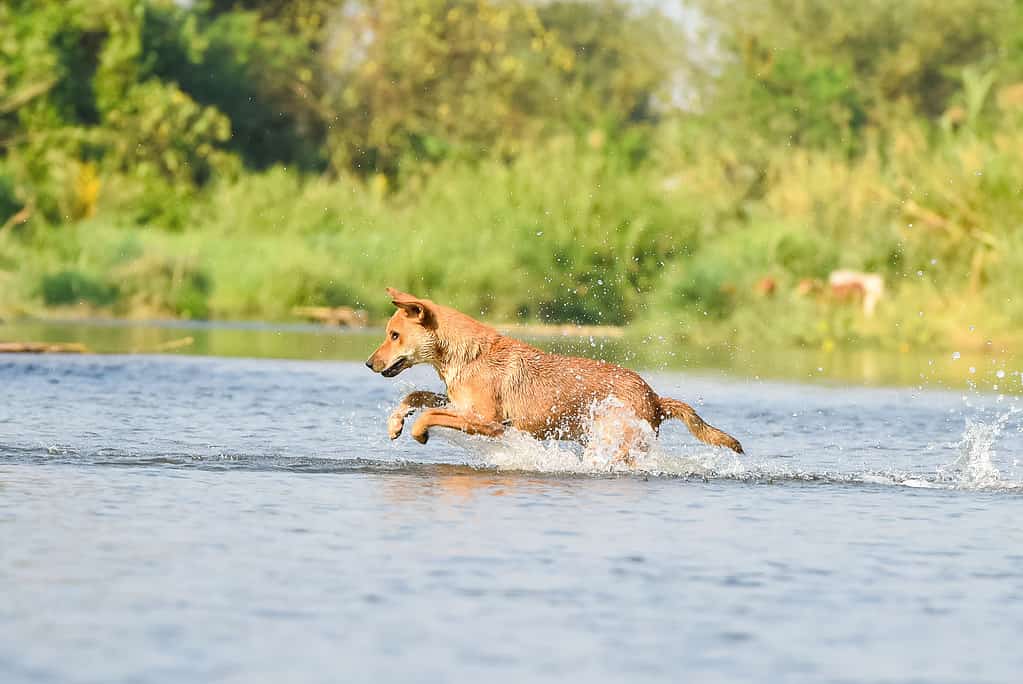
The Beagador’s parent breed, the Labrador, was bred to assist fishermen.

Size and Weight

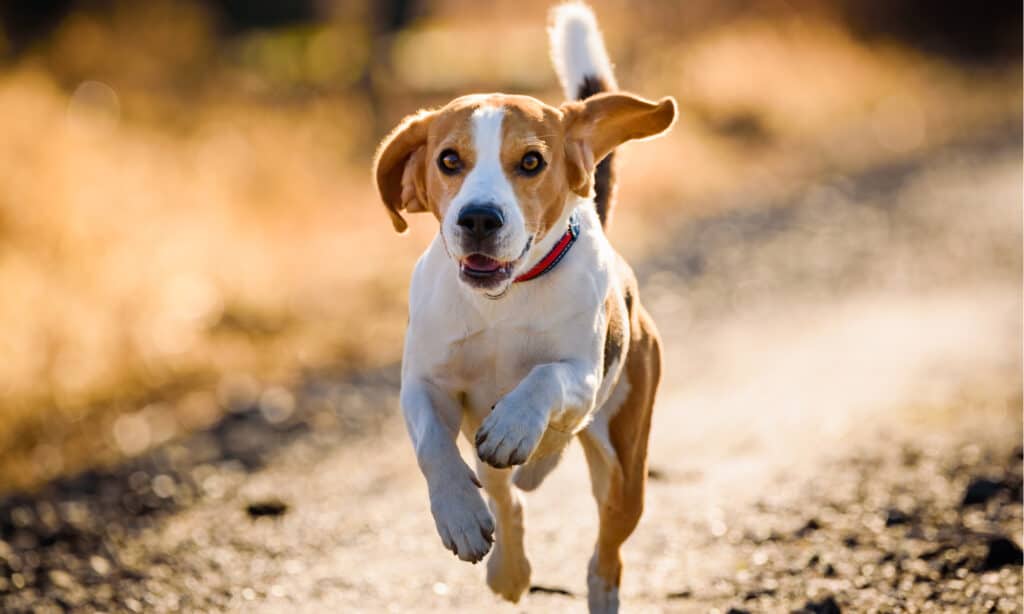
Beagadors are medium-sized dogs that take mostly after their beagle parents, although their torsos are usually longer and stockier. These dogs have floppy ears, big eyes, and strong noses. Depending on the parent breeds, you can expect your beagador to have a copper or tan coat with black, white, and brown patches. Most beagadors weigh between 25 and 45 pounds and stand between 18 to 24 inches tall. Female beagadors tend to be slightly smaller than their male counterparts.
best dog food for beagles

Beagadors take mostly after their beagle parents but have longer torsos.

Common Health Issues

Hybrid dogs tend to be healthier than their parent breeds, and the beagador is no exception. In addition to inheriting the good health of the Labrador, beagadors are also less susceptible to many of the problems that beagles face. Still, these dogs do have some genetic health concerns, including the potential for epilepsy, joint dysplasia, and heart problems. When you bring your beagador puppy home, make sure the vet checks for:

  • Eye problems
  • Epilepsy
  • Hip and elbow dysplasia
  • Heart problems
  • Hypothyroidism
  • Beagle dwarfism
spay a dog at petsmart

Beagadors inherited the good health of their Labrador parent breed.

Temperament

Beagadors are sweet and friendly dogs with great personalities. As puppies, beagadors tend to be incredibly adventurous and will want to explore your entire house and backyard. Expect them to display playful behaviors like chewing on toys and dropping tennis balls at your feet. Once your beagador is full-grown, it will become incredibly attached to its primary parent and will loyally follow you through your daily activities.

When they’re not playing or exploring, beagadors love to sit and listen to family conversations. These dogs are always underfoot, largely because they don’t like to be alone. Expect to see affectionate and adoring personality traits, especially if you raise your beagador from a puppy. Remember that because beagadors are hunting dogs, they will need plenty of exercise to stay on their best behavior.
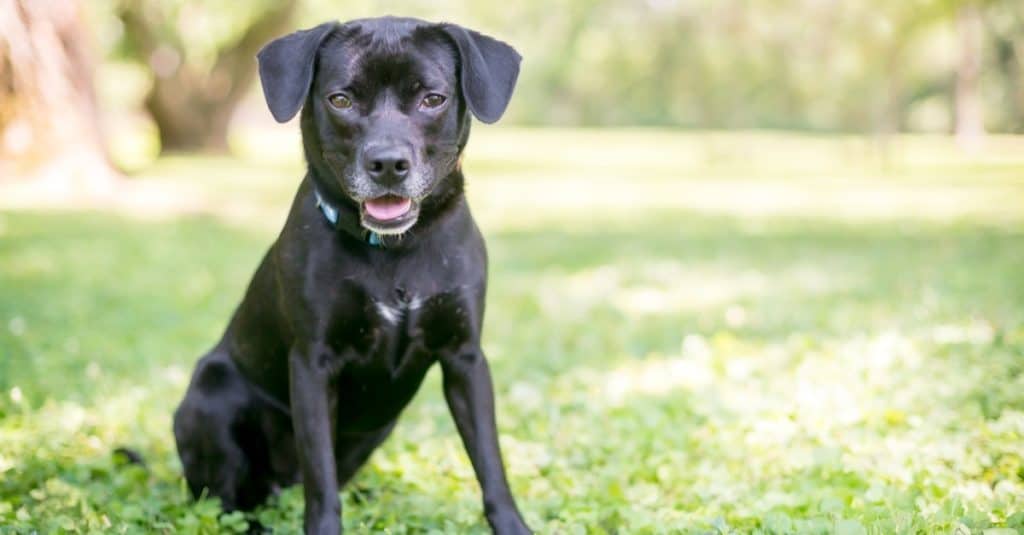
A cute black Retriever/Beagle mixed breed puppy sitting outdoors

Beagadors are sweet, loyal, and friendly dogs.

How to Take Care of a Beagador

They are playful and energetic dogs that want to spend as much time outside as possible. Otherwise, these dogs are friendly and very easy to take care of, especially if you take them to the vet twice a year.

The Best Dog Food for Beagadors

These dogs love to eat; once they’ve had their fill, they’ll simply run around until the calories are burned off. Look for a high-quality kibble with an emphasis on protein and healthy fats. If you can’t give your dog as much exercise as they might like, consider slightly reducing their portions to help prevent obesity. Also, consider a glucosamine/chondroitin supplement if you’re worried about your Beagador’s joints.

Beagadors can develop heart problems, so it’s important to pick dog food that won’t increase that risk. Researchers have discovered a possible link between dog foods containing legumes and dogs developing canine dilated cardiomyopathy, which leads to heart failure. Legume-free food with taurine for heart health could be a smart decision for Beagador owners.

Maintenance and Grooming

These are short-haired dogs with a mild amount of shedding. Because their coats are short, these dogs seldom need to go to the groomer. However, you should still brush them once a week to reduce shedding and prevent their fur from matting. Remember to trim your dog’s nails and clean its ears every month to prevent infections.
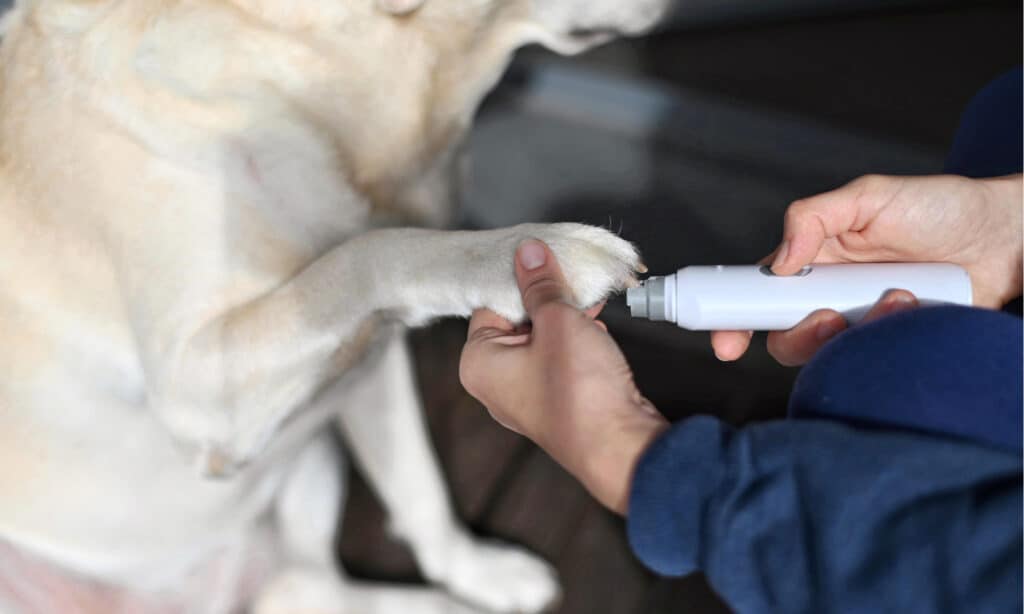
lucky tail nail grinder

Your dog’s nails should be trimmed every month to prevent infections.

Training

These dogs are known for having even temperaments that make them easy to train. Start working with your puppy as early as possible to set a good framework for later training sessions. Because these dogs are so athletic and dedicated, you don’t have to stop after teaching basic commands; depending on how much work you want to put in, your beagador could learn tricks and might even be able to compete in local canine competitions.
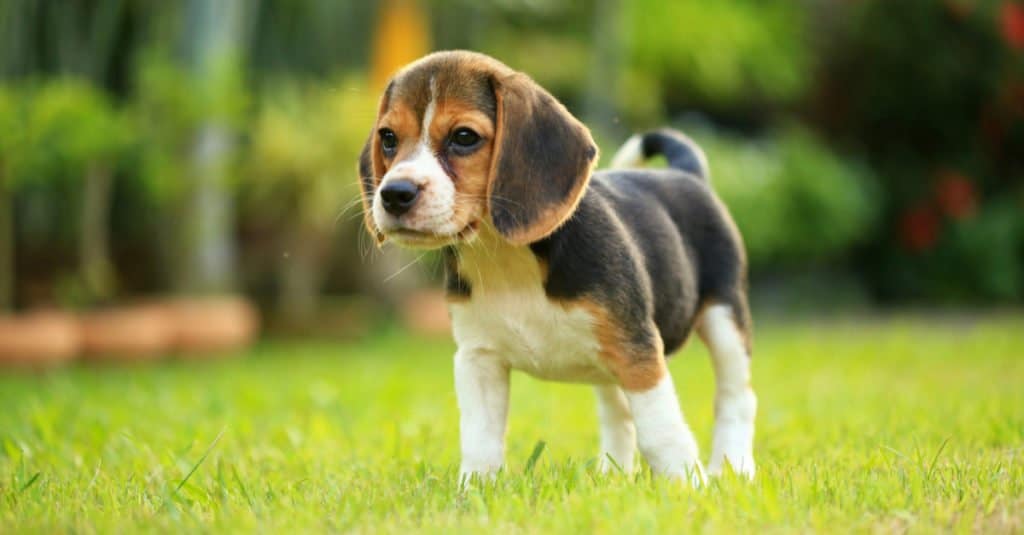
Beagle puppy standing in the grass

Training for beagadors, like their parent breed, beagles, should begin as early as possible.

Exercise

These dogs love to play and need as much exercise as you can give them. A full-grown dog needs at least an hour-long walk every day, accompanied by access to a yard or another space to run around. Like many athletic dogs, beagadors slow down as they get older; this is why it’s important to play with them as much as possible while they’re still young.
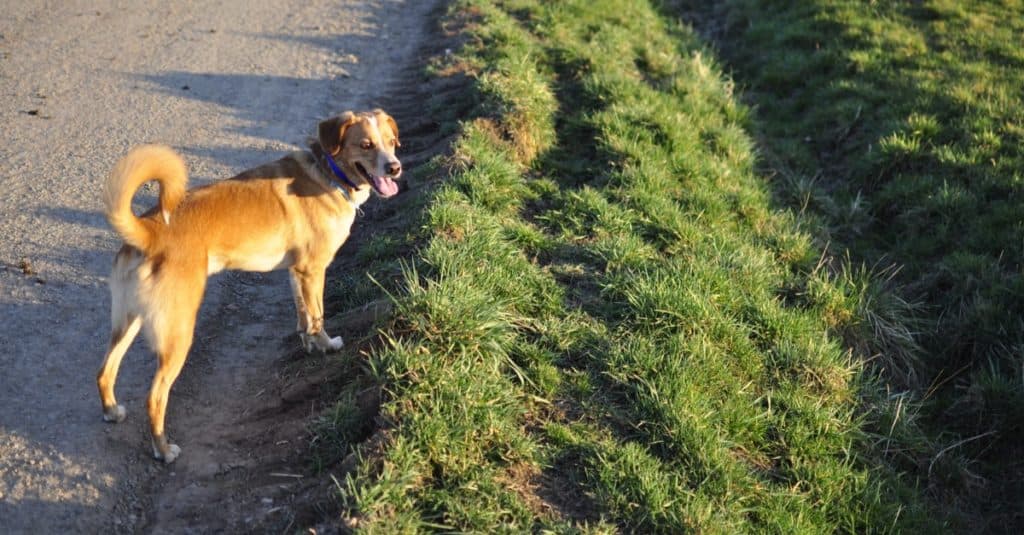
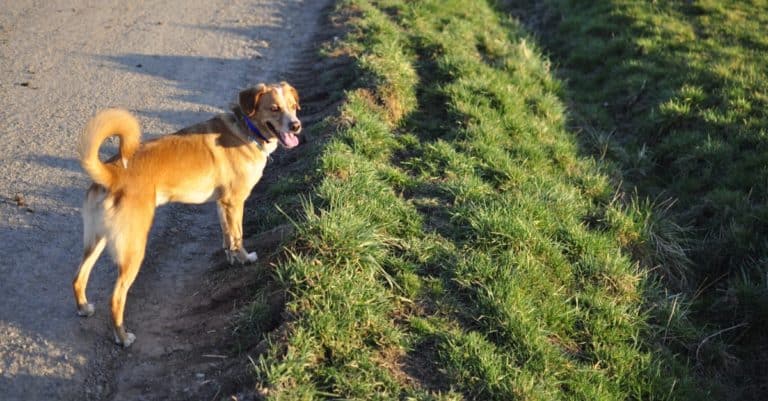
Beagle and Labrador Mix Dog, a Beagador, on the side of the road

Beagadors need a daily walk and a yard or space to run around.

Puppies

Beagadors inherit their parent breeds’ playfulness and sense of adventure, and when they’re puppies, they are especially curious. Make sure to watch your puppy closely to make sure that they don’t wander off and get into trouble. Start training sessions as early as possible to help your dog have an easier time paying attention when they are full-grown.
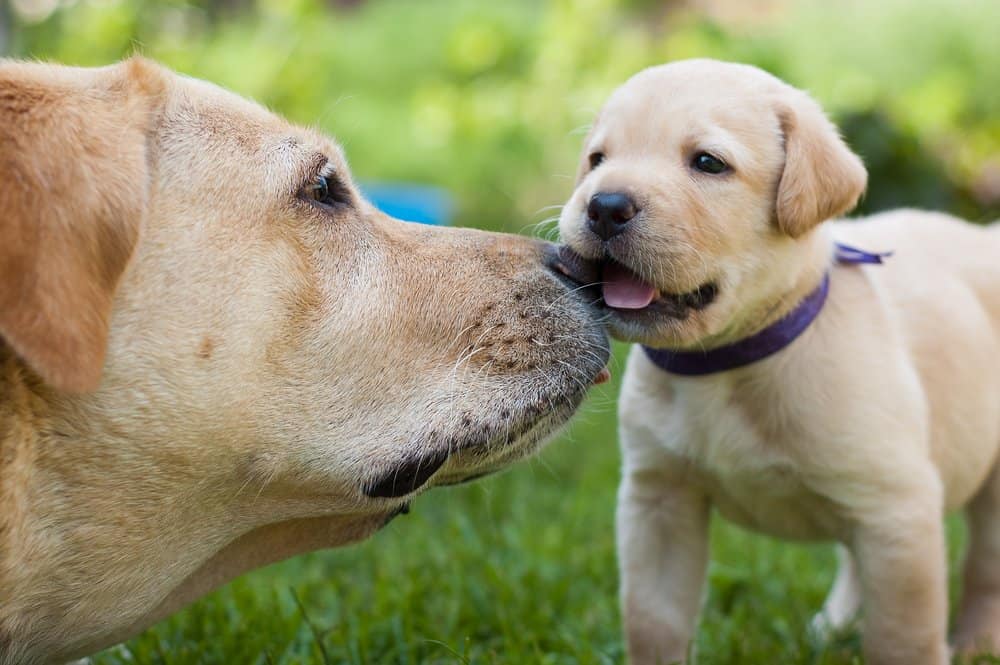
Labrador Retriever (Canis familiaris) - yellow labrador and puppy

Beagadors, like their Lab parent breed, are playful from their puppy stage.

Beagador and Children

These dogs, like their parent breeds, are great with children and are a good choice for families with kids who are at least in elementary school. Because these dogs are medium-sized, they can play with the kids without becoming overwhelmed. However, you should never leave a beagador or any other dog alone with unattended children who are too young to respect a dog’s natural boundaries. Keep an eye on playtime, and end the situation if you notice that your dog is getting tired.
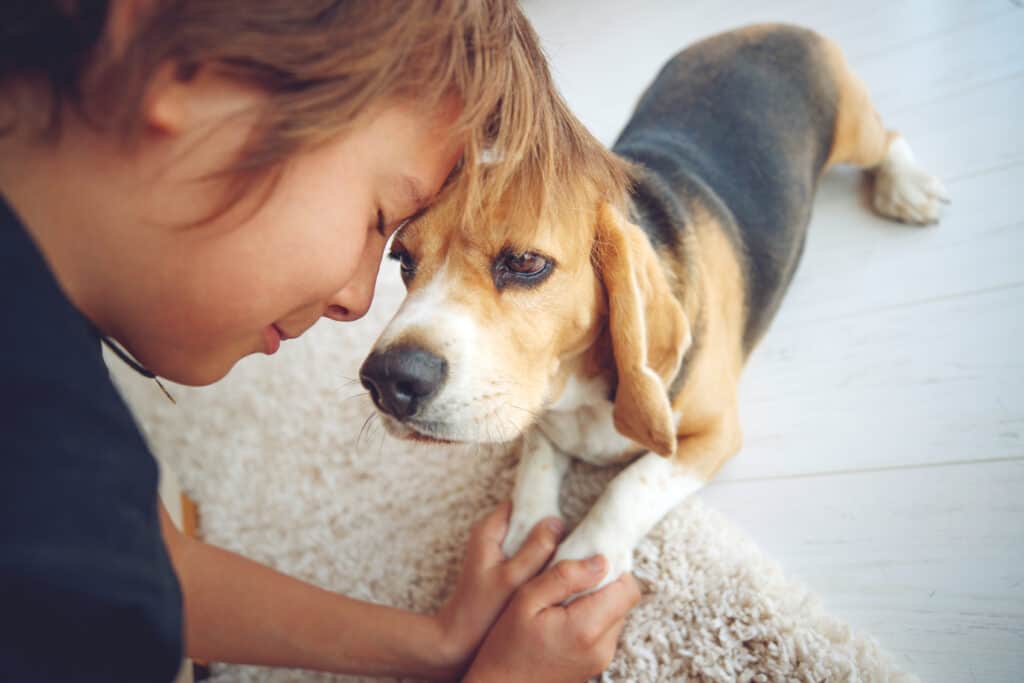
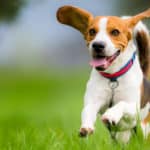
beagle and owner

Like their parent breed, the beagle, beagadors are great with children.

Dogs Similar to Beagadors

Beagle and lab hybrids are both incredibly popular as designer dogs. If you can’t find a breeder in your area and you’ve already checked your local animal rescue, try adopting a boglen terrier, poogle, or spanador instead.

  • Boglen Terrier – This adorable mix has the scrunched face of a Boston terrier and tends to be the life of the party.
  • Poogle – With the hypoallergenic coat of a poodle and the friendly nature of a beagle, the poogle is a sweet designer breed that most kids will love.
  • Spanador – Spanadors love to swim and play, which makes them great companions for athletic families.
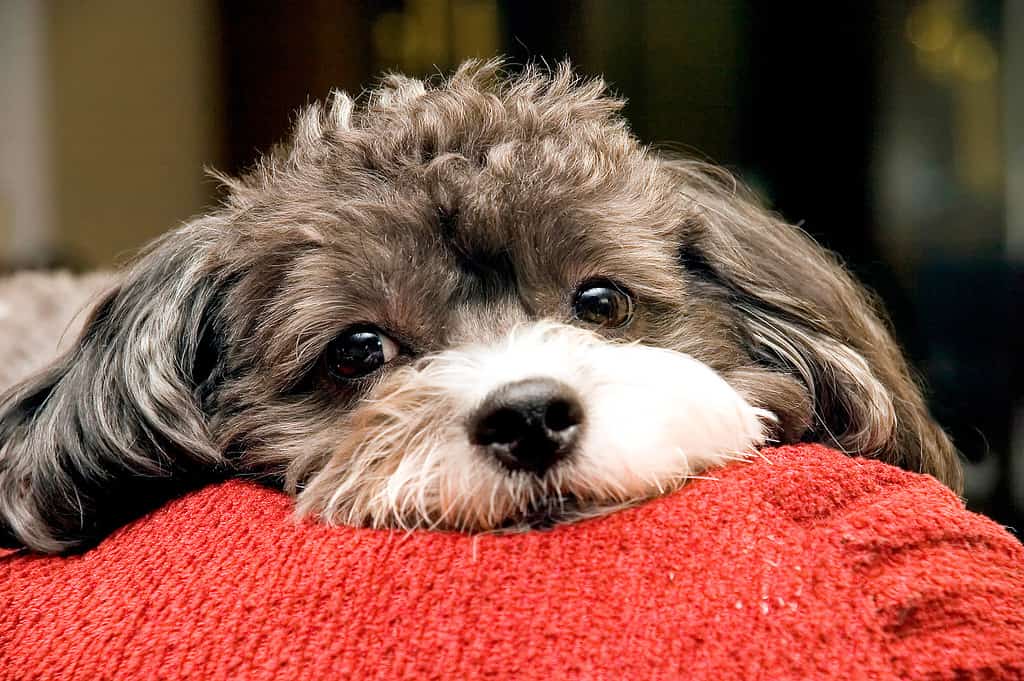
Poogle

Poogles and beagadors share a parent breed, the beagle, and both inherited its sweet temperament.

View all 453 animals that start with B

Sources

  1. 101 Dog Breeds / Accessed April 6, 2021
  2. Groom Arts Academy / Accessed April 6, 2021
  3. My Pet Needs That / Accessed April 6, 2021
  4. The Happy Puppy Site / Accessed April 6, 2021
  5. Dog Digest / Accessed April 6, 2021
  6. The Labrador Site / Accessed April 6, 2021
Catherine Gin

About the Author

Catherine Gin

Catherine Gin has more than 15 years of experience working as an editor for digital, print and social media. She grew up in Australia with an alphabet of interesting animals, from echidnas and funnel-web spiders to kookaburras and quokkas, as well as beautiful native plants including bottlebrushes and gum trees. Being based in the U.S. for a decade has expanded Catherine's knowledge of flora and fauna, and she and her husband hope to have a hobby farm and vegetable garden in future.

Thank you for reading! Have some feedback for us?


Beagador FAQs (Frequently Asked Questions)

A beagador is a designer dog breed created by crossing a beagle with a labrador retriever. The result is a friendly and playful dog with strong hunting instincts and a loving personality. Most beagadors have copper coats with tan, black, and white patches.