













F
Species Profile

Feist

Canis lupus familiaris

Small dog. Big woods energy.
SATRIA NANGISAN/Shutterstock.com

Feist Distribution

Click a location to explore more animals from that region

Origin Location

This map shows the native origin of the Feist. As a domesticated species, they are now found worldwide.

Loading map...

Size Comparison

Human 5'8"
Feist 1 ft 2 in

Feist stands at 20% of average human height.

Training German Feist Terriers in the Woods: A Detailed Look

At a Glance

Domesticated
Also Known As Fice, Fist, Squirrel dog, Treeing dog
Diet Omnivore
Activity Diurnal+
Lifespan 11 years
Weight 14 lbs
Status Not Evaluated
Did You Know?

"Feist" is a type/landrace, not one single standardized global breed; looks vary by region and line.

Scientific Classification

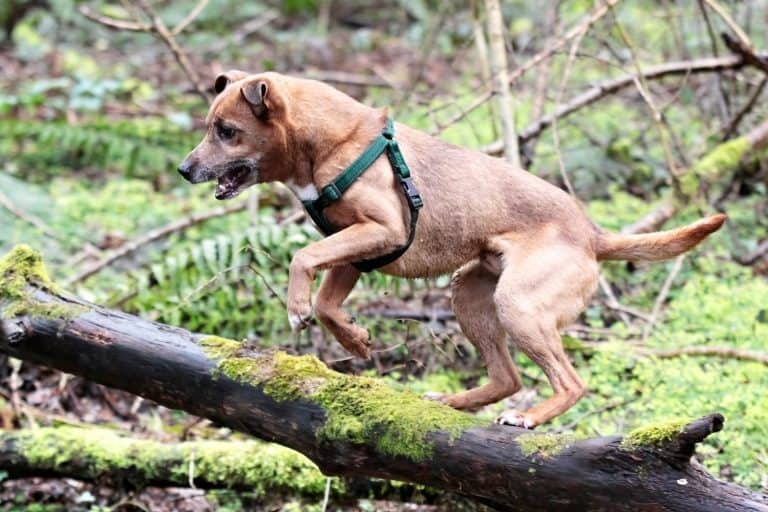
Feist refers to a family of small-to-medium, energetic hunting dogs in the United States, historically bred as practical farm-and-woods dogs for pursuing and “treeing” small game (especially squirrels) and for general vermin control. In many contexts it denotes a landrace/type rather than a single globally standardized breed.

Kingdom
Animalia
Phylum
Chordata
Class
Mammalia
Order
Carnivora
Family
Canidae
Genus
Canis
Species
Canis lupus

Distinguishing Features

  • Small-to-medium, athletic build suited to quick pursuit in brush and woodland
  • Strong prey drive; commonly used for squirrel/rabbit hunting and vermin control
  • Often described as “treeing” (tracking/chasing game into trees and alerting)
  • Coat often short and smooth (though variation exists by line); many color patterns occur
  • Erect or semi-erect ears are common; overall appearance can resemble small terriers

Physical Measurements

Males and females differ in size

Height
1 ft 4 in (1 ft 1 in – 1 ft 6 in)
1 ft 3 in (12 in – 1 ft 5 in)
Length
2 ft (1 ft 8 in – 2 ft 4 in)
Weight
22 lbs (15 lbs – 31 lbs)
18 lbs (11 lbs – 24 lbs)
Tail Length
8 in (2 in – 12 in)
9 in (7 in – 12 in)
Top Speed
28 mph

Appearance

Primary Colors
Secondary Colors
Skin Type Skin covered by a short, tight coat (smooth to slightly harsh). Darker dogs usually have darker-colored skin; white areas show pink skin. Coat is low-maintenance but sheds seasonally and can get occasional irritation.
Distinctive Features
  • A Feist (Canis lupus familiaris) is a much smaller, compact hunting dog than wolves, with a shorter muzzle, varied coat colors and patterns, and a body bred to work closely with handlers.
  • Core working hallmark: intense prey drive and strong "treeing" behavior-rapid pursuit of squirrels/small game, then persistent barking/alerting at the tree while maintaining pressure until the handler arrives.
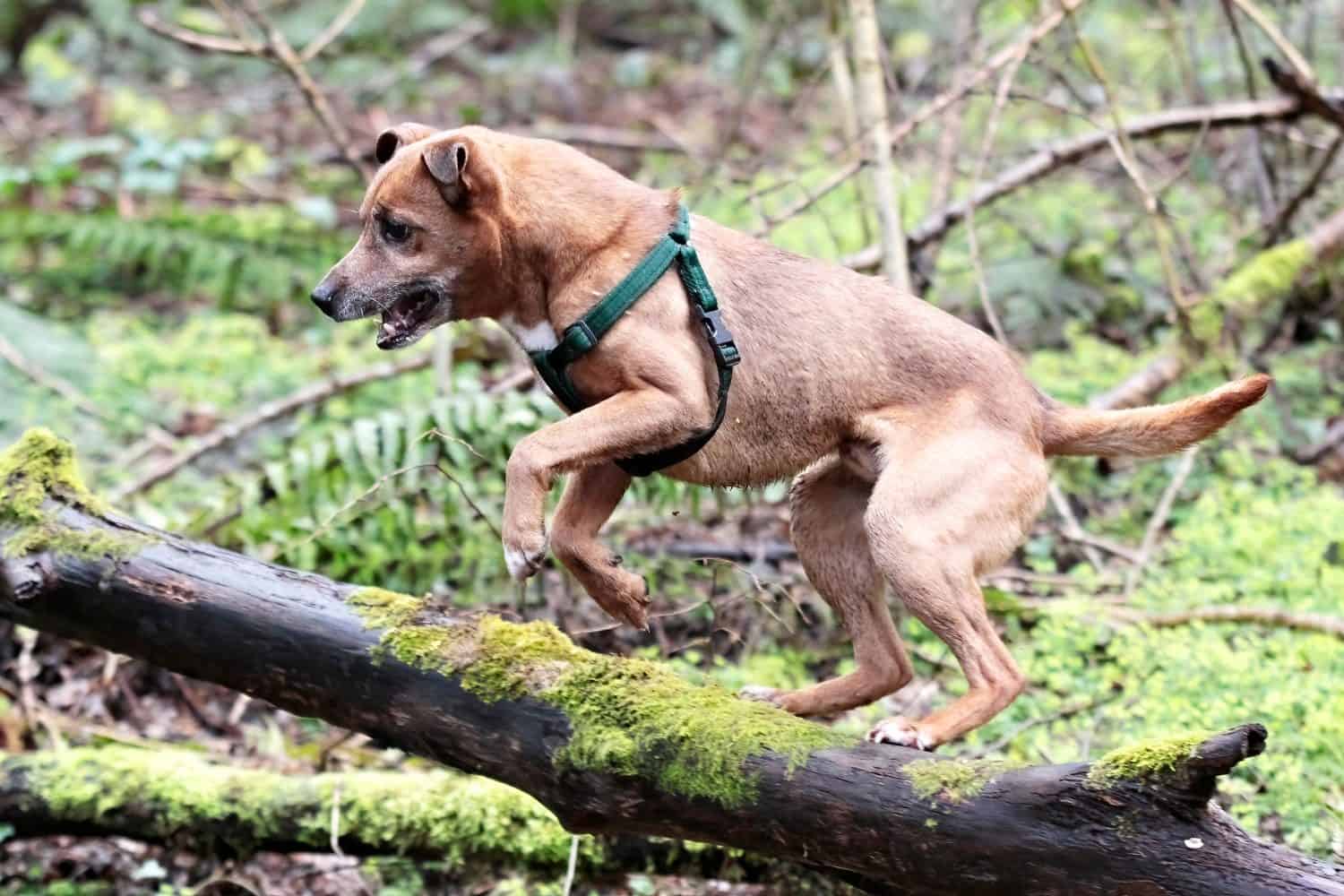
  • Overall build: small-to-medium, athletic and agile; typically deep-chested for size, with well-developed hindquarters for quick bursts, tight turns, and jumping/climbing over rough terrain.
  • Head/ears: wedge-shaped head common; ears often semi-erect or erect, aiding sound localization while hunting (ear carriage can vary by line).
  • Tail: variable-can be long, naturally short, or docked depending on tradition/line; tail carriage often high when excited/working.
  • Coat: usually short and close with minimal feathering; designed to dry quickly and resist briars, though individual lines may show slightly thicker coats.
  • Behavior/handling considerations: high energy, high arousal when on scent; may be vocal when treeing; strong chase instinct means leash/secure fencing and recall training are important.
  • Care requirements: needs daily vigorous exercise (running, scent games, structured fetch, off-leash only in safe areas) plus mental work; thrives with consistent training and clear boundaries; can become nuisance-barker or destructive if under-stimulated.
  • Grooming: low-to-moderate-weekly brushing, regular nail trimming (working dogs wear nails but still often need maintenance), routine ear cleaning especially for active outdoor dogs, and dental care due to small-dog tartar risk.
  • Common health issues in small hunting Feists: patellar luxation, hip dysplasia, dental and periodontal disease, allergies (atopic dermatitis), and work injuries like cuts, sprains, or thorn or foxtail wounds; routine parasite prevention for woods exposure.
  • Lifestyle fit: best for active homes, hunters, or farm settings; may be wary of strangers but typically bonds strongly to family; early socialization helps prevent reactivity and supports reliable off-switch in the house.

Sexual Dimorphism

Generally mild to moderate. As with many domestic dogs, males tend to be slightly larger and more robust, but functional breeding prioritizes athletic performance over exaggerated size differences; variation between regional lines can be greater than male-female differences within a line.

  • Slightly heavier bone and broader head/neck; often more muscular through shoulders/chest.
  • May show more pronounced territorial marking behaviors if not neutered (behavioral, not purely visual).
  • Often slightly lighter-framed and more refined through head and muzzle while maintaining the same athletic, agile outline.
  • May appear a bit longer-bodied or narrower in chest in some lines (subtle and variable).

Did You Know?

"Feist" is a type/landrace, not one single standardized global breed; looks vary by region and line.

Many feists specialize in "treeing" squirrels-driving them up a tree and then alerting the hunter with rapid, persistent barking.

Recognized hunting lines include the Mountain Feist and Treeing Feist (registries vary by organization).

They were historically valued as all-purpose farm-and-woods dogs: squirrel hunter, ratter, and watchful homestead companion.

Compared with many hounds, feists tend to hunt closer and use quick, explosive bursts of speed rather than long-distance trailing.

The word "feist" in English has long meant a small dog; in the U.S. it became strongly associated with gritty, useful little hunting dogs.

Unique Adaptations

  • Compact, athletic build suited to thick understory and quick turns-an advantage in squirrel woods over heavier, long-striding hounds.
  • High prey-drive paired with visual tracking: many feists rely heavily on sight and sound cues in addition to scent when game is close.
  • "Stay-put" treeing bark: selection favors dogs that keep game treed and communicate location clearly to the hunter.
  • Hardy, practical coats (usually short) that dry quickly and are easy to maintain after brushy hunts.
  • Functional breeding emphasis: generations selected for performance, toughness, and biddability rather than uniform appearance.
  • Efficient burst-and-recover stamina: repeated sprints with fast recovery, matching the stop-and-go nature of small-game hunting.

Interesting Behaviors

  • Treeing sequence: sudden chase → tight circles at the trunk → "looking up" posture → intense, rhythmic barking to hold the game in place.
  • Vermin-control instincts: pouncing, digging, and rapid head turns to track small, fast movement in brush or barns.
  • "Hunt smart" problem-solving: using wind shifts, doubling back, and checking likely den trees rather than only following a single scent line.
  • High alert/territorial signaling: quick to announce visitors or unusual sounds-useful on farms, noisy in suburbs if unmanaged.
  • Strong handler focus once trained: many work best with frequent check-ins and short, enthusiastic cues (reward-based training).
  • Prey-drive scanning on walks: frequent nose-to-ground sweeps and sudden "lock-on" to squirrels, rabbits, or birds.

Cultural Significance

Feists (Canis lupus familiaris) are small hunting dogs from the rural South and Appalachia, bred for work not shows. Long used on farms for meat, pest control, and guarding. Hunters still value their close, high-energy treeing ability; some are registered.

Myths & Legends

Appalachian squirrel-hunting tall tales often praise a legendary feist that could "tree a squirrel before it knew it was chased," reflecting the region's storytelling tradition around exceptional working dogs.

In many rural communities, a good "squirrel feist" is spoken of as a family heirloom-stories describe pups as being "born knowing the woods," a common folk way of honoring generations of selective breeding.

Old-time naming lore treats "feist" as a badge of grit: a once-dismissive word for a small dog is retold as being reclaimed by hunters for dogs that proved their worth in the timber.

Historical anecdote in hunting culture: families recount trading goods, livestock, or significant sums for a proven feist-stories that function like local legends about what a truly reliable dog was worth.

Regional hunting gatherings pass down "foundation dog" stories-accounts of a single outstanding feist influencing a whole local line, retold like origin legends for that community's dogs.

Conservation Status

NE Not Evaluated

Has not yet been evaluated against the criteria.

Population Stable

Life Cycle

Birth 5 pups
Lifespan 11 years

Lifespan

In the Wild
10–12 years
In Captivity
10–12 years

Reproduction

Mating System Polygynandry
Social Structure Managed Domestic
Breeding Pattern Serial
Fertilization Managed Selective
Birth Type Internal_fertilization

Feist (Canis lupus familiaris) mating is polygynandrous and managed by people: owners or breeders pick mates and timing. Dogs don’t form long-term pairs; matings are serial. Females heat 1–2 times yearly, gestation ~63 days, litters ~3–8.

Behavior & Ecology

Social Pack Group: 3
Activity Diurnal, Crepuscular
Diet Omnivore Meat-forward, highly palatable animal-protein meals (e.g., chicken, turkey, beef, fish) paired with a balanced complete-and-fortified diet; many individuals show strongest motivation for squirrel/small-game scent and meat rewards during training.

Temperament

High prey drive; strong chase-and-tree instinct for small game (especially squirrels), often more intense than many general companion-bred dogs.
Energetic, athletic, and persistent; benefits from daily vigorous exercise plus scent/game-like mental work (tracking games, structured fetch, flirt pole, field time).
Bold and confident in the field; can be independent/problem-solving, which may present as 'selective hearing' without consistent recall training and reinforcement.
Alert and vocal; commonly used as a farm/woods alarm dog. May be wary of unfamiliar people or dogs if under-socialized; early, positive exposure is important.
Handler-focused when trained, but many lines are 'busy' and easily overstimulated; thrives with clear boundaries, short training sessions, and a job to do.
Feist dogs are small, fast, high-energy treeing hunters. Temperament varies by line: some are friendly, easy to train family pets, others are driven, independent field dogs. Barking and dog-friendliness depend on breeding and early care.
Feists need frequent off-leash runs in safe, fenced areas or strong exercise, plus activities to channel their hunting instinct. Use secure leashes/fences, brush coat, check nails and ears, and prevent ticks, fleas, and worms.
Feists may get patellar luxation and other knee problems, hip dysplasia, dental crowding/tartar, skin allergies, and obesity from too little exercise. Working dogs risk cuts, sprains, foxtails, and tick-borne illness—check them after hunts.

Communication

Sharp alert bark and repetitive 'tree bark' Often sustained when quarry is treed
Excited yips/whines during anticipation or scenting.
Growls/snaps as distance-increasing signals if threatened or resource-guarding Manageable with training/management
Scent-based investigation and marking (urine, ground sniffing) to navigate territory and track quarry.
Body posture: forward-leaning, high tail carriage when aroused; freezing/'checking' and intense stare upward when locating treed game.
Pawing/jumping at handler or doorways to solicit activity; pacing when under-stimulated.
Mouth/face 'pointing' (orienting nose and gaze toward target) and repeated returns to handler to 'report' location in some individuals/lines.

Habitat

Biomes:
Temperate Forest Temperate Grassland Mediterranean Boreal Forest (Taiga) Tundra Alpine Wetland Desert Hot Desert Cold Savanna Tropical Dry Forest Tropical Rainforest Freshwater Marine +8
Terrain:
Mountainous Hilly Valley Plains Riverine
Elevation: Up to 18044 ft 8 in

Ecological Role

Human-associated, domesticated omnivorous canid used as a small-game hunting and vermin-control specialist; functions as a human-directed mesopredator that can locally reduce rodent/small-mammal abundance and influence wildlife behavior when allowed to roam.

Rodent and nuisance wildlife control around farms/homesteads Small-game hunting assistance (treeing and holding quarry for hunters) Deterrence of some pest species through presence/scent Can aid in removing weak/injured small animals (context-dependent) Companion/working-animal role supporting rural livelihoods and recreation

Diet Details

Main Prey:
Eastern gray squirrel Fox squirrel Chipmunk Cottontail rabbit Rats and mice Vole Small ground-dwelling birds and eggs Insects and other invertebrates +2
Other Foods:
Wild berries and fallen fruit Grasses Vegetables and starchy plants Cooked grains and legumes

Human Interaction

Domestication Status

Domesticated

Feists (Canis lupus familiaris) are fully domesticated American hunting dogs, a small-to-medium landrace made for farm and woods work. They were bred for vermin control and hunting small game, especially squirrels, by trailing, flushing, and treeing. Shaped by local working needs, they are compact, fast, with strong prey drive and easy to train.

Danger Level

Low
  • Bite risk typical of domestic dogs, usually associated with fear, pain, rough handling, or inadequate socialization
  • Increased likelihood of chasing/biting during high arousal (prey-drive spillover), especially around running children or small pets if untrained
  • Accidental scratches/knocks during intense play due to high energy
  • Zoonotic risks common to dogs if not vaccinated/parasite-controlled (rabies where endemic, intestinal parasites, fleas/ticks)

As a Pet

Suitable as Pet

Legality: Feist (Canis lupus familiaris) are usually legal to own. Local rules (licenses, leashes, shots, breed-neutral dangerous-dog laws) may apply. Housing or insurance may limit 'hunting dogs' or certain looks.

Care Level: Moderate

Purchase Cost: Up to $800
Lifetime Cost: $12,000 - $30,000

Economic Value

Uses:
Companion animal ownership Working/hunting services Rural property vermin control Sport hunting and field events Breeding and puppy sales (limited/regionally variable)
Products:
  • Hunting/working dog sales and stud services
  • Training services (treeing, recall, field manners)
  • Veterinary care, preventive medicine, and nutrition purchases
  • Hunting gear sales influenced by ownership (tracking collars, leashes, crates)
  • Participation fees in hunting trials/field events (where applicable)

Relationships

Ecological Equivalents 7

Animals that fill a similar ecological role in their ecosystem

Quick Take

  • Achieving an 18-year lifespan requires specific environmental conditions for the Feist.
  • Identifying treeing Feists creates barking challenges for owners.
  • The Feist ironically lacks physical standards despite its elite hunting history.
  • Completing socialization as a puppy is necessary to manage possessive behaviors around children.

The Feist dog breed is a small hunting dog that arose in the American South at some point in the 18th century. The name of the species probably derives from the obsolete word fice or fyst, which means to break wind. This dog has an uncertain origin, but there are a few different theories for how it was first bred. One theory is that it descended from the Smooth Fox Terrier and the now-extinct English White Terrier. Some of these dogs may then have been crossed with the Greyhound, Whippet, or Beagle. The Feist, in turn, gave rise to new breeds like the Teddy Roosevelt Terrier and the Rat Terrier.

The original purpose of the Feist was to hunt small animals like squirrels or rodents on the ground. Since the Feist is still used for this purpose, it has none of the strict physical standards of a show dog. Apart from its strong and athletic body and wedge-shaped head, there is otherwise little consistency in the ears, tails, and other physical characteristics of this breed. The coat is usually quite short, but the exact combination of white and brown markings can vary from one dog to the next.

Experts of this breed recognize a few different types, including the mountain Feist and treeing Feist. There’s still some debate about what characteristics separate them, but the main difference is that treeing Feists, as the name implies, will try to trap its prey up a tree while barking almost non-stop to alert its owner. The mountain and treeing Feists can be further subdivided into many other different types, depending on the preferences of the breeder. None of the Feists are currently recognized by the American Kennel Club, but the Mountain Feist has been recognized by the United Kennel Club since 2015, and the American Feist was recognized by the UKC on September 1, 2025. Other organizations also recognize certain Feist types.

An educational infographic about the Feist dog breed featuring a small white and brown dog illustration and detailed sections on its traits, care, and history.
From 18th-century roots to Teddy Roosevelt's hunting pack, this pint-sized powerhouse defies breeding standards while outliving almost every other dog in its class. © A-Z Animals

3 Pros And Cons Of Owning A Feist

ProsCons
Friendly and Loyal
The Feist is an excellent companion.
Strong Hunting Instincts
Unless you intend to use your dog for catching prey, the Feist might exhibit undesirable hunting instincts.
Energetic and Playful
The Feist is a great choice for highly active and engaged owners.
Vocal and Barky: They are considered fairly vocal and, if not properly trained, can become “nuisance barkers”.
Intelligent
This dog has an active and roaming mind; it picks up on human commands very quickly.
Strong-Minded
While some owners may want a strong, independent-minded dog, this isn’t always desirable in every situation.
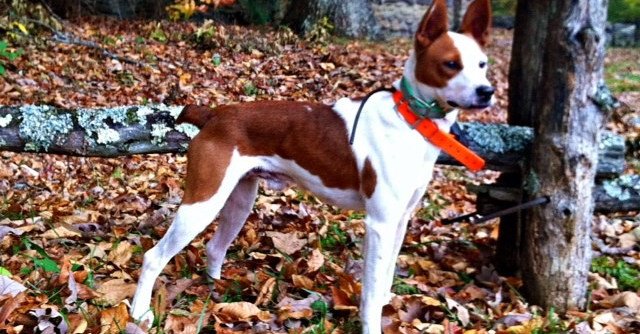
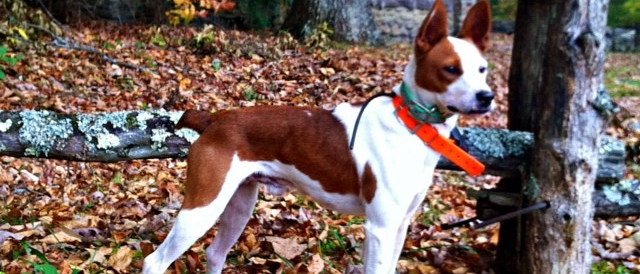
Beautiful Feist dog standing under a tree on autumn leaves.

The Feist dog picks up on human commands very quickly.

Size And Weight

The Feist dog breed has a small, compact, and muscular body. Males and females are similar in size. Typically, they reach a height of between 10 and 18 inches and weigh between 12 and 30 lbs.

Common Health Issues
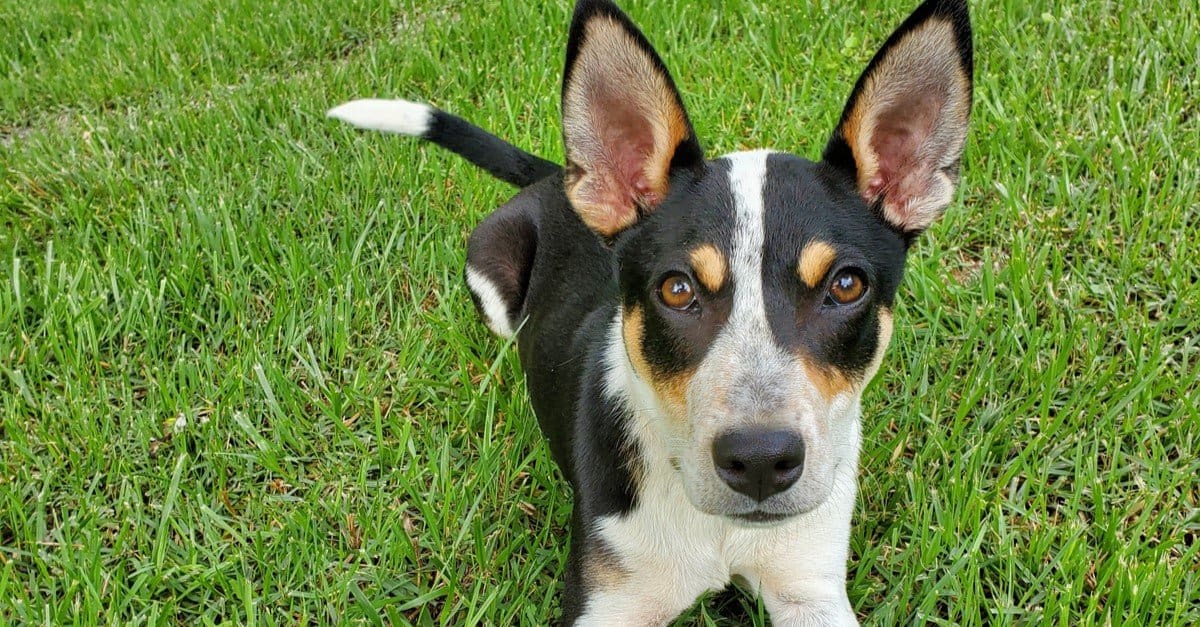
Mountain Fest sitting in the grass

The Feist, like all dogs, should always have regular checkups at the vet.

The Feist dog breed is a good choice for owners who want a healthy and long-lived breed. The average lifespan is about 13 years (and potentially up to 18 years in the right circumstances). But like any dog, it has the tendency to suffer from a few health conditions.

Allergies are perhaps the most common problem owners should be aware of; if your dog appears to have itchy skin, sneezing, coughing, or wheezing, then you should try to isolate and then eliminate the cause of the allergy. Other problems are more serious.

Hip or elbow dysplasia, in which the socket can become partially or fully dislocated, is a developmental disorder that affects small dogs in particular; though uncommon, it can lead to pain, arthritis, and some lameness.

Patellar luxation is a similar condition that affects the kneecap; it, too, can lead to lifelong problems. Cancer is also a leading cause of death in this breed.

One of the best things you can do to prevent health problems from arising in the first place is to always buy from a high-quality breeder; try to avoid backyard breeders and puppy mills. You should also have regular checkups at the vet.

Temperament

The Feist dog breed has a spirited, fearless, and friendly personality. It can form a close and lasting bond with its owner. Since it was originally bred for the rugged rural life, the Feist is probably best suited for farmers or outdoor types. But there’s also no reason why these adaptable dogs can’t grow accustomed to urban and suburban environments, provided you’re able to give them enough exercise. As long as it has enough mental and physical stimulation, the Feist knows how to settle down and relax. But otherwise, it might become anxious and start exhibiting some destructive behavior. It’s also probably not well-suited for homes with smaller pets like cats and rodents.

How To Take Care Of The Feist

Owners should ideally have some experience or knowledge of how to handle some of this dog’s peculiarities and instincts, but this isn’t strictly required. Many aspects of Feist’s care should be relatively straightforward and easy to handle. If you have any other questions or concerns about your dog’s care, then you should talk with your veterinarian.

The Best Dog Food

Depending on your dog’s size, age, and activity level, the Feist dog breed probably needs an average of 1.5 cups of dog food per day, give or take a little bit. While any type of dog food should suffice, owners should make sure it contains enough protein to support a healthy and active lifestyle. It’s also a good idea to divide up food into two meals per day.

Since the Feist can suffer from allergies, try looking for allergy-prevention dog food. If your Feist’s stomach gets upset after eating, or it fusses with its skin, paws, or ears, it may be time to try a new food.

Maintenance And Grooming

The Feist dog breed has a very short, lightly shedding (though not hypoallergenic) coat that should be relatively easy to care for. It will need to be brushed a few times a week to remove loose fur and prevent matting. Owners should also trim their nails, check their ears, and brush their teeth on a regular basis. Bathing should only be done when the coat becomes particularly dirty.

Training
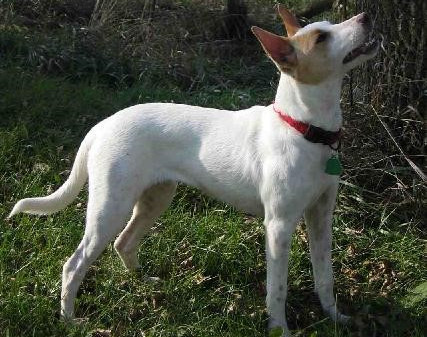
Cute Mountain Fest playing in the garden.

Feists are smart dogs with a mind of their own, and it may require a bit of time and patience when teaching them to obey rules.

The Feist dog breed is an intelligent dog with an open and agreeable disposition. They can learn a large number of commands and behaviors without too much effort. But owners should be aware that these dogs do have a mind of their own. Teaching it to obey the particular rules of the house may require a bit of time and patience. Verbal encouragement and positive training methods, combined with a firm hand and strong leadership, will work best on this breed. Owners should try to keep training sessions relatively short and interesting. Mix things up with new techniques and commands. If you need some assistance, then you might want to contact a professional trainer in your area.

Exercise

The Feist requires at least 30 to 60 minutes of exercise per day. Walks, jogs, and hikes should work well to dispel its excess energy; mix this in with plenty of games, toys, and even some agility challenges. Since the Feist has a very strong prey drive, it may not be a good idea to let this dog off the leash unless you want it to chase after animals.

Puppies

Cute Feist puppy sitting in a baby rocker.

Feist puppies should be properly vaccinated and spayed or neutered.

Before bringing home a new puppy, make sure you have everything you need, including a collar, a leash, a bowl, and a crate if you plan to use one. Follow up with your vet immediately to get your dog properly tested, vaccinated, and spayed or neutered. Feist puppies should begin proper training and socialization as early as possible to become well-behaved adults. Doggie daycare is also a good option if you need to give your dog something to do during the day.

Feists And Children

While Feists should have a natural tenderness toward children, they will learn to behave best if they’re raised as a puppy in a family home. Because this dog can be a little possessive of toys and does not enjoy rough handling, older children who understand how to handle this type of dog should respond best to them.

Dogs Similar To The Feist

The Feist belongs to a group of small hunting and ratting dogs that resemble a terrier.

  • Jack Russell Terrier: The Feist looks so similar to the Jack Russell that they’re sometimes mistaken for each other. Both of these small hunting dogs have a predominantly white coat with brown and sometimes black markings. They also share the same fearless personality and energetic lust for fun and adventure.
  • Smooth Fox Terrier: Dating back as early as the 18th century, this was the quintessential breed of English fox hunters. It is characterized by long legs, a narrow, V-shaped head, and a flat white coat with black or tan markings.
  • Rat Terrier: Originally bred to be an all-around farm dog, the rat terrier would catch rodents, guard the henhouse, and keep watch out for intruders. Today, they are primarily used as a family companion. The smooth and shiny coat has a variety of different pied patterns covering the body.

Famous Feists

Over the centuries, the Feist has been mentioned in the writings of Abraham Lincoln, William Faulkner, and Marjorie Kinnan Rawlings. Theodore Roosevelt also went on hunting trips with a Feist named Skip and helped popularize the entire breed.

View all 170 animals that start with F

Sources

  1. Dogster / Accessed June 9, 2021
  2. K9 Web / Accessed June 9, 2021
  3. Pet Keen / Accessed June 9, 2021
Melissa Bauernfeind

About the Author

Melissa Bauernfeind

Melissa Bauernfeind was born in NYC and got her degree in Journalism from Boston University. She lived in San Diego for 10 years and is now back in NYC. She loves adventure and traveling the world with her husband but always misses her favorite little man, "P", half Chihuahua/half Jack Russell, all trouble. She got dive-certified so she could dive with the Great White Sharks someday and is hoping to swim with the Orcas as well.
Connect:

Thank you for reading! Have some feedback for us?


Feist FAQs (Frequently Asked Questions)

The Feist is a small hunting or farm dog that shares many characteristics in common with the terrier group. The dog is known for its surprisingly fearless behavior and athletic build, considering its small size.