H
Species Profile

Horse Mackerel

Trachurus

Rough-sided sprinters of the sea
Zacarias da Mata/Shutterstock.com

Horse Mackerel Distribution

Click a location to explore more animals from that region

This map shows coastal regions where Horse Mackerel are found.

Loading map...
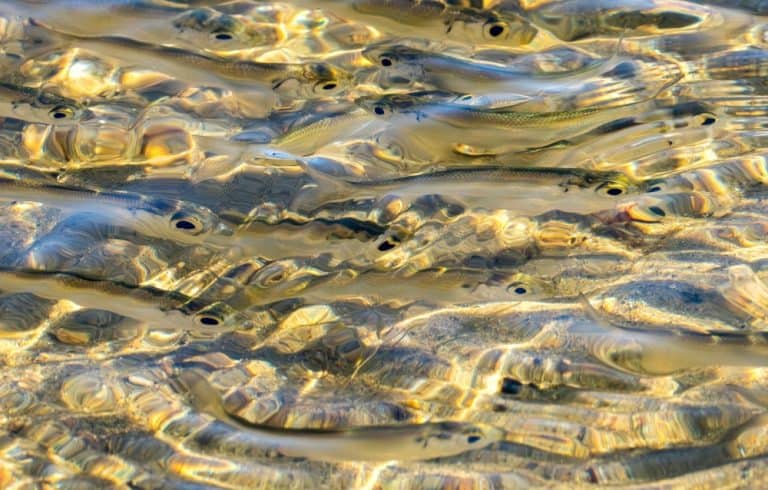
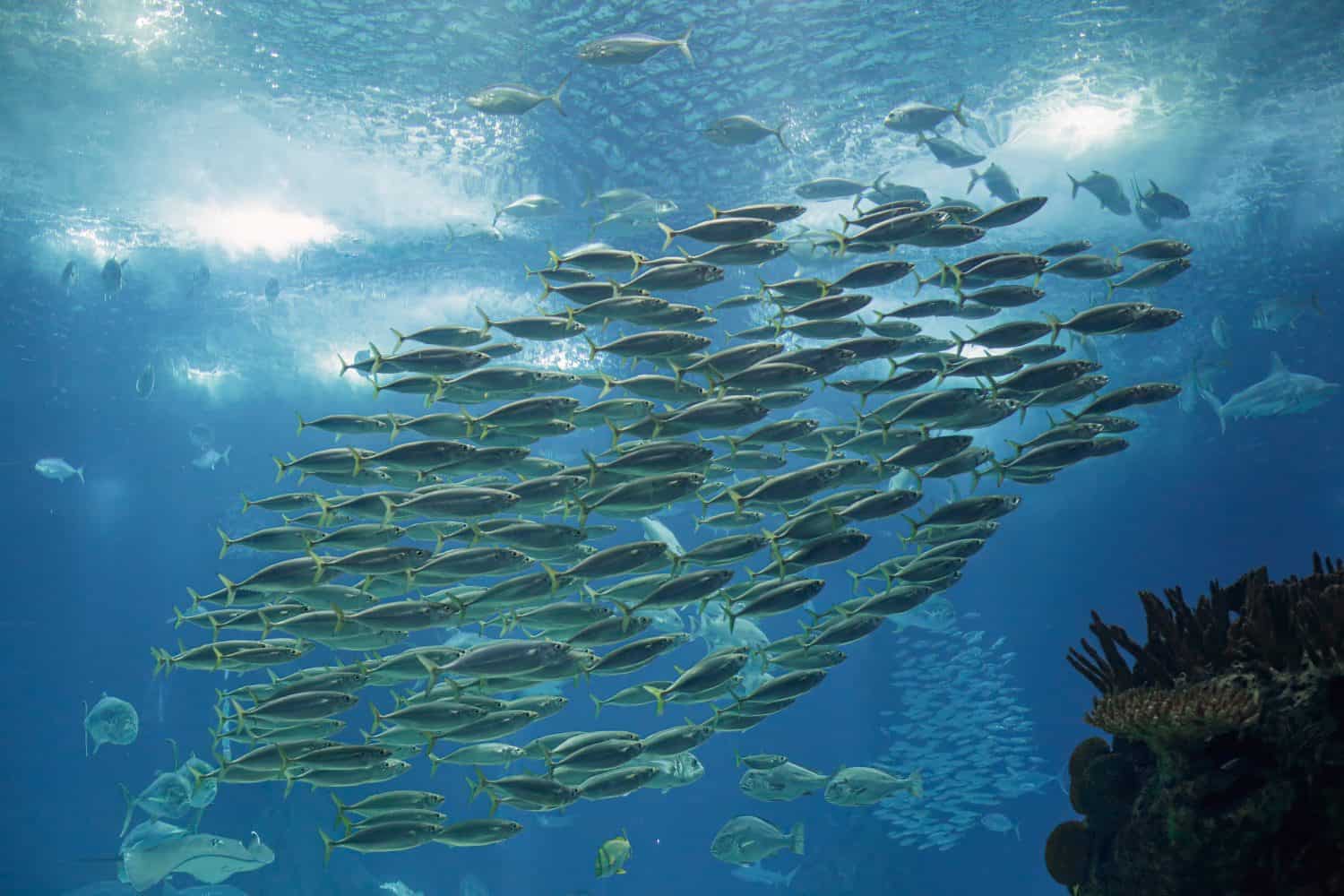
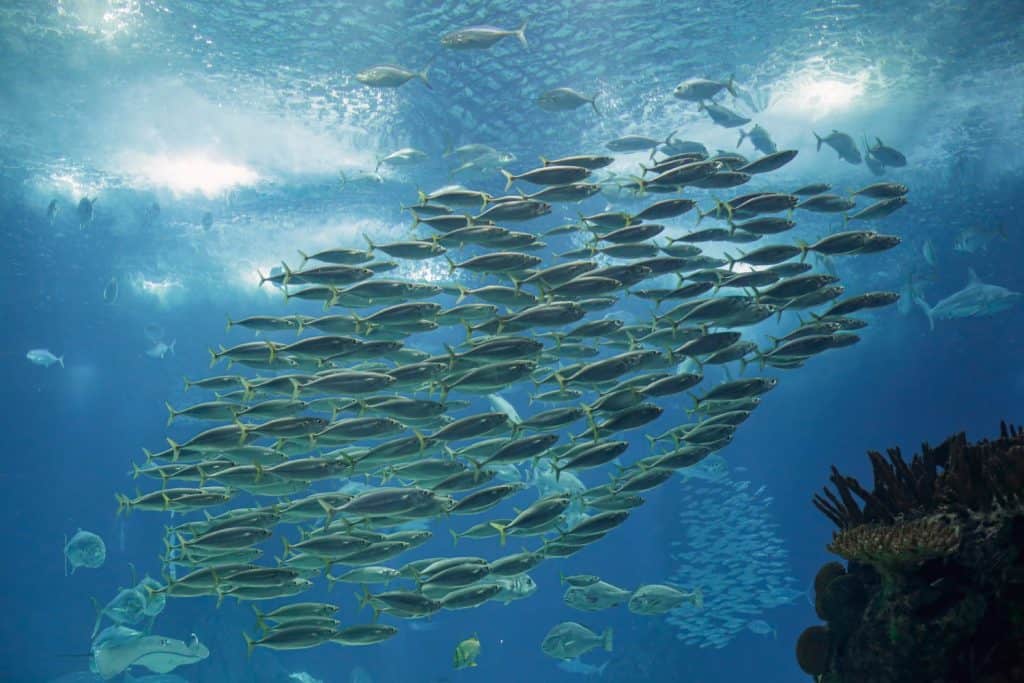
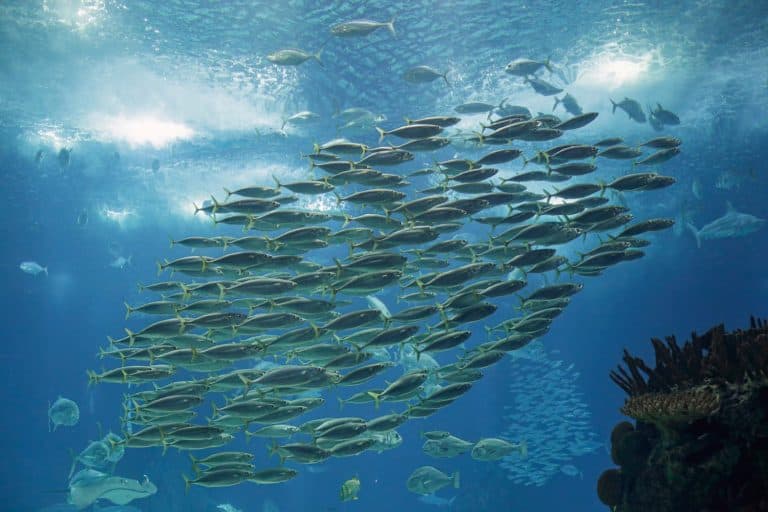
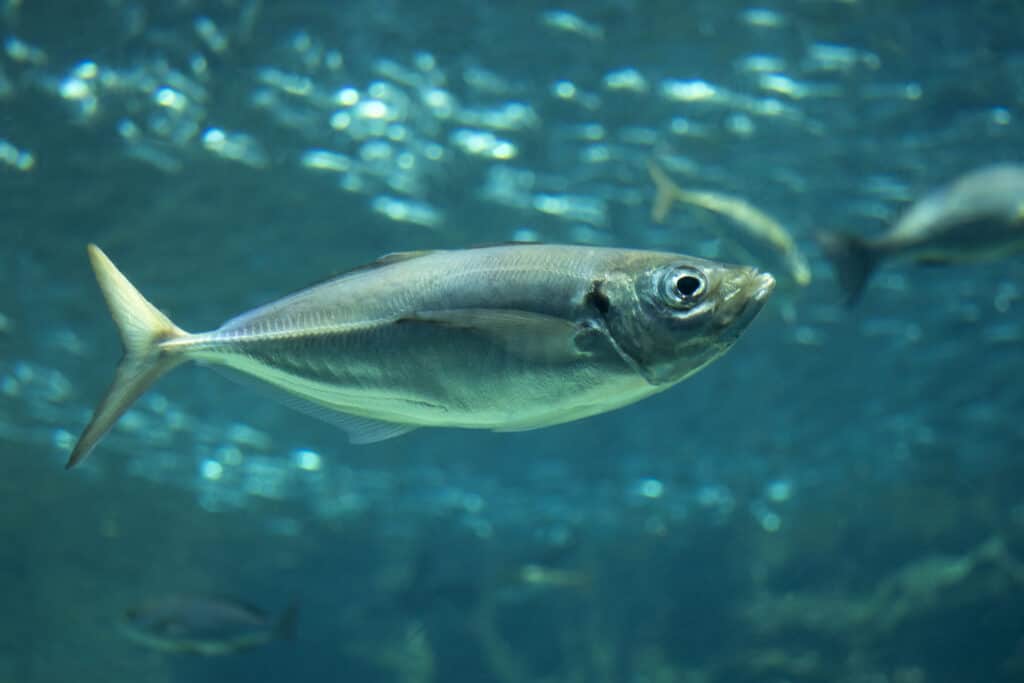
School of horse mackerel. Sea water aquarium photo.

At a Glance

Genus Overview This page covers the Horse Mackerel genus as a group. Stats below are general traits shared across the genus.
Also Known As Jack mackerel, Scad, Aji, Greenback
Diet Carnivore
Activity Diurnal+
Lifespan 12 years
Weight 3.7 lbs
Status Not Evaluated
Did You Know?

"Horse mackerel" covers several Trachurus species-different oceans, similar streamlined "jack" design.

Scientific Classification

Genus Overview "Horse Mackerel" is not a single species but represents an entire genus containing multiple species.

Horse mackerels are medium-sized schooling marine fishes in the jack family (Carangidae), typically streamlined with a forked tail and a row of bony scutes along the lateral line. They are important forage and commercial fish in temperate to subtropical seas.

Kingdom
Animalia
Phylum
Chordata
Class
Actinopterygii
Order
Carangiformes
Family
Carangidae
Genus
Trachurus

Distinguishing Features

  • Streamlined jack-like body with a deeply forked caudal fin
  • Lateral line often armed with hard bony scutes toward the tail
  • Large schools in open water (pelagic behavior)
  • Silvery body coloration, sometimes with darker dorsal shading

Physical Measurements

Males and females differ in size

Length
1 ft 4 in (12 in – 2 ft 8 in)
1 ft 4 in (8 in – 2 ft 7 in)
Weight
2 lbs (1 lbs – 9 lbs)
1 lbs (0 lbs – 9 lbs)
Top Speed
40 mph
Trachurus burst ~35–65 km/h

Appearance

Primary Colors
Secondary Colors
Skin Type Marine bony fish with small scales and a mucus layer; lateral line has a back row of hard bony scutes (enlarged, keeled scales) that feel rough and armored compared to smoother scaled areas.
Distinctive Features
  • Genus-level size range across Trachurus (smallest to largest members): roughly ~15-70 cm total length; most commonly encountered species are mid-sized, but maximum size varies by species and region.
  • Lifespan range across the genus: commonly several years to well over a decade (often ~3-20+ years depending on species, growth conditions, and fishing pressure).
  • Streamlined, laterally compressed body adapted for sustained schooling and fast swimming; caudal fin deeply forked.
  • Two dorsal fins (an anterior spiny dorsal followed by a longer soft dorsal) typical of carangids; anal fin with separate spines anteriorly followed by soft rays.
  • Strong, diagnostic lateral line with enlarged posterior scutes (bony plates) that may form a sharp keel; important for identification and contrasts with true mackerels (Scombridae), which lack this scute row.
  • Large eye and moderately sized, slightly protrusible mouth; dentition generally small-adapted to planktonic crustaceans and small fish.
  • Color and reflectance can shift with lighting, depth, and schooling behavior (iridescent silvering used in group camouflage).
  • Usually pelagic to semi-pelagic, schooling fish over continental shelves and shelf edges. Many make seasonal inshore–offshore or latitudinal moves, with depth use changing by species and life stage.
  • Ecology/diet generalizations (with variation): primarily feed on zooplankton (e.g., copepods, euphausiids) and small nektonic prey (small fishes/squid); juveniles often more plankton-focused, while larger individuals may take more fish.
  • Commercial importance across the genus: many Trachurus species support major fisheries and are managed as regional stocks; appearance and size can differ among stocks due to growth rate and environmental conditions.

Sexual Dimorphism

Sex differences in Trachurus are usually weak: males and females look alike in color and shape. Any differences are small (size, body depth when ripe, slight fin or head shape) and you often must look at gonads, especially outside spawning.

  • Typically no consistent, obvious color difference from females across the genus.
  • In some species/populations, males may average slightly smaller at a given age or show subtly more streamlined bodies during spawning periods (not universal).
  • Occasional reports of minor fin-length differences exist, but these are not consistent genus-wide and can be stock-dependent.
  • Gravid (ripe) females may appear deeper-bodied/rounder in the abdomen during the spawning season; degree varies by species and maturity stage.
  • Females in some fisheries/regions may attain larger maximum sizes or older ages than males, but patterns vary by species and stock.

Did You Know?

"Horse mackerel" covers several Trachurus species-different oceans, similar streamlined "jack" design.

A key ID trait is the row of hard bony scutes along the lateral line, giving many species a "rough-sided" feel.

Across the genus, adults commonly range ~20-80 cm total length (most fisheries catches are smaller, but the largest species can reach the upper end).

They often form dense, coordinated schools that can fill sonar screens-useful for predators and fishers alike.

Diet shifts with growth: many start on planktonic crustaceans, then add small fishes and squid as they get larger.

They spawn pelagic (floating) eggs, and larvae/juveniles often use coastal or shelf habitats before joining offshore schools.

Several species are globally important forage fish, linking plankton to tuna, seabirds, marine mammals, and people via major commercial fisheries.

Unique Adaptations

  • Lateral-line scutes: enlarged, keeled bony plates that add protection and may reduce abrasion and improve flow along the body during fast swimming.
  • Fusiform body + deeply forked tail: built for sustained cruising and quick bursts-suited to open-water feeding and predator avoidance.
  • Sensitive lateral line: helps maintain spacing and coordination within schools and detect prey/predators in low visibility.
  • Countershading and silvery flanks: camouflage in open water by reflecting surroundings and reducing contrast from above/below.
  • Flexible feeding strategy: mouth and gill-raker structure allow many species to exploit both zooplankton and small nekton depending on availability.

Interesting Behaviors

  • Mass schooling: tight, polarized schools that expand/contract in response to predators, light, and food availability (school size and "tightness" vary by species and region).
  • Diel vertical movements: many populations feed nearer the surface at night and shift deeper by day; the strength of this pattern varies with water clarity, predators, and local oceanography.
  • Seasonal migrations: some species undertake long along-shelf or basin-scale movements to track productive waters and spawning areas; others are more resident on continental shelves.
  • Opportunistic feeding: primarily zooplanktivorous to small-piscivorous-composition varies by species, size class, and ecosystem (upwelling systems vs. enclosed seas).
  • Nursery use: juveniles often occupy coastal/shelf nurseries, then progressively move offshore as they grow; timing differs among species and climates.
  • Mixed-species associations: schools may overlap with other small pelagic fishes (sardines/anchovies) or other jacks, especially where prey is patchy.

Cultural Significance

Horse mackerels (Trachurus) are important food and market fish in Japan, Iberia, the Mediterranean, and Chile/Peru. They are sold fresh, dried, salted, canned, or used as bait, caught in large schools and managed by stock-based rules.

Myths & Legends

Name origin (Greek): the genus name Trachurus is commonly explained from Greek roots meaning "rough tail," a reference to the prominent scutes that feel rough along the rear lateral line.

Naming lore: The genus name Trachurus is derived from Greek roots meaning "rough tail," referring to the rough, keeled bony scutes along the tail region of these fishes.

In Japan, horse mackerel (Trachurus) is tied to summer home-cooked dishes like split-and-dried horse mackerel. It's not one myth but an old cultural idea about summer taste and family cooking.

In Chile and Peru, the Chilean jack mackerel (a horse mackerel, Trachurus murphyi) is a common, cheap food fish, sold frozen and canned from large regional fisheries and eaten every day.

You might be looking for:

Atlantic horse mackerel

32%

Trachurus trachurus

Common in the eastern Atlantic and Mediterranean; one of the best-known 'horse mackerel' in European contexts.

Japanese horse mackerel

24%

Trachurus japonicus

Widespread in the northwest Pacific; frequently referenced in East Asian fisheries and cuisine.

Chilean jack mackerel

18%

Trachurus murphyi

Major commercial species in the southeast Pacific; often called jack mackerel/horse mackerel in trade.

Cunene horse mackerel

10%

Trachurus trecae

Eastern Atlantic (West Africa); regional 'horse mackerel' in fisheries.

Mediterranean horse mackerel

9%

Trachurus mediterraneus

Eastern Atlantic and Mediterranean; sometimes separated from Atlantic horse mackerel in naming/markets.

Life Cycle

Birth 300000 frys
Lifespan 12 years

Lifespan

In the Wild
4–30 years
In Captivity
1–12 years

Reproduction

Mating System Promiscuity
Social Structure Aggregation Group
Breeding Pattern Not Applicable
Fertilization Broadcast Spawning
Birth Type Broadcast_spawning

Trachurus (horse mackerels) are promiscuous, spawning by pelagic broadcast in large mixed-sex schools. Adults release eggs and sperm into the water; there are no pair bonds or parental care. Timing and details vary by species and area.

Behavior & Ecology

Social School Group: 200
Activity Diurnal, Crepuscular, Cathemeral
Diet Carnivore Small pelagic crustaceans (notably copepods and krill) and, in larger individuals, small schooling fishes (varies by species, size class, and season).
Seasonal Migratory 186 mi

Temperament

Highly gregarious (strong schooling tendency)
Active, fast-swimming pelagic/neritic forager
Generally wary and reactive to predators and disturbance
Opportunistic predator on zooplankton and small nekton; feeding intensity and prey choice vary among species and regions
Size-assorting and rapid fission-fusion dynamics (schools split/merge frequently)

Communication

none documented/confirmed as a primary communication channel in Trachurus; if sounds occur, they are likely incidental rather than deliberate calls
visual cues for alignment and spacing Body orientation, fin/caudal beats, flashing during turns
mechanosensory signaling via the lateral line Detecting neighbors' water movements to maintain school structure
hydrodynamic/vortex cues during synchronized swimming and rapid collective maneuvers
possible chemical cues involved in aggregation and schooling cohesion Inferred broadly for schooling fishes; species-specific evidence varies
collective movement decisions emerging from local neighbor interactions Rapid directional changes, tightening/loosening of formation in response to predators or prey patches

Habitat

Coastal Open Ocean Seabed/Benthic Deep Sea Estuary Rocky Shore Kelp Forest +1
Biomes:
Terrain:
Coastal Island Rocky Sandy Muddy
Elevation: Up to 3608 ft 11 in

Ecological Role

Mid-trophic-level pelagic predator and key forage fish linking plankton/nekton to higher predators.

Transfers energy from zooplankton and small nekton to larger fishes, seabirds, and marine mammals Helps regulate populations of pelagic crustaceans and small fishes via predation Supports coastal-shelf food webs as abundant schooling prey and commercially important biomass

Diet Details

Main Prey:
Zooplankton Krill Amphipods Shrimp and other small decapod crustaceans Small schooling fish Fish larvae and juveniles Squid +1

Human Interaction

Domestication Status

Wild

Trachurus (horse mackerels) are wild marine fishes with no domesticated forms. Humans mainly catch them in industrial trawl and purse-seine fisheries and in artisanal fisheries. They are important as cheap food, bait, and for fishmeal/oil. Some stocks are overfished and need active management like stock assessments and quotas.

Danger Level

Low
  • minor handling injuries (abrasions/cuts from scutes along the lateral line, fin spines, and sharp opercular edges)
  • foodborne illness risk if mishandled (histamine/scombroid-like issues can occur in some pelagic fishes; proper chilling is important)
  • rare regional toxin risk depending on location and food web (e.g., ciguatera in certain warm-water contexts-generally uncommon for this genus but not impossible)
  • seafood allergy risk in sensitive individuals

As a Pet

Not Suitable as Pet

Legality: Trachurus (horse mackerel) are not sold as pets and are rarely kept. Taking wild marine fish is often regulated by bag limits, seasons, protected areas, or permits, and may be illegal or impractical.

Care Level: Expert Only

Purchase Cost: Up to $200
Lifetime Cost: $3,000 - $20,000

Economic Value

Uses:
Commercial food fisheries Artisanal/coastal fisheries Recreational angling (regional) Bait/forage fish Fishmeal and fish oil reduction fisheries Seafood processing and trade Ecosystem/food-web support (indirect economic value via predators)
Products:
  • fresh and chilled whole fish/fillets
  • frozen blocks/fillets
  • canned products (region-dependent)
  • salted/smoked products (local traditions)
  • bait (hook-and-line, trap, and longline bait)
  • fishmeal for aquafeeds and livestock feeds
  • fish oil/omega-3 ingredient streams (often from reduction or byproducts)

Relationships

Predators 8

Tuna
Tuna Thunnus spp.
Bonitos and Spanish mackerels Sarda spp.; Scomberomorus spp.
Billfish Istiophoridae
Large jacks and amberjacks Caranx spp.; Seriola spp.
Sharks
Sharks Selachimorpha
Dolphin
Dolphin Delphinidae
Seals and sea lions Otariidae; Phocidae
Seabirds

Related Species 9

Atlantic horse mackerel Trachurus trachurus Shared Genus
Japanese horse mackerel Trachurus japonicus Shared Genus
Chilean jack mackerel Trachurus murphyi Shared Genus
Mediterranean horse mackerel Trachurus mediterraneus Shared Genus
Cunene horse mackerel Trachurus trecae Shared Genus
Scads Decapterus Shared Family
Bigeye scad Selar crumenophthalmus Shared Family
Crevalle jacks and allies Caranx Shared Family
Amberjacks and yellowtails Seriola spp. Shared Family

Ecological Equivalents 5

Animals that fill a similar ecological role in their ecosystem

True mackerels Scomber spp. Pelagic schooling fish that form large midwater aggregations, feed heavily on zooplankton and small fish, and support major commercial fisheries in temperate to subtropical seas.
Sardines
Sardines Sardinops spp. Forage-fish role in coastal upwelling and neritic systems; overlap in predators and in plankton-based food webs, and often school in similar habitats. Sardines are typically more plankton-specialized.
Anchovies
Anchovies Engraulis spp. Small, schooling pelagic fishes that occupy similar trophic pathways and serve as key prey for tunas, seabirds, and marine mammals. They often co-occur in productive coastal waters.
Herring
Herring Clupea spp. Exhibit comparable schooling behavior and forage-fish ecology in cooler temperate systems; share predators and are similarly targeted by industrial fisheries.
Round scad Decapterus spp. Closest niche analogs within Carangidae: streamlined, schooling midwater fishes that have overlapping diets (copepods, euphausiids, small nekton) and similar roles as prey and fishery targets.

Types of Horse Mackerel

15

Explore 15 recognized types of horse mackerel

Atlantic horse mackerel Trachurus trachurus
Mediterranean horse mackerel Trachurus mediterraneus
Japanese horse mackerel Trachurus japonicus
Chilean jack mackerel Trachurus murphyi
Cunene horse mackerel Trachurus trecae
Blue jack mackerel Trachurus picturatus
Pacific jack mackerel Trachurus symmetricus
New Zealand jack mackerel Trachurus novaezelandiae
Rough scad Trachurus lathami
Cape horse mackerel Trachurus capensis
Australian jack mackerel Trachurus declivis
Delagoa horse mackerel Trachurus delagoa
Indian horse mackerel Trachurus indicus
Yellowtail horse mackerel Trachurus angustifrons
Japanese scad / longfin jack mackerel Trachurus altirostris

Quick Take

  • Achieving a 2,000,000 egg yield per season is a mandatory requirement for high-performing females.
  • Reaching depths of 3,440 feet creates a survival constraint for populations during the breeding cycle.
  • Ironically, Horse Mackerel are taxonomically excluded from the true mackerel family.
  • Juveniles must complete a jellyfish-scouting process to secure protection during the pelagic stage.

Horse mackerel refers to several different fish species found around the world. Most horse mackerel belong to the jack mackerel and scad family Carangidae. Among these is the Atlantic horse mackerel, or common scad, a popular species in the commercial fishing industry. These strong-swimming, social fish thrive in warm and temperate waters and travel in giant schools containing tens of thousands of fish. 

A detailed green and white infographic about Horse Mackerel, featuring anatomical illustrations of the fish, icons for its predators and prey, and data charts regarding its population status.
A 2-million-egg gamble and a deadly refuge among jellyfish—discover the extreme survival tactics of the fish that isn't even a true mackerel. © A-Z Animals

5 Horse Mackerel Facts

  • The horse mackerel’s common name derives from a legend that other smaller fishes would ride on its back on long journeys. 
  • Horse mackerel are important to commercial fisheries thanks to their population density, nutrient content, and strong taste. 
  • Horse mackerel can live up to 40 years old in the wild. 
  • While they normally congregate in schools with other mackerel, horse mackerel will readily form schools with other fish for safety. 
  • Juvenile horse mackerel will hide in the tentacles of jellyfish to avoid predators. 

Classification and Scientific Name

Despite their name, few horse mackerel species belong to the “true” mackerel family, Scombridae. Instead, most horse mackerel are part of the family Carangidae. Common names for species vary depending on the region and include horse mackerel, jack mackerel, scads, and saurels. Within this family, most species belong to the genera Trachurus or Caranx. For example, the Atlantic horse mackerel’s scientific name is Trachurus trachurus. Its name derives from the Greek words trachys, meaning “rough,” and oura, or “tail,” in reference to the spiny plates located near its tail fin. 

Meanwhile, the horse mackerel’s common name stems from a legend that other fish would ride on its back over great distances like a horse. It also has roots in the Dutch word horsmakreel, which translates to “a mackerel (makreel) that spawns in a shallow seaway (hors)”. 

Appearance 
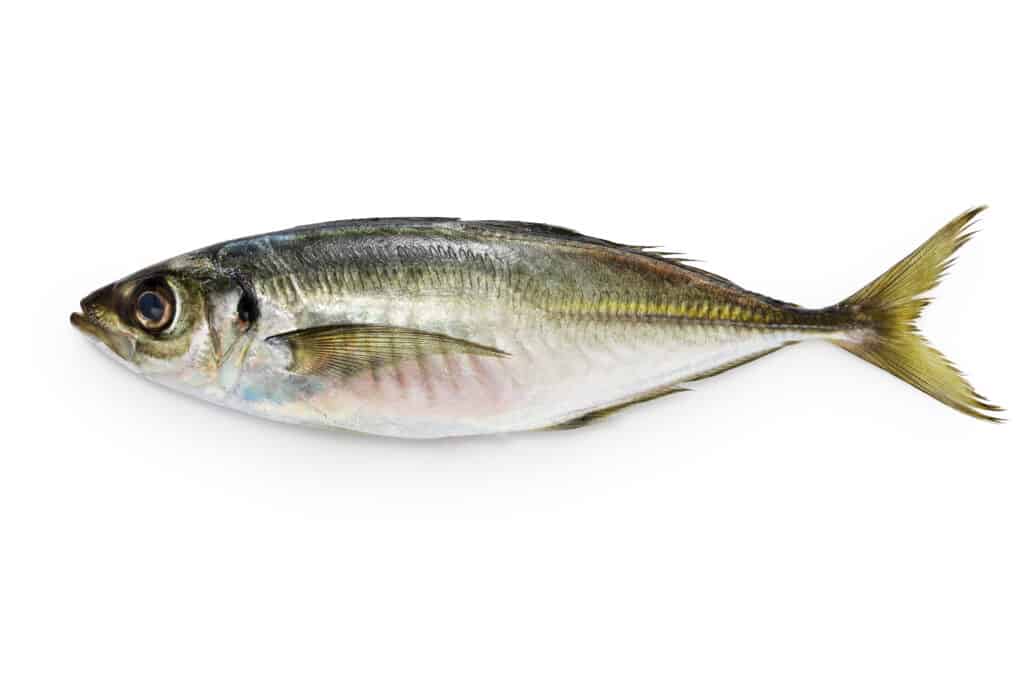
Japanese horse mackerel

While they normally congregate in schools with other mackerel, horse mackerel will readily form schools with other fish for safety. 

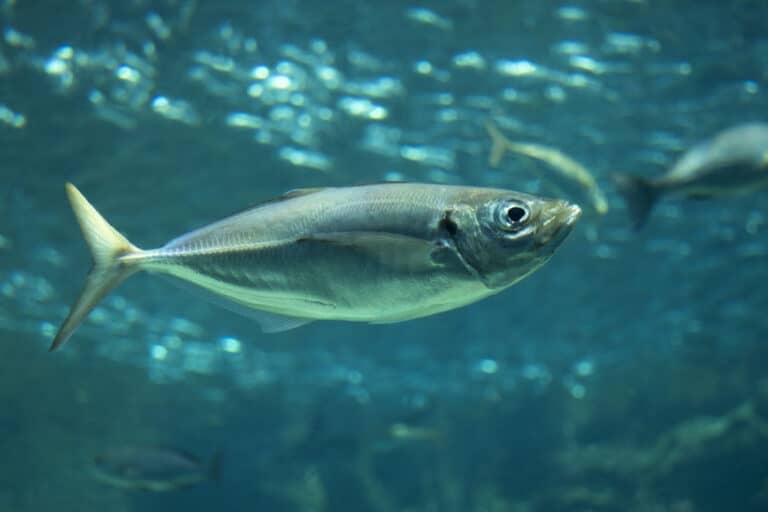
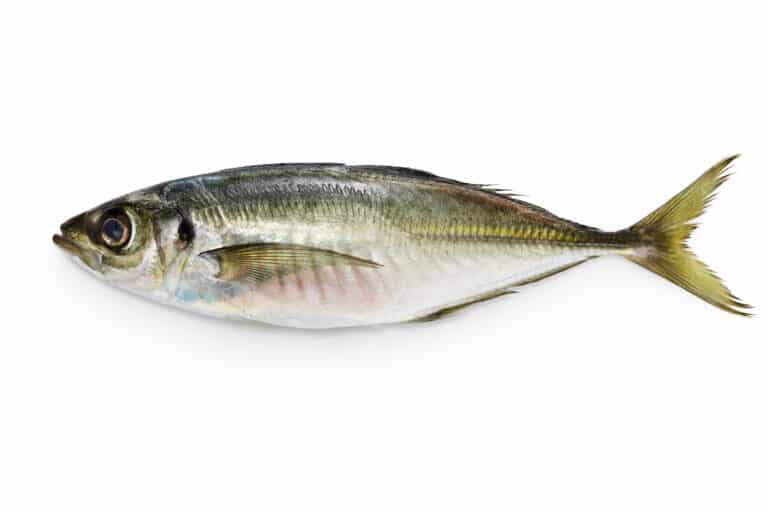
The appearance of horse mackerel varies depending on the species. On average, they range between 10 and 24 inches long, as is the case with Atlantic horse mackerel. That said, some species can grow up to 50 inches long. Most horse mackerel appear quite slender and feature silver or grayish-blue scales. However, some species are quite colorful, such as the greenish-blue Japanese horse mackerel. Horse mackerel typically sport two dorsal fins and a long line of scutes that run from the head to the tail. These bony protrusions each feature a sharp spine that varies in size according to the species. 

Behavior

Horse mackerel are social fish that live in large groups known as schools. They often congregate with other mackerel but will readily socialize with other fish, such as whiting. Horse mackerel are fast-moving fish that are almost always in motion. When feeding, they will often swim in large groups with their mouths open in the hopes of catching anything unfortunate enough to swim into their path. That said, they will sometimes break out into smaller groups, and larger specimens may even hunt alone. Like other fish, horse mackerel communicate with one another through motion or by sending out vibrations through the water. 

Habitat

Generally speaking, horse mackerel live in either pelagic (open ocean) or shallow waters near the coasts. They prefer warm over cold water, and most species live throughout the Atlantic, Indian, and Pacific Oceans. That said, some particularly northern or southern populations live near the boundaries of the Arctic and Southern Oceans.

Some regions where you can normally find horse mackerel include the waters of Malaysia, India, Japan, Australia, the United Kingdom, Ireland, and New Zealand. Their range can extend for thousands of miles and border several continents. For example, the Atlantic horse mackerel ranges from the Eastern Atlantic to the Southeastern Indian Ocean. 

For instance, Atlantic horse mackerel spend most of their time at depths of around 330 to 600 feet, although they occasionally dive as deep as 3,440 feet. You can normally find eggs and juveniles in pelagic waters, while adults will travel back to shallower depths to breed and spawn.  

Diet

The diet of horse mackerel varies depending on the species. That said, all horse mackerel are carnivores that tend to feed on smaller marine animals. Horse mackerel live in schools and hunt together as a unit. Moving together as one, they will swim with their mouths open and swallow anything that gets in their way. Juvenile horse mackerel tend to prey on plankton, mollusks, and crustacean larvae. As they grow older, their list of prey grows to include small fish such as sardines and herring, crustaceans, cephalopods, and jellyfish. Their sharp teeth enable them to rip apart crustacean shells with ease and bite through the scales of bony fish. 
Yellowfin horse mackerel

The horse mackerel’s common name derives from a legend that other smaller fishes would ride on its back on long journeys.

Predators and Threats

Several different species prey on horse mackerel in the wild. Orcas, sharks, and marlins are among the most significant predators of horse mackerel in the sea. Meanwhile, seagulls and other sea birds also prey on horse mackerel from the air. To avoid predators, juvenile Atlantic horse mackerel will often hide in the tentacles of jellyfish.

The other main threats that horse mackerel face come from humans in the form of commercial fishing and habitat loss due to pollution and climate change. Horse mackerel are a favorite target of commercial fisheries and are typically caught using trawls, purse seines, or longlines. These methods allow fishers to gather large quantities of fish at a time, and the schooling behavior of horse mackerel makes them easy targets. While most populations are relatively stable, a few — such as the Atlantic and Japanese horse mackerel — are in decline. Populations are further strained due to the effects of pollution and global warming, which can contaminate spawning and feeding grounds and make it more difficult for them to breed or find food. 

Reproduction and Life Cycle

Like most fish, horse mackerel are oviparous animals, meaning that the females lay eggs. The reproductive cycle of a horse mackerel contains three phases: pre-reproductive, reproductive, and post-reproductive. During the reproductive stage, females release large numbers of eggs into the water, which the males then fertilize with their sperm. A small female may lay several hundred thousand eggs, while a larger female can lay a few million over the course of a single spawning season. 

The timing of the breeding season varies depending on the species and the population. Horse mackerel eggs float freely in the water until they hatch into larval fish measuring only a few millimeters long. On average, the gestation period takes a little over a week. 

Horse mackerel are long-lived, with some species capable of living up to 40 years old in the wild. That said, the average lifespan of a mackerel is usually only around half that age. Moreover, more northern populations tend to live longer than southern populations on average. They tend to grow quite rapidly during the first 2 to 3 years of life and then grow more slowly thereafter. 

Population

Most horse mackerel species rank among the most popular commercial fishing species in the world. Each year, fishers pull tens of thousands of tons of horse mackerel from the ocean, representing hundreds of millions, if not billions, of fish. As most horse mackerel are listed as species of Least Concern, that means there is plenty of fish left in the water to replenish their population despite the impact of commercial fishing. Given this reality, it’s safe to say that there are likely tens of billions of horse mackerel in the world’s oceans at any one time.

Most fish species known as horse mackerel are fairly common and have stable populations. These common fish are listed as species of Least Concern by the IUCN. However, several species are not faring nearly so well. For example, the Japanese horse mackerel has declined in the waters around Japan due to overfishing and is considered Near Threatened. Meanwhile, the Atlantic horse mackerel is doing even worse. Although European populations show no signs of decline, Atlantic horse mackerel off North Africa have dwindled by nearly 35% to 40% over the last 30 to 35 years. As a result, the IUCN lists the Atlantic horse mackerel (Trachurus trachurus) as a Vulnerable species.  

View all 288 animals that start with H

Thank you for reading! Have some feedback for us?


Horse Mackerel FAQs (Frequently Asked Questions)

Horse mackerel are predatory fish that consume other marine life. Their diet varies depending on the species, but common prey includes other fish, plankton, cephalopods, crustaceans, and jellyfish.