

J
Species Profile

Jackabee

Canis lupus familiaris

Small dog, huge nose, endless go.
JMSH photography/Shutterstock.com

Jackabee Distribution

Click a location to explore more animals from that region

Origin Location

This map shows the native origin of the Jackabee. As a domesticated species, they are now found worldwide.

Loading map...

Found in 1 country

Size Comparison

Human 5'8"
Jackabee 1 ft 2 in

Jackabee stands at 20% of average human height.

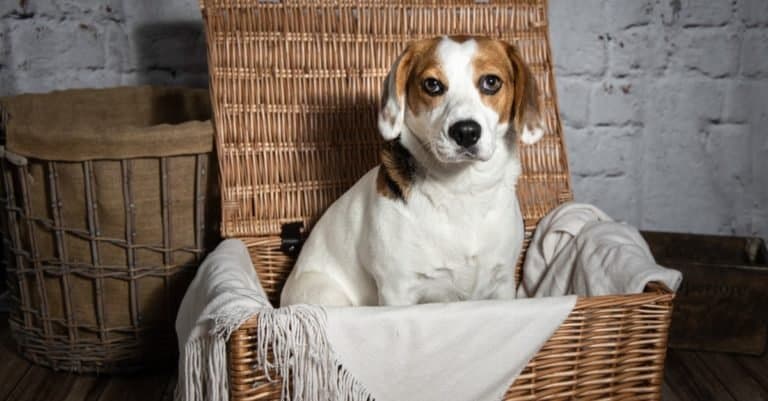
Jackabee sitting inside an empty wicker hamper

At a Glance

Domesticated
Also Known As Dog, Domestic dog, Canine, Pooch, Pup, Puppy, Doggo, Man's best friend
Diet Omnivore
Activity Diurnal+
Lifespan 5 years
Weight 16 lbs
Status Not Evaluated
Did You Know?

"Jackabee" is a designer mix, not a standardized kennel-club breed; pups can vary widely even within one litter.

Scientific Classification

A “Jackabee” is a mixed-breed domestic dog typically produced by crossing a Jack Russell Terrier with a Beagle, combining terrier-like energy with scent-hound tendencies.

Kingdom
Animalia
Phylum
Chordata
Class
Mammalia
Order
Carnivora
Family
Canidae
Genus
Canis
Species
Canis lupus

Distinguishing Features

  • Small-to-medium size, often athletic build
  • Short coat common; coloration frequently hound-like (tricolor, tan/white, etc.)
  • High energy and strong play/working drive
  • Often strong scenting/track interest (Beagle influence) with terrier boldness

Physical Measurements

Males and females differ in size

Height
1 ft 3 in (12 in – 1 ft 5 in)
1 ft 1 in (11 in – 1 ft 3 in)
Length
2 ft 4 in (1 ft 12 in – 2 ft 9 in)
Weight
24 lbs (18 lbs – 31 lbs)
21 lbs (14 lbs – 28 lbs)
Tail Length
10 in (8 in – 12 in)
9 in (7 in – 11 in)
Top Speed
25 mph
Fast and agile

Appearance

Primary Colors
Secondary Colors
Skin Type Mammalian canine skin with a typically short-to-medium, dense double-to-single coat depending on parentage; skin is usually pigmented under colored areas and can be lighter under white areas. Some individuals show mild sensitivity/atopy requiring skin/coat monitoring.
Distinctive Features
  • Canis lupus familiaris (Domestic dog) Jackabee is a human-made companion cross from wolves, bred for small-to-medium size, calm household manners, and easy to train rather than wild survival traits.
  • Breed/mix identity: Jackabee is a mixed-breed domestic dog (designer mix), typically from Jack Russell Terrier × Beagle; appearance and temperament are variable and not governed by a single registry standard.
  • Overall build: Compact, athletic, and agile; usually longer-legged than many small hounds, with a deep enough chest for endurance but a lighter terrier frame.
  • Head/face: Beagle-like softer expression may combine with a terrier-like narrower muzzle; moderate stop; strong scenting behavior often correlates with more houndy head proportions.
  • Ears: Often medium-length drop ears (Beagle influence), though some individuals have semi-drop or more terrier-like set.
  • Tail: Typically medium length; may be carried upright or saber-like; not a curled spitz tail.
  • Coat: Usually short to medium, straight and weather-resistant; shedding commonly moderate (often more if double-coated).
  • Behavioral tendencies (typical, not guaranteed): Energetic, curious, and scent-driven; may track odors intensely (Beagle) with a quick-reacting, tenacious terrier style (Jack Russell).
  • Care requirements: High daily exercise needs (brisk walks + play + scent games); strong enrichment requirement to reduce digging/chewing/vocalizing; secure fencing recommended due to scent-chasing tendencies.
  • Training considerations: Benefits from consistent positive-reinforcement training, impulse-control work, and recall practice (recall can be challenging when following scent). Early socialization reduces reactivity and helps with other pets/strangers.
  • Grooming: Weekly brushing typically sufficient; more frequent during seasonal shedding; regular nail trims and dental care important.
  • Risks vary by line: ear infections (drop ears), allergies, patellar luxation, intervertebral disc problems or back strain (long-bodied dogs), hypothyroidism, eye problems (lens luxation, glaucoma). Watch weight.
  • Preventive care notes: Routine ear checks/cleaning, weight management, and screening for orthopedic and ocular issues are advisable; choose breeders/rescues that can provide parent health histories when possible.

Sexual Dimorphism

As with most domestic dogs, males are typically slightly larger and more muscular with broader heads/neck; females often appear a bit finer-boned. Degree of dimorphism is mild-to-moderate and varies because the Jackabee is a mixed-breed cross.

  • Often heavier bone and broader skull/neck
  • Slightly greater overall height/weight on average
  • Often slightly lighter frame with a narrower head
  • May appear more refined in build, though variation is wide

Did You Know?

"Jackabee" is a designer mix, not a standardized kennel-club breed; pups can vary widely even within one litter.

Many inherit the Beagle's strong nose and the Jack Russell's bold, busy temperament-great for games, challenging for off-leash freedom.

Common look: compact, athletic body; short coat; floppy to semi-prick ears; white with tan/black patches is frequent.

They often excel at puzzle toys and scent games because both parent breeds were developed for working tasks (terriering and trailing).

A Jackabee may "talk" more than expected-Beagle baying plus terrier alert barking can make them vocal communicators.

Their prey drive can be strong; some will instinctively chase small animals or obsessively follow an interesting smell trail.

Unique Adaptations

  • Hybrid mix of hunting toolkits: Beagle scent-trailing tendencies combined with Jack Russell quickness and persistence-useful for scent sports.
  • Efficient short coat: typically easy to groom and dries quickly after wet-weather walks (varies by individual).
  • Compact endurance: many can hike and play longer than their size suggests, reflecting working-dog ancestry.
  • Problem-solving bias: strong motivation to access food or scents can produce inventive behaviors (opening doors, nudging containers).

Interesting Behaviors

  • Scent-locking: stopping mid-walk to work a smell like a "mission," then pulling to continue the trail.
  • Ground work: digging or "excavating" in soft soil-often a terrier trait expressed as yard remodeling.
  • Alert patrol: quick perimeter checks of home/yard with sudden bursts of speed (terrier-style energy spikes).
  • Toy "dispatching": shaking plush toys vigorously, mimicking prey-handling behavior seen in many terriers.
  • Selective hearing outdoors: responding well inside but "forgetting" cues when a scent or moving animal appears.
  • People-focused play: many alternate between intense play and lap-seeking affection, especially after exercise.

Cultural Significance

The Jackabee is a modern designer mix of the Beagle and Jack Russell. It shows current pet choices for a small, active companion and how Canis lupus familiaris are bred for behavior, work, and friendship.

Myths & Legends

The Jack Russell Terrier traces to Rev. John "Jack" Russell (19th-century England), famed for breeding nimble fox-working terriers; stories of his foundational dog "Trump" became part of terrier lore and the breed's origin narrative.

Beagles are wrapped in English hunting tradition; the term "beagle" appears in medieval contexts, and small pack hounds became enduring symbols of countryside sport and scent-trailing skill.

In ancient Egypt, jackal- and dog-headed Anubis guided souls and protected graves-one of the most influential canine mythic figures, shaping how many cultures associate dogs with guardianship and passage.

Norse mythology tells of the hound Garmr, a fearsome guardian bound to the underworld realm of Hel, echoing the widespread motif of dogs as threshold keepers.

Across parts of Europe, folklore about "black dogs" (ghostly hounds encountered on lonely roads or moors) cast canines as omens and guardians-stories that persist in regional traditions and literature.

In Greek myth, Cerberus-the multi-headed hound of Hades-guards the underworld's gates, a classic example of the dog as loyal sentinel in Western storytelling.

Conservation Status

NE Not Evaluated

Has not yet been evaluated against the criteria.

Population Stable

Life Cycle

Birth 5 pups
Lifespan 5 years

Lifespan

In the Wild
3–10 years
In Captivity
10–17 years

Reproduction

Mating System Polygynandry
Social Structure Managed Domestic
Breeding Pattern Serial
Fertilization Managed Selective
Birth Type Managed_selective

Canis lupus familiaris (Jackabee): domestic dogs often mate with multiple partners and breeding is managed by people. Jackabees are high-energy, have a strong nose, and may roam, so containment is vital. Females cycle every 6–7 months; gestation ~63 days; litters 4–8 pups.

Behavior & Ecology

Social Pack Group: 3
Activity Diurnal, Crepuscular, Cathemeral
Diet Omnivore Meat-forward foods (especially chicken or beef; high-value treats like cooked meat or freeze-dried liver).

Temperament

High-energy, persistent, and busy (terrier-like), with bursts of intense play and exploration
Scent-driven and track-oriented (beagle-like); may prioritize odor trails over commands outdoors
Social and people-focused in the domestic context; typically enjoys family involvement and interactive games
Can be vocal: alert barking plus beagle-style baying/howling in some individuals, especially when excited or scenting
Independent/stubborn streak; responds best to consistent, reward-based training and short, engaging sessions
Prey/chase and digging tendencies can be pronounced; secure fencing and leash management are often necessary
Needs substantial daily exercise and mental enrichment (sniff walks, scent work, puzzle feeding); under-stimulation often leads to nuisance behaviors
May show separation-related behaviors if left alone without gradual training and enrichment
Breed-mix care emphasis: structured outlets for scenting (tracking games) and terrier drive (fetch/tug, agility) reduce problem behaviors
Common health concerns to monitor (breed-mix tendencies): ear infections (drop ears), allergies/skin irritation, obesity risk (food-motivated), patellar luxation, intervertebral disc disease/back strain (especially if long-backed), and dental crowding in smaller individuals

Communication

barking Alert, excitement, demand
baying/howling Scent arousal, distance contact; more common with stronger Beagle influence
whining Attention-seeking, frustration, anxiety
growling Warning, resource guarding, rough play
yelping Startle, pain, play escalation
scent communication: intensive sniffing, trail-following, scent marking; strong odor investigation can override social engagement
body posture: forward lean/weight shift when tracking, stiffening during uncertainty, loose wiggly posture during friendly approach
tail signals: mid-to-high wag in excitement; tail carriage often rises when aroused or scenting
ear and facial cues: ear orientation, lip tension, and soft vs. hard eye contact to signal comfort vs. threat
play signals: play bow, bouncy approach, pawing, toy presentation
contact/affiliation: leaning, following, soliciting petting; proximity-seeking to primary caregiver
resource communication: hovering over valued items, freezing, side-eye; early training can reduce guarding tendencies

Habitat

Biomes:
Temperate Forest Boreal Forest (Taiga) Tundra Alpine Temperate Grassland Mediterranean Desert Hot Desert Cold Savanna Tropical Dry Forest Tropical Rainforest Wetland +6
Terrain:
Mountainous Hilly Plateau Plains Valley Coastal Island Riverine Volcanic Karst Rocky Sandy Muddy +7
Elevation: Up to 14763 ft 9 in

Ecological Role

Commensal domestic omnivore and opportunistic predator/scavenger associated with human settlements; locally can act as a mesopredator that impacts small wildlife if allowed to roam.

Companionship and human well-being Pest deterrence/control (rodent chasing) Scent work potential (tracking/alerting) Waste consumption/scavenging (can be beneficial but also risky/undesirable)

Diet Details

Main Prey:
Small mammals Rabbits and hares Squirrels and chipmunks Ground-nesting birds and eggs Invertebrates Carrion and garbage
Other Foods:
Wild fruits and berries Grasses Roots and tubers Human-provided plant foods

Human Interaction

Domestication Status

Domesticated

Canis lupus familiaris are fully domesticated dogs that came from ancient wolves and were bred by people for work and company for thousands of years. A Jackabee (Jack Russell Terrier × Beagle) is a designer cross, often small-to-medium, high-energy, with terrier drive, strong scent and prey instincts, and more size and behavior variation than standard pure breeds.

Danger Level

Low
  • Bite risk typical of domestic dogs, elevated by poor socialization, rough handling, fear, pain, or resource guarding; high prey/chasiness can contribute to nipping during over-arousal
  • Chasing behavior (terrier + scent-hound tendencies) can cause knock-downs of small children or falls if the dog bolts on leash
  • Zoonotic/health risks seen in pet dogs generally (e.g., parasites if not prevented; ringworm; bacterial infection from bites/scratches)
  • Allergen exposure (dander/saliva) for sensitive individuals
  • Nuisance barking/howling potential (Beagle influence) can create human conflict (neighbors/housing)

As a Pet

Suitable as Pet

Legality: Usually legal to own as a pet. Standard laws apply: license, leash, shots, and limits on barking. Housing or local rules may restrict size, behavior, or look; Jackabee mixes can still be affected.

Care Level: Moderate

Purchase Cost: Up to $1,200
Lifetime Cost: $15,000 - $35,000

Economic Value

Uses:
Companion animal market (pet ownership, adoption, rescue) Veterinary services and preventive care (vaccines, parasite control, dentistry) Pet food and nutrition (including weight-management diets) Training and behavior services (obedience, recall, reactivity management) Sport and recreation (agility, nosework/scent trials, hiking/running companion) Pet retail (leashes, harnesses, enrichment toys, crates, fencing) Working/utility roles across domestic dogs (HUBS): detection, service, therapy, hunting support, guarding, herding, police/military support
Products:
  • Adoption/rescue placements and rehoming services
  • Leashes/harnesses and escape-resistant containment (fencing, tie-outs not recommended for high-drive dogs)
  • Scent enrichment products (snuffle mats, puzzle feeders, nosework kits)
  • Training classes (basic manners, recall, impulse control)
  • Veterinary diagnostics and treatments (ear infection care, orthopedic evaluation, dental cleanings)
  • Parasite preventatives (fleas/ticks/heartworm) and microchipping

Quick Take

The Jackabee is a spunky, hard-working, and upbeat little mix with almost endless reserves of energy. It is produced from a cross between a Jack Russell or Russell Terrier and a Beagle. As with any crossbreed, the Jackabee (also styled as Jack-A-Bee) will not inherit traits in equal proportion to its parents. Instead, it can inherit traits in many different combinations and arrangements. Most dogs will usually have the body of a Jack Russell and the head of a Beagle with muscular hindquarters, long and floppy ears, and a long tail. The thin, coarse, and sleek coat can come in many different variations, including cream with tan spots, white with beige spots, or a combination of tan, brown, and white.

A vertical infographic displaying the Jackabee dog breed profile with sections on pros, cons, care tips, and physical stats.
Endless energy meets a hunter’s heart. Discover why this tiny athlete demands more than just a daily walk. © A-Z Animals

3 Pros and Cons of Owning a Jackabee

ProsCons
Friendly and Sociable
The Jackabee will form a strong bond with all members of the family.
Overpowering Instincts
The Jackabee has a strong habit of chasing small animals and following its nose.
Intelligent and Hard-Working
The Jackabee delights in performing a large variety of different tricks and tasks.
High Maintenance
This dog requires a lot of time and effort to care for, especially with regard to its exercise needs.
Energetic and Athletic
This dog is a good choice for owners who want an exercise companion.
Grows Bored Easily
The Jackabee needs to be entertained with plenty of fun activities and games.
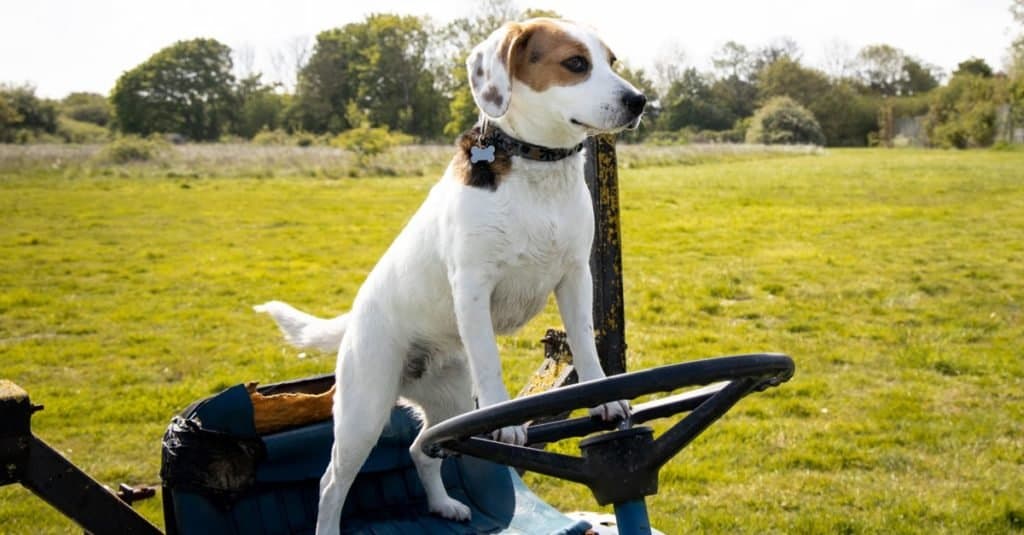
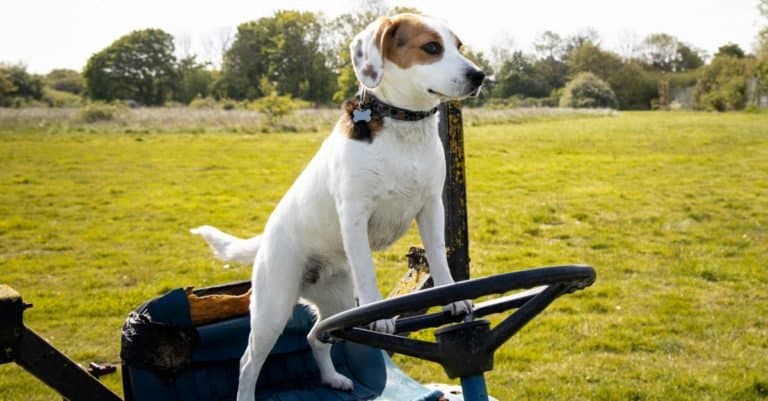
Jacabee standing on the seat of an old tractor with paws on the steering wheel.

The Jackabee is an intelligent, hardworking breed.

Size and Weight

A full-grown Jackabee is a small dog with an athletic frame. Males tend to be slightly larger on average, but both sexes can grow to about the same size. They are on average 10 to 16 inches tall and weigh between 15 and 30 lbs.

Evolution and History

As the Jackabee is a relatively new hybrid breed, there’s limited information available about its origins, apart from the fact that it was likely developed in the U.S. around the 2000s from two breeds that originated in the U.K.

The Jackabee’s parent breed, the Jack Russell Terrier, is a curious and lively terrier that was developed in the 19th century for the purpose of fox hunting — a very popular pastime among the English upper class at the time. It’s also possible that the Russell Terrier (also known as the English Jack Russell Terrier and Short Jack Russell Terrier) is a parent breed of the Jackabee, and this breed is a little smaller than the Jack Russell, with shorter legs. Both breeds are named for the hunter and dog breeder Reverend John Russell, who was born in Dartmouth, Devon, England, and lived from 1795 to 1883.

The Beagle, the Jackabee’s other parent breed, is a fun-loving, happy-go-lucky pack hound that originated centuries ago to hunt smaller game animals. While hunting together, the terrier and hound had complementary roles. The terrier would chase the fox out of its den, and the hound would hunt it down and trap it. While it’s possible that the Beagle could be traced back to the 5th century B.C., it’s thought that the modern-day dog’s ancestors were scenthounds called Talbot Hounds, brought by William the Conqueror into England during the 11th century. Recognizable as the dog breed of cartoon character Snoopy, beagles are also commonly used around the world as detection dogs to sniff out prohibited items due to their superior sense of smell and tracking skills.
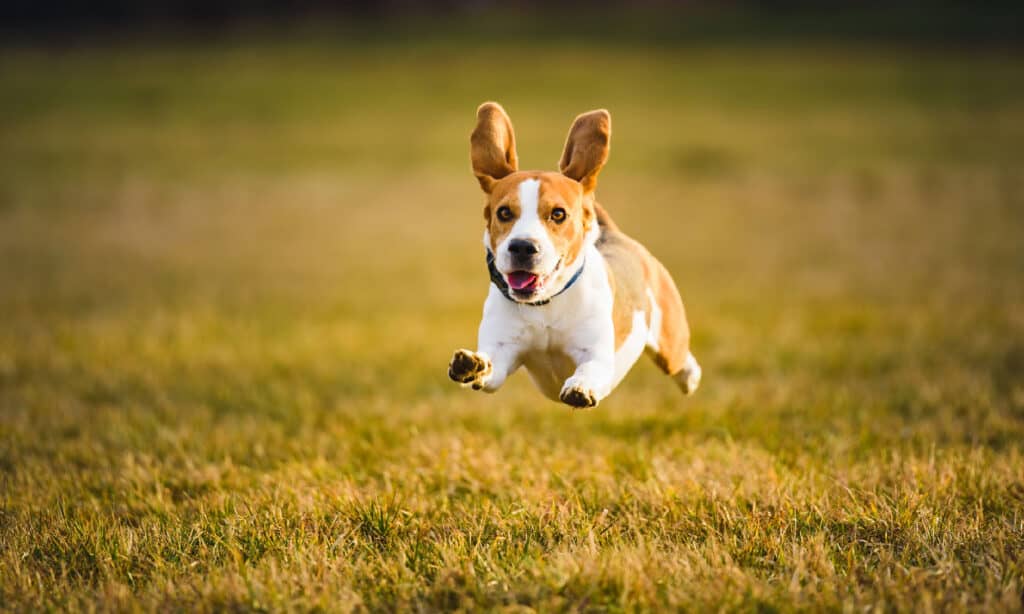
Dog Beagle

The Jackabee’s parent breed, the Beagle, is a fun-loving, active hound.

Common Health Issues

The Jackabee, like its parent breeds, is prone to several health conditions, including deafness, anemia, glaucoma, cataracts, ear infections, narcolepsy, hypothyroidism, epilepsy, dwarfism, and cancer. It also tends to suffer from a few developmental or degenerative disorders, including hip dysplasia (a dislocating hip socket, which can cause lameness), luxating patellas (a dislocating knee), Legg-Calve-Perthes disease (a degenerative hip), and intervertebral disc disease (a spinal problem that may cause pain and paralysis).

Another problem you need to look out for is Von Willebrand’s disease, which causes excessive bleeding due to a deficiency of von Willebrand factor (VWF), a protein that helps platelets stick together and to blood vessel walls during clotting. Potential owners should never neglect their dog’s health; always buy from a reputable breeder who screens for health problems, and follow up with your vet regularly to catch issues as early as possible. Despite the severity of some conditions, the Jackabee can still live 12 to 15 high-quality years.
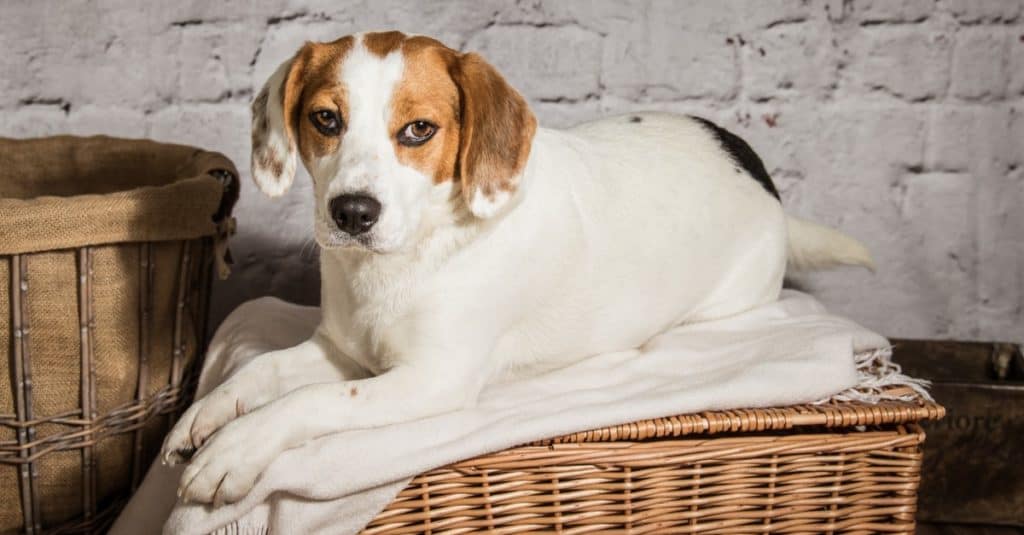
White and tan Jackabee lying on top of a wicker hamper.

Like its two parent breeds, the Jackabee is prone to a range of health conditions.

Temperament

Don’t let its small size fool you. The Jackabee has a playful, alert, and energetic personality with a rambunctious streak and a mind of its own. Potential owners should be aware that its parent breeds were originally hunting dogs. As such, it was expected to use its intelligence and independence to hunt down and trap prey. This does not necessarily mean the Jackabee is a hunting dog now, but you should still expect the dog to have some hunting instincts intact.

This curious hybrid dog tends to literally follow its nose everywhere and explore its surroundings. It also exhibits some aggression toward small animals, so it shouldn’t be trusted around guinea pigs, rabbits, and similar pets. Some of these instincts can be minimized with good training as a puppy. Owners should also channel their energies into fun games and tasks. Otherwise, this dog can easily resort to mischievous and destructive behavior.
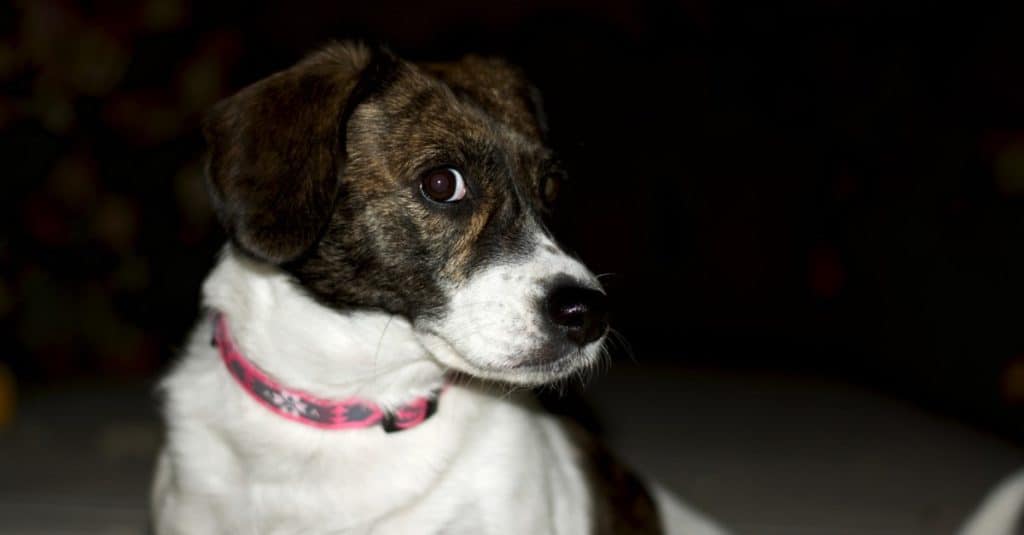
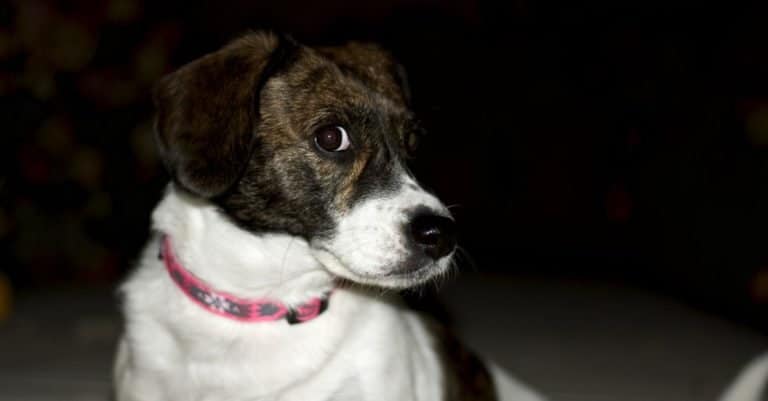
Portrait of a Jackabee dog facing to the right.

The Jackabee is playful and has a rambunctious streak.

How to Take Care of the Jackabee

Despite its small size, the Jackabee is by no means an easy dog to care for. It needs the same amount of exercise as a dog almost twice its size. Nevertheless, this can be a good choice for both novice and experienced owners, thanks in part to the ease with which it can be trained. If you need more information about the particular details of your dog’s care, then you should consult with your vet.

The Best Dog Food

A full-grown Jackabee should be fed about a cup of dry food that is high in protein and omega-3 fatty acids. The exact amount of food will, of course, depend on the dog’s age, size, and activity level. Because this hybrid dog does have the tendency to develop some degenerative or arthritic conditions, it should not be allowed to exceed a reasonable weight; obesity can put additional strain on the dog’s body and reduce its quality of life. Consult with your vet to obtain more information about the dog’s dietary needs and to formulate a good feeding plan.

Maintenance and Grooming

The Jackabee typically has a short, smooth coat that needs to be groomed about once a week with a simple slicker brush and comb to remove some of the loose or dead hair. To maintain proper hygiene, clean the ears with a cotton ball and brush the teeth with a canine-specific paste regularly. Baths should be given about once a month to keep this dog free of dirt and grime. As the Jackabee has a small jaw, this predisposes it to periodontal disease, so you should aim to brush your dog’s teeth regularly (every 1 to 2 days if possible) and supply chew toys that can help to keep teeth and gums strong.
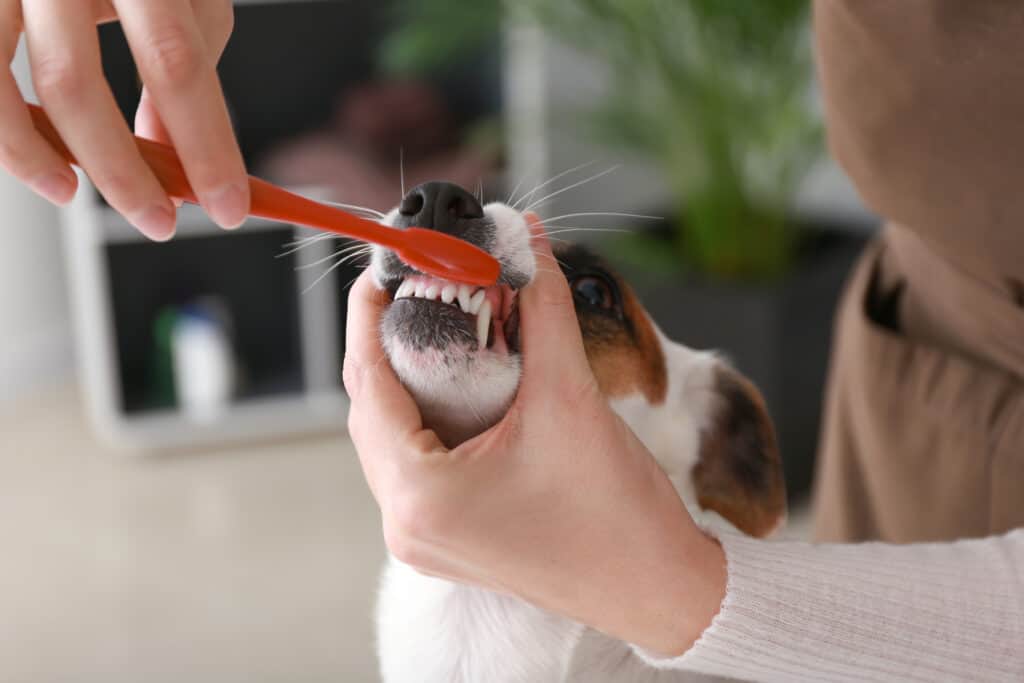
human brushing her dog's teeth

Brushing your dog’s teeth should be part of a maintenance and grooming routine.

Training

The Jackabee’s inquisitive, intelligent, and hard-working nature should serve it well throughout the entire training process. This mix is eager to learn and follow human commands. However, because of its keen sense of smell, the Jackabee is constantly bombarded by distractions. Owners will therefore need to invest plenty of time and patience with this mix; you should also consider holding your training sessions in an environment with minimal stimulation.

Positive reinforcement methods, such as treats and praise, work very well to encourage your dog to follow commands. If you are struggling with the entire training process, you might want to enlist the help of a professional trainer.
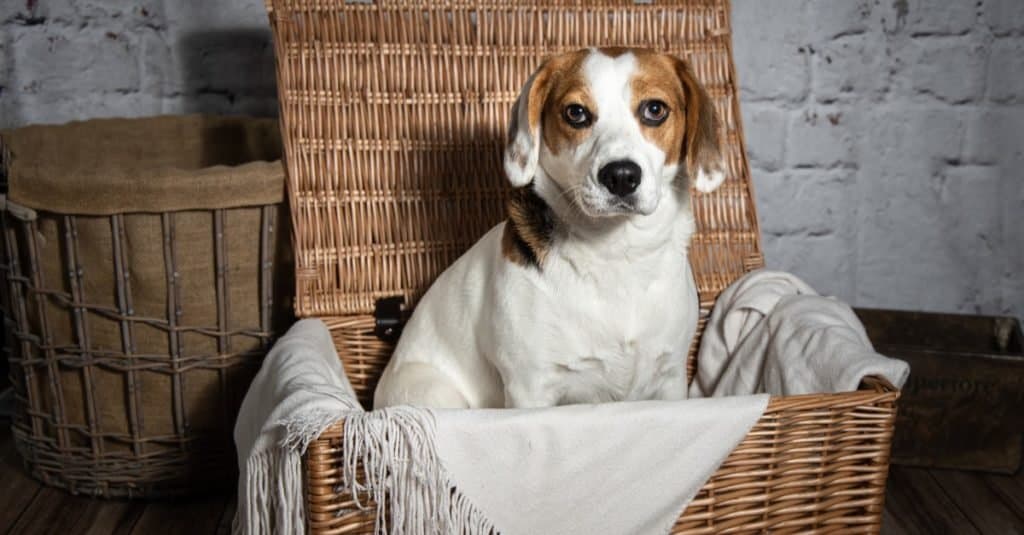
Jackabee sitting inside an empty wicker hamper.

It can help to hold your training sessions with your Jackabee in an environment with minimal distractions.

Exercise

The Jackabee is an energetic and high-spirited dog that needs some 60 to 90 minutes of exercise every single day (equivalent to around 10 or 11 miles every week) to satisfy its need for physical stimulation. This dog will enjoy long walks and runs, playtime, games, sports, and ‘earth dog’ activity challenges that really allow the Jackabee to flex its considerable hunting talents. It should do very well with a fenced yard in which it can roam around freely and play, but owners will need to keep an eye on this little escape artist since it tends to dig under or jump over fences.
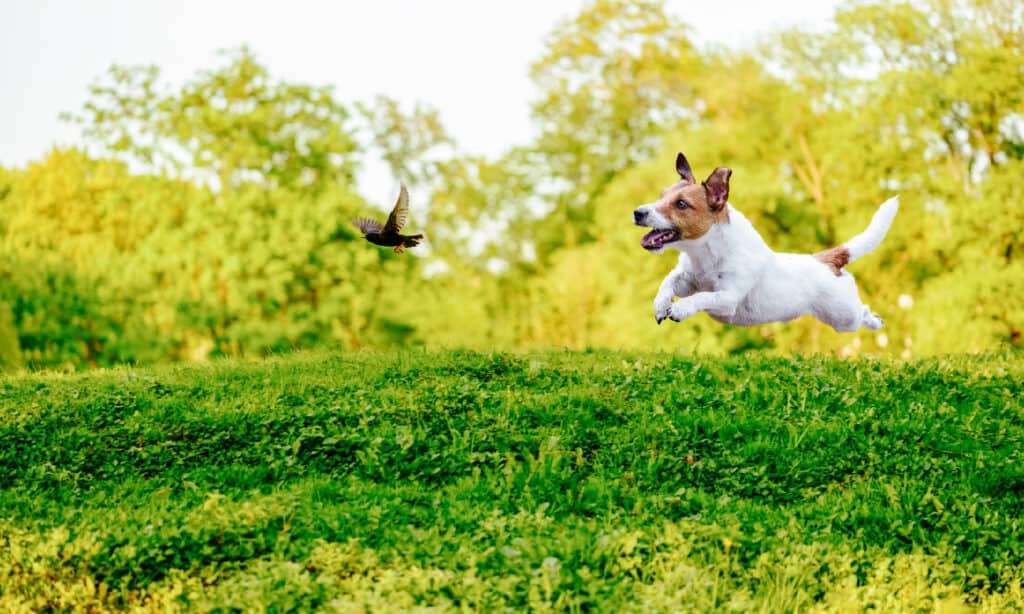
Jack Russell Terrier hunting on starling bird

Like its parent breed, the Jack Russell Terrier, the Jackabee likes to flex its hunting instincts.

Puppies

Jackabee puppies need to begin obedience training and socialization within the first few months of their lives. These dogs should be relatively easy to housebreak, but if you’re struggling at all in this regard, then you might want to buy a crate since puppies will rarely soil their sleeping area. A crate can also calm a dog’s anxiety and provide a safe space for it to retreat into. But owners should never treat the crate as a prison to mistreat the dog.
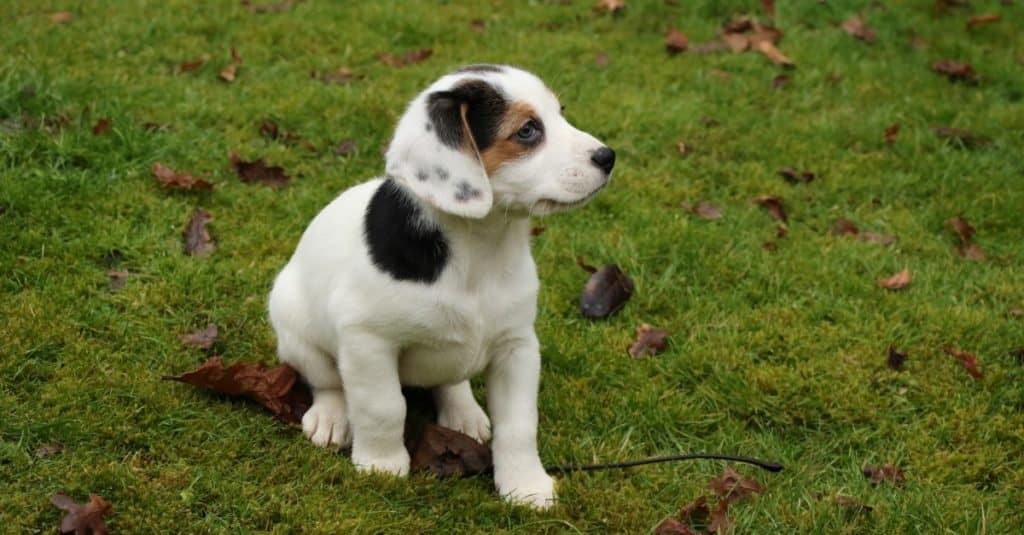
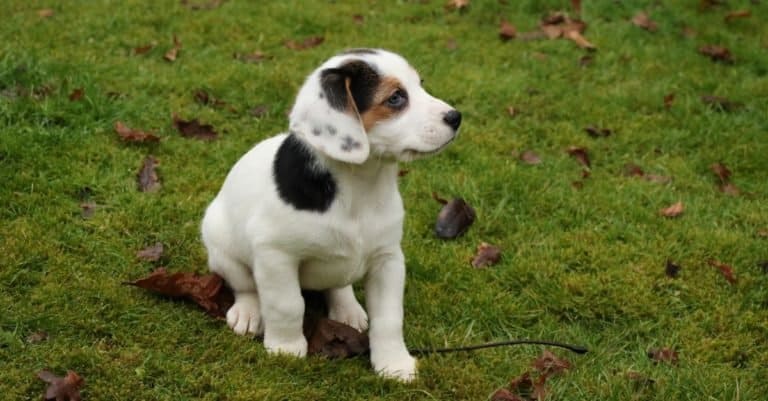
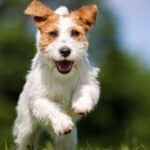
Young Jackabee (Beagle / Jack Russell cross) puppy sitting on the lawn.

Jackabee puppies should start obedience training and socialization early.

Jackabees and Children

The affectionate and playful Jackabee should be a great friend and companion to children of all ages. However, it is important to teach smaller kids the proper etiquette with these types of dogs to prevent bad interactions. While the Jackabee may have a high tolerance for roughhousing, it still needs to be treated with kindness and respect.

Dogs Similar to the Jackabee

If you’re interested in a Jackabee, Beagle, or Russell Terrier, then you might consider these closely related hounds or terriers. Here’s some information about them:

  • American Foxhound: Intelligent, independent-minded, easy-going, and very affectionate, the American Foxhound excels at that distinctly British pastime, fox hunting. They are very well-known for their speed, agility, endurance, and hard-working personality.
  • Smooth Fox Terrier: The Smooth Fox Terrier (along with its more wiry-haired cousin, the Wire Fox Terrier) is a lively and affectionate fox hunter that originated in England in the 18th century. It is characterized by a somewhat small body, a flat and narrow head, and a flat, dense white coat with black or tan markings.
  • Australian Terrier: Originally bred from several British terriers, this is an affectionate, spirited, self-confident, and brave little dog with a long, harsh coat and distinctive furnishings around the neck and forequarters. It makes for a great friend and companion.
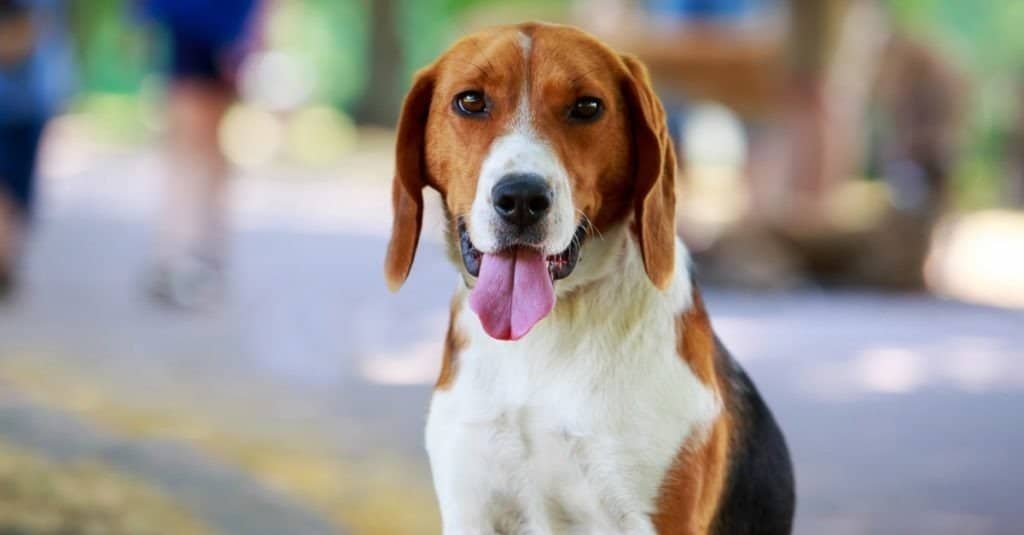
American foxhound sitting in park

The American Foxhound is an expert at fox hunting, like the Jackabee’s parent breed, the Jack Russell Terrier.

View all 52 animals that start with J

Sources

  1. Doggie Designer / Accessed April 23, 2021
  2. Wag Walking / Accessed April 23, 2021
Catherine Gin

About the Author

Catherine Gin

Catherine Gin has more than 15 years of experience working as an editor for digital, print and social media. She grew up in Australia with an alphabet of interesting animals, from echidnas and funnel-web spiders to kookaburras and quokkas, as well as beautiful native plants including bottlebrushes and gum trees. Being based in the U.S. for a decade has expanded Catherine's knowledge of flora and fauna, and she and her husband hope to have a hobby farm and vegetable garden in future.

Thank you for reading! Have some feedback for us?


Jackabee FAQs (Frequently Asked Questions)

The Jackabee is a cross between a Jack Russell Terrier and a Beagle. Descending from a strong fox-hunting lineage, these small but athletic dogs are friendly, inquisitive, affectionate, and easy to train. This is also a very explorative mix with a strong sense of smell.