

M
Species Profile

Mal Shi

Canis lupus familiaris

Small dog, big cuddle energy
PHATCHARADA DUEANDAO/Shutterstock.com

Mal Shi Distribution

Click a location to explore more animals from that region

Origin Location

This map shows the native origin of the Mal Shi. As a domesticated species, they are now found worldwide.

Loading map...

Found in 1 country

Size Comparison

Human 5'8"
Mal Shi 11 in

Mal Shi stands at 16% of average human height.

Mal Shi

At a Glance

Domesticated
Diet Omnivore
Activity Diurnal+
Lifespan 13 years
Weight 8 lbs
Status Not Evaluated
Did You Know?

"Malshi" is a modern portmanteau of Maltese + Shih Tzu; it's not a recognized zoological taxon or standardized breed.

Scientific Classification

The Malshi is a small companion dog produced by crossing Maltese and Shih Tzu parents. It is not a standardized zoological taxon; biologically it is the domestic dog, and in pet-keeping contexts it is treated as a “designer” crossbreed.

Kingdom
Animalia
Phylum
Chordata
Class
Mammalia
Order
Carnivora
Family
Canidae
Genus
Canis
Species
lupus

Distinguishing Features

  • Toy-sized companion dog; traits vary by parentage
  • Often a longer, soft coat with grooming needs; coat type/length can vary
  • Commonly marketed as a Maltese–Shih Tzu cross (designer hybrid)

Physical Measurements

Males and females differ in size

Height
10 in (8 in – 12 in)
10 in (9 in – 11 in)
Length
1 ft 7 in (1 ft 4 in – 1 ft 10 in)
Weight
11 lbs (7 lbs – 18 lbs)
10 lbs (7 lbs – 13 lbs)
Tail Length
6 in (5 in – 8 in)
5 in (4 in – 6 in)
Top Speed
16 mph
running

Appearance

Primary Colors
Secondary Colors
Skin Type Domestic dog skin with pigmented nose/eye rims; long, silky-to-wavy hair coat, typically low-shedding but not guaranteed hypoallergenic; sensitive skin/allergy-prone individuals occur.
Distinctive Features
  • Designer crossbreed (Maltese × Shih Tzu), not a separate wild taxon; biologically a domestic dog.
  • Small companion build with rounder head and shorter muzzle than many dogs; degree of brachycephaly varies by lineage.
  • Large, expressive eyes; predisposed to tear staining and ocular irritation if hair rubs eyes.
  • Plumed tail often carried over back; compact body with fine-to-medium bone.
  • Coat tends to be long and soft; matting risk is high without frequent brushing.
  • Breed-typical care: daily brushing, routine professional grooming, and frequent eye/tear-area cleaning.
  • Health concerns seen in parent breeds: dental crowding/periodontal disease, patellar luxation, ear infections, skin allergies, and brachycephalic airway issues in shorter-muzzled individuals.
  • Care needs relative to base domestic dog: more intensive grooming and dental care; moderate daily exercise; avoid overheating and protect eyes/ears with regular checks.

Sexual Dimorphism

Sexual dimorphism is mild. Males are often slightly larger with a broader head and heavier coat, while females tend to be a bit smaller and finer-boned; overlap is common due to crossbreed variability.

  • Slightly taller/heavier on average; broader chest and head in some lines.
  • More frequent urine-marking behavior; may develop a fuller neck/ruff coat.
  • Slightly lighter frame and narrower head in some lines.
  • May appear more refined through the muzzle and body; coat fullness varies individually.

Did You Know?

"Malshi" is a modern portmanteau of Maltese + Shih Tzu; it's not a recognized zoological taxon or standardized breed.

Size and look can vary widely even within the same litter-some pups favor the Maltese muzzle/coat, others the Shih Tzu face/eyes.

Many Malshis inherit a low-shedding, continuously growing coat (not truly "hypoallergenic," but often less shedding).

Their popularity rose with the late-20th/early-21st-century "designer dog" trend aimed at companionability and manageable size.

They often retain "puppy-like" playfulness into adulthood, a common selection trait in companion lineages.

Because the Shih Tzu parent is brachycephalic and some Malshis inherit a shorter muzzle, some may snore or be heat-sensitive; longer-muzzled individuals often tolerate heat better.

Unique Adaptations

  • Companion-specialist temperament shaped by domestication: strong bonding, attention-seeking, and responsiveness to human cues compared with wild Canis lupus.
  • Small-body efficiency: low space needs and modest exercise requirements relative to many dogs, while still benefiting from daily walks and play.
  • Coat type often combines Maltese silky hair and Shih Tzu double-coat traits-commonly long, continuously growing hair that requires grooming rather than seasonal shedding.
  • Facial structure may be shorter-muzzled (Shih Tzu influence), which can increase sensitivity to heat and exertion; individuals with longer muzzles often tolerate activity better.
  • High sociability with humans and tolerance for indoor living-an adaptation of the domestic dog niche, emphasized by both parent breeds' lapdog histories.

Interesting Behaviors

  • "Velcro dog" tendency: follows favorite people room-to-room and seeks lap contact.
  • Alert barking at new sounds/visitors-typical small-companion watchdog behavior; benefits from calm reward-based training.
  • Play bursts ("zoomies") indoors, then quick settling into lounge mode.
  • Face-wiping and pawing at eyes/muzzle, especially if tear staining or facial hair irritates.
  • Strong preference for routine; may show separation-related stress if under-socialized.
  • Toy-focused play and gentle "mouthy" carrying behaviors; usually not high prey drive but may chase small moving objects.

Cultural Significance

The Malshi (Maltese × Shih Tzu) is a modern designer mix liked as a friendly, small companion. The Maltese was an ancient Mediterranean lapdog in art and books; the Shih Tzu was a Tibetan/Chinese palace pet. They show people like small home dogs more than working dogs.

Myths & Legends

Tibetan and Chinese "lion dog" tradition: Shih Tzu-type dogs were linked to guardian lions in Buddhist iconography, bred to resemble miniature lions and associated with temple and palace life.

A Buddhist legend says the Buddha had a small dog that could turn into a lion to protect him. Tales link this idea to Tibetan "lion dogs" such as the Shih Tzu and related breeds.

Classical Mediterranean lore around the Maltese: ancient writers described treasured small lapdogs from the Malta/Melitē region as luxury companions; they appear in Roman-era anecdotes as cherished household favorites.

European "comforter dog" tradition (often applied historically to Maltese-type lapdogs): small white lapdogs were believed to bring warmth and comfort to the ill, a long-standing cultural association of tiny companions with healing and solace.

Modern naming lore: "Malshi" emerged as a contemporary nickname in English-speaking pet circles, reflecting a trend of blending parent-breed identities into a single household label rather than a formal breed lineage.

Conservation Status

NE Not Evaluated

Has not yet been evaluated against the criteria.

Population Stable

Life Cycle

Birth 3 pups
Lifespan 13 years

Lifespan

In the Wild
12–14 years
In Captivity
10–18 years

Reproduction

Mating System Polygynandry
Social Structure Managed Domestic
Breeding Pattern Transient
Fertilization Managed Selective
Birth Type Managed_selective

As a Maltese × Shih Tzu companion cross within domestic dogs, Malshi reproduction is typically breeder-managed: selected male-female pairings for a single estrus, with no stable pair bond. Without management, domestic dogs commonly show multi-partner mating within local groups.

Behavior & Ecology

Social Pack Group: 3
Activity Diurnal, Crepuscular, Cathemeral
Diet Omnivore Small-breed, animal-protein-forward diets (often chicken or turkey-based kibble/wet food; some individuals prefer softer textures).

Temperament

Breed vs base species context: compared with free-ranging Canis lupus familiaris, Malshi behavior is strongly human-directed and home-centered.
Companion-focused and affiliative; seeks lap contact, proximity, and frequent reassurance from familiar people.
HUBS (small companion mixes): common patterns include high social dependence, alert barking, and lower prey drive; individuals vary by parental lines and early handling.
Typically friendly with strangers when well-socialized; may be cautious or barky in novel settings without exposure.
Moderate play and exercise needs; tends to prefer short bursts of activity over sustained endurance work.
Trainability is good with positive reinforcement; may show stubbornness and distraction typical of toy companion breeds.
Can be prone to separation-related distress (vocalizing, pacing, destructive chewing) if left alone abruptly.
Generally lower dog-directed aggression than many terriers, but may show "small-dog reactivity" if under-socialized.
Gentle with children when interactions are supervised; sensitive to rough handling due to small size.
Care requirements: regular grooming/brushing to prevent matting; routine eye/face cleaning if tear staining occurs.
Care requirements: daily dental care is especially important; toy breeds commonly develop periodontal disease.
Health concerns to monitor: brachycephalic/upper-airway issues may occur (especially Shih Tzu-influenced), causing snoring or heat intolerance.
Health concerns to monitor: patellar luxation and other small-breed orthopedic issues; maintain healthy weight and avoid high jumps.
Health concerns to monitor: eye problems (corneal injury, dry eye) and skin allergies; seek veterinary evaluation for chronic rubbing or redness.
Heat/cold sensitivity: may overheat easily; avoid strenuous exercise in warm weather and provide climate control.

Communication

Alert barking at door/noises; may be frequent if not trained
High-pitched yaps during excitement or play
Whining for attention, proximity, or when separated
Growls as a warning when uncomfortable or guarding valued items
Soft grunts/snorts possible in individuals with shorter muzzles
Sighs and quiet "talking" vocalizations during settling or seeking comfort
Tail wagging and whole-body wiggles to solicit interaction
Pawing, nudging, and climbing onto laps to initiate contact
Licking/face nuzzling as affiliative bonding signals
Play bowing and quick darts to invite chase games
Freezing, lip-licking, yawning, and head-turning as stress/appeasement signals
Scent marking (urine) and ground sniffing; often more prominent during walks
Resource-guarding body blocking over toys/food in some individuals; improved with training
Leash-body cues (pulling, circling) indicating arousal; responds well to calm handling and routines

Habitat

Biomes:
Temperate Forest Temperate Grassland Boreal Forest (Taiga) Tundra Alpine Mediterranean Savanna Desert Hot Desert Cold Tropical Rainforest Tropical Dry Forest Temperate Rainforest Freshwater Wetland Marine +9
Terrain:
Plains Coastal Hilly Mountainous Valley Plateau Island +1
Elevation: Up to 16404 ft 3 in

Ecological Role

Domesticated commensal omnivore/mesopredator: primarily a human-dependent companion animal rather than an ecological hunter, but retains opportunistic predatory and scavenging behaviors.

companionship and psychological benefits for humans assistive roles (therapy/ESA potential) local pest deterrence (discourages some rodents) can contribute to nutrient cycling via waste when managed responsibly (should be bagged/disposed to reduce pollution)

Diet Details

Main Prey:
Small rodents Small birds and ground-nesting birds Rabbit Insects and other small invertebrates
Other Foods:
Soft fruits and berries Orchard fruits Vegetables Cooked grains and starches Grasses

Human Interaction

Domestication Status

Domesticated

Malshi (Maltese × Shih Tzu mix; Canis lupus familiaris) is a modern companion cross bred for small size, affection, and low-shedding coat. Usually indoor, people-focused lap dogs needing regular grooming and dental care. They can have dental crowding, patellar luxation, airway/brachycephalic risks, separation anxiety, and suit apartment life with care.

Danger Level

Low
  • Bites/scratches: typically low severity due to small size, but possible if fearful, in pain, or poorly socialized
  • Zoonotic/parasitic risks shared with domestic dogs (e.g., ringworm, intestinal parasites) without proper hygiene and veterinary care
  • Allergies: not truly hypoallergenic; some people may still react to dander/saliva despite low-shedding coats
  • Trip/fall hazard: small dogs can be underfoot, especially for children/elderly

As a Pet

Suitable as Pet

Legality: Generally legal to own as a pet in most jurisdictions because it is a domestic dog; restrictions, if any, are typically landlord/HOA rules, local leash/licensing requirements, and occasional breed-size/weight limits rather than Malshi-specific bans.

Care Level: Moderate

Purchase Cost: $500 - $2,500
Lifetime Cost: $15,000 - $35,000

Economic Value

Uses:
Companion animal trade (designer crossbreed market) Veterinary services (preventive care, dentistry, dermatology/allergy care) Pet grooming industry (routine professional grooming) Pet supplies (specialty diets, dental products, carriers/harnesses, apparel)
Products:
  • Sale/adoption of puppies and adult dogs
  • Grooming services (baths, haircuts, de-matting)
  • Preventive veterinary care (vaccinations, parasite control, spay/neuter)
  • Dental cleanings and home dental-care products
  • Behavior/training services (house-training, barking, separation anxiety)
  • Pet insurance policies and wellness plans

Relationships

The Mal Shi is an adorable designer dog breed, which is a cross between the Maltese and Shih Tzu. They are loyal, affectionate, and low-shedding, and the ultimate lap dog, and a perfect fit for dog lovers with allergies. They have a playful personality, a gentle nature, and an apartment-friendly size. The Mal Shi makes an excellent companion for many types of households, families, singles, and seniors alike.

Quick Facts

  • Height: Around 10 inches
  • Weight: 5 – 12 pounds
  • Lifespan: 12 – 14 years
  • Temperament: Affectionate, social, playful, alert
  • Best for: Families with older children, seniors, first-time owners

History & Origin

The Mal Shi is a relatively new hybrid breed. It is believed to have been developed in the 1990s and early 2000s when designer dogs became popular. This cross combines the gentle, low-shedding Maltese and the affectionate and sturdy Shih Tzu. This cross created a small companion dog that is both hypoallergenic and adaptable to different living situations.
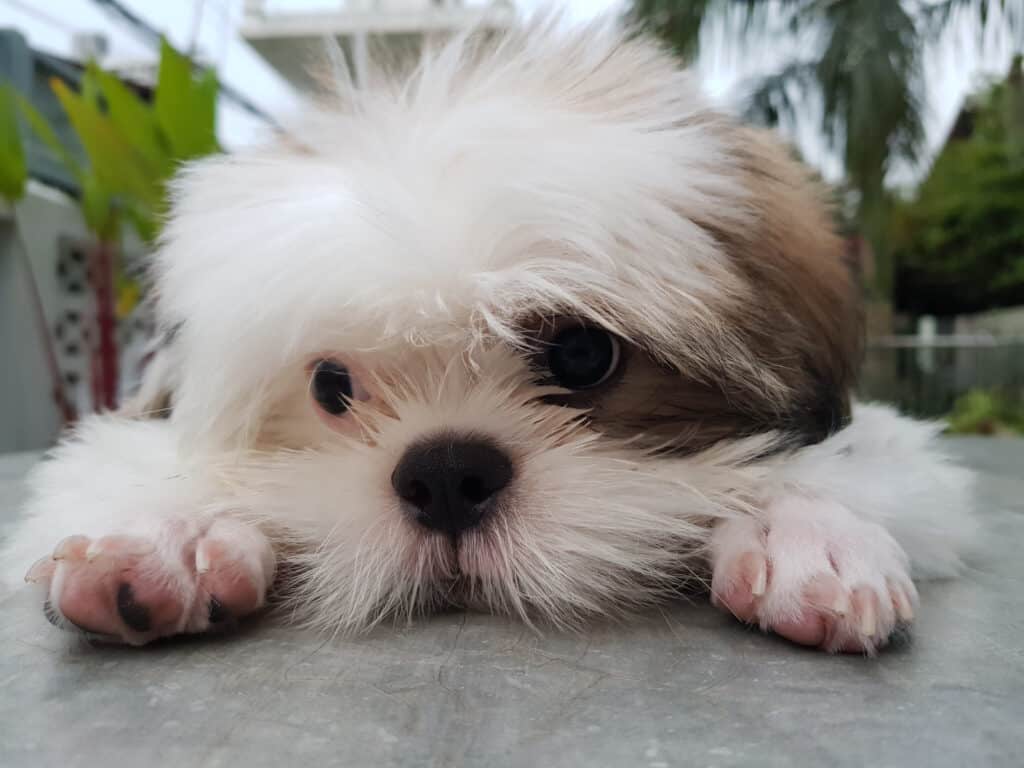
Mal Shi

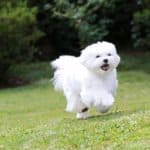
The Mal Shi is a cross between the Maltese and Shih Tzu. They are an adorable breed that is extremely loyal and the ultimate lap dog.

Appearance

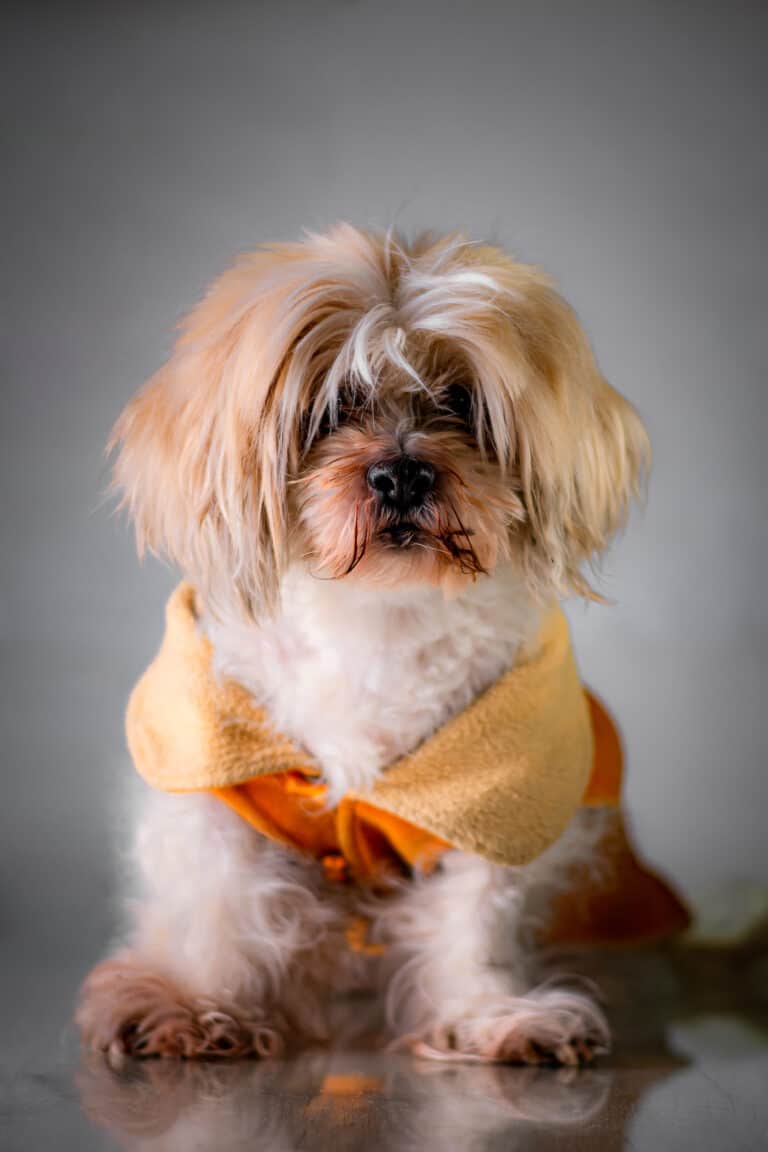
Mal Shis are the perfect size for lap dogs, measuring 10 inches high and weighing between 5 and 12 pounds. They typically have a silky, soft, medium to long coat. This can be straight like the Maltese or wavy like the Shih Tzu. Common coat colors include white, cream, black, brown, or combinations of these colors. They have charming, expressive faces with round eyes and button noses.

Temperament & Personality

The Mal Shi is affectionate, loving, alert, and devoted. They inherit their temperament from both parents, making them gentle, fearless, and playful.

From their Shih Tzu side, they inherit their guard dog trait. So while they won’t be able to fend off intruders, they will be sure to let you know someone is there. While they do bark when something is wrong, they are not even half as noisy as both their parents!

In addition, they are fast learners, and it will take no time to teach them new tricks. However, they are very needy dogs and can suffer from separation anxiety, so they should live in a home where their owner is always around.

Training & Exercise Needs

Because the Mal Shi is so intelligent, they are easy to train. They can sometimes be stubborn, though. And their eagerness to learn makes them the perfect breed for first-time owners. In addition, they are very social dogs, so socialization from a young age is imperative.

While the Mal Shi are very energetic, they do not need too much exercise; 15 to 30 minutes per day is enough. For example, as long as they get a few short exercise breaks during the day, they will have no problem cuddling up on your lap later.

However, they should always have toys available to help with stimulation. Be cautious about how much exercise they get because they are brachycephalic, which means they can’t get too hot or overexert themselves.

Grooming & Maintenance

When it comes to grooming, Mal Shi’s are very similar to their parents. They typically have silky, long, and straight hair. However, sometimes their hair is wavy, which requires daily brushing to prevent tangles or matting.

Mal Shis are prone to tear stains around their eyes, so the area also needs daily cleaning. Luckily, they don’t shed a lot, but their nails grow fast and need clipping every two to three weeks.

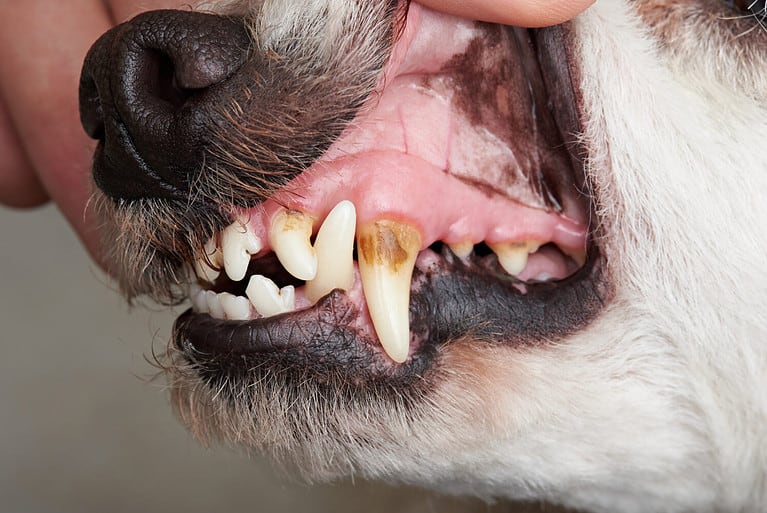
To prevent tartar build-up, their teeth need brushing three times a week; however, some owners brush their furballs’ teeth every day to prevent tooth decay. Therefore, it’s essential to use the best dog toothpaste you can find to keep their teeth clean and healthy. In addition, keeping your Mal Shi looking its best will require weekly baths.
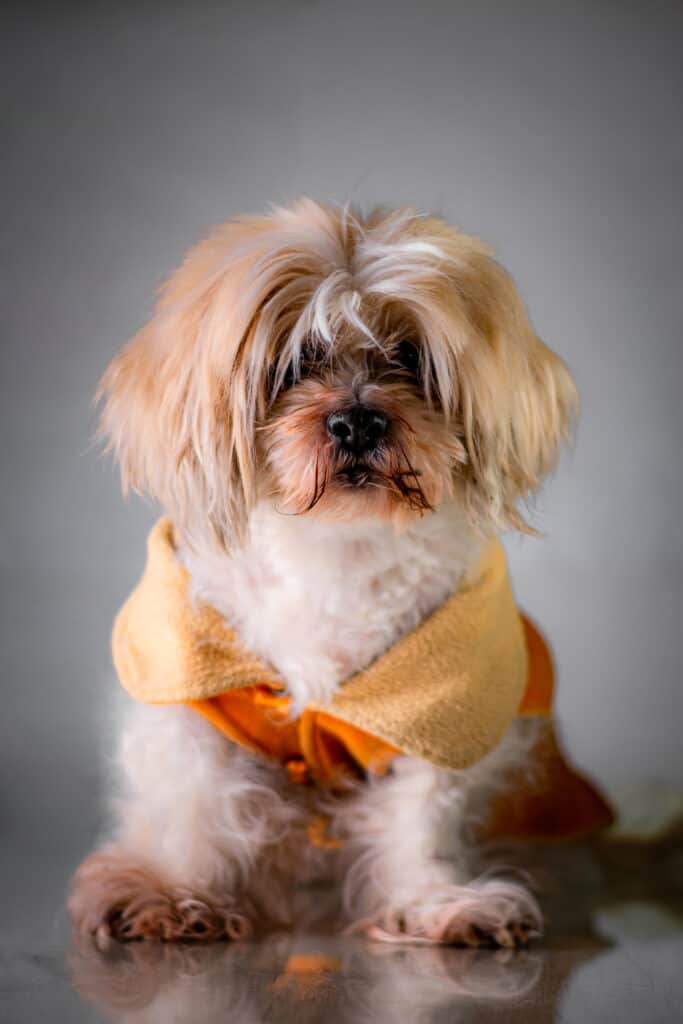
Mal Shi

They are small, but their social personalities make up for their size.

Diet & Nutrition

The Mal Shi thrives on high-quality kibble. It would be best to choose a brand that offers a formula that caters to their unique needs. Therefore, choose a brand with a small breed formula that has high nutritional value.

In addition, you should always account for the different stages in Mal Shi’s development. For example, there are specific foods for every stage of their lives. Puppies should be fed high-quality food for puppies of small breeds, while older dogs should be fed food specifically for senior dogs.

On average, your Mal Shi should receive ¼ to ½ a cup of dog food daily, divided into two meals. That sounds very little, but overfeeding your pooch is not a good idea. If they gain weight, it can lead to several health issues, like diabetes or obesity.

Health & Lifespan

The Mal Shi can live for 12 to 14 years, if you care for them properly. Unfortunately, this mixed breed can inherit its parents’ health issues, which include:

However, with proper care, a nutritious diet, and the right amount of exercise, your Mal Shi can live a long and healthy life. In addition, they should go for regular vet checkups to prevent any surprises.

Mal Shi Puppies

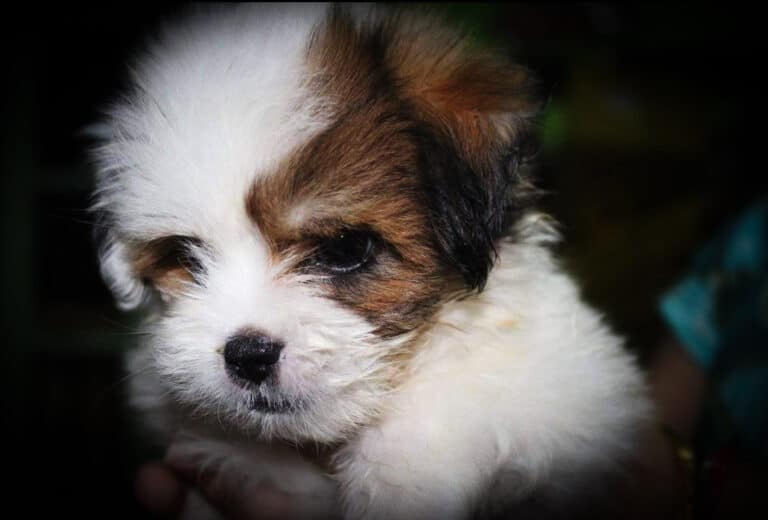
Mal-Shi puppies love being the center of attention, but that’s ok because they are so adorable! However, don’t let their cute little faces fool you; they need to start training as soon as possible. In addition, they need to be socialized from a young age. You can do this by taking them to a dog park or other new environments where they can meet new animals and people.

If you neglect socializing your pup, it could result in a whole bunch of behavioral issues, like:

  • Wariness of other animals or people
  • Fear
  • Anxiousness
  • Aggressiveness

Unsocialized pups can lash out for simple reasons, leading to unsolicited nipping when defending their food or toys.
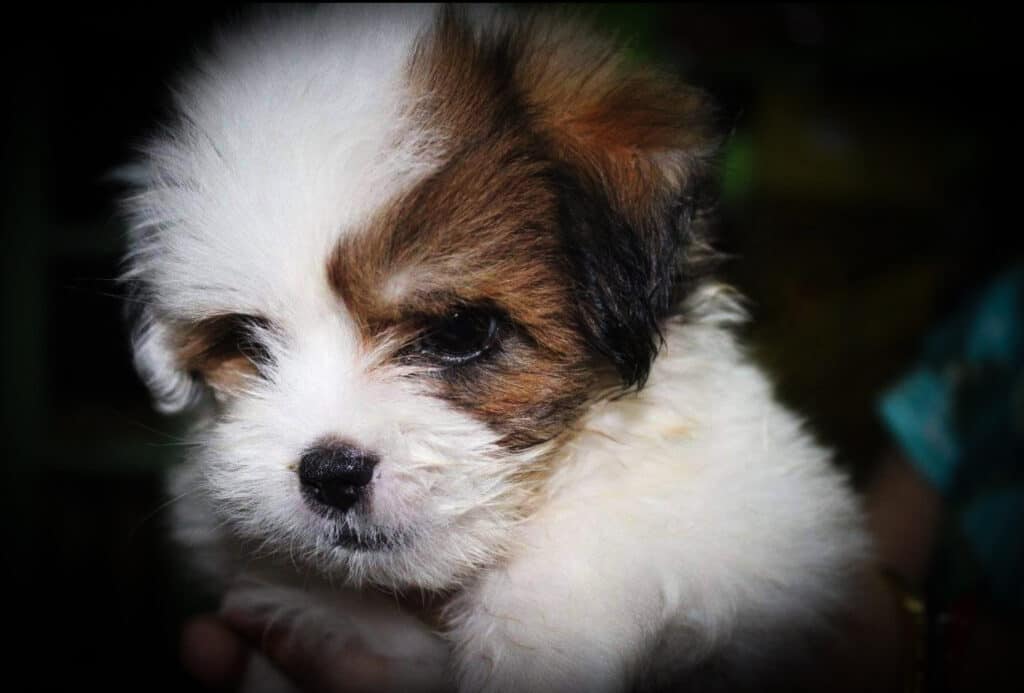
Mal Shi Puppy

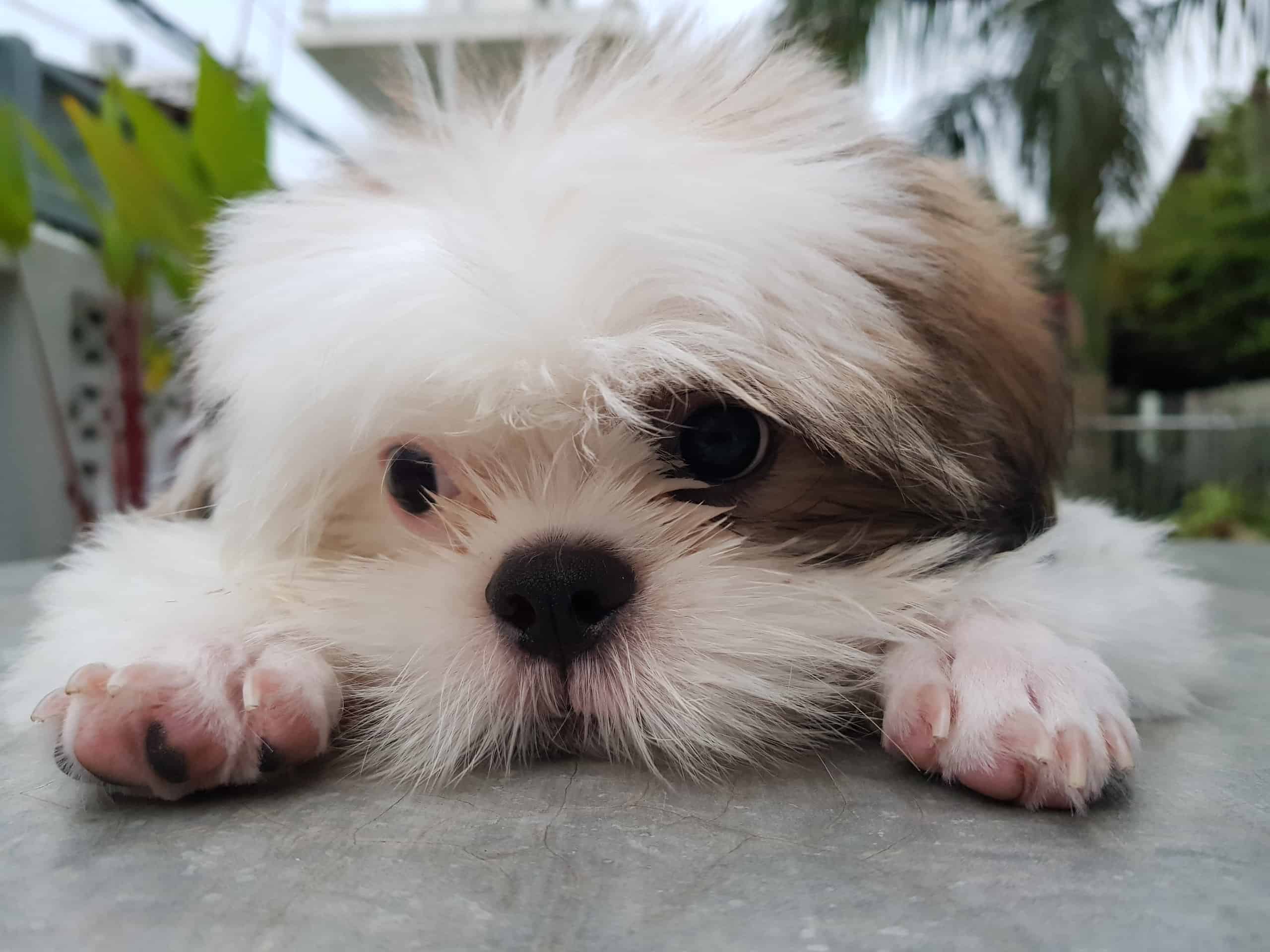
Mal-Shi puppies love being the center of attention, but that’s ok because they are so adorable!

Mal Shi and Children

While the Mal Shi is friendly and playful, they are more suited to families with older children. However, any dog breed should never be left alone with small children, as they don’t know how to treat dogs properly, which could result in the child being bitten.

If socialized from a young age, these dogs do very well in multi-pet homes and will want to play with anything or anyone.

Pros and Cons of Owning a Mal Shi

As with all dog breeds, there are always pros and cons that owners need to take into account before making their decision.

Pros!Cons!
The Mal Shi is hypoallergenicBecause they are so stubborn, they are difficult to train
In general, they don’t bark a lotNot a good companion for intensive exercise routines
They are small, making them perfect for apartment livingCan suffer from Small Dog Syndrome or separation anxiety
Gentle and affectionateCan inherit health problems from the parent breeds

Dogs Similar to the Mal Shi

View all 329 animals that start with M

Sources

  1. Wag Walking / Accessed September 28, 2022
  2. Dog Time / Accessed September 28, 2022
  3. Pet Guide / Accessed September 28, 2022
Chanel Coetzee

About the Author

Chanel Coetzee

Chanel Coetzee is a writer at A-Z Animals, primarily focusing on big cats, dogs, and travel. Chanel has been writing and researching about animals for over 10 years. She has also worked closely with big cats like lions, cheetahs, leopards, and tigers at a rescue and rehabilitation center in South Africa since 2009. As a resident of Cape Town, South Africa, Chanel enjoys beach walks with her Stafford bull terrier and traveling off the beaten path.
Connect:

Thank you for reading! Have some feedback for us?


Mal Shi FAQs (Frequently Asked Questions)

They are an adorable breed that is extremely loyal and the ultimate lap dog.