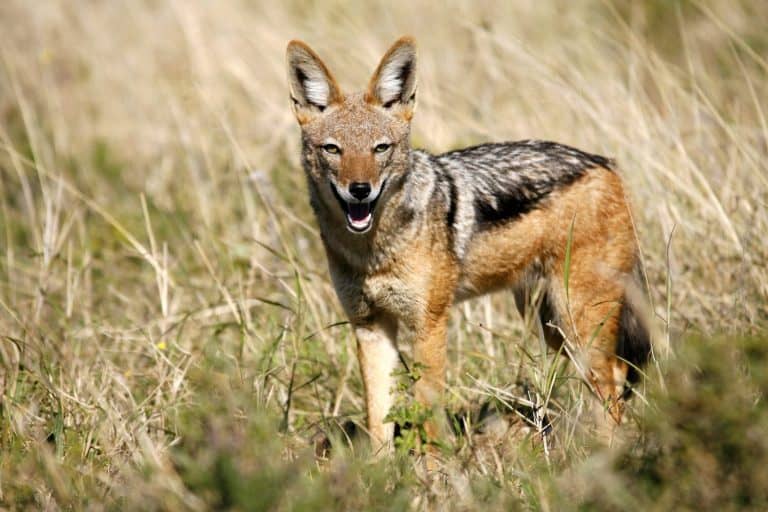
Jackal
Small canids, big survival skills

Small canids, big survival skills
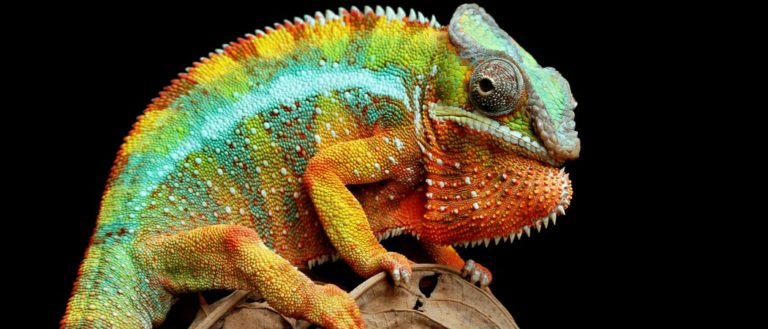
From geckos to dragons-lizard power
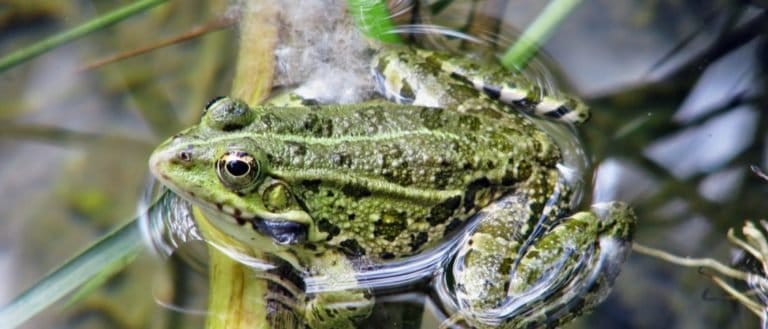
Tailless jumpers, masters of change
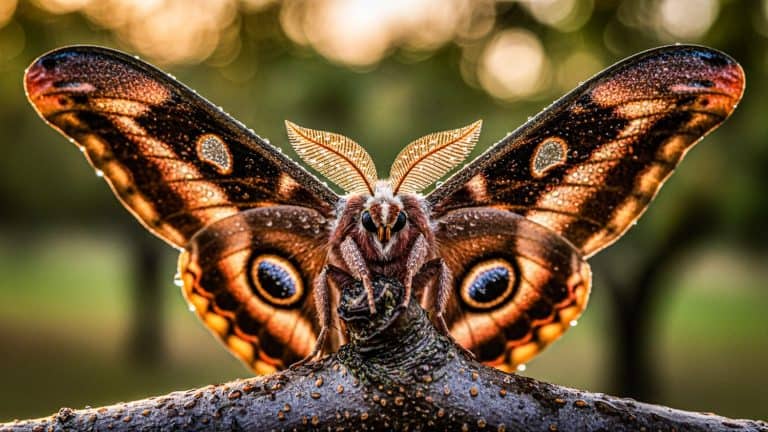
More than night flyers
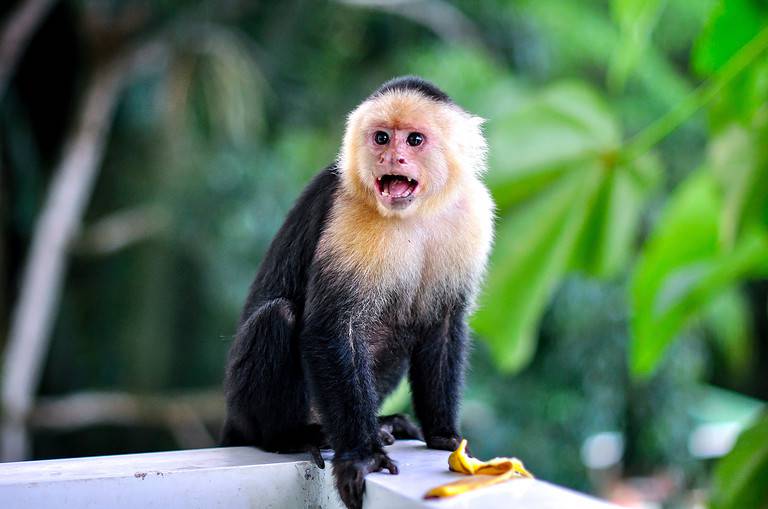
Hands, minds, and social lives
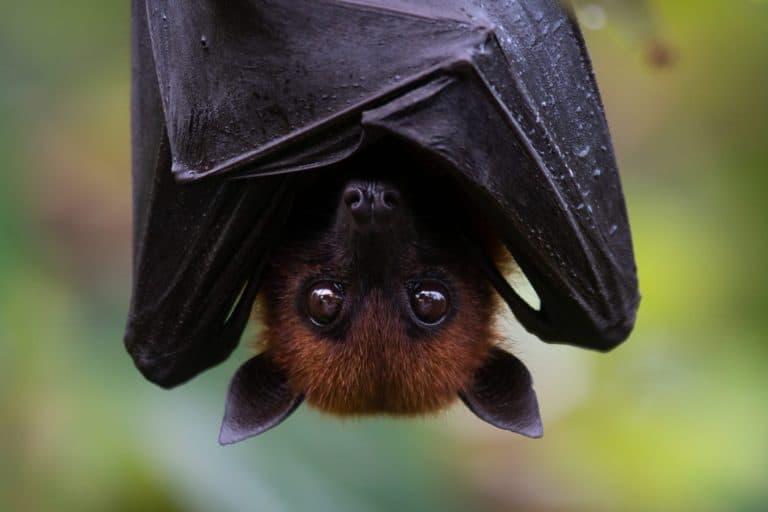
Night pilots of the mammal world
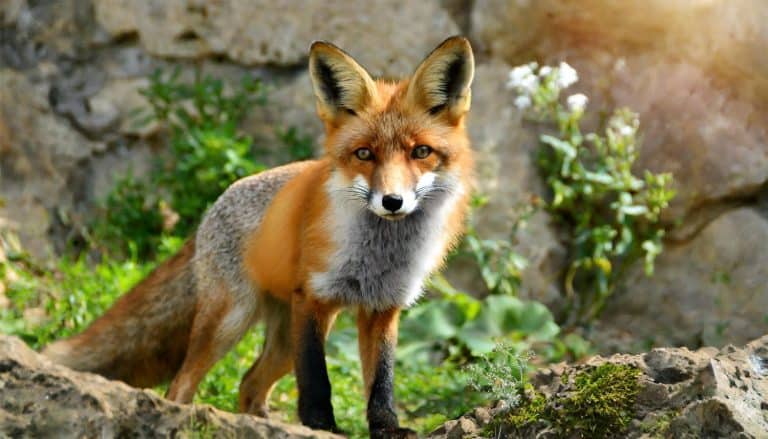
From dunes to tundra-fox smart.
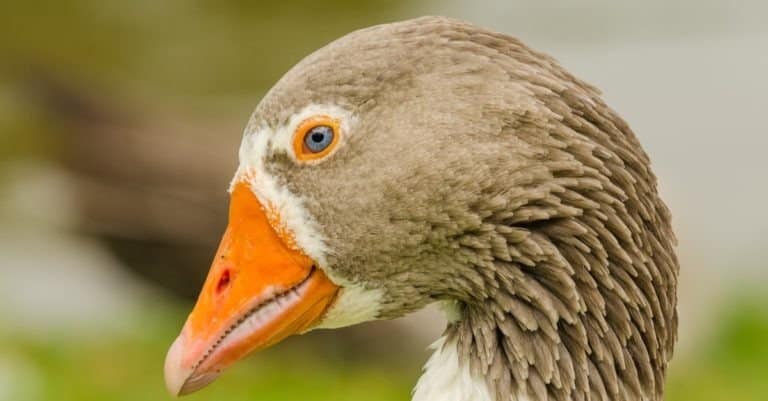
Webbed feet, sky roads, wetland lives
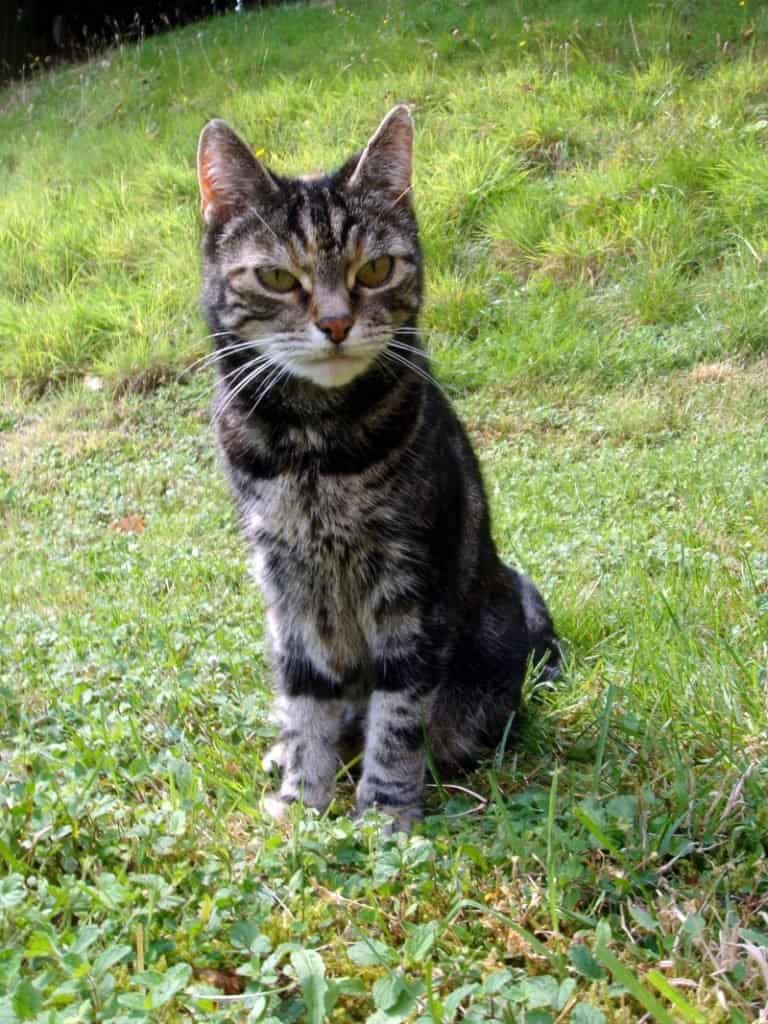
Small hunter, big household legend
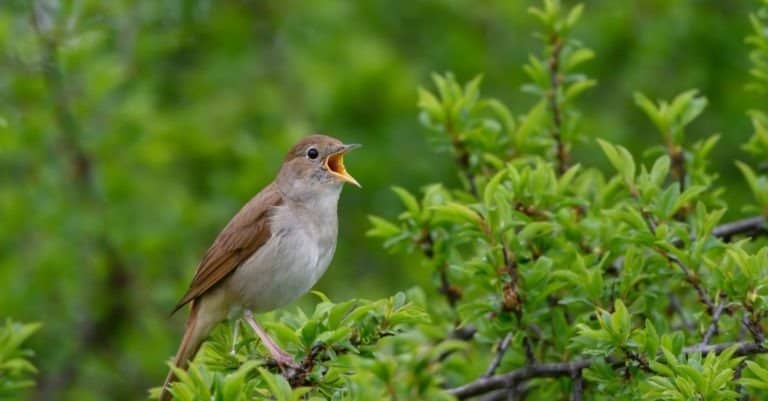
Plain feathers, legendary night song
Suburban habitat is a human-dominated residential landscape of moderate housing density, combining built structures (homes, roads) with managed vegetation such as lawns, gardens, street trees, and parks. It forms a patchwork that favors urban-adapted and edge-tolerant species while often linking nearby urban cores with surrounding natural or agricultural areas.
Suburban areas sit between cities and countryside in a patchwork of houses, pavement, and plants. Yards, trees, and parks support birds, pollinators, and small mammals, while roads, fences, and people push out sensitive wildlife. Mowing, lights, pesticides, pets, and human food shape habitats. Native woodlots, riparian strips, and wetlands act as fragile refuges.
Highly variable mosaic: full sun in lawns and open parks; partial shade under street trees and garden canopy; deep shade adjacent to buildings/under dense ornamental evergreens. Artificial night lighting is common and can be high near streets and commercial edges.
Common features include stormwater drains/ditches, culverts, retention/detention basins, ornamental ponds, small creeks (often channelized), and intermittent puddling/temporary pools after rainfall or irrigation. Water quality and flow are frequently influenced by runoff, fertilizers, and pollutants; flows can be flashy (rapid rise/fall) following storms.
Medium - suburban areas typically support a mix of native and non-native plants and a high number of generalist, edge-tolerant species. Species richness can be moderate (especially for birds and insects where gardens and parks are diverse), but specialist species often decline due to habitat fragmentation, simplified lawns, pesticide use, invasive ornamentals, traffic, and frequent disturbance. Biodiversity increases where native plantings, varied structure (trees-shrubs-meadow), water features, and connected green corridors are present.
Globally widespread and expanding as a human-dominated mosaic; ecological condition is highly variable. Suburban areas can retain moderate biodiversity where connected to remnant habitats and managed with native vegetation, but overall they simplify habitats, increase fragmentation, and favor generalist/edge-adapted species over specialists.
Moderate to high at local scales: substantial gains are possible through native plantings, reducing chemical inputs, restoring wetlands/streams, increasing structural habitat complexity, and reconnecting patches via greenways and road mitigations. Limits remain due to permanent built cover, ongoing disturbance, and fragmented land ownership.
Moderate to high: suburban habitats are sensitive to heat (urban heat-island), drought and wildfire risk in peri-urban interfaces, and extreme rainfall/flooding via impervious-surface runoff. Vulnerability varies with tree canopy cover, water availability, local topography, and adaptive management (cooling/greening, stormwater capture, fire-wise planning).
Suburbs can support surprisingly high wildlife activity because food is constant: bird feeders, fruiting ornamentals, compost, and trash create year-round resources that don't exist in many natural systems.
Some animals reach higher densities in suburbs than in wildlands (e.g., certain deer, foxes, raccoons, coyotes, and some songbirds) because predators may be reduced and food is abundant.
A single backyard can be a micro-ecosystem: a hedge is a "forest edge," a lawn is a "meadow," a woodpile is "rocky refuge," and a pond is a "wetland," all within meters.
Urban-adapted animals often change their schedules in suburbs-more nocturnal activity to avoid people, dogs, and traffic.
Suburban stormwater systems (ditches, culverts, retention ponds) function like artificial streams and wetlands; they can provide habitat but also rapidly move pollutants and warm water into real creeks.
Birdsong can shift in suburbs: some species sing at higher pitches or at different times of day to compete with traffic noise.
Cats and windows make suburbs unusually hazardous for birds: predation and collisions are among the biggest human-linked risks in residential areas.
"Green-looking" doesn't always mean "good habitat": a chemically treated, frequently mowed lawn can be far less supportive of insects than a small patch of native flowers.
Suburbs can act as ecological connectors: street trees, parks, and creek corridors can form travel routes that let wildlife move between larger natural areas-if the gaps aren't too hostile.
Non-native plants can still provide some resources (nectar, cover), but they may also disrupt local food webs-especially if they replace host plants needed by native insects.
Think of a suburb as a patchwork quilt: each square (yard, park, hedgerow, storm pond) offers different conditions, and wildlife thrives in the seams and borders.
Suburban streets are like rivers of risk: they're linear barriers that can "funnel" animal movement to a few crossing points, just as water funnels through a channel.
A lawn is the ecological equivalent of a repeatedly harvested field-frequent mowing keeps it in a perpetual early-growth stage, favoring a narrow set of hardy species.
Backyards function like tiny islands: connectivity (fences with gaps, tree-lined streets, neighboring gardens) determines which species can "hop" between them.
Hedges and shrubs are like apartment buildings for birds-multiple floors (ground cover, mid-story, canopy) increase "housing" for nesting and shelter.
Suburban edges resemble natural ecotones (forest-meadow boundaries), which often have high activity and species turnover-except the disturbance comes from people, pets, and vehicles.
Storm drains are like expressways for water: they move runoff quickly, reducing natural soaking and filtering that would happen in a forest or prairie.
Light pollution is like a permanent twilight: it changes cues for navigation, mating, and feeding in many nighttime species.
Biodiversity hotspots-in-disguise: In many cities, suburban yards can collectively contain more plant species than nearby natural areas because thousands of homeowners plant a huge variety of ornamentals (high species richness, even if many are non-native).
Night-bright extremes: Suburbs are major contributors to light pollution-skyglow can be visible from tens of kilometers away and measurably changes night behavior in insects, birds, and bats.
Heat "mini-records": A big parking lot or a treeless cul-de-sac can run several °C hotter than a nearby park on the same afternoon, creating sharp temperature gradients over just a few blocks.
Edge everywhere: Suburbs maximize "edge habitat" (boundaries between lawns, hedges, woods, ponds, and houses). Compared with large continuous forests, suburban landscapes can have far more edge per square kilometer-great for some species, challenging for others.
Lawn empire: Turfgrass is one of the most widespread "crops" in several countries; in the U.S. it covers an area comparable to some major food crops, making it an enormous managed habitat type.
Night pilots of the mammal world
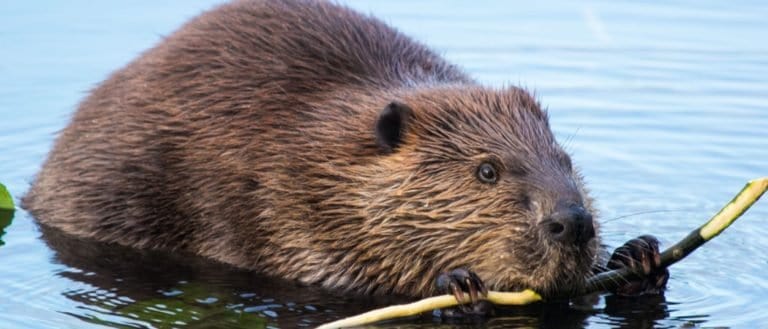
Build wetlands, shape worlds.

Humps of fat, miles of grit
Small hunter, big household legend
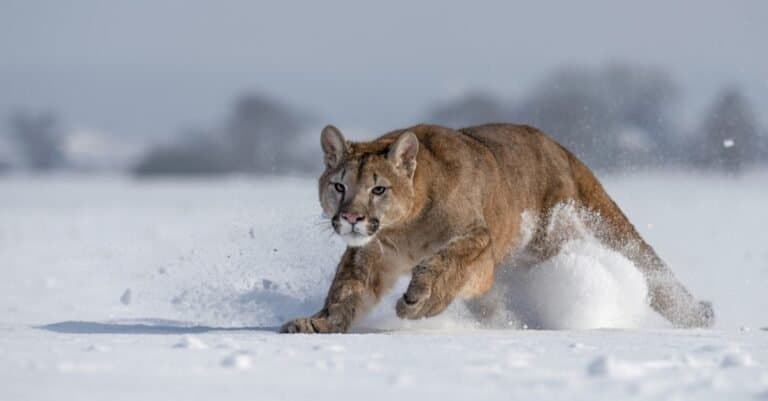
One cat. Two continents.
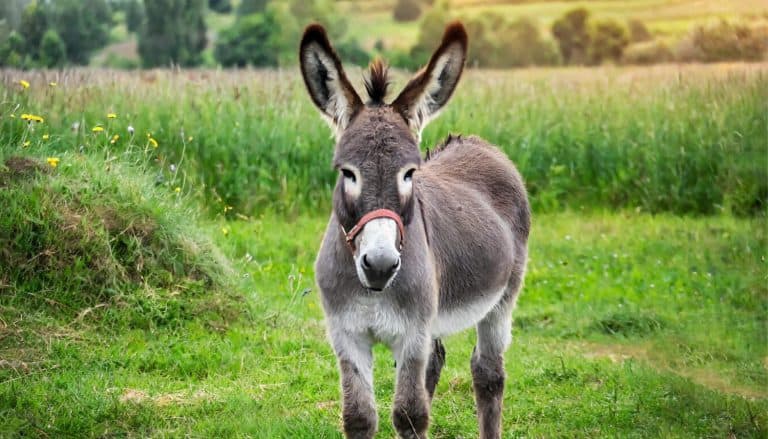
Sure-footed partner of people
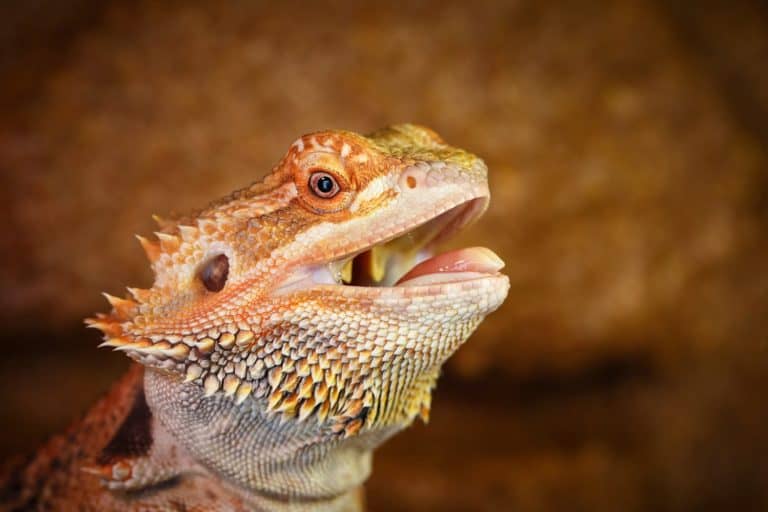
Big beard, bright sun, bold attitude.

Webbed feet, world travelers.
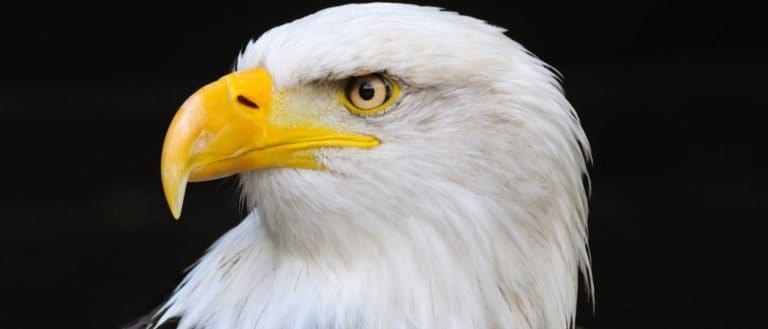
Built to soar, born to strike
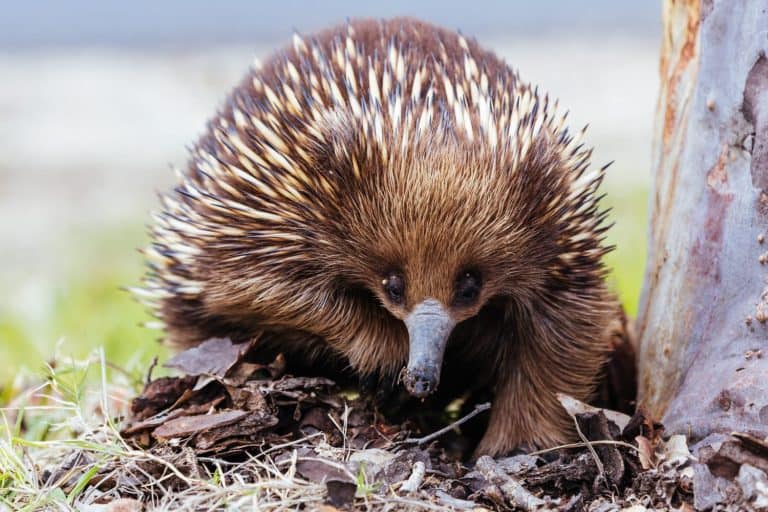
Spines, eggs, and ant-eating mastery
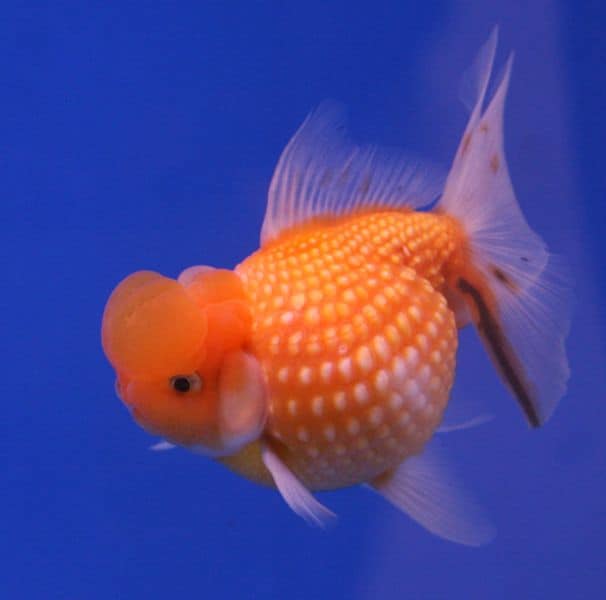
Bony rays, endless ways.
From dunes to tundra-fox smart.
Tailless jumpers, masters of change
Webbed feet, sky roads, wetland lives
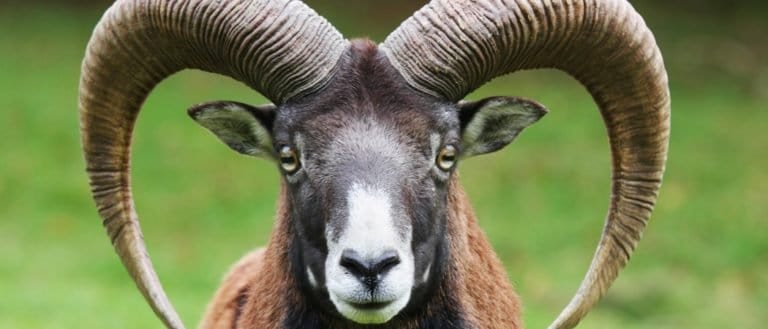
Sure-footed masters of rock and range
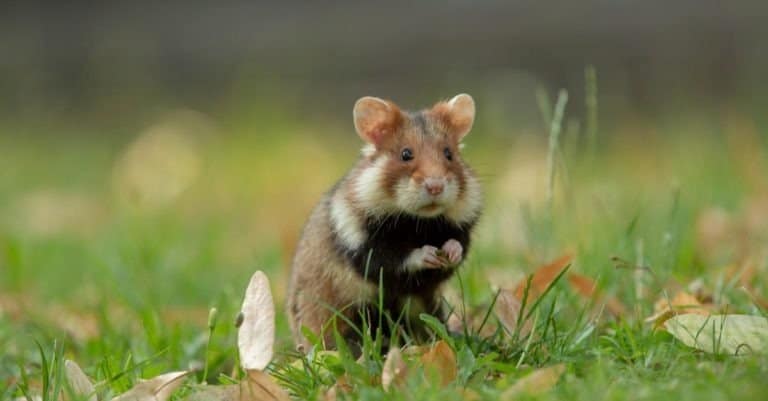
Pouches, burrows, and big impacts
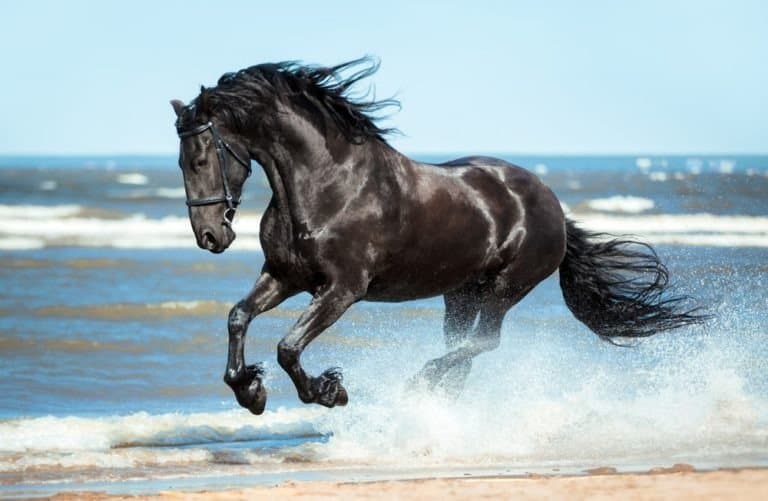
One hoofbeat, a thousand histories
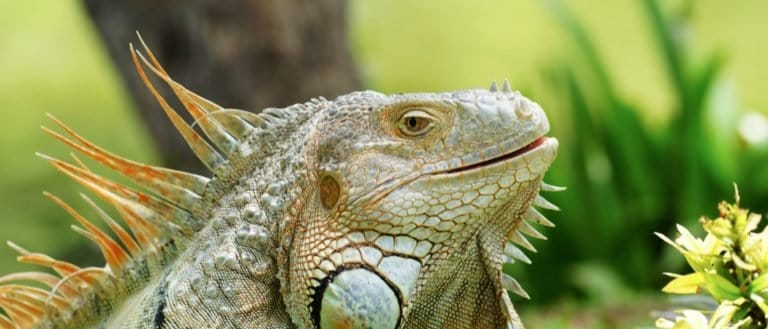
Sun-powered lizards of the Americas
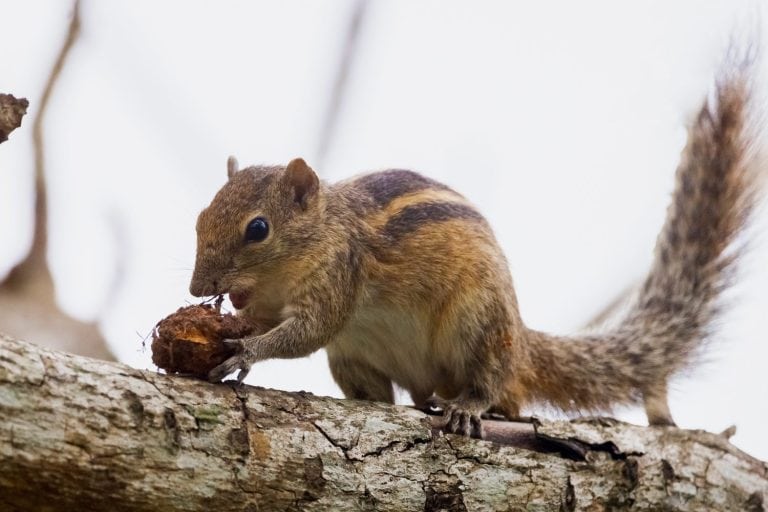
Three stripes. Big city attitude.
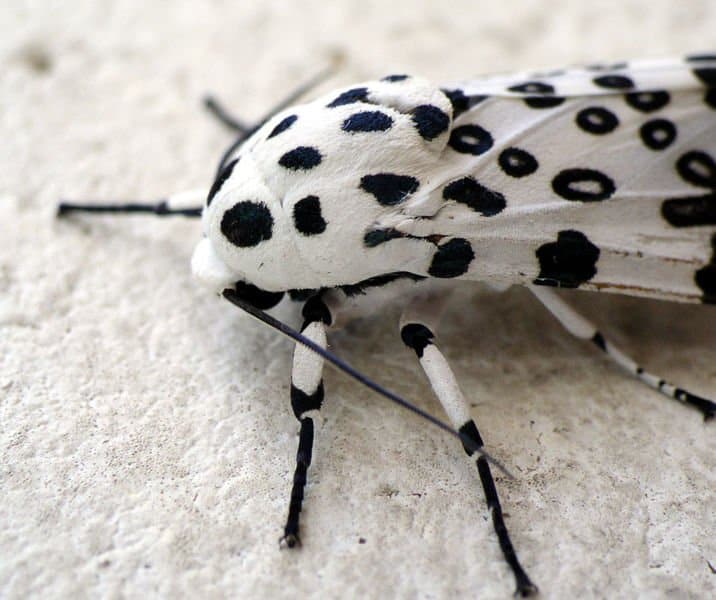
Six legs, endless lives.
Small canids, big survival skills
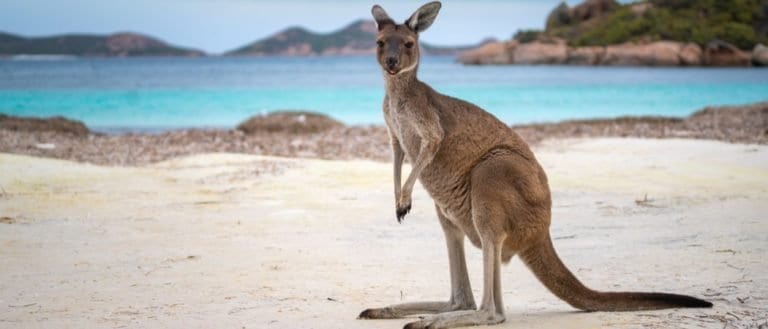
Big hops, big pouches, big variety
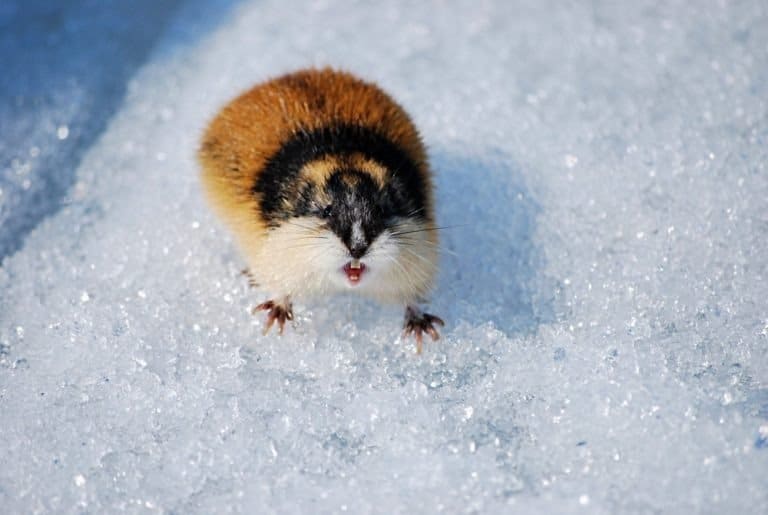
Small rodents, huge tundra impact
From geckos to dragons-lizard power
Thank you for reading! Have some feedback for us?
We appreciate your help in improving our content.
Our editorial team will review your suggestions and make any necessary updates.
There was an error submitting your feedback. Please try again.