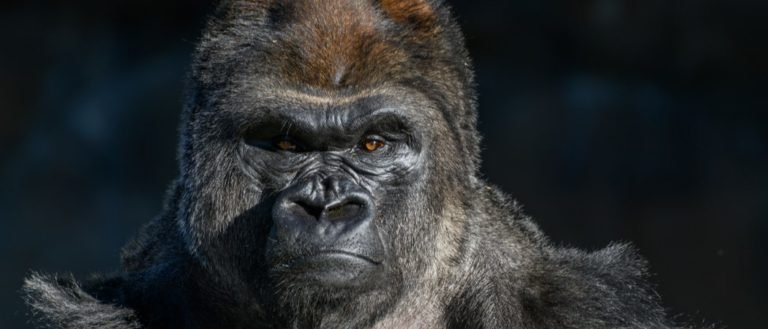
Gorilla
Gentle giants of the African forests

Gentle giants of the African forests

Moon-marked climber of Asian forests
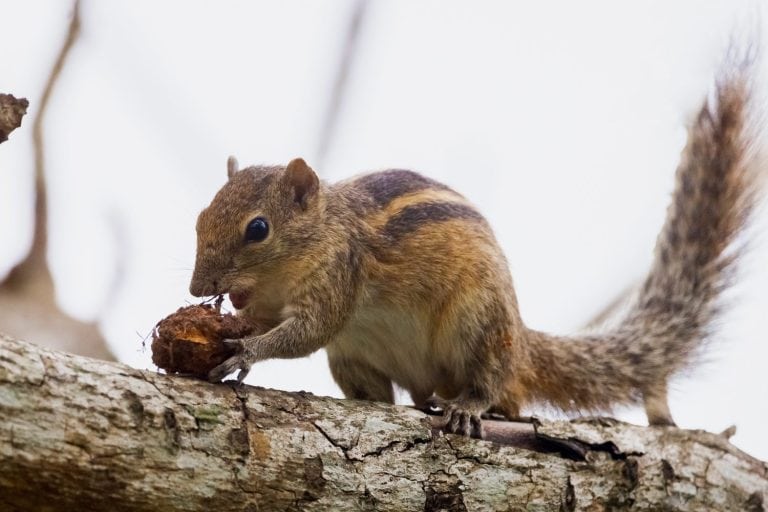
Three stripes. Big city attitude.

Small hunter, big household legend
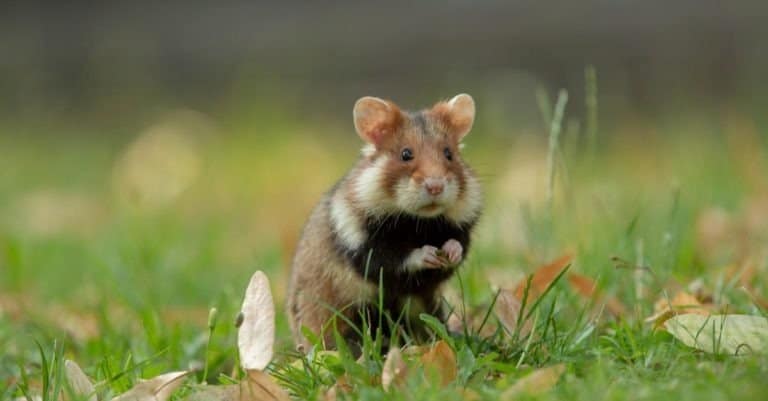
Pouches, burrows, and big impacts
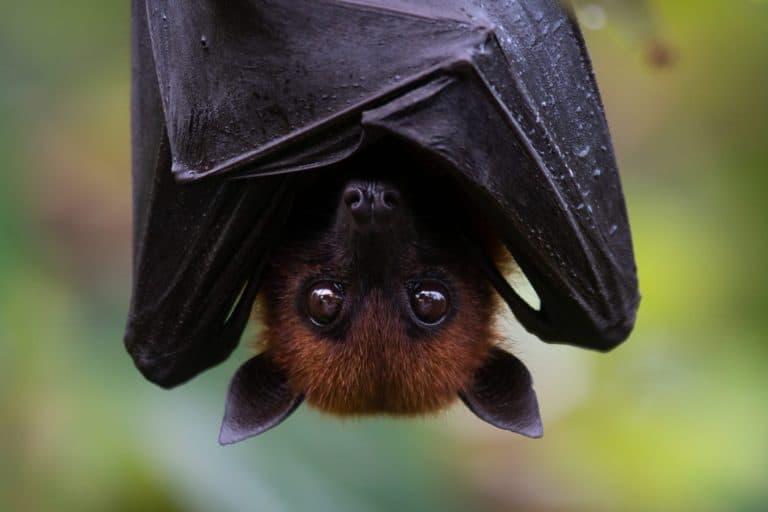
Night pilots of the mammal world
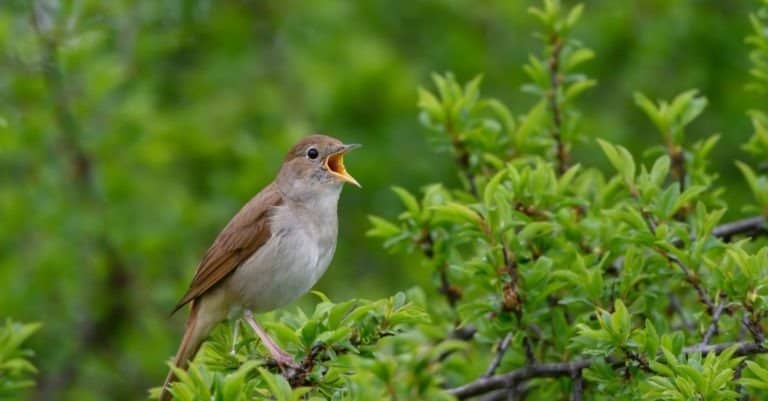
Plain feathers, legendary night song
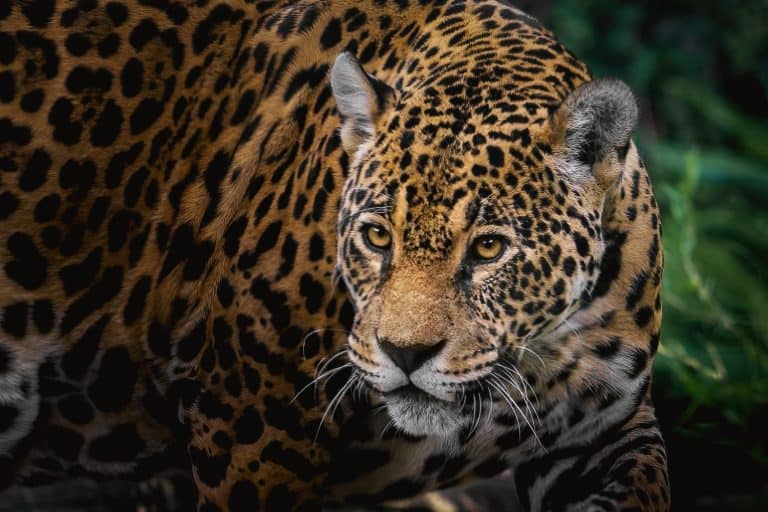
Power of the Americas' apex cat
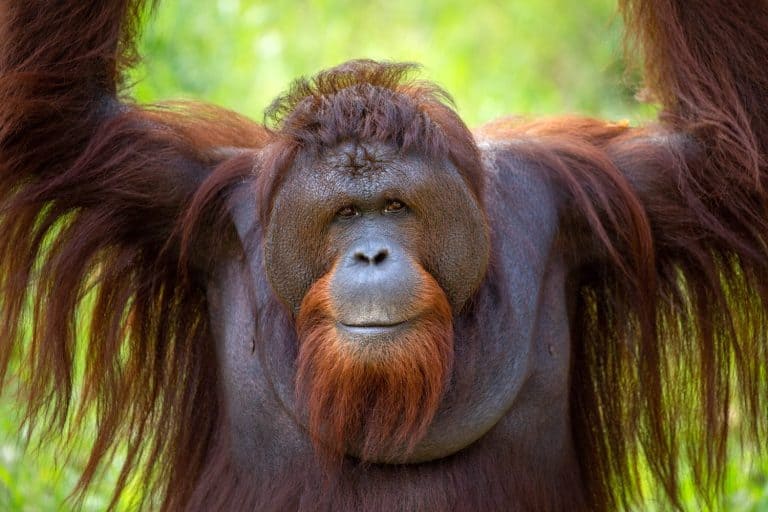
Red apes, rainforest architects

From geckos to dragons-lizard power
A plantation is a human-managed production system where trees or perennial crops are grown in uniform stands-often monocultures or low-diversity mixtures-primarily for commodities such as oil palm, rubber, eucalyptus, tea, coffee, or cacao. It is characterized by simplified vegetation structure, regular disturbance, and intensive management compared with natural ecosystems.
Plantations are planned, even-aged tree or crop stands in rows, with managed spacing, rotations, and common inputs (fertilizer, pesticide, irrigation). They have simpler structure, fewer native species, and changed soils and water (drainage, compaction, runoff). Shade-grown or mixed plantings and riparian buffers can boost habitat; monocultures can block wildlife and spread invasives.
High light overall (open canopy or evenly spaced trees). Full sun to partial shade depending on crop (e.g., tea/coffee often grown with some shade trees; oil palm/rubber/eucalyptus commonly high-light). Understory light is frequently high due to weed control and simplified structure.
Usually terrestrial/agricultural hydrology rather than aquatic habitat. Water is supplied by rainfall, irrigation canals/ditches, reservoirs/ponds, and drainage networks; proximity to rivers/streams is common in riverine settings. Local water tables may be managed (ditching/drainage), and runoff can be elevated during storms due to reduced understory/soil compaction.
Low to medium: typically low because plantations are often monocultures with simplified structure, frequent disturbance, and agrochemical inputs that reduce native plant diversity and specialized fauna. Biodiversity can shift toward generalist and pest species. It can rise toward medium where management increases habitat heterogeneity (mixed species/age, shade trees, understory retention, reduced pesticide use) and where plantations are embedded in landscapes with nearby natural habitats and protected riparian/edge buffers.
Widespread and expanding as a production land use, but generally low ecological integrity as habitat: simplified structure, frequent disturbance, and reduced native biodiversity compared with natural ecosystems. Conservation value varies widely with management (e.g., shade-grown agroforestry, mixed-species plantings, riparian buffers, and proximity to intact habitat can support substantially more wildlife than intensive monocultures).
Moderate to high in many regions if land can be retired or restructured: plantations can be converted to mixed-species forests or agroforestry, and biodiversity can improve substantially by restoring riparian zones, increasing canopy/understory complexity, and reconnecting fragments. Constraints include degraded soils (e.g., compacted, nutrient-poor), invasive species, altered hydrology (especially drained peat), high opportunity costs, and the long timeframes needed to recover old-growth attributes.
Moderate to high. Plantations are often genetically uniform and management-dependent, making them sensitive to heat extremes, drought, shifting rainfall, fire risk, and storm damage; suitability for key crops (coffee, tea, oil palm, rubber, eucalyptus) is projected to shift geographically. Indirect vulnerability is also high via increased pest/disease pressure and water scarcity, with potential knock-on effects on adjacent natural habitats through intensified inputs or further land conversion.
Not all plantations are equally "barren": shade-grown coffee/cacao or mixed-species timber plantations can support markedly more birds, bats, and insects than sun-grown, single-species systems-management matters.
Plantations can sometimes act as "stepping stones" for wildlife moving between forest fragments, but only if the surrounding landscape still has natural habitat and the plantation has some structural complexity (shade trees, understory, riparian buffers).
A plantation can look green from above yet function ecologically more like a simplified field: uniform age, uniform species, and frequent disturbance often mean fewer niches for native wildlife.
Some plantations inadvertently create novel habitats for certain species (including generalist birds, rodents, and some predators), which can increase human-wildlife conflict or disease risk rather than "restoring nature."
Understory plants in plantations are often actively suppressed; that hidden layer is a big reason biodiversity drops-many insects, amphibians, and ground-nesting birds depend on it.
Older plantations aren't automatically better: if they're repeatedly cleared or heavily treated with herbicides/insecticides, they may stay ecologically "young" despite being established long ago.
Think of a natural forest as a multi-story apartment building (many floors and room types), while a monoculture plantation is more like a warehouse: lots of space, but fewer distinct "rooms" for different species.
A diverse ecosystem is like a mixed neighborhood with many jobs and diets; a plantation is like a company town built around one industry-efficient, but less resilient if conditions change.
If natural habitat is a complex 3D maze, many plantations are a straight hallway: easy to move through for some species, but offering fewer hiding places, foods, and microclimates.
Plantations can be "ecological filters": they don't block all life, but they let mostly generalists through-similar to how a coarse sieve passes big particles and leaves many smaller ones behind.
Shade-grown coffee/cacao is often compared to "forest lite": still simplified, but with enough canopy and microhabitats to host a surprising amount of forest-associated wildlife relative to open monocultures.
Oil palm plantations are among the world's highest-yielding oil-producing croplands per hectare-one reason they expanded so rapidly in the tropics.
Eucalyptus plantations can be among the fastest-growing commercial forests on Earth, with harvest cycles in some regions measured in single-digit years rather than decades.
Some plantation commodities (like coffee and cacao) can flip from "nearly forest-like" to "nearly field-like" depending on shade management-making them a rare habitat type where structure can vary enormously within the same crop.
On many tropical frontiers, plantations are among the most widespread human-made habitats-covering vast continuous areas that can rival or exceed nearby protected areas in size (though not in biodiversity).
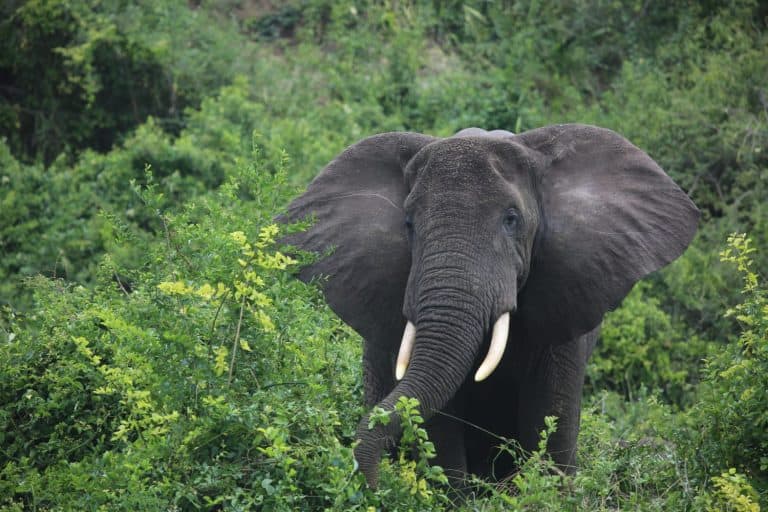
The rainforest's master gardener
Moon-marked climber of Asian forests

Built to dig. Born to endure.
Night pilots of the mammal world
Small hunter, big household legend

One cat. Two continents.

Webbed feet, world travelers.

Built to soar, born to strike

Spines, eggs, and ant-eating mastery
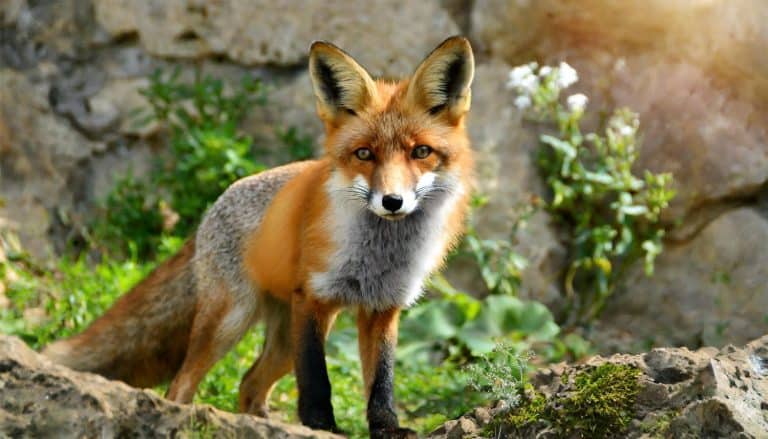
From dunes to tundra-fox smart.
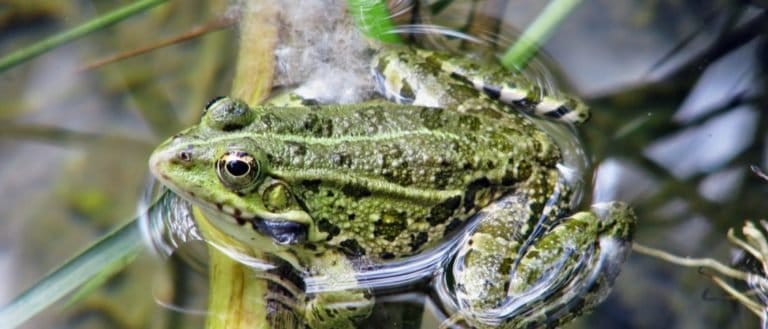
Tailless jumpers, masters of change
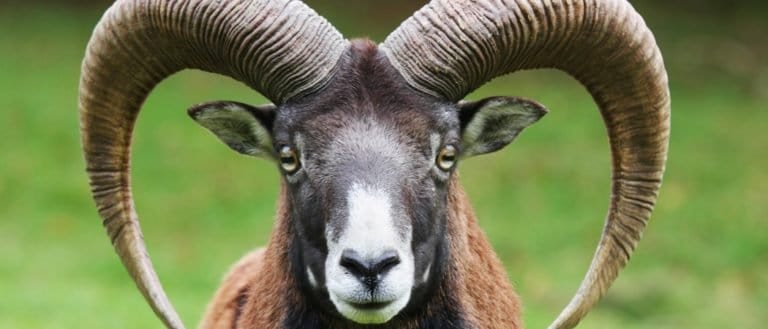
Sure-footed masters of rock and range
Gentle giants of the African forests
Pouches, burrows, and big impacts
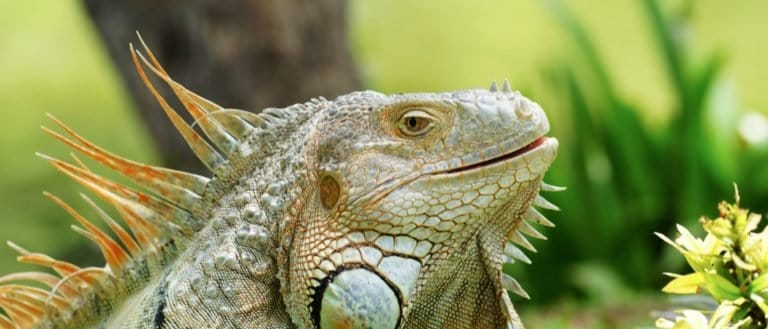
Sun-powered lizards of the Americas
Three stripes. Big city attitude.
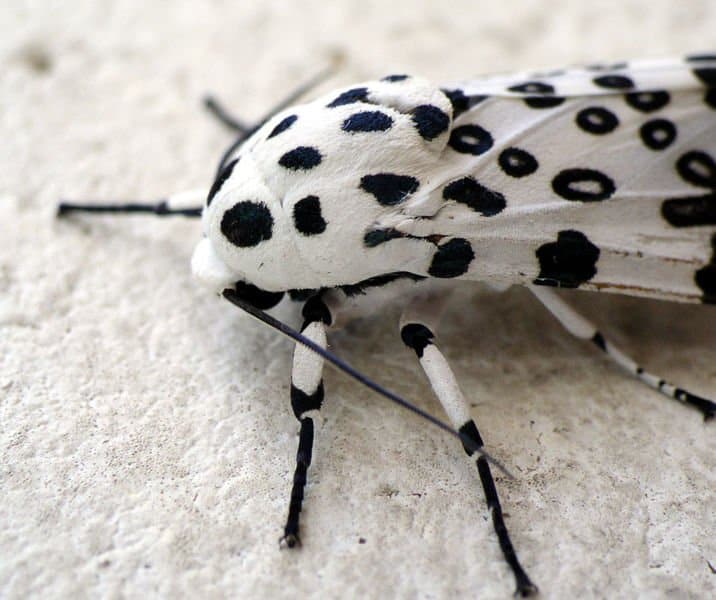
Six legs, endless lives.
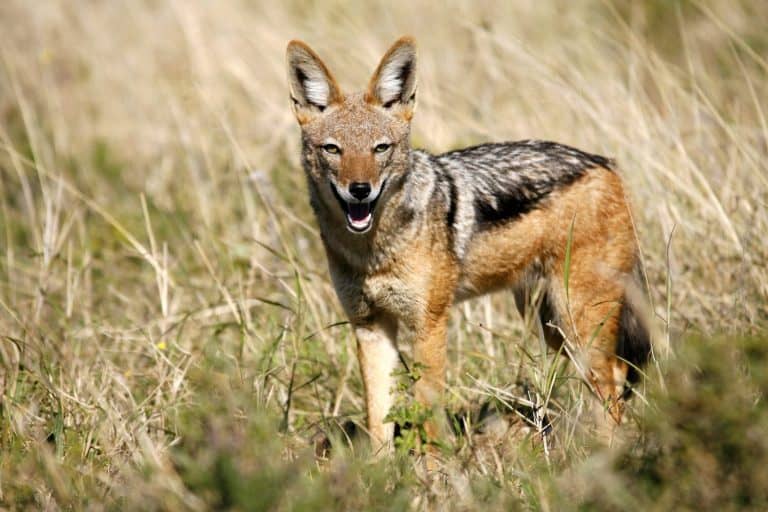
Small canids, big survival skills
Power of the Americas' apex cat

Big hops, big pouches, big variety
From geckos to dragons-lizard power
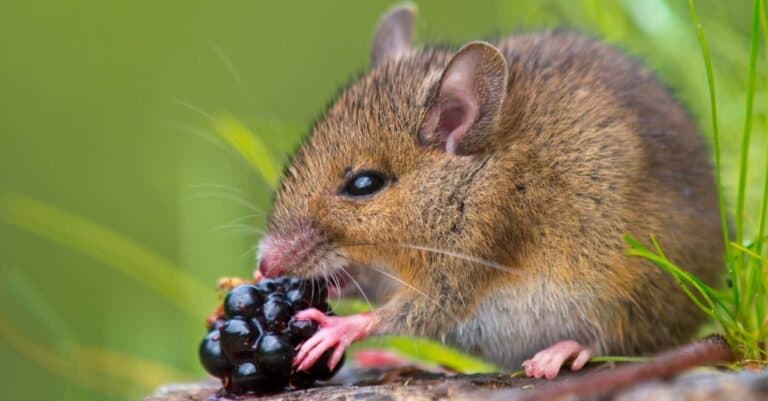
Small gnawers, huge impact.
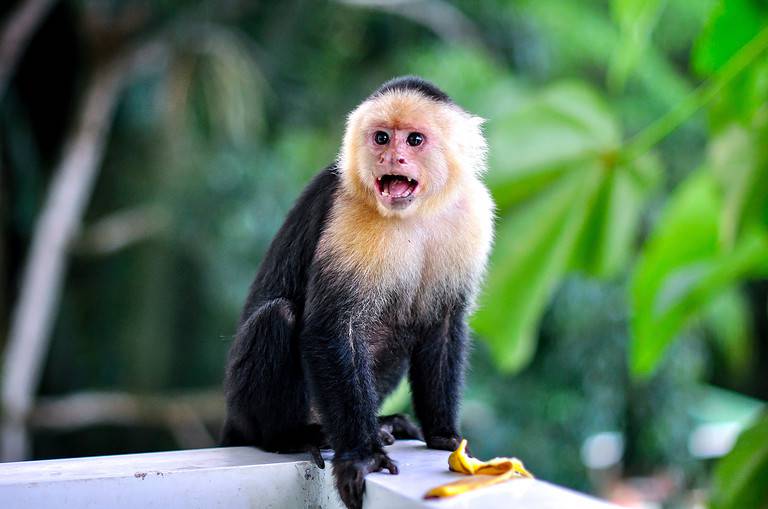
Hands, minds, and social lives
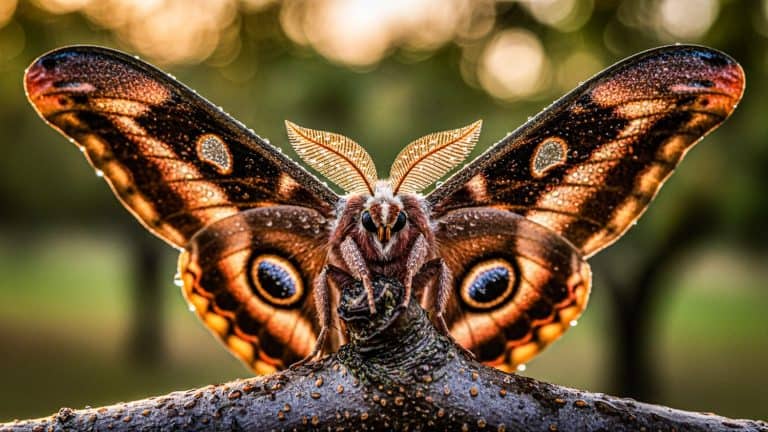
More than night flyers
Thank you for reading! Have some feedback for us?
We appreciate your help in improving our content.
Our editorial team will review your suggestions and make any necessary updates.
There was an error submitting your feedback. Please try again.