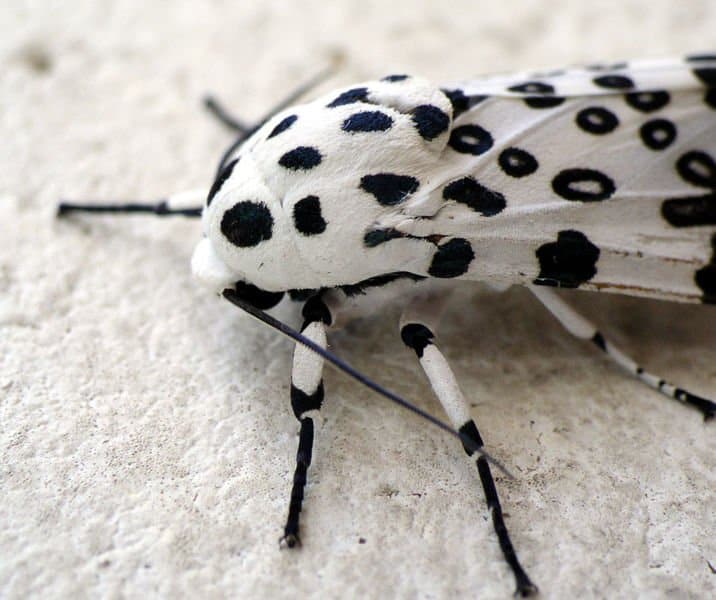
Insects
Six legs, endless lives.

Six legs, endless lives.

Stripes of Asia's top predator
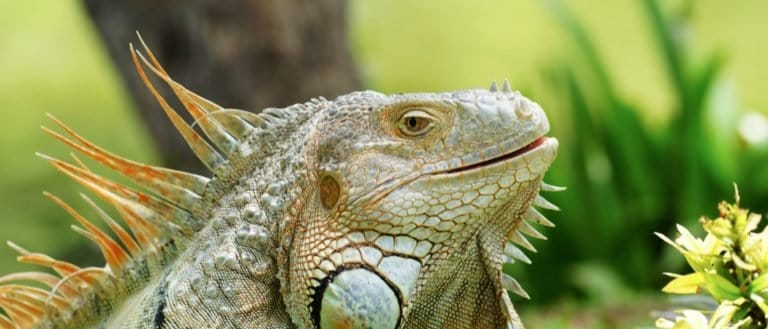
Sun-powered lizards of the Americas
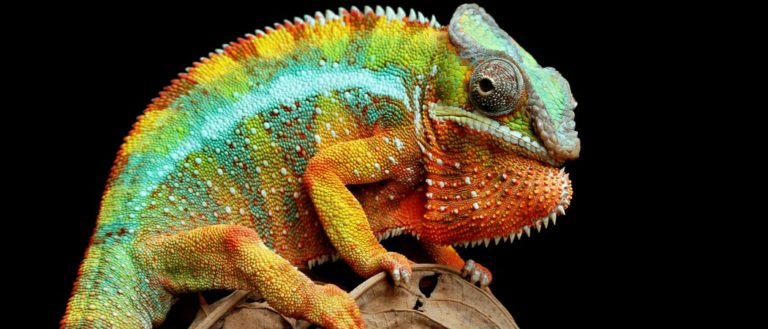
From geckos to dragons-lizard power
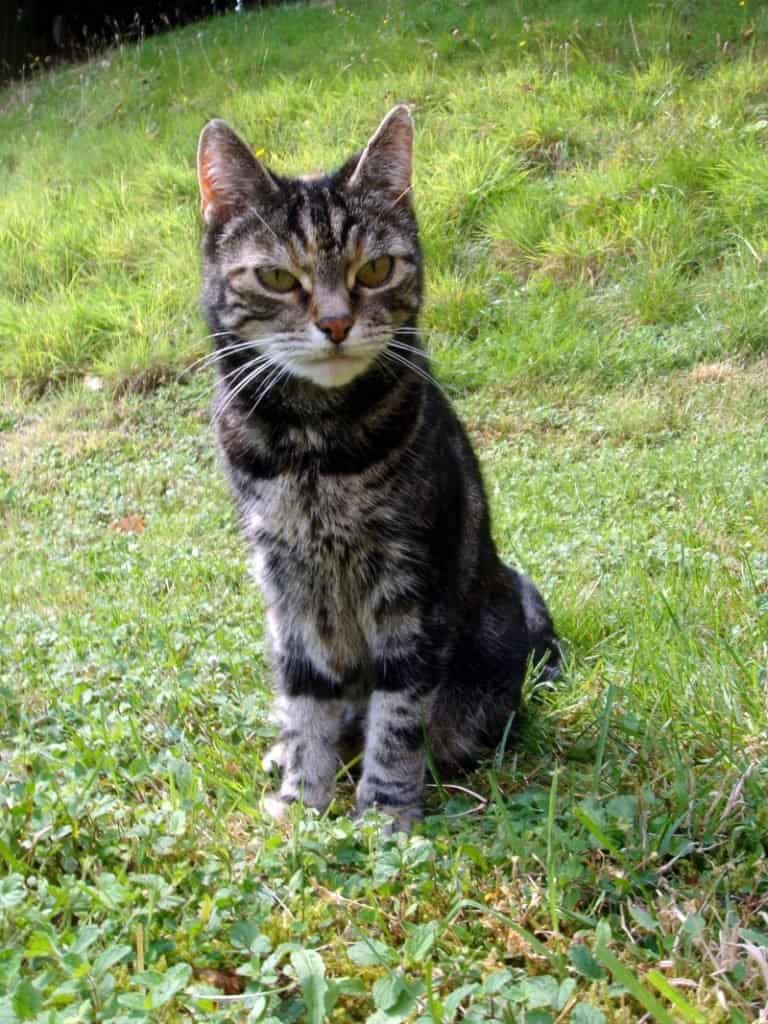
Small hunter, big household legend
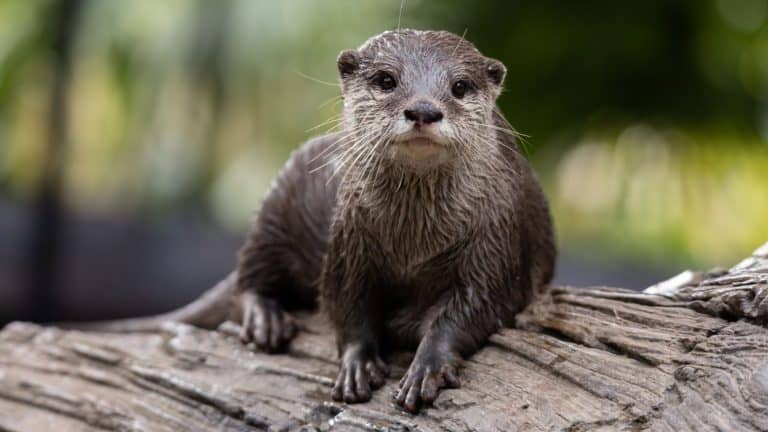
Built for water, born to hunt
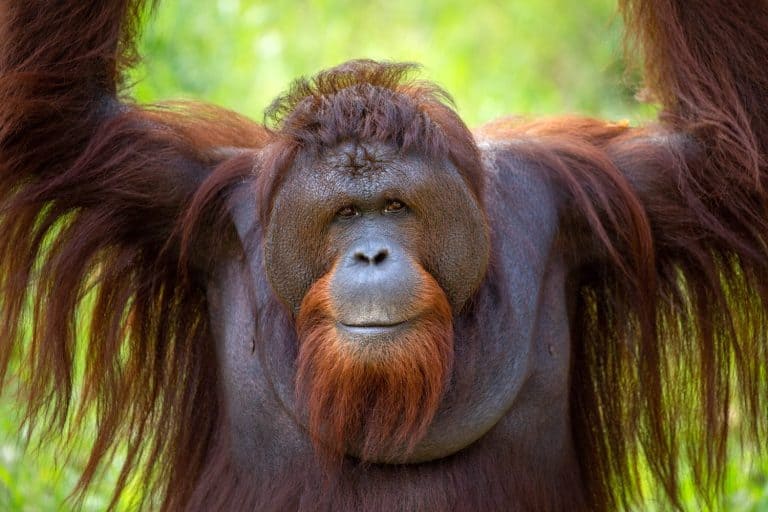
Red apes, rainforest architects
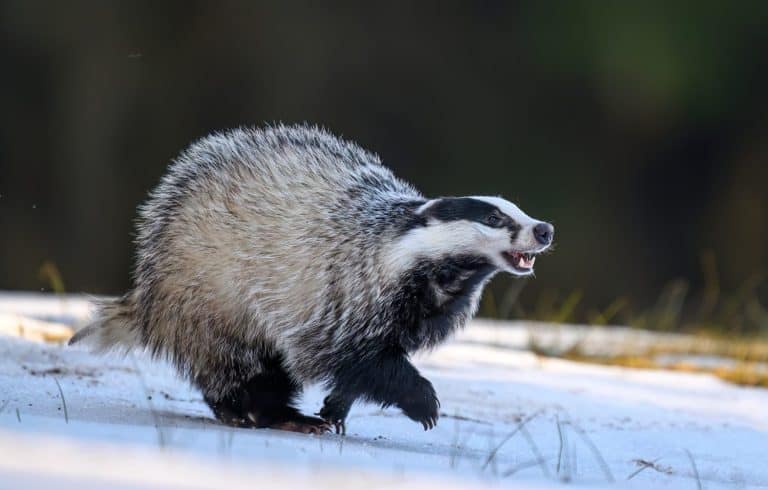
Built to dig. Born to endure.
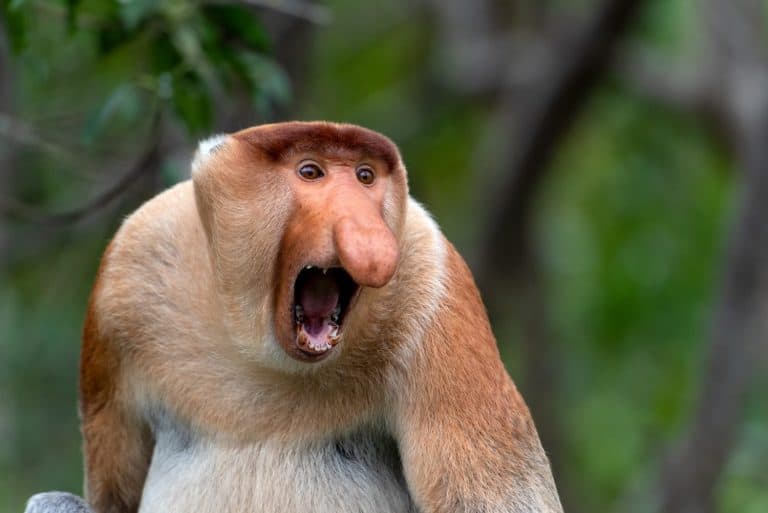
The river-nose of Borneo
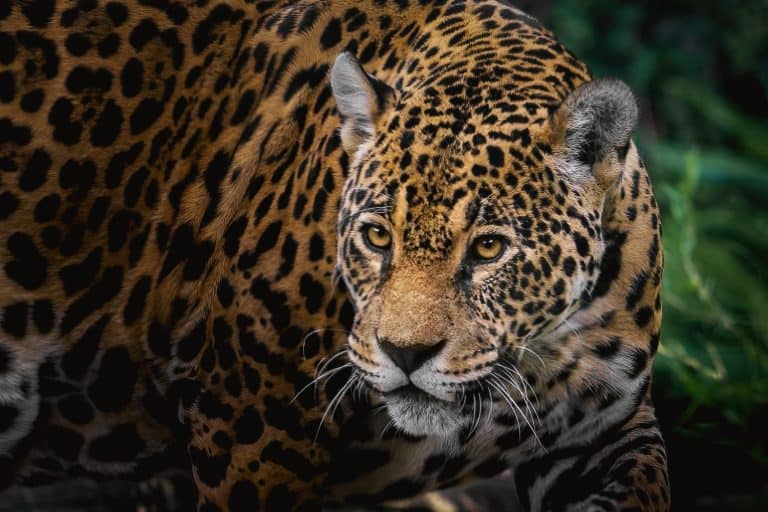
Power of the Americas' apex cat
Mangroves are intertidal coastal forests dominated by salt-tolerant trees and shrubs that grow where land meets sea in sheltered tropical and subtropical shorelines. They occupy brackish to saline waters influenced by tides and river inputs.
Mangrove habitats are dense forests along sheltered coasts, lagoons, deltas, and estuaries flooded by tides. Mangroves use special roots (prop roots, pneumatophores) to stand in muddy, salty, oxygen-poor soils and remove salt. They feed many animals, shelter fish nurseries linked to seagrass and coral reefs, trap sediment, protect shores, and store blue carbon. They face clearing, pollution, and sea-level rise.
High light typical (open tropical/subtropical coasts); full sun common. Under-canopy light ranges from dappled to shaded depending on stand density; seedlings often tolerate partial shade but many species perform best with strong light.
Intertidal brackish to marine waters in sheltered coasts: estuaries, river deltas, lagoons, tidal creeks, and bays. Regular tidal inundation (often daily/semi-diurnal) with generally low-to-moderate currents; stronger flow in tidal channels/creeks and during river discharge events. Salinity ranges from fresh-brackish to marine and can fluctuate widely with tides and rainfall (commonly ~5-35 PSU; can spike higher in arid, highly evaporative sites).
High - mangroves concentrate many niches (canopy, trunks, aerial roots, mudflats, tidal creeks) and support very high invertebrate and juvenile fish diversity, plus diverse birds and microbial communities. While true mangrove tree diversity can be moderate to low in some regions, overall ecosystem biodiversity is typically high due to abundant detritus-based food webs and strong connectivity with adjacent seagrass and coral reef systems.
Globally significant but degraded and fragmented coastal habitat. Mangroves remain widespread across tropical/subtropical shorelines and provide outsized ecosystem services (coastal protection, blue carbon, fisheries nurseries), yet many regions have experienced extensive conversion, altered hydrology, and pollution. In several countries, loss rates have slowed due to stronger protection and restoration, but pressures persist and some hotspots continue to decline.
High where the physical setting is still suitable and tidal hydrology/sediment supply can be restored (often strong natural regeneration once stressors are removed). Success is lower where coastlines are hardened, sediment is trapped upstream, or sea-level rise outpaces vertical accretion. Best practice emphasizes "ecological mangrove restoration" (fix hydrology, protect recruitment, use native species and appropriate elevations) over large-scale planting alone.
High. Mangroves can be resilient if they can migrate landward and build soil elevation (sediment accretion/peat formation), but many coasts face accelerating sea-level rise plus barriers (seawalls, development) that prevent migration. Increased cyclone intensity, marine heatwaves, drought/salinity extremes, and altered freshwater/sediment inputs can trigger dieback and long recovery times. Despite vulnerability, intact mangroves are powerful climate adaptation assets for coastal protection and carbon storage.
Mangroves aren't "one tree"-they're a group of different tree and shrub species that independently evolved the same salty survival tricks.
Many mangroves can filter salt at their roots or excrete it through their leaves-some literally "sweat" salt crystals.
Some mangrove species practice vivipary: seeds begin to germinate while still attached to the parent tree, producing a spear-like propagule that can float away and root when it finds suitable mud.
Mangrove mud can be a bigger carbon vault than the trees themselves; much of the stored carbon is underground, locked in oxygen-poor sediments.
Mangroves can improve water clarity by trapping fine sediments-over time, they can help build land outward, inch by inch.
Because they sit at the land-sea boundary, mangroves can host "two worlds at once": marine fish and crabs below, birds and insects above.
Mangroves are the "nursery rooms" of the sea: many juvenile fish and shrimp grow up among the roots before moving to reefs or open water.
Their root networks work like a living colander or net, slowing water and catching sediment the way a strainer catches pasta.
Think of mangroves as coastal "seatbelts": they don't stop storms, but they can reduce the damage by damping waves and stabilizing shorelines.
A mangrove forest is like an apartment complex on stilts-roots create layers of shelter and hiding spots for countless small creatures.
Mangrove soils act like a savings account for carbon: slow decomposition in waterlogged mud means "deposits" can stay locked away for a long time.
Mangroves can store more carbon per hectare than many tropical rainforests-especially in their waterlogged soils, making them some of the planet's most carbon-dense forests.
Some mangrove trees have "breathing roots" that rise above the mud; in the most oxygen-poor, waterlogged conditions, these aerial roots can dominate the shoreline like a living scaffolding.
Mangrove forests can dramatically reduce wave energy during storms, acting as a natural coastal "shock absorber" that protects shorelines from erosion and flooding.
Mangroves thrive where many plants can't: in salty, shifting, low-oxygen mud that's alternately flooded and exposed by tides-an extreme lifestyle for a forest.
Built to dig. Born to endure.
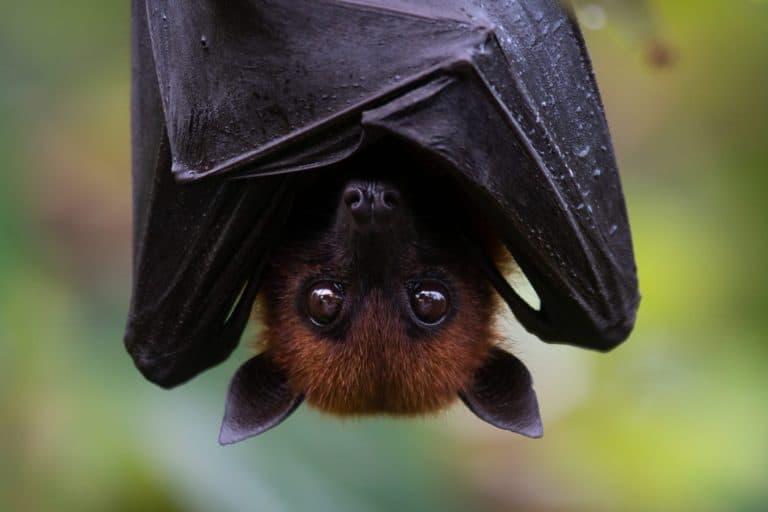
Night pilots of the mammal world
Small hunter, big household legend
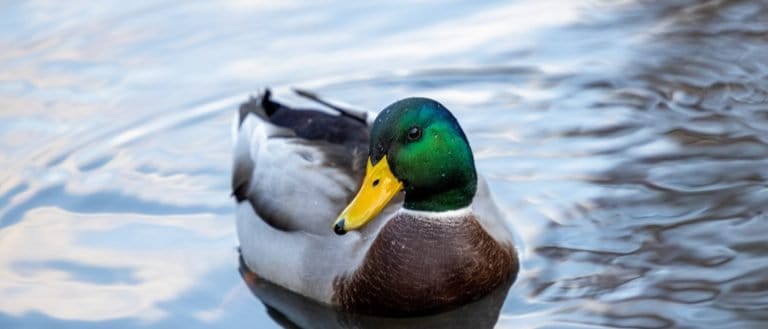
Webbed feet, world travelers.
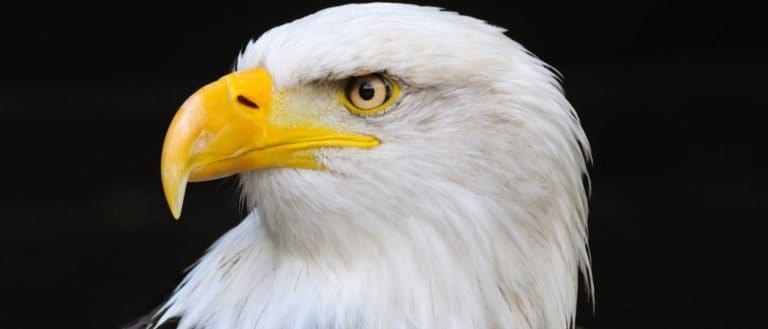
Built to soar, born to strike
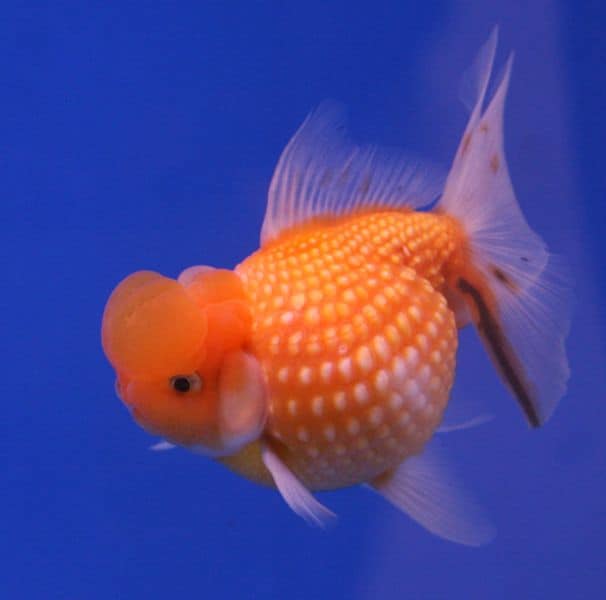
Bony rays, endless ways.
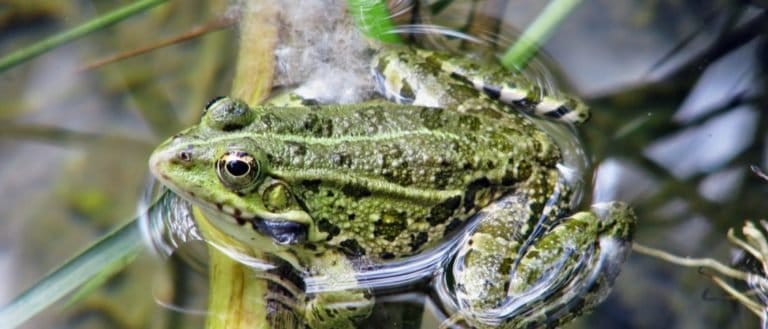
Tailless jumpers, masters of change
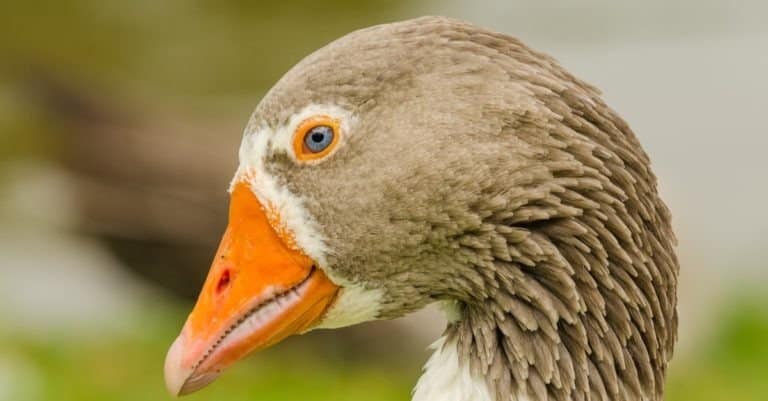
Webbed feet, sky roads, wetland lives
Sun-powered lizards of the Americas
Six legs, endless lives.
Power of the Americas' apex cat
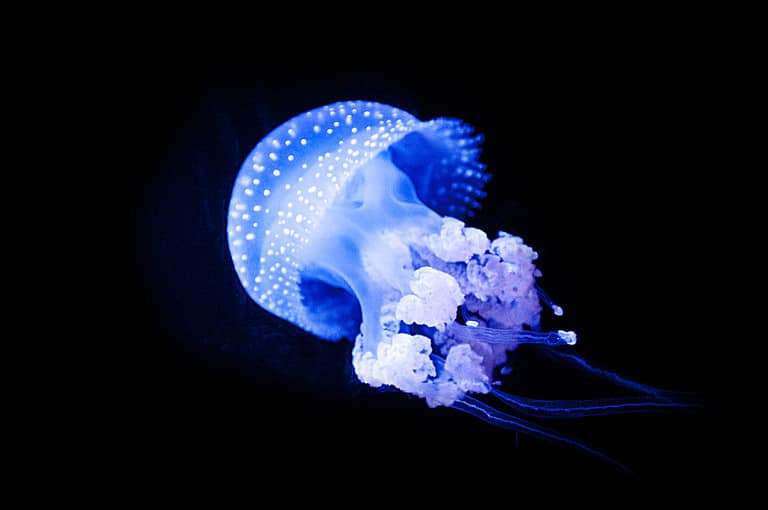
Sting-powered drifters of the sea
From geckos to dragons-lizard power
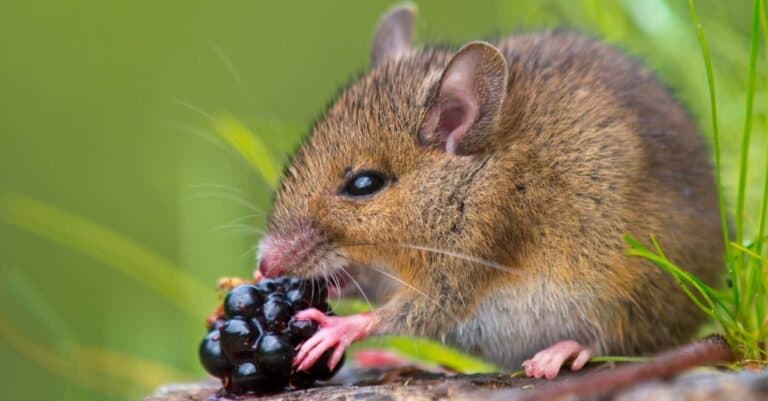
Small gnawers, huge impact.
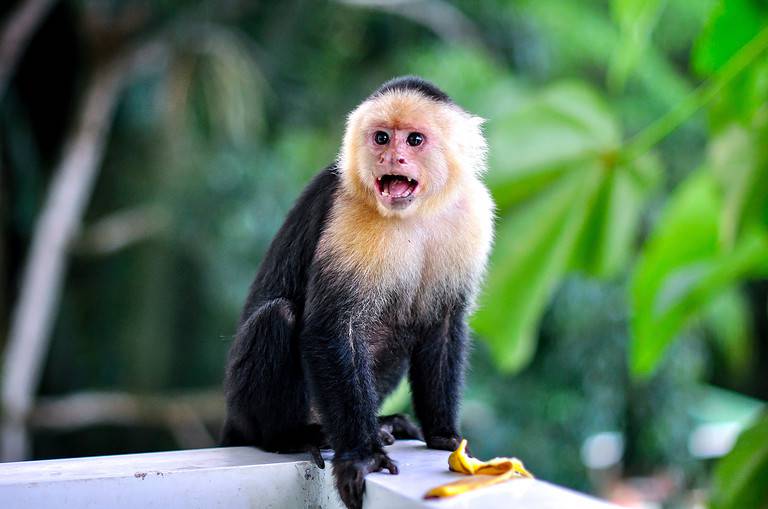
Hands, minds, and social lives
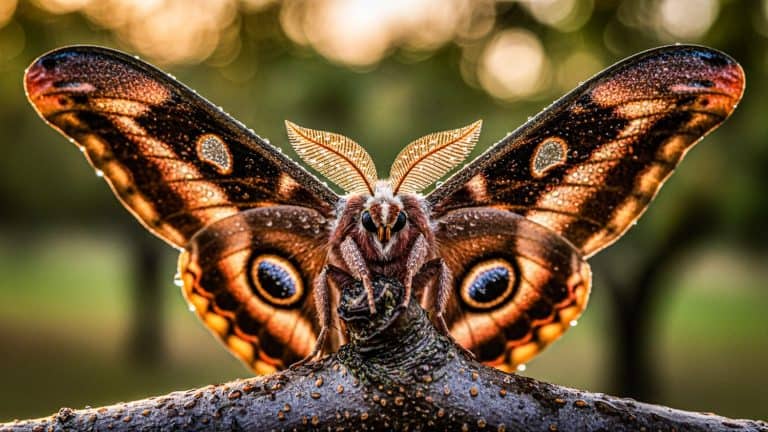
More than night flyers
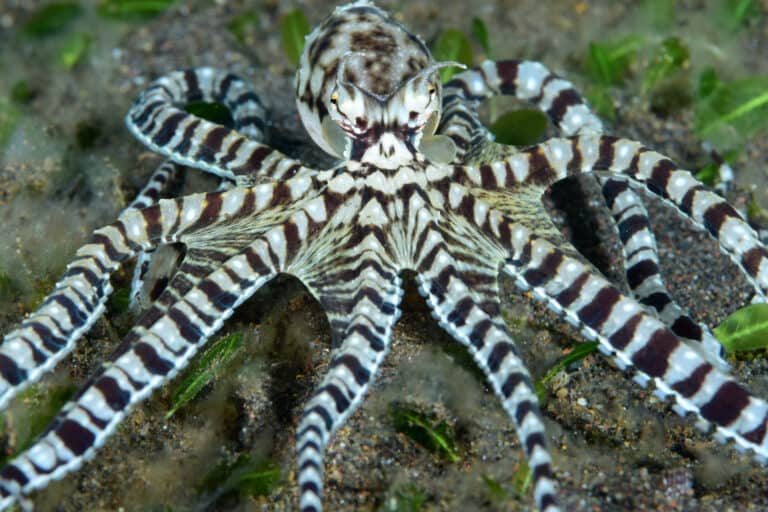
Eight arms, endless ingenuity
Red apes, rainforest architects
Built for water, born to hunt
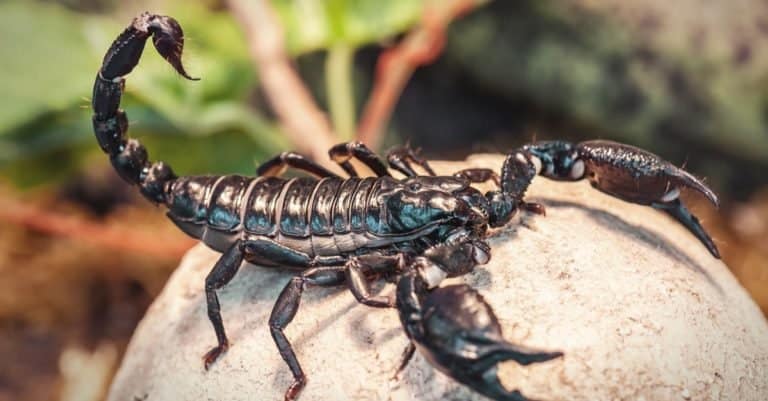
Glow at night, strike with precision
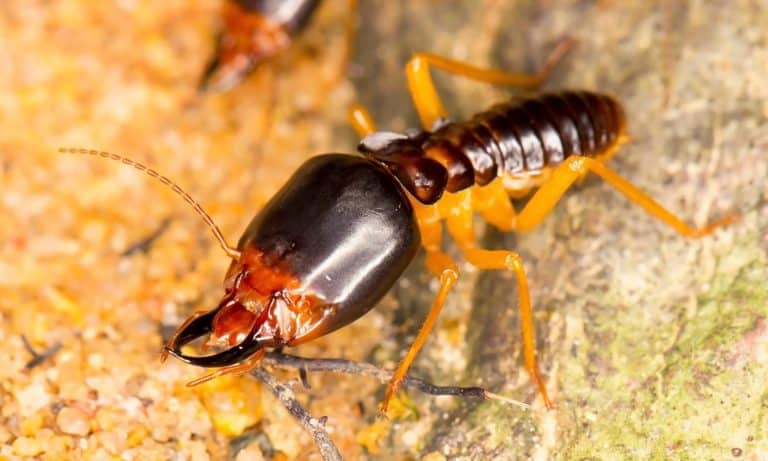
Nature's master recyclers (and builders)
Stripes of Asia's top predator
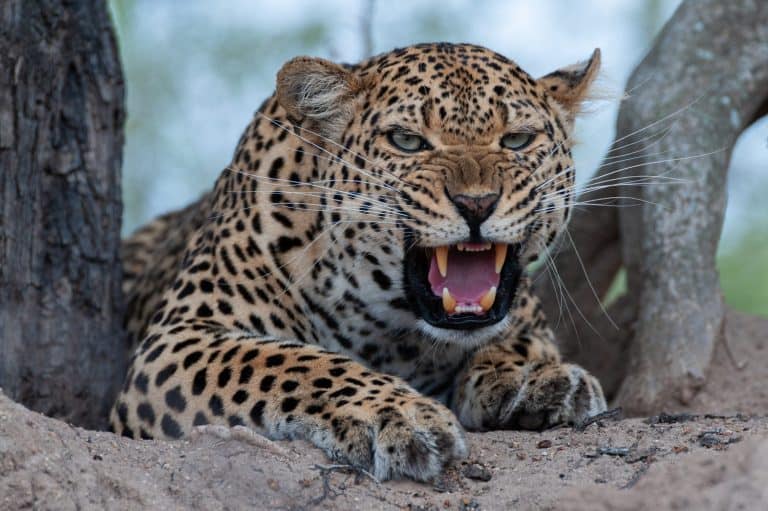
Rosettes in the shadows.
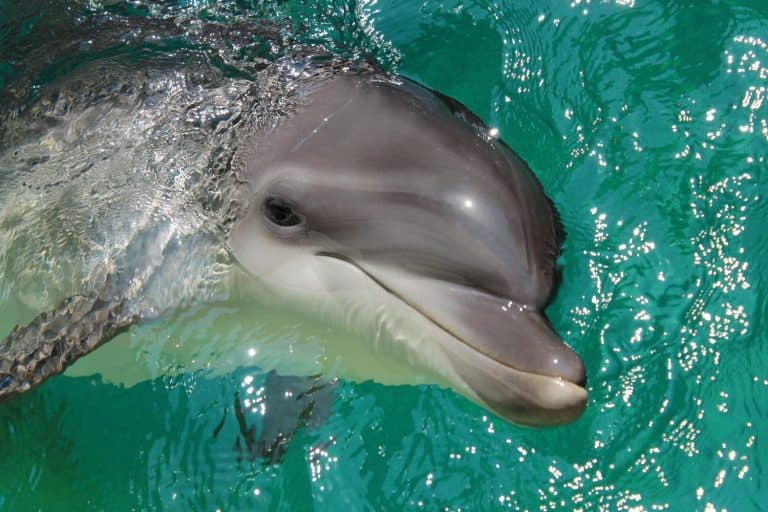
Built for the surf-and sonar.
Thank you for reading! Have some feedback for us?
We appreciate your help in improving our content.
Our editorial team will review your suggestions and make any necessary updates.
There was an error submitting your feedback. Please try again.