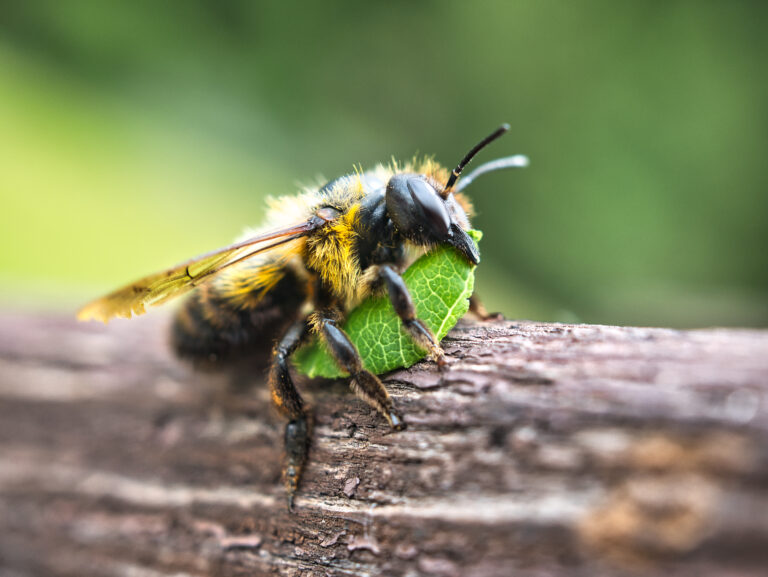
Leafcutter Bee
Nature's tiny leaf-cutting architects

Nature's tiny leaf-cutting architects
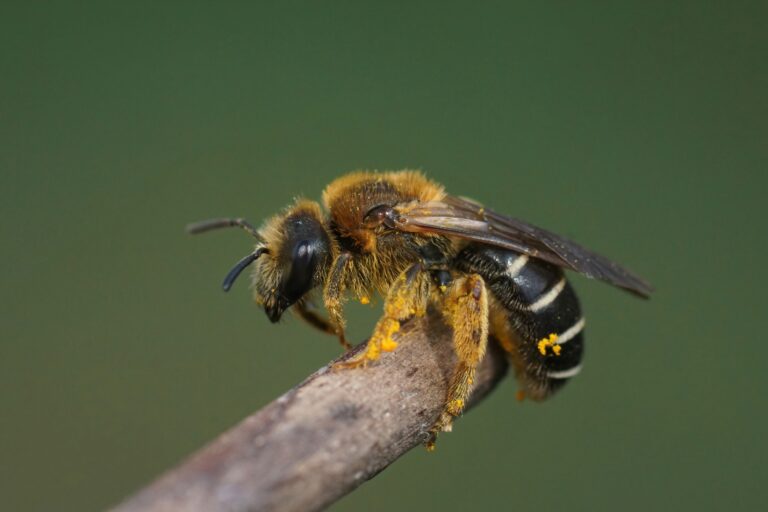
Small bees, big pollination power
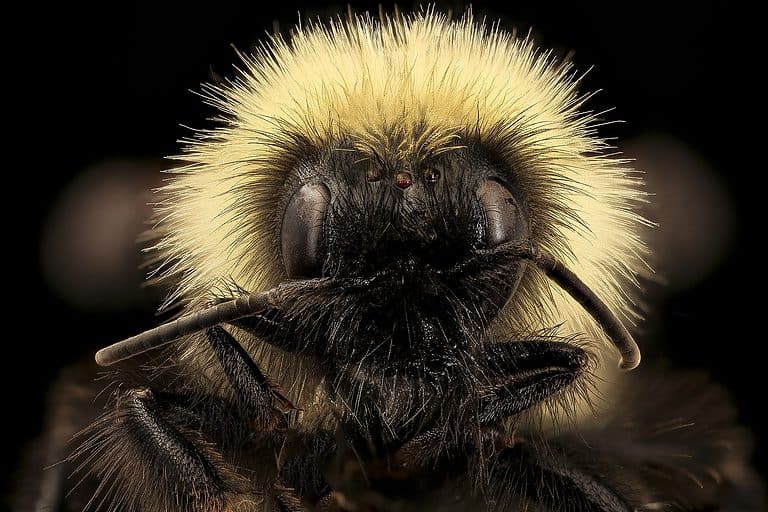
The nest-hijacking bumblebee
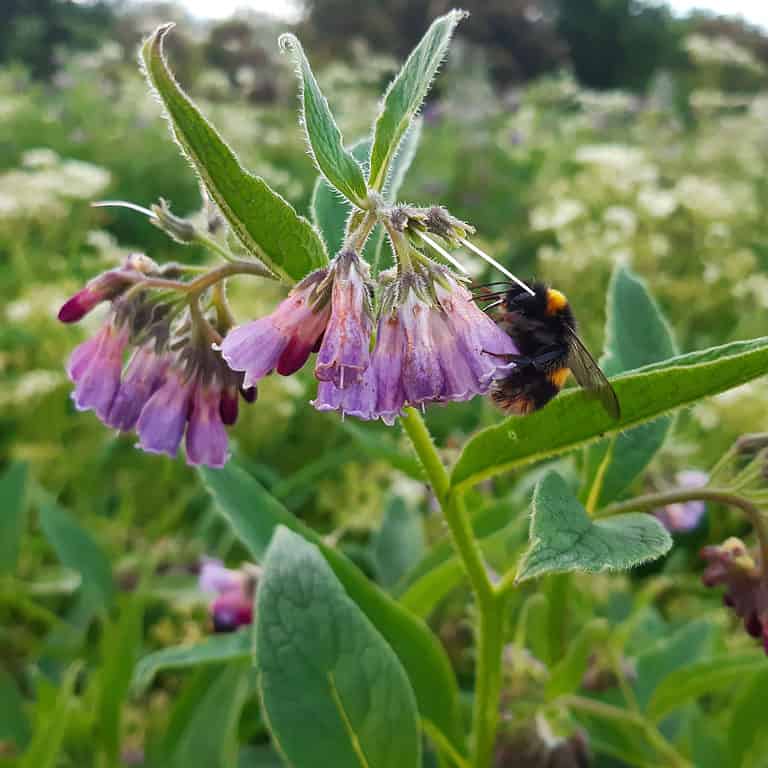
No workers-just a well-timed takeover
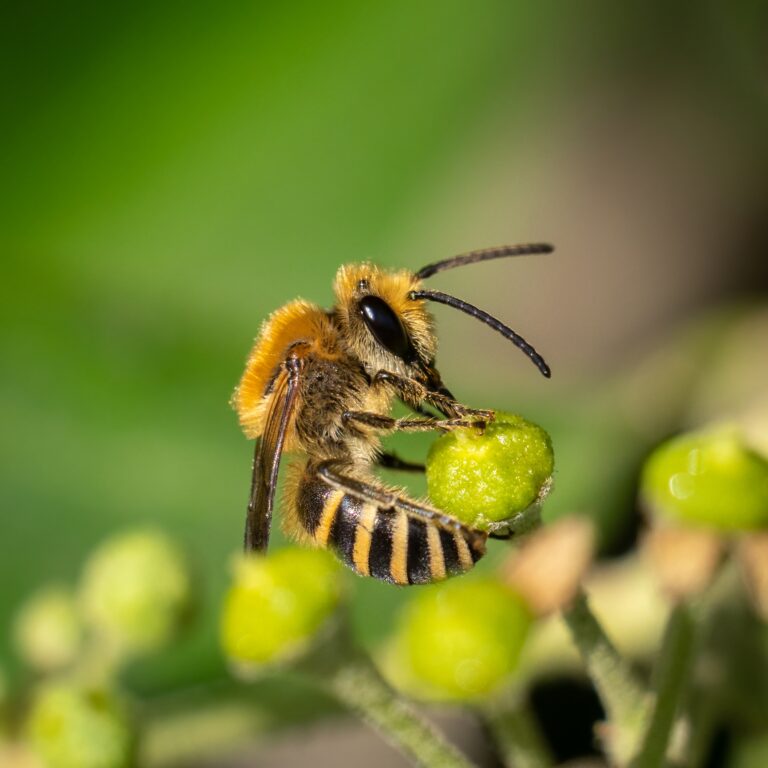
Autumn's ivy-powered plasterer bee
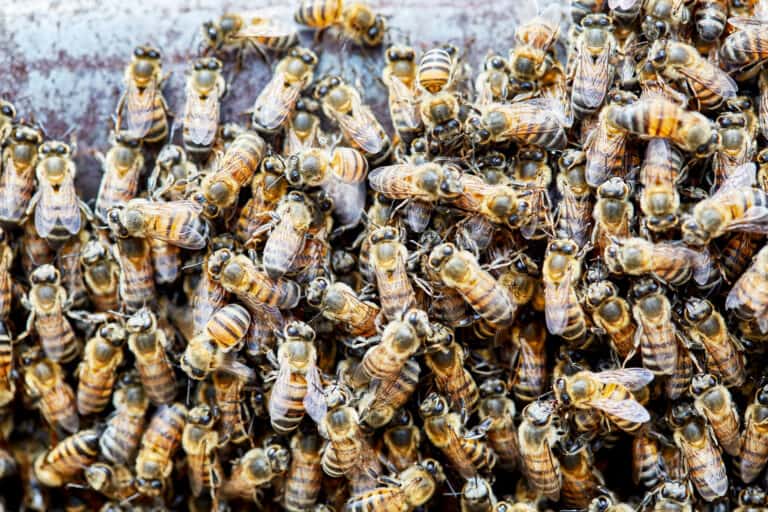
Same species-different attitude.
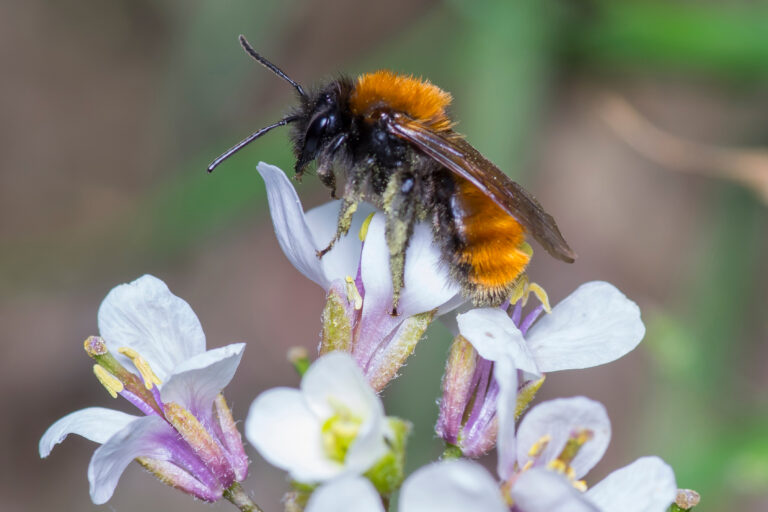
Spring's ginger miner of the garden
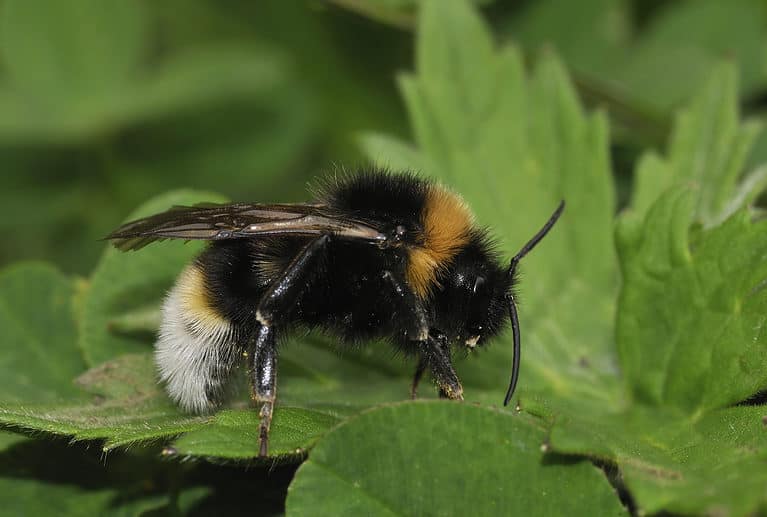
Pollinator and colony hijacker.
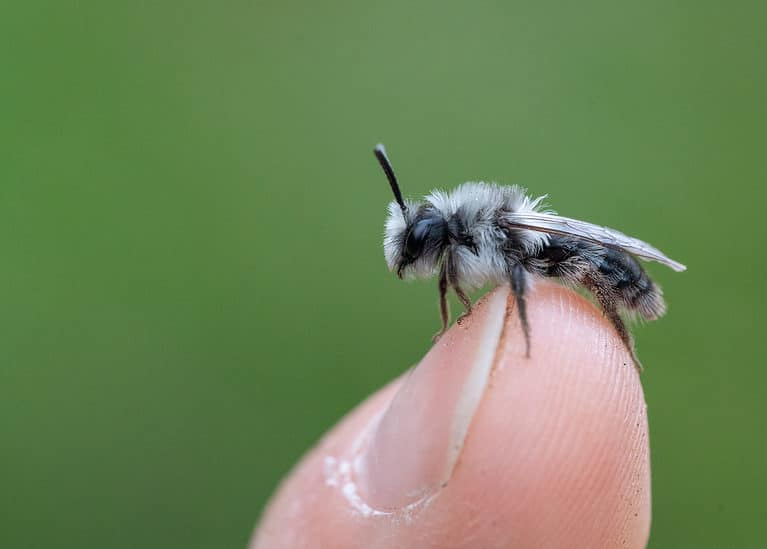
Spring's ashen-striped soil miner
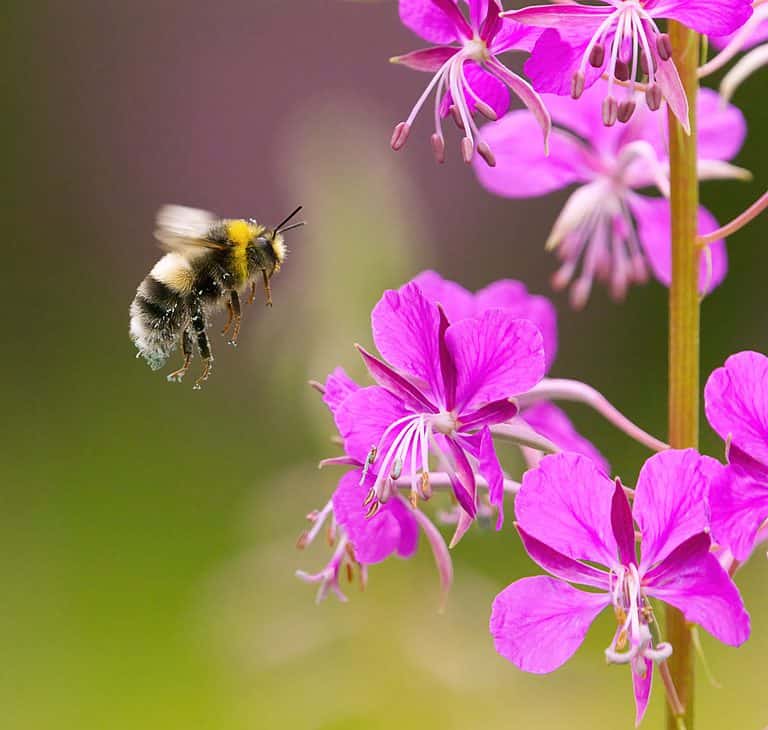
No nest. No workers. All takeover.
A nectarivore is an organism whose diet is primarily based on floral nectar, a sugar-rich plant secretion that provides most of its metabolic energy. Many nectarivores also ingest small amounts of pollen or arthropods incidentally or opportunistically to obtain protein, lipids, and micronutrients.
Nectarivory is when an animal mainly eats flower nectar for energy. Nectar is mostly simple sugars (sucrose, glucose, fructose) and is low in protein and some minerals, so nectarivores often have body and habit changes that let them take up sugars fast and use energy quickly. Because nectar is patchy in space and time, many nectarivores move a lot, follow flowering times, and focus on plants with lots of nectar. They often have special mouths—long snouts, narrow beaks, or extendable tongues with brush-like or tubular tips—and senses and habits tuned to flowers, like strong color or scent choices and learned handling. Many are pollinators, moving pollen between flowers. Nectar alone lacks some nutrients, so many eat pollen or small insects, especially when breeding or growing.
Etymology: From Latin "nectar" (ultimately from the Greek word "nektar," meaning the mythical "drink of the gods") + the Latin-derived suffix "-vore" from "vorare" meaning "to devour" (as in herbivore/carnivore).
"Nectarivores eat only nectar." In reality, many also ingest pollen or insects incidentally or as nutritional supplements.
"Nectar is nutritionally complete." Nectar is energy-rich but usually protein-poor and may lack key micronutrients, prompting supplementation.
"All nectarivores are pollinators." Many are effective pollinators, but some can be nectar robbers or poor pollen vectors depending on how they feed.
Nectar supplies readily digestible carbohydrates (glucose, fructose, sucrose) for high metabolic demands (e.g., hovering flight/constant activity) and hydration via its water content. Because nectar is low in protein, essential amino acids, and some micronutrients, many nectarivores supplement with pollen and/or insects to obtain protein, lipids, vitamins (especially B-complex), and minerals (e.g., sodium, potassium, calcium) needed for tissue maintenance, reproduction, and enzymatic function.
Teeth are reduced, simplified, or absent because nectar requires little to no mechanical breakdown; oral structures instead emphasize nectar access and fluid handling rather than chewing.
A digestion system optimized for rapid processing and absorption of simple sugars (sucrose, glucose, fructose), with limited capacity for fermenting complex plant material; often complements nectar with small amounts of insects/pollen for amino acids and minerals.
Gut Length: Short to moderate relative to body (generally shorter than herbivores; often comparable to insectivores/omnivores of similar size).
Obligate nectarivores that rely mainly on floral nectar for energy, have special long bills or tongues for feeding, and may eat small insects or pollen.
Facultative nectarivores that frequently exploit nectar (sometimes seasonally or opportunistically) but can switch to other foods such as fruit, insects, sap, or pollen when nectar is scarce; nectar is important but not strictly required year-round.
Nectarivory evolved many times as flowering plants (angiosperms) spread in the Cretaceous (about 140–66 Ma), creating sugar-rich nectar. It likely began when insects visiting flowers for pollen took nectar; selection then favored long mouthparts, hovering, and sharper senses to find blooms. In vertebrates it appeared later in birds (hummingbirds—stem origins Oligocene, radiations Miocene ~30–5 Ma; sunbirds and honeyeaters in separate passerine lines) and in mammals (New World bats Phyllostomidae, Old World Pteropodidae especially Macroglossinae, plus some primates and marsupials). Flowers and feeders co-evolved (tubular corollas, nocturnal or diurnal blooming, scent, color), and many nectarivores also eat insects or pollen.
Nectarivory is a clear case of convergent evolution: flowering plants that offer nectar gave many animals the same chance, so unrelated groups evolved similar traits. For example, hummingbirds (Trochilidae, Americas) and sunbirds (Nectariniidae, Africa/Asia) both grew long bills and special tongues despite being distant relatives. Honeyeaters (Meliphagidae, Australasia) also evolved brush-tipped tongues that work like other nectar birds. Nectar-feeding bats (Phyllostomidae in the Neotropics) became like hummingbirds in hovering and long snouts/tongues, and like Old World nectar bats (Pteropodidae: Macroglossinae) with long rostra and protrusible tongues. Hawk moths (Sphingidae) and long-tongued bees (Apidae) made long proboscises, and nectar-feeding marsupials like the honey possum (Tarsipes rostratus) have long snouts and tongues.
Nectarivory is like a very high-sugar, liquid diet for humans, similar to relying on sweet drinks or fruit juice. Humans cannot live on nectar alone because it is mostly simple sugar and lacks enough protein, fats, vitamins, and minerals. The human comparison fits only some cases, like using sugary drinks for quick energy in endurance sports, but people still need balanced foods for amino acids, essential fats, and other nutrients. Like nectarivores that add insects or pollen, humans need extra protein- and nutrient-rich foods.
Nectarivorous species depend on the availability of flowering plants, the timing of blooms, and connected habitat. Conservation can protect and restore native nectar plants, provide flower resources across seasons, and keep corridors for movement between bloom patches. It should reduce risks from pesticides that contaminate nectar, from invasive plants that replace native flowers, and from climate-driven shifts in when flowers bloom (flowering phenology) that can mismatch migration or breeding and peak nectar. Protecting nectarivores also helps pollination and overall ecosystem resilience.
Many nectarivores (e.g., bats, birds, insects) act as pollinators, directly supporting fruit, nut, and seed production and improving yield and quality in pollination-dependent crops. Farm management that provides flowering field margins, hedgerows, and reduced pesticide use can sustain nectarivore populations and stabilize pollination. Although nectarivores are not typically primary pest-control agents, those that incidentally eat insects (common in many nectar-feeders) may contribute modestly to suppressing pest populations, especially when diverse habitats support mixed diets. Understanding nectarivore needs helps design agricultural landscapes that maximize pollination benefits while minimizing harms from nectar-toxic chemicals and habitat simplification.
Found across: Birds: hummingbirds (Trochilidae), sunbirds (Nectariniidae), honeyeaters (Meliphagidae), sugarbirds (Promeropidae), lorikeets (Loriinae), Mammals: nectar-feeding bats (Phyllostomidae: Glossophaginae; Pteropodidae in some regions), honey possum (Tarsipedidae), Insects: bees (Apidae), butterflies and moths (Lepidoptera), hoverflies (Syrphidae), some wasps and beetles, Reptiles: some geckos (e.g., Phelsuma) and a few other lizards that regularly visit flowers
Nectarivores are primary consumers that eat plant nectar. As key pollinators they move pollen and help plant reproduction, gene flow, and plant communities. They link primary production to higher food-chain levels by turning nectar sugars into animal biomass and are common prey (e.g., raptors, snakes, mammals, predatory insects). Their foraging shapes plant-pollinator networks and floral traits.
Nectar is high in energy and easy to digest, so nectarivores absorb sugar well. But nectar is thin and scattered, so they often use much energy finding flowers, flying or hovering, and staying warm. Net gain depends on nectar strength, flower number, and travel distance. Only a small part of plant energy becomes nectarivore body mass, yet nectar moves energy fast. Many nectarivores eat insects or pollen for protein and nutrients.
Seasonal Variation: Nectarivores' feeding follows flowering cycles, rainfall, and temperature. In temperate areas they peak in spring–summer blooms, then shift to late flowers, sap, or human foods; some migrate, enter torpor, or eat more insects and pollen. In tropical, desert, and alpine zones they track wet–dry cycles and short blooms, moving or widening diet.
Nectar is basically plant-made "fuel": it's mostly water plus simple sugars, so nectarivores often have to visit hundreds to thousands of flowers in a day to meet their energy needs.
Many nectarivores don't live on sugar alone-because nectar is low in protein, they commonly supplement with pollen or tiny insects (sometimes accidentally, sometimes on purpose) to get amino acids and minerals.
Specialized feeding tools can be extreme: hummingbirds have tongues that unfurl into forked, fringed tips to rapidly lap nectar, while some bats have elongated snouts and tongues that let them reach deep into tubular flowers.
Nectar feeding can shape whole ecosystems: by moving between flowers, nectarivores are major pollinators, and some plants evolve flower shapes, colors, scents, and even nighttime blooming specifically to match their preferred visitors.
A nectar-based lifestyle can drive high-speed digestion: nectarivores tend to process sugary meals quickly, shuttling energy to their muscles fast enough to support very active flight and hovering.
Nectar is like high-octane sports drink rather than a "full meal"-great for quick energy, but it usually needs a protein side (pollen or insects) to make a complete diet.
A nectarivore's day can resemble nonstop refueling at many tiny "gas stations" (flowers) instead of eating a few large meals.
Pollination by nectarivores is like a delivery service paid in sugar: the plant hands out nectar, and the animal transports pollen between flowers as the 'shipping fee.'
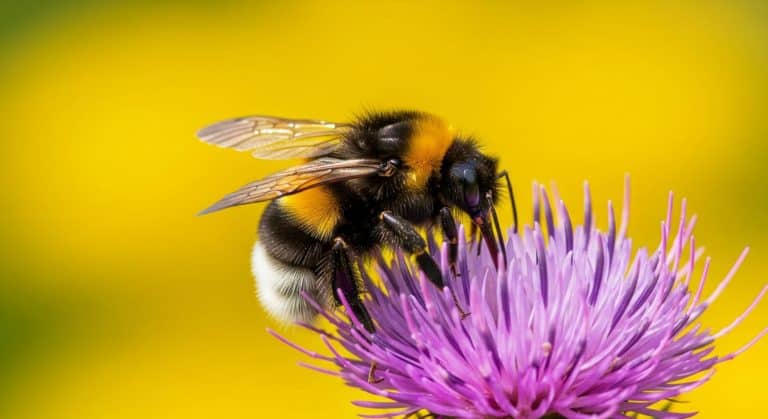
Built for buzz, born to pollinate
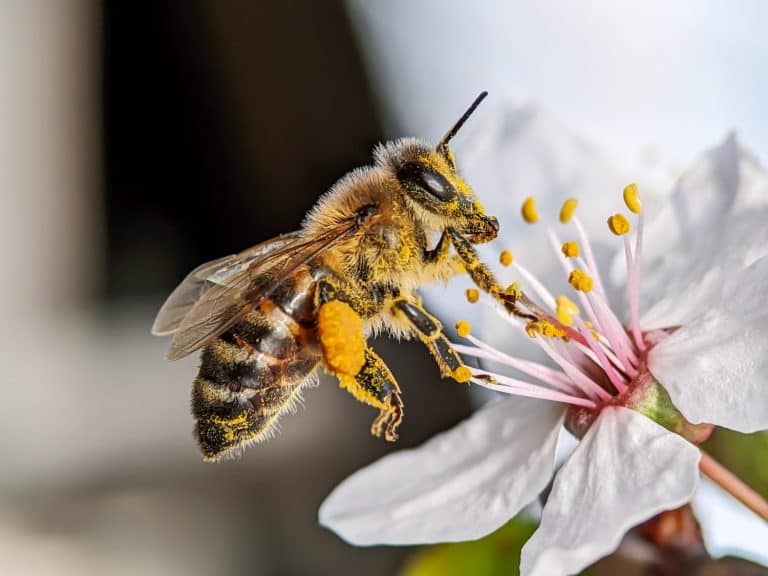
One genus, many hives-planetwide pollinators
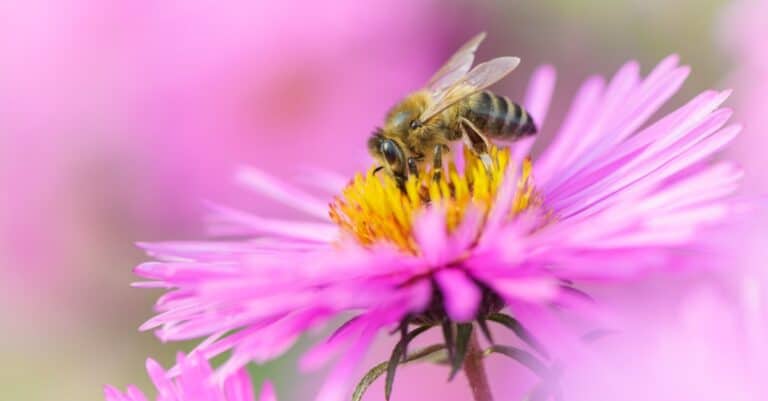
Small insects, massive pollination power
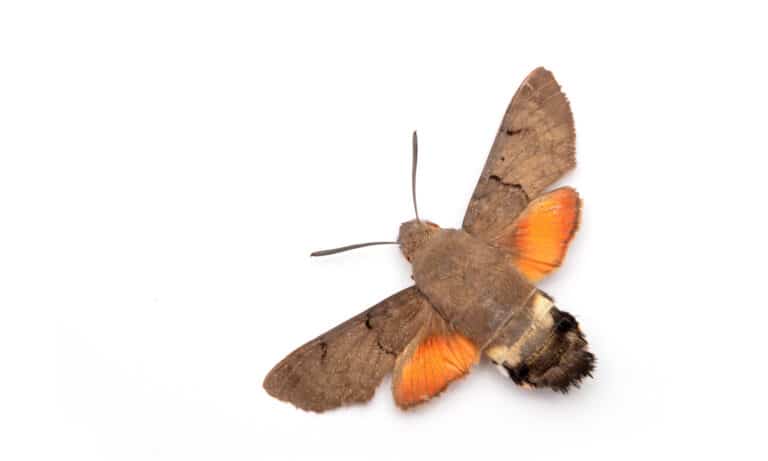
A moth that flies like a hummingbird
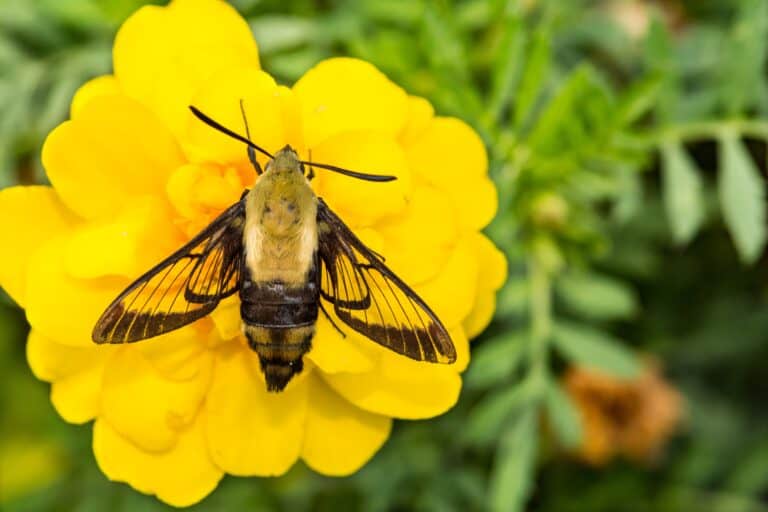
Bee disguise, moth wings, day shift.
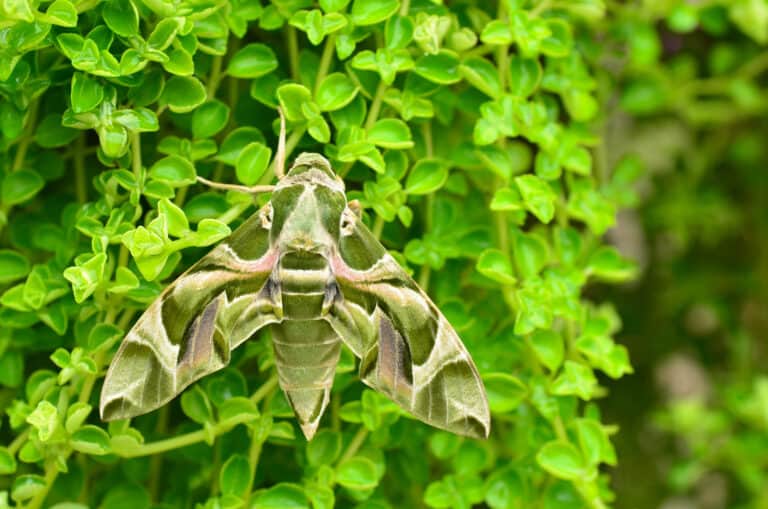
The leaf that flies at dusk
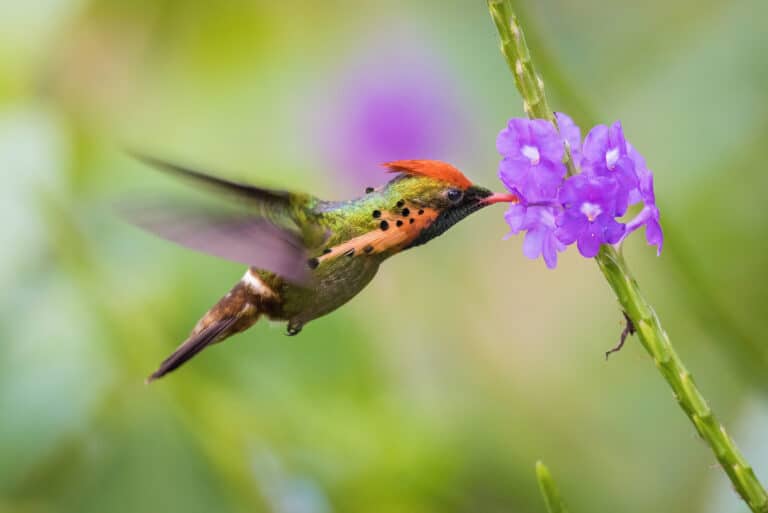
Small bird, big show-Tufted Coquette
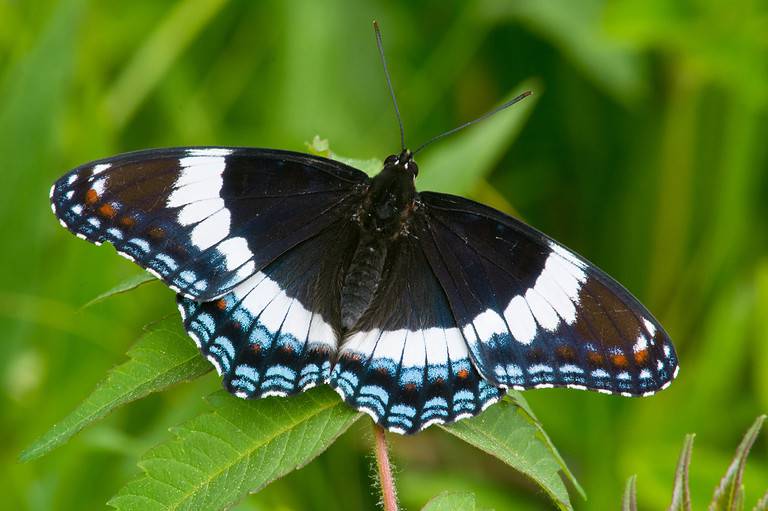
Red bands. White tips. Power flight.
Same species-different attitude.
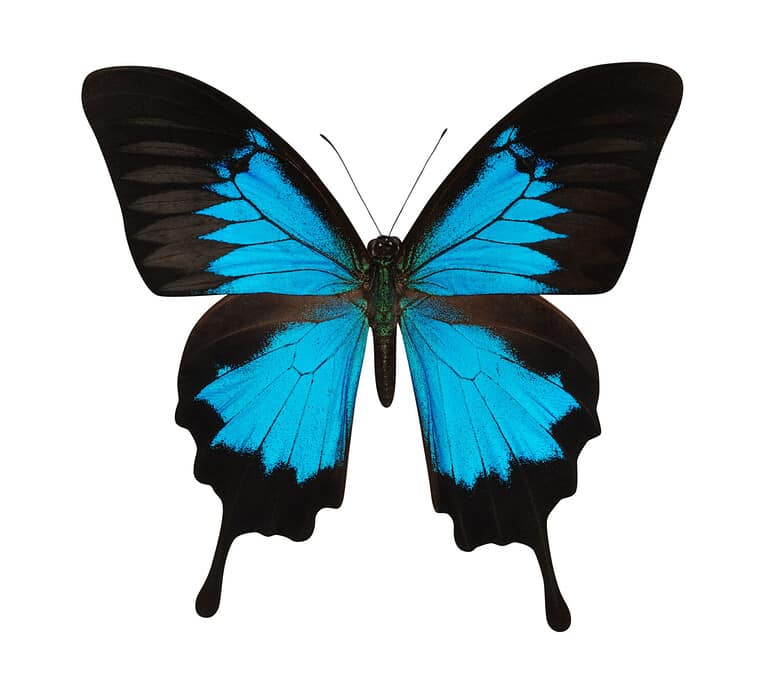
Electric blue over rainforest edges
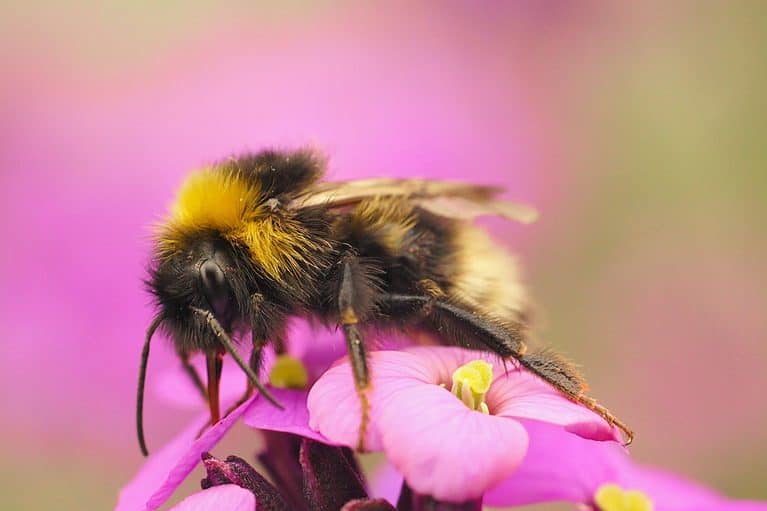
All buzz-no workers.
No nest. No workers. All takeover.
The nest-hijacking bumblebee
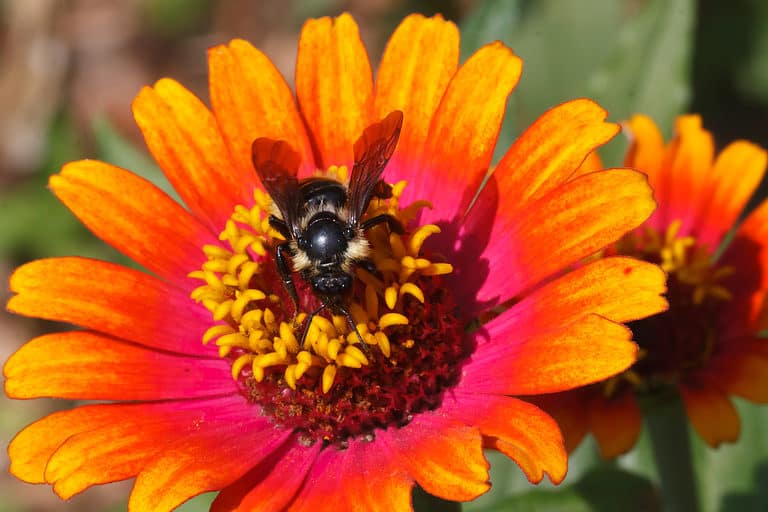
No workers. No pollen. All infiltration.
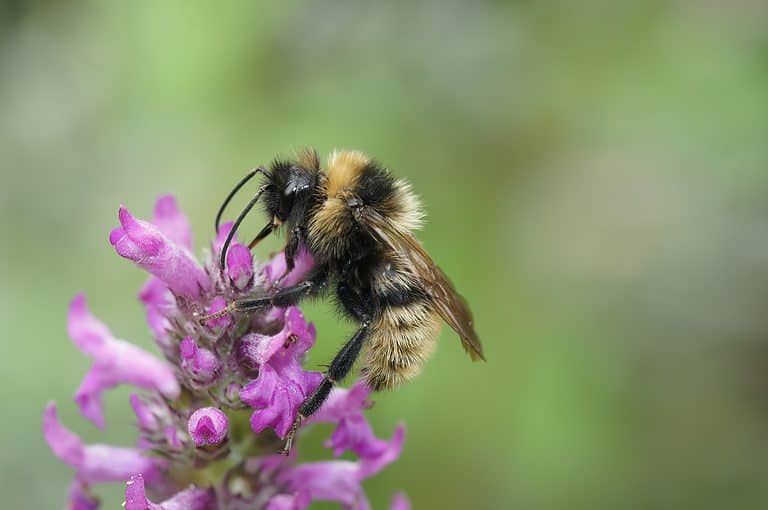
No workers. Just takeover.
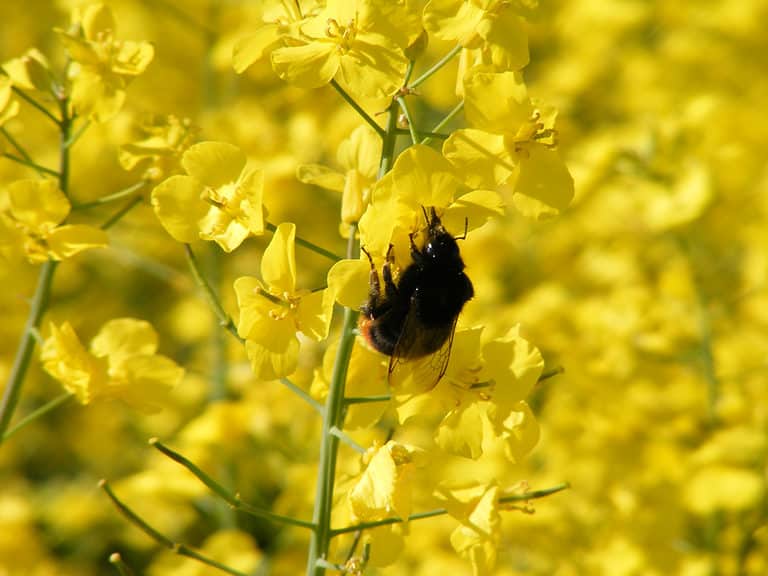
The bumblebee that steals a colony
Pollinator and colony hijacker.
No workers-just a well-timed takeover
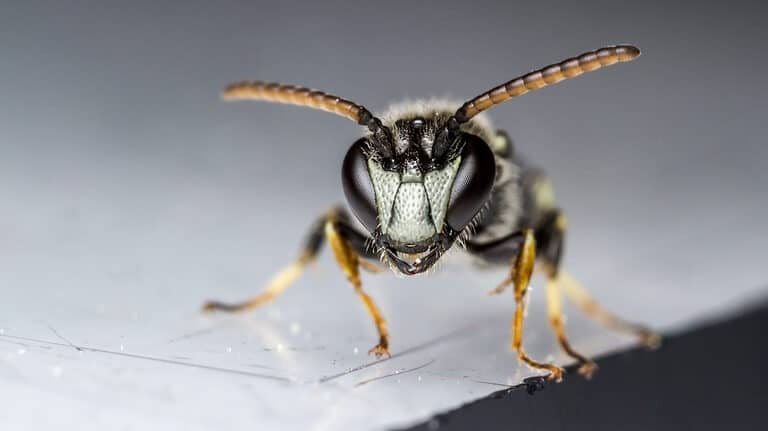
Masked bees, hidden pollen power
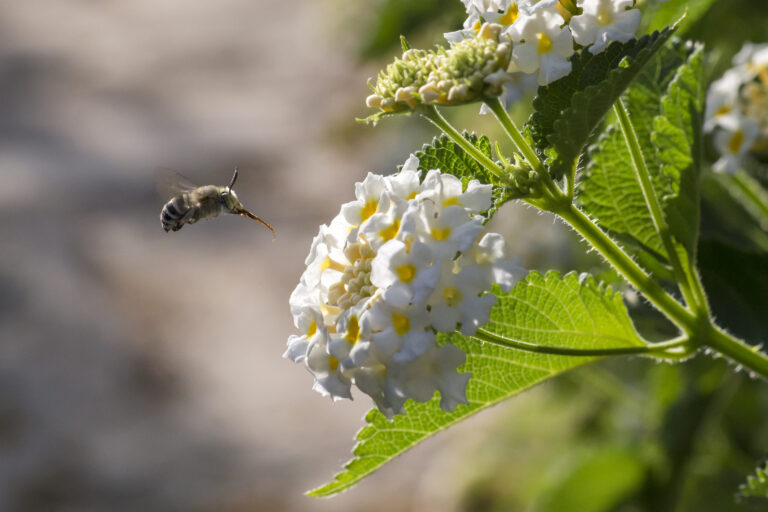
The blueberry's native buzz specialist
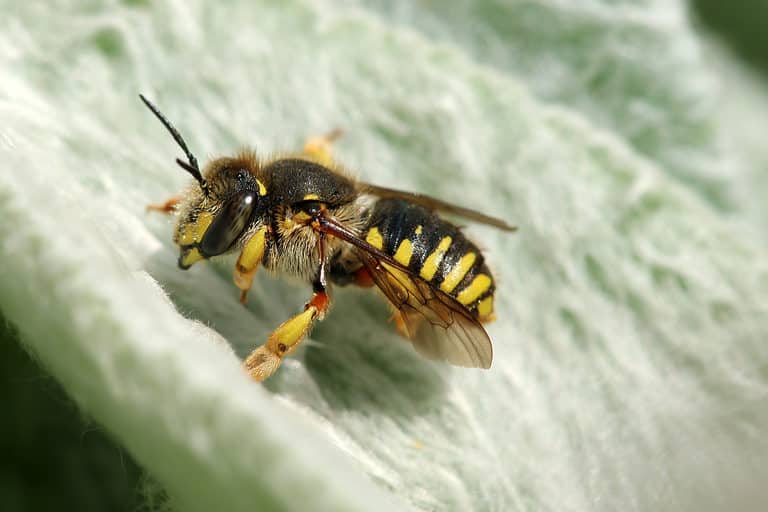
Soft wool, hard brawler.
Spring's ashen-striped soil miner
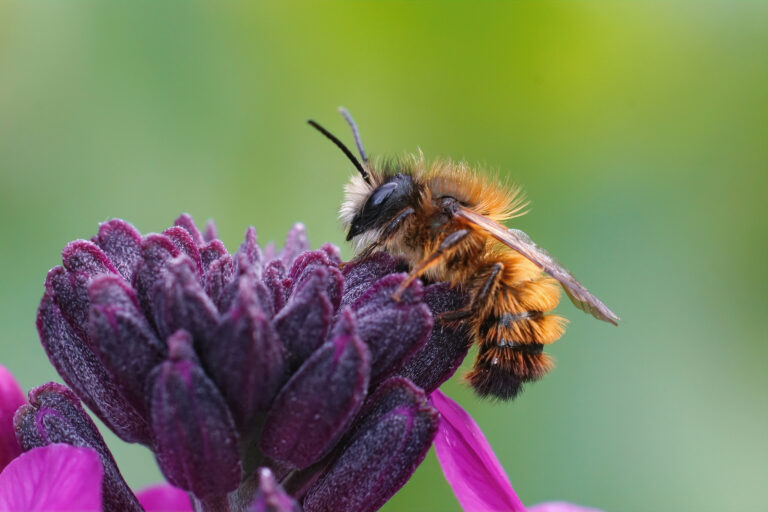
Mud-built nurseries, mighty pollinators
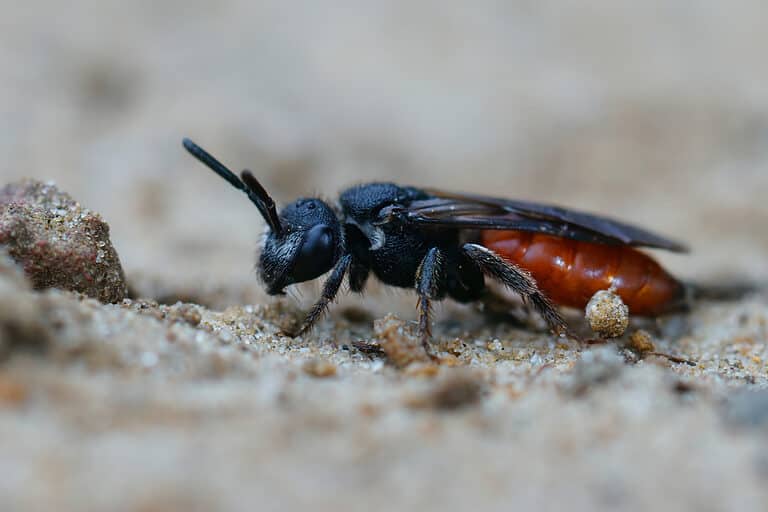
Red-backed nest raider of Europe
Thank you for reading! Have some feedback for us?
We appreciate your help in improving our content.
Our editorial team will review your suggestions and make any necessary updates.
There was an error submitting your feedback. Please try again.