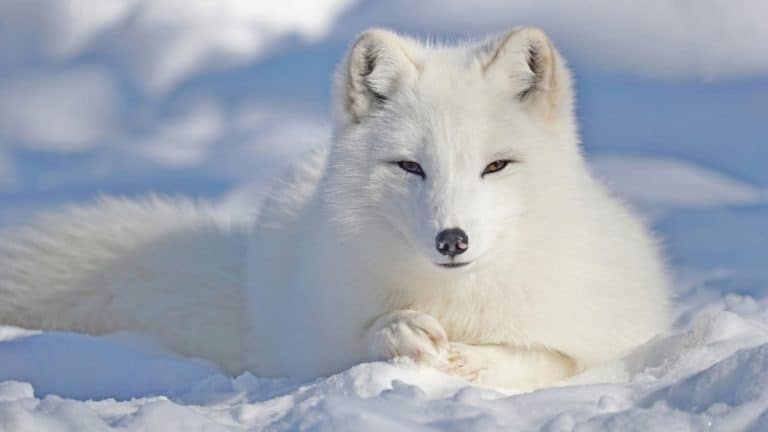
Arctic Fox
Built for blizzards, born for tundra

Built for blizzards, born for tundra

Small gnawers, huge impact.
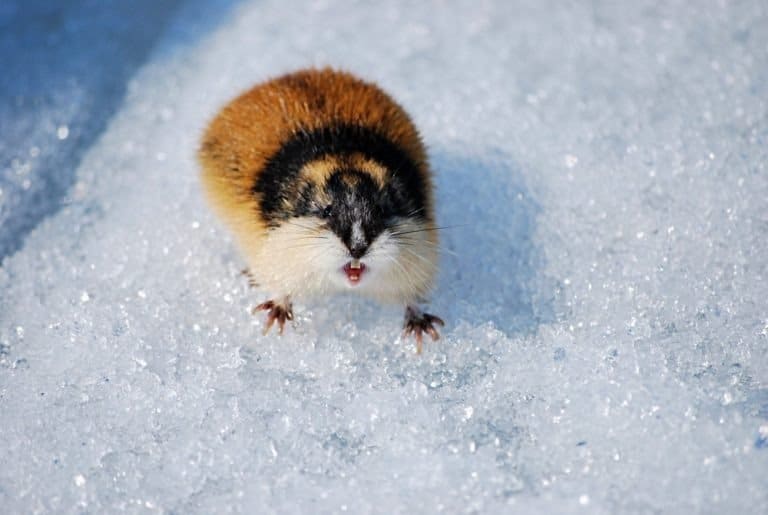
Small rodents, huge tundra impact

Bold stripes, bigger attitude.

Hands, minds, and social lives

Webbed feet, world travelers.
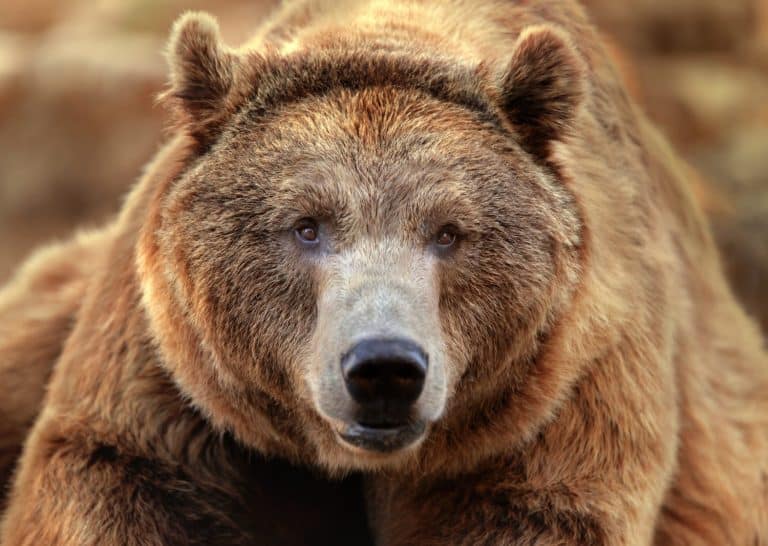
Hump, claws, and wild omnivory

Glow at night, strike with precision
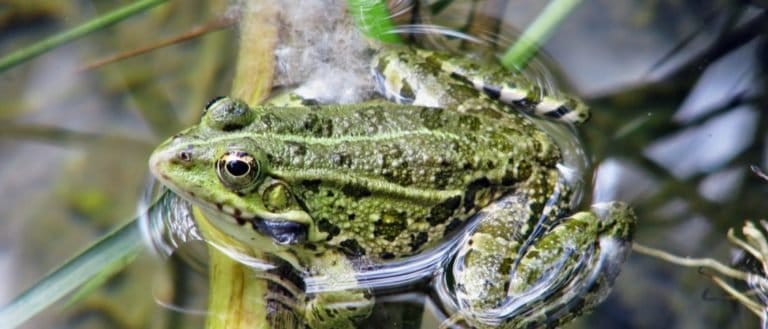
Tailless jumpers, masters of change

Pouches, burrows, and big impacts
An alpine meadow is a high-elevation, largely treeless plant community dominated by grasses, sedges, and wildflowers (forbs) occurring at or above the climatic treeline. It is shaped by cold temperatures, persistent winds, and a very short growing season, often maintained by snowpack dynamics and thin mountain soils.
Alpine meadows are bright, low plant areas above the tree line. After snowmelt they make dense carpets of sedges, bunchgrasses, and flowering forbs that handle freezing nights, strong UV rays, and drying winds. Found on gentle slopes, basins, and near talus, they give seasonal food for animals and pollinators but are fragile to trampling and warming.
High solar exposure and UV; open-canopy/treeless. Strong winds; frequent cloud/fog; snow cover limits light in winter and early spring.
Commonly fed by snowmelt; small headwater streams, rivulets, springs/seeps, wet swales, and seasonal meltwater pools. Soils are often well-drained on slopes with waterlogged patches in basins/snowbeds.
Medium to high: plant and pollinator diversity can be very high at small scales due to microhabitat mosaics (snowbeds, dry ridges, wet seeps), but overall species pools are constrained by cold temperatures, short growing seasons, and isolation at high elevation.
Globally fragmented and generally in declining condition; many alpine meadow complexes remain intact in remote high mountains, but localized degradation and contraction are widespread where grazing, recreation, and infrastructure intersect with rapid warming. Overall health is considered moderate but worsening in many regions due to climate-driven treeline advance and altered snow dynamics.
Moderate to low. Alpine meadow soils and plant communities recover slowly due to short growing seasons, low nutrient availability, and frost/erosion dynamics. Passive restoration (removing stressors, preventing trampling, restoring hydrology) is often effective but slow; active interventions (local seed/plug planting, erosion mats, microtopography repair) can help in small areas but require long timelines and careful sourcing to avoid genetic/ecological mismatch.
High. Alpine meadows are strongly exposed to warming and snow regime change and have limited adaptive space (often 'trapped' between expanding treeline below and bedrock/peaks above). Climate impacts can amplify other pressures (disturbance, invasives, drying), making long-term persistence and community composition highly sensitive to regional temperature and precipitation trajectories.
Alpine meadows aren't always cold at the plant level: dark soils and low, cushiony growth forms can create warm microclimates that feel like tiny solar-heated rooms.
Many alpine flowers are disproportionately large or vividly colored for such a harsh place-big petals can act like mini satellite dishes, capturing heat and attracting scarce pollinators.
Short doesn't mean slow: alpine plants often grow for many years and then reproduce quickly when conditions line up, investing in longevity rather than constant annual growth.
Some alpine meadows are maintained by snow and wind as much as temperature-persistent snowpack and blasting winds can prevent trees from establishing even where it's not "too cold" for them.
You can find surprisingly high biodiversity in small areas: changing snowmelt timing, soil depth, and moisture can pack many micro-habitats into a single hillside.
Frost can happen any month; many alpine meadow species are built to keep functioning after repeated freeze-thaw cycles that would kill typical lowland grasses and garden flowers.
Not all alpine meadow "lawns" are grass-wildflowers (forbs) can dominate, creating a season-long relay of blooms as different species exploit different melt dates.
Think of an alpine meadow as a natural rooftop garden: shallow soils, intense sun, strong wind, and fast-draining slopes force plants to be compact, tough, and efficient.
Their growing season is like a short pop-up restaurant window-plants must prepare all year belowground, then "open for business" immediately after snowmelt.
The treeline boundary is less like a fence and more like a blurry shoreline: waves of wind, snow, and microclimate create a shifting mosaic of meadow, shrub, rock, and tundra.
Alpine meadow microclimates are like a patchwork quilt: a south-facing bump can be "summer," while a nearby snowbed depression is still in "late spring."
Plants here often behave like backpackers on a strict weight limit: they keep stems short, leaves small or hairy, and store energy in roots/rhizomes to survive storms and droughty soils.
Some alpine meadow plants hold "speed records" for life cycles: they can flower, get pollinated, and set seed in just a few weeks between snowmelt and the next storm.
Alpine environments can see temperature swings that feel extreme for plants-sunlit ground surfaces can warm dramatically by day, then drop below freezing at night even in summer.
Because air pressure is lower at high elevation, high-alpine meadows experience some of the planet's most intense UV exposure for a non-desert habitat-plants essentially live under a stronger "sun lamp."
Wind exposure is often near-constant at treeline and above; alpine meadow plants are among the world's champions of staying short and flexible to avoid wind damage.
Where snowdrifts linger, "snowbed" meadow patches may have one of the latest seasonal starts of any grassland-type habitat-some spots effectively begin "spring" in midsummer.
Built for blizzards, born for tundra

Moon-marked climber of Asian forests

Built to dig. Born to endure.

Small hunter, big household legend
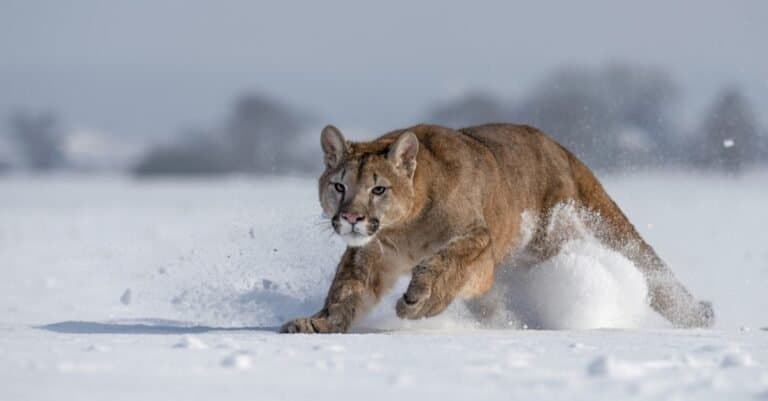
One cat. Two continents.
Webbed feet, world travelers.

Built to soar, born to strike
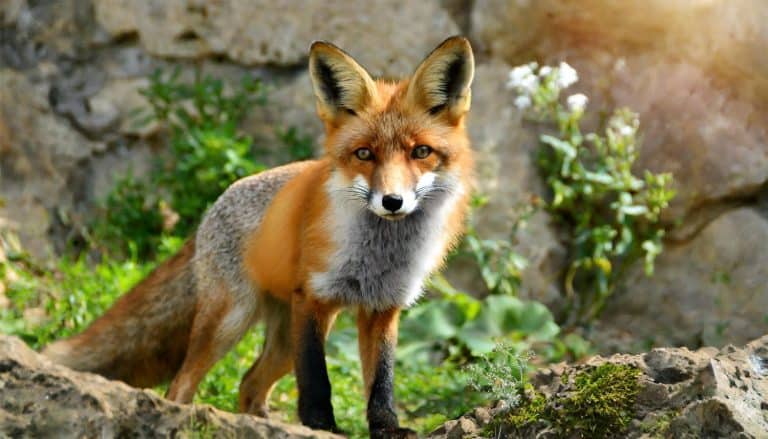
From dunes to tundra-fox smart.
Tailless jumpers, masters of change

Webbed feet, sky roads, wetland lives

Sure-footed masters of rock and range
Pouches, burrows, and big impacts

One hoofbeat, a thousand histories
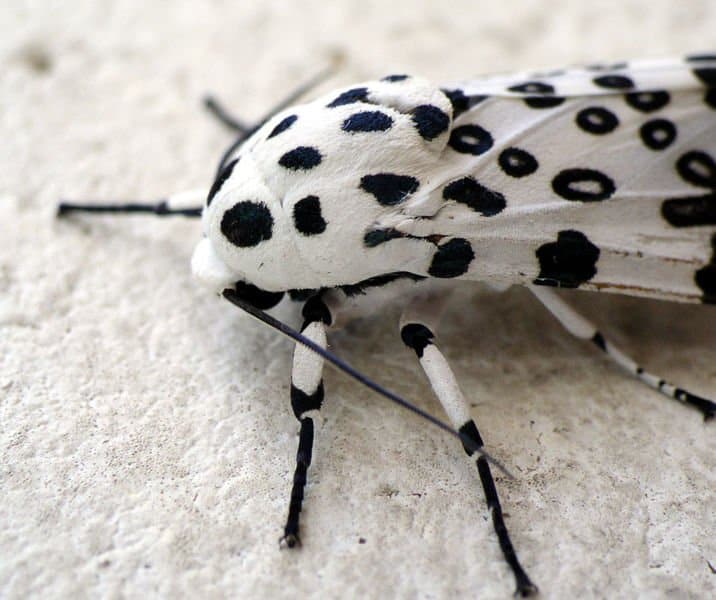
Six legs, endless lives.

Big hops, big pouches, big variety
Small rodents, huge tundra impact

From geckos to dragons-lizard power
Small gnawers, huge impact.
Hands, minds, and social lives

More than night flyers

Not cavemen-Ice Age people

Built for water, born to hunt
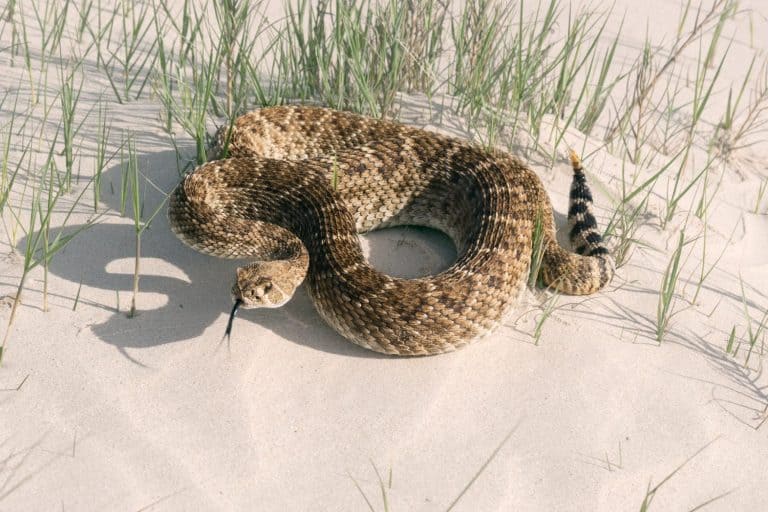
Hear the rattle, give it space.
Glow at night, strike with precision
Thank you for reading! Have some feedback for us?
We appreciate your help in improving our content.
Our editorial team will review your suggestions and make any necessary updates.
There was an error submitting your feedback. Please try again.