





B
Species Profile

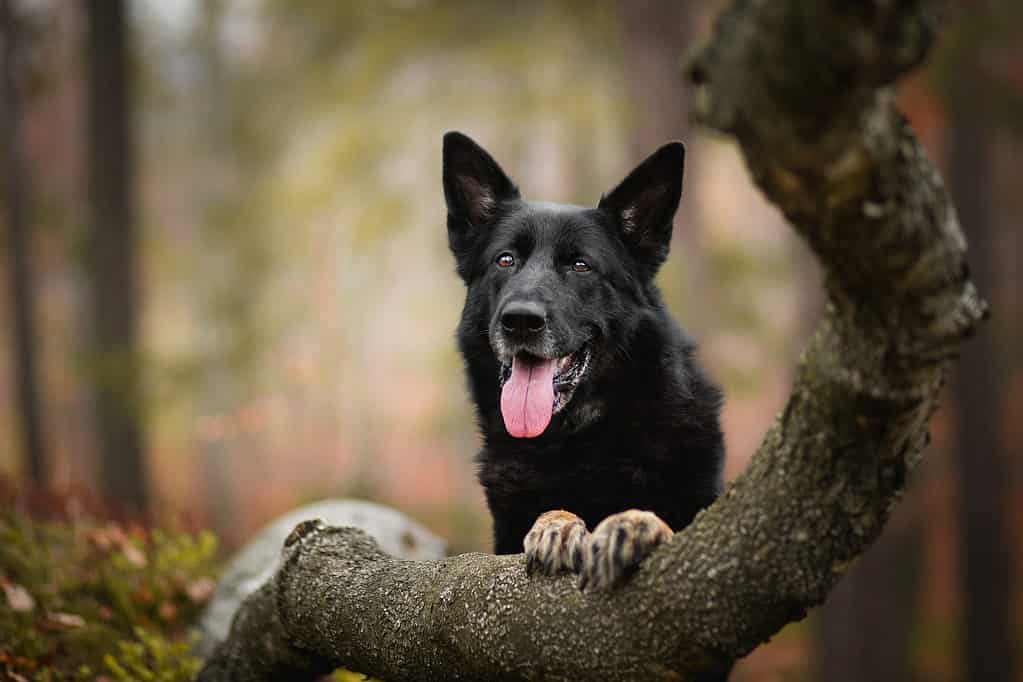
Black German Shepherd

Canis lupus familiaris

All-black coat, all-purpose partner.
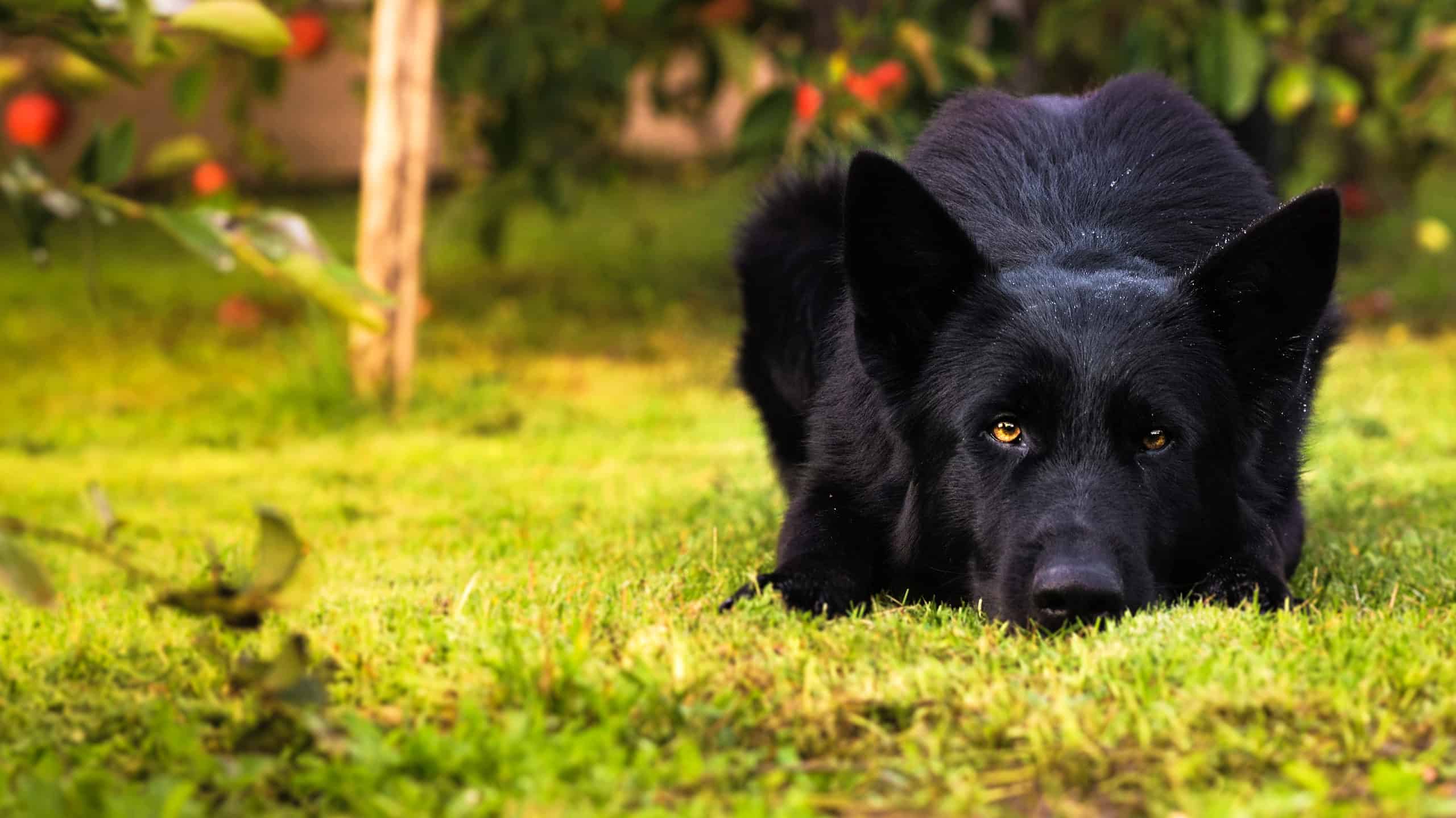
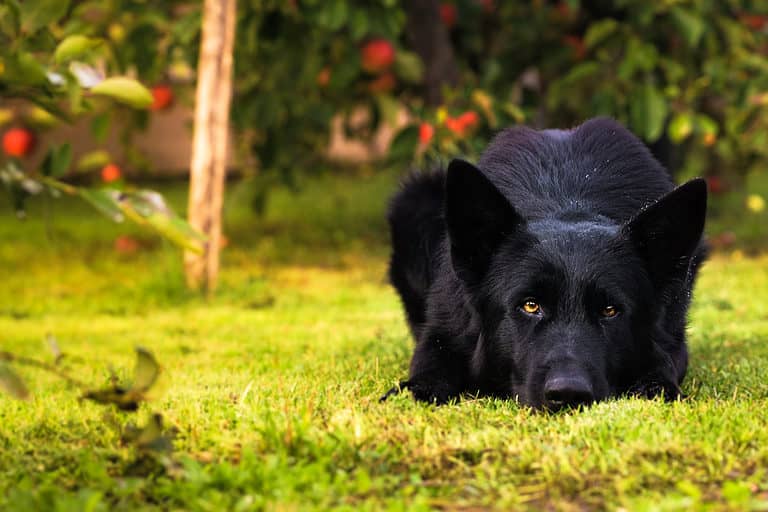
ToSha1/Shutterstock.com

Black German Shepherd Distribution

Click a location to explore more animals from that region

Origin Location

This map shows the native origin of the Black German Shepherd. As a domesticated species, they are now found worldwide.

Loading map...

Found in 1 country

Size Comparison

Human 5'8"
Black German Shepherd 1 ft 12 in

Black German Shepherd stands at 35% of average human height.

Black German Shepherd

At a Glance

Domesticated
Also Known As Black Shepherd, Solid black Shepherd, All-black Shepherd, Black-coated Shepherd
Diet Omnivore
Activity Diurnal+
Lifespan 9 years
Weight 40 lbs
Status Not Evaluated
Did You Know?

Black is a naturally occurring color in German Shepherd Dogs, caused by recessive genetics affecting pigment distribution (melanism).

Scientific Classification

The Black German Shepherd is not a separate breed; it is a melanistic (solid-black) coat-color variant within the German Shepherd Dog, a domesticated dog breed of the gray wolf.

Kingdom
Animalia
Phylum
Chordata
Class
Mammalia
Order
Carnivora
Family
Canidae
Genus
Canis
Species
Canis lupus

Distinguishing Features

  • Solid black (melanistic) coat; may be plush or long-coated depending on lineage
  • Overall German Shepherd morphology: erect ears, long muzzle, athletic/working-dog build
  • Temperament and working traits typical of German Shepherds (trainable, vigilant, high drive), varying by line and upbringing

Physical Measurements

Males and females differ in size

Height
♂ 2 ft 1 in (1 ft 12 in – 2 ft 2 in)
♀ 1 ft 11 in (1 ft 10 in – 1 ft 12 in)
Length
♀ 4 ft 5 in (4 ft 1 in – 4 ft 9 in)
Weight
♂ 77 lbs (66 lbs – 88 lbs)
♀ 60 lbs (49 lbs – 71 lbs)
Tail Length
♂ 1 ft 4 in (1 ft 3 in – 1 ft 6 in)
♀ 1 ft 4 in (1 ft 2 in – 1 ft 6 in)
Top Speed
30 mph
Fast sprints, long trot

Appearance

Primary Colors
Secondary Colors
Skin Type Mammalian skin with typically dark pigmentation; dense double coat (harsh outer guard hairs + thick insulating undercoat). Moderate dander potential; prone to seasonal heavy shedding and coat/skin irritation if grooming is neglected.
Distinctive Features
  • A domestic dog (Canis lupus familiaris), descended from the gray wolf (Canis lupus). The Black German Shepherd is a coat-color variant, not a separate breed or taxonomic group within German Shepherds.
  • Breed shows strong, human-focused working behavior from breeding—very trainable, focused on its handler, and controlled protective instincts—and a shepherd build: erect ears, long muzzle, athletic body, not wolflike.
  • Solid black coat replaces the usual black-and-tan or sable coloring. The overall shape is still that of a German Shepherd Dog, but the dark, even coat makes face and body lines look sleeker.
  • Head and expression: Wedge-shaped head; medium almond-shaped dark eyes; erect triangular ears; black nose leather and typically dark lips/paw pads.
  • Body and movement: Athletic, deep-chested working dog; strong hindquarters; ground-covering trot. Some lines may show a more pronounced rear angulation (common in show-line GSDs).
  • Coat: Medium-length double coat (often plush/stock coat; long coat also occurs in the breed). Heavy year-round shedding with seasonal "blow".
  • Common roles (breed history/selection): Herding ancestry; widely used for protection/guard work, service/assistance work, police/military applications, detection, and search-and-rescue.
  • Common health issues (not unique to black coat) include hip and elbow dysplasia, degenerative myelopathy, bloat (gastric dilatation-volvulus), chronic skin allergies and hot spots, ear infections, and joint strain from angulation.
  • Care requirements: High daily exercise and structured mental work (training, scent games, obedience, task work). Early socialization and ongoing training to channel protective instincts appropriately.
  • Grooming needs: Frequent brushing (several times weekly; daily during shedding seasons) to manage undercoat; routine nail/ear care; bathing as needed to avoid drying skin.
  • Keep Black German Shepherds lean to lower joint stress; use joint-friendly exercise on soft surfaces, discuss hip and elbow screening with a vet or breeder, and watch older dogs for degenerative myelopathy signs.

Sexual Dimorphism

Sexual dimorphism is typical of German Shepherd Dogs: males are generally larger and more robust, while females are smaller and finer-boned. Differences are most evident in head breadth, neck/ruff thickness, and overall mass.

♂
  • Larger overall size and heavier bone
  • Broader head and more pronounced stop/muzzle width
  • Thicker neck and more noticeable mane/ruff (especially in plush coats)
  • Greater chest breadth and musculature
♀
  • Smaller, lighter frame with finer bone
  • Slightly narrower head and neck
  • Often a more refined overall outline
  • May show visible mammary development after heat cycles/puppies

Did You Know?

Black is a naturally occurring color in German Shepherd Dogs, caused by recessive genetics affecting pigment distribution (melanism).

Two black-coated parents can produce black puppies; two non-black carriers can also produce black pups if both carry the recessive allele.

Despite the name, it's not a separate breed-registries treat black as a color within the German Shepherd Dog standard (acceptance varies by kennel club).

The coat often looks "extra glossy" because uniform dark pigment can make guard hairs reflect light differently.

Like all domestic dogs (Canis lupus familiaris), German Shepherds descend from the gray wolf (Canis lupus) through domestication and selective breeding.

Black German Shepherds are frequently seen in service, police/military, and search-and-rescue work because they share the same drive and trainability as other color types.

Unique Adaptations

  • Melanistic coat: increased eumelanin produces the solid-black appearance; it's a cosmetic variant, not a functional "new type."
  • Double coat suited to outdoor work: dense undercoat plus guard hairs help insulate in cold/wet conditions (needs regular brushing to manage shedding).
  • Athletic, efficient trot: the breed's structure supports endurance movement-useful for herding, tracking, and long-duration tasks.
  • Highly developed scenting ability: as a canid, retains strong olfactory processing-key for tracking, detection, and search-and-rescue.
  • Trainability and impulse control potential: selective breeding for working roles emphasizes learning speed and responsiveness when properly socialized.

Interesting Behaviors

  • Strong handler focus: many form intense bonds and prefer working in close coordination with one person.
  • Herding-style movement: may "shadow," circle, or gently body-block people/pets-echoes of livestock herding ancestry.
  • Alert scanning and perimeter checks: naturally patrol-like behavior when in a new space or at home.
  • Problem-solving with persistence: will repeat behaviors that earn results, which is great for training but can also reinforce nuisance habits without boundaries.
  • Vocal communication: can use barks/whines/grumbles to signal excitement, uncertainty, or demand for engagement.
  • Object play with purpose: many show high toy/ball drive, often using fetch and tug as outlets for working energy.

Cultural Significance

Black German Shepherds (Canis lupus familiaris) are a color type of the famous German Shepherd working dog. Their black coat stands out in media and working lines, but they have the same history and abilities; performance comes from genes, health, training, and personality, not color.

Myths & Legends

Early 1900s stories credit foundation sire Horand von Grafrath and his pups for building the German Shepherd's fame as a well-trained working dog; that image later included black-coated dogs like the Black German Shepherd.

In parts of Europe and later North America, black dogs joined older 'black dog' folklore—mysterious night guards and bad signs—making people see solid-black shepherds, like Black German Shepherds, as scarier guards.

Rin Tin Tin, a German Shepherd rescued from a WWI battlefield, became a Hollywood legend; though not black, his story made the breed seem brave and almost mythic in loyalty across colors.

Modern working-dog circles sometimes trade 'line legends'-anecdotes of exceptional black German Shepherds in security or service work-told as kennel lore about steadfast partners that could 'read' situations before humans did.

Conservation Status

NE Not Evaluated

Has not yet been evaluated against the criteria.

Population Stable

Life Cycle

Birth 7 pups
Lifespan 9 years

Lifespan

In the Wild
7–10 years
In Captivity
9–13 years

Reproduction

Mating System Polygynandry
Social Structure Managed Domestic
Breeding Pattern Serial
Fertilization Internal Fertilization
Birth Type Internal_fertilization

Black German Shepherd (Canis lupus familiaris): breeding in human care is polygynandry (many mates across the population). Pairings are managed_domestic by breeders; breeding is internal_fertilization with a copulatory tie. Pairings are serial, not cooperative.

Behavior & Ecology

Social Pack Group: 4
Activity Diurnal, Crepuscular, Cathemeral
Diet Omnivore Meat-based, high-protein foods (e.g., beef, chicken, lamb, fish) delivered as a complete, balanced working/active-dog formula; many individuals show strong preference for meat aromas and high-value treats.

Temperament

Black German Shepherd (Canis lupus familiaris), a domesticated wolf shaped by human breeding; compared to wolves it is less fearful of new things, easier to train, bonds with people, and barks more than howls.
Typical demeanor: confident, alert, handler-focused, highly trainable; protective/territorial tendencies are common. Many are socially neutral with strangers (polite but not indiscriminately friendly), and may be cautious if under-socialized.
Black German Shepherds often have strong work drive and like routines. Working-line dogs show higher prey and defense drive; show-line dogs are calmer. Early socialization and reward training boost friendliness and stability.
Intraspecific social tendencies: can be dog-selective, especially with maturity; generally improves with controlled exposures, cooperative training, and adequate exercise. Can exhibit resource guarding or barrier frustration if needs are unmet.
Care requirements (behavioral): requires daily physical exercise plus mental work (obedience, scentwork, tracking, agility, structured play). Without outlets, may develop nuisance behaviors (excessive barking, pacing, destructiveness). Benefits from consistent rules, calm handling, and job-like tasks.
Black German Shepherds may have hip or elbow dysplasia and degenerative myelopathy, making play harder; pain can cause irritability. Bloat risk—avoid intense exercise after meals. Also: pancreatic problems, allergies, ear/skin issues, pannus.
Black German Shepherds have a double coat that sheds a lot. Brush often to reduce skin problems. Dark fur heats fast—give shade, water, and exercise in cooler times so they stay calm and social.

Communication

alarm/territorial barking Notably developed vs. wolves
low growls for warning/resource defense
whining/whimpering for attention, stress, or appeasement
howling Less frequent; can occur with sirens or social triggers
play barks and excited yips during work/play
body posture: forward stance, piloerection, weight shift to signal confidence/threat; lowered posture for appeasement
ear and tail carriage changes indicating arousal, uncertainty, or intent
direct stare/averted gaze: threat vs. appeasement; strong visual signaling in close human-dog interactions
scent communication: urine marking and ground sniffing; investigation of conspecific scent to assess social context
mouth/face behaviors: lip licking, yawning, panting as stress signals; gentle mouthing in play if not trained out
tactile contact: leaning, pawing, nudging; proximity seeking with bonded humans
play signals: play bow, bouncy movement, self-handicapping; can escalate if arousal is unmanaged
learned human-directed cues: offers trained behaviors (sit, down, heel, retrieve) as communicative bids for guidance/reward

Habitat

Biomes:
Temperate Forest Boreal Forest (Taiga) Tundra Temperate Grassland Mediterranean Desert Hot Desert Cold Alpine Wetland Freshwater Marine Savanna +6
Elevation: Up to 16404 ft 3 in

Ecological Role

Domesticated companion and working canid associated with human ecosystems; functions as a managed omnivorous predator/scavenger surrogate rather than a self-sustaining wild hunter.

human companionship and social support livestock herding and guarding property/security deterrence search-and-rescue and detection work (scent-based tasks) pest/rodent control where allowed participation in managed breeding/working programs that reduce reliance on wild predator control

Diet Details

Main Prey:
Small mammals Rabbits and hares Squirrel Ground-nesting birds Poultry
Other Foods:
Starchy plant foods root/starchy vegetables Fruits Leafy greens Fermentable fibers

Human Interaction

Domestication Status

Domesticated

Domestic dog (Canis lupus familiaris) comes from the gray wolf (Canis lupus) by long domestication and breeding. The German Shepherd Dog was standardized in late 1800s–early 1900s Germany for herding and later working roles. The Black German Shepherd is a melanistic (solid-black) coat variant, not a separate breed; people treat them like other GSDs and looks affect breeding and price.

Danger Level

Moderate
  • Bite risk if poorly socialized, improperly trained, fearful, or mishandled-exacerbated by strong protective/guarding instincts common in GSD lines
  • Injury risk from size/strength (knock-down, accidental scratches) especially with children/elderly
  • Higher public perception risk: solid-black coloration can be viewed as more 'intimidating,' potentially increasing conflict with neighbors/landlords even when temperament is stable
  • Working-line individuals may have higher drive; inadequate outlets can increase nuisance behaviors (reactivity, destructive behavior) that can escalate to unsafe situations

As a Pet

Suitable as Pet

Legality: Generally legal to own as a domestic dog where dogs are permitted; subject to local ordinances (licensing, leash laws, breed- or size-based restrictions in some municipalities) and housing/insurance rules. Not regulated as wildlife.

Care Level: Experienced

Purchase Cost: $800 - $3,500
Lifetime Cost: $20,000 - $60,000

Economic Value

Uses:
Companion animal Working dog (police/military/security) Service and assistance dog prospect Search-and-rescue and detection (scent work) prospect Sport/competition (IGP/Schutzhund, obedience, agility) Breeding (coat-color-driven demand can affect pricing)
Products:
  • Trained working/service dog placements
  • Boarding/training services and behavior consulting
  • Veterinary services (preventive care, orthopedics, dermatology, gastroenterology)
  • Pet insurance products
  • Equipment: crates, leashes, harnesses, muzzles, bite-work/sport gear, enrichment toys
  • Nutrition: high-quality diets and supplements (as recommended by a veterinarian)

Relationships

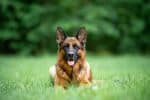
The black German shepherd is an extremely rare variation of the standard black-and-tan German shepherd. The black German shepherd is not a separate breed or a result of crossbreeding. Unlike the standard German shepherd, it is completely black, but is still a purebred shepherd.

These dogs were originally bred in Germany to be working dogs, herding and guarding sheep against natural predators. They were brought to the United States in 1906 and recognized by the American Kennel Club two years later, in 1908. From then, the popularity of the German shepherd spread widely, and they are now the fourth most popular dog breed in the United States (2024 data).

Black German shepherds are thought to be aggressive animals, but this is not the case in reality. Black German shepherds are loving, intelligent, and excellent pets.

Different Types of Black German Shepherd Mixes

Here are some of the common German shepherd breed mixes.

3 Pros and Cons of Owning a Black German Shepherd

ProsCons
They are great guard dogs. Black German shepherds have a protective streak. They are used to guarding and defending their charge, so they make the perfect guard dogs.They are active dogs. Black German shepherds are agile dogs who need equally agile owners who can keep up with them. Their energy demands are quite high. These dogs need to be able to run and play. They are not for sedentary owners.
They are highly intelligent and train easily. Black German shepherds are brilliant working dogs and are known for picking up things quickly. They are eager to learn and please, a trait which makes them beneficial to have around the house.They shed – a lot. Black German shepherds sometimes have longer coats than standard black-and-tan German shepherds. If you have allergies or don’t like having fur everywhere, then this might not be the breed for you. Granted, there are ways to control this dog’s shedding, but they still shed profusely.
They make excellent companions. Black German shepherds are caring, loyal, and loving pets. They are devoted to their family and love having plenty of people to give them the attention they need. They function great in a big household. The more people, the merrier.They don’t like strangers. Black German shepherds are guard dogs, which means they likely won’t be trusting of foreigners encroaching on their territory. They can be socialized from puppyhood to be more accommodating, but it is in their nature to protect their family.

Size and Weight

Black German Shepherd 2

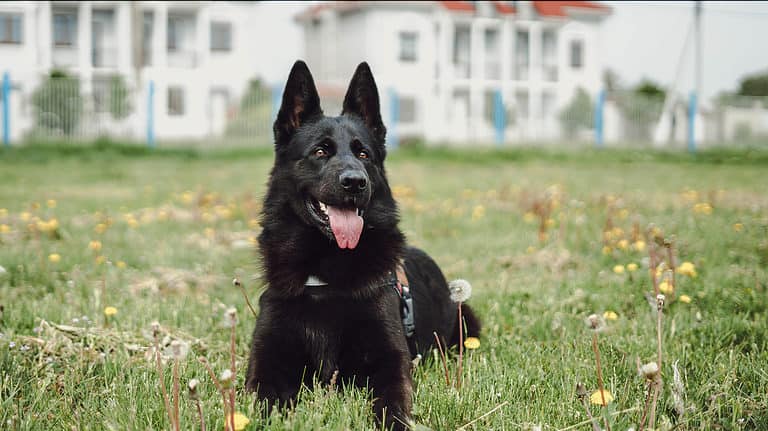
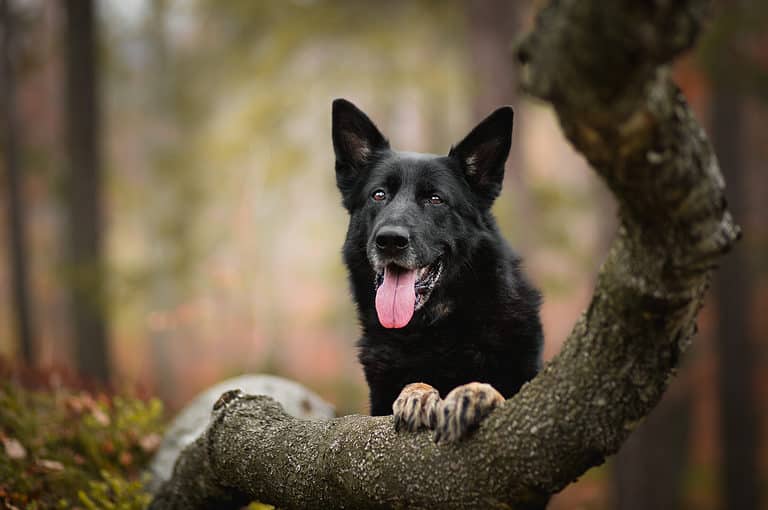
The only difference between a standard German shepherd and a black one is that the latter is solid black.

Black German shepherds have similar characteristics to regular German shepherds, except that they are completely black. When it comes to height and build, these dogs aren’t any different from purebred German shepherds. They are medium-sized to large dogs with almost no sexual dimorphism. The males and females are typically around the same height, but the males tend to be slightly heavier.

Male black German shepherds grow to be 24 to 26 inches in height and weigh 65 to 90 pounds, while the females are usually 22 to 24 inches tall and weigh 50 to 70 pounds.

Common Health Issues

Black German shepherds are a pretty hardy dog breed. While they do not have any health issues that occur as a result of their color difference, they are still prone to some diseases that affect bigger dogs and dogs in general. Black German shepherds are also prone to some health conditions as a result of the inbreeding that occurred early in their history.

Some of the common health issues black German shepherds are known to suffer from are hip dysplasia, diabetes, elbow dysplasia, dental infection, nose infection, bloat, degenerative disc disease, cataracts, epilepsy, and thyroid issues.

When purchasing or adopting a black German shepherd, it is advisable to choose one that was bred as a working dog as opposed to one bred as a show dog. This is because the breeding standard for show dogs causes them to be more predisposed to certain health conditions.

Hip dysplasia is a hereditary disease that causes malformation of the ball and socket joints of the hips. In order to keep the condition from worsening, do not overfeed your dog. Excess calorie intake causes the joints to grow faster than they’re supposed to, which eventually leads to misalignment.

In total, black German shepherds commonly suffer from:

  1. Hip dysplasia
  2. Diabetes
  3. Elbow dysplasia
  4. Dental infection
  5. Nose infection
  6. Bloat
  7. Degenerative disc disease
  8. Cataract
  9. Epilepsy
  10. Thyroid issues

Temperament

Black German shepherds are thought by many to be aggressive dogs. This is mostly due to their size and color, as some people tend to shun black animals. They are seen as intimidating and ferocious. In reality, black German shepherds are loyal and devoted dogs. They tend to be overprotective because they were bred to protect and shepherd sheep, so this trait is in their nature. When properly trained, these intelligent dogs can be affectionate companions. They are not overtly friendly with strangers and will want to guard their family.

Black German shepherds should be socialized as puppies in order to make them more gregarious later as adults and less distrusting of strangers. Adult German shepherds who get adopted can attend socialization classes to get them familiarized with other dogs and people.

Black German shepherds experience some separation anxiety if left alone for too long. They are typically independent dogs, but that doesn’t mean they don’t crave attention from their owners.

How To Take Care of Black German Shepherds

Black German shepherds are a job to maintain and train, but definitely worth it. They need plenty of food and exercise. These shepherds are active working dogs and like to live in large spaces, so if you live in a tiny apartment, this isn’t a dog for you.

The Best Dog Food For Black German Shepherds

Black German shepherds are highly active dogs, so their diet should be highly nutritious, low in fat and carbs, and high in protein. They are also large dogs, so their portions should be large as well. In order to correctly apportion your dog’s food, you can check the label on the back of the package to know how much to feed it based on its size.

Because Black German shepherds are prone to bloating, they are best fed with high-quality dry kibble three to four times a day as puppies and then twice a day as adults.

Maintenance and Grooming

One difference between black German shepherds and black-and-tan German shepherds is that black German shepherds tend to have more fur and feathered hair around their tips. Black German shepherds are very easy to groom despite their hairiness. If your furry friend has medium-length hair, then it should be brushed at least twice a week. If the fur is long, however, then it will need to be brushed every day.

Black German shepherds shed a lot of hair, especially during their main shedding seasons, which occur twice a year. If you have allergies or simply dislike having fur everywhere, then you might want to reconsider getting a German shepherd. There will be hair everywhere.

In addition to getting your dog’s hair under control, you should also trim their nails routinely and clean their teeth and ears. If your dog is active enough, it should wear its own nails down naturally. However, if this isn’t the case, then they must be trimmed to avoid injury.

The good thing about German shepherds is that they are less prone to ear infections than other dogs. This is because they have hyperactive glands in their ears that produce a lot of earwax, which keeps bacterial populations under control.

Training

Black German shepherds are best trained from puppyhood. This will help them acclimate to life in a household and suburbia. They will need obedience training and socialization, especially because of their high prey drive. They might see smaller animals or pets as prey.

If you have smaller children, then the dog will need to be trained on how to interact with them because they sometimes don’t know their own strength and might hurt them by mistake. The great thing about black German shepherds is that they are eager to please and very easy to train. This trait makes them the best fit for police and military dogs, obedience dogs, and disability aid dogs. Because of their high work ethic, they can be useful around the house.
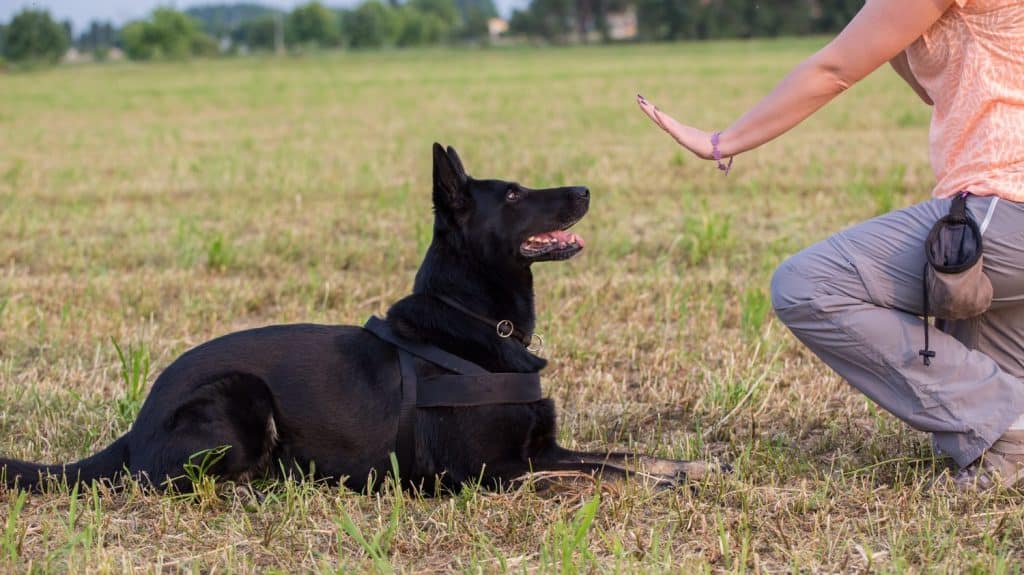
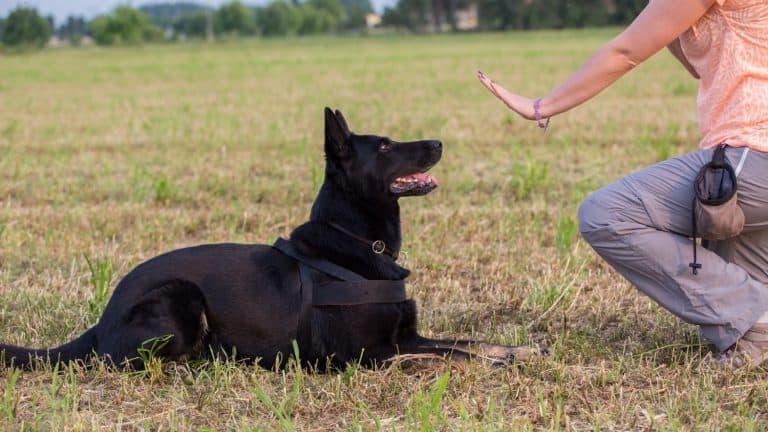
German Shepherd training (Sit command)

German shepherds are very intelligent dogs that can learn various commands easily.

Puppies

If you are considering getting a black German shepherd puppy, then socializing it should be on top of your list of priorities. While black German shepherds make exciting and loyal pets, they are not naturally friendly to other dogs and strangers and tend to be aloof. It is important to get them to be familiar with others and different situations as well. Walking your puppy around urban areas and dog parks is a great way to get them accustomed to new terrain.

Exercise

Black German shepherds are very intelligent dogs that require not just physical exercise but mental stimulation as well. They are active dogs that like games and challenges. These are not the dogs to adopt if you live in a cramped space or an apartment without a backyard. These dogs will need enough room to run and play to be content. If not, they will get bored and vent their frustration by becoming destructive around the house. Black German shepherds need about 60 to 90 minutes of exercise every day. This can be achieved by taking your pup out a couple of times a day. Active dogs need active owners, so if you are the swimming and hiking type, this is the breed for you! Your fur baby would love to accompany you on your great adventures.

Black German Shepherd as a Family Dog

Black German shepherds are an ideal family dog to have. They are people-oriented and make excellent guard dogs because of their alertness and protective instinct. They are also great playmates for children, but need to be fully trained so that they don’t accidentally injure smaller kids. Playdates should be supervised as well to prevent any mishaps.

Dogs Similar to Black German Shepherds

  • Border Collie: The border collie is considered to be the most intelligent dog breed in the world. Just like the black German shepherd, the border collie is a herding dog that shepherds flocks of animals.
  • Belgian Shepherd: The Belgian Shepherd is similar to the black German shepherd in some physical attributes, such as their erect ears and long snouts. They are also both shepherding dogs who love to work. The black German shepherd is bigger than the Belgian Shepherd, though, and has less hair than it.
  • English Shepherd: The English shepherd is not just a herding dog, but it makes a great guard dog as well, just like the black German shepherd. These two breeds also shed profusely.
View all 453 animals that start with B

Sources

  1. American Kennel Club / Accessed January 6, 2023
  2. Wikipedia / Accessed January 6, 2023

Rose Okeke

About the Author

Rose Okeke

Hi! I am a writer, actor, and filmmaker. Reading is my favorite hobby. Watching old movies and taking short naps are a close second and third. I have been writing since childhood, with a vast collection of handwritten books sealed away in a duffel bag somewhere in my room. I love fiction, especially fantasy and adventure. I recently won the James Currey Prize 2022, so now, naturally, I feel like I own words. When I was 11, I wanted to be a marine biologist because I love animals, particularly dogs, cats, and owls. I also enjoy potatoes and chocolate in all their glorious forms.
Connect:

Thank you for reading! Have some feedback for us?


Black German Shepherd FAQs (Frequently Asked Questions)

The rare black color of these Shepherds makes them highly sought after and expensive, but that doesn’t mean they are any different from their siblings. Buying a black German shepherd will set you back about $800 to $2,000.