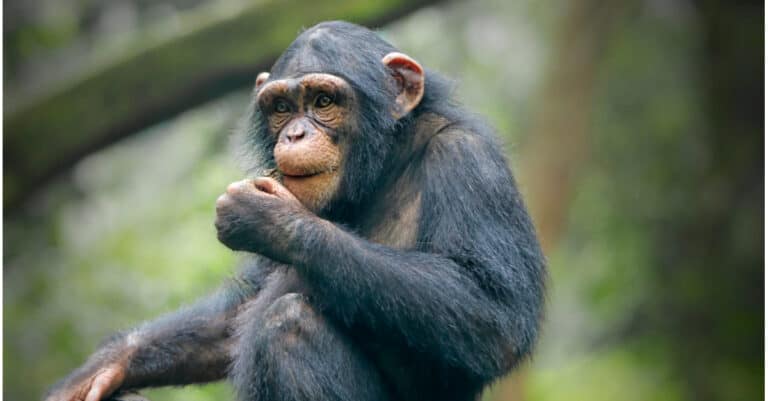
Ape
Tailless thinkers of the treetops

Tailless thinkers of the treetops
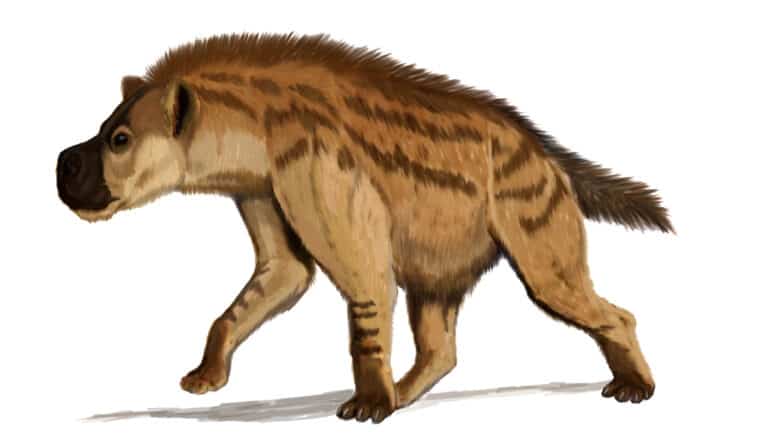
Not a hyena-just built like one.
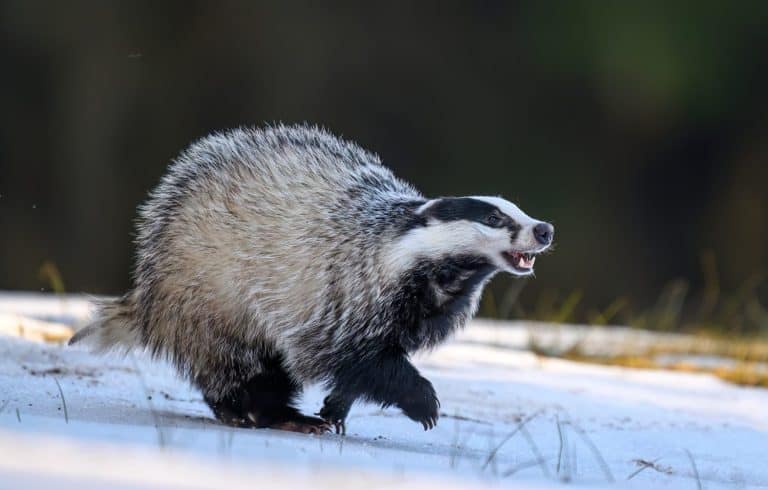
Built to dig. Born to endure.
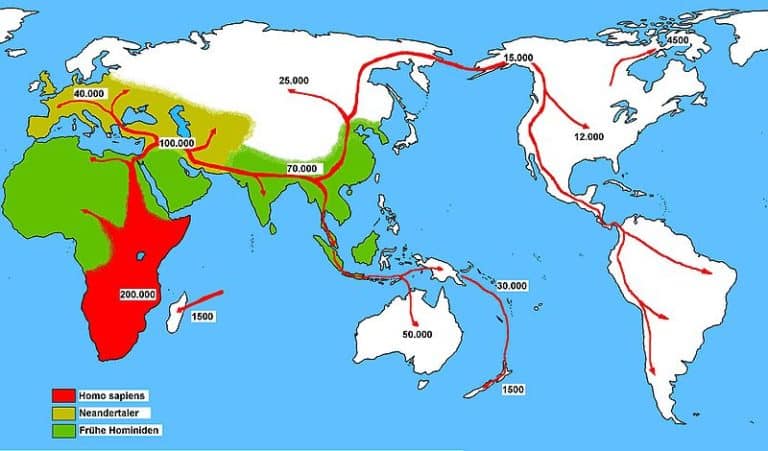
The culture-building biped
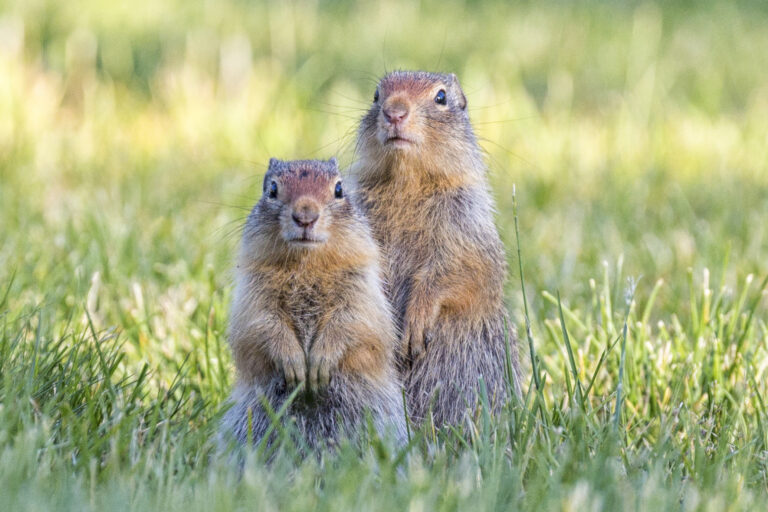
Burrow smart. Whistle loud. Survive.
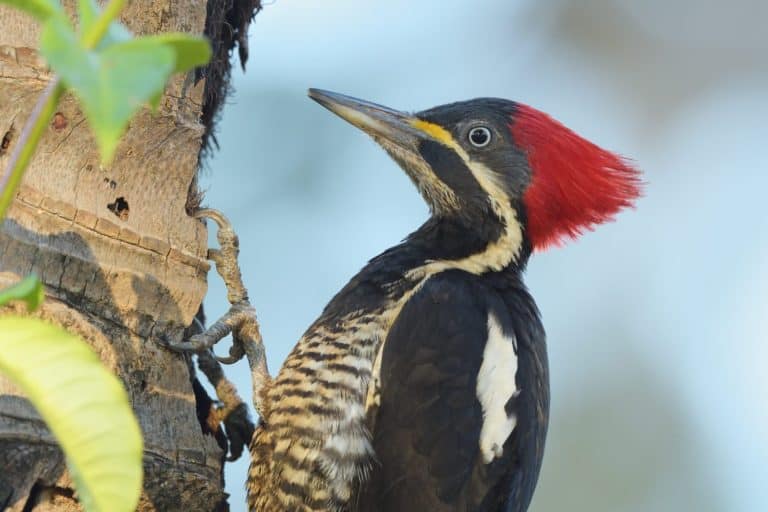
Nature's carpenters and forest drummers
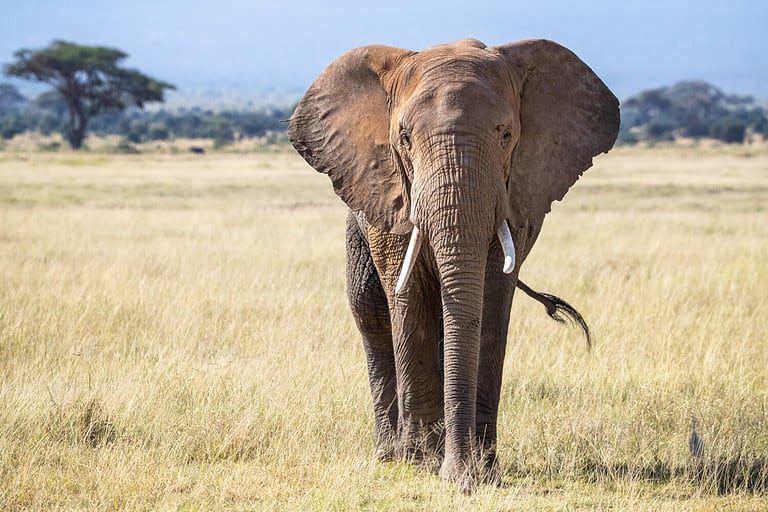
Big ears, bigger impact.
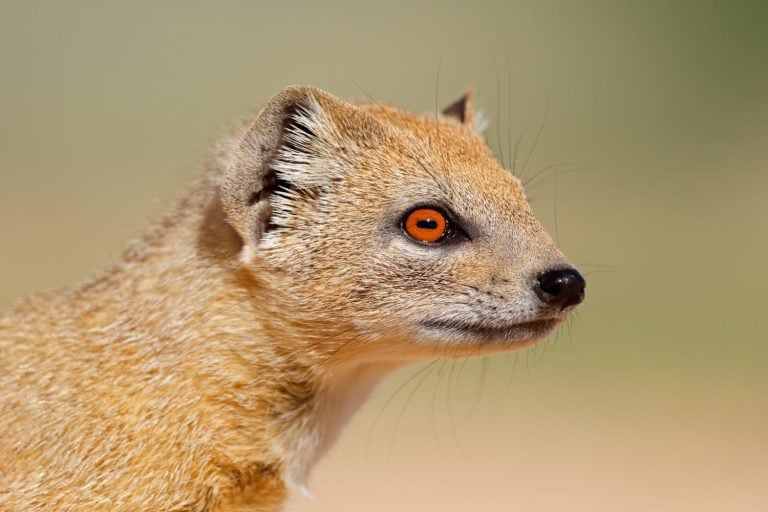
Small hunters, big attitudes
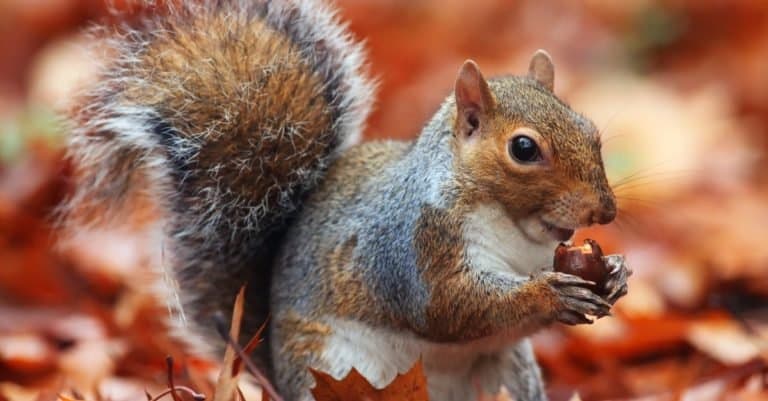
From treetops to tunnels-Sciuridae!
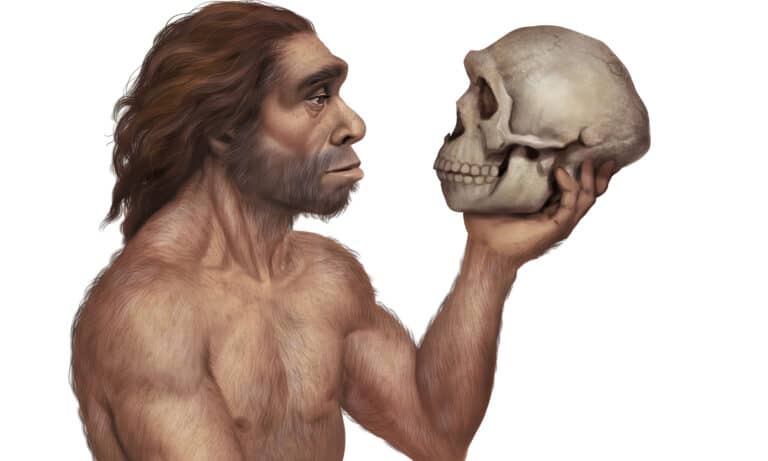
Not cavemen-Ice Age people
A clan is a stable, long-term social group in which membership is strongly structured by kinship (often matrilineal), and individuals repeatedly associate for cooperative activities such as territory defense, foraging, and offspring care. In behavioral ecology, "clan" denotes a cohesive unit whose social bonds persist across seasons and generations and can be recognized as a distinct grouping within a population's social network.
In animal behavior, a clan is a long-lasting social group whose members keep close ties, often made of kin—frequently females linked by a maternal line. Clans appear in fission-fusion species: subgroups split and join, but the clan stays recognizable as members prefer each other and work together in ways that affect survival and breeding. Clan life brings benefits: group defense of space or key resources, shared foraging, care for young, and sharing info about food or danger. Clans have ranks that affect access to food and mates; kin often get more help. In spotted hyenas, females usually stay while males leave. Scientists find clans by watching who spends time together, genetics, and space use.
A clan is a family group that traces descent from a real or claimed common ancestor. Clans are not always led by women or men; leadership and rank vary, from equal members to chiefs or elders.
Recognized leader or representative of the clan in internal governance and external relations; authority and selection method vary by society (for example, hereditary, elected, or appointed).
Senior members who provide guidance, adjudicate disputes, preserve customary law, and oversee major decisions affecting the clan.
Leaders of constituent lineages or extended-family segments who manage resources, organize obligations, and represent their segment in clan councils.
Person responsible for clan ceremonies, ancestor-related rites, or maintaining sacred objects, depending on local tradition.
Individuals recognized as belonging to the clan by descent, adoption, or other culturally defined affiliation; participate in mutual aid, obligations, and shared identity.
A clan is a kinship group whose members claim descent from a common ancestor (real or putative). Descent may be traced through the mother (matrilineal) or the father (patrilineal), and members do not necessarily live together; cohesion is maintained through recognized kin ties, shared identity, and mutual obligations.
High rates of close contact (grooming, nursing, communal resting, shared dens/latrines) facilitate transmission of parasites and pathogens. Stable, long-lived memberships can allow endemic infections to persist, while wounds from aggression increase susceptibility and provide entry points for bacteria. Care of sick or injured kin can further increase exposure and reduce foraging time.
Group travel, calls (whoops), scent marking, and reuse of dens and paths make strong cues for predators and rival clans. Large, active clans are easier to find, raising risk to young and causing conflicts.
Found across: Hyaenidae (hyenas), especially species explicitly described as forming "clans", Primates with strong matrilines (e.g., lemurs; some cercopithecines where female kin form stable cores), Proboscidea (elephants): matrilineal families that aggregate into larger clan-level associations, Odontocetes (toothed whales), especially killer whales with persistent maternal lineages, Herpestidae (mongooses) and other cooperative-breeding small carnivores (clan-like groups), Cooperative-breeding birds where extended family groups defend a territory (often termed clans in some species), Eusocial/colonial rodents (e.g., naked mole-rats) where relatedness and cooperative care structure the group
In spotted hyenas, clans can contain multiple unrelated "immigrants" (often males) who still become integrated into a strongly kin-structured society-so "family-based" doesn't always mean "family-only."
Hyena clans aren't just loose aggregations: they maintain recognizable clan boundaries and can conduct coordinated, multi-individual border patrols and skirmishes that look more like organized defense than casual disputes.
Maternal lineage can outweigh individual strength: in many clan species, a young individual's social rank is strongly predicted by its mother's rank, giving "inheritance" a real, measurable effect on daily access to food and allies.
Clan living can create long-term social "accounting": individuals remember partners and rivals over years, and relationships (alliances, tolerance, antagonism) can persist long after a single conflict ends.
Clans often function as information networks-successful foraging spots, threats, and social changes can spread through repeated associations, letting the group behave smarter than any one member alone.
Like a human extended family or lineage-based house, a clan's identity and influence often track through relatives (especially maternal lines), shaping status, alliances, and who gets support in disputes.
Clans resemble neighborhood associations or local "communities" that defend shared resources-members may cooperate intensely internally while competing sharply with neighboring groups over territory.
Rank and social ties in clans can mirror institutional "nepotism" or legacy systems: who you're related to can determine opportunities more than your individual achievements.
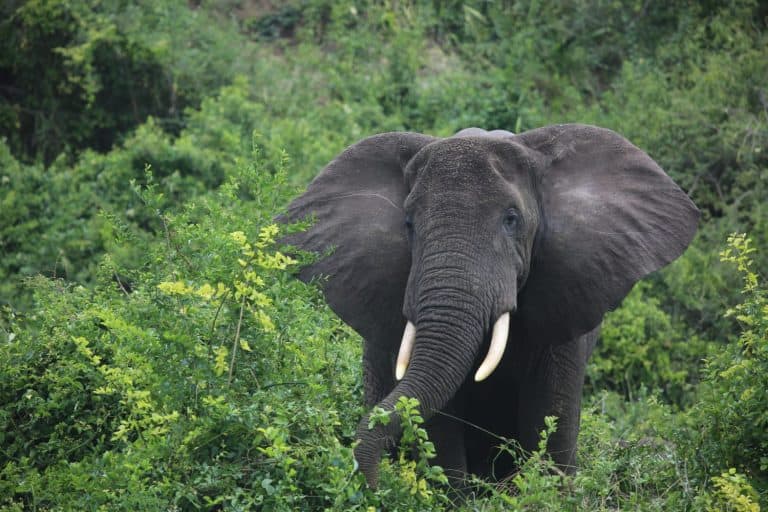
The rainforest's master gardener
Built to dig. Born to endure.
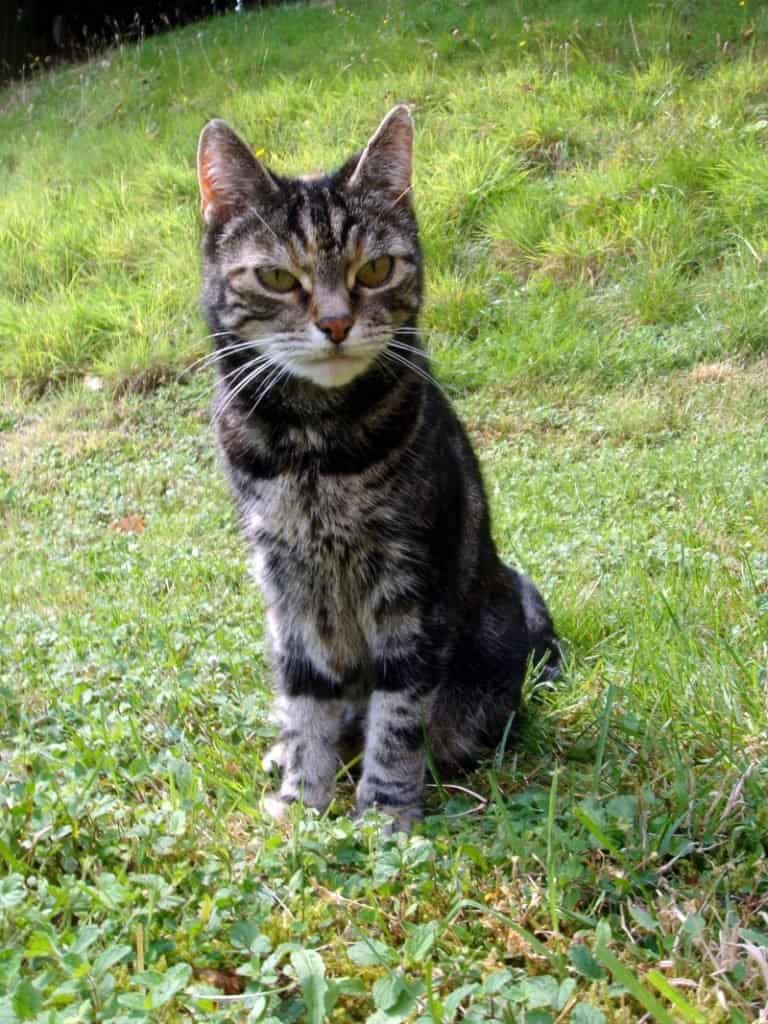
Small hunter, big household legend
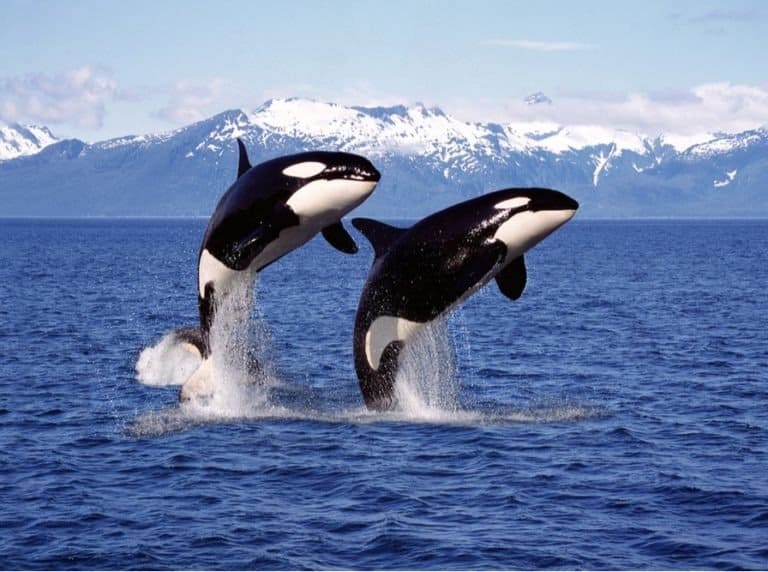
One species, many ecotypes.
Not cavemen-Ice Age people
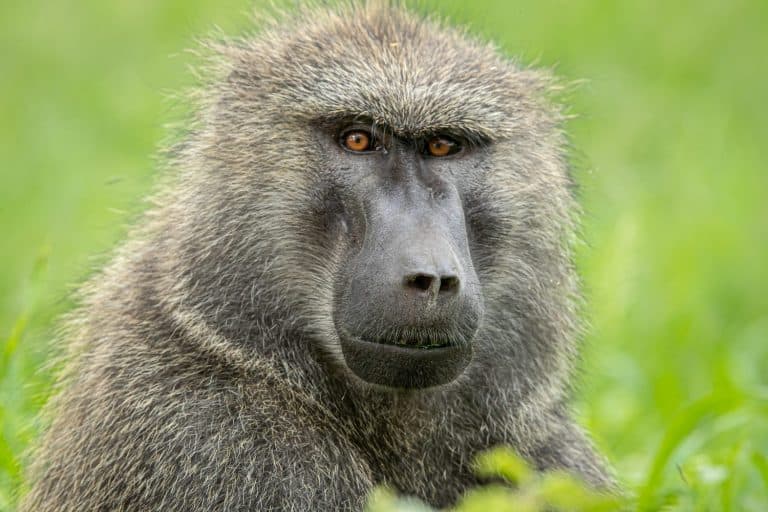
Big brains, bold troops, wild Africa
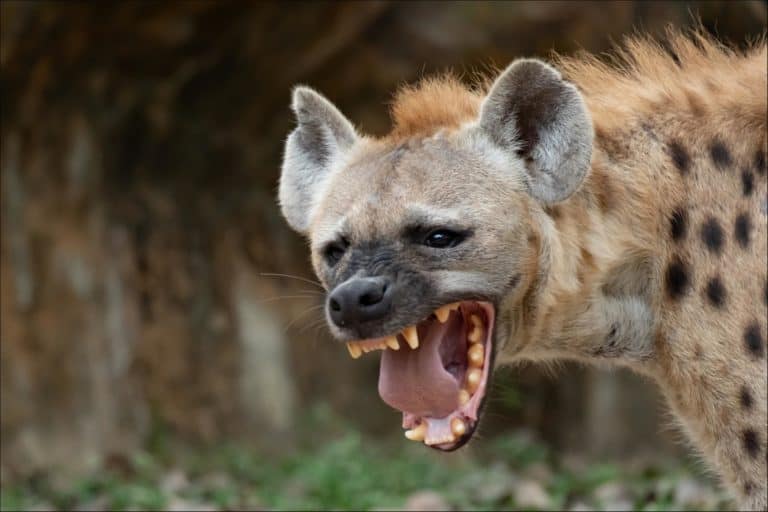
Bone-crushers, termite-lappers, ecosystem keepers
Small hunters, big attitudes
The culture-building biped
Nature's carpenters and forest drummers
From treetops to tunnels-Sciuridae!
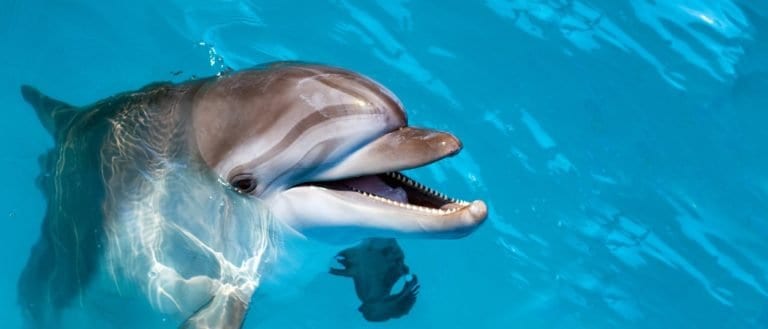
Pods, clicks, and ocean smarts.
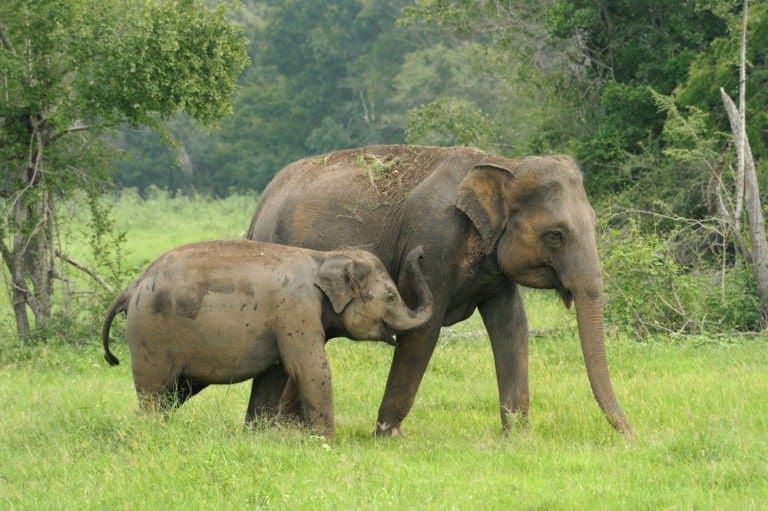
Sri Lanka's great gentle engineer
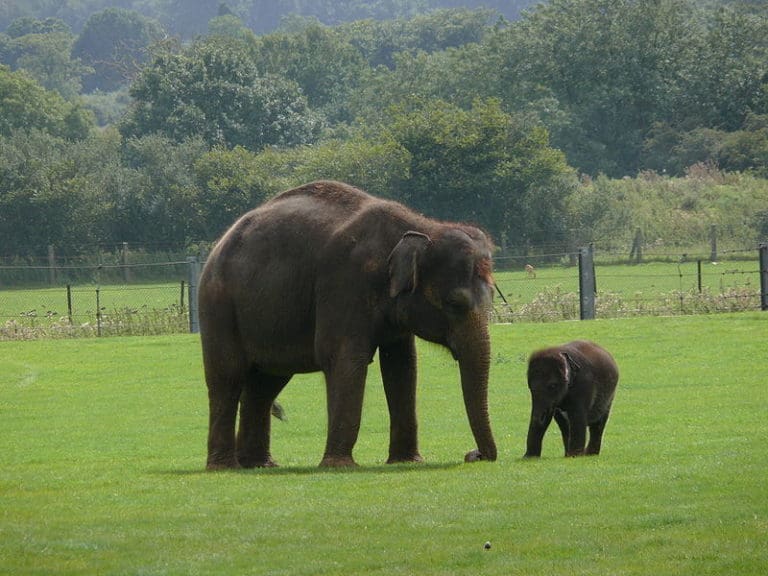
One trunk-many forests sustained
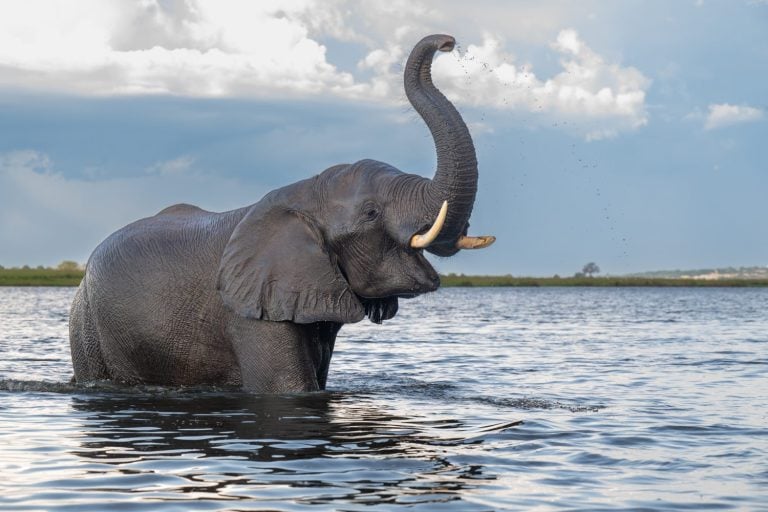
Big ears, big impact.
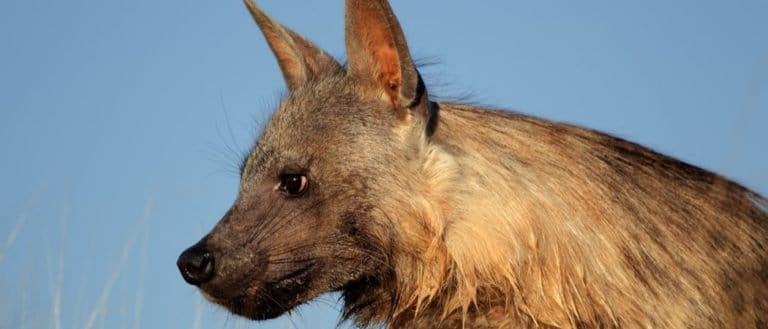
Shaggy scavenger of the Kalahari
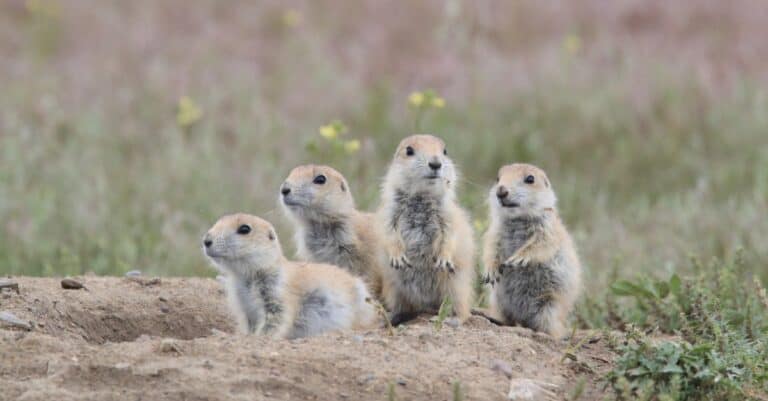
Builders of the grassland underground
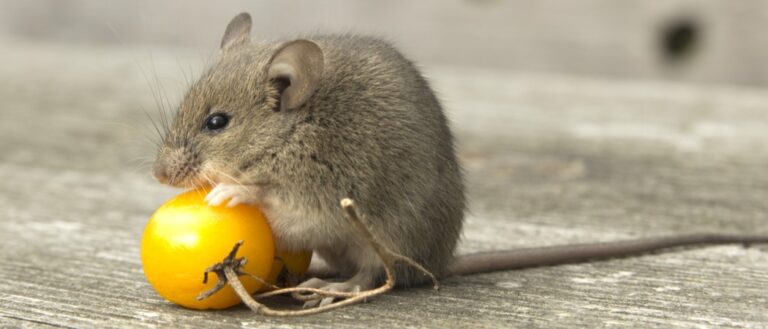
Born to gnaw, built to adapt
Tailless thinkers of the treetops
Not a hyena-just built like one.
Burrow smart. Whistle loud. Survive.
Big ears, bigger impact.
Thank you for reading! Have some feedback for us?
We appreciate your help in improving our content.
Our editorial team will review your suggestions and make any necessary updates.
There was an error submitting your feedback. Please try again.