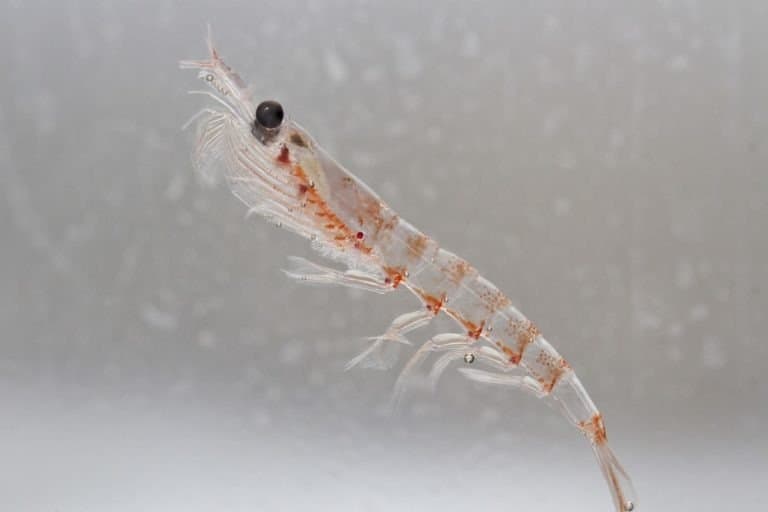
Krill
Tiny swarms, giant ocean impact

Tiny swarms, giant ocean impact
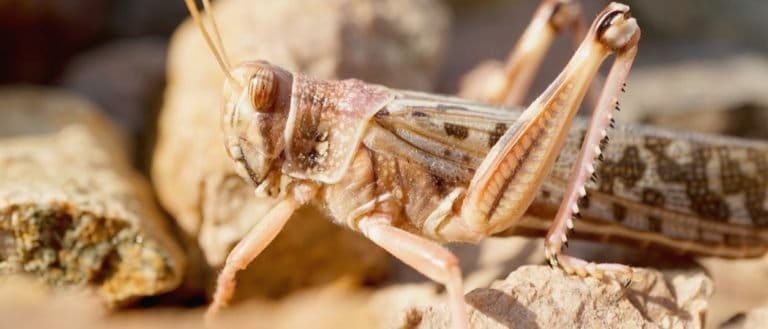
When rains fall, deserts can swarm.
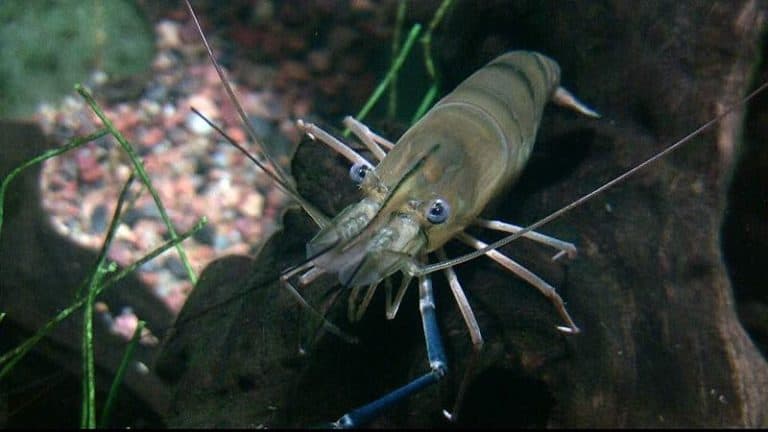
From reef cleaners to river giants
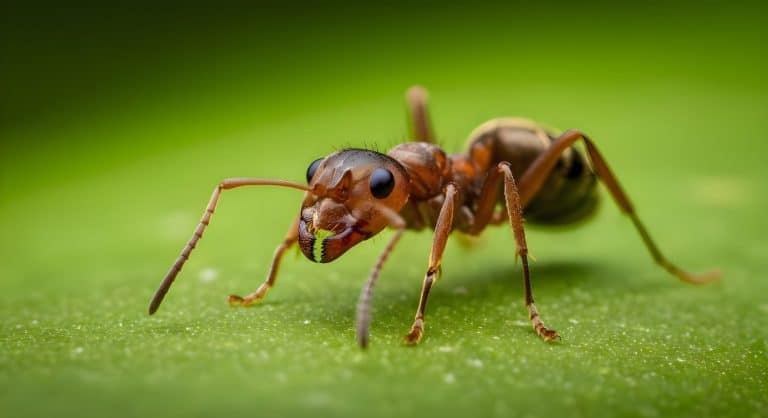
Small bodies, superorganism power
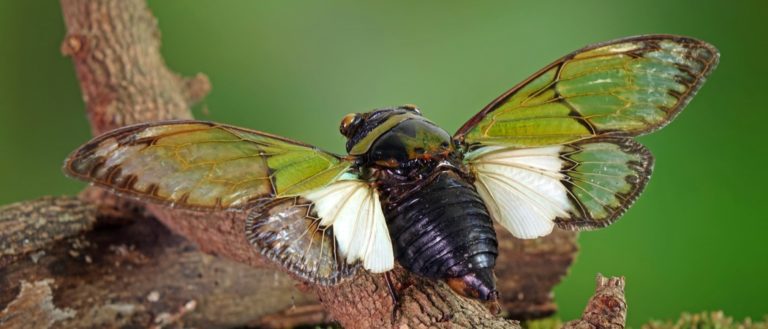
Years belowground, weeks in the spotlight
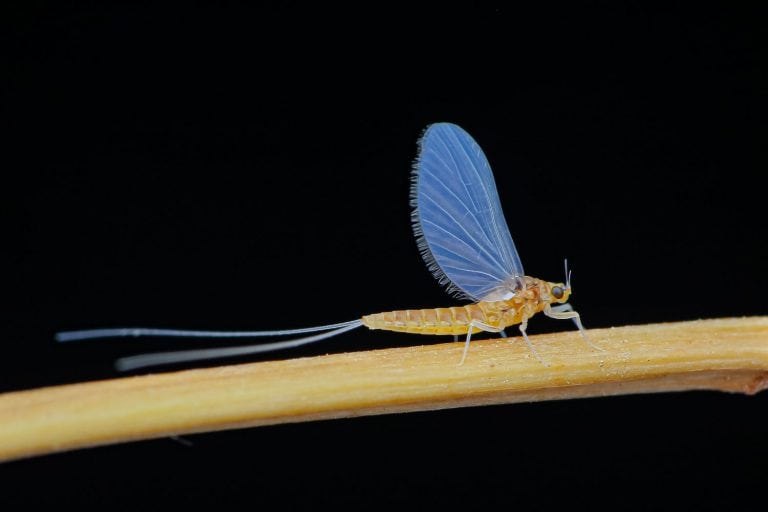
Born in water, gone in a day
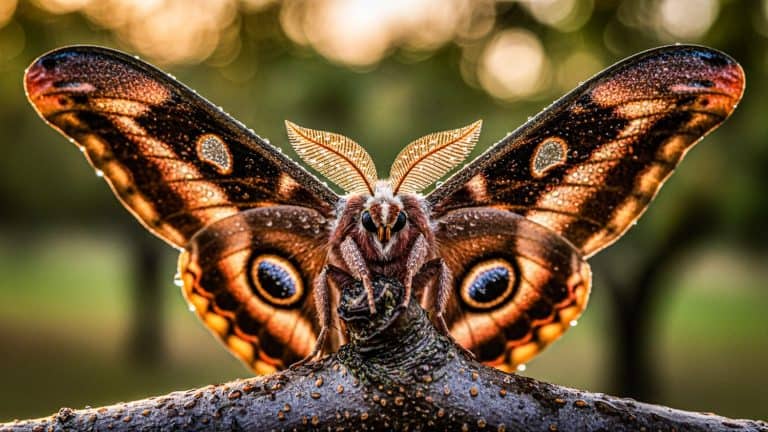
More than night flyers
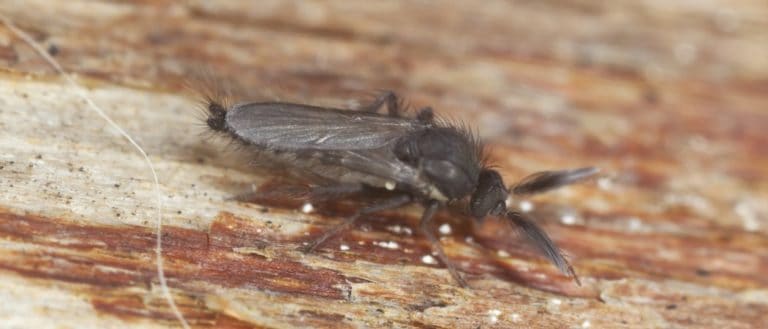
Tiny fly, mighty bite.
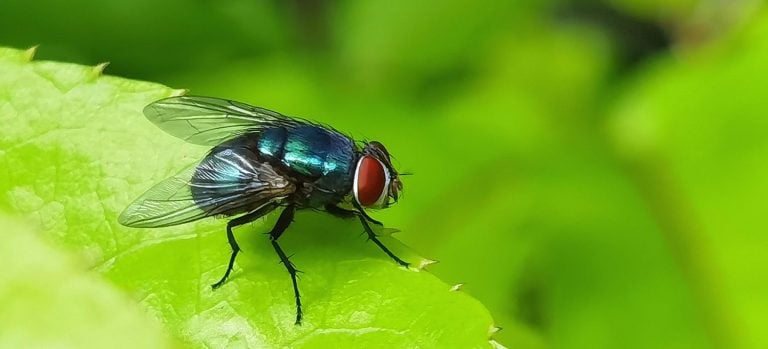
One wing pair. Endless roles.
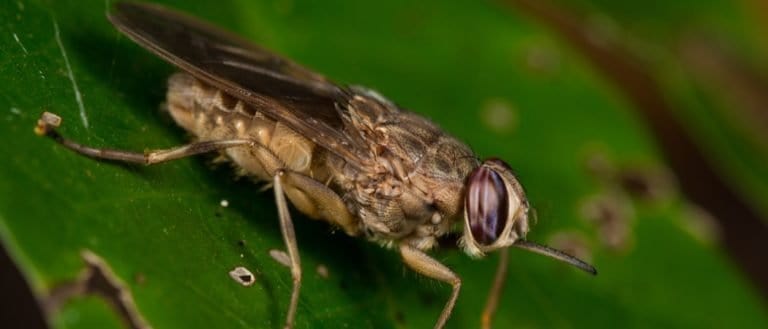
The fly that gives birth, not eggs
A swarm is a high-density aggregation of many individuals-typically conspecific animals-whose movement and spatial organization are maintained by local interactions among individuals and environmental cues. Swarms are often transient and mobile, forming as an emergent collective phenomenon during dispersal, migration, reproduction, or resource exploitation.
A swarm is a large group of animals that gather close together, often while moving. Simple behaviors by each animal—like moving toward or away from others, matching direction, and reacting to light, smell, wind, or land features—create group patterns. Swarms are common in insects (locusts, mosquitoes, bees, midges) but also occur in krill and some fish. A swarm is not just a crowd; it is kept together by feedback among animals and the environment. Swarms help animals find mates, move or spread, feed on temporary resources, and avoid predators. In bees, swarming can be how a colony splits to find a new nest. Studying swarms helps us learn about group movement and problems like crop damage or disease spread.
Swarms usually have no ranked leaders; order comes from simple local rules. In many insects (locusts, midges) coordination is decentralized. In eusocial swarms (honeybees) a reproductive may be present, but workers drive movement and site choice via tasks and pheromones.
Present in many eusocial insect swarms; primary egg-layer once a new site/nest is established, but not necessarily a 'leader' of movement.
The bulk of the swarm; contribute to movement, clustering, resource exploitation, and collective dynamics via local interactions.
Individuals that sample the environment for resources or suitable nesting sites and relay information (often via pheromones or recruitment behaviors).
Amplify and spread cues (pheromones, vibration, dance-like recruitment) that bias group movement or aggregation.
Individuals that deter predators or protect the reproductive individual or core cluster, more common in eusocial contexts.
Individuals at the leading edge whose movement tendencies and responses to stimuli disproportionately shape swarm direction (emergent, not a fixed rank).
Eggs/larvae/pupae may be present in some species during relocation events; passive members carried or protected by others.
Swarms form when many animals gather from shared cues (pheromones, visual signals, temperature, humidity, wind) or triggers like mating, migration, emergence, or a sudden food boom. Simple local rules—following, aligning, attraction and repulsion—turn crowding into a moving or hovering mass. Leadership is shared and comes from neighbor-to-neighbor actions.
Dense contact rates and frequent physical interactions increase transmission of pathogens and parasites; shared substrates (feeding sites, roosting/cluster surfaces) enable contamination; rapid movement and mixing can spread infections quickly across the aggregation, potentially causing sudden, large-scale morbidity or mortality and reducing overall swarm performance.
Large moving masses, sound/vibration, and concentrated odors make swarms easier for predators to detect and track; the aggregation can draw predators from a distance and sustain them locally, increasing encounter rates and the risk of repeated attacks.
Found across: Insects (especially Orthoptera/locusts, Diptera/mosquitoes, Hymenoptera/bees & ants), Other arthropods (some crustaceans; e.g., krill-like mass aggregations), Fish (schooling can take on swarm-like dynamics), Birds (large flocking/murmurations), Marine invertebrates (jellyfish blooms, polychaete spawning swarms, urchin aggregations)
Some swarms behave like a single "super-organism," where no individual has the full plan-coordinated patterns emerge from simple local rules (follow neighbors, avoid collisions, match speed).
Locust swarms can create their own "weather": huge numbers of beating wings and dense bodies can generate turbulence and heat, affecting airflow inside the swarm.
Honeybee swarms make group-level decisions by "voting" with waggle dances-scouts advertise nest sites, support builds, and a quorum triggers a collective departure.
Many swarms use invisible information highways: pheromone trails, vibrations, or even electric fields (e.g., bees carry electric charge that can influence interactions) to coordinate movement.
A swarm can rapidly switch from orderly motion to chaotic dispersal when predation risk rises-like a fluid changing phase-without any central controller.
Traffic flow: like cars on a highway, swarm movement shows stop-and-go waves and jams that arise from local interactions, not a "leader" telling everyone when to brake.
Distributed governance: similar to crowdsourcing or decentralized committees, swarm decisions often come from many small inputs and threshold rules (quorums) rather than top-down command.
Supply chains: ant and termite foraging networks resemble logistics systems-efficient routing emerges through reinforcement (more "traffic" strengthens the best path).
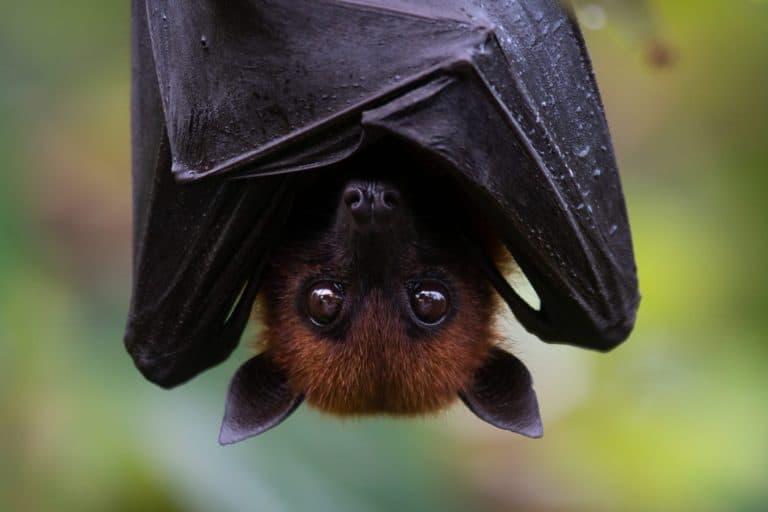
Night pilots of the mammal world
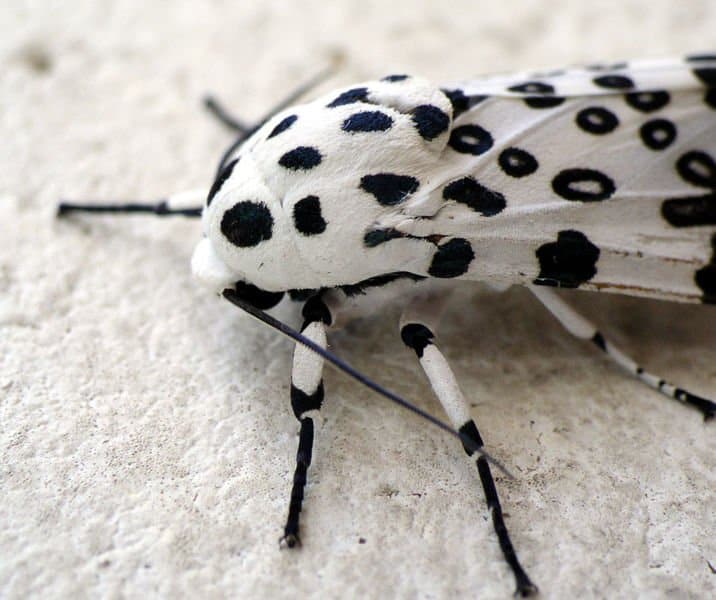
Six legs, endless lives.

Sting-powered drifters of the sea
More than night flyers
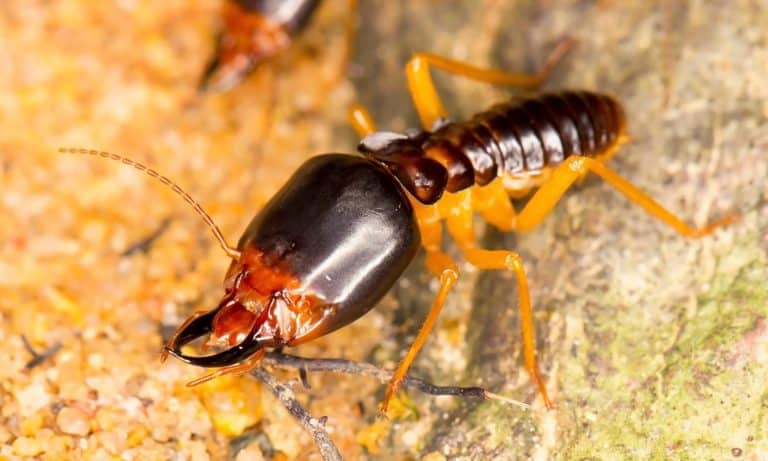
Nature's master recyclers (and builders)
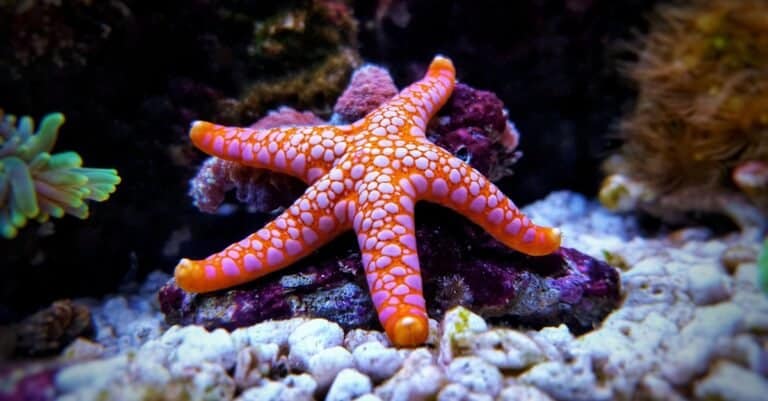
Hydraulic feet, star-shaped predators
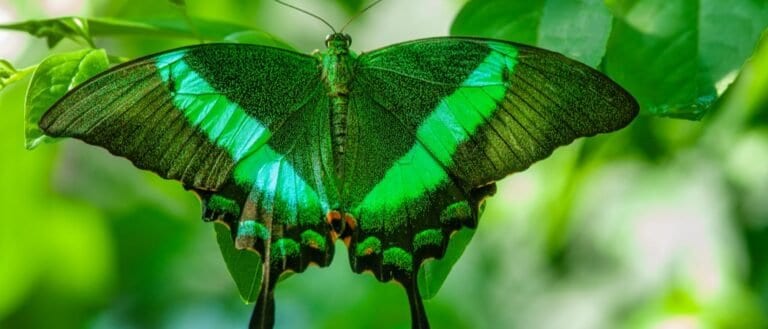
Scaled wings, big transformations.
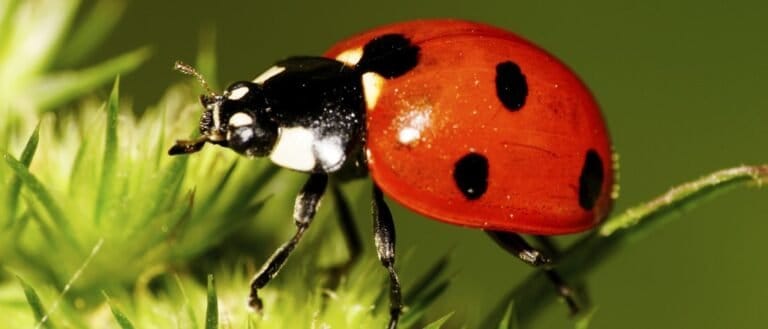
Spotted guardians of gardens
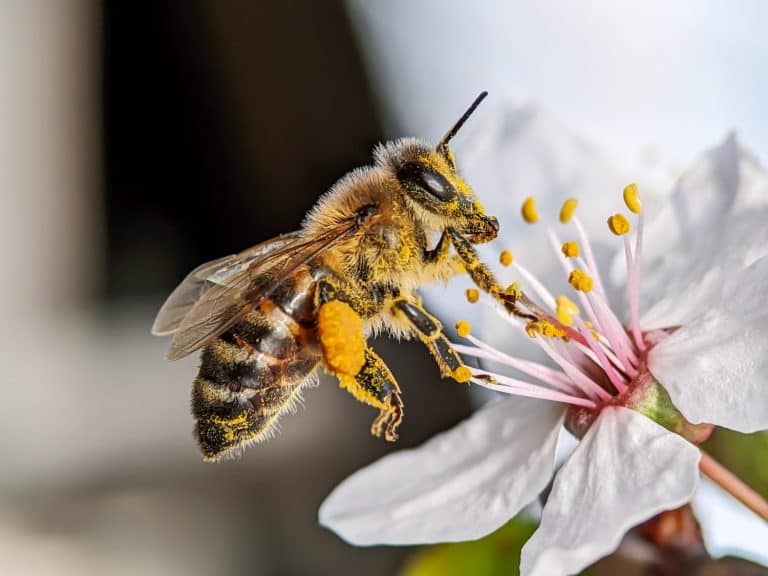
One genus, many hives-planetwide pollinators
Small bodies, superorganism power
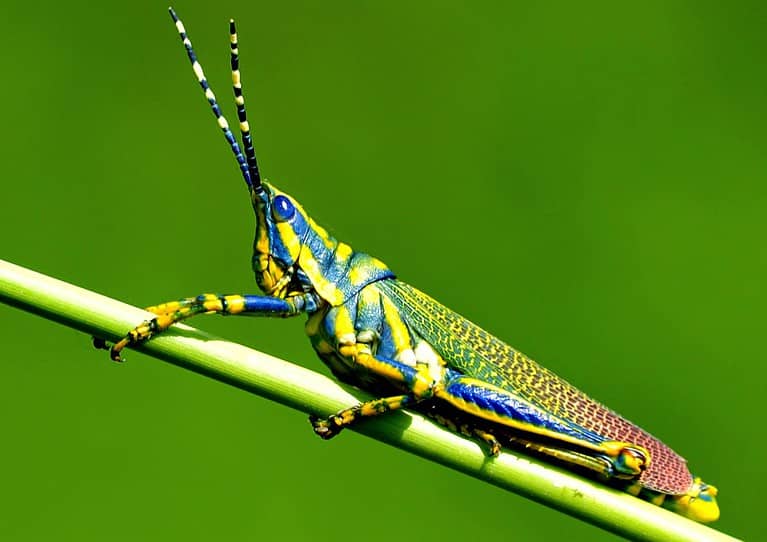
Jump, chirp, and shape ecosystems
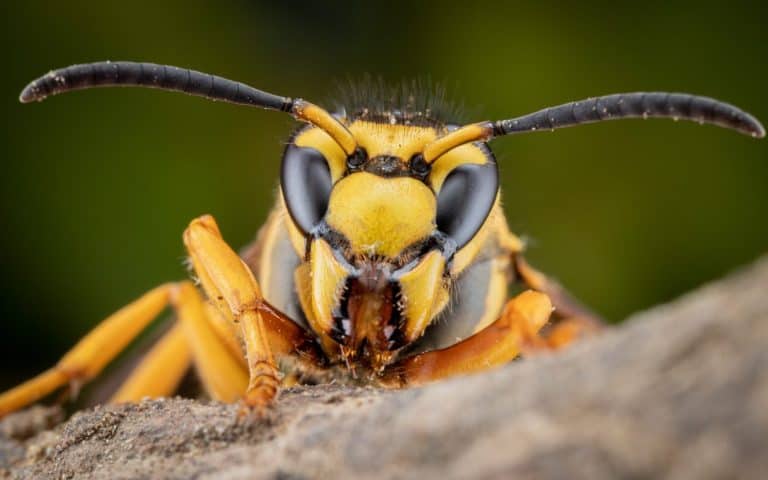
Small hunters, huge ecological impact
One wing pair. Endless roles.
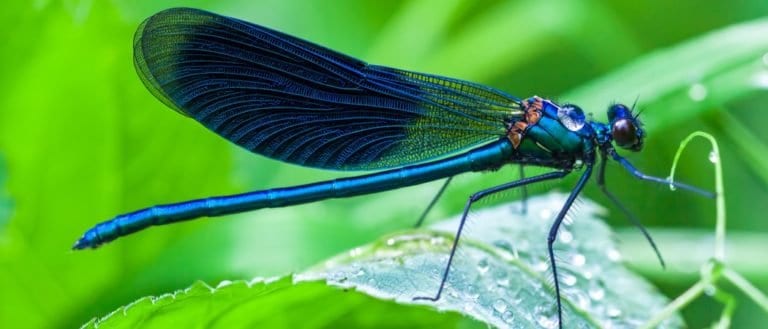
Born in water, ruler of the air

Larval lanterns of the night
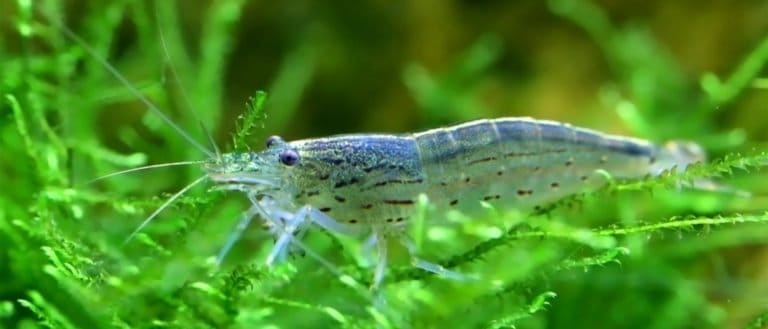
Small crustaceans, big ocean jobs
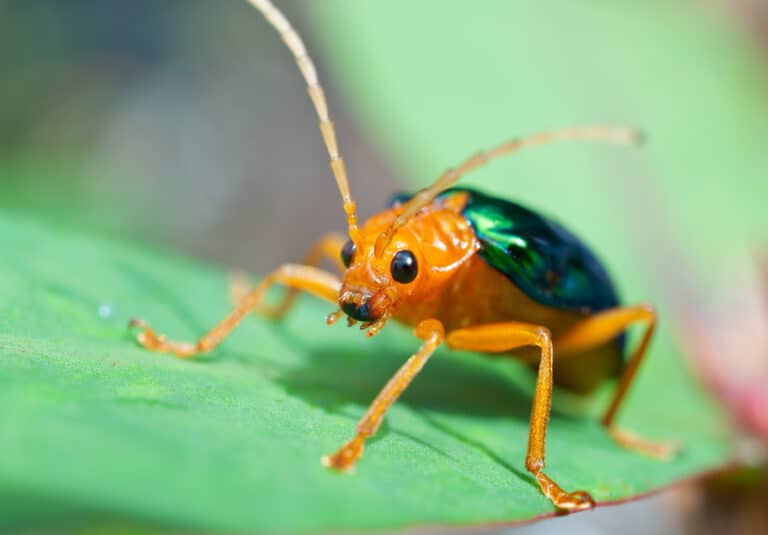
Elytra on, world conquered.
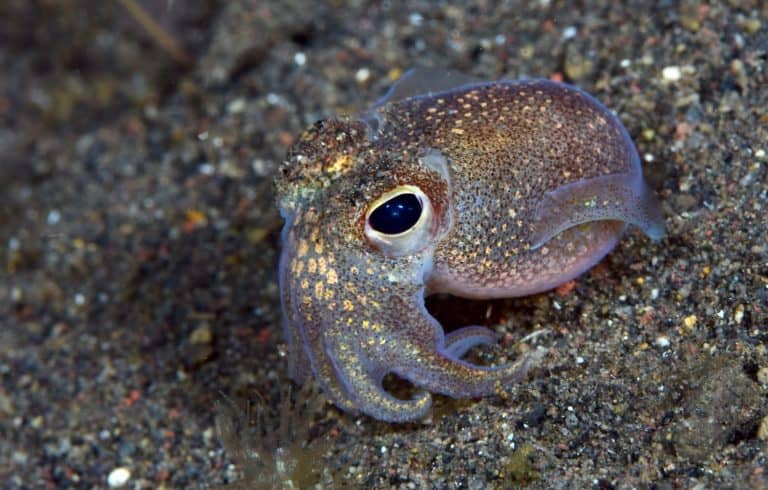
Ten-limbed sprinters of the sea
From reef cleaners to river giants
Born in water, gone in a day
Tiny swarms, giant ocean impact
When rains fall, deserts can swarm.
Years belowground, weeks in the spotlight
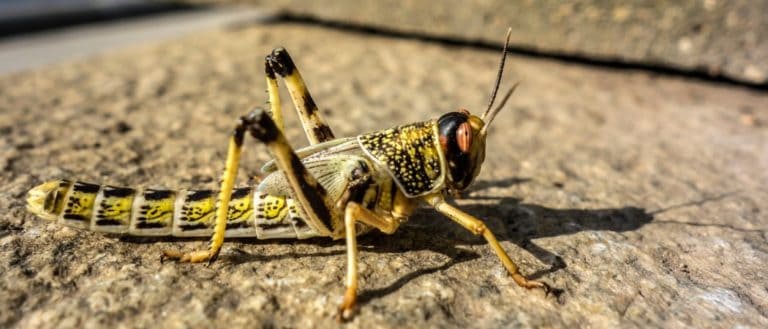
Small hoppers, huge impact
Thank you for reading! Have some feedback for us?
We appreciate your help in improving our content.
Our editorial team will review your suggestions and make any necessary updates.
There was an error submitting your feedback. Please try again.