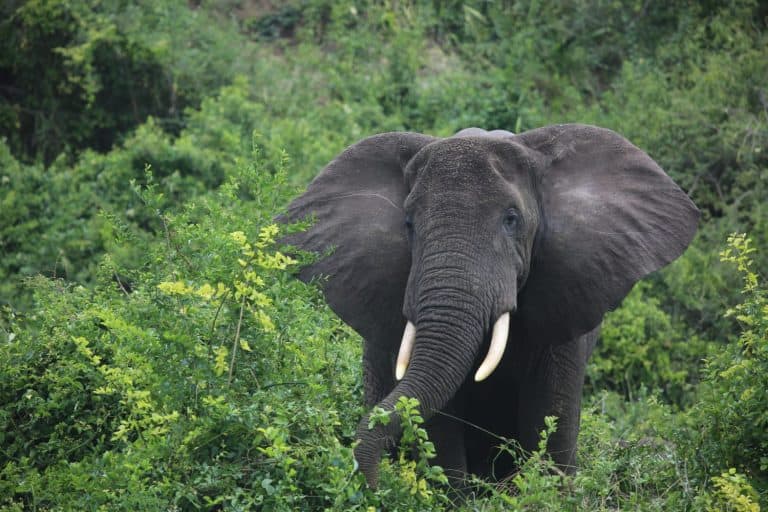
African Forest Elephant
The rainforest's master gardener

The rainforest's master gardener
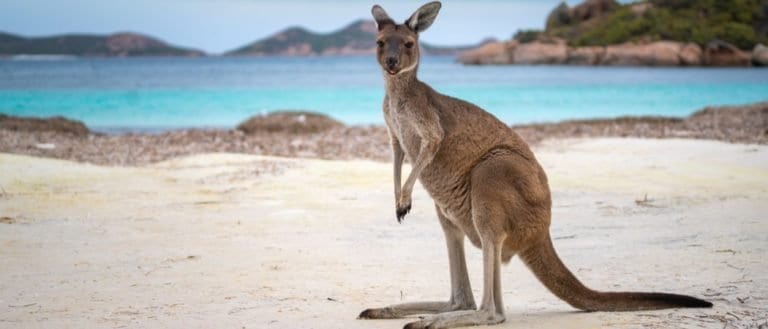
Big hops, big pouches, big variety
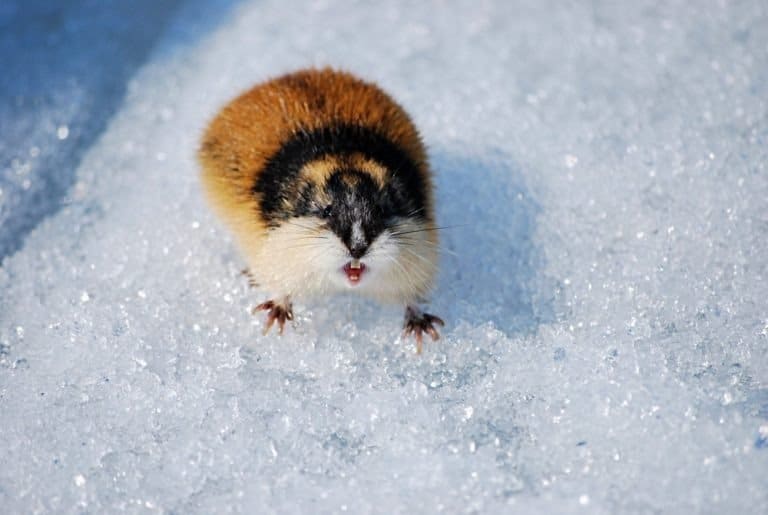
Small rodents, huge tundra impact
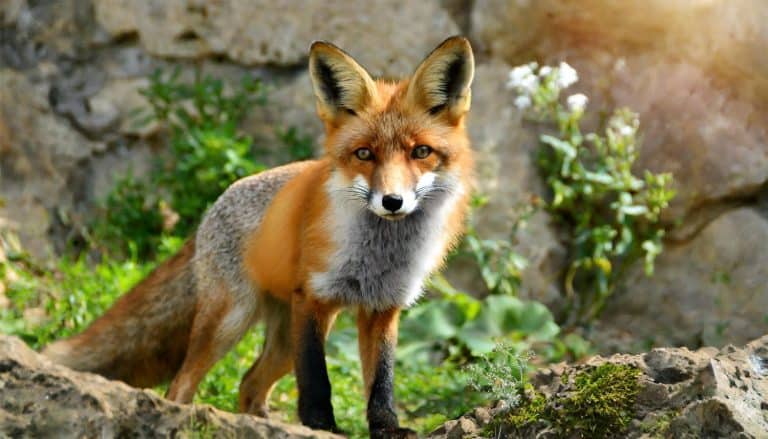
From dunes to tundra-fox smart.
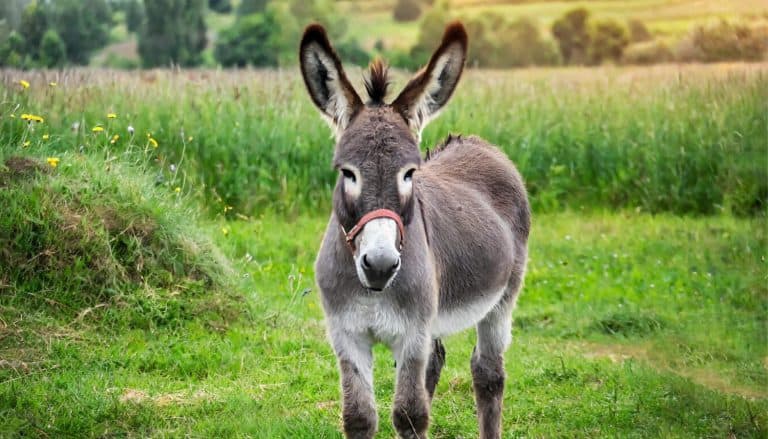
Sure-footed partner of people
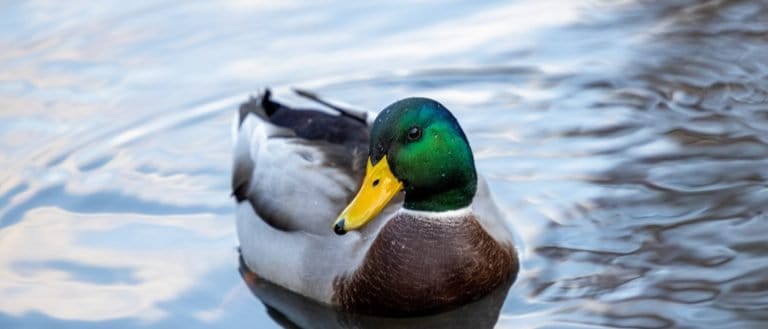
Webbed feet, world travelers.
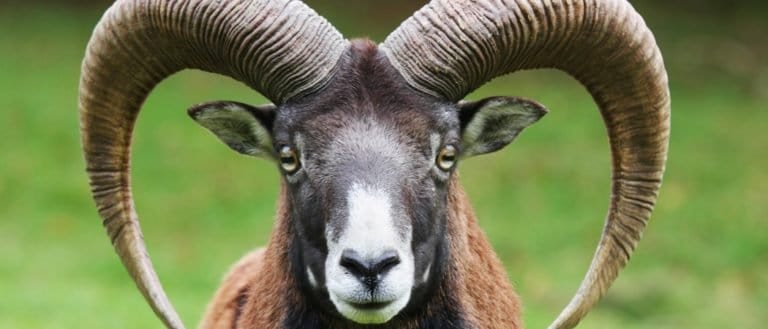
Sure-footed masters of rock and range
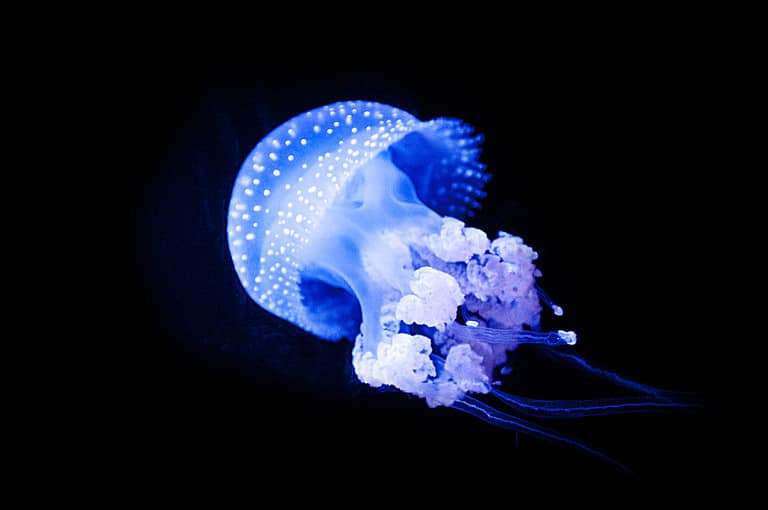
Sting-powered drifters of the sea
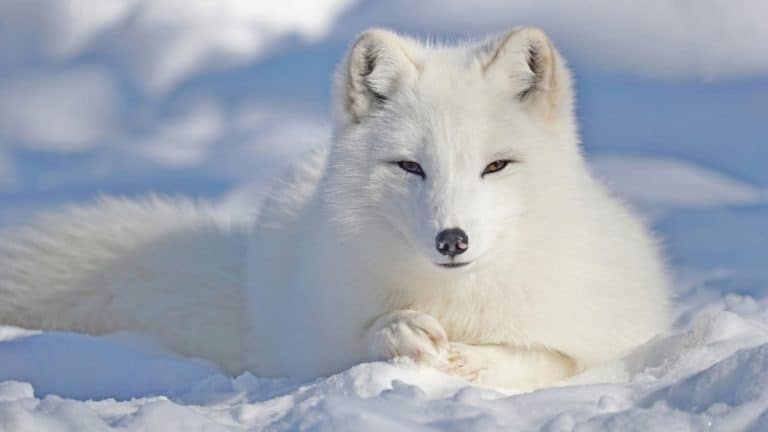
Built for blizzards, born for tundra
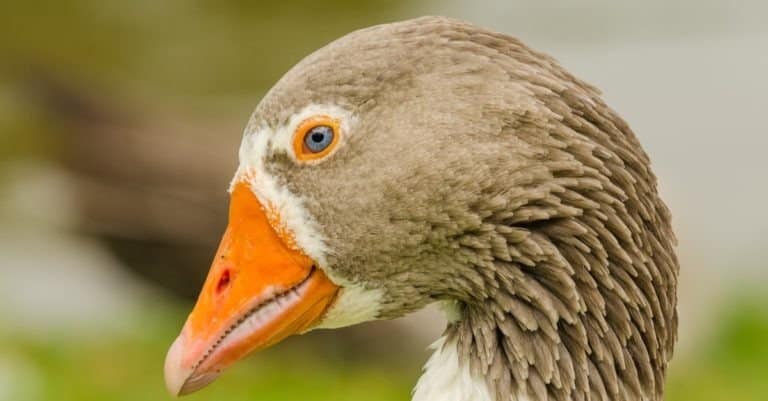
Webbed feet, sky roads, wetland lives
A mixed-species group is a social aggregation in which individuals from two or more different species associate in close spatial and temporal coordination more often than expected by chance. Such associations persist for minutes to seasons and are maintained because participating species gain net fitness benefits (e.g., reduced predation risk, improved foraging success) relative to being solitary or in single-species groups.
Mixed-species groups occur in many animals—birds (mixed foraging flocks), mammals (polyspecific troops), reef fishes, and primates. They may form briefly at food or during travel, or be more stable with repeat members. Groups form when benefits (watching for danger, sharing information, flushing prey, safety in numbers) outweigh costs (competition, disease risk, greater notice by predators, interference). Functional complementarity means species add different senses, feeding methods, or use of microhabitats. Many systems have “nuclear” or leader species that keep the group, plus more fluid attendant species. Listening to other species’ alarm calls (heterospecific eavesdropping) helps. Habitat, seasons, life stages, and human disturbance change group frequency and composition. These groups affect encounters, competition, disease spread, and habitat use.
Mixed-species groups have no single cross-species rank. Each species keeps its own rank. Interactions depend on task (foraging, watching, moving) and which species gives key help; leaders shift with habitat, threat, and resources.
Species or individuals that remain in the mixed group most consistently and often define its typical range, travel routes, or daily rhythm.
Less consistent participants that join opportunistically when benefits are high, often tracking core species movements or alarm activity.
Individuals/species that tend to move at the front, flush prey, or probe habitat first; often early detectors of food patches or threats.
Individuals/species that spend disproportionate time scanning, perching high, or maintaining wide sensory coverage; primary contributors of alarm calls/signals.
Members that rapidly propagate or interpret other species' alarm/foraging cues (e.g., highly responsive callers or attentive followers), improving group-wide coordination.
Members whose feeding behavior creates access for others (e.g., prey flushing, substrate disturbance, carcass opening, fruit locating), indirectly provisioning associates.
Members that mob predators, harass competitors, or deter attacks via size, aggression, or chemical defenses, increasing group safety.
Members that repeatedly use and thus 'set' travel corridors or stopover sites; others align movement with these predictable paths.
Individuals that initiate association by approaching other species, responding to calls, or leading short-term mergers between subgroups.
Members that occupy edges or rear positions, maintaining coverage against ambush and often being first to detect lateral threats.
Mixed-species groups form when different species overlap in space and time and gain benefits like shared watching, safety in numbers, better food access, or prey flushed by disturbance. They often start around a "nuclear" (social/noisy) species that others join as "attendants." Triggers such as high predation risk, migration, or habitat bottlenecks make encounters likely. Groups can be structured or loose.
Higher cross-species pathogen and parasite exposure due to close proximity, shared resting/roosting sites, and contact with contaminated substrates; novel pathogens can spill over between species with limited prior immunity, increasing outbreak risk and potentially amplifying vector-borne transmission when groups aggregate densely.
Mixed-species aggregations can be more detectable (more movement, noise, and scent; larger visual profile), attracting predators and increasing encounter rates-especially if one member species is particularly loud, brightly colored, or prone to alarm calling that reveals group location.
Found across: Birds (especially passerines forming mixed-species foraging flocks; also seabird associations), Mammals (ungulate grazing assemblages; primate-ungulate associations; cooperative hunting partnerships), Fishes (reef communities at cleaning stations; pelagic predator associations around prey schools), Insects and other arthropods (mutualisms such as ants with aphids/scale insects; multi-species aggregations on host plants), Marine invertebrates and reef systems (cleaner-client networks involving multiple fish species; occasional fish-invertebrate cleaning partnerships)
Some mixed-species groups have "leaders" without being the biggest animals: a particularly vigilant species (or even just a few bold individuals) can set the travel direction and alarm tempo for everyone else.
They can function like an information network: one species' alarm call, flight response, or feeding excitement is effectively "broadcast" to multiple other species that have learned to interpret it.
Mixed-species groups often form around a "nuclear" species that others track closely-because it's noisy while foraging, reliably spots predators, or simply moves through the habitat in a predictable way.
Not all members contribute equally: some species are mostly "users" (benefiting from vigilance or flushing prey) while contributing little back-creating a spectrum from mutualism to mild freeloading.
These groups can reduce the need for constant scanning: when many species share vigilance, individuals can spend more time feeding, which can measurably change daily time budgets in the wild.
Like a human neighborhood watch plus a farmers' market: different "professions" (species) gather because more eyes and shared information make everyone safer and more efficient.
Comparable to a multilingual crowd responding to the same siren: species don't need identical signals-just enough shared understanding of cues (calls, movement, posture) to coordinate.
Similar to coalition politics: partnerships can be stable when interests align (shared predators, shared routes), but membership can reshuffle quickly when conditions change.
The rainforest's master gardener
Built for blizzards, born for tundra
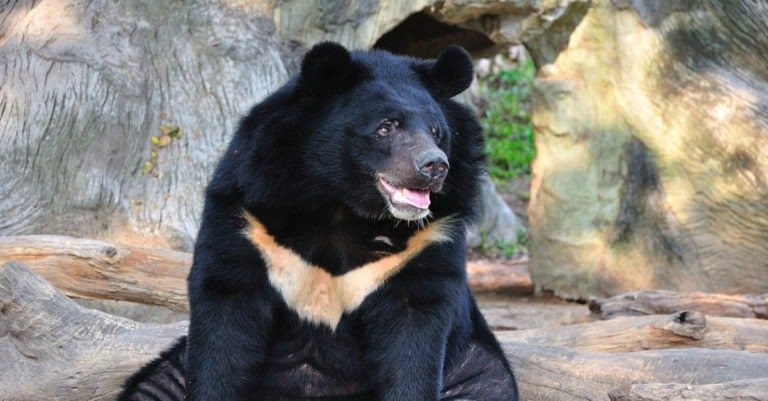
Moon-marked climber of Asian forests
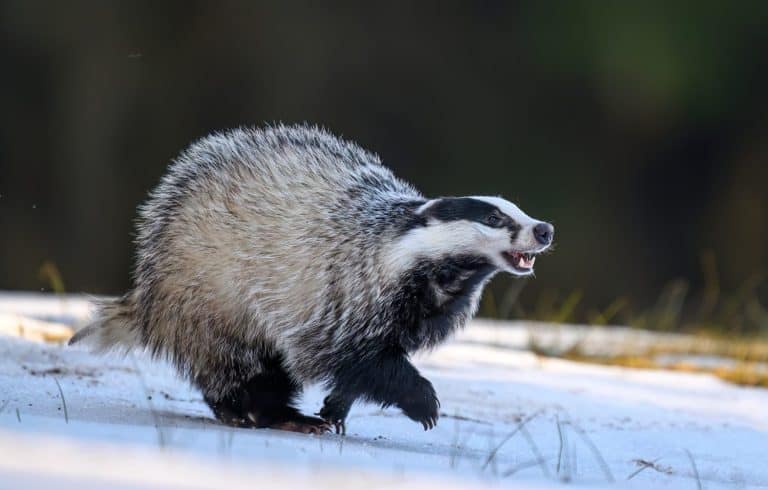
Built to dig. Born to endure.
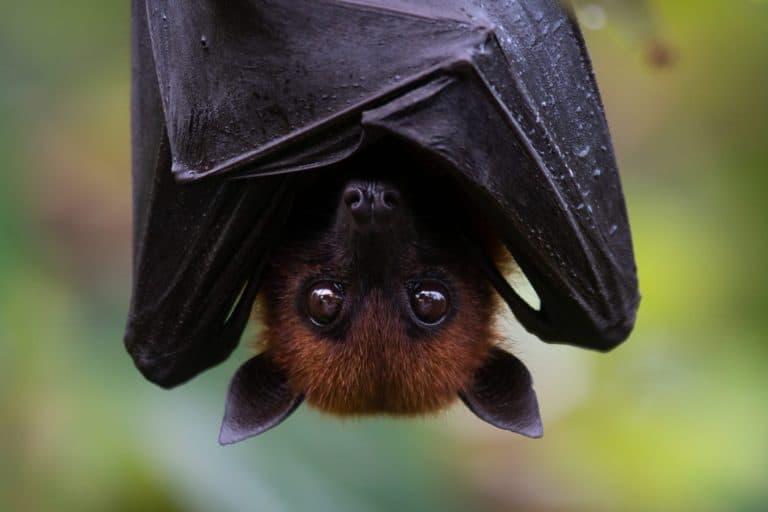
Night pilots of the mammal world

Humps of fat, miles of grit
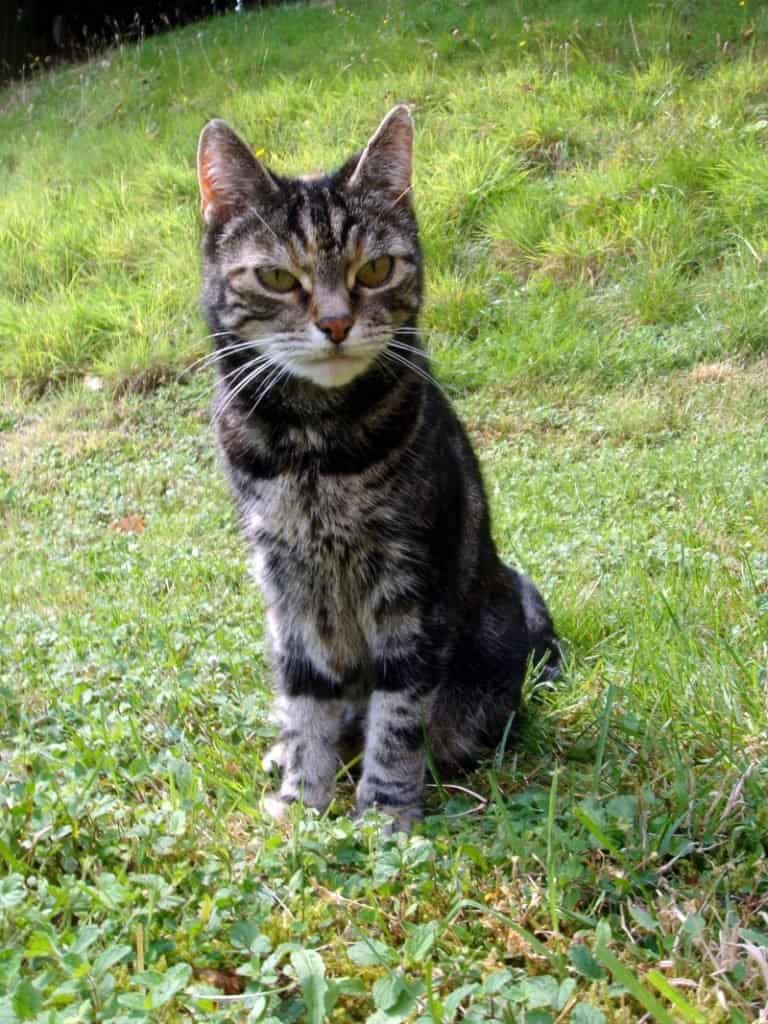
Small hunter, big household legend
Sure-footed partner of people
Webbed feet, world travelers.
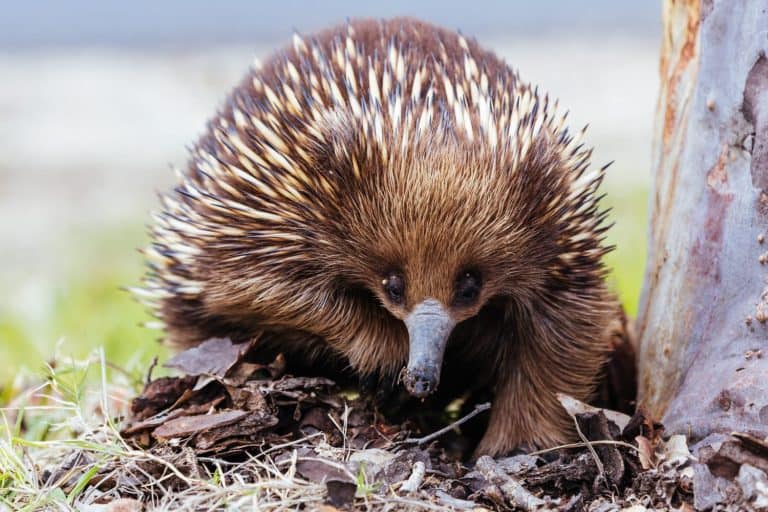
Spines, eggs, and ant-eating mastery
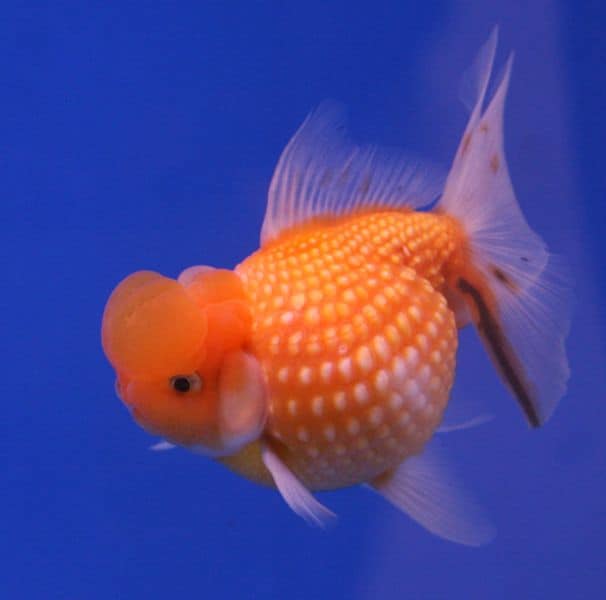
Bony rays, endless ways.
From dunes to tundra-fox smart.
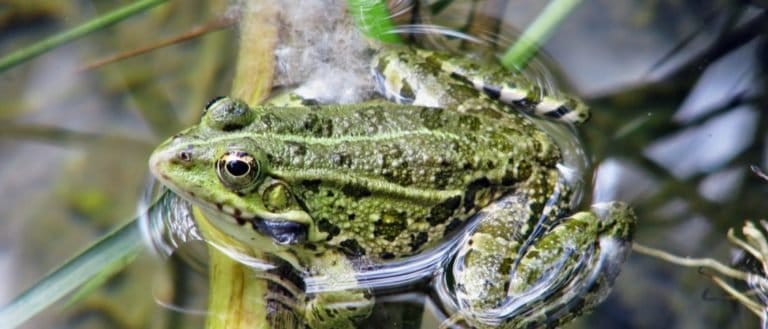
Tailless jumpers, masters of change
Webbed feet, sky roads, wetland lives
Sure-footed masters of rock and range
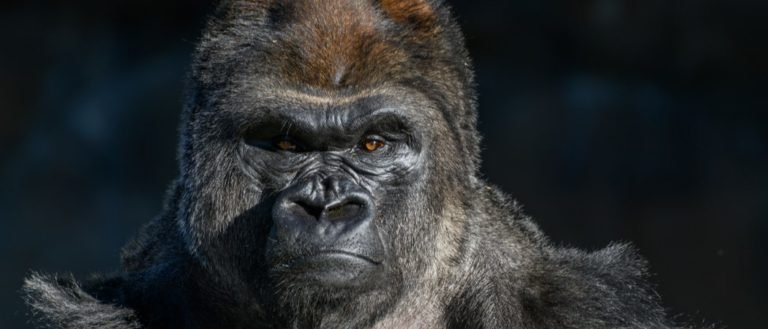
Gentle giants of the African forests
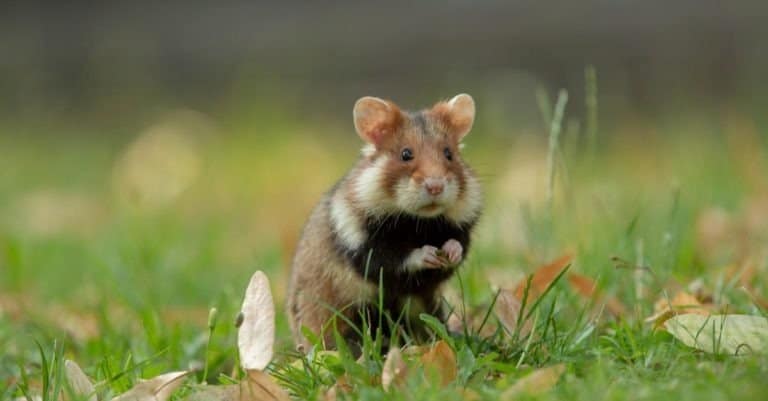
Pouches, burrows, and big impacts
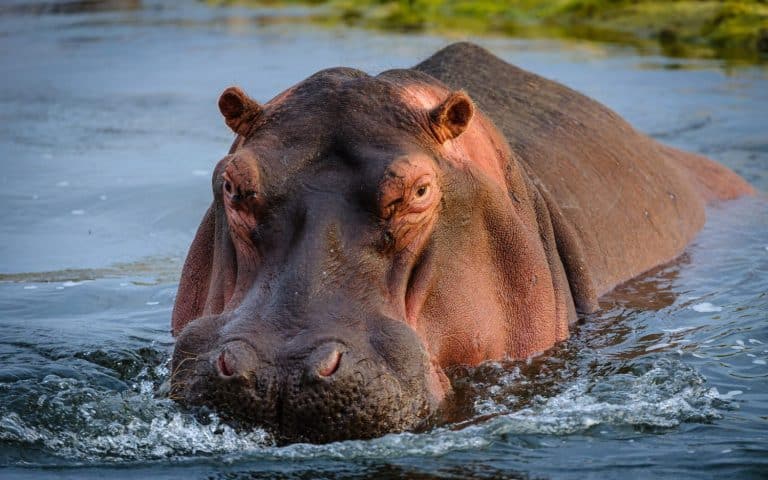
Big river grazer, bigger attitude
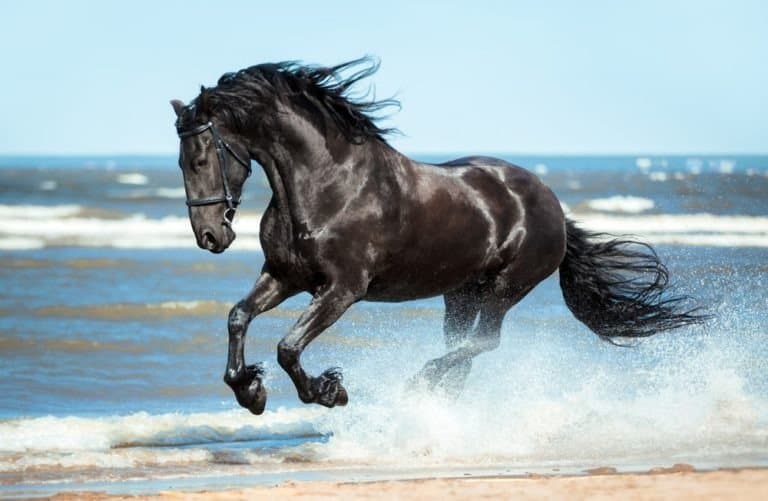
One hoofbeat, a thousand histories
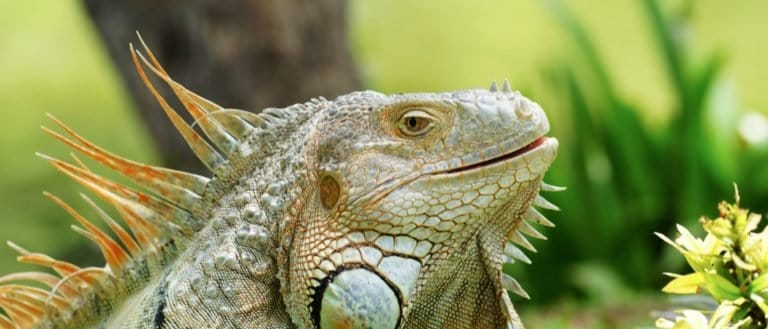
Sun-powered lizards of the Americas
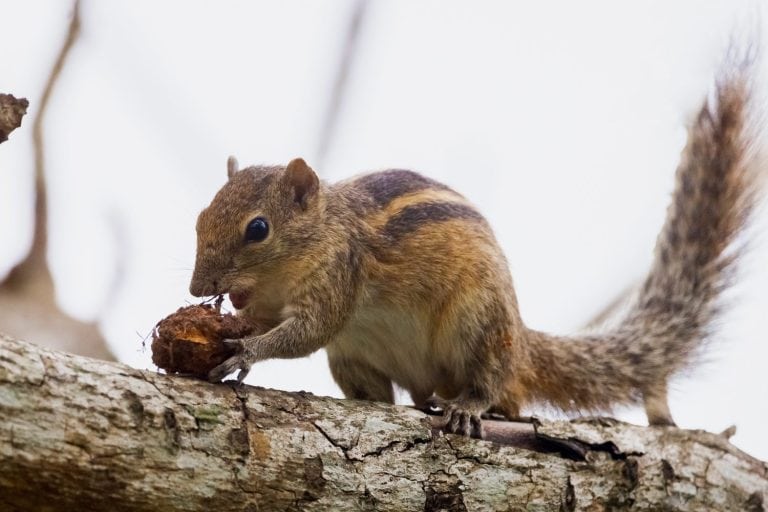
Three stripes. Big city attitude.
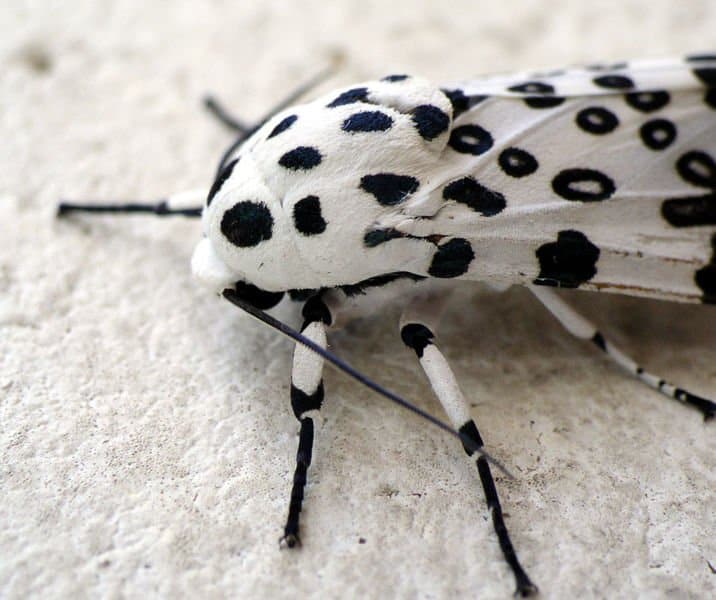
Six legs, endless lives.
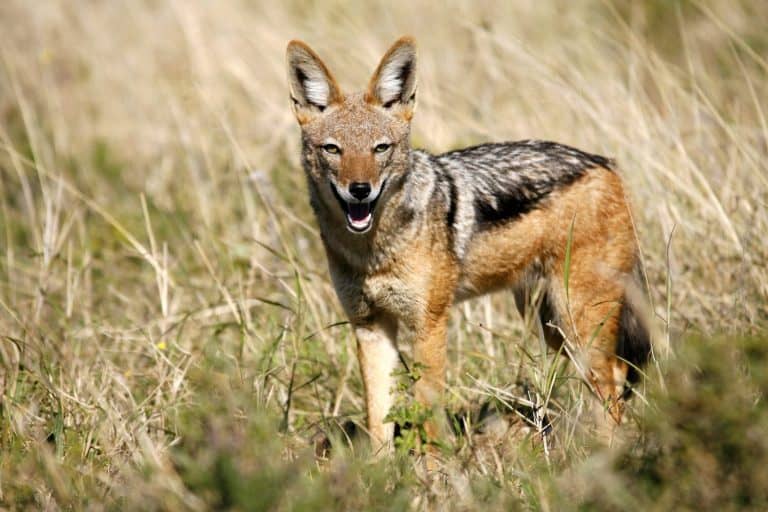
Small canids, big survival skills
Sting-powered drifters of the sea
Thank you for reading! Have some feedback for us?
We appreciate your help in improving our content.
Our editorial team will review your suggestions and make any necessary updates.
There was an error submitting your feedback. Please try again.