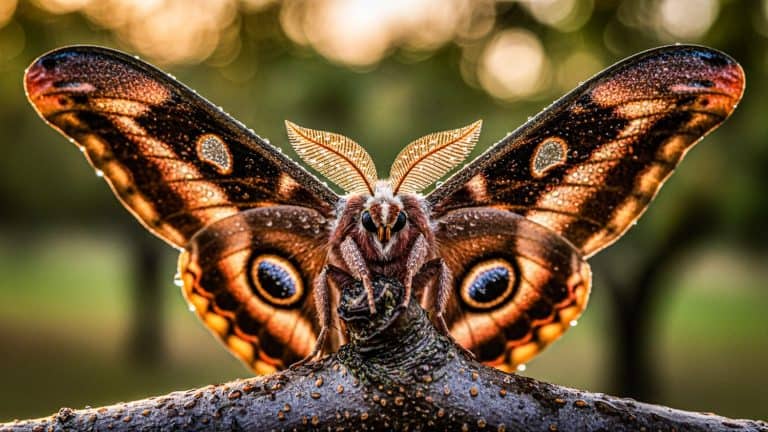
Moth
More than night flyers

More than night flyers
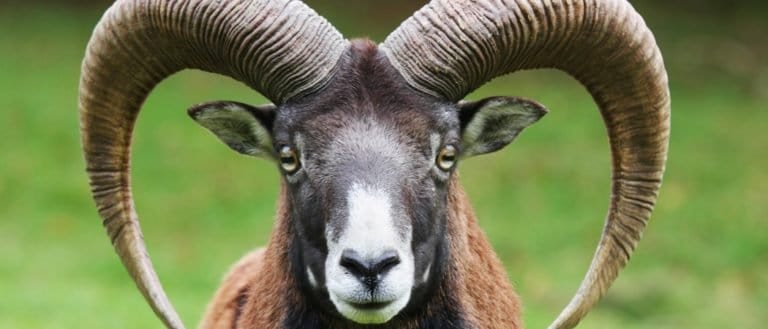
Sure-footed masters of rock and range
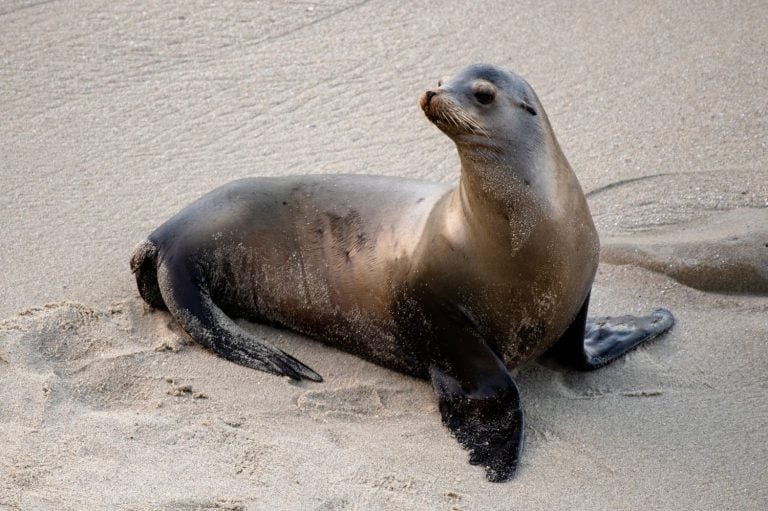
Ear flaps, flippers, and fierce colonies

Big hops, big pouches, big variety
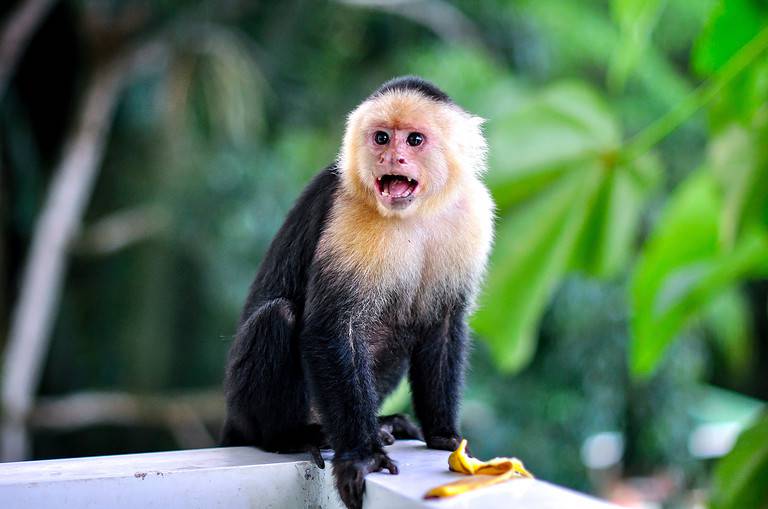
Hands, minds, and social lives
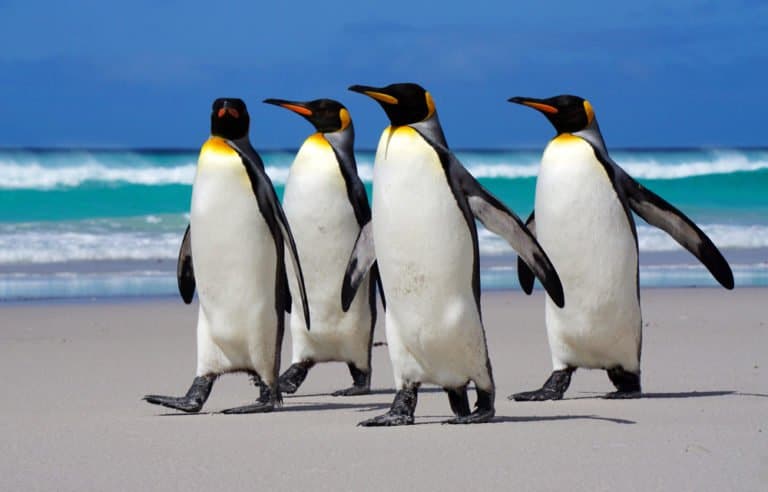
Born to dive, dressed to endure
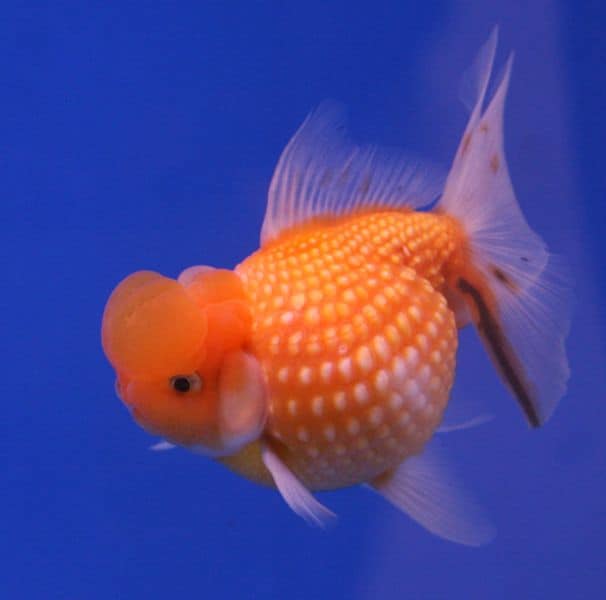
Bony rays, endless ways.
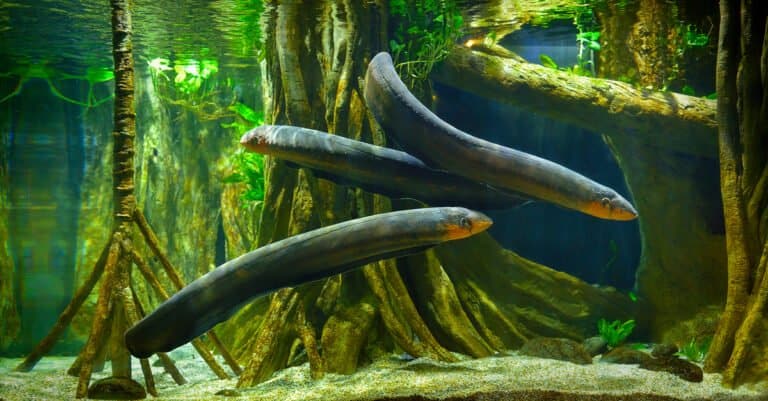
Lightning hunter of the Amazon
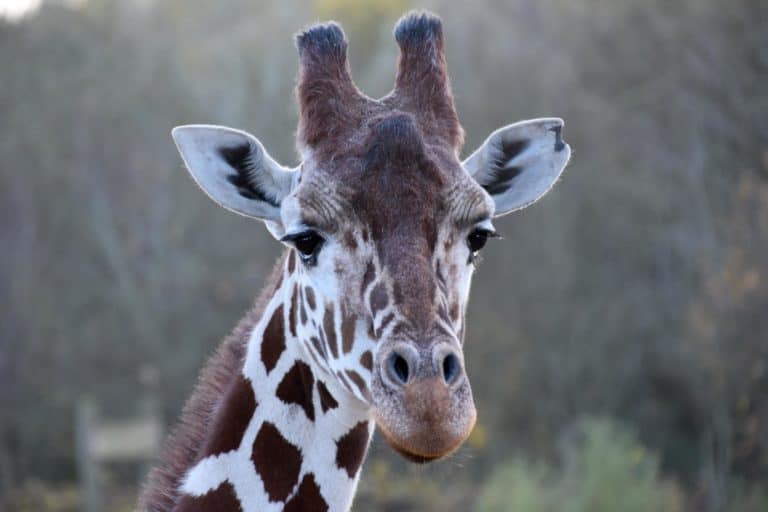
Spots, height, and silent savanna giants

Warm-blooded hunter of the seas
A nursery group is a social aggregation in which dependent offspring or juveniles cluster in a shared area (a "nursery") for extended periods, typically increasing survival via thermoregulation, dilution of predation risk, and improved vigilance. Supervision or care may be provided by one or more adults, but the defining criterion is the spatial and social grouping of young rather than a specific parenting system.
Nursery groups form when young animals gather in a place used mainly for rearing, resting, or shelter, for example a rookery sector in seabirds, a pup "crèche" in pinnipeds, or juvenile pods or playgroups in some mammals. These sites give young protection from predators and harsh weather through safety in numbers, shared watchfulness, and microclimate benefits like warmth and wind shelter. Adult care varies: some adults guard, feed, or defend, while others visit only to nurse, as in many seals. Nursery groups help social learning, play, and bonding but can raise disease, crowding, and mistaken care. They often occur where safe habitat is patchy, predators are common, or many young are born at once.
Nursery groups have little formal rank among young; organization depends on age/size, family ties, and immediate needs (danger, feeding, temperature). Adults may give short-term orders like herding or guarding, but care usually matters more.
Supervises, guards, herds, or remains near the nursery; may intervene during threats and maintain cohesion.
Provides care to offspring not its own (warming, grooming, feeding, babysitting), often rotating duties with other adults.
Keeps watch for predators and signals alarm; can be an adult, subadult, or occasionally an older juvenile depending on species.
The clustered offspring; often remain in a central, safer area and prioritize huddling/spacing for warmth and safety.
Larger/older young that range slightly farther, sometimes acting as early detectors of danger or helping maintain group cohesion.
In some species, a particular adult more often initiates movements to/from the nursery site or organizes group responses (not always a stable 'alpha' role).
Nursery groups form when young animals gather in a shared safe nursery area that protects them from predators, weather, and keeps them near food. They form around birthing or hatching seasons, limited good nursery sites, and safety in numbers. Adults may make or lead young to sites (e.g., rookery, den complex, haul-out) or young gather by themselves.
High contact rates (huddling, play, allogrooming) and shared surfaces/nest substrates increase transmission of pathogens and parasites; repeated exposure can trigger outbreaks that cause rapid morbidity, slower growth, and elevated juvenile mortality. Communal defecation areas and contaminated bedding/soil can maintain infectious stages, while movement of supervising adults between groups can act as a bridge for spread.
Dense groups of young, loud begging and frequent adult visits make nursery groups easy to find. Scent trails, guano or urine buildup and visible nests or dens create hotspots predators learn and return to, raising risk of predator attacks.
Found across: Seabirds (especially colonial species): penguins, gulls, terns, alcids-chick crèches/nursery colonies, Pinnipeds: seals and sea lions-pup groups on breeding rookeries, Cetaceans: dolphins and some whales-maternal-calf nursery groups in protected waters, Ungulates and other mammals: sheep, deer, primates-nursery bands/creches of young with guarding adults, Crocodilians: alligators/crocodiles-hatchling pods with maternal defense, Some amphibians and fish: localized larval/juvenile nursery areas where many young concentrate, Some cephalopods and other marine invertebrates: habitat-based nursery grounds with clustered juveniles
Some nursery groups are "self-organizing": juveniles can end up clustered by age/size without any leader-simply because similar-sized youngsters move and feed at similar rates.
Nursery sites can be more important than the adults: many species reuse the same safe, resource-rich nursery areas year after year, even if the exact caregivers or group members change.
Being in a nursery group can change how young animals grow up-juveniles may learn what to eat, when to flee, or how to move through habitat by copying peers, not just parents.
In some species, nursery groups function as a 'dilution shield': each individual's chance of being the one taken by a predator drops when many youngsters are present at once.
Nursery groups can double as "heat-sharing hubs": tight clustering reduces heat loss, letting small-bodied young save energy that can be redirected to growth.
Like a daycare or preschool, nursery groups centralize supervision and make it easier for a small number of adults (or older juveniles) to keep watch over many youngsters.
Like a commuter crowd, a dense cluster changes individual risk: in a big group, any one youngster is less likely to be singled out, but everyone must coordinate movement to avoid chaos.
Like a neighborhood playground, nurseries become social training grounds where young practice play-fighting, negotiating space, and forming early peer relationships.
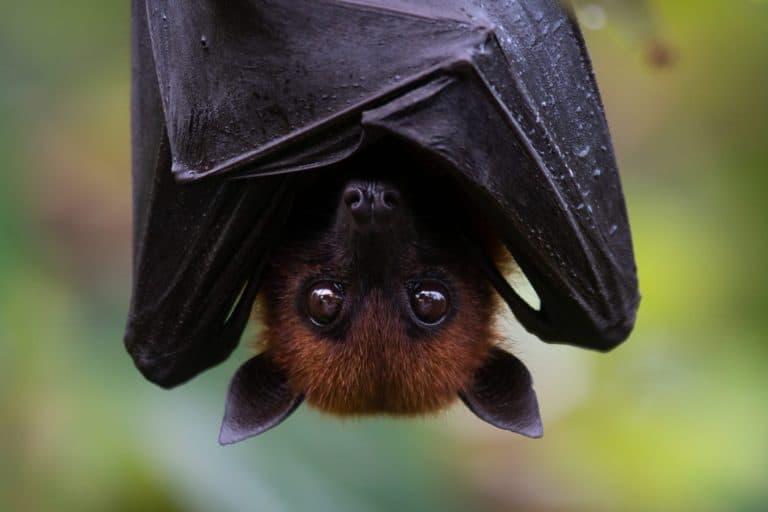
Night pilots of the mammal world

Webbed feet, world travelers.
Lightning hunter of the Amazon
Bony rays, endless ways.
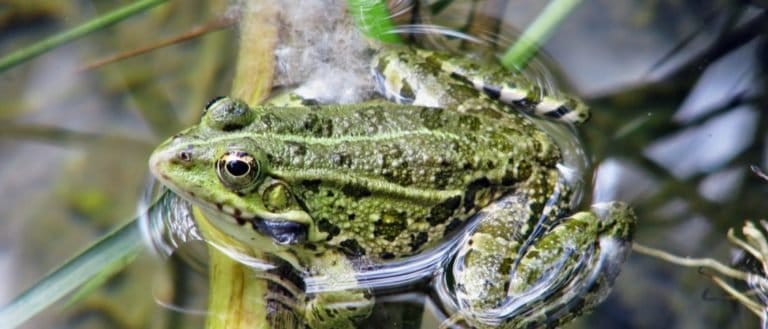
Tailless jumpers, masters of change
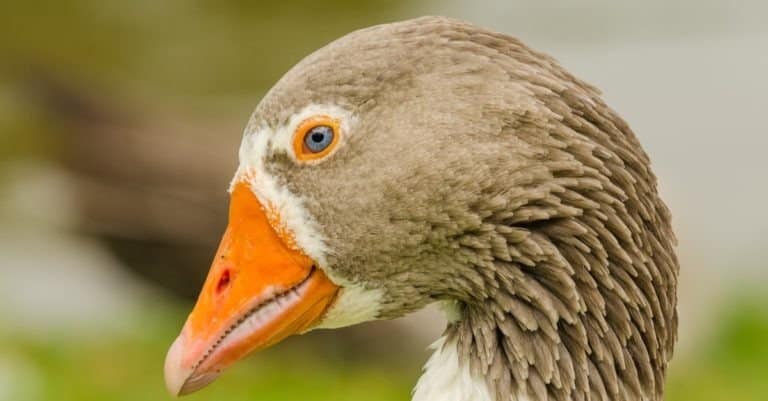
Webbed feet, sky roads, wetland lives
Sure-footed masters of rock and range
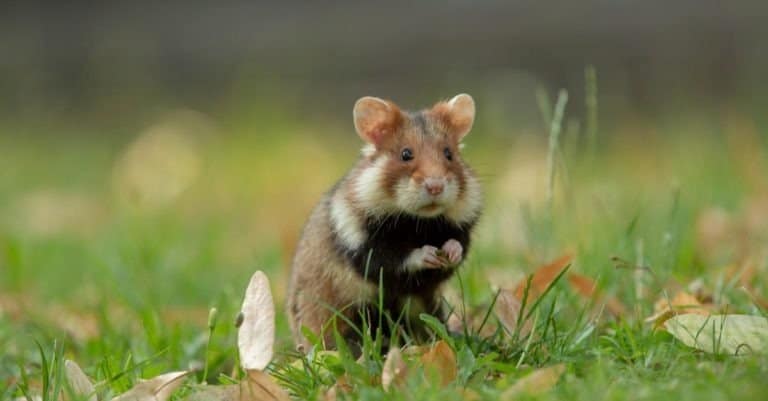
Pouches, burrows, and big impacts
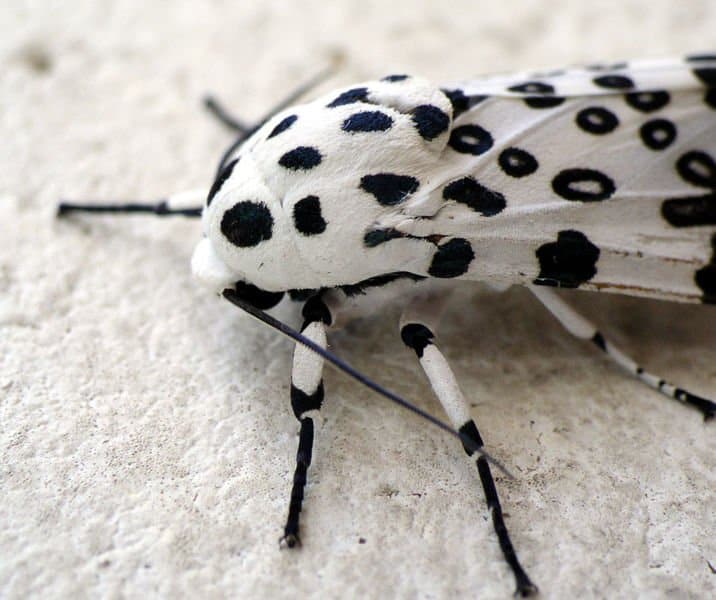
Six legs, endless lives.
Big hops, big pouches, big variety
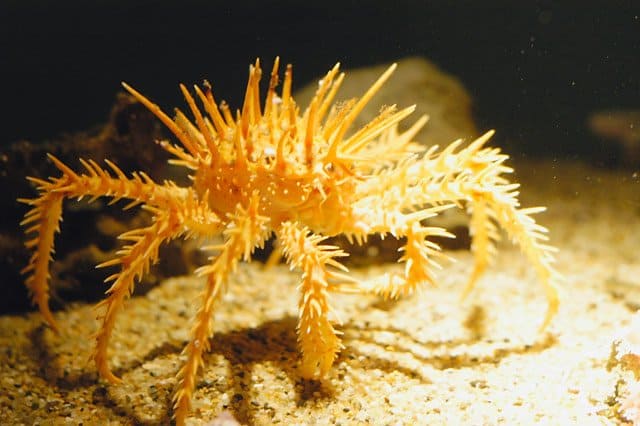
Cold-water royalty of the seafloor
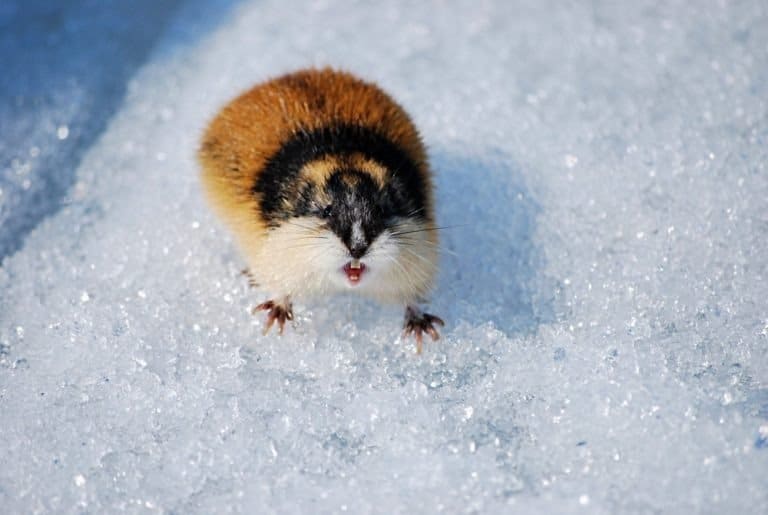
Small rodents, huge tundra impact

Built for prides, born for the hunt

From geckos to dragons-lizard power
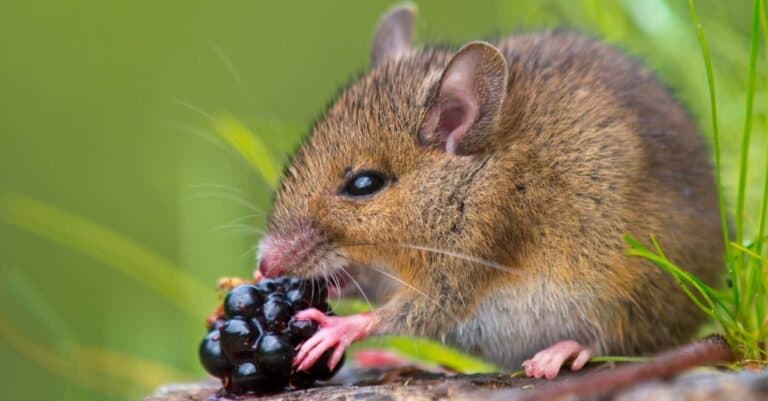
Small gnawers, huge impact.
Hands, minds, and social lives
More than night flyers

Built for water, born to hunt
Born to dive, dressed to endure
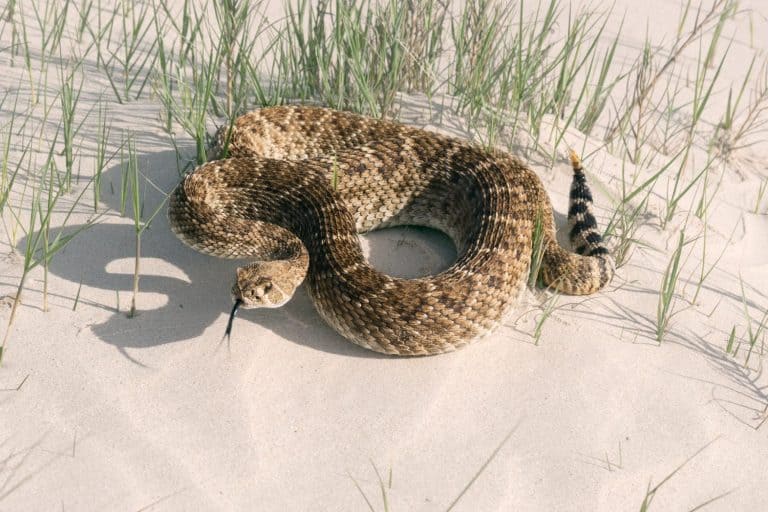
Hear the rattle, give it space.
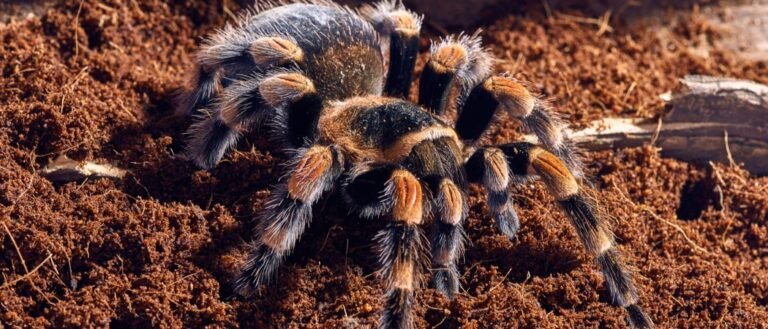
Red knees, calm queen of the burrow
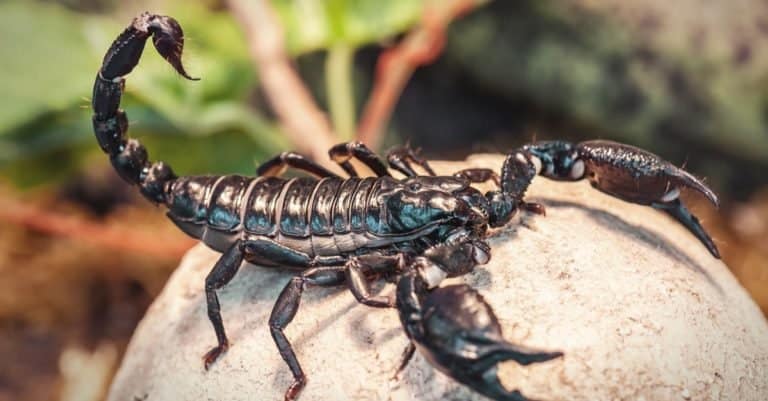
Glow at night, strike with precision
Ear flaps, flippers, and fierce colonies
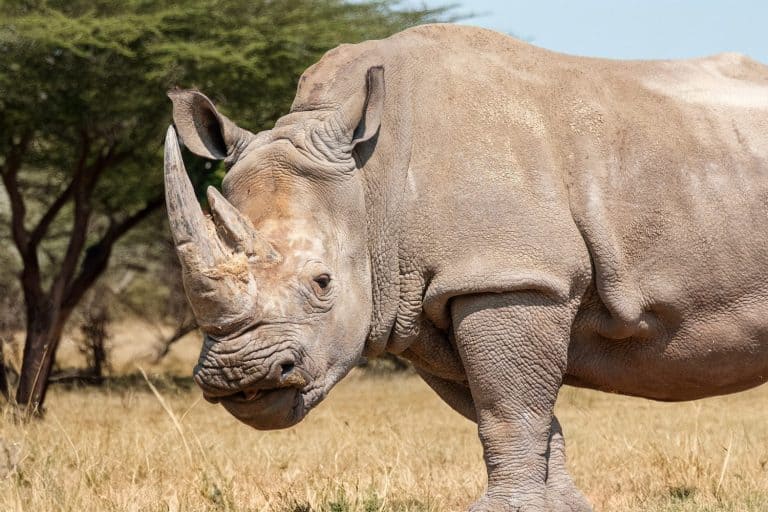
Wide-lipped grazer, savanna guardian
Thank you for reading! Have some feedback for us?
We appreciate your help in improving our content.
Our editorial team will review your suggestions and make any necessary updates.
There was an error submitting your feedback. Please try again.