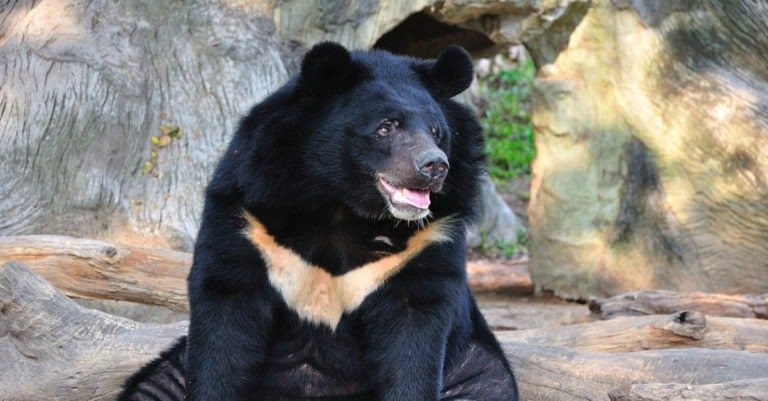
Asiatic Black Bear
Moon-marked climber of Asian forests

Moon-marked climber of Asian forests
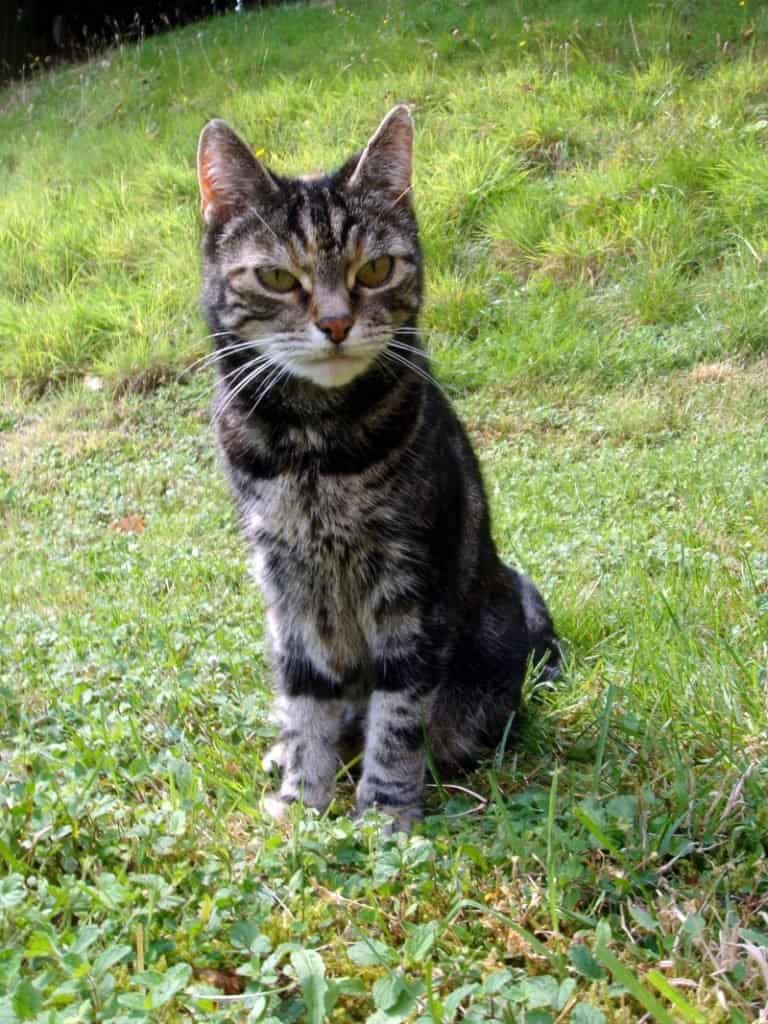
Small hunter, big household legend
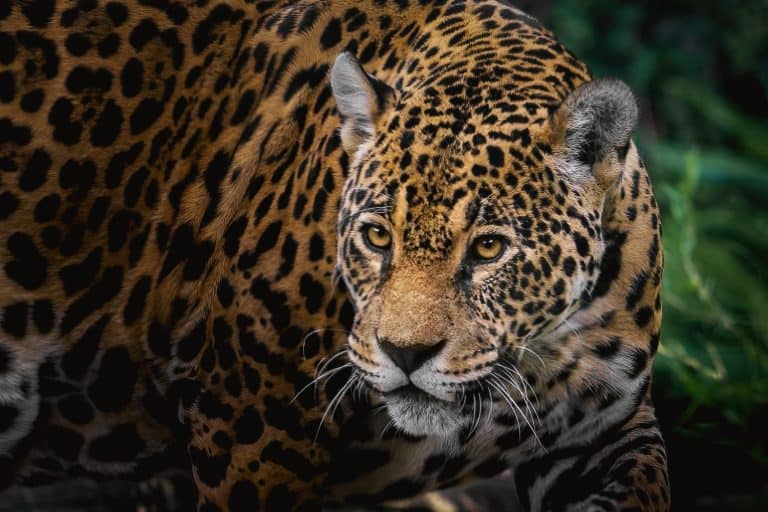
Power of the Americas' apex cat
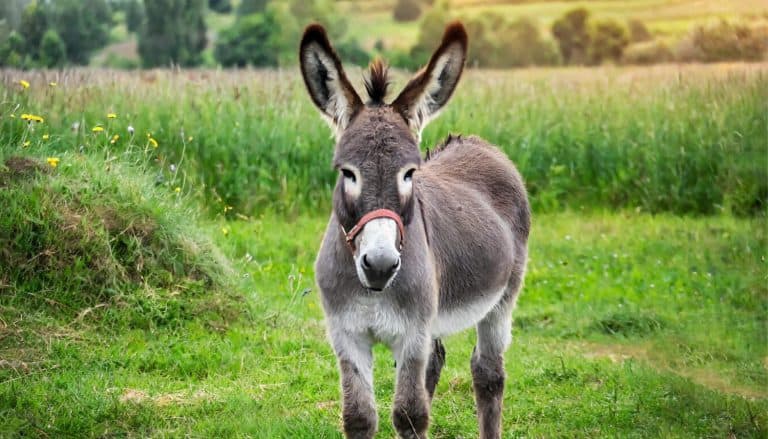
Sure-footed partner of people
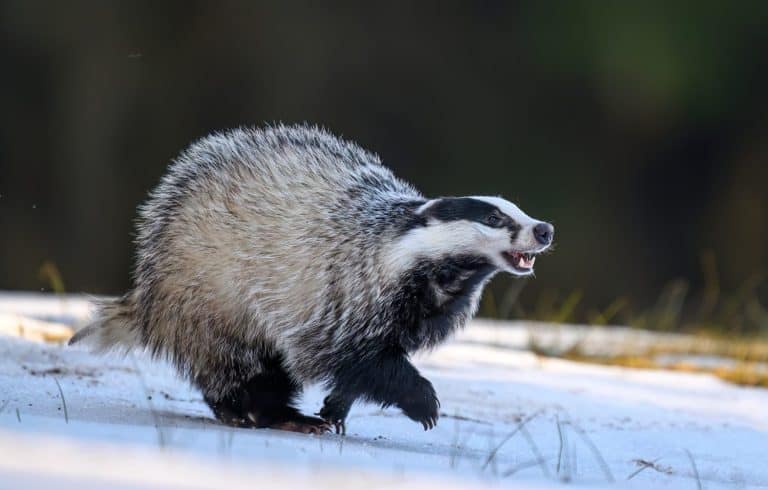
Built to dig. Born to endure.
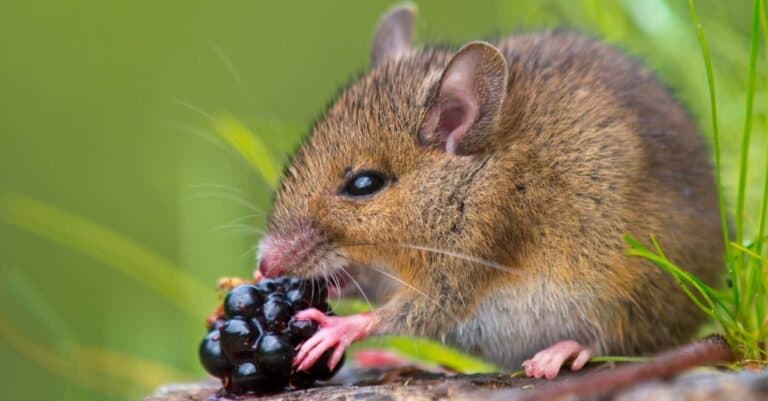
Small gnawers, huge impact.
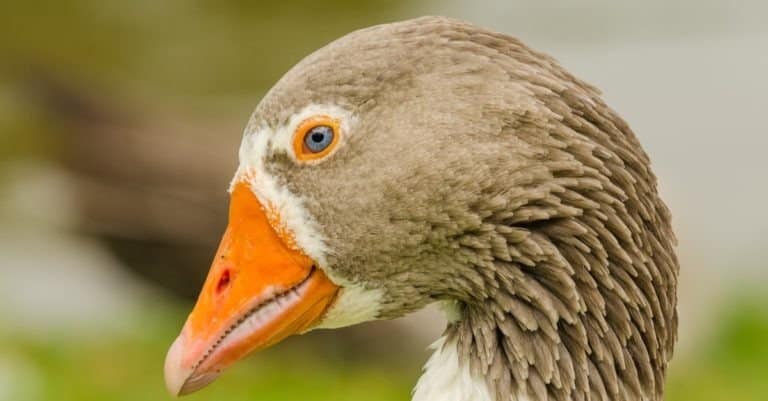
Webbed feet, sky roads, wetland lives
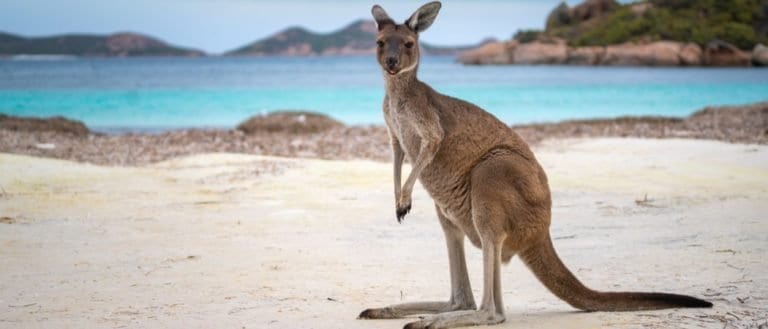
Big hops, big pouches, big variety
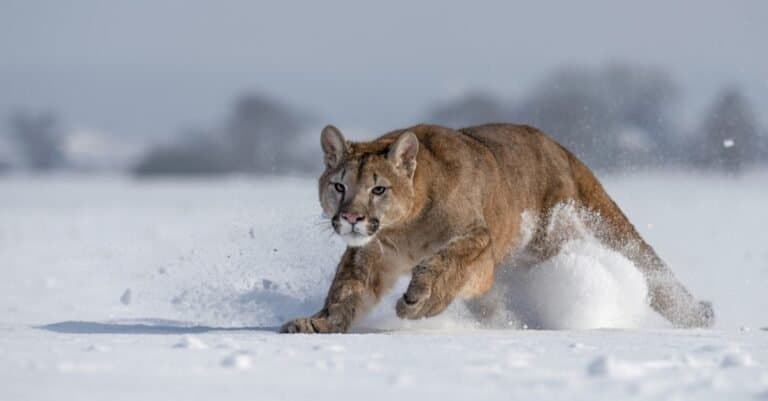
One cat. Two continents.
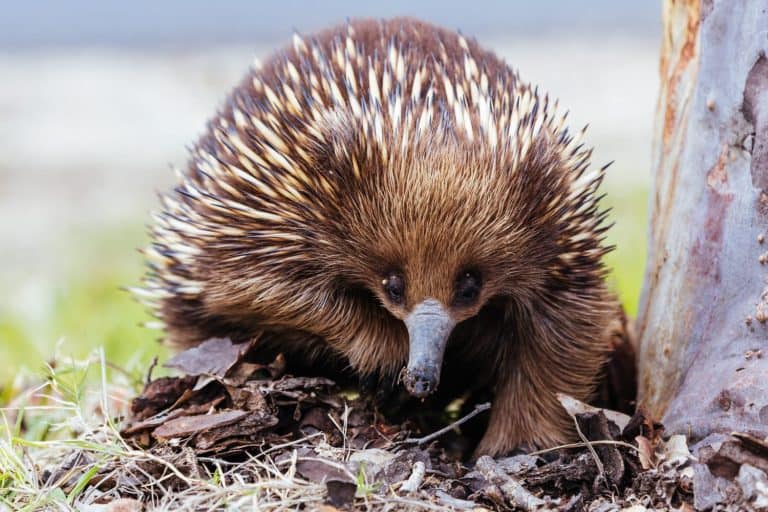
Spines, eggs, and ant-eating mastery
In biology and behavioral ecology, a family is a kin-structured social unit consisting of one or more parents and their offspring (and sometimes additional close relatives) that maintain persistent association and cooperative interactions across a significant portion of the offspring's developmental period. Family groups are characterized by nepotistic behaviors and shared reproductive interests, often functioning as a basic unit of social organization in many animal populations.
A family group forms when related animals stay together beyond mating, usually to care for young. Often a pair or single parent with dependent young, families may also include older offspring, grandparents, siblings, or other kin who help feed, guard, or find food. Some stay together; others reunite at nests or dens. Families form because helping relatives can spread shared genes. Common help includes feeding and guarding young, teaching, huddling for warmth, watching for danger, and group defense or hunting. Family structure depends on food, predators, life-history traits (altricial vs precocial), and mating system. Some families last a season; others last years and can grow into larger kin groups. Humans add culture and law, creating family forms beyond kin ties.
Typically organized around caregiving and responsibility rather than strict rank; authority may center on one or two primary caregivers, but influence shifts with context (e.g., finances, childcare, safety) and with life stage (adults over children, elders respected in some cultures).
Provide care, protection, resources, and guidance; often set rules and coordinate daily routines.
Shares caregiving and household responsibilities; may specialize in certain tasks (work, childcare, home management).
Dependents who learn norms and contribute age-appropriate help; older siblings may take on partial caregiving.
May provide childcare, knowledge, cultural continuity, mediation, and material support; often holds informal authority.
Primary contributor of income or resources; may overlap with parent(s) and can affect influence in some families.
Manages household logistics, meals, maintenance, and daily care; may overlap with parent(s) or elder kin.
Helps resolve conflicts and maintain cohesion; can be a parent, elder, or emotionally skilled member.
Responds to threats and ensures safety; commonly an adult caregiver but can be situational.
Families form through reproduction and long-term pair bonding or parental association, with offspring remaining with one or both parents. In some systems, additional kin (grandparents, siblings, aunts/uncles) co-reside or affiliate due to resource needs, social support, or inheritance/kinship obligations. Adoption, step-family formation, and kin coalescence after disruptions (death, migration, conflict) also create family units.
High-contact living (grooming, nursing, shared dens/nests) increases transmission of parasites and pathogens; close relatedness can also raise susceptibility if shared genetic vulnerabilities align with a pathogen.
A cohesive family group is more detectable due to increased movement, noise (begging calls), scent buildup at dens/nests, and repeated use of predictable sites, potentially attracting predators and competitors.
Found across: Mammals (especially carnivores like wolves/jackals; primates; elephants; some rodents and mustelids/otters), Birds (many geese, swans, cranes, raptors; family units often persist through fledging or a season), Fish (notably cichlids with biparental care and extended fry guarding), Amphibians (some poison frogs with prolonged parental care), Reptiles (less common, but occurs in a few species with extended parental care, e.g., some crocodilians or skinks)
In some species, "family" can include adopted young or unrelated helpers-individuals stick around and babysit or feed siblings-to-be to gain experience or improve their future breeding chances.
Parents don't always do all the parenting: older siblings (or other close kin) may act as "assistant parents," guarding, carrying, or feeding the youngest members.
Family living can dramatically change an animal's schedule-some families coordinate sleep, travel, and feeding times so tightly that individuals rarely act alone for long.
Families can function as information networks: young learn what to eat, where to go, and what to fear by copying parents, creating local "traditions" that persist across generations.
In a few animals, family bonds are so strong that grown offspring may remain with a parent for years, turning a simple parent-offspring unit into a stable multi-year household.
Like human households, animal families often run on division of labor: one member focuses on vigilance/defense while others feed, rest, or care for young.
Family groups resemble human "training programs": juveniles learn practical skills (foraging, predator avoidance, navigation) through long apprenticeship-style association with experienced adults.
Many families show human-like conflict management-negotiating access to food, resolving squabbles, and using appeasement behaviors to keep the group cohesive.
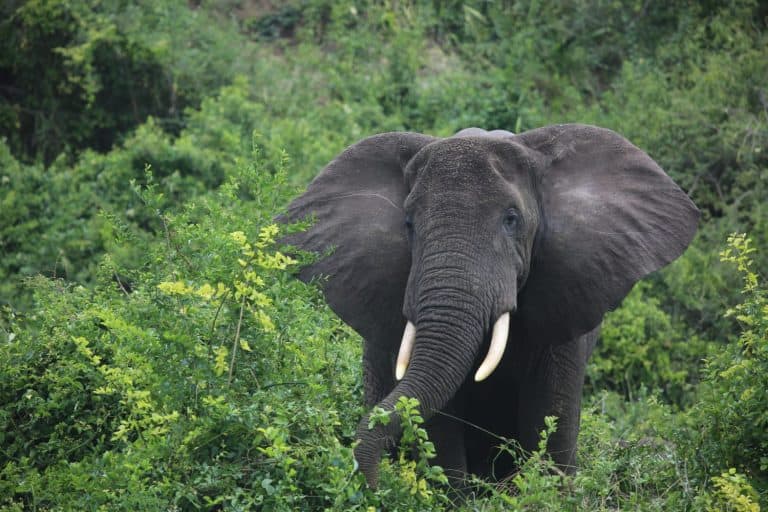
The rainforest's master gardener
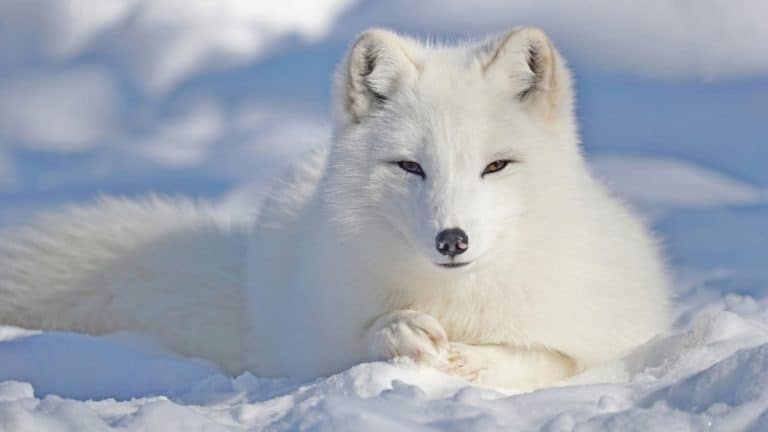
Built for blizzards, born for tundra
Moon-marked climber of Asian forests
Built to dig. Born to endure.
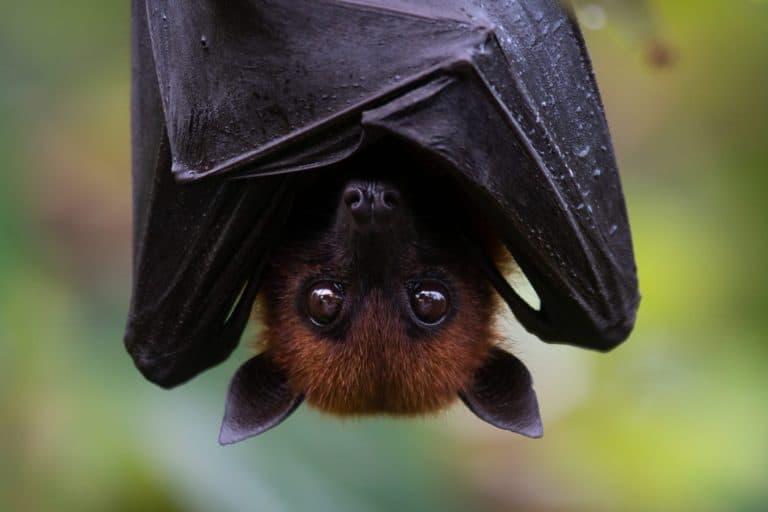
Night pilots of the mammal world
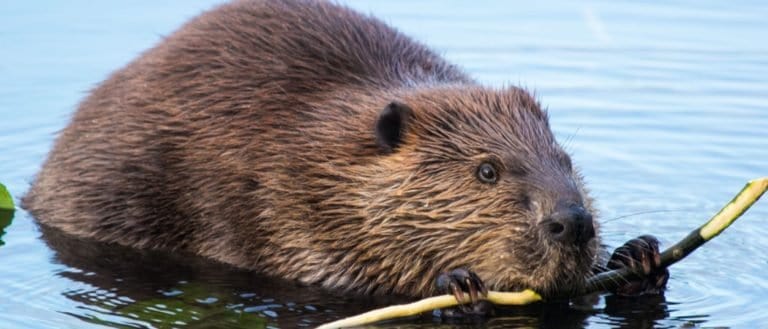
Build wetlands, shape worlds.

Humps of fat, miles of grit
Small hunter, big household legend
One cat. Two continents.
Sure-footed partner of people
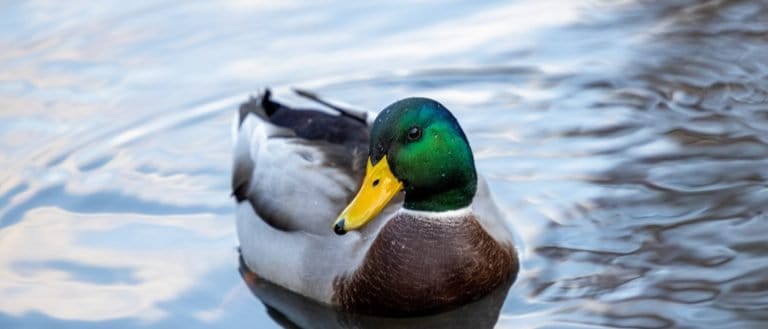
Webbed feet, world travelers.
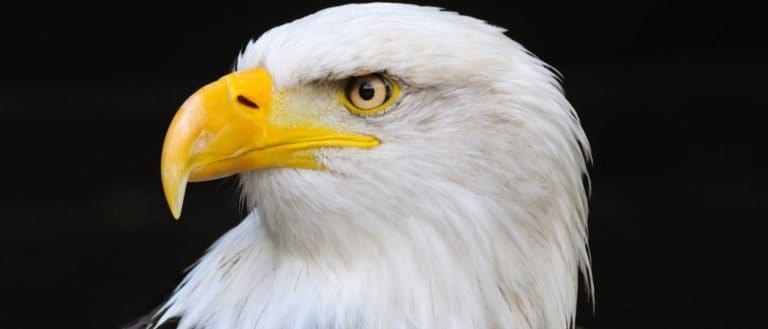
Built to soar, born to strike
Spines, eggs, and ant-eating mastery
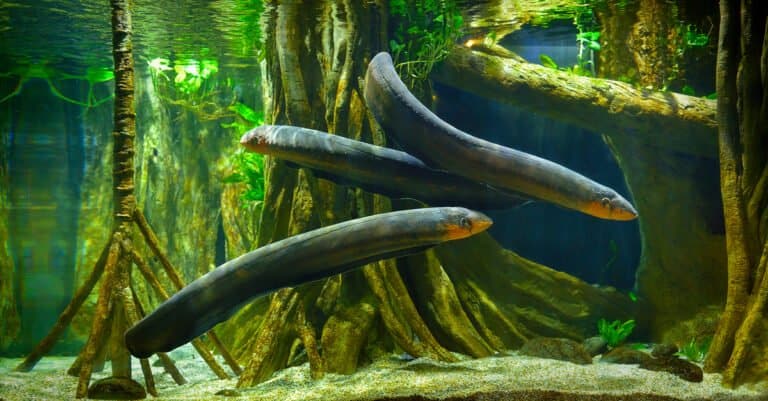
Lightning hunter of the Amazon
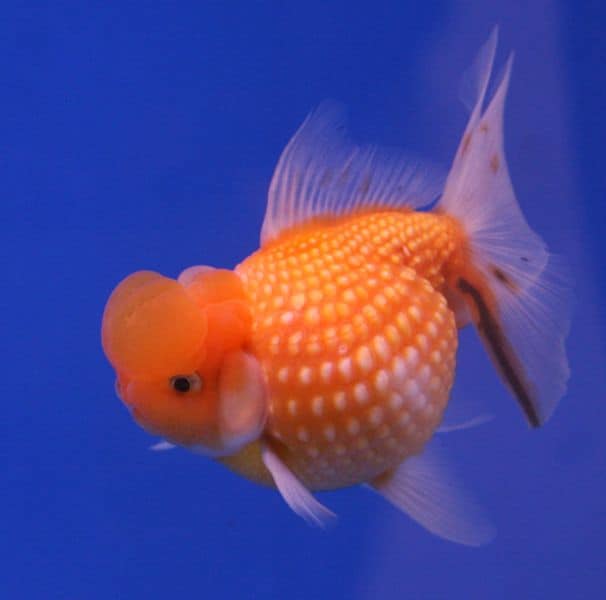
Bony rays, endless ways.
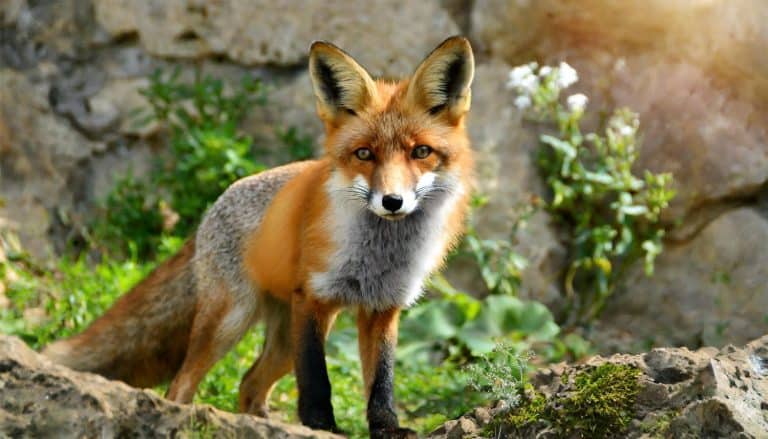
From dunes to tundra-fox smart.
Webbed feet, sky roads, wetland lives
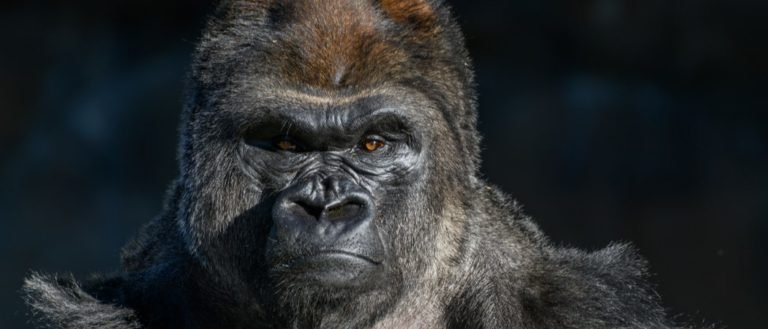
Gentle giants of the African forests
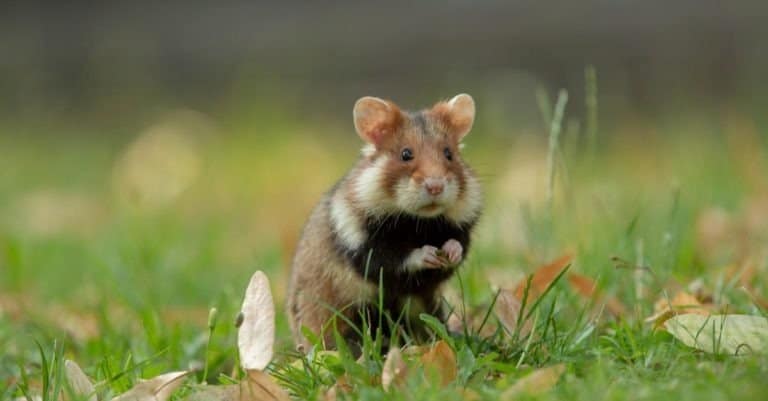
Pouches, burrows, and big impacts
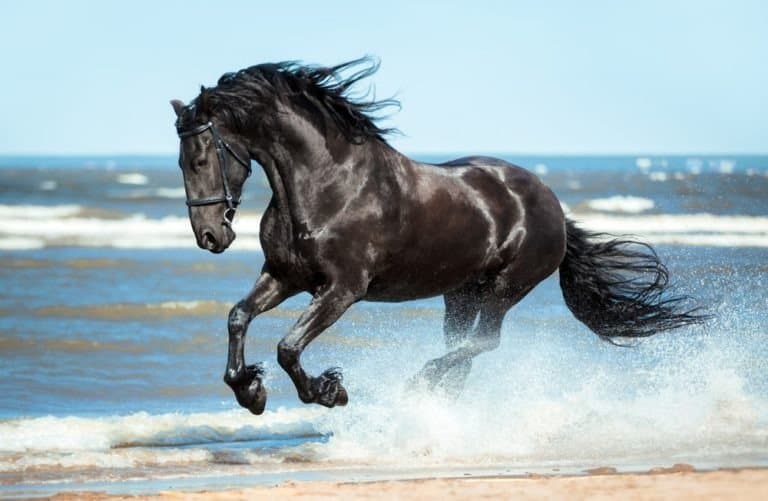
One hoofbeat, a thousand histories
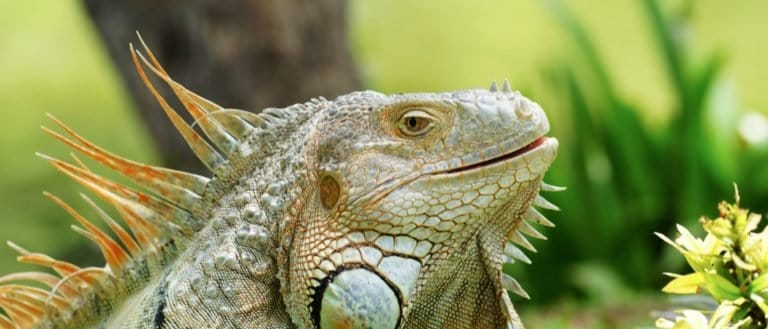
Sun-powered lizards of the Americas
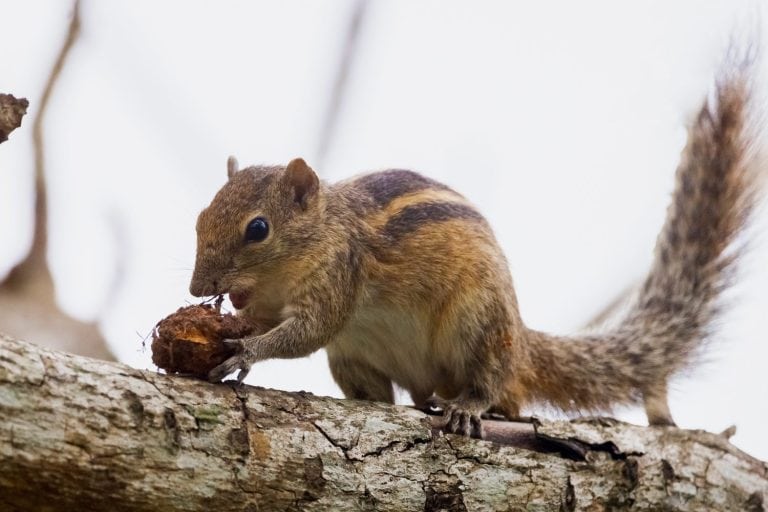
Three stripes. Big city attitude.
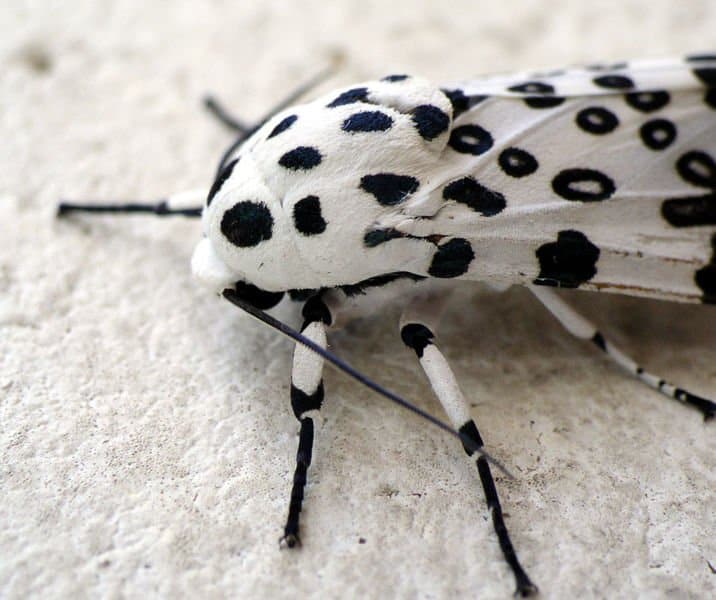
Six legs, endless lives.
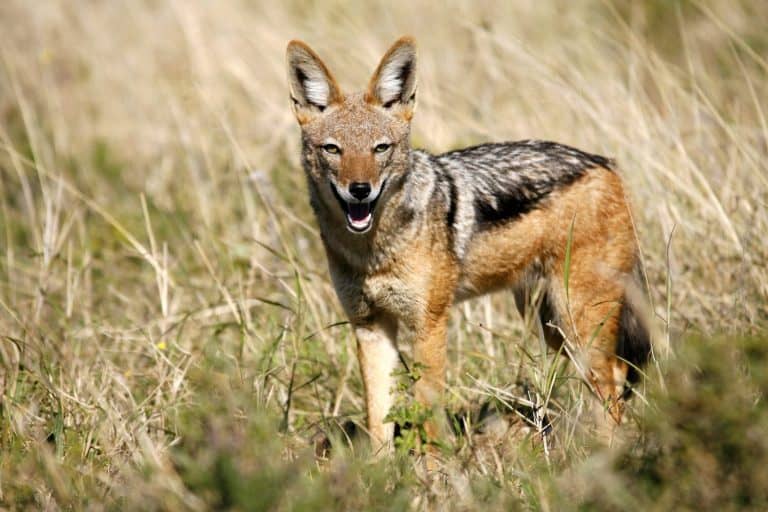
Small canids, big survival skills
Thank you for reading! Have some feedback for us?
We appreciate your help in improving our content.
Our editorial team will review your suggestions and make any necessary updates.
There was an error submitting your feedback. Please try again.