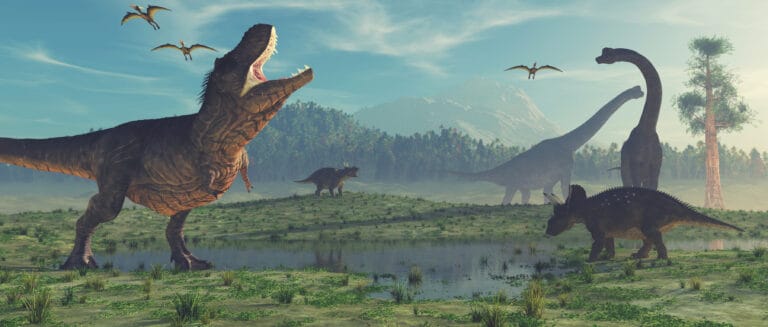
Dinosaurs
One name, a million body plans

One name, a million body plans
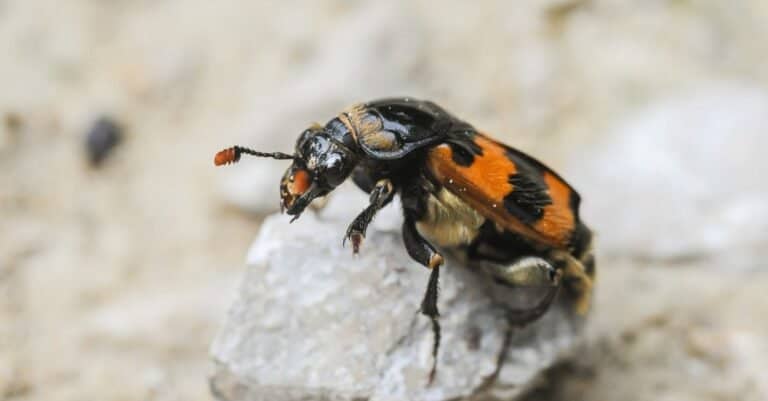
Nature's cleanup crew with a nose
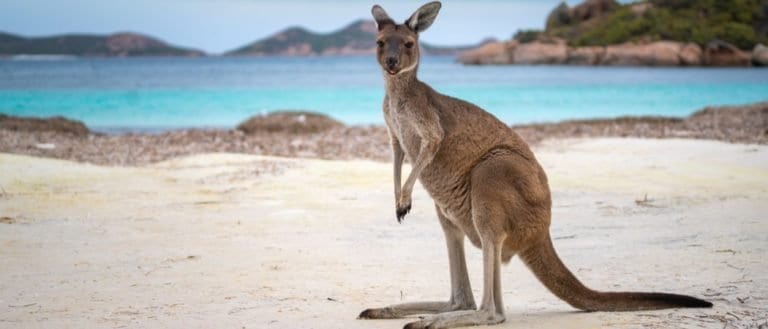
Big hops, big pouches, big variety
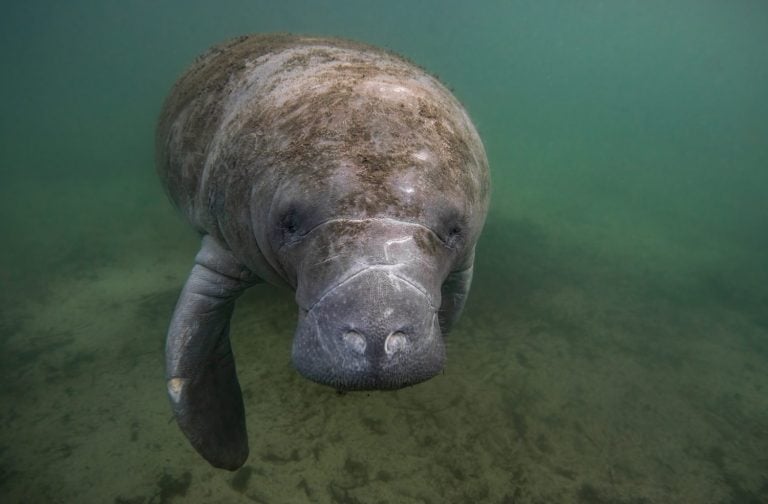
Gentle giants of warm waters
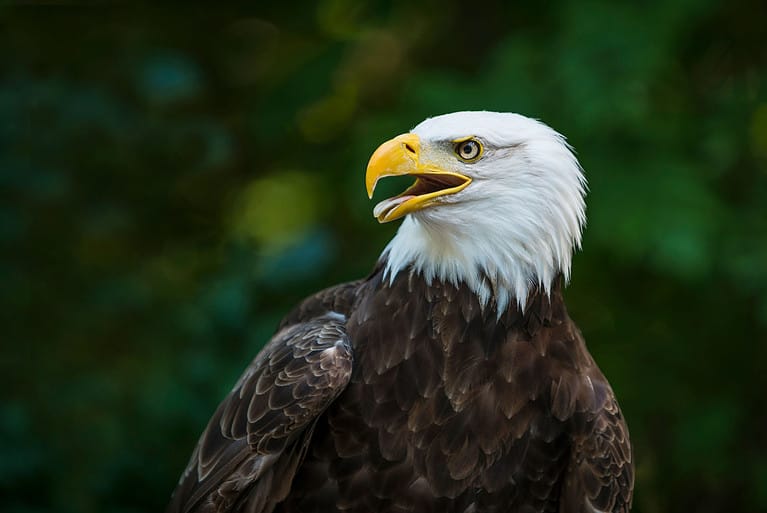
Feathers, flight, and endless variety
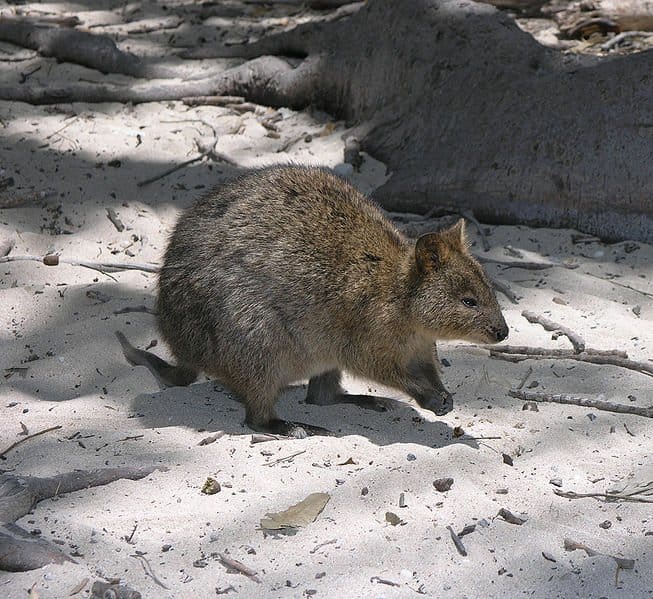
Small kangaroo, big island icon
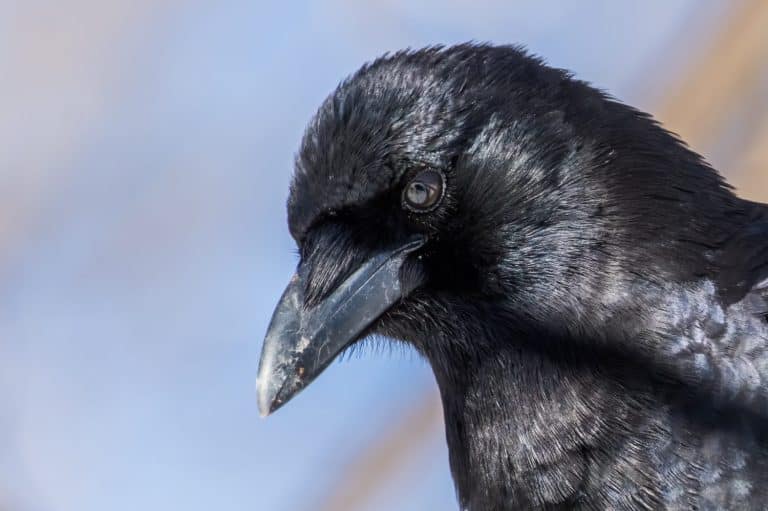
Brains, wings, and street smarts
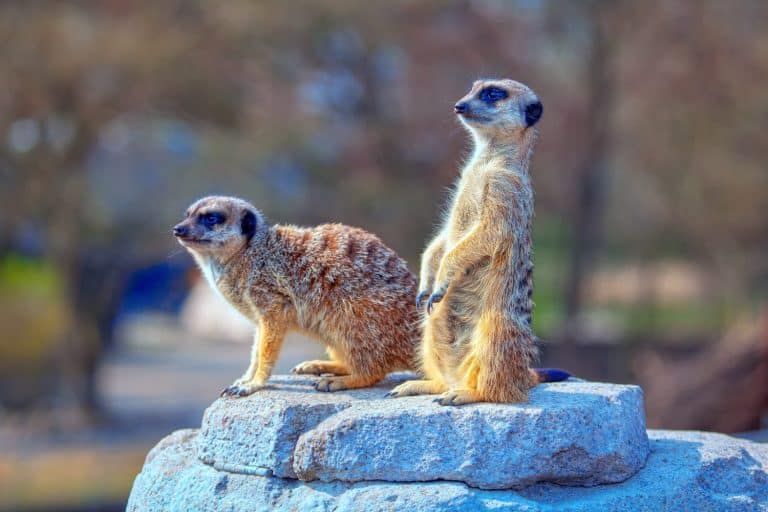
Kalahari's cooperative lookout
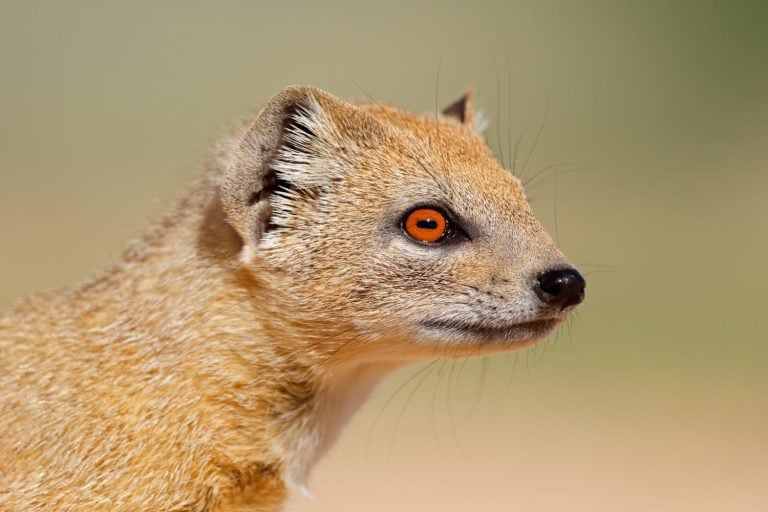
Small hunters, big attitudes
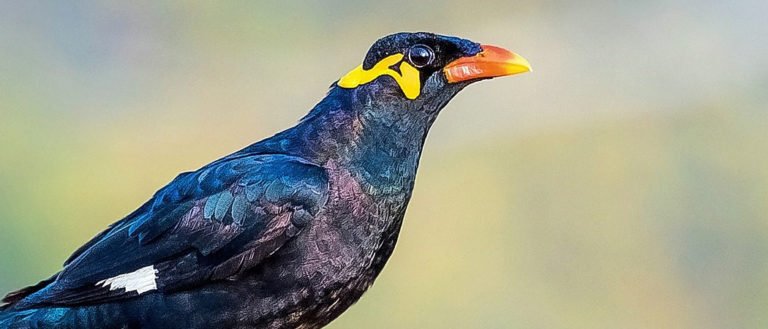
Bold, brainy, and brilliantly vocal
A mob is a relatively loose, sometimes temporary aggregation of animals that forms for shared movement, foraging, or defense without the stable membership or highly coordinated roles typical of structured social units (e.g., packs, troops, colonies). In behavioral ecology, "mobbing" also refers to a defensive tactic in which multiple individuals collectively harass or approach a predator to reduce threat through intimidation, distraction, or driving it away.
In animal ecology, a mob is a group that stays together long enough to act as a unit but usually has no long-term stability, strict ranks, or special roles. Members come and go and group edges can be fluid. Mobs form from sharing food or water, moving together, or joining to avoid predators. The term is used for mammals like macropods (kangaroos and wallabies), where mobs include mixed ages and sexes and change size with season, habitat, or disturbance. Mobs give more eyes for danger and lower each individual's risk, but have weaker coordination and less care of young than tight groups. Mobbing is related: many animals gather to harass a predator.
Typically loose and flexible; individuals cluster without strict rank, but short-lived leadership or influence can emerge around experienced adults, dominant individuals, mothers with young, or the most vigilant members. Structure may shift rapidly with context (foraging vs. travel vs. defense/mobbing).
An individual that starts movement (toward food, water, shelter) or triggers a group response; others follow if conditions seem favorable.
Keeps watch for predators or threats; may be positioned on the periphery or at higher ground; often first to alarm.
Produces alarm calls, foot-stomps, tail flicks, or other signals that recruit others into flight or mobbing/harassment.
Most members; focus on feeding while loosely maintaining spacing and responding to social cues and alarms.
Members that naturally end up on edges (often subadults or less dominant animals) and experience higher risk; may act as early detectors.
Mothers and dependent young that remain closer together; influence spacing and movement timing due to offspring needs.
Individuals that approach and harass a predator (vocalizing, bluff-charging, kicking/biting depending on species) to drive it off.
Range slightly ahead or to the sides to sample resources or check routes; their behavior can bias group direction.
Mobs form when nearby animals gather because grouping helps. This happens around resources (patchy food, water, grazing lawns, fruiting trees), along travel paths (game trails, shorelines, seasonal routes), or when threatened (predator alarm causes rapid clustering). Coordination is simple—follow neighbors, keep distance, align movement—so size and density change fast.
Higher contact rates during collective movement, crowding at food/water sites, and repeated mixing with new individuals increase exposure to parasites and pathogens. Temporary aggregation can amplify transmission (including fecal-oral routes at shared sites), while frequent member turnover introduces novel infections and reduces the effectiveness of any acquired group-level "immunity" effects (e.g., avoiding known sick individuals).
Large, moving mobs are easier for predators to spot and follow, especially in open habitats. Noise, dust, repeated trail use make visual and smell cues; mobs that harass predators can prolong encounters and risk bold or edge individuals.
Found across: Marsupials (especially macropods: kangaroos, wallabies), Large grazing mammals/ungulates (informal use for loose defensive or foraging aggregations), Ground-feeding birds and passerines (temporary foraging mobs; and "mobbing" anti-predator harassment), Cephalopods (some squids form loose, shifting aggregations), Mixed-species bird flocks (often called "foraging mobs" in some ecological contexts)
"Mob" can mean two very different things in biology: a loose traveling/foraging group (e.g., kangaroos) or a coordinated *anti-predator* harassment event where many individuals gang up to drive off a threat.
Mobbing behavior can spread like a chain reaction-alarm calls recruit nearby animals, and late-joiners may copy others even before they've seen the predator themselves.
Some species use mobbing as a learning opportunity: young or inexperienced individuals can identify predators and practice defensive behavior by watching adults engage.
Mobs don't need strong social bonds to be effective; even unrelated individuals can temporarily cooperate because the immediate payoff (reduced predation risk) outweighs the costs.
What looks like chaos can have simple rules: many mobs form from individuals following basic cues like "move toward neighbors," "avoid collisions," and "align direction," producing surprisingly coordinated group motion without a leader.
Like a human crowd forming around a street incident, a mob can appear quickly, swell as bystanders join, and then disperse once the trigger is gone-no long-term membership required.
Similar to an ad-hoc neighborhood watch, mobbing recruits whoever is nearby for collective defense, even if participants don't know each other.
Mob movement resembles commuter flows: individuals make local decisions (keep distance, follow the stream), yet large-scale patterns (lanes, surges, splitting) emerge.
Big hops, big pouches, big variety
Gentle giants of warm waters
Kalahari's cooperative lookout
Small hunters, big attitudes
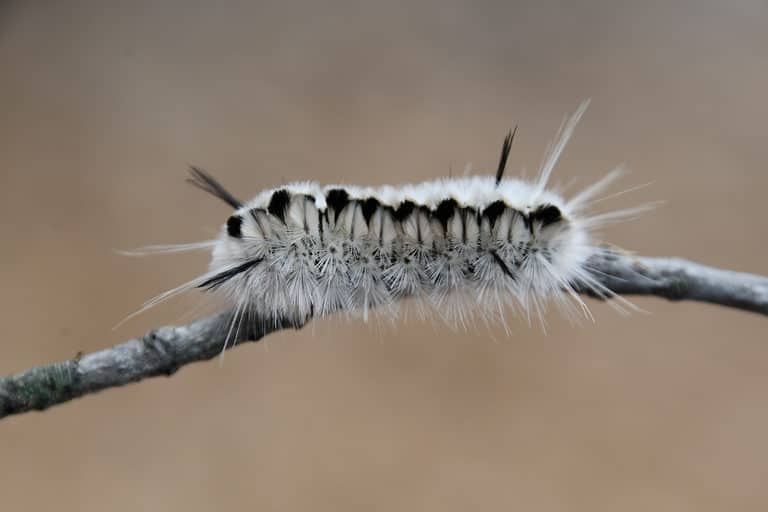
Eat. Molt. Metamorphose.
Feathers, flight, and endless variety
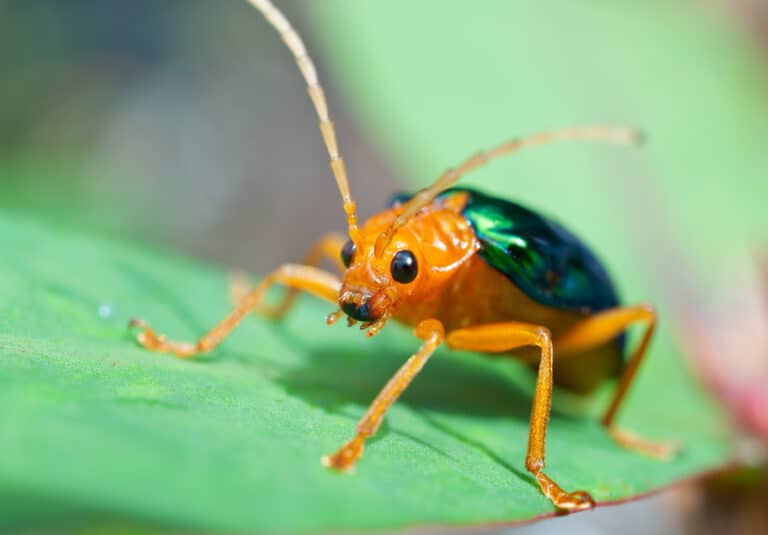
Elytra on, world conquered.
Small kangaroo, big island icon
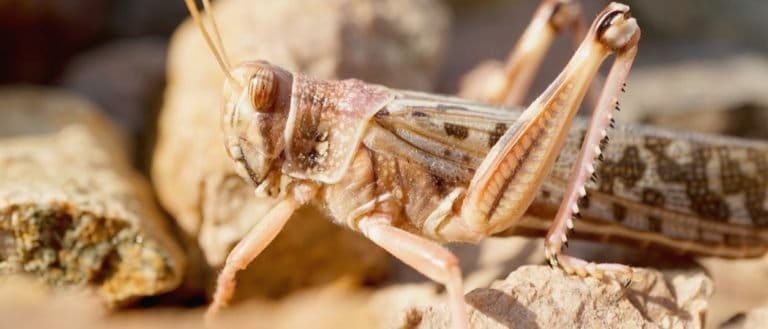
When rains fall, deserts can swarm.
Bold, brainy, and brilliantly vocal
Brains, wings, and street smarts
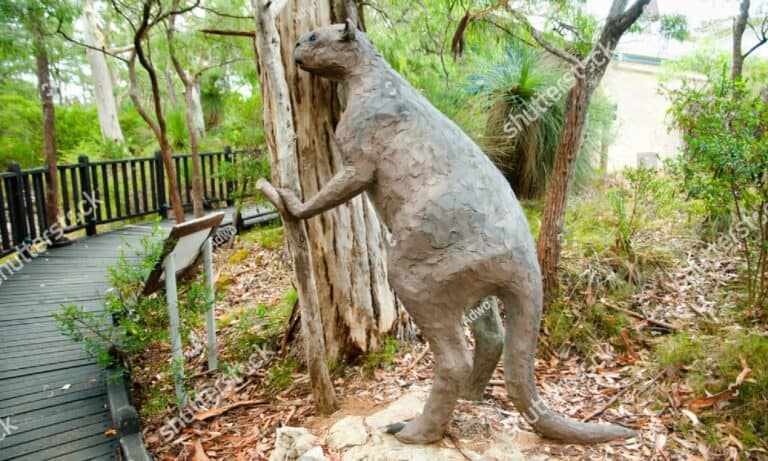
Pleistocene's powerhouse kangaroos
One name, a million body plans
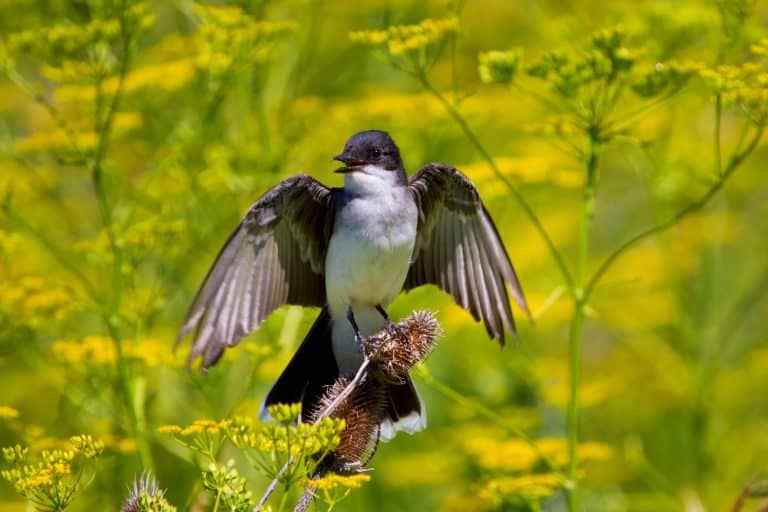
Tiny tyrant with a white-tipped tail
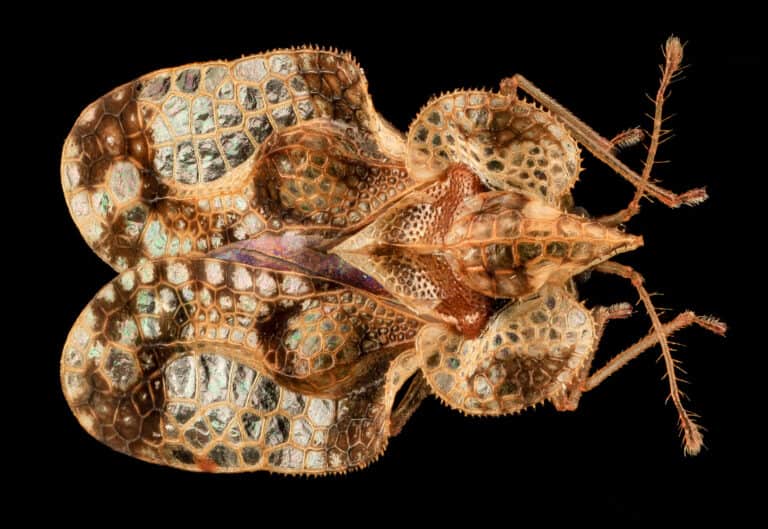
Lacy wings, leafy feasts.
Nature's cleanup crew with a nose
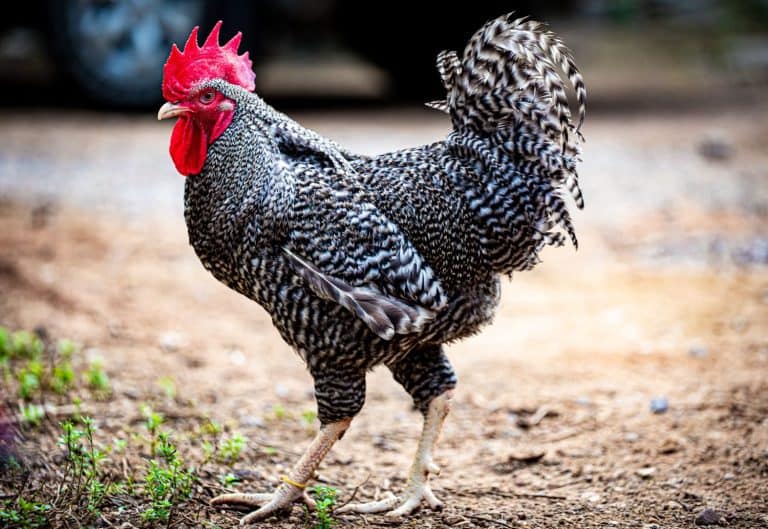
America's steady brown-egg workhorse
Thank you for reading! Have some feedback for us?
We appreciate your help in improving our content.
Our editorial team will review your suggestions and make any necessary updates.
There was an error submitting your feedback. Please try again.