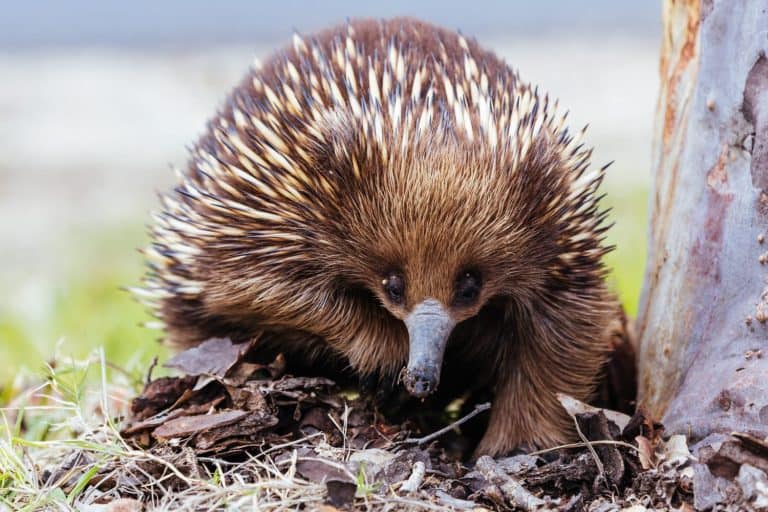
Echidna
Spines, eggs, and ant-eating mastery

Spines, eggs, and ant-eating mastery
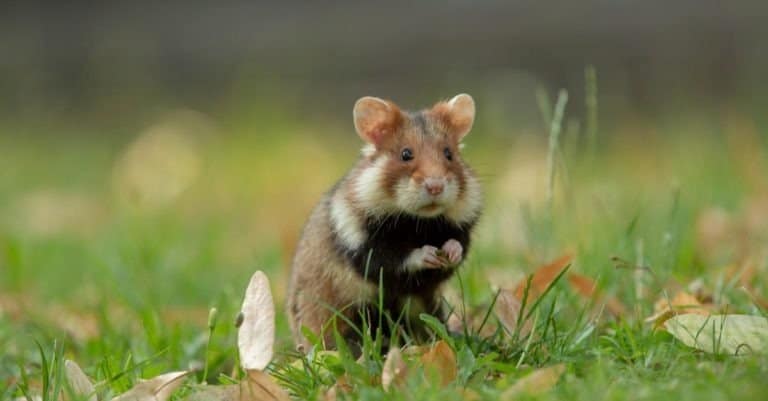
Pouches, burrows, and big impacts
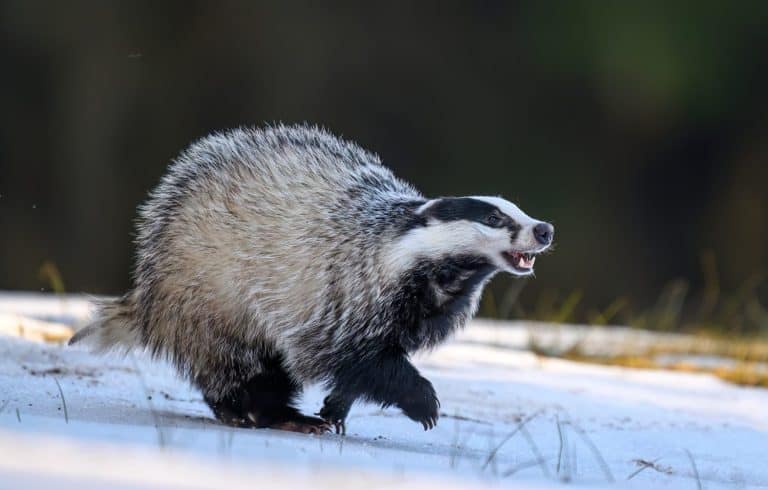
Built to dig. Born to endure.

Humps of fat, miles of grit
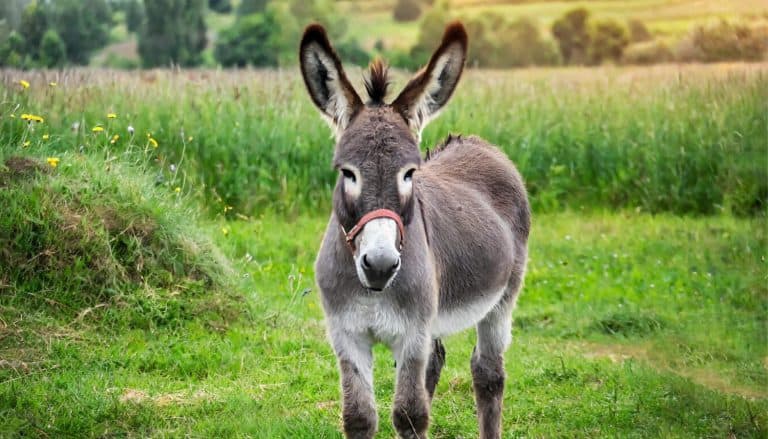
Sure-footed partner of people
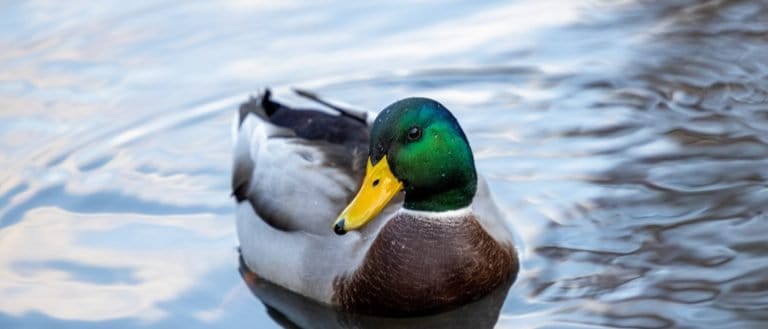
Webbed feet, world travelers.
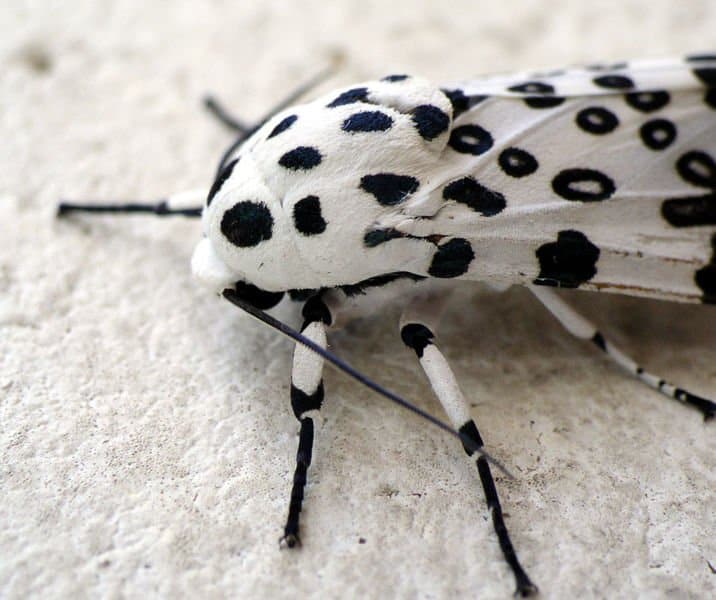
Six legs, endless lives.
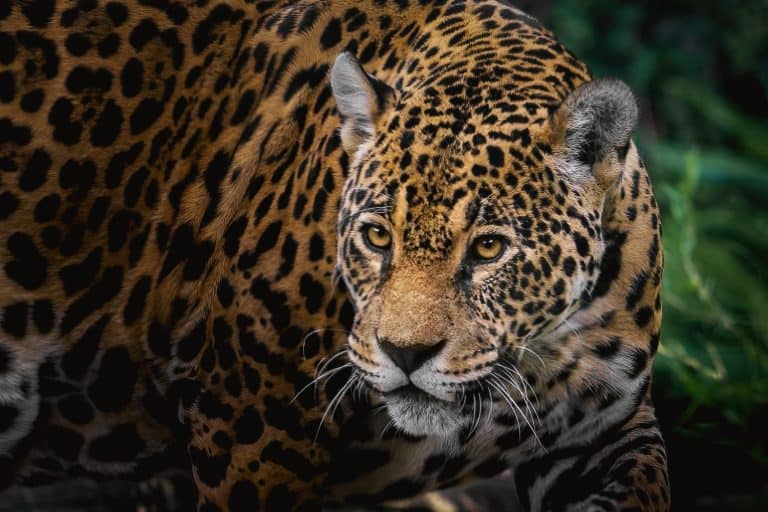
Power of the Americas' apex cat
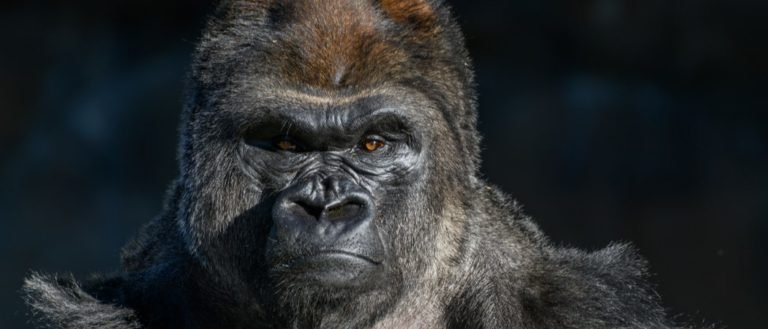
Gentle giants of the African forests
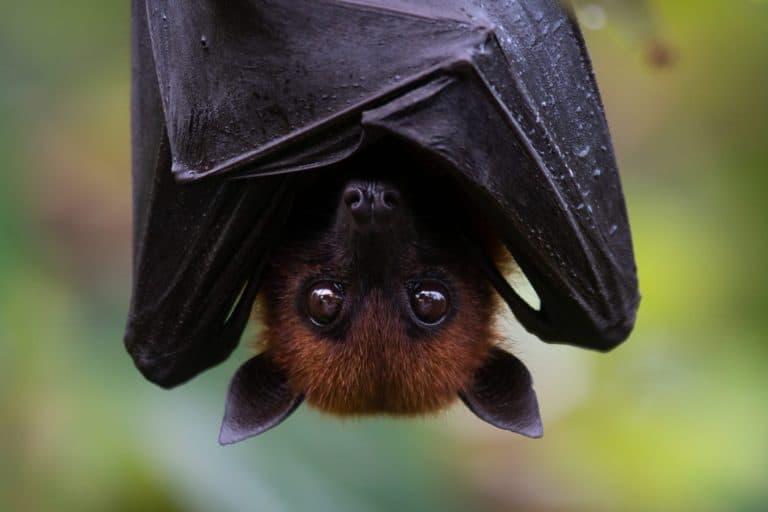
Night pilots of the mammal world
A solitary group type is a social system in which individuals spend most of their lives alone, with conspecific interactions occurring primarily for reproduction and, in some taxa, temporary mother-offspring care. Stable, cohesive groups are not formed, and spacing is maintained largely through individual movement patterns and/or territorial behavior.
In solitary species, the main social unit is the individual. Adults usually forage, rest, and travel alone. Meetings with other adults are rare, brief, or tied to mating, competition, or resources. Outside breeding, animals often avoid each other. Mating usually involves short contacts: individuals find mates by scent marking, calls, or ranging, then separate. Care is often by one parent, usually the mother, until young wean and leave home. Juveniles then live alone and establish home ranges or territories. Many mark space with scents (urine, feces, gland secretions) and calls. Solitary life helps when food is spread out or grouping raises competition, disease, or predator risk. They still use complex signals for mate choice and neighbor recognition without forming groups.
No stable social hierarchy because individuals do not form a persistent group. Any dominance or priority is temporary and situational (e.g., during a mating encounter, a territorial dispute, or mother-offspring interactions).
Maintains and defends an individual home range/territory; controls access to local resources and mates within that area.
Temporarily searches for or advertises to potential mates; interactions are brief and often end after mating.
In species with parental care, provides gestation/incubation and/or nursing, protection, and guidance to offspring for a limited period.
Remains with the mother during early development; gradually becomes independent and disperses to establish its own range.
Non-territorial individual moving through others' ranges (common in juveniles or floaters) until a territory is established or a mating opportunity is found.
Groups do not form as stable units; the default state is independent individuals. Brief associations occur primarily during mating encounters and, in some species, as a mother-offspring unit during dependent care. Any additional congregation (e.g., at concentrated resources) is incidental and short-lived rather than a true social group.
Lower chronic contact rates can reduce transmission, but infections may still spread during brief mating/parental contacts or via shared sites (dens, latrines, carcasses, water sources). Solitary individuals also bear higher costs once infected (no allogrooming or care, fewer early-warning cues of illness in others), potentially increasing severity/duration and slowing recovery.
Reliance on long-range signals and active searching (calls, scent marking, wide-ranging patrols) can increase detectability, and the absence of group vigilance/dilution means a solitary animal is fully exposed when moving, feeding, or defending territory.
Found across: Many felids (especially big cats like tigers, leopards, jaguars; exceptions include lions), Many bears (often solitary outside mating and mother-cub care), Mustelids (e.g., mink, wolverines, otters in some species), Many reptiles (numerous lizards and snakes are largely solitary), Many amphibians (often solitary except during breeding aggregations), Many cephalopods (octopuses commonly solitary), Many arachnids (spiders frequently solitary, meeting mainly to mate), Many solitary insects (numerous wasps and bees; not eusocial species)
Solitary doesn't mean "antisocial": many solitary animals still communicate regularly through scent marks, calls, scratch trees, or visual signals-often more like a distributed message board than face-to-face socializing.
In several solitary mammals, "home ranges" can overlap even when individuals rarely meet; they share space in time (using the same trails or watering sites at different hours) rather than sharing it together.
Some solitary species have built-in conflict-avoidance rules: scent marking and ritualized displays let rivals settle "who was here first" without risking an injury-heavy fight.
Moms of otherwise solitary species can temporarily form the only stable "social unit," and in some species the offspring's learning window is so critical that the mother's territory effectively becomes a short-term nursery network.
Solitary lifestyles can be surprisingly information-rich: by tracking and re-marking boundaries, individuals can infer neighbor identity, reproductive status, and recent movements without direct contact.
Like people who mostly work remotely: interaction happens through "status updates" (marks/calls) and scheduled meetups (mating), not constant group presence.
Comparable to living in separate apartments in the same neighborhood-shared infrastructure exists (trails, dens, watering holes), but residents keep their own space and routines.
Similar to strict personal-boundary cultures: clear signals and rules (territory markers) reduce the need for frequent negotiation or conflict.
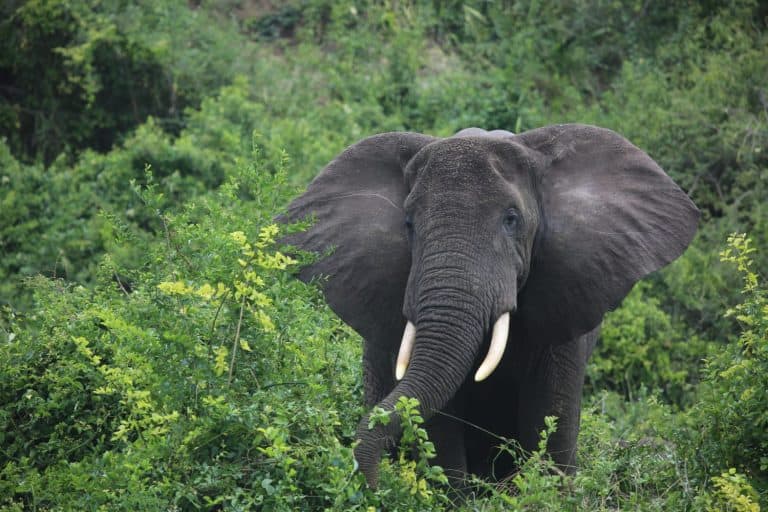
The rainforest's master gardener
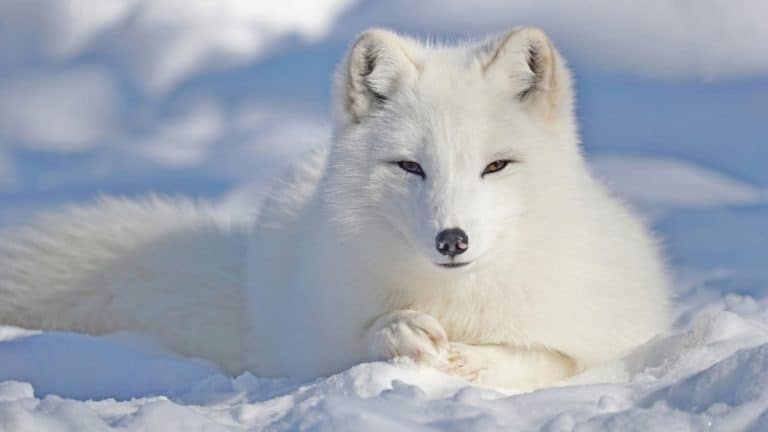
Built for blizzards, born for tundra
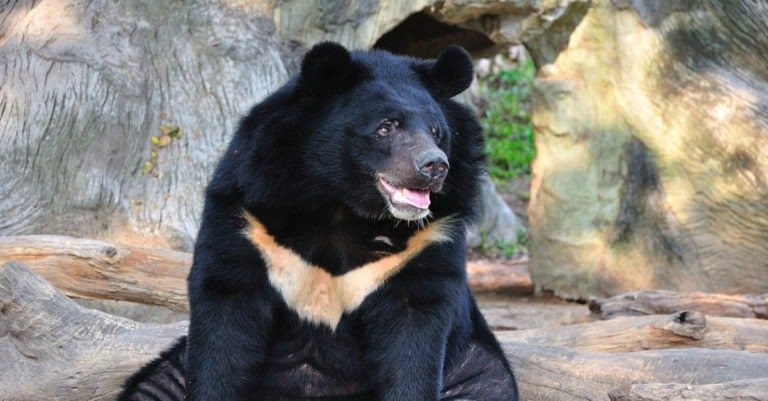
Moon-marked climber of Asian forests
Built to dig. Born to endure.
Night pilots of the mammal world
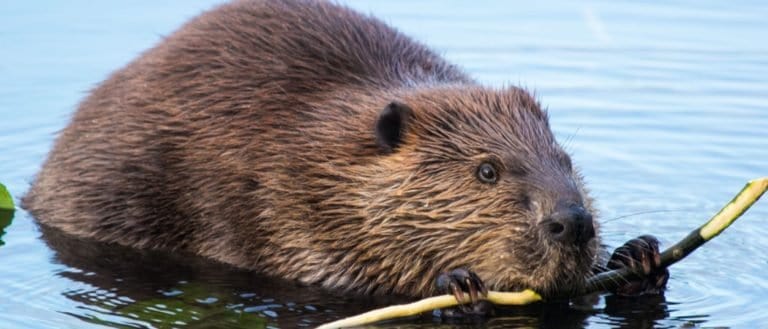
Build wetlands, shape worlds.
Humps of fat, miles of grit
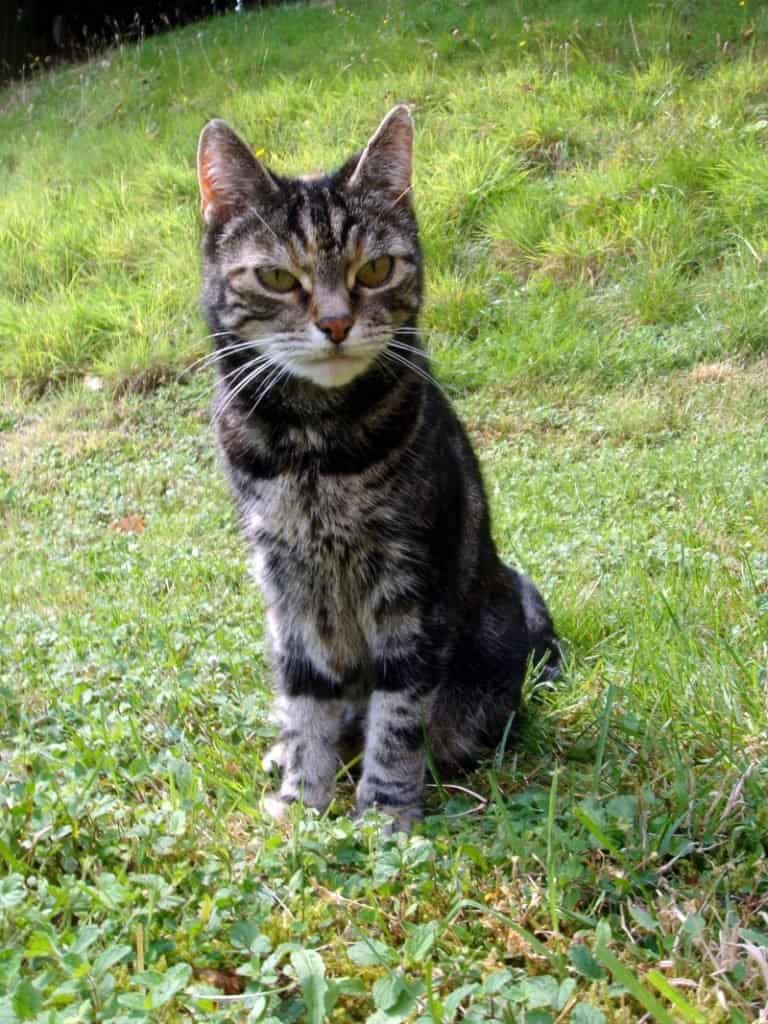
Small hunter, big household legend
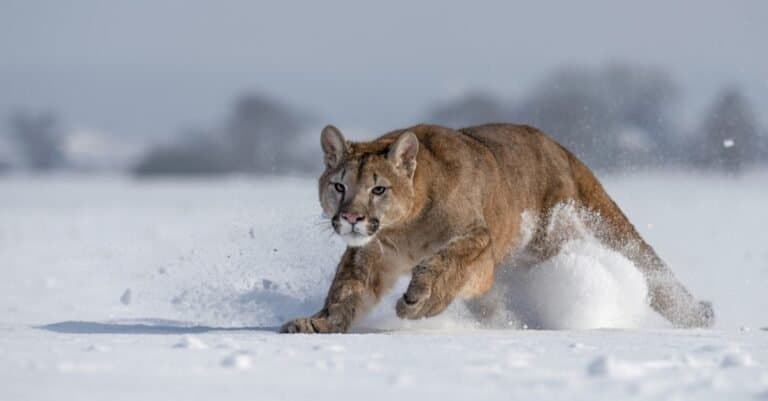
One cat. Two continents.
Sure-footed partner of people
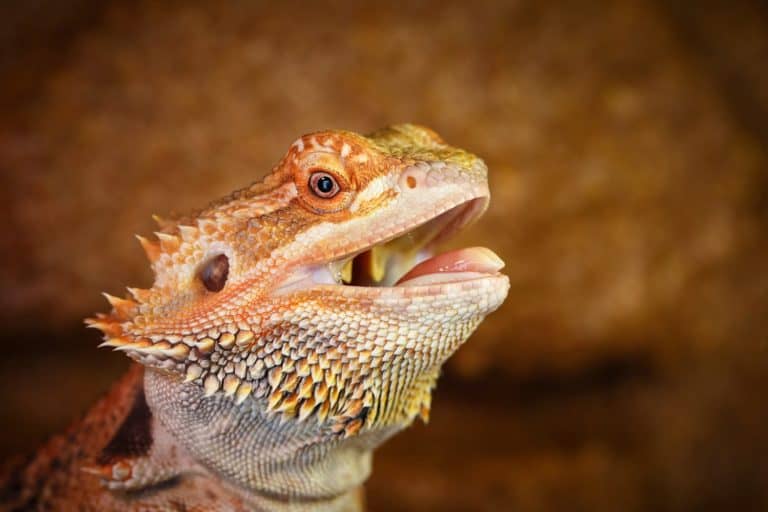
Big beard, bright sun, bold attitude.
Webbed feet, world travelers.
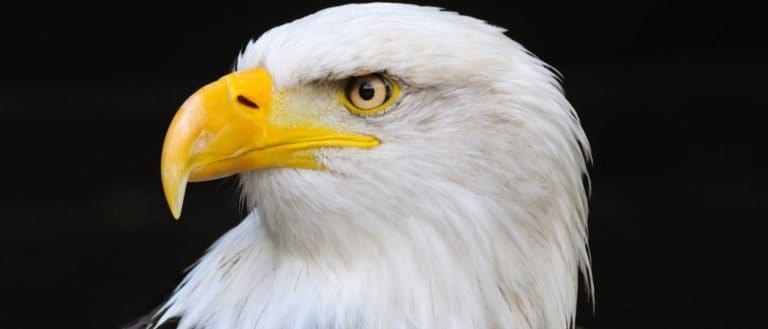
Built to soar, born to strike
Spines, eggs, and ant-eating mastery
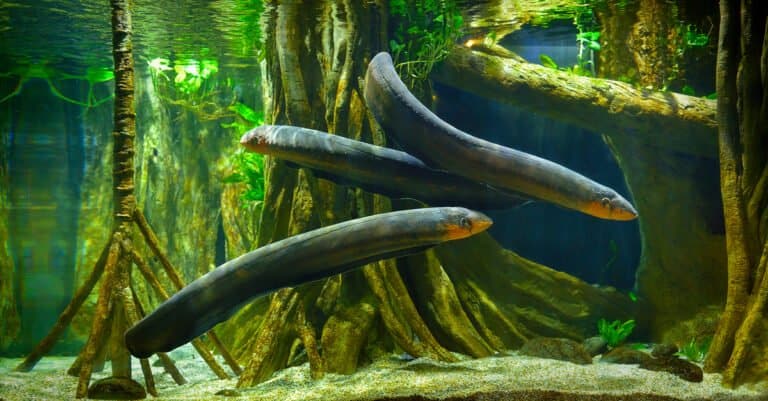
Lightning hunter of the Amazon
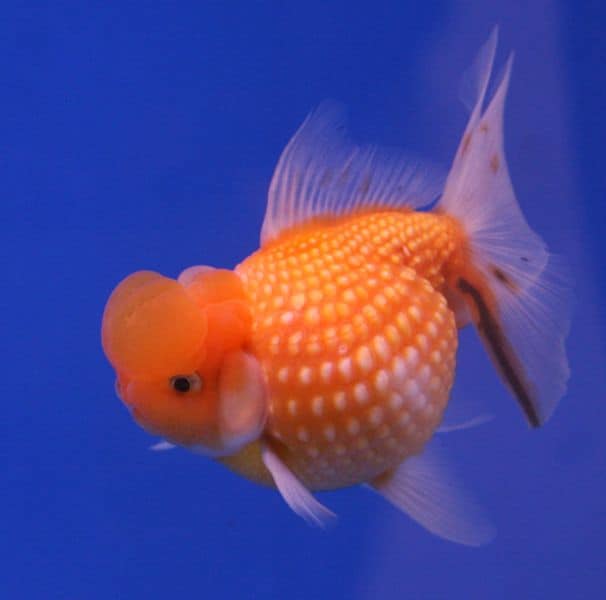
Bony rays, endless ways.
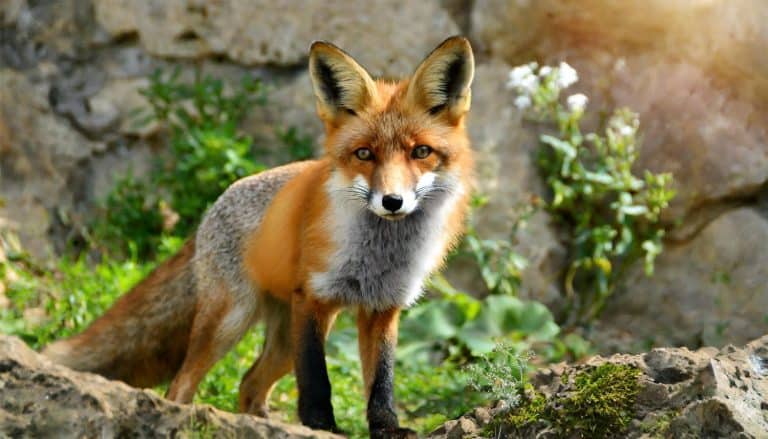
From dunes to tundra-fox smart.
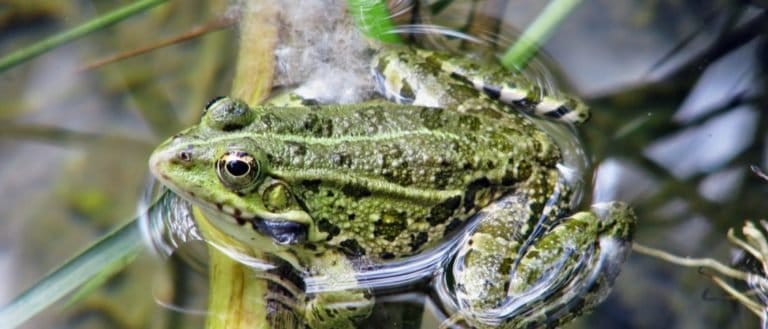
Tailless jumpers, masters of change
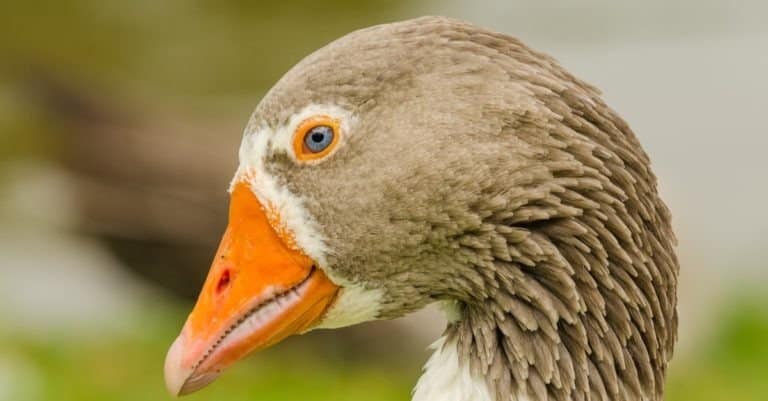
Webbed feet, sky roads, wetland lives
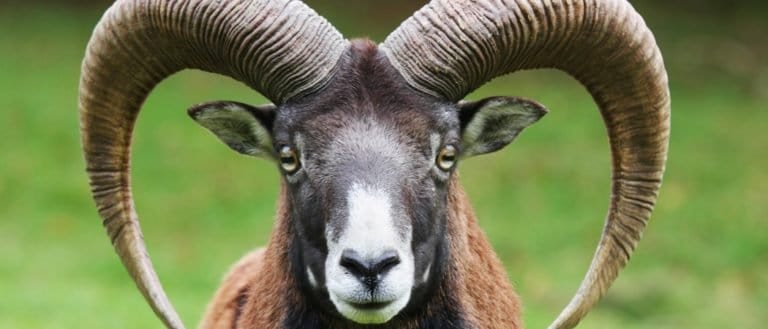
Sure-footed masters of rock and range
Gentle giants of the African forests
Pouches, burrows, and big impacts
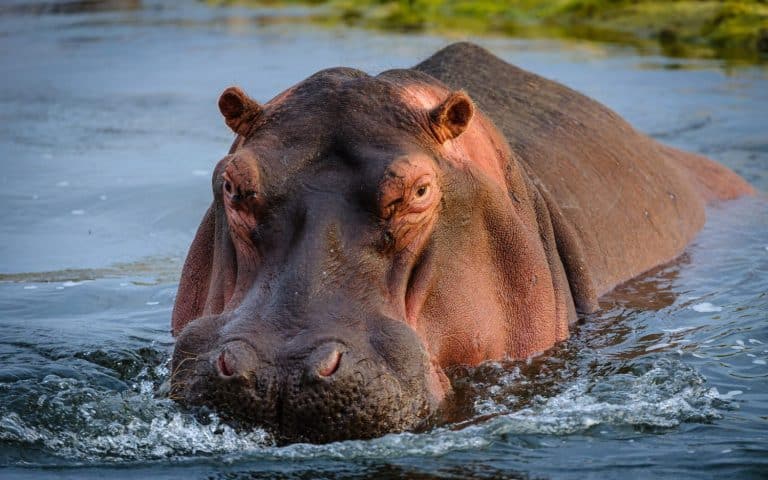
Big river grazer, bigger attitude
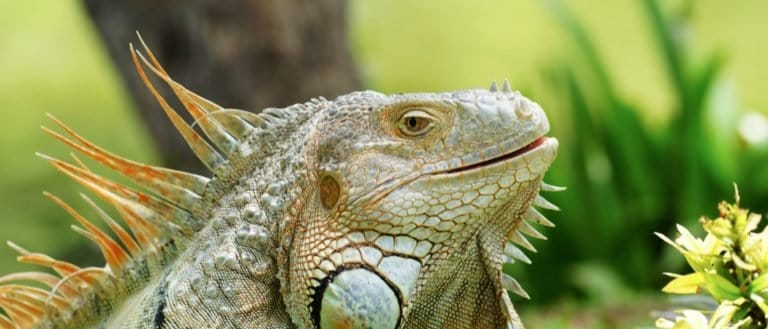
Sun-powered lizards of the Americas
Thank you for reading! Have some feedback for us?
We appreciate your help in improving our content.
Our editorial team will review your suggestions and make any necessary updates.
There was an error submitting your feedback. Please try again.