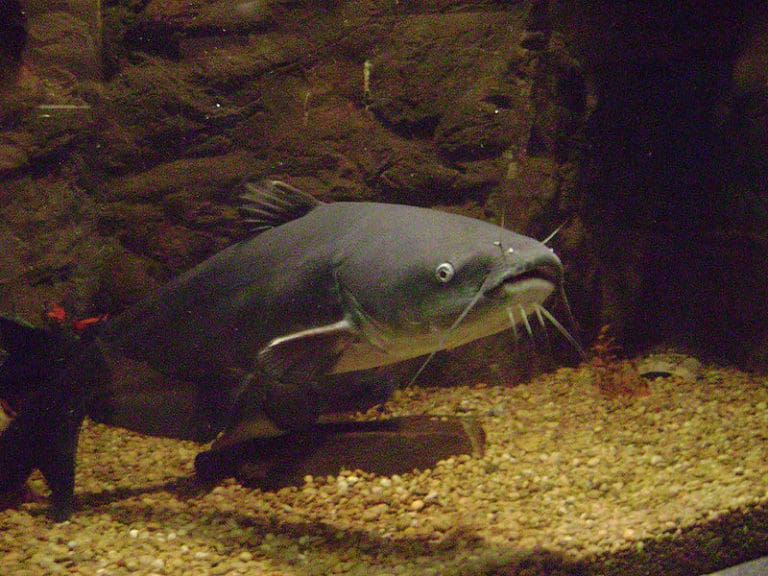
Catfish
Whiskers, spines, and river smarts

Whiskers, spines, and river smarts
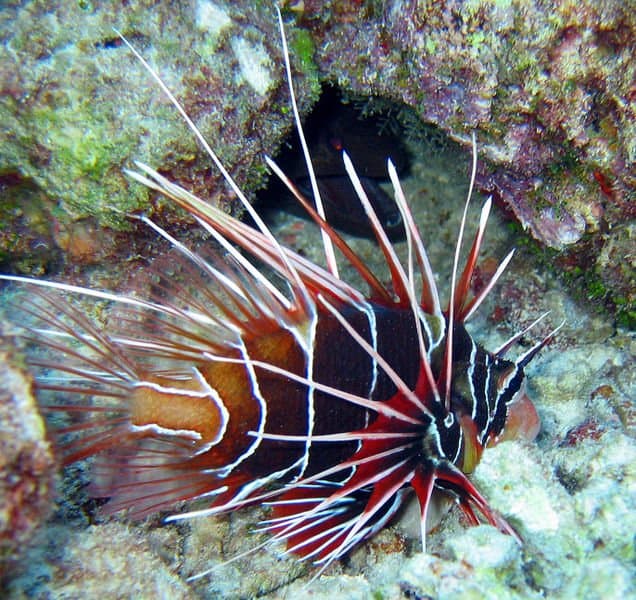
Beauty with a sting.
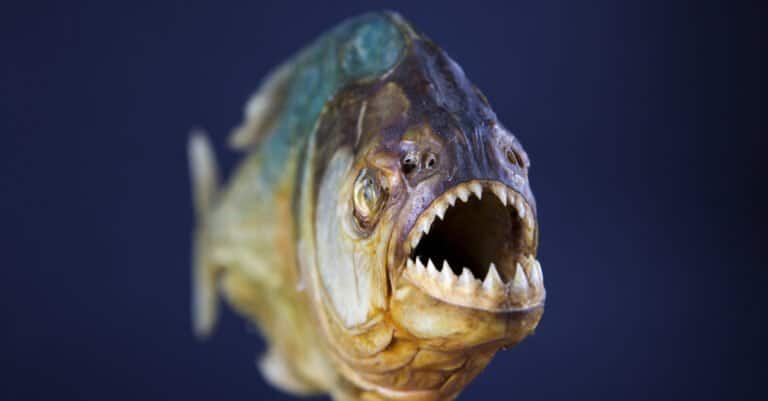
More than movies: jaws, seeds, and strategy
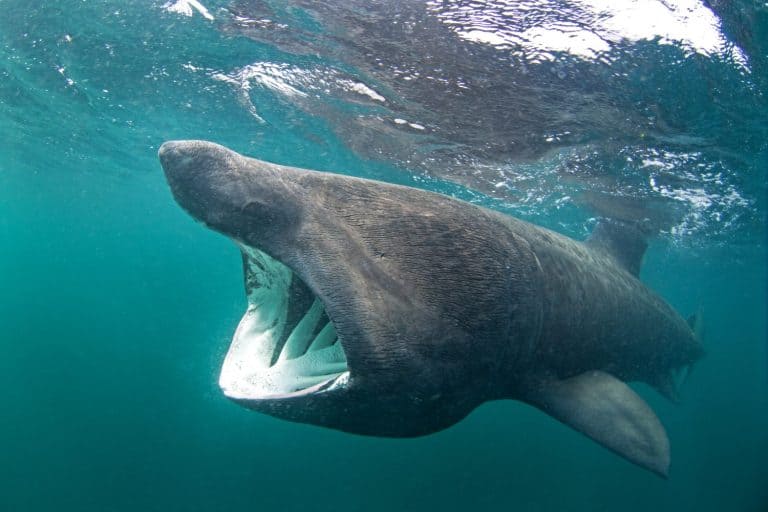
Big mouth, tiny prey.
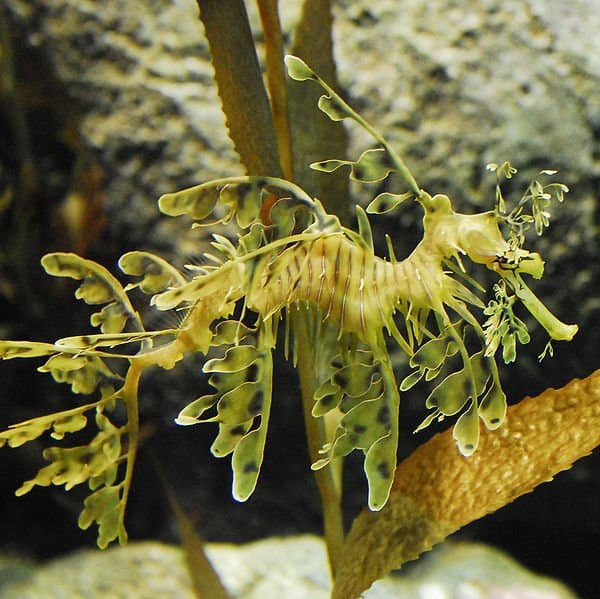
The master of seaweed disguise
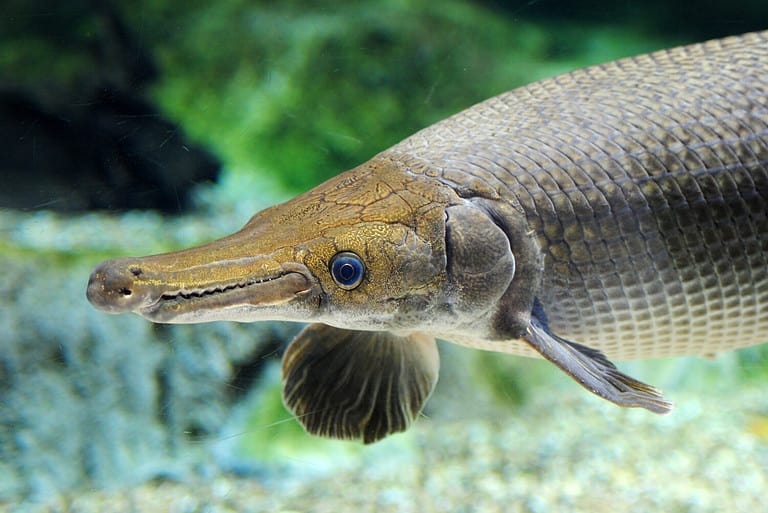
Armored ambushers of the backwaters
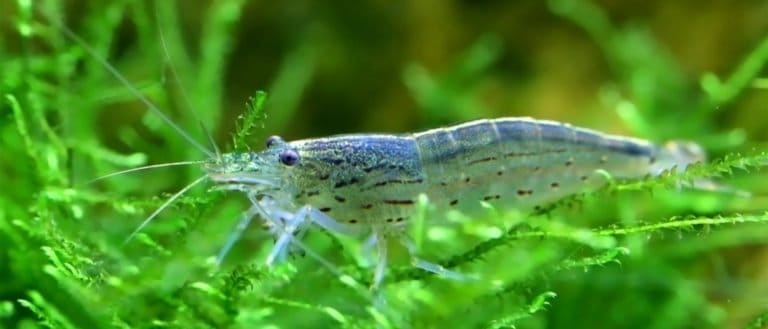
Small crustaceans, big ocean jobs
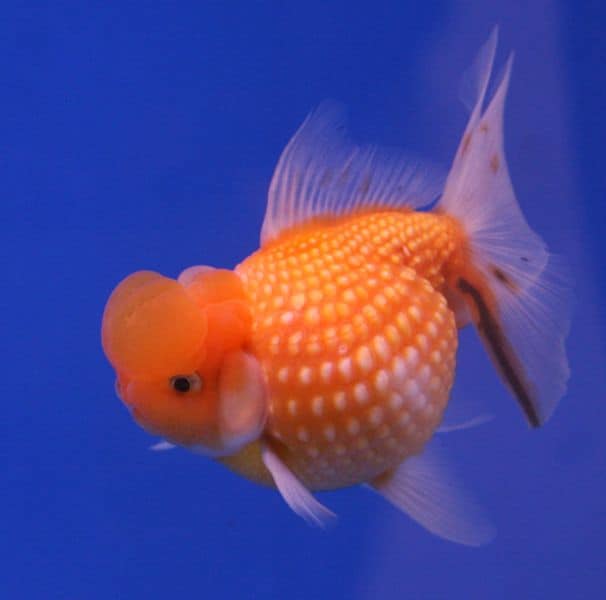
Bony rays, endless ways.

Built to ambush, born to bite.
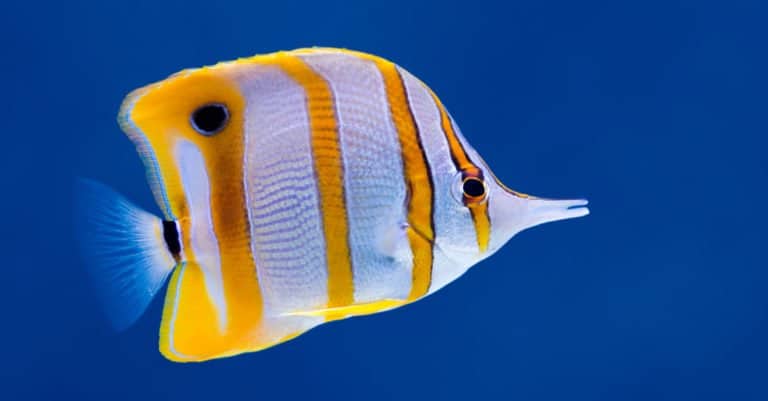
Color-coded courtiers of the coral reef
A shoal is an aggregation of fish (or other aquatic animals) that remain in proximity through social attraction rather than purely by chance, without requiring tight polarization or synchronized movement. It is a collective grouping in which individuals maintain variable spacing and orientation while gaining ecological benefits from being near conspecifics or other species.
A shoal is a loose group of fish that stay near each other. Shoals form for shared needs like reducing predator risk, finding food, or getting mates, but they are not the tight, aligned swimming of a school. Shoals can be one species or several, and how closely fish stick together can change with conditions. Benefits include lower chance each fish is eaten, more eyes to spot predators, confusing attackers, finding patchy food faster, and helping fish find mates or spawning sites. Group size, density, and members change with habitat, light, current, hunger, and danger. Fish follow simple rules—keep distance, avoid bumping, and move toward neighbors—and many switch between shoaling and schooling when risk or movement needs rise.
Typically no fixed dominance ladder or permanent leader. Individuals maintain personal space and follow simple local interaction rules (e.g., stay near others, avoid collisions), with influence shifting moment-to-moment based on position, size, hunger, boldness, or information about threats/food.
Any individual that happens to detect food, a safe route, or a threat first may move off and be followed by others; leadership is fluid and frequently changes.
More vigilant or more exposed edge individuals are often first to react to predators, triggering rapid group-wide avoidance.
Individuals on the periphery experience higher predation risk and may cycle in/out of edge positions; not a formal role but a recurring spatial position.
Individuals in the center benefit from reduced predation risk; membership is dynamic as fish reposition.
Individuals that preferentially join others' discoveries (e.g., feeding spots) rather than exploring; depends on personality/condition and can change over time.
Shoals form when nearby fish gather in feeding areas, migration routes, or near shelter. Being close lowers fish's chance of being eaten, helps find food and predators, and boosts mating. Formation is opportunistic and driven by visual, lateral line, and chemical cues. Size and species depend on who is present, light, water clarity, currents, predators, and food distribution.
Closer proximity and repeated contact in shared water space can elevate transmission of parasites, fungi, and bacterial/viral pathogens; shared resting/foraging areas increase exposure to shed infectious stages and can raise chronic parasite loads that reduce growth, endurance, and survival.
A shoal can be more visually and hydrodynamically detectable than solitary fish, increasing predator attraction-especially in clear water or against high-contrast backgrounds-while the looser structure provides less coordinated confusion or rapid collective escape than a tightly synchronized school.
Found across: Ray-finned fishes (Actinopterygii), especially pelagic clupeids (herrings, sardines) and many small-bodied forage fish, Freshwater cyprinids (carp, minnows), which commonly form loose social shoals, Livebearers (Poeciliidae) and other small freshwater fishes that aggregate primarily for predator avoidance, Some juvenile elasmobranchs (sharks and rays) that form loose aggregations at nursery or resting sites (shoal-like social grouping)
Shoaling doesn't require close kinship: many species will shoal with non-relatives (and sometimes even with other species) if it improves safety and foraging.
Fish can "tune" their shoaling preference based on recent experiences-after a predator scare, individuals often prefer larger, tighter groups; after calm periods, they may spread out more.
Shoals can act like information networks: a few experienced individuals finding food or detecting danger can shift the movement of many others through simple local cues.
Not all members benefit equally-bolder or hungrier fish may spend more time on the edge (riskier) to access food first, while cautious individuals gravitate toward the center.
Shoaling can reduce each fish's personal workload: individuals can spend less time scanning for predators because neighbors' sudden turns and accelerations serve as early-warning signals.
Like commuting crowds: people may travel in the same direction for safety and convenience without coordinated choreography-more a shared flow than a synchronized performance.
Like neighborhood watch or group chats: even if only a few notice something important (a threat or opportunity), that information can cascade quickly through the group via subtle signals.
Like open-air markets: being near others increases the chances of finding resources (food) and opportunities (mates), even if everyone is acting mostly independently.
Bony rays, endless ways.
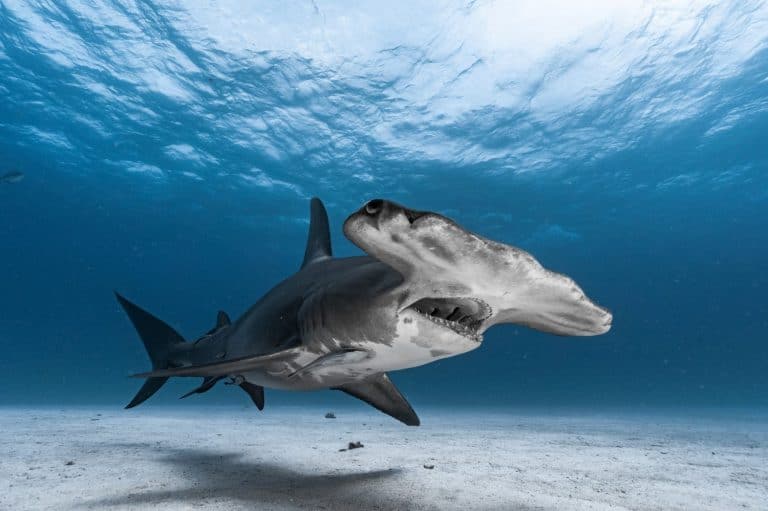
Built like a hammer, tuned like a radar
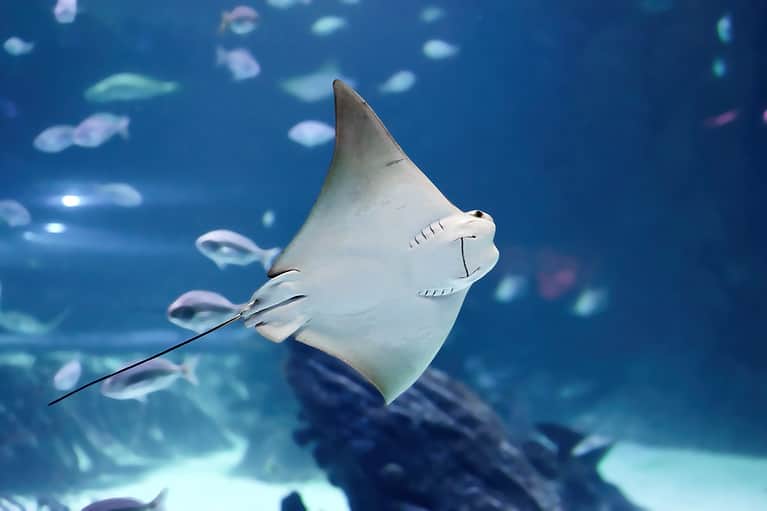
Stingrays: discs, senses, and surprises
More than movies: jaws, seeds, and strategy

Big bluff, sharp beak, potent chemistry.
Color-coded courtiers of the coral reef
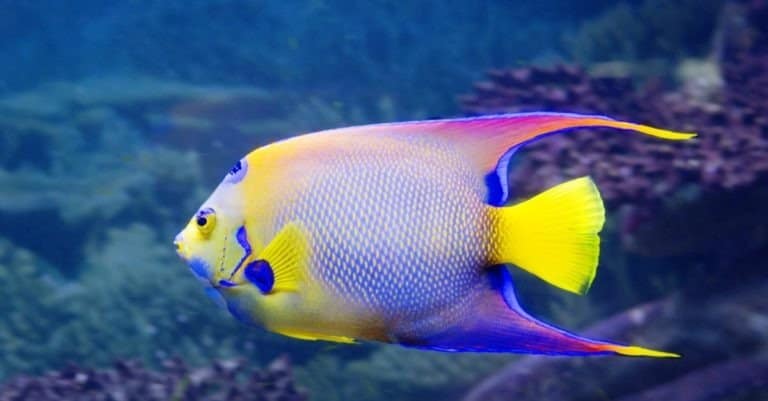
Reef royalty with a wardrobe change
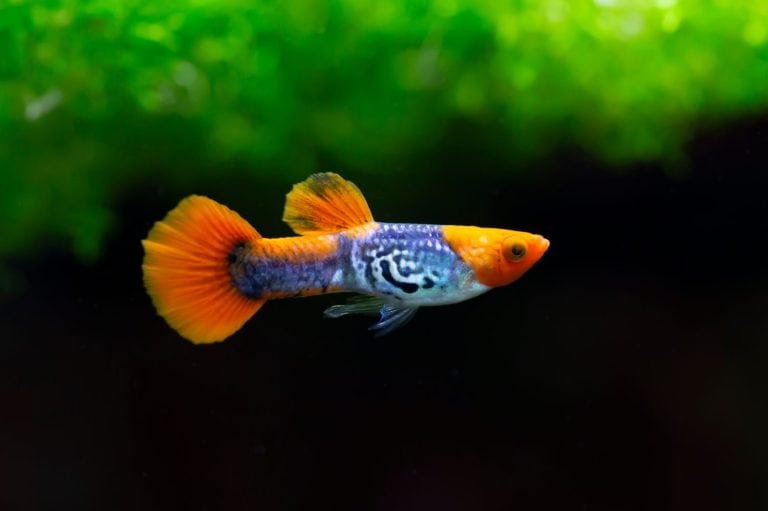
Small fish, big color, fast families
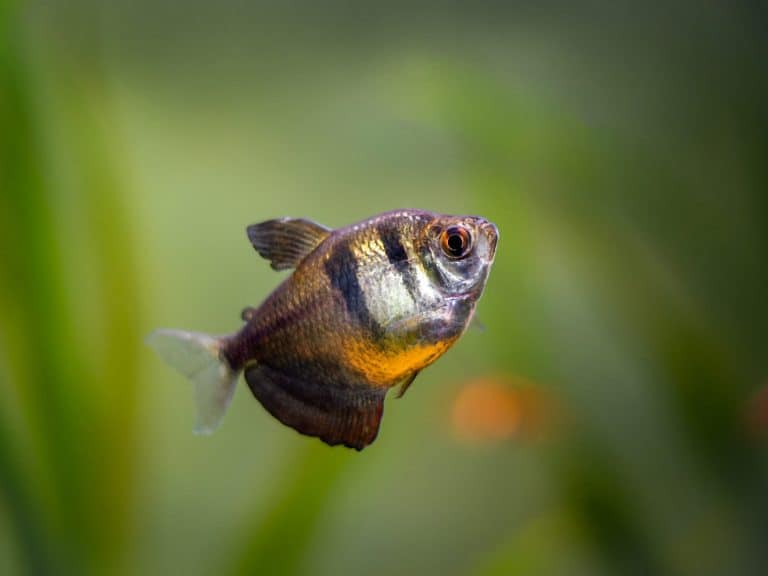
Tiny schools, huge diversity
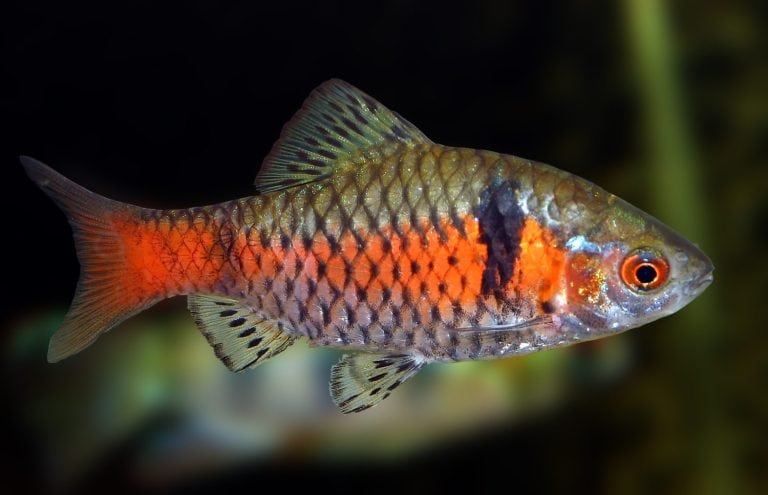
Barbs: big family, bigger variety
Beauty with a sting.
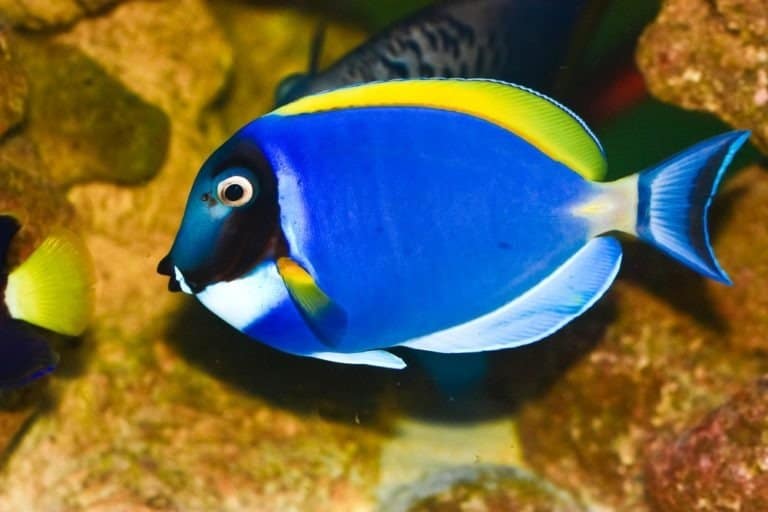
Reef gardeners with a hidden blade
Small crustaceans, big ocean jobs
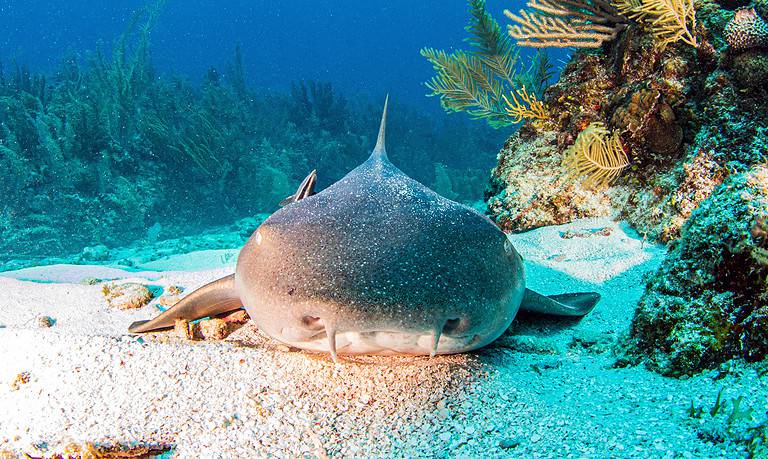
The reef's gentle vacuum hunter

Guardian of the reef drop-off
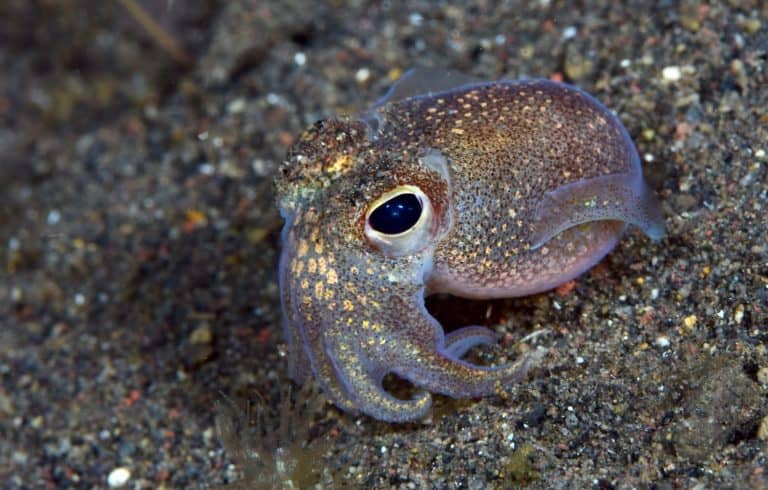
Ten-limbed sprinters of the sea
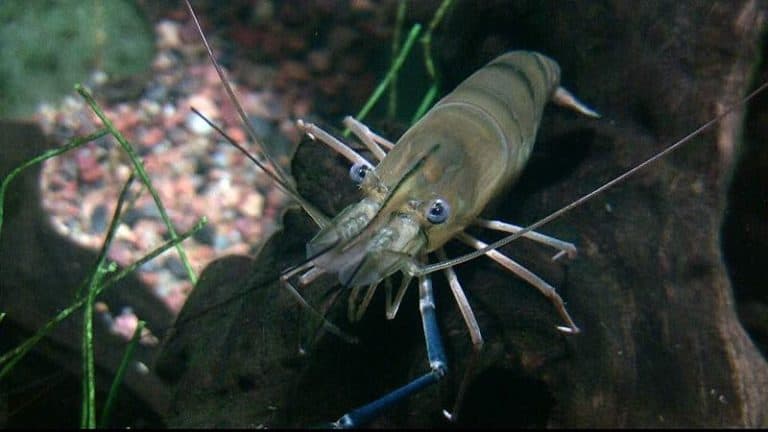
From reef cleaners to river giants
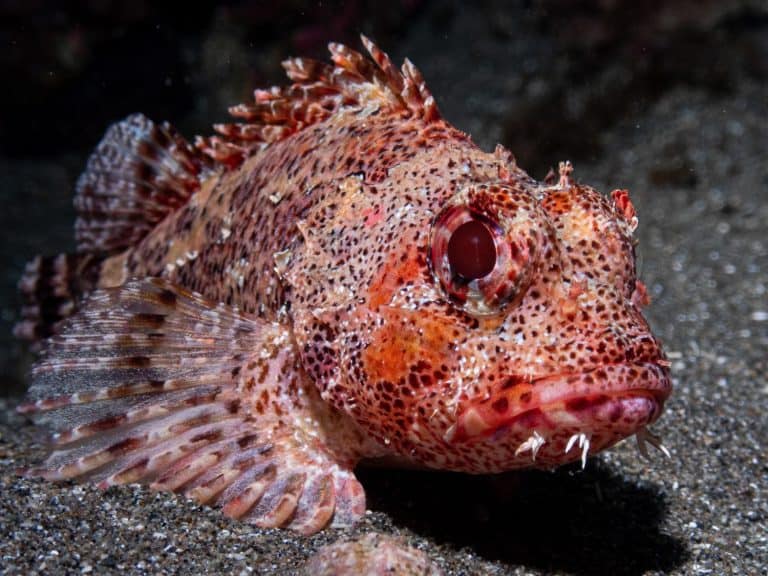
Beautiful camouflage, serious spines.
Whiskers, spines, and river smarts
The master of seaweed disguise
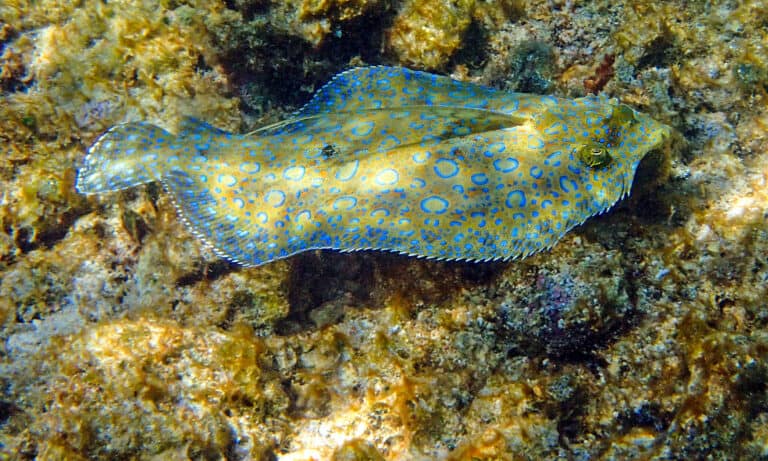
Two eyes, one side-seafloor masters
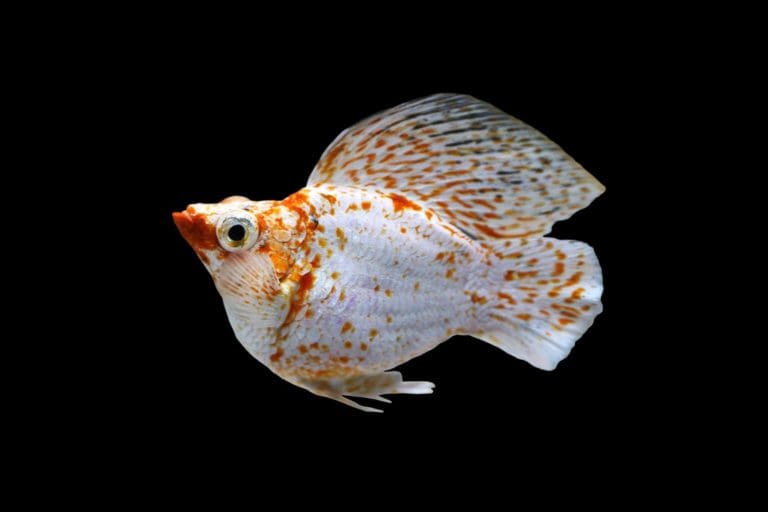
Livebearing grazer with brackish grit
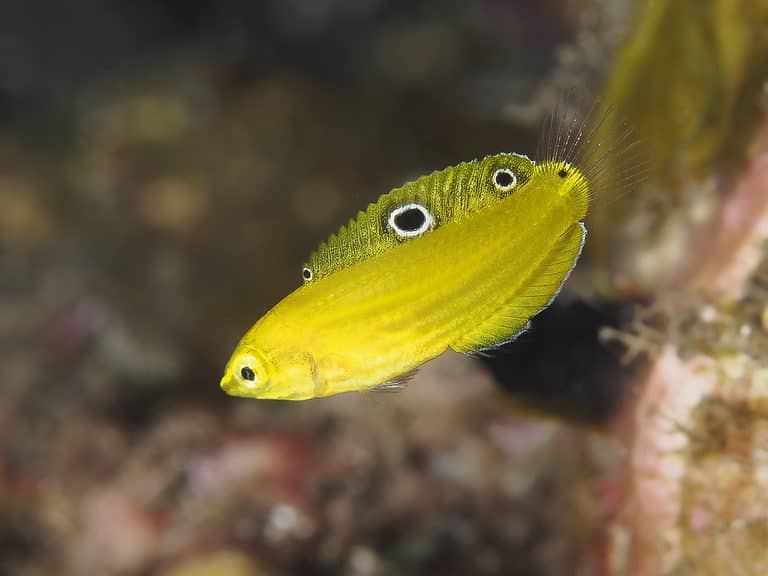
Wrasses: the reef's colorful caretakers
Big mouth, tiny prey.
Thank you for reading! Have some feedback for us?
We appreciate your help in improving our content.
Our editorial team will review your suggestions and make any necessary updates.
There was an error submitting your feedback. Please try again.