
Cotton-top Tamarin
Colombia's crested forest acrobat

Colombia's crested forest acrobat
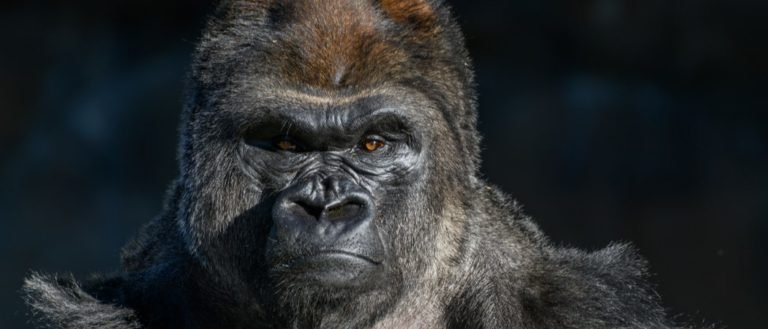
Gentle giants of the African forests
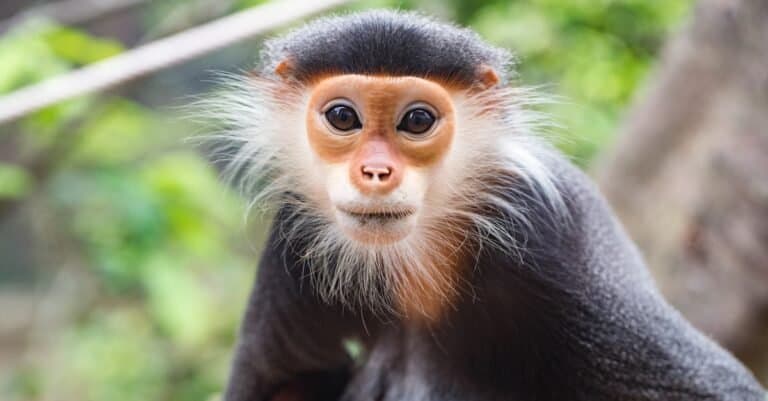
Colorful leaf-eaters of the canopy
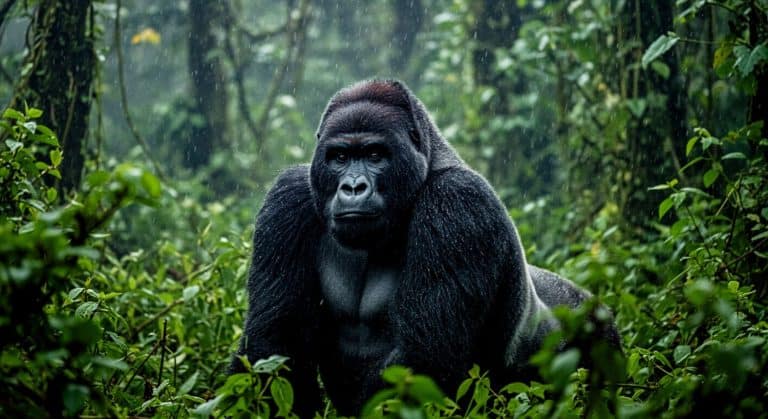
Highland giants, guarded by a silverback
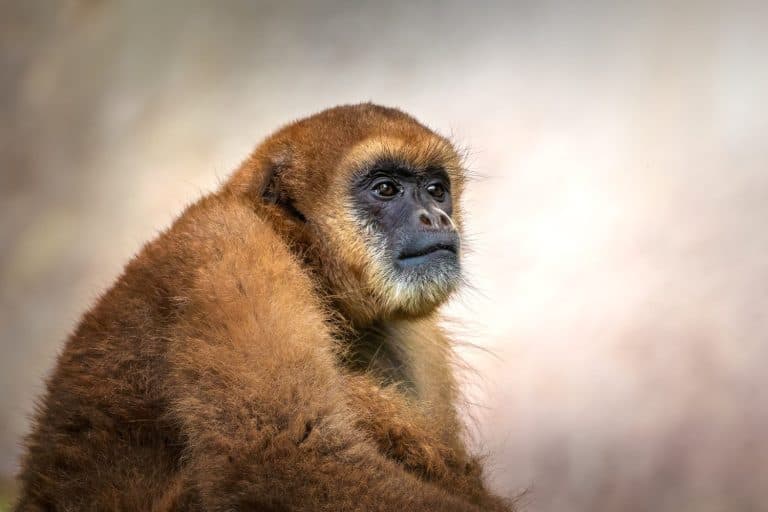
Fifth-tail climbers of the Amazon
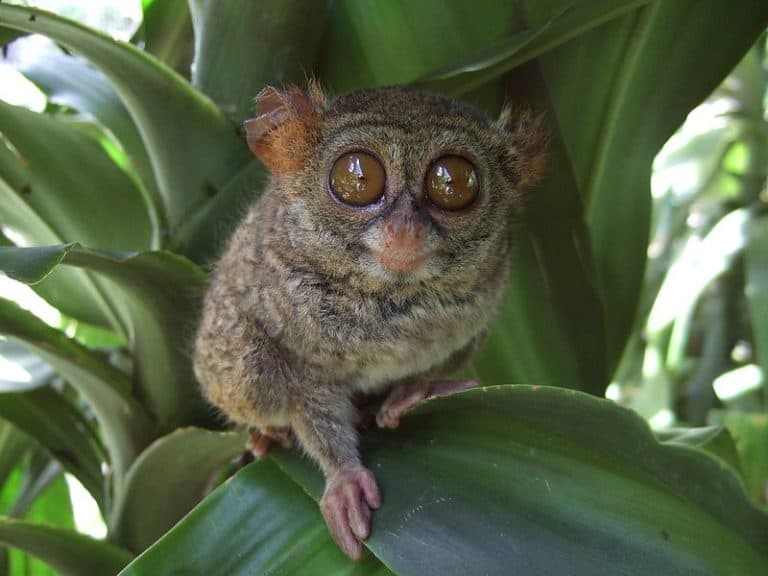
Big eyes. Bigger leaps.
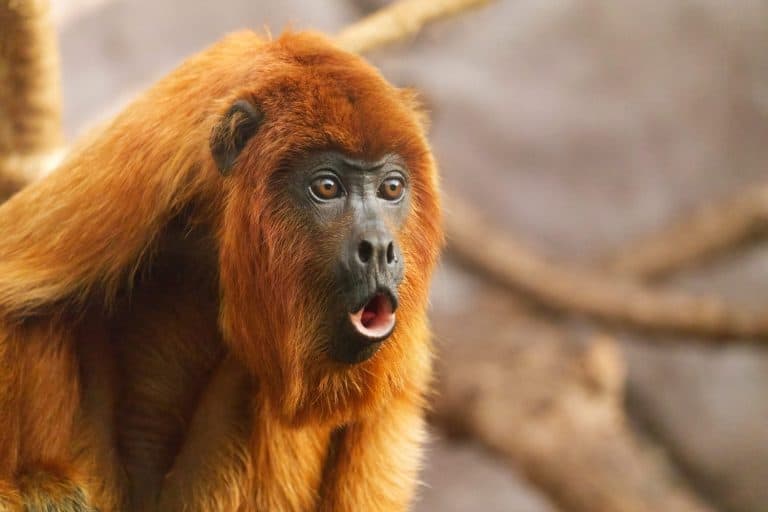
Small monkeys, thunderous voices.
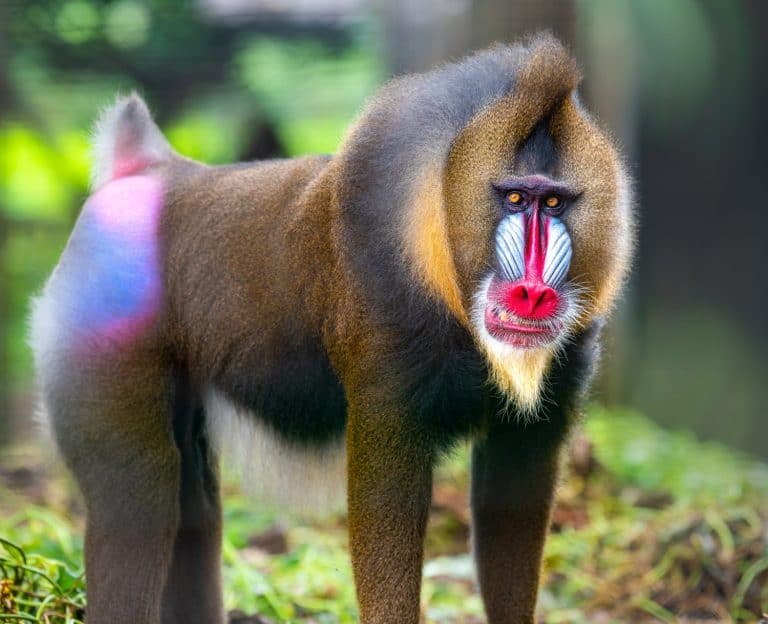
Rainforest faces, forest foragers
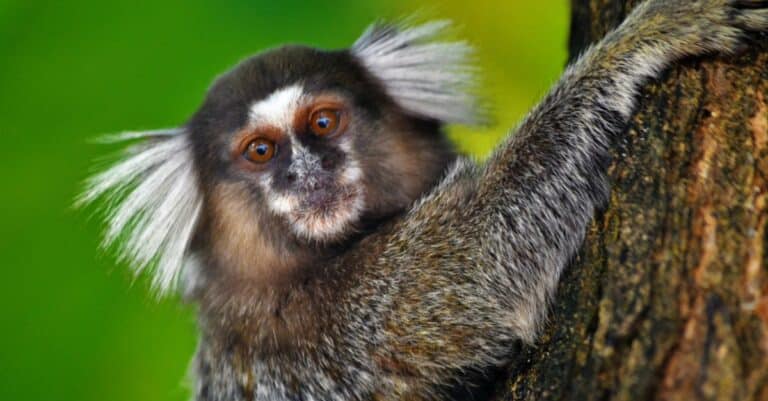
Tiny primates, big teamwork.
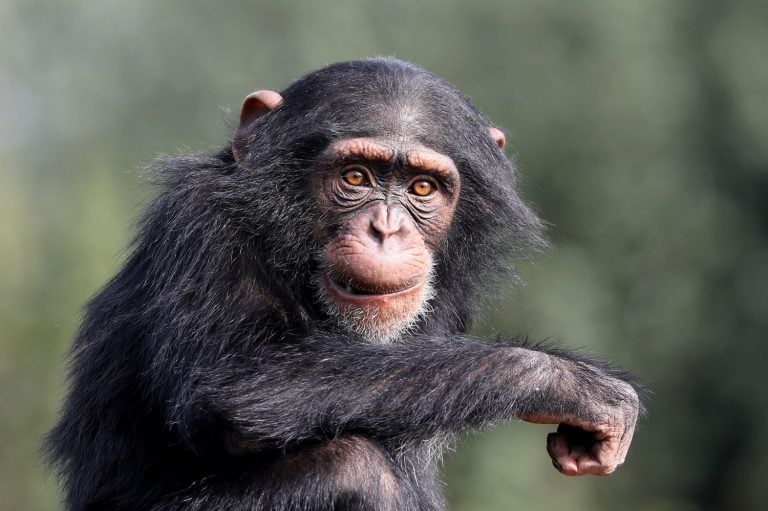
Tools, talk, and tight-knit tribes
A troop is a cohesive, socially organized group of animals-most commonly primates-that live, travel, forage, and interact together as a persistent unit. Troops are characterized by repeated social associations among members and coordinated group behavior across time.
In studies of primates, a troop is a stable or semi-stable social unit whose members stay near each other and often groom, form alliances, defend together, and move as a group. Troops are common in monkeys and other primates; living in a troop can lower risk from predators, help find food, and aid infant care. Troop makeup varies: many have several adult females (often relatives) and their young, plus one or more adult males who may be resident or temporary. Females may stay in their birth troop while males leave, or the reverse. Troops show ranks, social ties, shared decisions, and group defense. The term can apply to other social mammals and differs from bands, herds, or loose aggregations.
A "troop" means a group of primates; its dominance pattern varies by species. Old World monkeys (baboons, macaques) often have female kin cores and matrilineal ranks, while gorilla troops center on a dominant silverback male.
Anchors the core female lineage; often has priority access to resources and social support, influences group movement and conflict outcomes.
May lead in mating access and group defense; status can be contested and may change with immigration, coalition challenges, or aging.
Part of the resident female network; supports kin alliances, participates in grooming and infant care, and follows rank-based access patterns.
May remain at troop edges, assist in vigilance or defense opportunistically, and has limited mating opportunities depending on hierarchy.
Not a formal rank but a functional position: individuals (often kin) that provide mutual support in disputes and maintain social stability through alliances.
Context-dependent role often taken by alert individuals (frequently adult males or high-ranking adults) who scan for predators while others feed.
Individuals (often females, sometimes juveniles) who help hold, groom, or supervise infants, increasing offspring survival and freeing mothers to forage.
Develop social skills through play and low-stakes conflict; may act as information followers (tracking adults to food/water) and learn rank relations.
Troops form when related females stay in their birth area (female philopatry), creating a stable matrilineal core, while males move in from other groups. A troop can also form when part of a troop splits off and stays together because of food changes, protection needs, or other reasons, and becomes a separate, stable group with its own members and rank.
High contact rates (grooming, play, mating, aggression) and shared sleeping/feeding sites increase transmission of pathogens and parasites; troop cohesion can sustain outbreaks, while frequent group movement and encounters with neighboring troops can introduce novel infections; subordinate or stressed individuals may have weakened immunity, amplifying morbidity and reducing reproductive success.
A tight, noisy troop that moves often is easier for predators to find and follow; calling, rustling, and using clear paths again raise predator encounters, and large group shapes are more visible in open or edge habitats.
Found across: Primates (especially Old World monkeys: baboons, macaques, vervets; also some New World monkeys), Apes (gorillas, chimpanzees/bonobos-often termed communities but sometimes loosely called troops), Strepsirrhine primates (some lemurs), Occasionally used informally for other social mammals with cohesive group movement (e.g., macropods like kangaroos; small cooperative carnivorans like meerkats/mongooses)
Some primate troops function like "information networks": individuals track who has recently found food or spotted danger and adjust their own choices based on those social cues.
Troops can show culture-distinct local traditions (like specific grooming styles, food-washing, or tool-use habits) can persist within one troop and differ from neighboring troops of the same species.
Not all troop leadership is brute force: in several primates, older or socially well-connected individuals can steer group movement simply because others trust their choices or follow their relationships.
Females in many troop-living primates form the long-term "core" of the group (often staying in their natal area), while males may transfer between troops-so the troop's stability often depends more on female kin networks than on dominant males.
A troop's hierarchy isn't just about aggression; grooming, alliance-building, and reconciliation after conflicts can be as important as fighting for maintaining rank and stability.
Troops resemble small towns with extended families: long-term residents (often related females) create the community's continuity, while "newcomers" (males transferring in) can shift politics and alliances.
Their social hierarchies act like informal governance: status affects access to resources and mates, while coalition-building works like political blocs or voting alliances.
Group-level coordination during travel and foraging is similar to committee decision-making-individuals "lobby" through movement, calls, and following behavior until a consensus direction emerges.
Gentle giants of the African forests
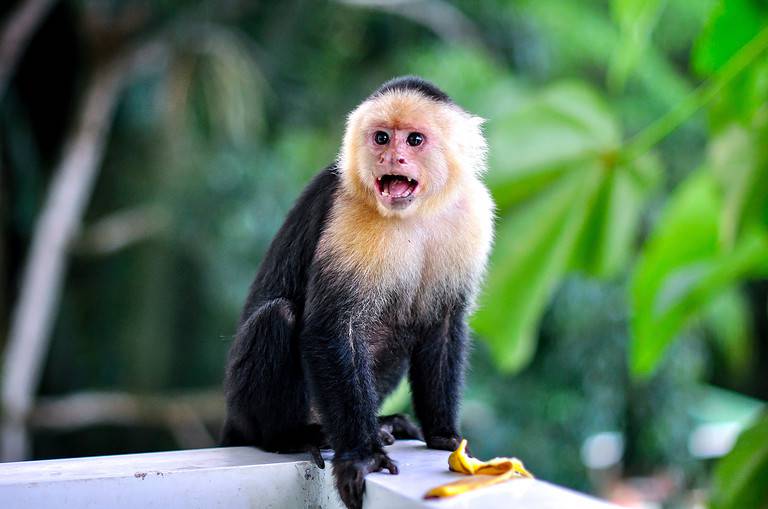
Hands, minds, and social lives
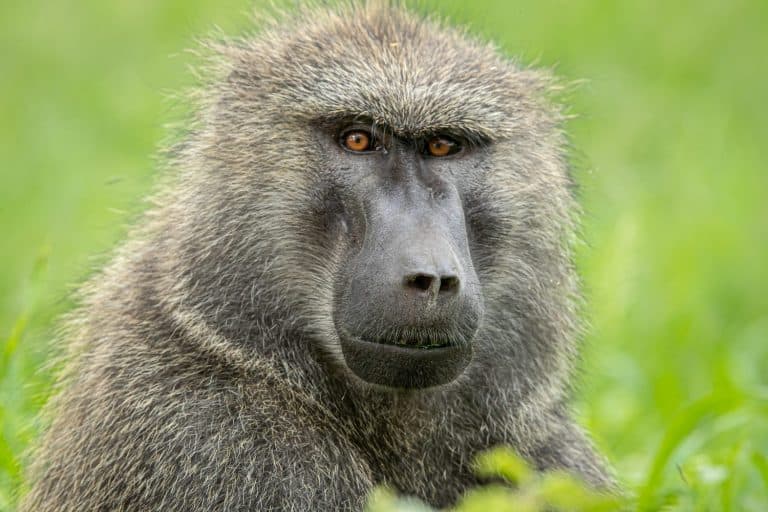
Big brains, bold troops, wild Africa
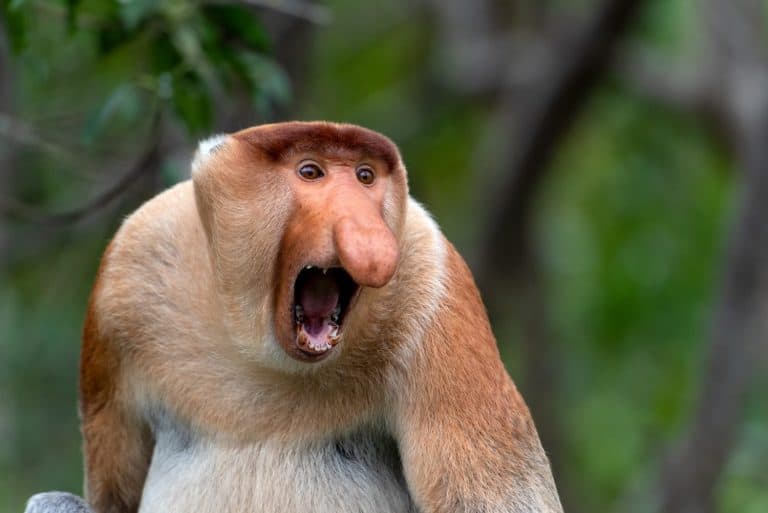
The river-nose of Borneo
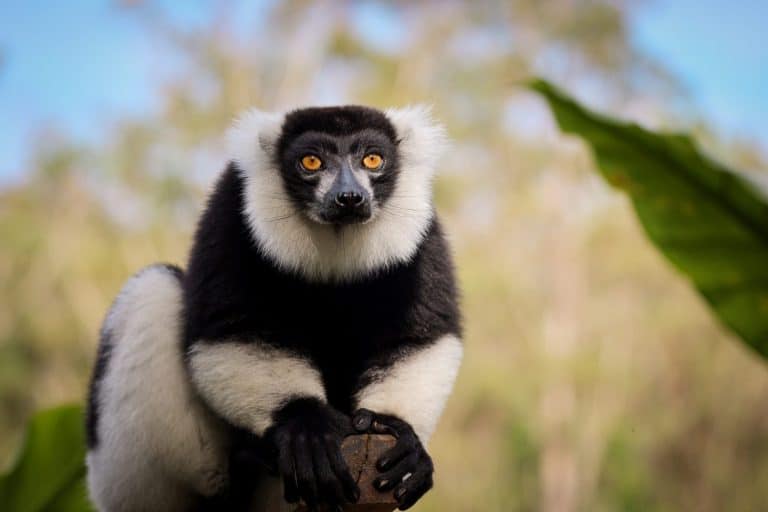
Lemurs: Madagascar's primate marvels
Tools, talk, and tight-knit tribes
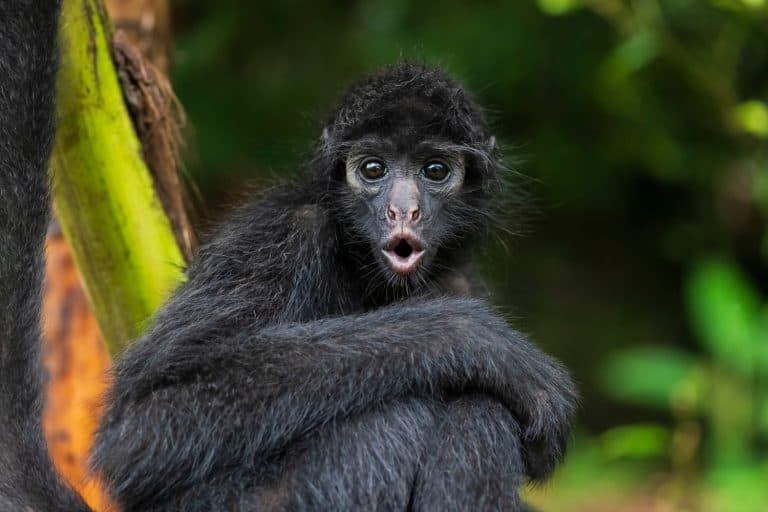
Fifth-tail flyers of the rainforest
Small monkeys, thunderous voices.
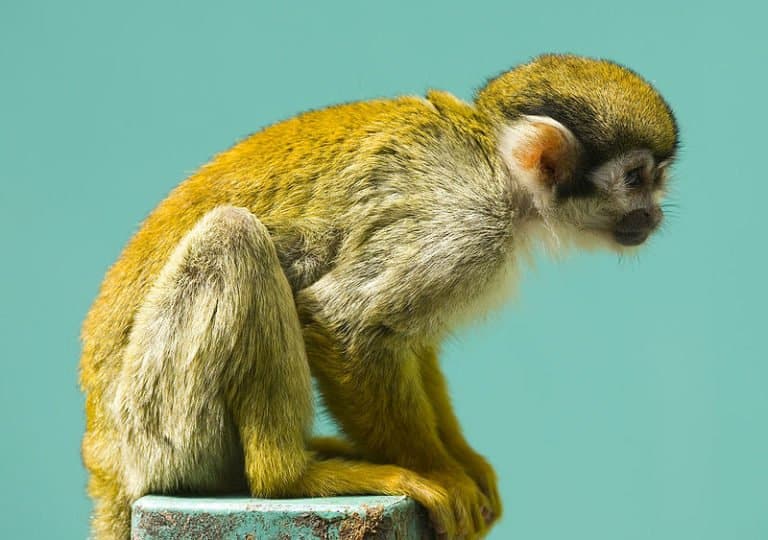
Big eyes. Fast feet. Forest teamwork.
Highland giants, guarded by a silverback
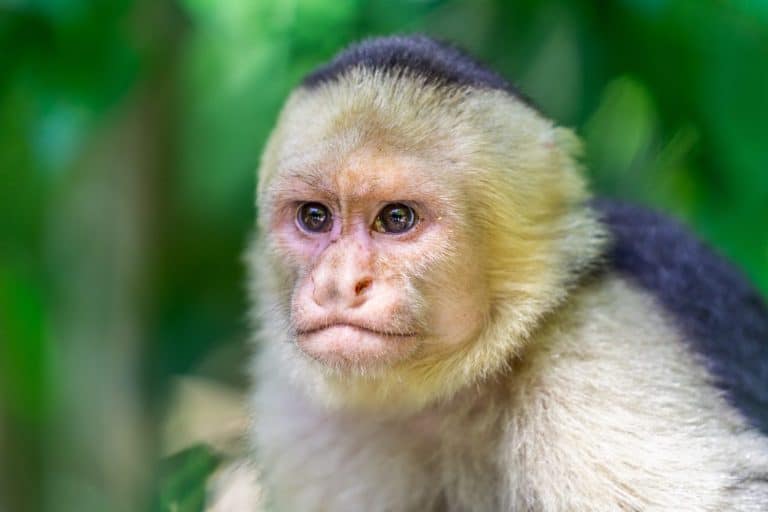
Big brains behind a white face
Big eyes. Bigger leaps.
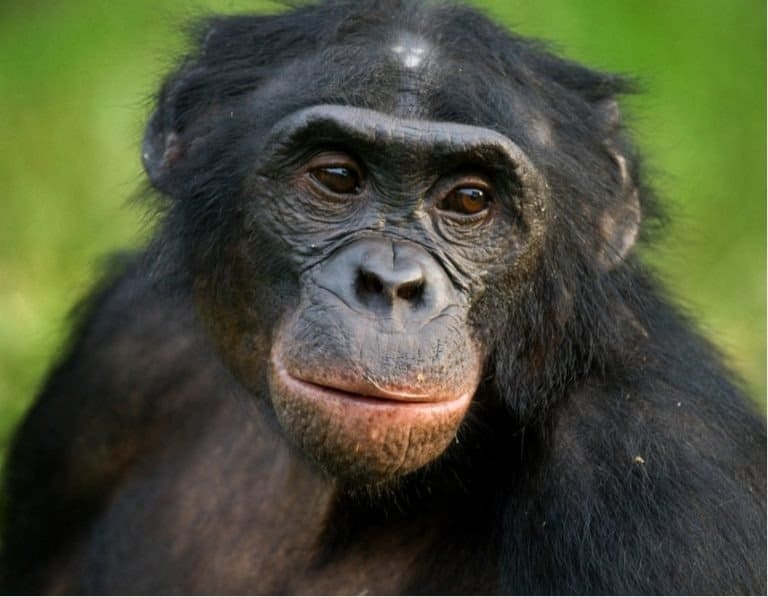
DRC's "make-peace" great ape
Fifth-tail climbers of the Amazon
Rainforest faces, forest foragers
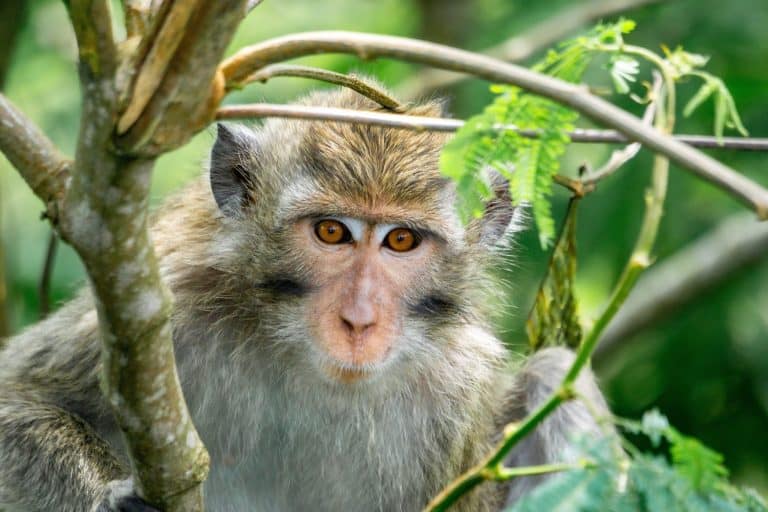
Long tail, big brains, bold foraging
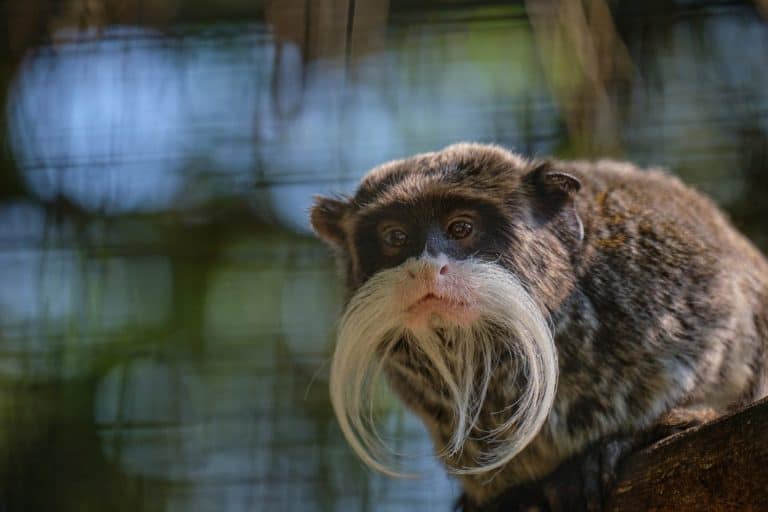
The rainforest monkey with a moustache
Colombia's crested forest acrobat
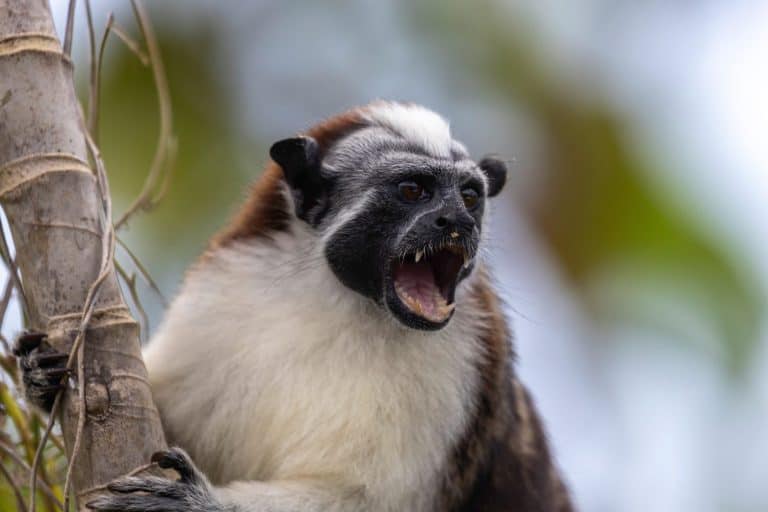
Panama's cooperative twin-raiser
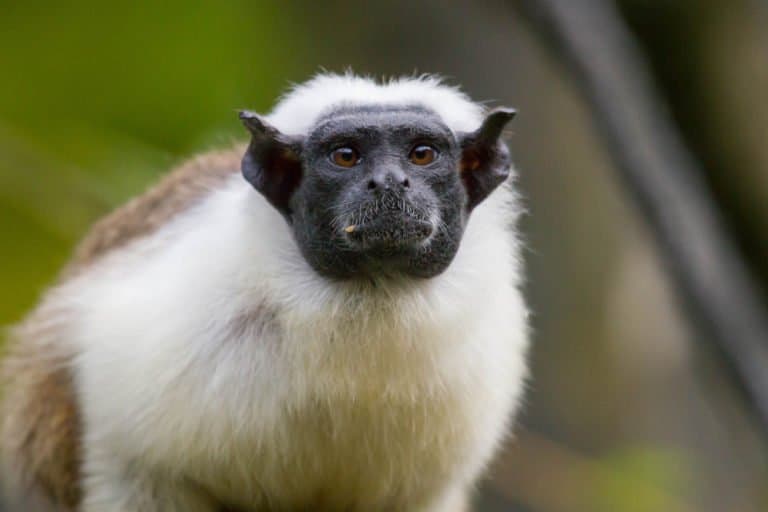
Manaus' black-and-white forest neighbor
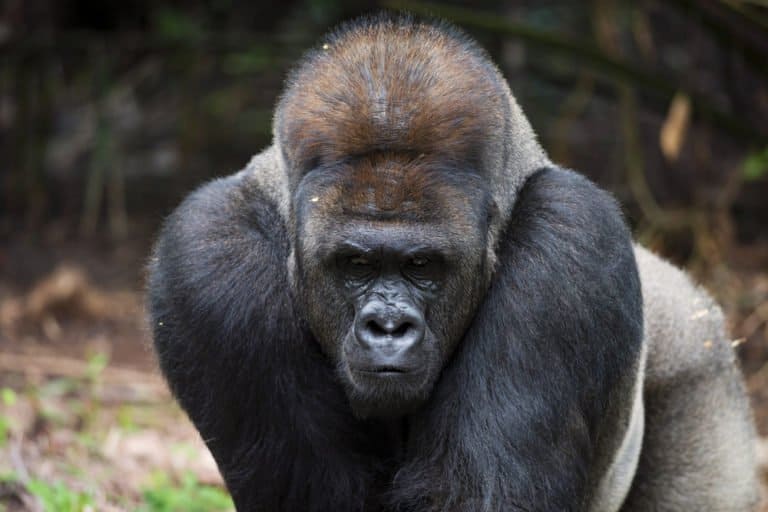
Gentle giant of Congo's forests
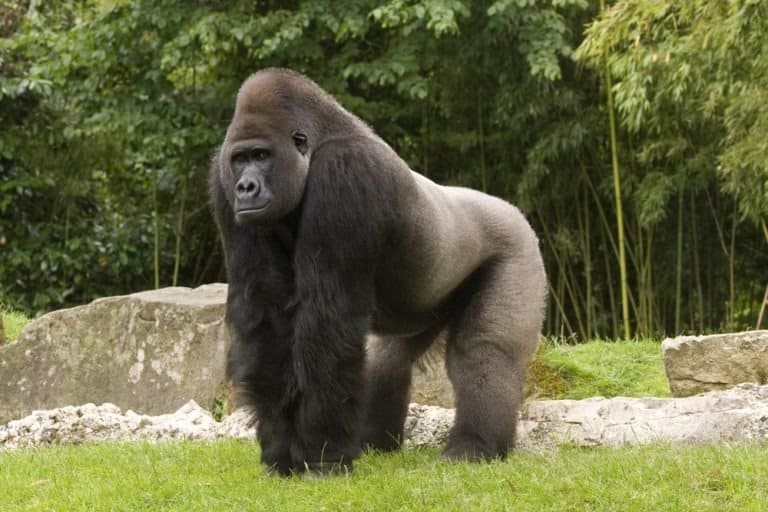
Silverback-led seed sower of the Congo
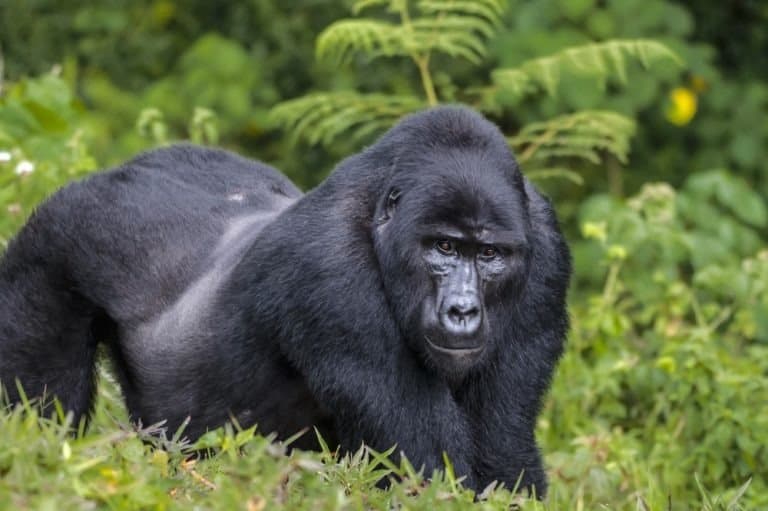
Big ape, tight family, fragile home
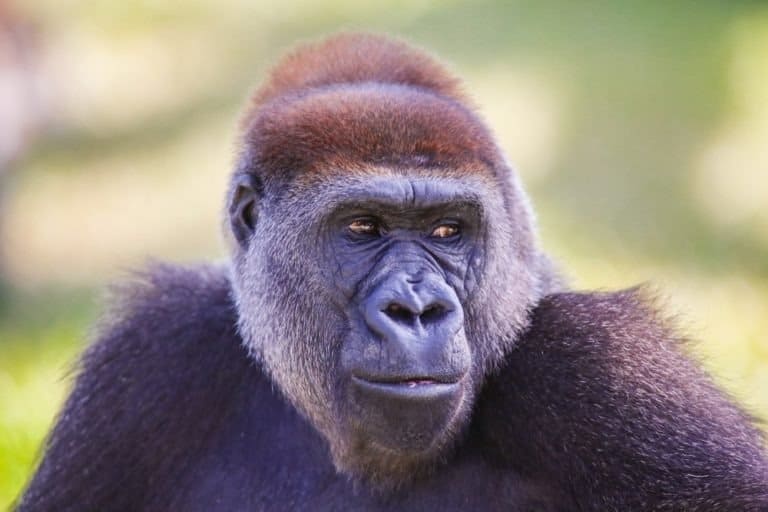
Protect the Cross River silverback
Thank you for reading! Have some feedback for us?
We appreciate your help in improving our content.
Our editorial team will review your suggestions and make any necessary updates.
There was an error submitting your feedback. Please try again.