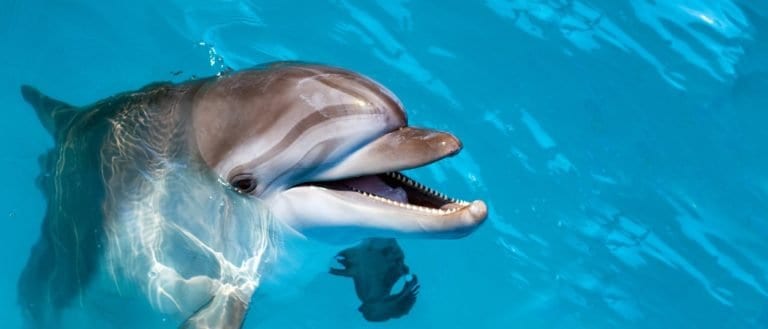
Dolphin
Pods, clicks, and ocean smarts.

Pods, clicks, and ocean smarts.
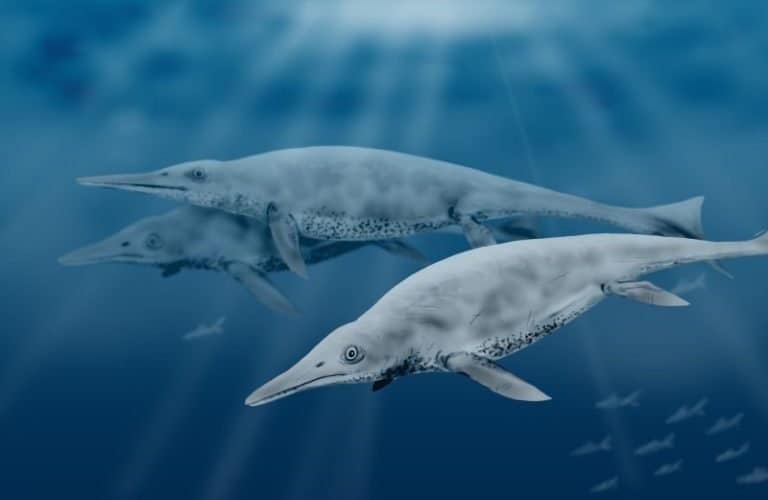
Triassic titan of the open sea
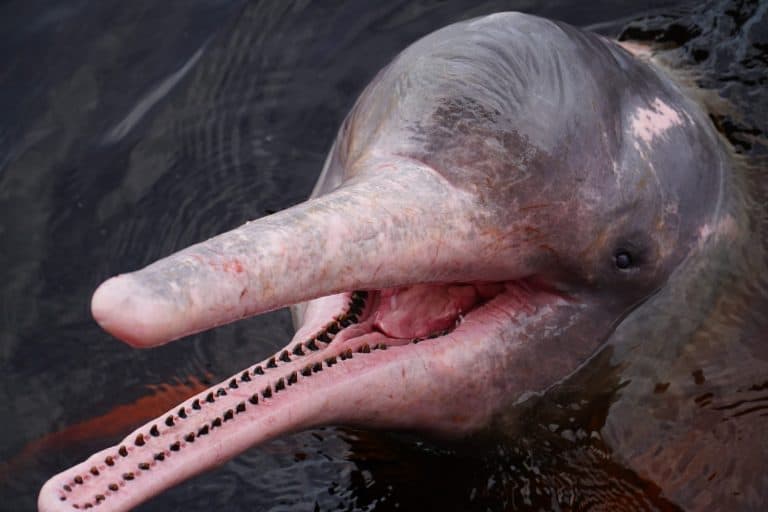
The pink dolphin of flooded forests
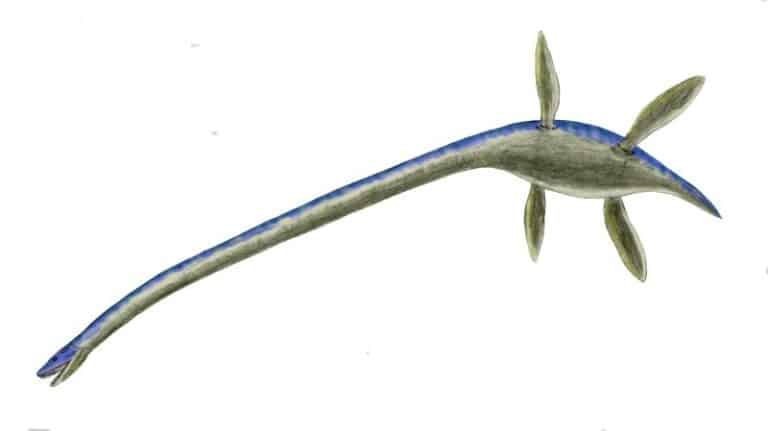
Long neck, open sea, Cretaceous hunter
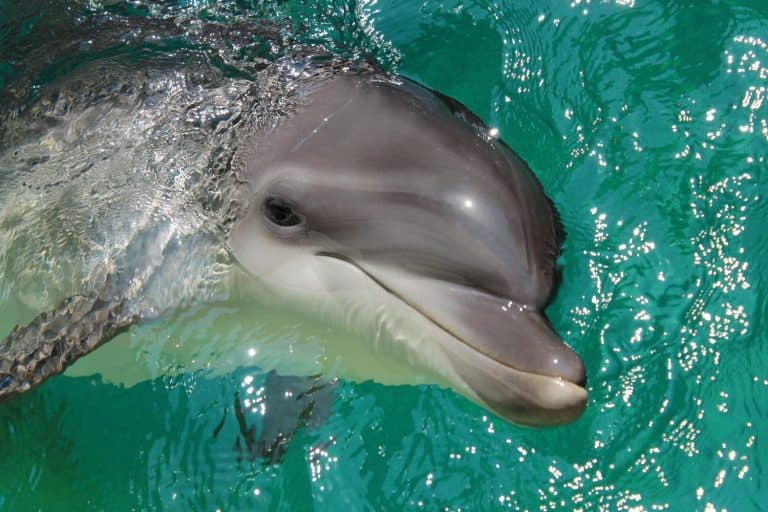
Built for the surf-and sonar.
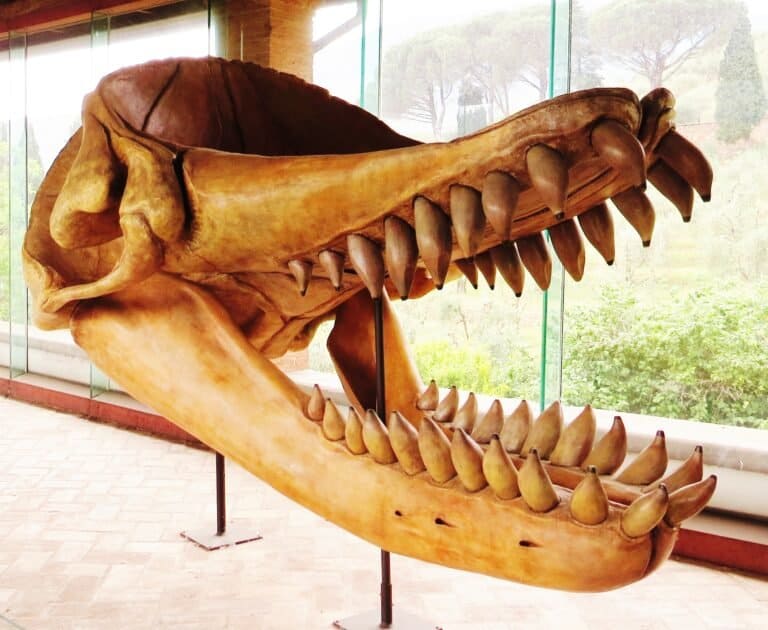
Big-toothed terror of the Miocene seas
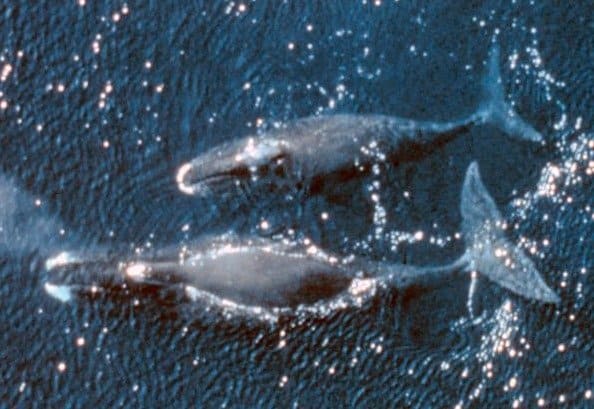
The Icebreaker with a 200-Year Life
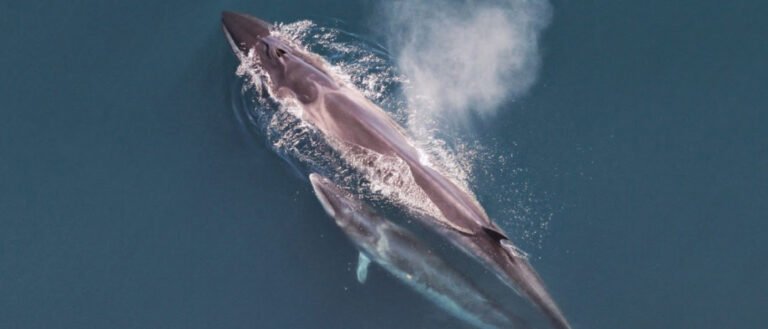
The sleek copepod hunter of the open sea
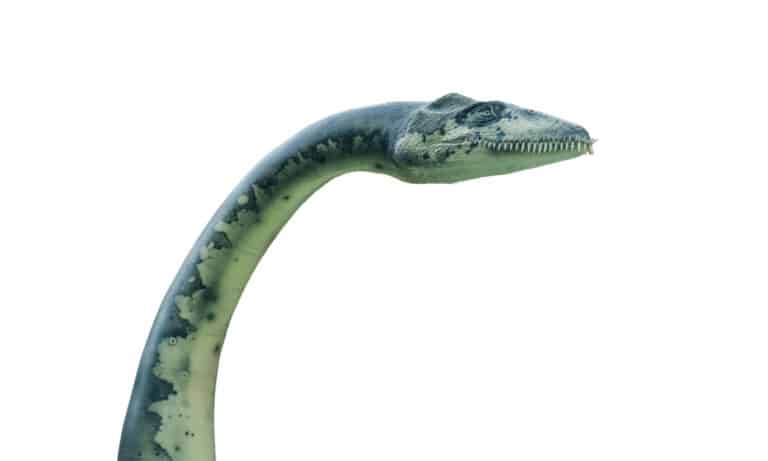
The long-necked lord of the seaway
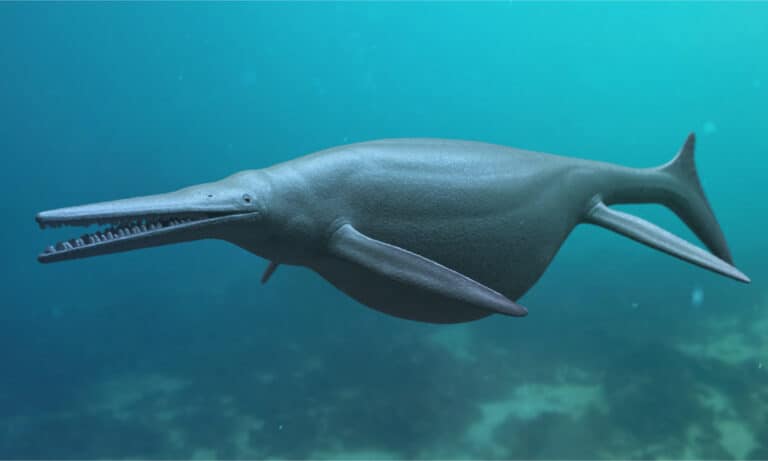
Fish-lizard, built for speed
A pod is a social grouping of cetaceans-most commonly dolphins and many whale species-whose members coordinate movement, foraging, and communication while maintaining spatial cohesion for a period of time. Pod composition and persistence are species- and context-dependent, ranging from stable kin-based units to temporary, fission-fusion associations.
In cetacean studies, a "pod" is a social group of whales or dolphins that stay near each other and move or behave together. Pods help find food (by herding fish and sharing information), lower danger by group watching and making each animal less likely to be eaten, and support learning and calf care. Pod size and stability vary: many dolphins have fission–fusion groups that split and join over hours or days, while some whales (for example resident killer whales) keep long-lasting groups along mother lines. Pods are key for sound communication and culture; some have distinct calls or dialects. Because "pod" is an observational term, its boundaries can be fluid.
Pod social structure in cetaceans varies by species and ecology. Many pods center on kin (often matrilineal), with loose leadership from older, bigger, or closer members. Some are stable families; others are fluid fission-fusion groups.
Experienced adult female that anchors the group's social cohesion and often guides movement and foraging decisions, especially in stable family pods.
Individual that starts group travel or directional changes; may rotate among adults depending on knowledge of routes, prey, or goals.
Individual(s) that initiate or coordinate hunting tactics (e.g., herding fish, cooperative feeding); influence is context-specific and can shift with prey type.
Individuals positioned on the periphery or surfacing pattern that increase vigilance for predators, boats, or other threats; role often emergent rather than formal.
Developing members that learn vocalizations, social rules, and foraging skills; typically remain close to mothers or close associates.
Non-mother individual that helps supervise or escort calves, allowing mothers to forage or socialize; often a related female or close associate.
Adult male(s) that associate closely with a female/calf pair or subgroup and may provide protection or social support; can be temporary or seasonal.
Highly social individual that maintains bonds across subgroups, facilitates affiliative interactions, and helps reduce conflict; more common in fission-fusion societies.
Pods typically form through kinship (maternal lineages in many whales), long-term social bonds, and ecological convenience (shared travel routes, prey concentrations, or protection). In some species, stable "core" units (e.g., mother-calf pairs, related females, or tight alliances) act as nuclei that temporarily associate with other units, producing larger, more variable pods.
Close proximity, repeated tactile contact, and shared breathing/foraging areas can elevate transmission of pathogens and parasites (e.g., respiratory infections, skin lesions, gastrointestinal parasites). Long-term association within stable pods can maintain endemic infections, while mixing between pods can facilitate outbreaks and spread across wider ranges.
Larger, vocal, surface-active groups are more detectable: splashing, blow/visible wakes, and synchronized movements can attract predators (e.g., orcas for smaller cetaceans or calves) and also increase detectability to human threats such as fishing vessels and hunters.
Found across: Toothed whales (Odontoceti): dolphins, porpoises, and many toothed whales commonly form pods (e.g., bottlenose dolphins, orcas, pilot whales, sperm whales, belugas, narwhals)., Baleen whales (Mysticeti): some species form temporary pods/associations, especially during feeding or migration (e.g., humpbacks, certain rorquals).
Some pods use "signature whistles" (especially dolphins) that function like individualized names-members can copy and call each other with them.
Not all pods are family groups: in many species, membership can be fluid, with individuals joining and leaving depending on food, mating opportunities, or protection needs.
Many whale and dolphin populations show "culture"-learned behaviors (like hunting techniques or dialect-like call patterns) that spread socially within pods rather than genetically.
In some cetaceans, older females can play a disproportionate role in group success: experienced individuals help lead others to food and reduce risks, especially in hard years.
Pods don't just talk-they coordinate: synchronized breathing, diving, and herding behaviors can look like choreographed teamwork, enabled by constant acoustic contact.
A pod can resemble a tight-knit neighborhood plus a group chat: a core set of familiar individuals stay connected, while acquaintances cycle in and out depending on circumstances.
Like human languages and regional accents, pods (or nearby pod communities) can develop distinct call patterns or "dialects" that mark identity and affiliation.
Their cooperative hunting can mirror a well-run sports team: different members take different roles (herding, blocking, chasing), and success depends on coordination more than individual speed.
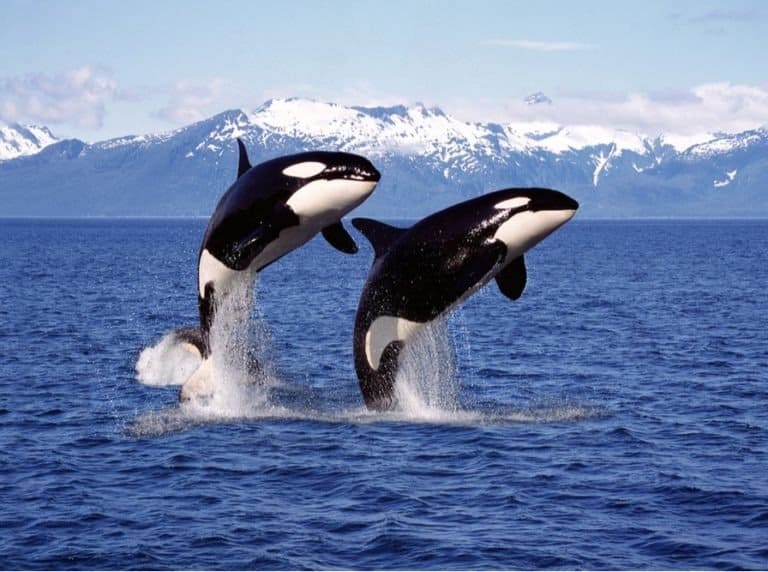
One species, many ecotypes.
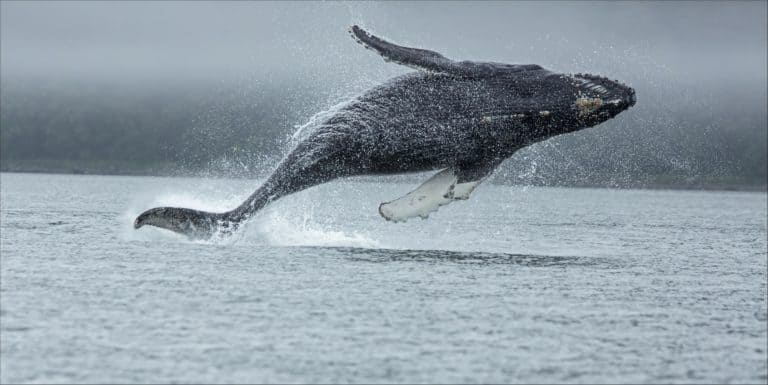
Planet's biggest krill-powered giant
Built for the surf-and sonar.
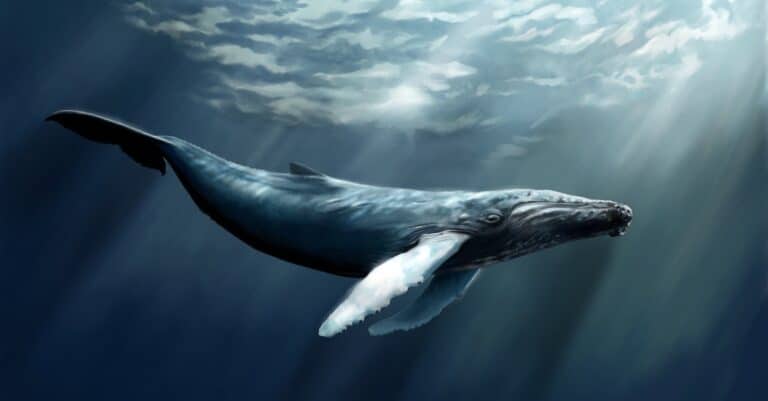
Big flippers. Bigger journeys.
Pods, clicks, and ocean smarts.
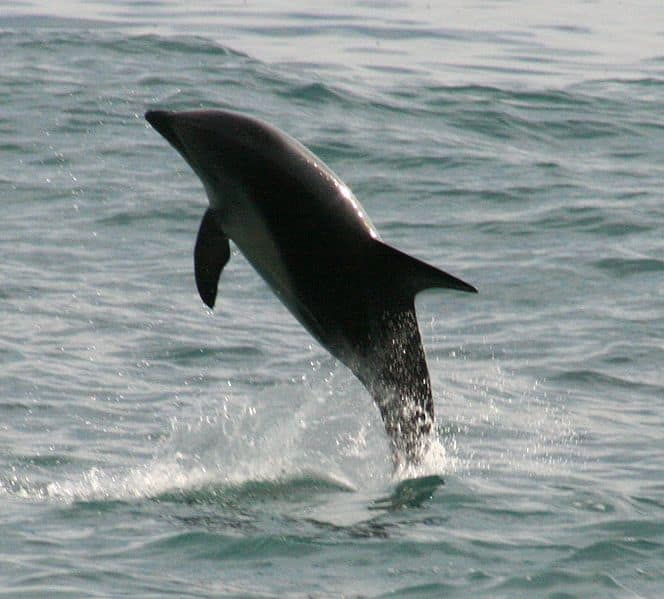
Cape-wearing acrobat of cool seas
The pink dolphin of flooded forests
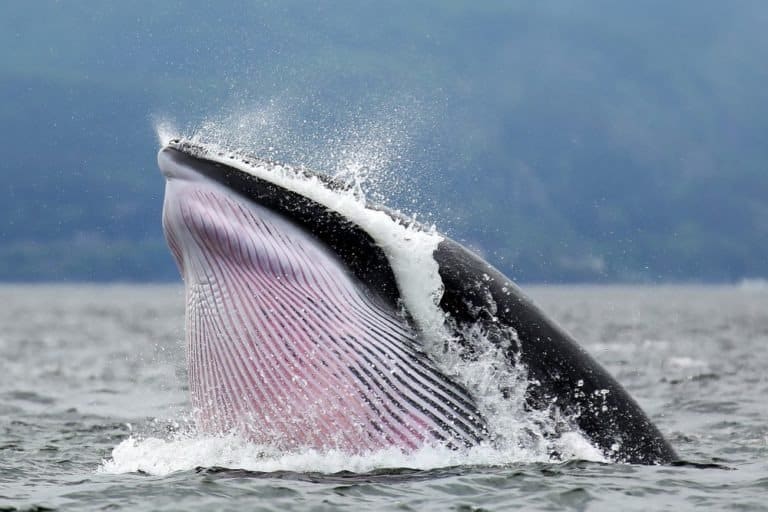
Small rorqual, big ocean presence
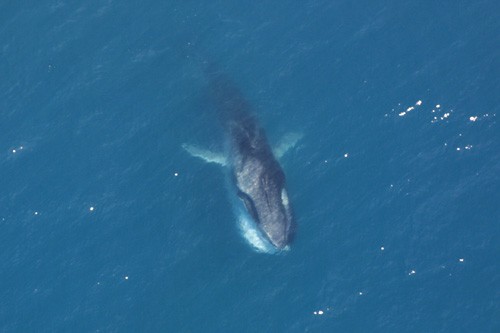
The fast rorqual with a split-color jaw
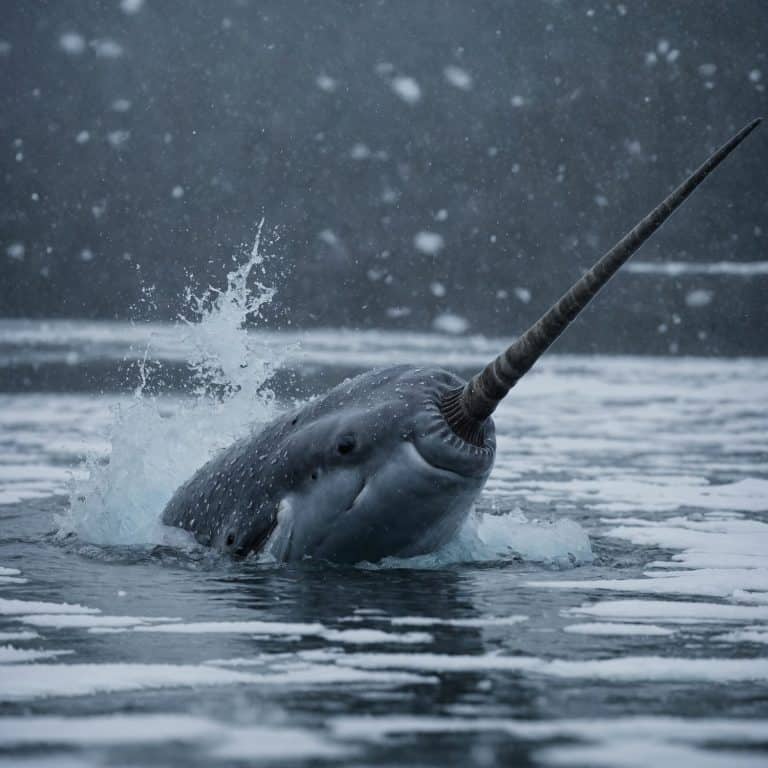
The tusked deep-diver of the pack ice
The Icebreaker with a 200-Year Life
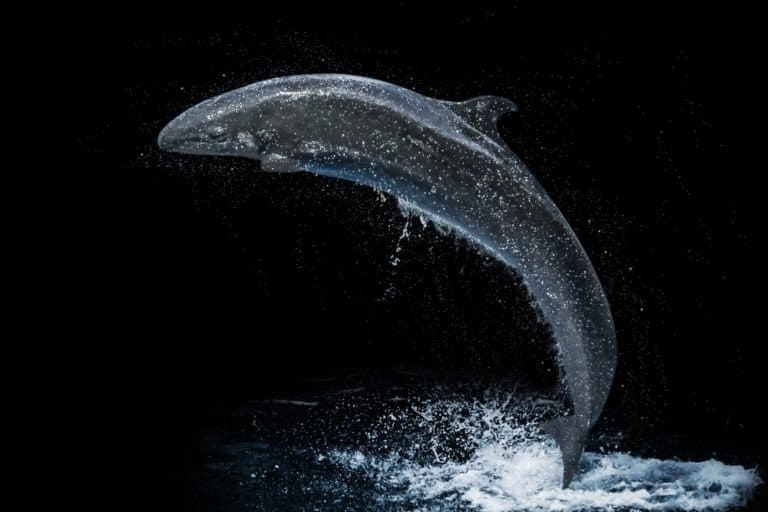
Big dolphin. Tight bonds. Team hunter.
The sleek copepod hunter of the open sea
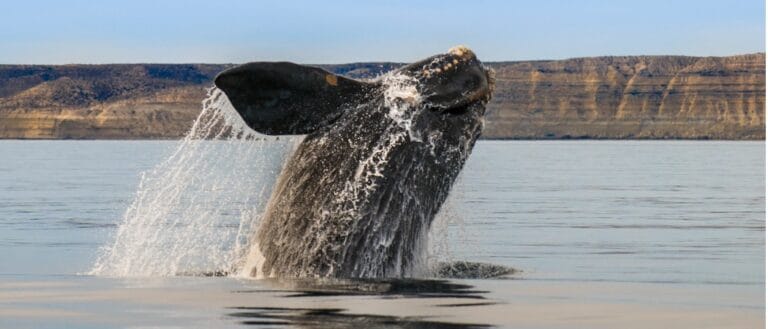
Baleen giants: ocean's living filters
The long-necked lord of the seaway
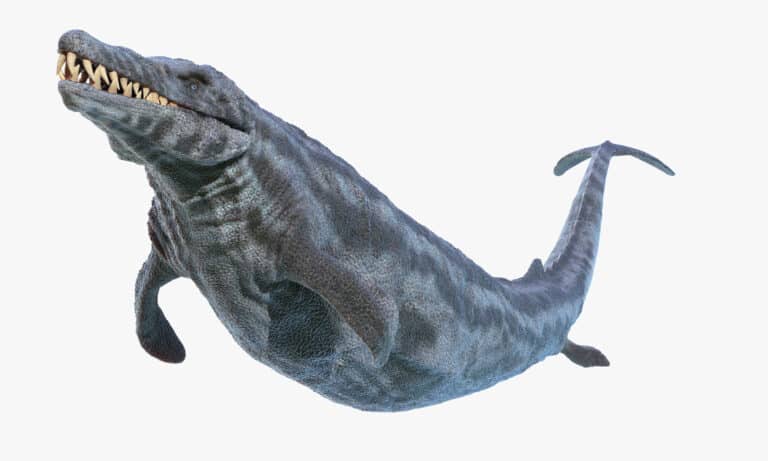
The long-bodied king of Eocene seas
Fish-lizard, built for speed
Big-toothed terror of the Miocene seas
Long neck, open sea, Cretaceous hunter
Triassic titan of the open sea
Thank you for reading! Have some feedback for us?
We appreciate your help in improving our content.
Our editorial team will review your suggestions and make any necessary updates.
There was an error submitting your feedback. Please try again.