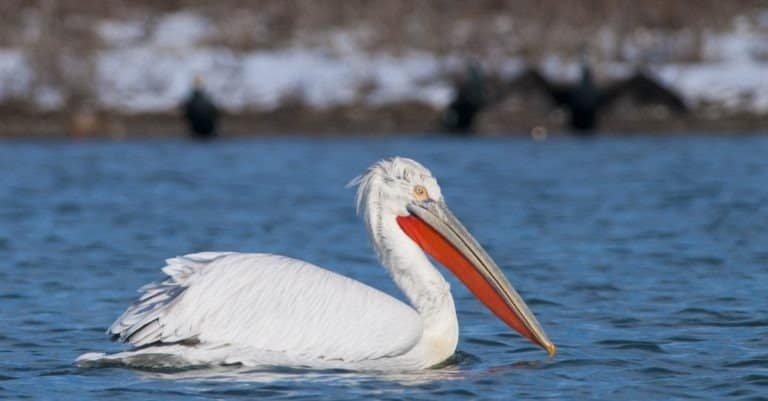
Pelican
Big bill, bigger teamwork.

Big bill, bigger teamwork.
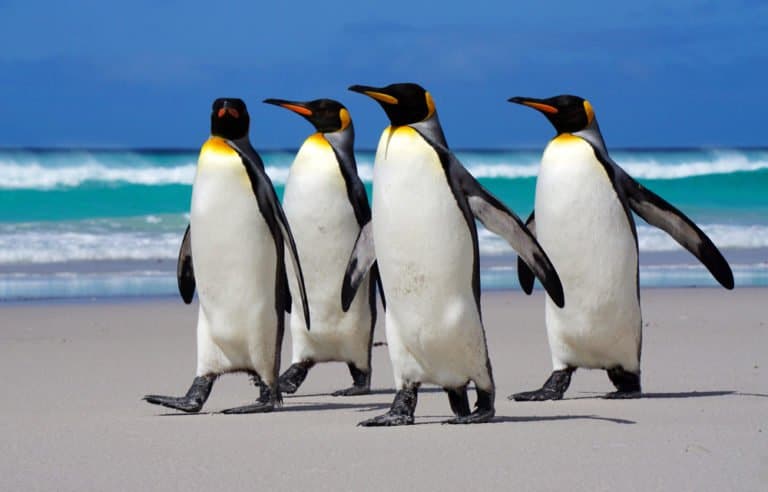
Born to dive, dressed to endure
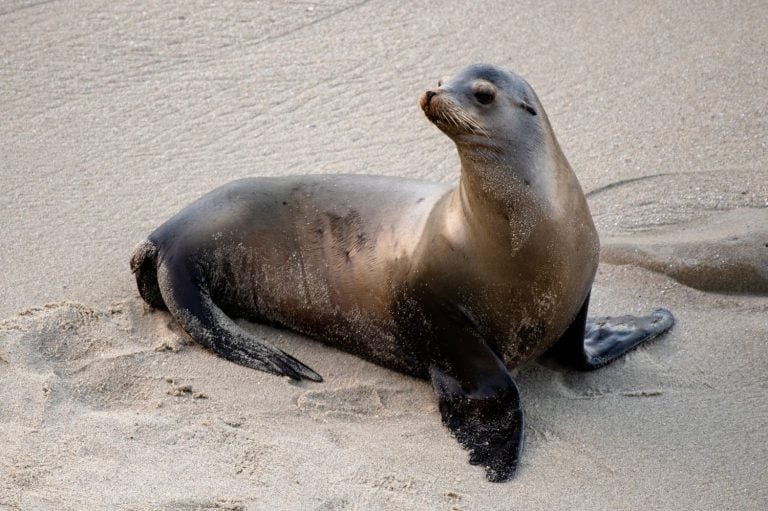
Ear flaps, flippers, and fierce colonies
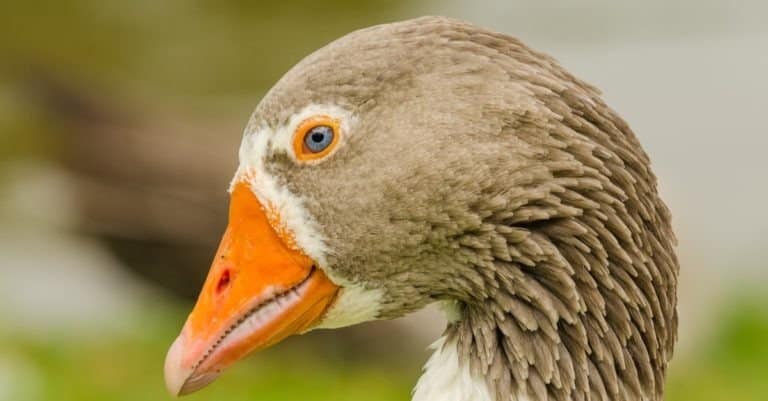
Webbed feet, sky roads, wetland lives
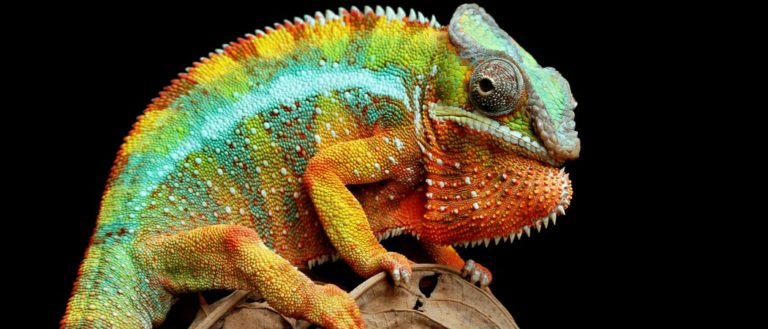
From geckos to dragons-lizard power
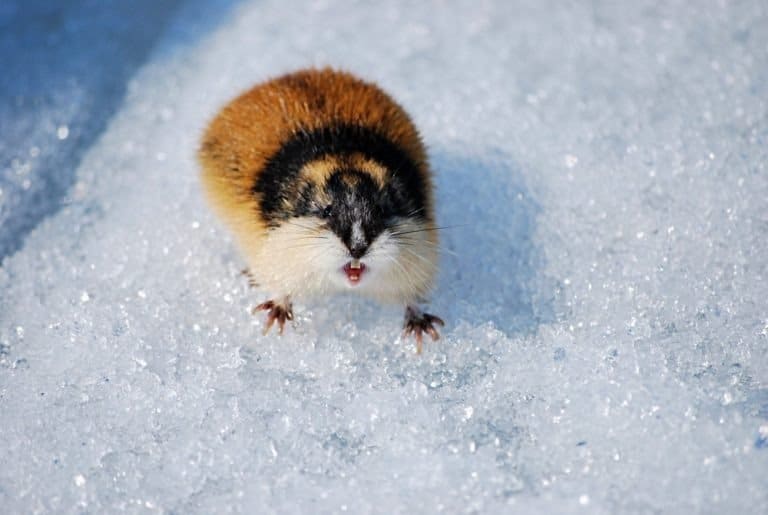
Small rodents, huge tundra impact
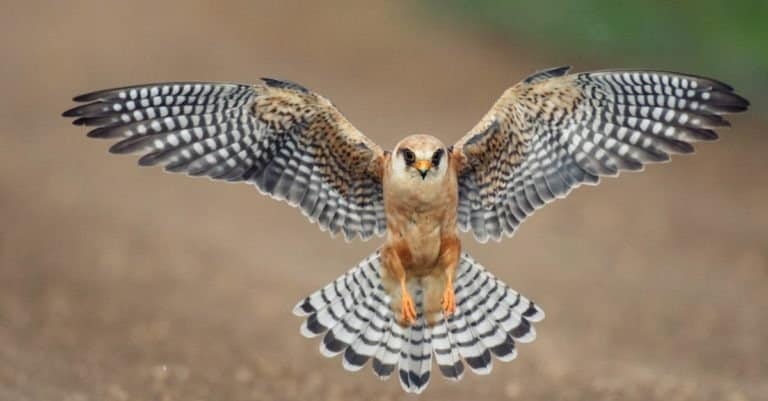
Speed, smarts, and sky mastery
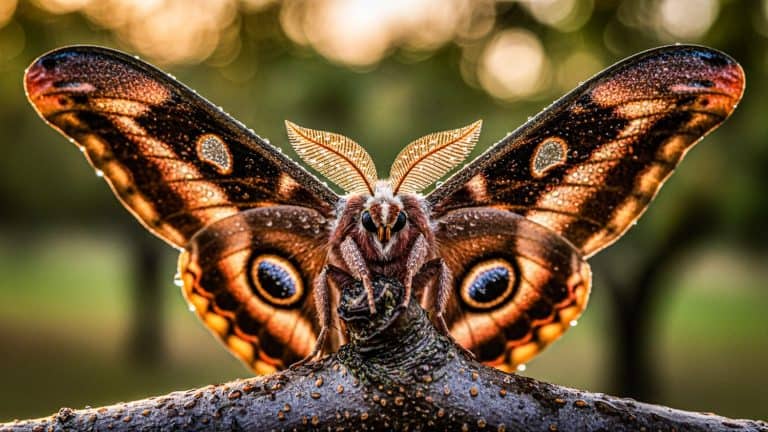
More than night flyers
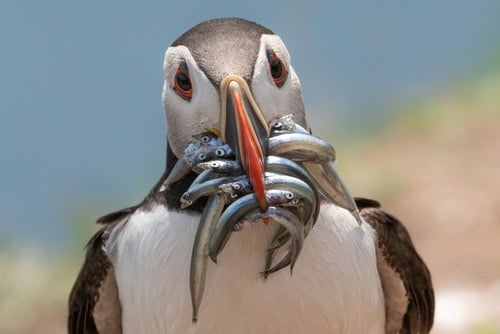
Wing-powered divers of the cold seas
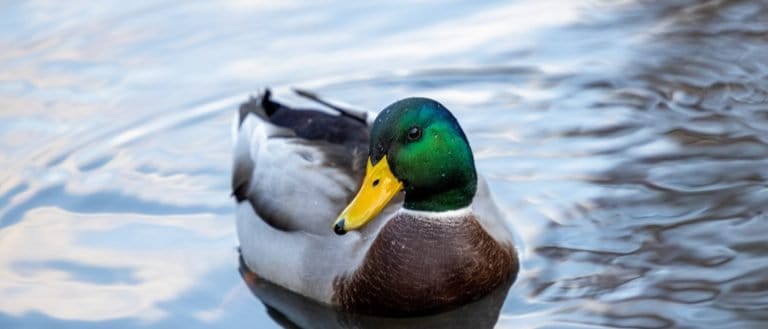
Webbed feet, world travelers.
A colony is an aggregation of conspecific animals that live in close proximity at a shared site-such as a nest, roost, burrow system, breeding ground, or dwelling-often for extended periods. Colony living entails repeated local interactions among individuals but does not require coordinated group movement or a single cohesive traveling unit.
Colonies form when animals gather at places with key resources like shelter, nesting sites, a stable climate, or nearby food. Seabirds use safe, clustered breeding sites; bats use caves or tree roosts for warmth; social insects make nests to raise young and store food. Some colonies are crowded groups of mostly independent breeders (gulls, penguins). Eusocial colonies (ants, termites, bees, wasps) act as one unit with cooperative brood care, division of labor, and overlapping generations—a “superorganism.” Living in colonies helps defend against predators, find mates, and share food information, but it raises competition, disease risk, and aggression. Colonies can change habitats (e.g., seabird guano) and are important for conservation because they use specific sites and are easily disturbed.
Colonies range from loose groups like many seabird or bat colonies, where individuals share space but stay independent, to highly structured, caste-based eusocial insects (ants, termites) with strong labor division and reproductive roles.
Main egg-layer/founder in eusocial colonies; drives colony growth via reproduction rather than direct command.
Mate with the primary reproductive; may be seasonal or transient (e.g., nuptial flights in ants; breeding males in some vertebrate colonies).
Non- or minimally reproductive individuals performing most maintenance tasks; in insects this is a large caste that sustains the colony.
Care for eggs/larvae/pups/chicks; regulate temperature/humidity where applicable; feed and groom young (common in eusocial insects and many vertebrate roosting colonies).
Collect food, water, and materials; may specialize by age or condition (e.g., older workers forage in many insect colonies).
Construct and repair nests/burrows/combs; manage waste and hygiene; maintain microclimate (especially in insects and some burrowing vertebrates).
Defend entrances and brood areas; alarm and repel intruders; may include specialized soldier castes in some insects.
Locate new resources or nest sites; recruit others via signals (pheromones, calls, displays) depending on species.
Non-breeding adults that assist with incubation, feeding, or protection; present in some bird and mammal colony systems.
Individuals with reduced reproductive access due to competition, timing, or suppression; may queue for breeding opportunities or disperse.
Colonies form when animals gather at good, safe, information-rich sites (nesting cliffs, caves, tree hollows, termite mounds, burrows). Living close gives benefits like more nest sites, predator dilution, defense, better microclimate, and shared nests. Colonies start by aggregation, budding, or founding by one or a few pioneers (e.g., insect queens) and develop site fidelity, kin clustering, castes, and spatial partitioning.
High density and repeated contact elevate transmission of parasites and pathogens (respiratory, fecal-oral, ectoparasites). Shared nesting materials, guano/feces buildup, and contaminated surfaces increase exposure; frequent close-range interactions and allogrooming can spread infections. Colonies can act as persistent reservoirs, enabling chronic outbreaks, higher parasite loads, reduced condition/fecundity, and occasional mass mortality events-especially when stressed by food shortages or poor ventilation/microclimate.
A large, fixed colony is easier for predators and parasites to find. Noise, smell, droppings, and busy flights give clues; the predictable site and paths let predators learn and attack adults, eggs, or young.
Found across: Insects (especially eusocial insects: ants, bees, wasps, termites), Birds (notably seabirds and some waders/colonial nesters), Mammals (bats in roost/maternity colonies; some rodents such as prairie dogs; a few highly social mammals like naked mole-rats), Marine mammals (pinniped rookeries: seals and sea lions), Cnidarians (many colonial hydrozoans, corals, and siphonophores), Bryozoans (colonial aquatic invertebrates), Tunicates (colonial ascidians/sea squirts)
Some colonies are "megacities": certain ant supercolonies can stretch for thousands of kilometers and function as a vast network of cooperating nests with minimal in-fighting between distant members.
In many seabird colonies, neighbors can directly affect your success: birds may copy proven nest-site choices, steal nesting material, or even use neighbors as "early warning" for predators-so location is strategy, not just real estate.
Bat colonies can rewrite the air above them: millions of bats leaving a roost at dusk can create huge insect-eating pressure and produce detectable heat, humidity, and ammonia changes inside caves.
Colonies don't always mean cooperation-some are simply "forced roommates": animals may cluster because safe sites are rare (good caves, ledges, or trees), even if individuals compete intensely for space and mates.
A colony can be a living information network: repeated neighbor interactions can spread behaviors (like new foraging routes or predator responses) without the group ever moving in a coordinated way.
Like a human apartment complex, colonies balance shared benefits (security, prime location) with constant neighbor disputes (noise/space, resource theft, harassment).
Similar to a city's economy, colony living can create specialization and "services" (defense, sanitation, brood care in social insects) that make the whole settlement more efficient than solitary life.
Comparable to human social networks, colonies enable rapid "social learning": individuals can pick up cues from others (where to nest, when predators appear) without direct instruction.
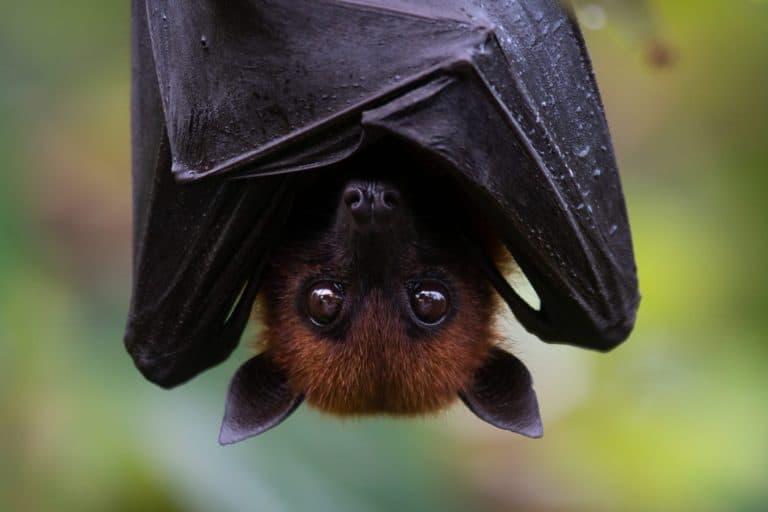
Night pilots of the mammal world
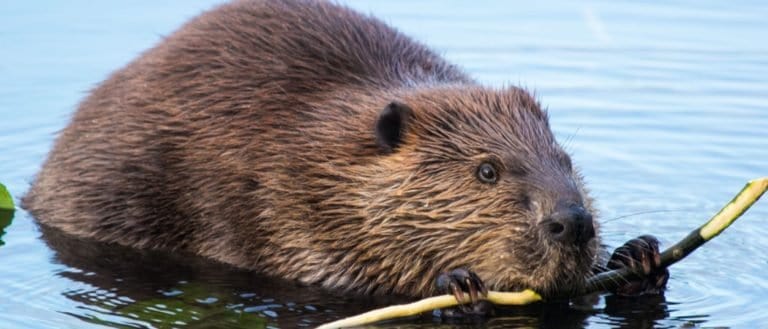
Build wetlands, shape worlds.
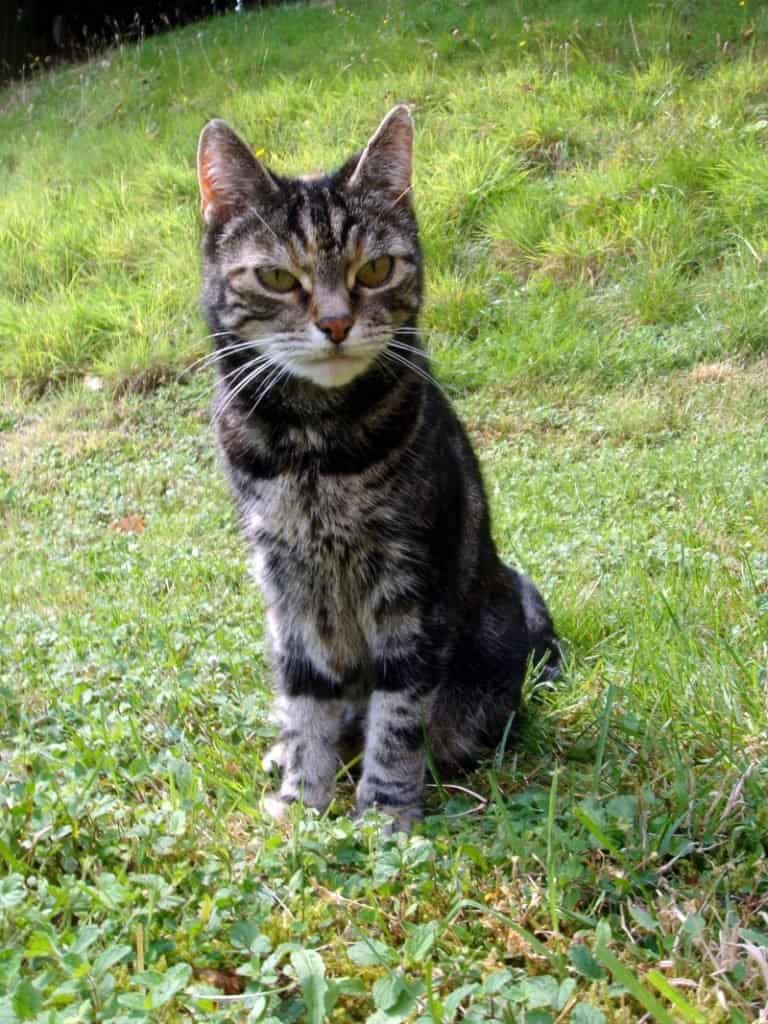
Small hunter, big household legend
Webbed feet, world travelers.
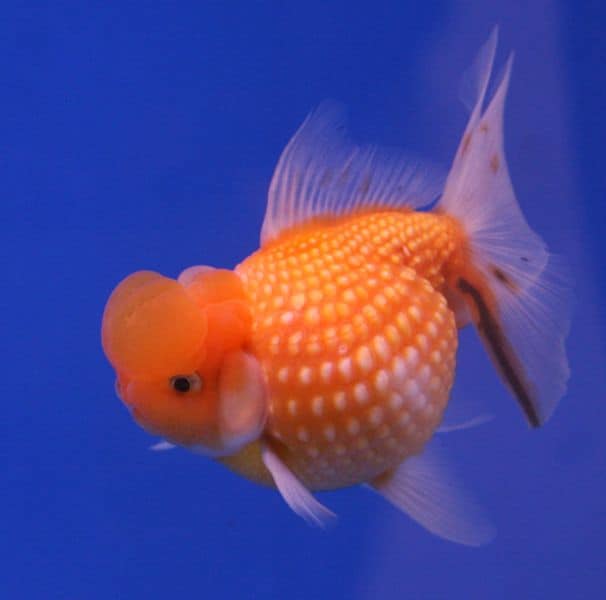
Bony rays, endless ways.
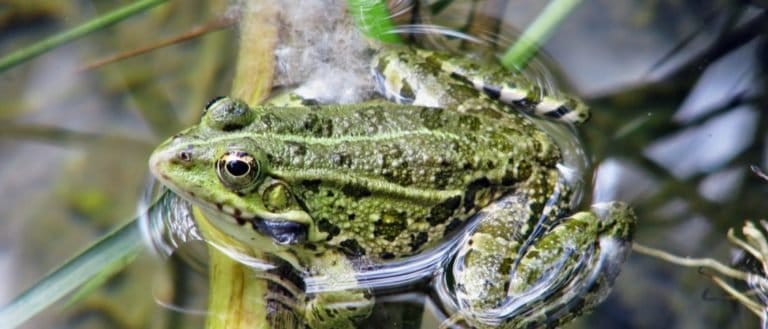
Tailless jumpers, masters of change
Webbed feet, sky roads, wetland lives
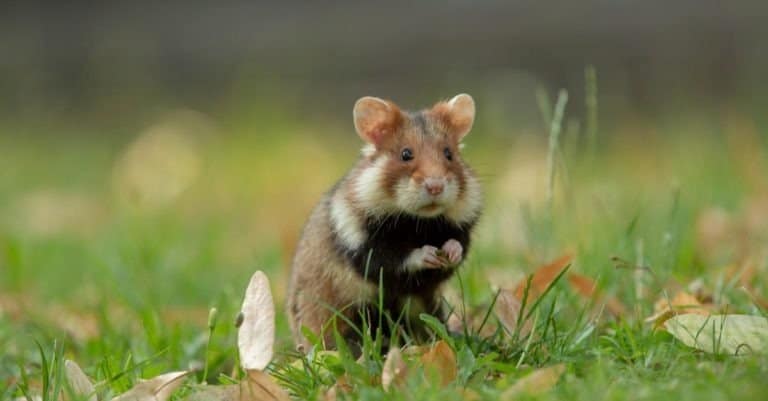
Pouches, burrows, and big impacts
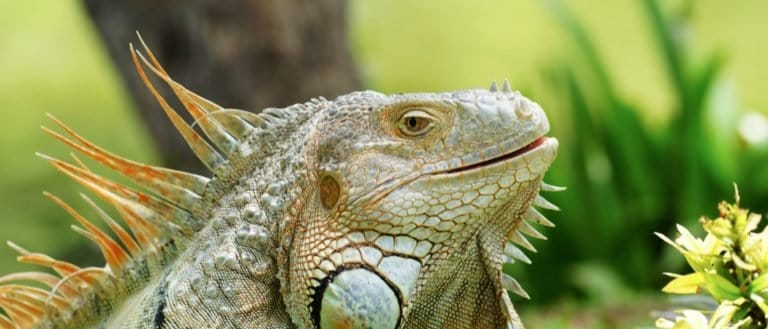
Sun-powered lizards of the Americas
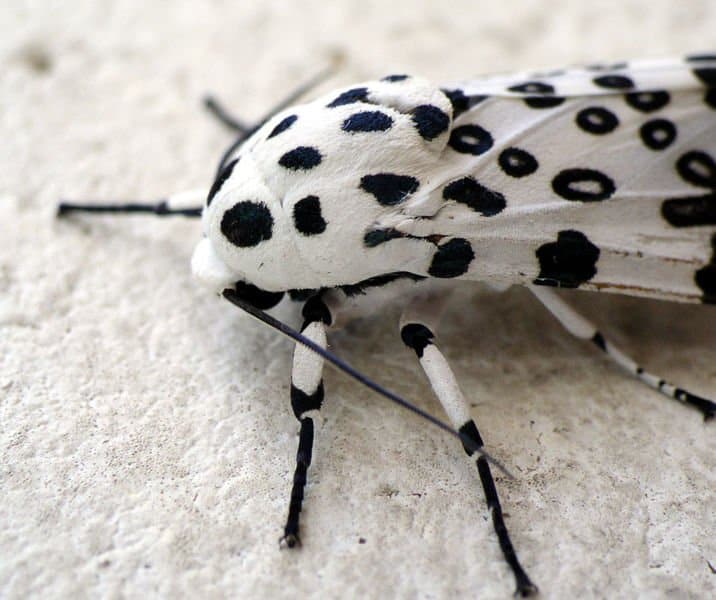
Six legs, endless lives.
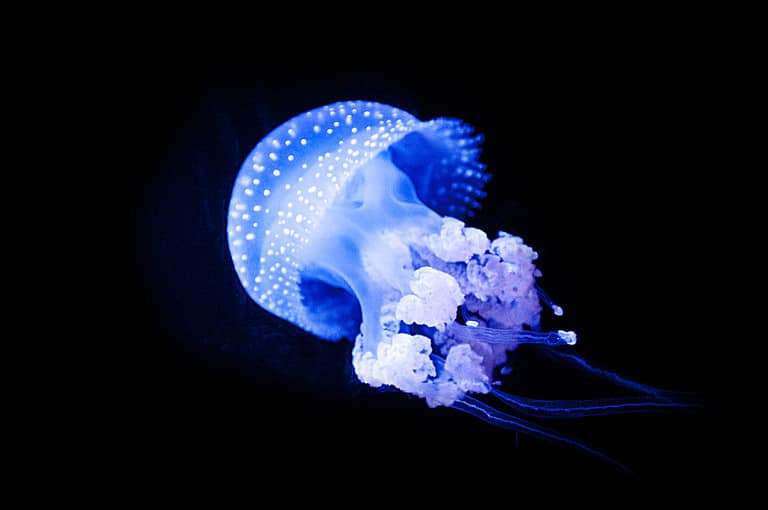
Sting-powered drifters of the sea
Small rodents, huge tundra impact
From geckos to dragons-lizard power
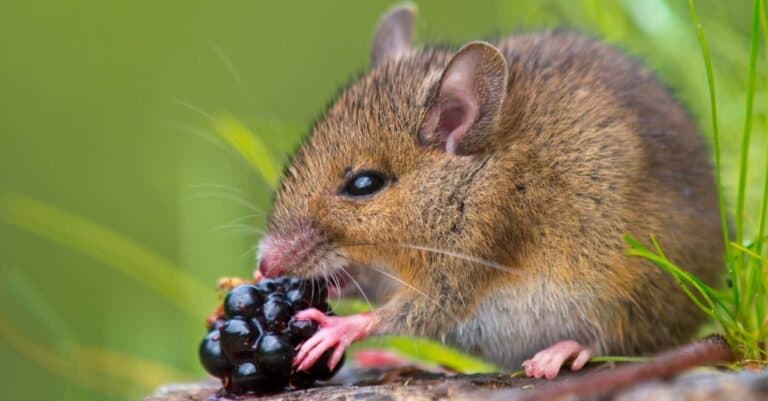
Small gnawers, huge impact.
More than night flyers
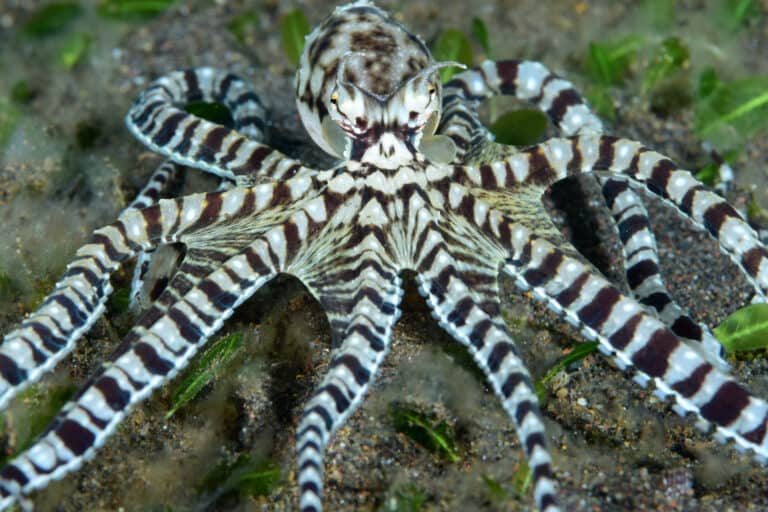
Eight arms, endless ingenuity
Born to dive, dressed to endure
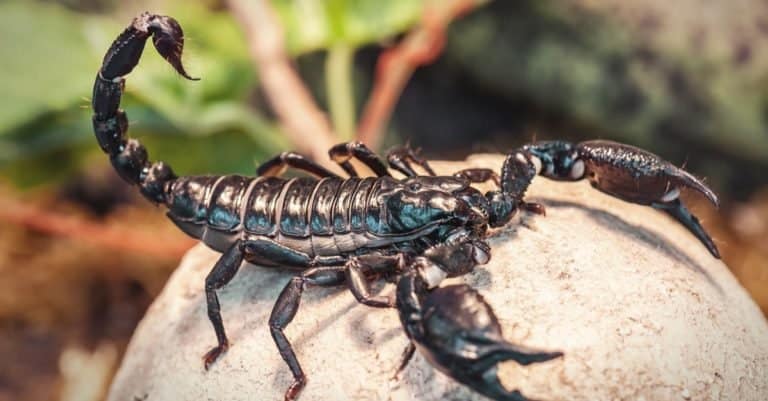
Glow at night, strike with precision
Ear flaps, flippers, and fierce colonies
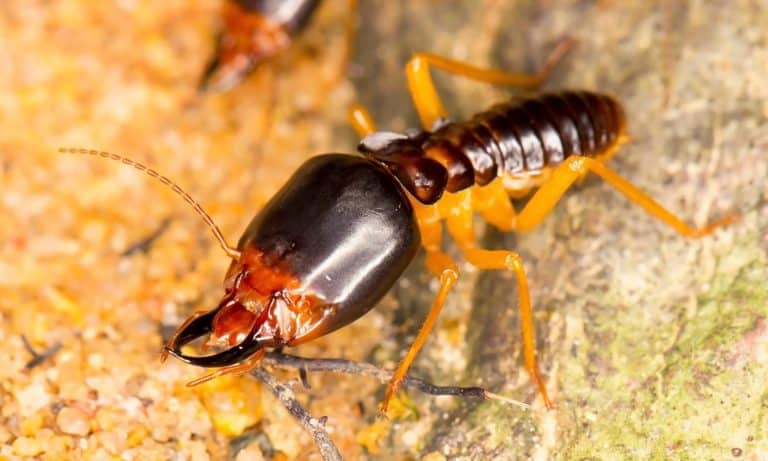
Nature's master recyclers (and builders)
Speed, smarts, and sky mastery
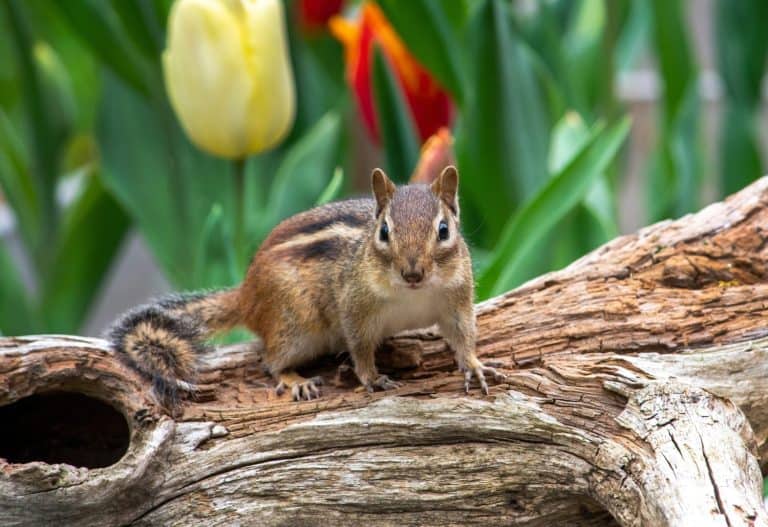
Pocket-cheeked, stripe-backed foragers
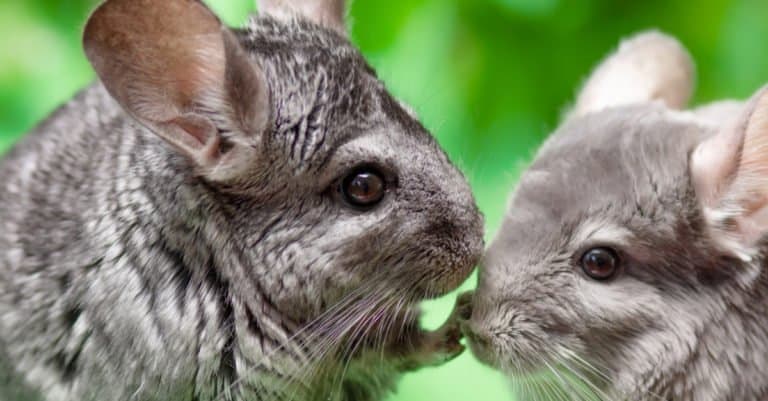
Andean acrobats in a coat of clouds
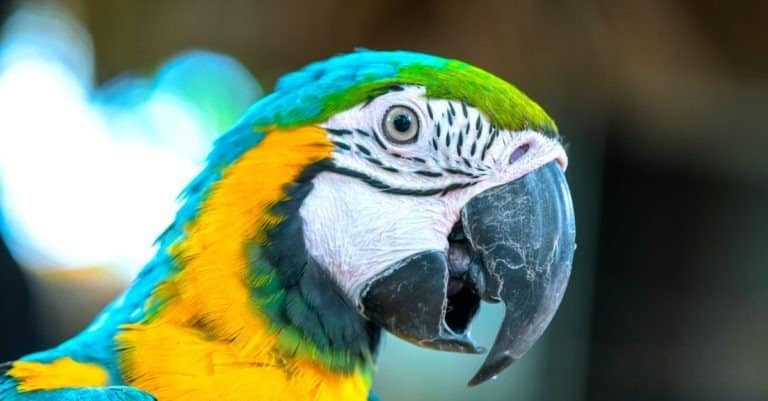
Brains, beaks, and big voices
Thank you for reading! Have some feedback for us?
We appreciate your help in improving our content.
Our editorial team will review your suggestions and make any necessary updates.
There was an error submitting your feedback. Please try again.