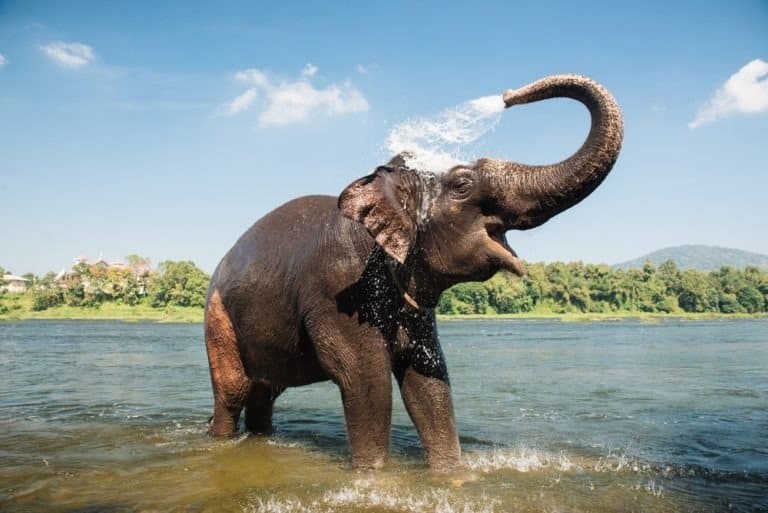
Asian Elephant
One-finger trunk, giant forest heart

One-finger trunk, giant forest heart
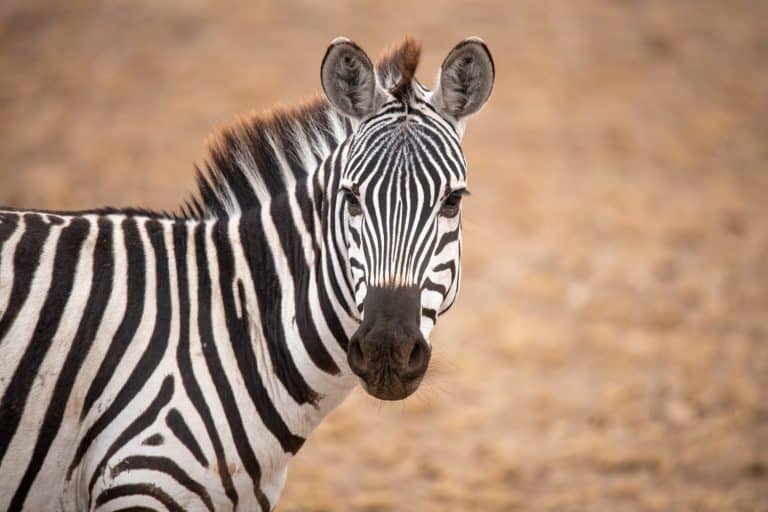
Stripes built for the African wild
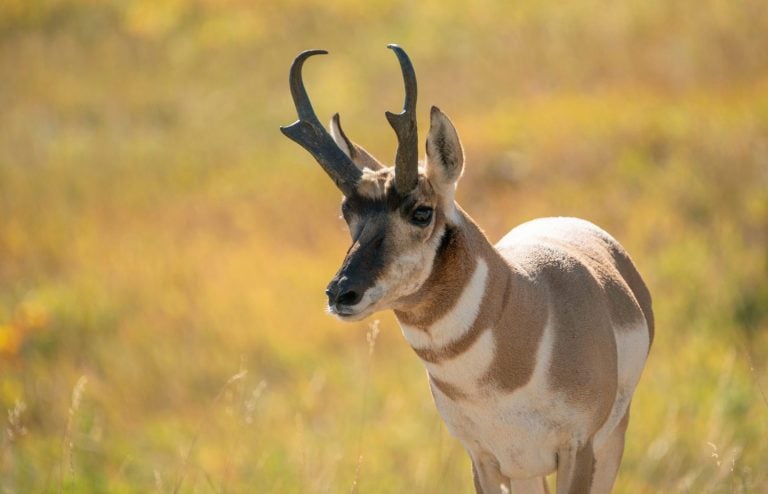
Horns on, fleet feet, wild worlds
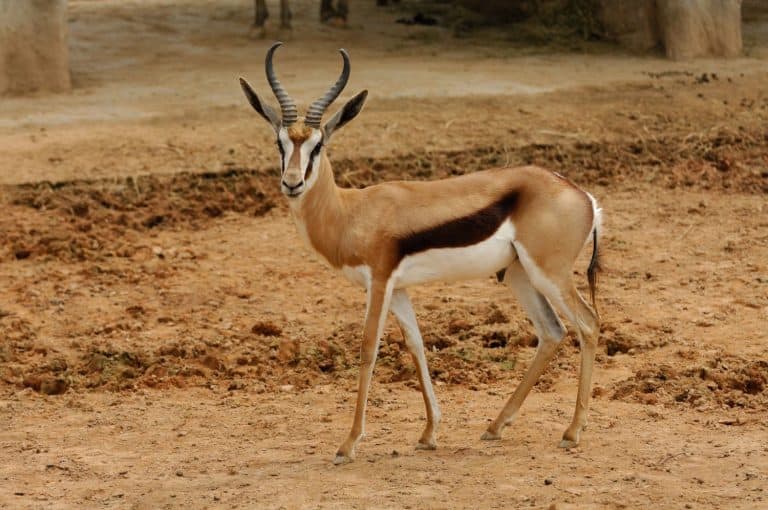
Built for speed-born to bound.
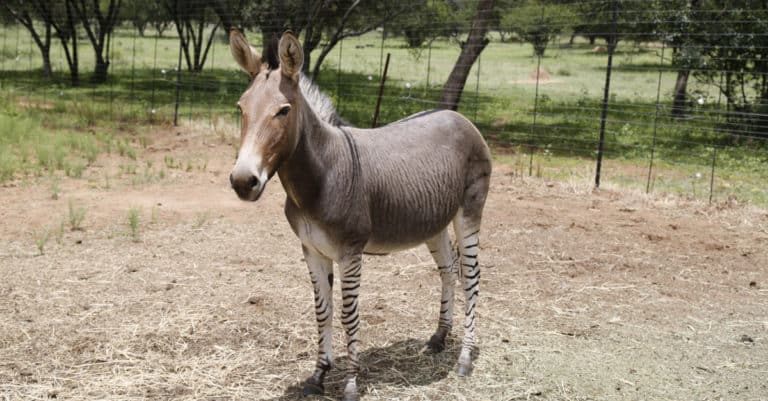
Half stripes, full attitude
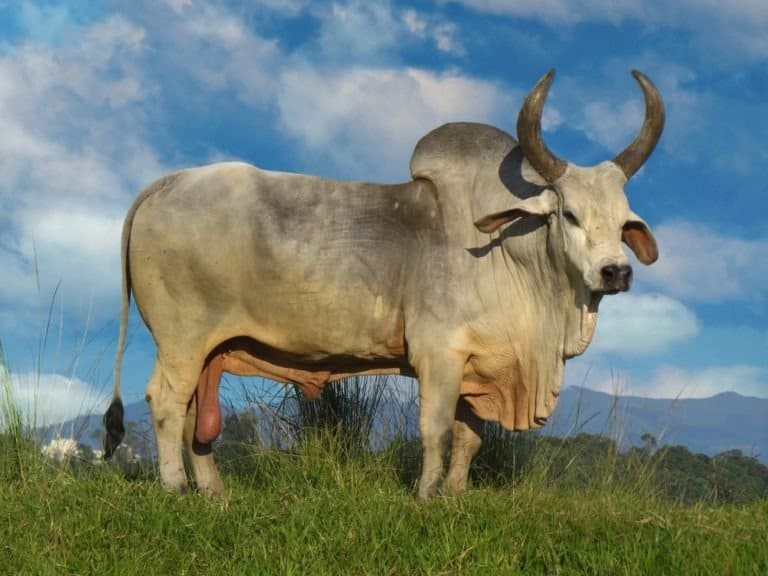
Humped cattle, built for the tropics.
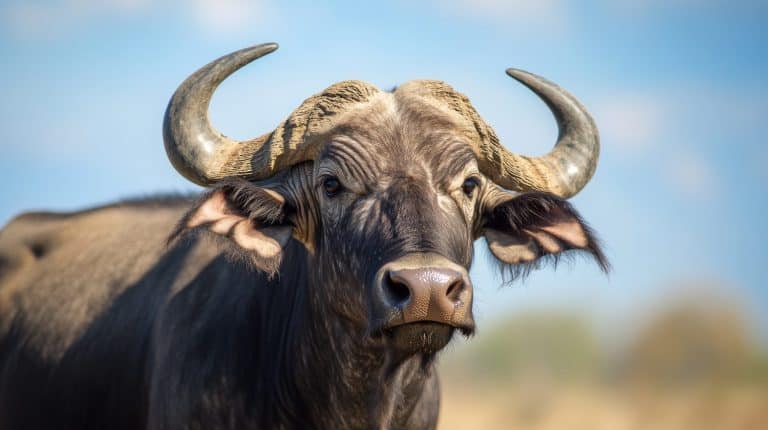
Horn-bossed guardians of the savanna
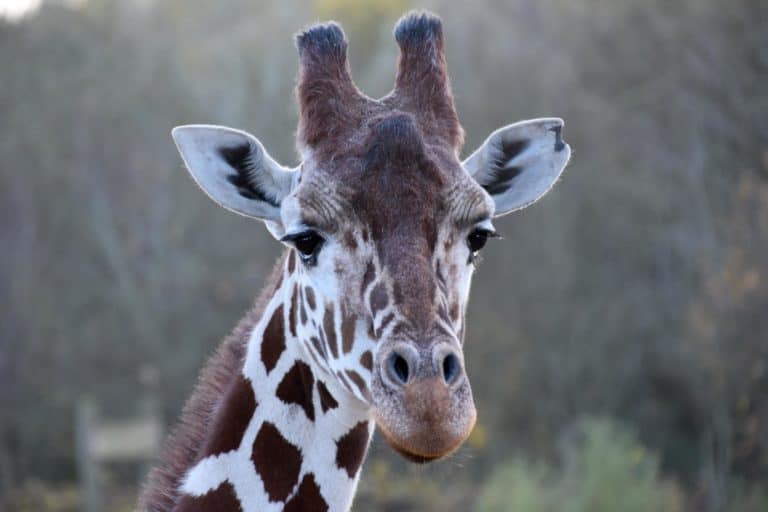
Spots, height, and silent savanna giants

Mud, Milk, Muscle: The Water Buffalo
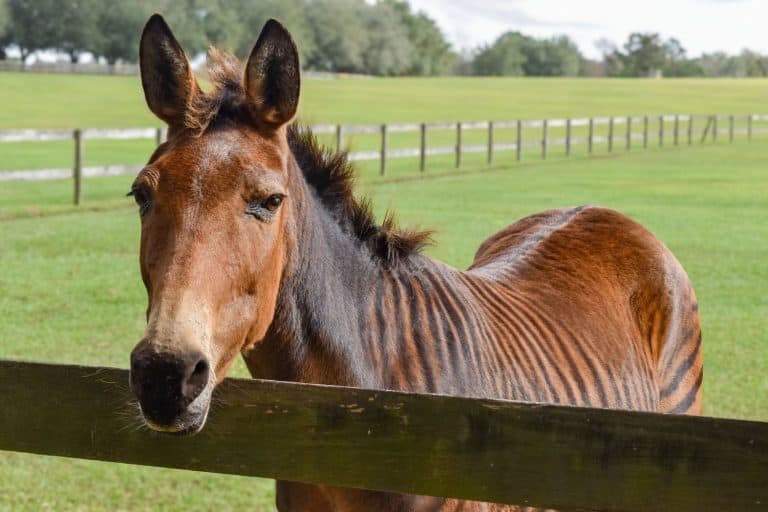
Half zebra, half horse-fully unique
A herd is a social aggregation of conspecific animals-most commonly grazing or browsing mammals-that coordinate space use and movement while foraging and traveling. Herding behavior is shaped by ecological pressures such as resource distribution and predation risk, and can range from stable groups to dynamic fission-fusion associations.
Herds are common in large land mammals, especially ungulates (deer, antelope, cattle, zebras, elephants). Animals in a herd often do the same things at once—grazing, resting, and moving to food or water—which helps them find and eat food better by sharing information about where resources are. A big reason for herding is avoiding predators. Group living lowers each animal's risk by dilution effects, "many eyes" for watching, and group defenses like bunching, fleeing together, or mobbing. Herds differ in how they are made. Some have stable bonds (often by matrilines), while others show fission-fusion dynamics. Many herds have dominance hierarchies, age or sex groups, and size changes with seasons or migration.
Herds range from loose, changing groups to stable dominance hierarchies, often shaped by sex and age. Many show fission-fusion splitting and rejoining by season, resources, breeding, or predators; some are led by older females, others by males during breeding.
May control access to breeding, defend the group from rival males, and influence movement during mating season; sometimes territorial or harem-holding depending on species.
Often the most experienced adult female; can guide movement to water/forage, set travel pace, and provide social stability, especially in stable female kin groups.
Individuals that pause feeding to scan for predators; role is often temporary and shared rather than a fixed position.
Most adults fall into rank-graded positions affecting access to food, preferred resting spots, and mates; provide collective vigilance and group cohesion.
Remain near mothers or within a nursery cluster; learn foraging and social rules; benefit from dilution and collective defense.
Females may cooperatively guard or loosely coordinate care for young while others forage; intensity varies by species.
Individuals (often larger adults) that tend to occupy edge positions during movement or when threatened, reducing predation risk for central members.
Any motivated or informed individual may initiate travel; leadership can shift frequently with hunger, thirst, or knowledge of routes.
Herds form when animals gather around shared resources—food, water, and mineral licks—and for safety in numbers. Many start from family cores (mothers and their young) that attract others, or from seasonal mixing on predictable migration routes. Social attraction, learned routes, and predator pressure make groups come together and split up again.
High contact rates and shared spaces increase pathogen and parasite transmission (respiratory infections, gastrointestinal parasites). Aggregation around waterholes/salt licks concentrates fecal contamination and vectors, raising infection pressure and reinfection cycles; fission-fusion can spread pathogens between subgroups and across herds. Chronic infection can reduce body condition, fertility, and juvenile survival.
Large herds make strong sights, sounds, and grazing signs, so predators can find and follow them. Using open plains and set travel routes raises ambush risk, especially for juveniles or sick animals at the edges.
Found across: Ungulates (hoofed mammals): bovids (antelopes, cattle, bison), cervids (deer, elk, caribou), equids (zebras, wild horses), giraffids (giraffes), Proboscideans: elephants (matriarchal family herds that may fuse into larger groups), Camelids: camels and wild relatives (often in herds, especially in open/arid habitats), Large semi-aquatic mammals: hippopotamuses (gregarious aggregations with herd-like dynamics)
Some herds are "fission-fusion" societies: they constantly split into smaller subgroups and rejoin later, letting animals balance food needs with safety as conditions change.
In several species, it's often experienced older females-not the biggest males-who steer group movement, using long-term memory of waterholes, migration routes, and safe refuges.
Herds can create measurable "landscape engineering": repeated trampling and grazing can carve trails, open up grassland patches, and even influence where plants can regenerate.
Herd membership can be opportunistic and fluid: individuals may temporarily attach to another herd (or form mixed-species groups) to reduce predation risk or exploit a good feeding area.
Synchronization is a hidden superpower: many herds coordinate resting and grazing bouts, which can reduce individual vigilance costs while keeping the group collectively alert.
A herd's dominance hierarchy functions like an informal workplace org chart-status can determine access to the best "resources" (food, shade, mates) without constant fighting.
Fission-fusion herds resemble modern social networks: small friend-groups (subherds) form and dissolve while still belonging to a larger community.
Collective movement decisions can look like committee consensus: multiple individuals "vote" by starting to move, and the herd follows once a threshold of agreement is reached.

Humps of fat, miles of grit
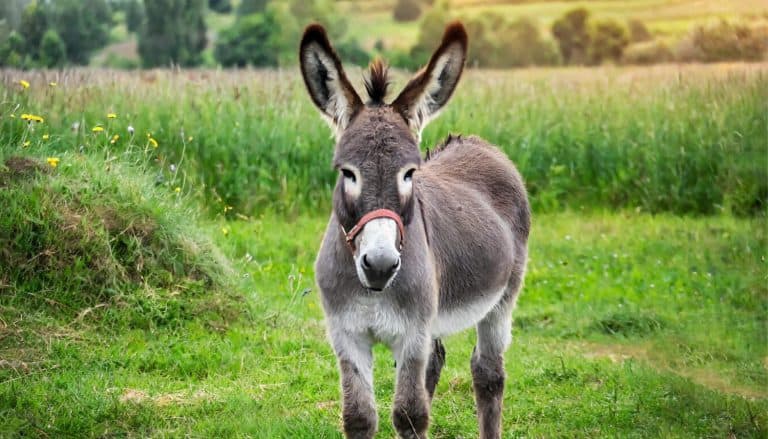
Sure-footed partner of people
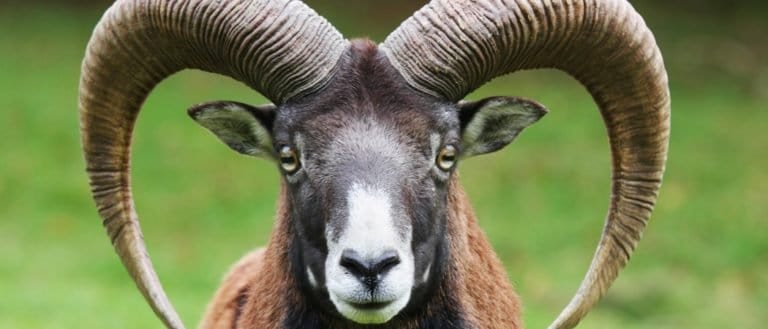
Sure-footed masters of rock and range
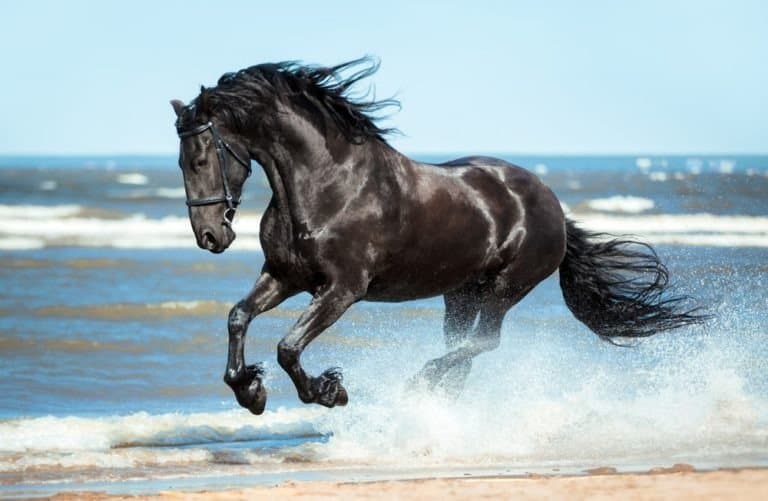
One hoofbeat, a thousand histories
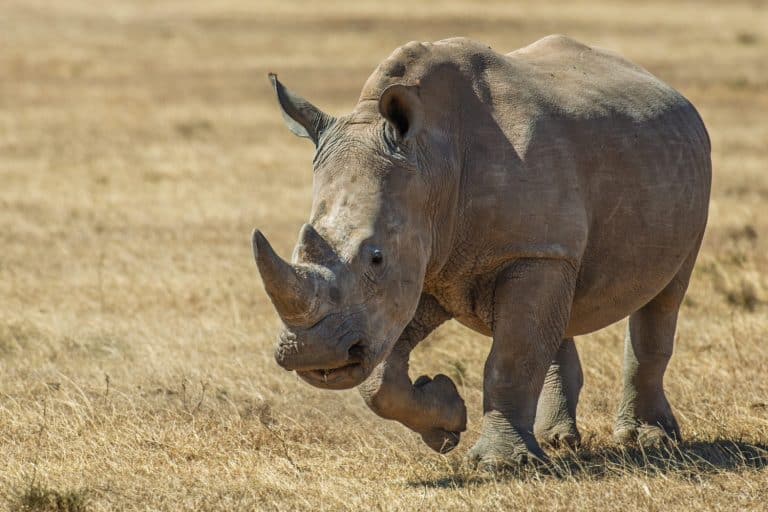
Keratin horns, colossal impact
Stripes built for the African wild
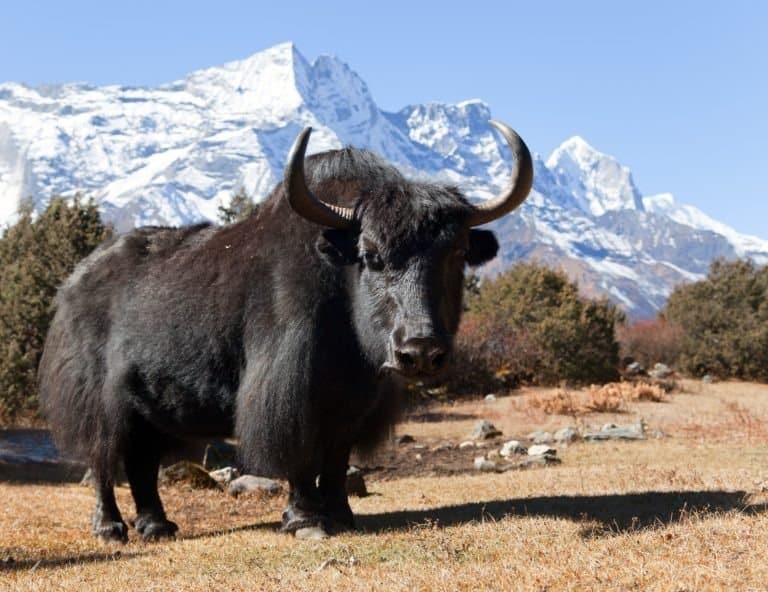
Built for thin air and bitter cold
Spots, height, and silent savanna giants
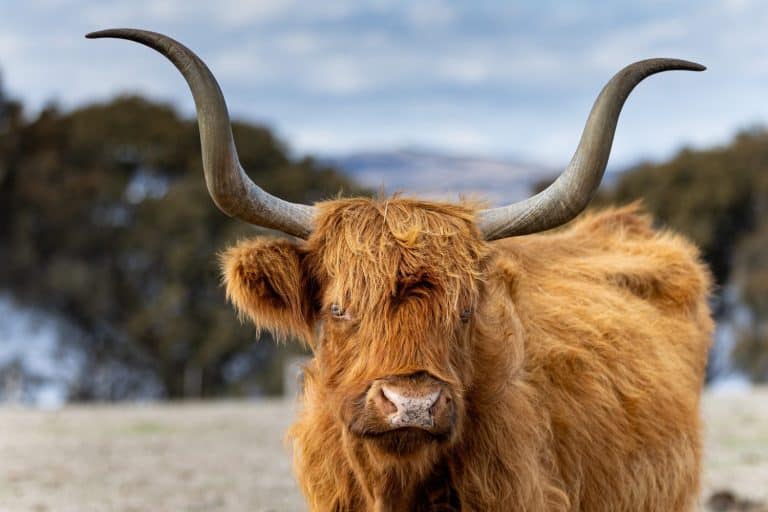
Built for bad weather, born in Scotland
One-finger trunk, giant forest heart
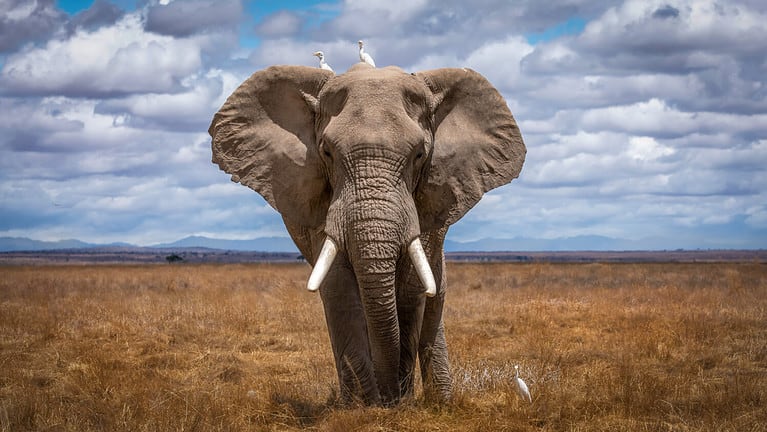
One family, many giants
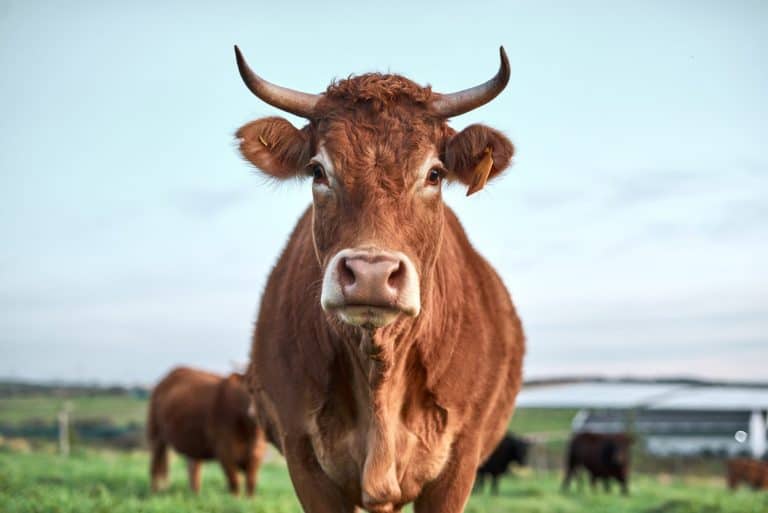
Grass to milk-nature's recyclers
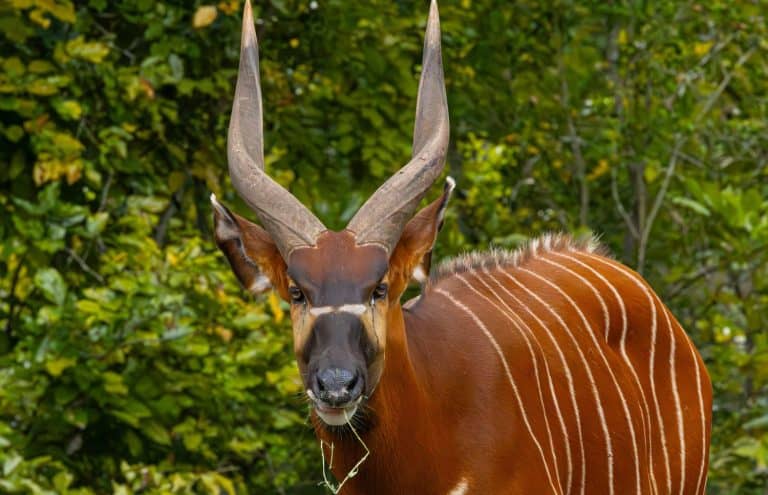
Spiral horns, forest shadows
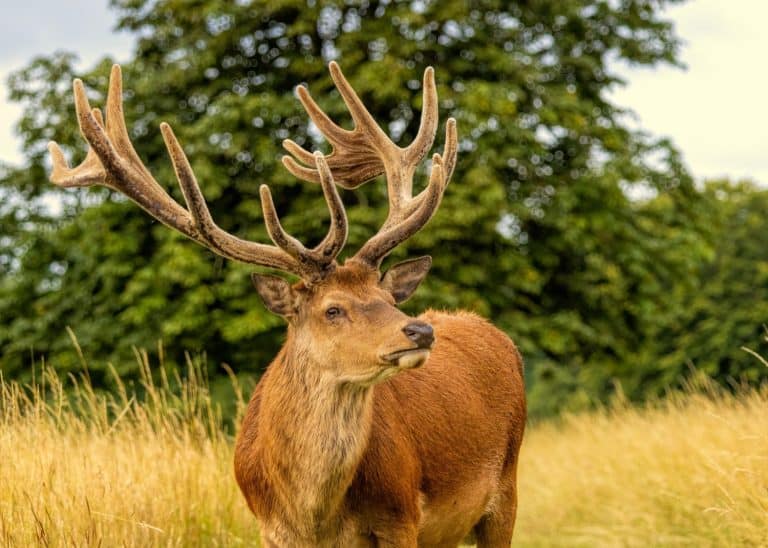
Antlers, migrations, and forest engineers
Horns on, fleet feet, wild worlds
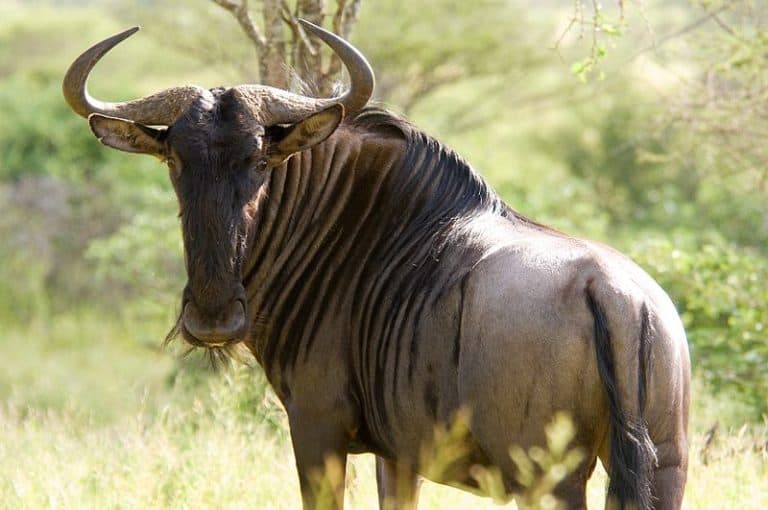
Built for the grasslands' grand herds
Half stripes, full attitude
Mud, Milk, Muscle: The Water Buffalo

Andean pack pro with a soft side
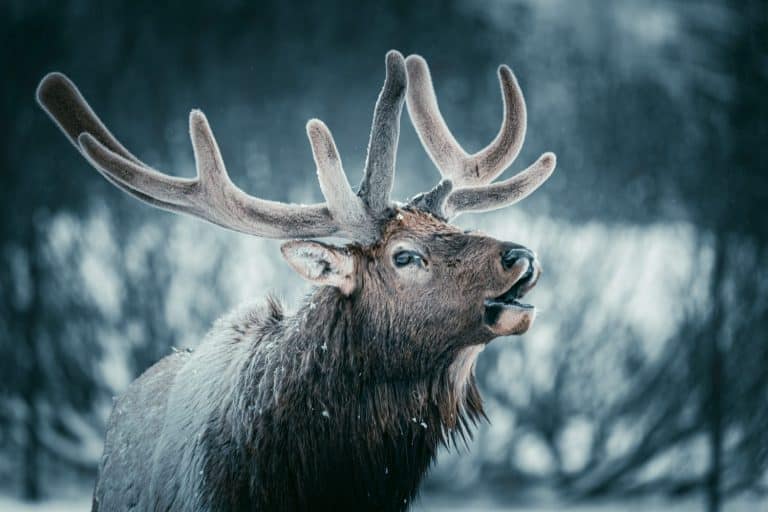
Antlers for all, built for the Arctic
Horn-bossed guardians of the savanna
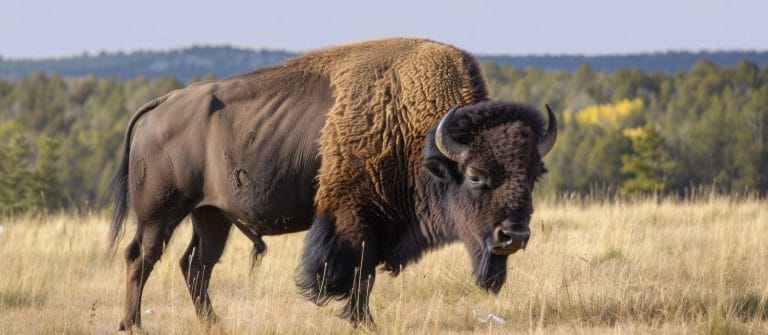
Hump-backed architects of the plains
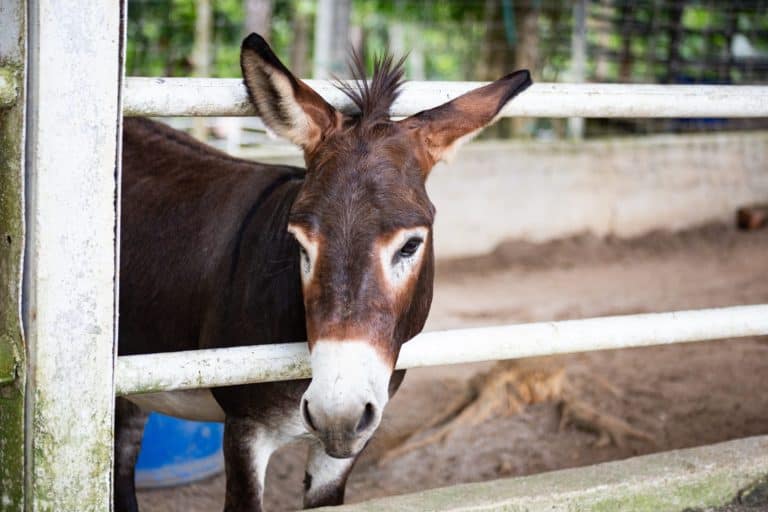
Built to go farther, step surer.
Built for speed-born to bound.
Thank you for reading! Have some feedback for us?
We appreciate your help in improving our content.
Our editorial team will review your suggestions and make any necessary updates.
There was an error submitting your feedback. Please try again.