

M
Species Profile

Malchi

Canis lupus familiaris

Tiny mix, huge devotion.
Polina Yanchuk/Shutterstock.com

Malchi Distribution

Domesticated Species

Found Worldwide

Size Comparison

Human 5'8"
Malchi 8 in

Malchi stands at 12% of average human height.

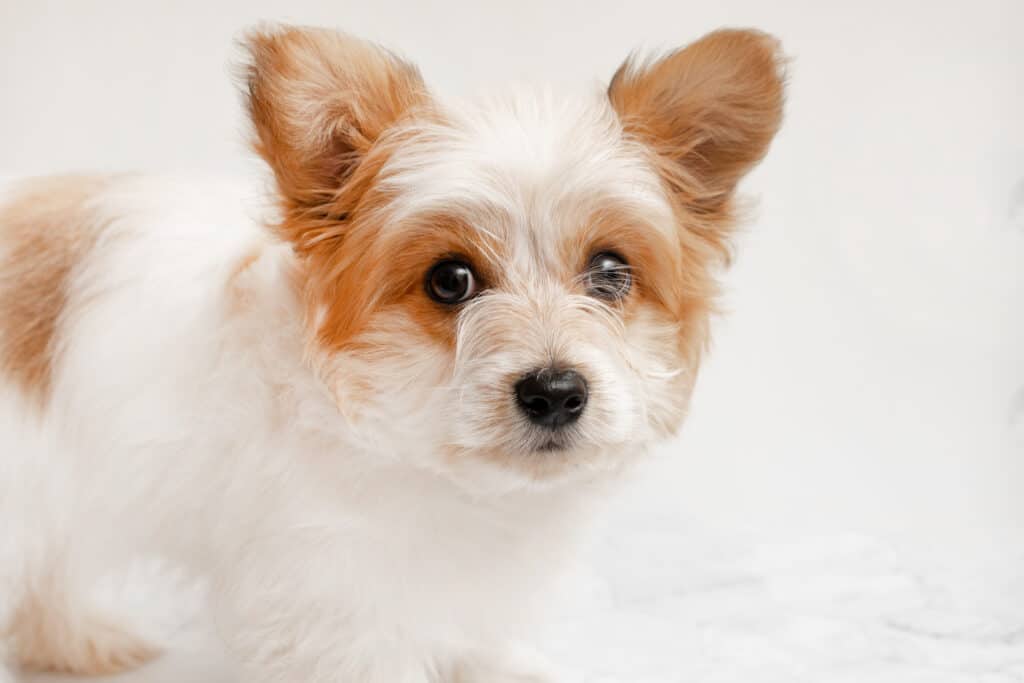
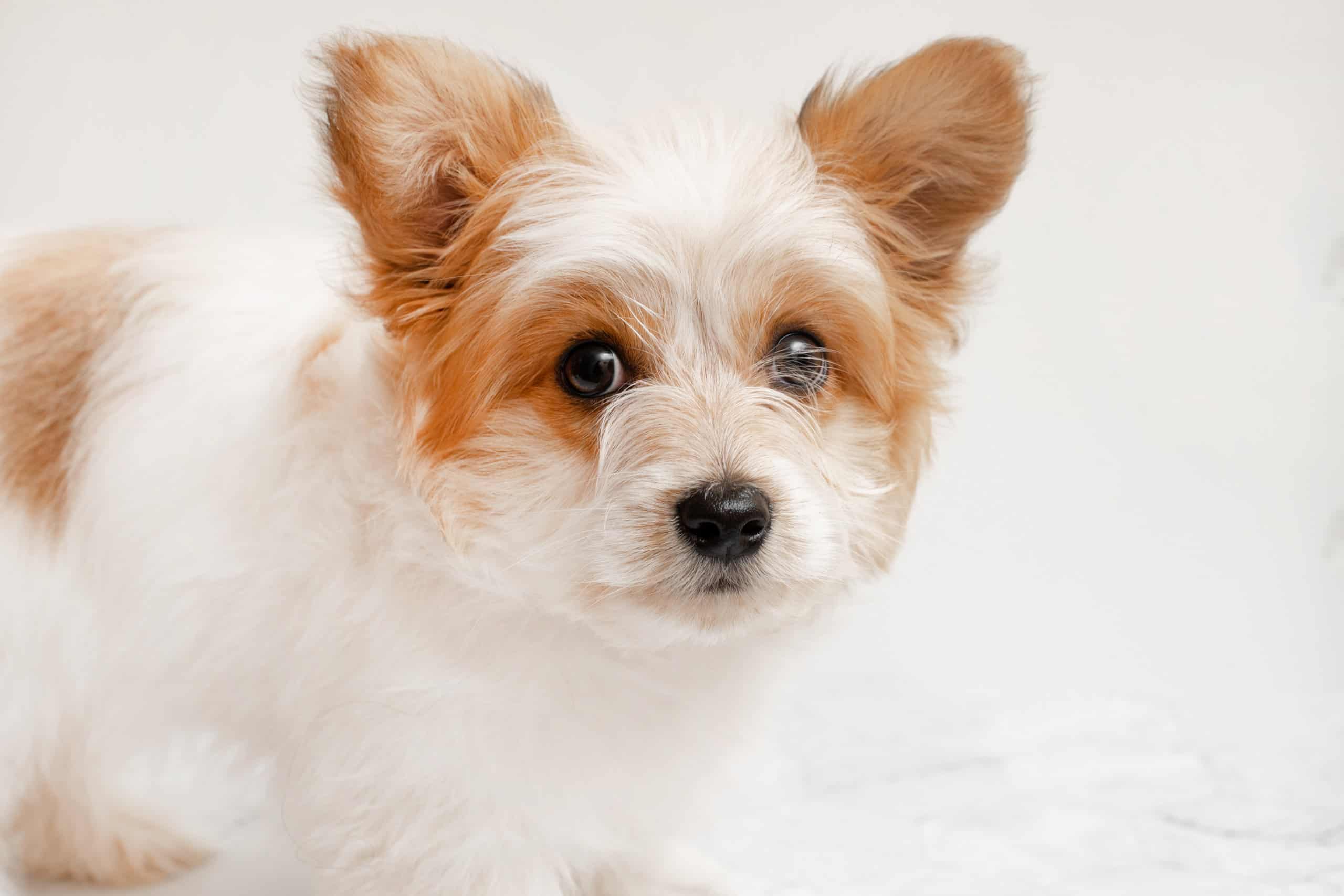
A Malchi is a cross between a Chihuahua and a Maltese lapdog.

At a Glance

Domesticated
Also Known As Maltechi, Maltese-Chi, Maltese Chi, Maltese-Chihuahua mix, Maltese Chihuahua hybrid
Diet Omnivore
Activity Diurnal+
Lifespan 13 years
Weight 6 lbs
Status Not Evaluated
Did You Know?

"Malchi" is an informal nickname; litters can resemble either parent strongly, even among siblings.

Scientific Classification

The Malchi is a small companion dog crossbreed (often called a “designer dog”) produced by mating a Maltese with a Chihuahua. As a mixed-breed, appearance and temperament can vary, but they are typically toy-sized and people-oriented.

Kingdom
Animalia
Phylum
Chordata
Class
Mammalia
Order
Carnivora
Family
Canidae
Genus
Canis
Species
Canis lupus

Distinguishing Features

  • Toy-sized dog with variable coat length (often short-to-medium, sometimes longer if Maltese-like)
  • Often has a compact body and relatively large eyes/ears (Chihuahua influence)
  • Color varies widely (white, cream, tan, black, mixed patterns possible)
  • Temperament commonly alert and affectionate; can be vocal and may show small-dog “boldness”

Physical Measurements

Males and females differ in size

Height
9 in (7 in – 10 in)
9 in (7 in – 10 in)
Length
1 ft 5 in (1 ft 1 in – 1 ft 8 in)
1 ft 5 in (1 ft 2 in – 1 ft 9 in)
Weight
8 lbs (5 lbs – 11 lbs)
7 lbs (4 lbs – 10 lbs)
Tail Length
6 in (4 in – 7 in)
6 in (4 in – 7 in)
Top Speed
16 mph
running

Appearance

Primary Colors
Secondary Colors
Skin Type Thin canine skin with fine undercoat variability; prone to dryness and irritation if over-bathed.
Distinctive Features
  • Toy-sized companion dog (not a wild canid); markedly smaller than typical domestic dogs and wolves.
  • High appearance variability vs standardized breeds: coat can be short/smooth or medium-long/silky, straight to slightly wavy.
  • Head often "apple" to slightly rounded; muzzle short-to-moderate; large expressive eyes common.
  • Ears may be erect (Chihuahua-like) or drop/semi-erect (Maltese influence).
  • Tail commonly carried high, sometimes plumed and curling over the back.
  • Fine-boned build; delicate legs and small paws increase injury risk from jumps/rough handling.
  • Compared with base species context (Canis lupus): reduced size, neotenous facial features, and strong human-directed bonding/attachment.
  • Common health concerns in this mix: dental crowding/periodontal disease, patellar luxation, tracheal sensitivity/collapse risk.
  • Additional concerns seen in toy dogs: hypoglycemia in very small individuals, eye irritation/tear staining, and heart murmurs (e.g., mitral disease).
  • Care needs: consistent positive-reinforcement training and early socialization to reduce reactivity and separation distress.
  • Grooming varies by coat; longer coats need frequent brushing and eye/face cleaning to prevent matting and staining.
  • Cold sensitivity is common; benefit from sweaters, warm bedding, and avoiding prolonged cold exposure.
  • Dental care is high priority: daily brushing, dental chews as appropriate, and regular professional cleanings.
  • Exercise needs are modest: short walks and indoor play; avoid overexertion in heat due to small size.
  • Feeding: measured small-breed diet; avoid obesity, which worsens patellar and airway issues.
  • House-training may be challenging; benefit from routine, crate training, and frequent potty breaks.
  • Use a harness rather than collar to reduce tracheal strain, especially in cough-prone individuals.

Sexual Dimorphism

Sexual dimorphism is subtle; males are often slightly heavier with a broader head and chest. Females tend to be a bit finer-boned, but coat type and overall size vary more by individual mix than by sex.

  • Often marginally larger body mass and thicker neck/chest.
  • May show broader skull and slightly more pronounced musculature.
  • Intact males may have more prominent ruff/neck coat in longer-coated individuals.
  • Often slightly lighter, finer-boned frame with narrower chest.
  • May mature a bit earlier in behavior and body condition.
  • Coat length and ear carriage vary widely regardless of sex.

Did You Know?

"Malchi" is an informal nickname; litters can resemble either parent strongly, even among siblings.

Compared with the base species (gray wolf), the Malchi shows extreme domestication traits: tiny body size, juvenile facial features, and intense human bonding.

Coat can range from short/sleek (more Chihuahua-like) to long/silky (more Maltese-like); shedding and grooming needs vary accordingly.

Many Malchis prefer warmth and will seek laps, blankets, and sunny spots-typical of toy breeds with high surface-area-to-weight ratios.

They often make surprisingly sharp "watchdogs" for their size, using vocal alerts and fast reactions rather than physical intimidation.

Dental disease risk is higher than in larger dogs; routine tooth brushing can be one of the most important life-long care habits.

Unique Adaptations

  • Miniaturized companion build: far smaller than the wild Canis lupus form, suited to indoor living and close human contact.
  • Neotenous (juvenile-like) features and behaviors-an outcome of domestication that tends to increase caregiving responses in humans.
  • Flexible coat outcomes from crossbreeding: some inherit a longer, more insulating coat (Maltese influence), others a shorter coat (Chihuahua influence), affecting cold tolerance and grooming needs.
  • Efficient "alarm" strategy: rapid vocal signaling and quick movement substitute for the endurance hunting and pack combat abilities of the wolf.
  • Human-directed social skills: heightened attention to human faces, routines, and cues compared with wild canids, supporting a companion role.

Interesting Behaviors

  • "Velcro dog" shadowing: following a favorite person from room to room and settling close by.
  • High alert barking at door sounds or unfamiliar footsteps; can be shaped into a reliable "alert then quiet" cue with training.
  • Burrowing and nesting in blankets, laundry, or pillows-especially in cool homes.
  • Fast "zoomies" in short bursts followed by long cuddle sessions; energy often comes in quick spikes.
  • Selective social confidence: some individuals are bold and outgoing, others are cautious; early, gentle socialization matters.
  • Lap-guarding or resource guarding (person/sofa/toy) can appear; reward-based training and clear boundaries help prevent escalation.
  • Potty-training challenges are common in very small dogs due to tiny bladders and cold/rain avoidance; consistent routines and indoor options (pads/grass trays) can help.

Cultural Significance

The Malchi (Maltese × Chihuahua) shows modern "designer dog" trends: small companion mixes liked for being easy to carry and friendly. Its parent breeds have long lapdog history. It brings up welfare issues like safe breeding, dental care, and making dogs very tiny.

Myths & Legends

Ancient Mediterranean "Melitaean" lapdogs-often linked to the Maltese's ancestry-appear in classical writings and art as cherished companions of nobility, celebrated for being tiny dogs kept close in sleeves or laps.

In Mesoamerican tradition, small dogs related to the Chihuahua's ancestors (commonly associated with the Techichi) were believed to accompany souls on the journey through the underworld; dogs feature as spiritual guides in several regional beliefs.

Stories connected to Xolotl, the dog-associated deity of Aztec mythology, portray dogs as helpers for humans through dangerous passages-an enduring cultural link between Mexican heritage and small companion dogs.

European folklore and household superstition often cast small lapdogs as "little guardians" of the home-more as warning bells than fighters-where a sharp bark was valued as an early alert to visitors or trouble.

Modern naming lore around "designer dogs" often frames mixes like the Malchi as blending the Maltese's lapdog gentleness with the Chihuahua's boldness-an origin story repeated by owners even as individual dogs vary widely.

Conservation Status

NE Not Evaluated

Has not yet been evaluated against the criteria.

Population Stable

Life Cycle

Birth 2 pups
Lifespan 13 years

Lifespan

In the Wild
12–15 years
In Captivity
12–18 years

Reproduction

Mating System Polygynandry
Social Structure Managed Domestic
Breeding Pattern Not Applicable
Fertilization Managed Selective
Birth Type Internal_fertilization

Malchi reproduction follows domestic-dog patterns: mating is typically arranged by humans, so natural pair-bonding is minimal and males and females may have multiple mates across breeding opportunities. Fertilization is internal, with parental care mainly by the dam.

Behavior & Ecology

Social Pack Group: 2
Activity Diurnal, Crepuscular, Cathemeral
Diet Omnivore Cooked lean poultry (e.g., chicken or turkey)

Temperament

Species context (domestic dog): socially flexible, cooperative with humans; wolf-like pack tendencies are muted but present.
Breed distinction: toy-sized companion mix; typically more people-oriented and lap-seeking than baseline dogs.
HUBS pattern: strong owner attachment is common; variation ranges from confident-social to shy-clingy.
Often alert and watchful; may be vocal with strangers and novel sounds (small-dog alarm barking).
Can be affectionate and playful; may show terrier-like sass from Chihuahua line and gentleness from Maltese line.
Stranger wariness and resource guarding can occur without early socialization and consistent boundaries.
May be sensitive to harsh handling; best with calm children and supervised interactions due to small size.
Trainability: responds best to short, positive sessions; house-training may be slower in some individuals.
Health concerns to anticipate: dental disease, patellar luxation, tracheal collapse, hypoglycemia in tiny dogs.
Other possible issues: mitral valve disease, eye problems (dry eye/tear staining), allergies; monitor weight carefully.
Care requirements: daily dental care, harness over collar, temperature protection, regular grooming varies by coat type.
Exercise/enrichment: short walks and indoor play; avoid high jumps to protect knees and trachea.
Separation anxiety risk: gradual alone-time training and predictable routines reduce distress behaviors.

Communication

high-pitched bark/yap
alarm barking
whining
growling
yipping during play
howling Occasional
tail carriage and wag patterns
ear position changes
lip licking and yawning Stress signals
pawing/leaning to solicit contact
play bow and bouncy approach
freezing/stiff posture before snapping if overwhelmed
scent marking and sniffing routines
facial expressions and eye contact used heavily with humans

Habitat

Biomes:
Temperate Forest Temperate Grassland Mediterranean Tropical Dry Forest Tropical Rainforest Savanna Desert Hot Desert Cold Boreal Forest (Taiga) Tundra Alpine Wetland Freshwater Marine +8
Terrain:
Plains Hilly Mountainous Coastal Island
Elevation: Up to 14763 ft 9 in

Ecological Role

Human-associated companion omnivore; minor opportunistic predator/scavenger in domestic environments rather than a true wild forager.

Local pest pressure on small rodents/insects (limited, opportunistic) Acts as a human-mediated consumer of animal and plant-derived foods, relying on managed feeding rather than hunting Can influence urban/household ecology through scavenging/garbage attraction if not managed

Diet Details

Main Prey:
Rodents Small birds Lizards Large insects Carrion and meat scraps
Other Foods:
Berries Fallen fruit Vegetables Cooked grains and starches Grasses

Human Interaction

Domestication Status

Domesticated

Malchi (Maltese × Chihuahua mix; Canis lupus familiaris) is a modern companion crossbreed, not a purebred. Usually very small (about 1.4–4.5 kg), bonds closely to people, alert and often vocal. Coat and behavior vary. Needs early socialization, short daily walks, grooming as needed, dental care. Watch for dental, knee, windpipe, heart, and eye problems.

Danger Level

Low
  • defensive/fear biting, especially with poor socialization or rough handling (higher risk around small children who may mishandle a toy-sized dog)
  • nuisance barking and reactivity toward strangers/dogs (behavioral, not typically severe injury risk)
  • accidental injury risk to the dog from human handling (drops/steps), which can indirectly provoke snapping

As a Pet

Suitable as Pet

Legality: Usually legal to have as a pet where dogs are allowed, but must follow local license, leash, and vaccine rules and any housing/HOA limits. Rarely banned by breed, though some towns or rentals may set size, noise, or breed rules.

Care Level: Moderate

Purchase Cost: $200 - $1,500
Lifetime Cost: $15,000 - $35,000

Economic Value

Uses:
Companion animal market (pet sales/adoption) Veterinary and preventive healthcare Grooming services Training/behavior services Pet retail (food, supplies, apparel) Pet sitting/daycare/boarding
Products:
  • companion/household pet value
  • breeder sales and adoption fees
  • grooming (brushing, trims, bathing)
  • training classes for socialization and barking/reactivity
  • routine veterinary care (vaccines, dental cleanings)
  • pet accessories (harnesses, sweaters, carriers)

Relationships

Quick Take

  • Mixing two purebreds is supposed to create a healthier dog, yet the Malchi breaks that assumption in a specific way most new owners don't see coming. See the health surprises →
  • This tiny dog will pick a fight with a breed ten times its size, and there is a real behavioral reason why this happens. Explore small dog syndrome →
  • The Malchi's training has a hidden failure point that trips up even patient owners, and the issue has nothing to do with aggression. Understand the training pitfall →
  • Their diet isn't as flexible as most small dogs', and feeding them the wrong way has consequences specific to this breed. Check their diet needs →

The Malchi goes by many names, like Malachi or Maltechi, and it is a mix between the Maltese and Chihuahua.

Just like their parents, they are rambunctious, energetic, extremely loving, and caring. They require extra attention early on with socialization and training to ensure they get along with animals or children. However, they are great companions for older adults as they require minimal exercise.

They are a designer breed and still a novice in the dog breeding world, as they were only introduced in the early 2000s. Due to the lack of knowledge about this breed, much of the information is gathered from its parent breeds.

The Malchi is a proud breed and often thinks it is bigger than its actual size. So, they might try to dominate and bully other breeds, even dogs much larger than themselves.

Overall, the Malchi is as cute as a button and makes a great companion for single or elderly people. They might be small, but they have big hearts and even bigger egos!

A green and white infographic titled 'THE MALCHI' illustrating the characteristics, health, and temperament of a Maltese and Chihuahua mix.
A tiny frame with a massive ego—the Malchi thinks it’s a bodyguard, but it requires serious training to curb its 'Small Dog Syndrome' and stubborn streak. © A-Z Animals

History of the Breed

The Malchi is a designer breed and was introduced in the early 2000s. Although they are a very popular new breed, they don’t have a well-documented history, and like most designer dog breeds, much of the information about them is gathered from their parent breeds, in this case, the Chihuahua and the Maltese.

The Chihuahua is an ancient dog and is believed to have descended from a small, mute, desert dog called the Techichi that was kept by the Toltec people of Mexico as early as the 9th century. The Techichi was bred with the Mexican hairless dog, Xoloitzcuintli, to give us the Chihuahua that we know today. The Maltese is another ancient breed, purported to have existed for 29 centuries, and it is believed to have come from the island of Malta.
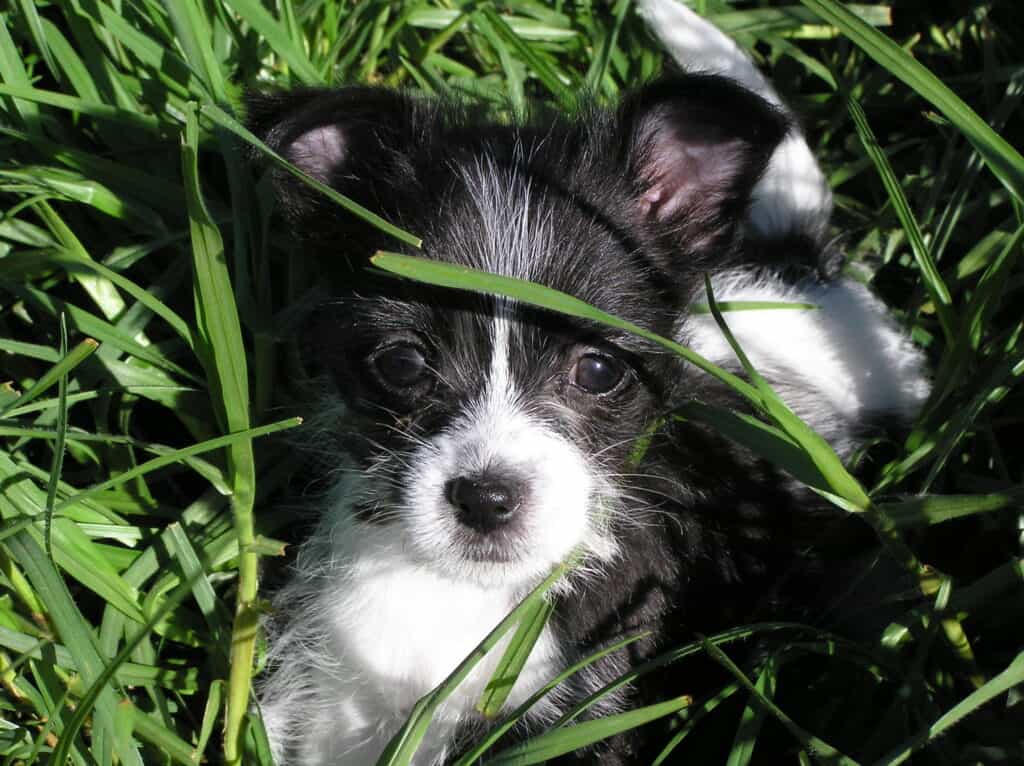
The Malchi is a rambunctious, energetic, extremely loving, and caring little dog.

The Malchi is a rambunctious, energetic, extremely loving, and caring little dog.

Three Pros And Cons Of Owning A Malchi

As with every dog breed, there are specific pros and cons you need to know about before getting one. Here are 3 Malchi pros and cons you need to know about:

ProsCons
A Malchi is perfect for seniors or single people, as they are playful but also extremely loyal.A Malchi can be stubborn and are sometimes hard to train. Therefore, their owners need to have patience.
While they are energetic, they don’t require a lot of exercise to stay healthy and happy.They may suffer from separation anxiety and are prone to barking.
They are great apartment dogs.They are not great family dogs because they aren’t the biggest fans of children.

The Best Dog Food For A Malchi

A Malchi is a cross between a Chihuahua and a Maltese lapdog.

A Malchi must eat a specialized diet to avoid intestinal and digestive problems.

Designer dogs often have intestinal and digestive problems, so they need to eat a diet high in fiber to aid digestion. Unfortunately, this means that Malchis must eat a specialized diet. Firstly, stick to dry foods that will prevent risks associated with indigestion.

In addition, you should never overfeed a Malchi. If you buy nutrient-rich dog food, rather divide it into two or three portions throughout the day. Then, as they age, you can adjust the amount according to their size.

Size And Weight

It’s hard to accurately determine the weight and size because the Malchi is a cross between Maltese and Chihuahua, and their offspring usually vary greatly, even in the same litter. However, the adults generally weigh 7 to 12 pounds and measure between 6 to 14 inches in height.

Common Health Issues
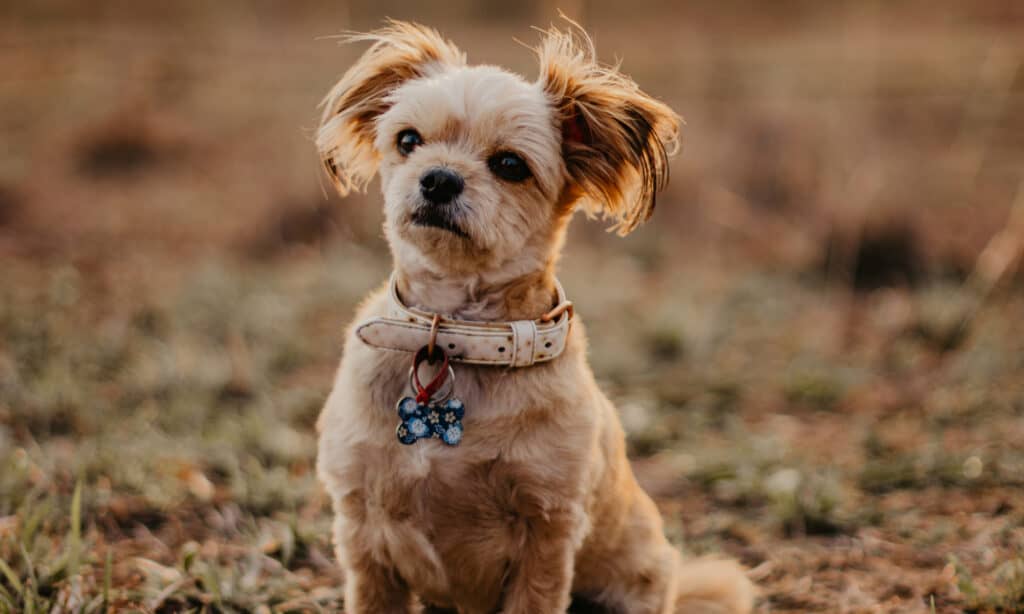
The Malchi is an energetic dog, but does not require a lot of exercise.

The Malchi may be prone to allergies and hip dysplasia.

Many believe that mixing two purebreds strengthens the gene pool and makes a healthier breed. However, this is not always the case. In fact, it can make the mixed breed more susceptible to both parents’ health issues. For the Malchi, this includes:

Allergies and stomach sensitivity affect dogs with lighter coats more, so if you have a cream or white Malchi, always ensure they stick to a strict diet and monitor their reaction for food allergies and upset stomachs.

Registered and reputable breeders screen their puppies for genetic defects, which reduces the chances of congenital illnesses. Unfortunately, backyard breeders often have puppies with infections or parasitic infestations.

But if you look after your Malchi properly with a healthy diet, exercise, and regular vet checkups, there’s no reason why they can’t live a long and healthy life.

Temperament

The Malchi is tiny, but it has a heart of a lion and thinks it’s one too! They have “small dog syndrome,” which makes them believe they are bigger than other dogs. In addition, they have a voice to go with their attitude. Both the ego and barking are traits from their Chihuahua genes.

A Malchi will generally bark at visitors who come to your home, including other animals. However, they are very caring, playful, and loving. In addition, they don’t require much exercise, which is why they are such good pets for the elderly.

Unfortunately, they don’t interact well with others and usually need to be an only pet. It is not impossible to socialize them if you start early. However, they are incredibly dominant, and their tendency to bark and snap if angered makes it hard.

How To Take Care Of A Malchi

Taking care of a Malchi is easy, as long as you can manage these four guidelines:

Maintenance And Grooming
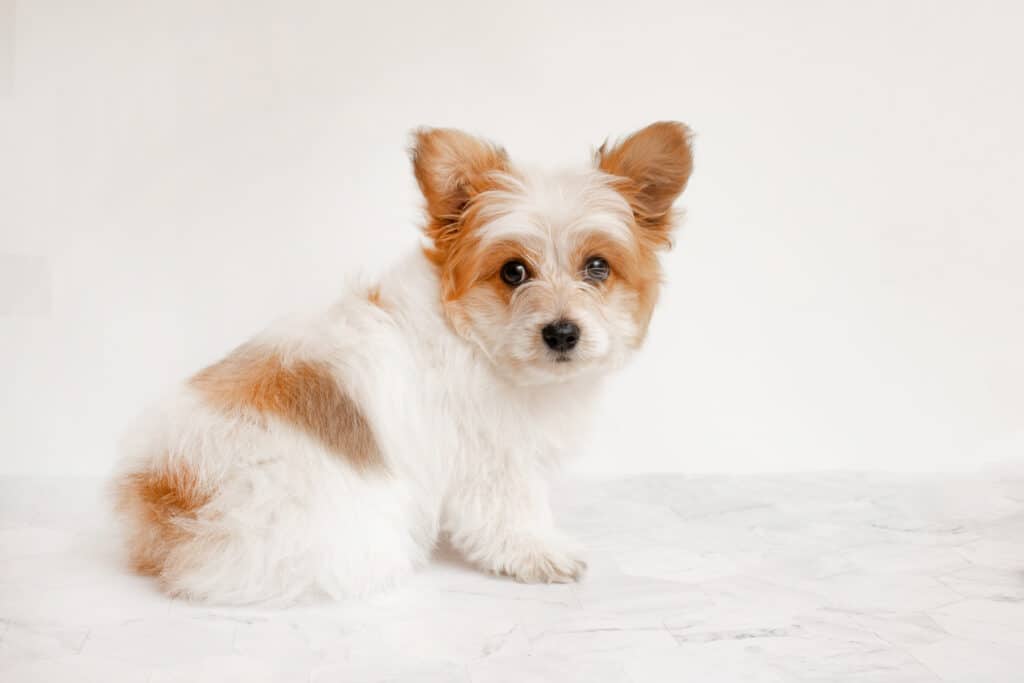
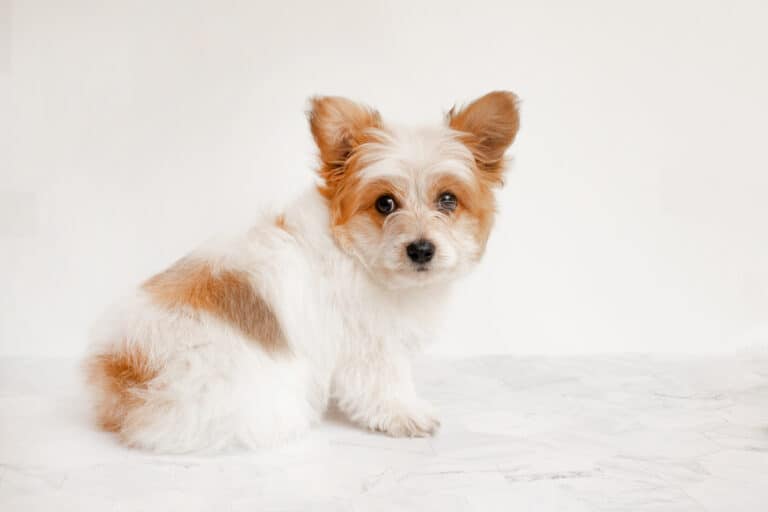
Malchi isolated on white background.

Malchis don’t shed much but should have their coats brushed regularly.

Malchis aren’t big shedders, but you should brush their coats two to four times a week. However, if you like grooming them, you can brush them every day.

If you don’t brush your Malchi, its fur will mat, which is very painful for them as it pulls on their skin. In addition, make sure to manage the length of their nails and, for gum health, brush their teeth every day. Never wash them too often because it can damage their skin; stick to weekly baths.

Training

The Malchi is very stubborn and might be hard to train. Initially, they might react well to commands, but the repetition will start to bore them, and they will lose interest. That’s why it is probably best to hire a professional to help you train your Malchi; they can work out a dynamic schedule instead of a repeated routine.

Exercise

While they are energetic dogs, Malchis don’t need a lot of exercise. However, this does not mean they don’t need any activity. They do need outside time every day, and not just to go to the bathroom. In addition, you should play with them inside as well. A good 30-minute walk a day is perfect. Anything more than that at one time will tire their little bodies out.

They also need mental stimulation, which you can achieve through puzzles, toys, sniffing on walks, teaching them tricks, and games.

Puppies
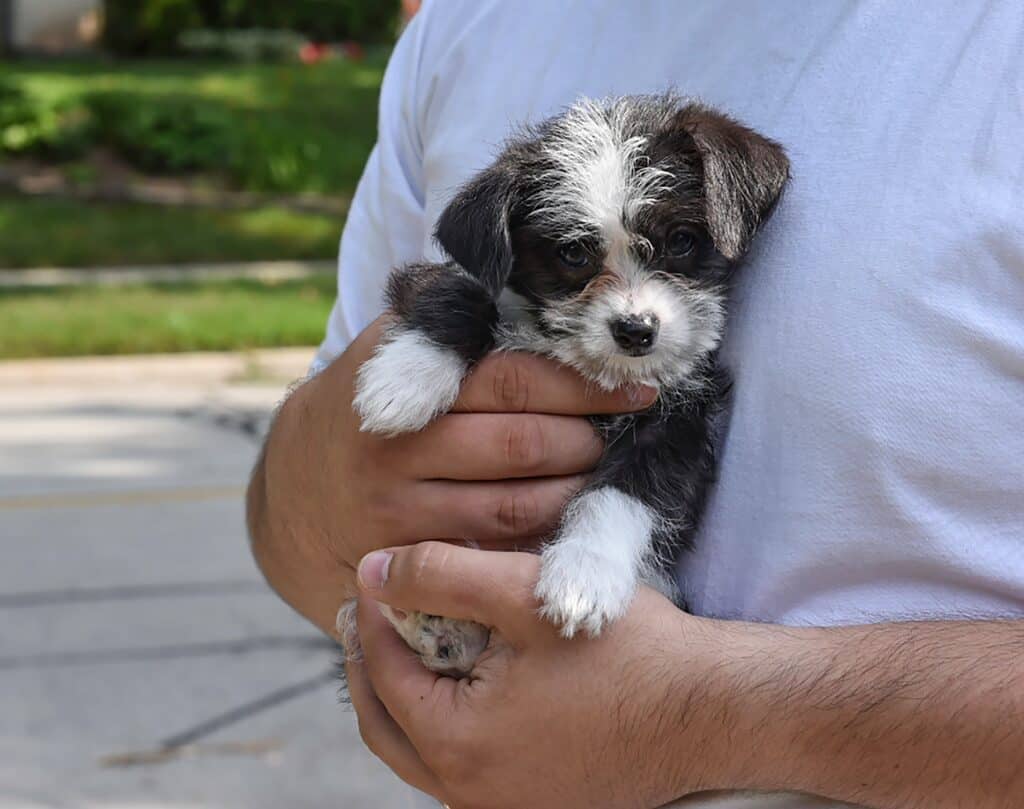
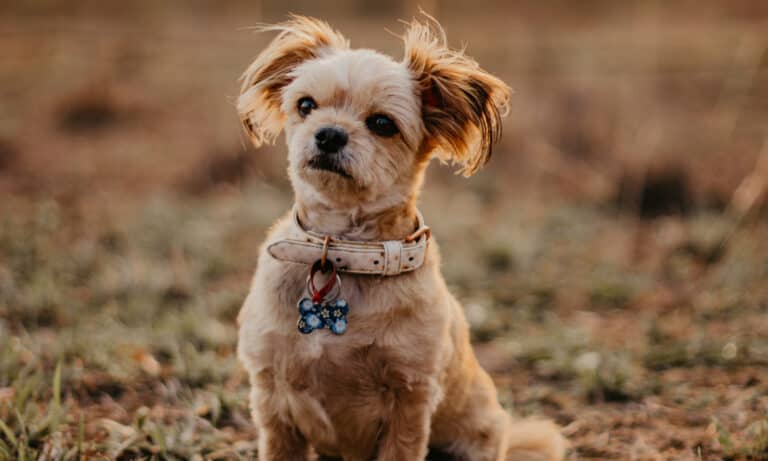
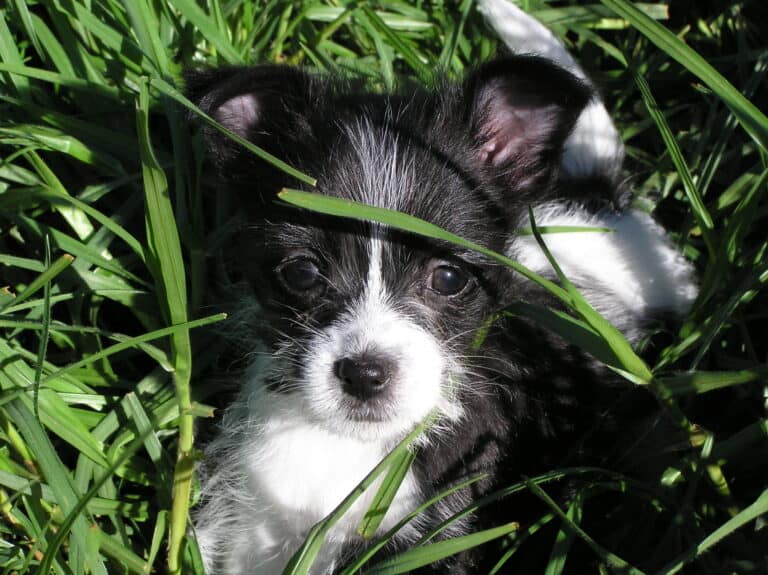
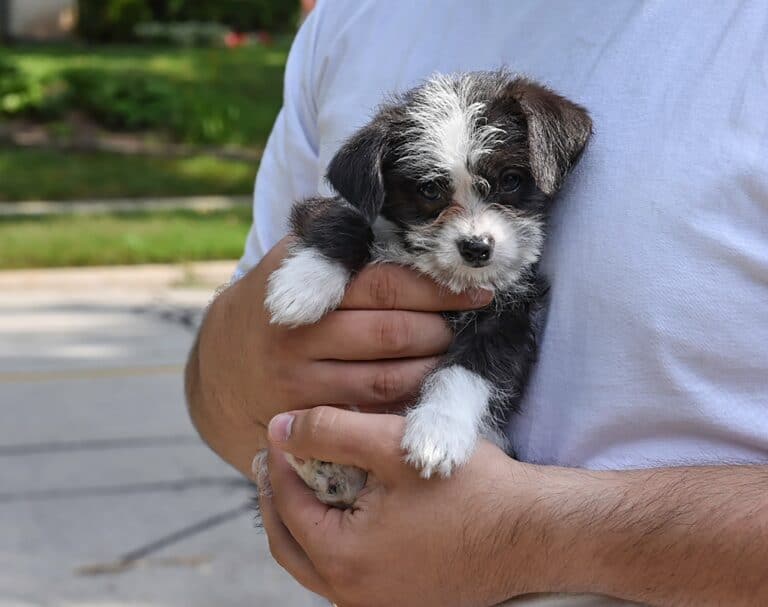
Malchi puppies are tiny and fragile, and can differ a lot from their littermates.

Malchi puppies are tiny and fragile and can differ a lot from their littermates.

A Malchi usually has a litter of two to five puppies, Pups from the same litter can differ in appearance because they can take after either parent.

The puppies are tiny and fragile, so you should be extremely gentle when handling them to avoid any injuries. Never leave one of these puppies unattended with children, or take them to a place with big crowds.

Malchis And Children

The Malchi does not like children and won’t do well with teenagers either, so they are not family dogs. They are stubborn and can be aggressive if provoked. For example, young children will want to pull their tails or ears, which could cause a Malchi to snap. In addition, they are barkers and will wake the kids up in the middle of the night if something spooks them.

Dogs Similar To The Malchi

View all 329 animals that start with M

Sources

  1. K9 Web / Accessed June 25, 2022
  2. Pet Keen / Accessed June 25, 2022
  3. Dog Breeds 911 / Accessed June 25, 2022
  4. Dog Product Picker / Accessed June 25, 2022
  5. The happy puppy site / Accessed June 25, 2022
  6. Animal Corner / Accessed June 25, 2022
  7. Wag Walking / Accessed June 25, 2022
  8. Pet Guide / Accessed June 25, 2022
  9. Dog Zone / Accessed June 25, 2022
  10. AKC / Accessed May 3, 2023
Melissa Bauernfeind

About the Author

Melissa Bauernfeind

Melissa Bauernfeind was born in NYC and got her degree in Journalism from Boston University. She lived in San Diego for 10 years and is now back in NYC. She loves adventure and traveling the world with her husband but always misses her favorite little man, "P", half Chihuahua/half Jack Russell, all trouble. She got dive-certified so she could dive with the Great White Sharks someday and is hoping to swim with the Orcas as well.
Connect:

Thank you for reading! Have some feedback for us?


Malchi FAQs (Frequently Asked Questions)

A Malchi can live a long time, up to 15 to 18 years of age.