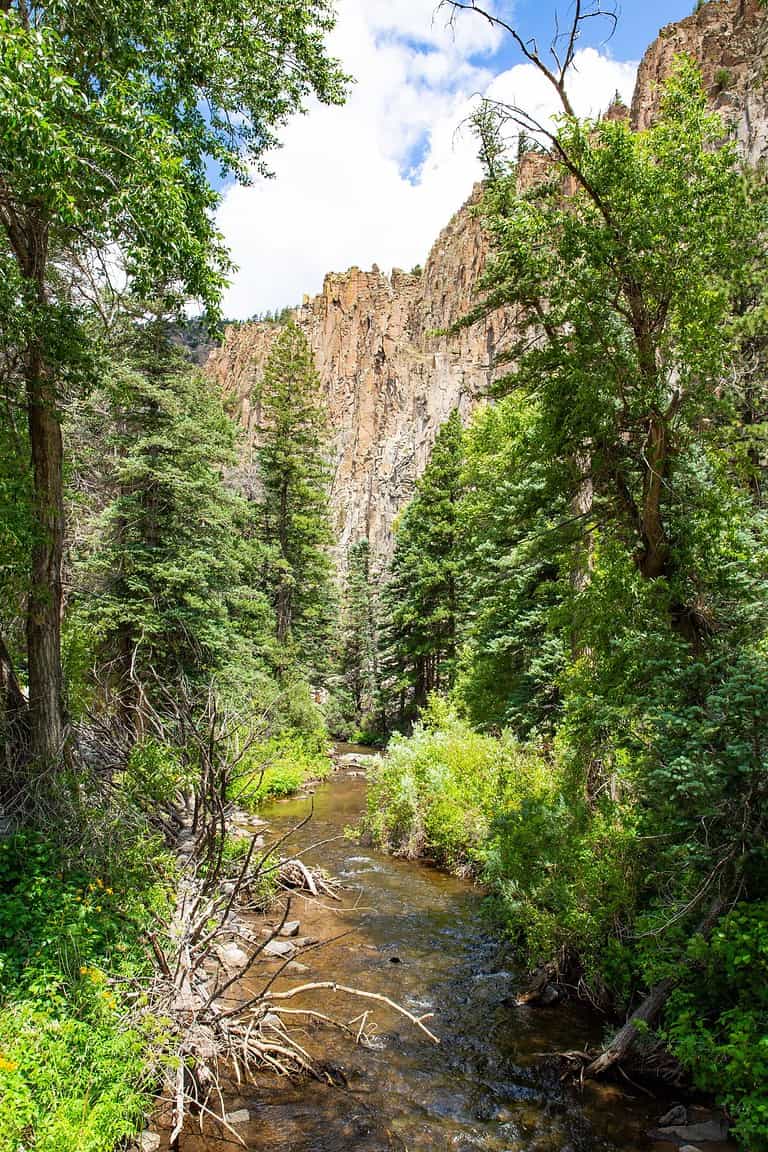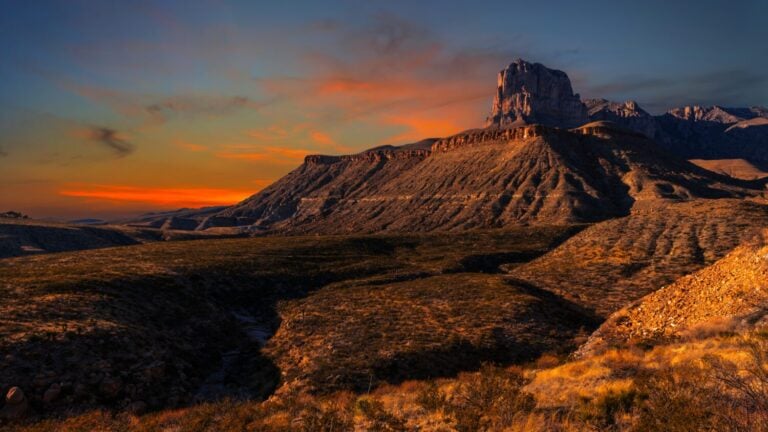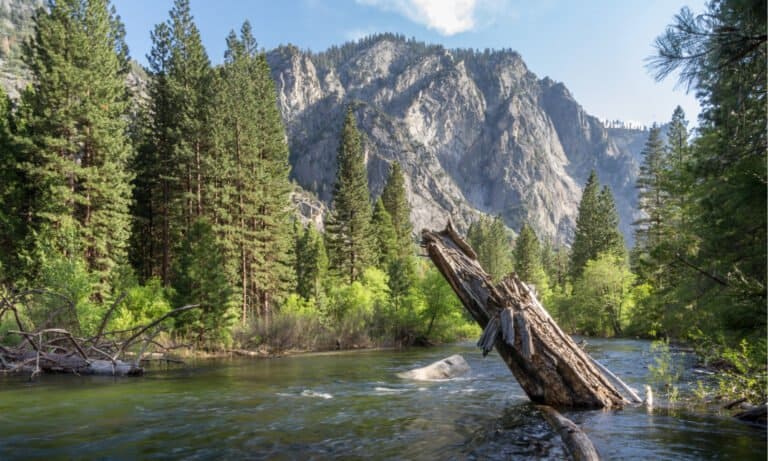

Dinosaur Valley State Park spans 1,525 acres in Somerville County, Texas, and welcomes approximately 250,000 visitors per year. However, despite its name, you won’t find any dinosaurs in the park, although you can walk in their footsteps. The main attractions are the stunning dinosaur tracks in the bed of the Paluxy River. The tracks were made in the mud around 113 million years ago by sauropods and theropods, including the 13-foot-tall carnivorous Acrocanthosaurus. The park includes more than 20 miles of trails, so if dinosaurs aren’t your thing, there are plenty of other activities to enjoy.. Other activities in the park include hiking, camping, biking, swimming, and, of course, wildlife watching. Take a look at these animals that you might encounter during your visit!
Black-Capped Vireo
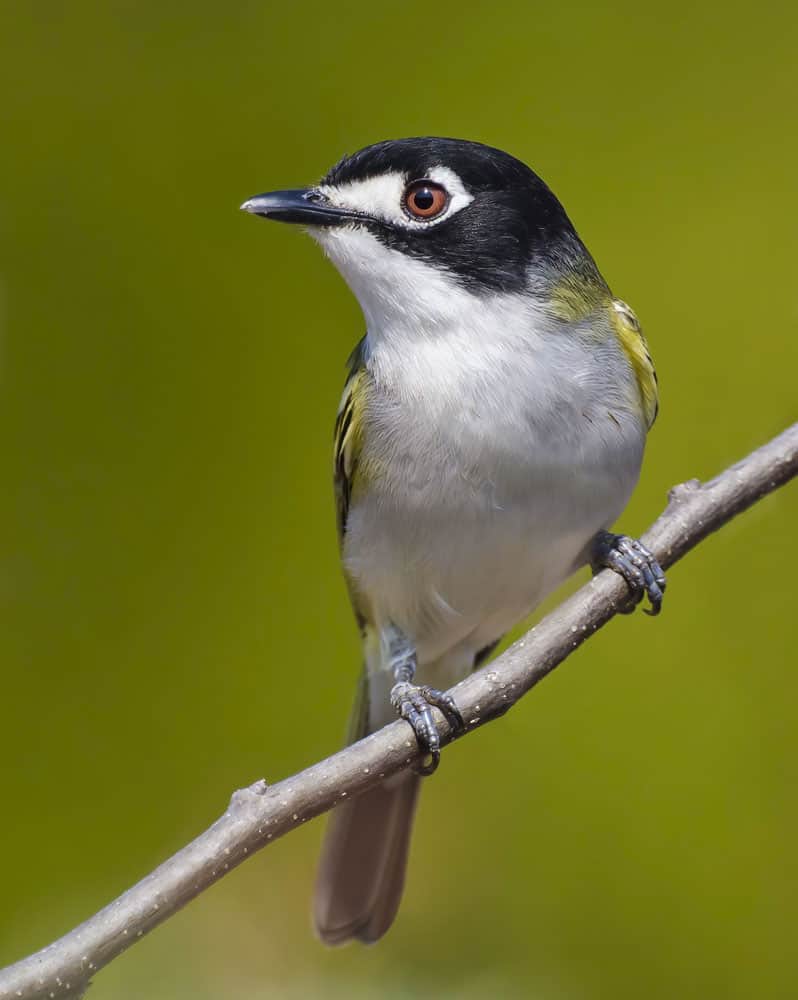
The black-capped vireo is one of the rarest birds in the state park.
©iStock.com/AGAMI stock
Of the many birds in the park, the black-capped vireo (Vireo atricapilla) is among the rarest. Although now classified as near threatened, the species was officially endangered until 2018, and sightings remain sporadic in the park, with spring to fall offering the best chance of a sighting. Black-capped vireos prefer open woodlands and shrubby areas, and they prey predominantly on insects.
Bobcat
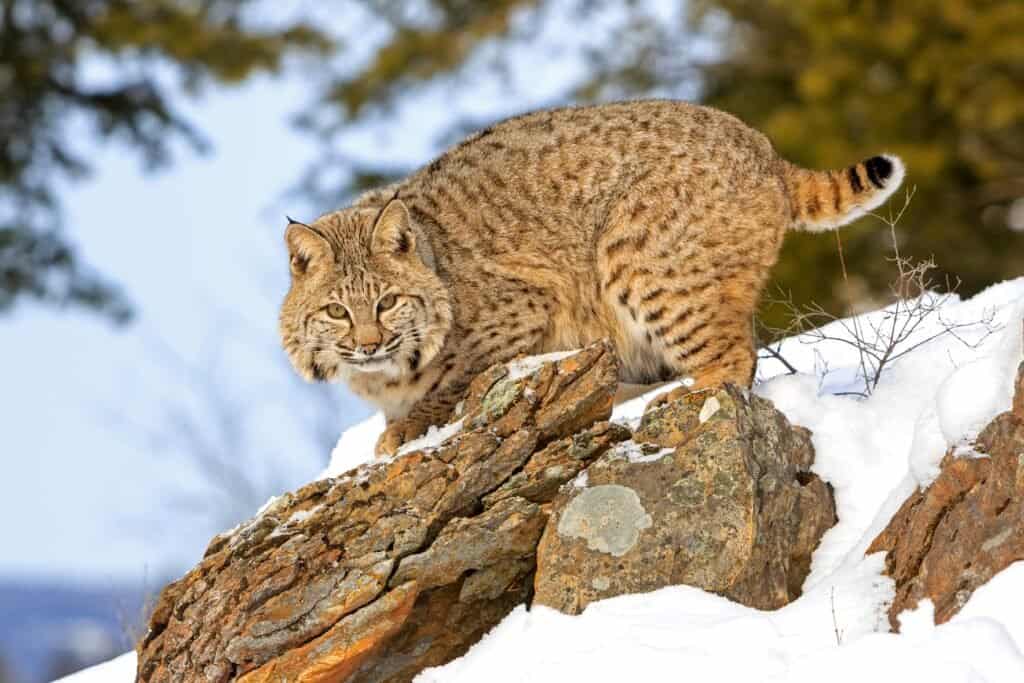
Bobcats can be distinguished by their short tail and pointed ears.
©Jack Bell Photography/Shutterstock.com
One of the most elusive animals in the park is the bobcat (Lynx rufus). Bobcats are stealthy predators that prey on animals such as rabbits and rodents. They often inhabit woodlands and forests, but may also be seen in other areas. Their most distinguishing features are their pointed ears and short tail. Bobcats are active all year round, but encounters are rare.
Canyon Wren
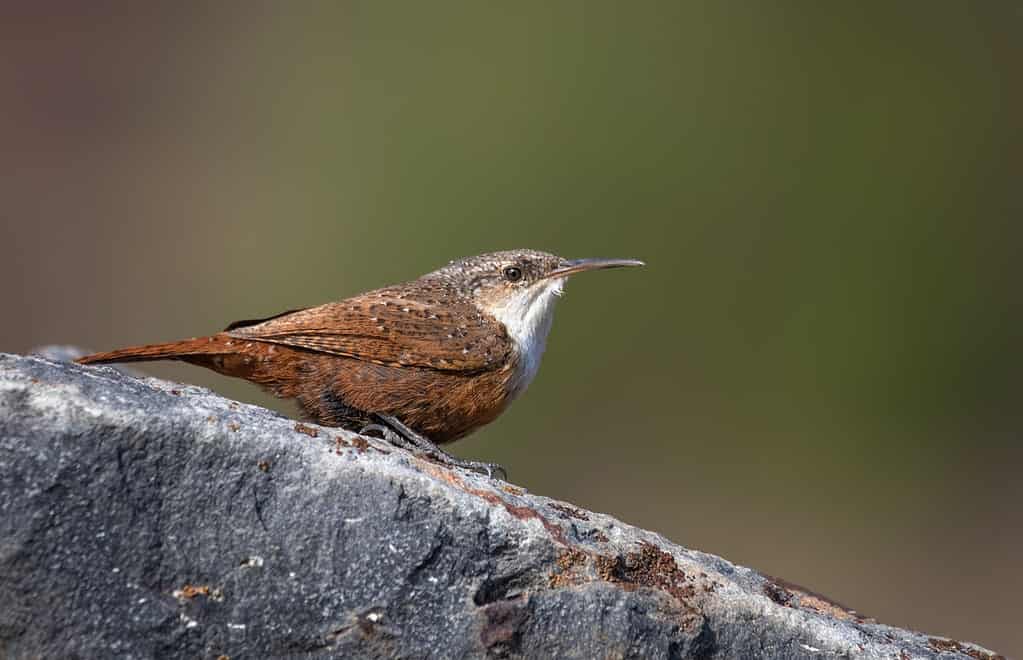
Tiny canyon wrens can be seen perched on rocky ledges along the Main Trail.
©iStock.com/graphicphoto
If you’re on the Main Trail, then you’ll want to look out for the tiny canyon wren (Catherpes mexicanus), which has a brown speckled appearance and a white throat patch. Canyon wrens prefer rocky outcroppings, so they can usually be seen perched on ledges, and their nests are often in rocky crevices.
Common Poorwill
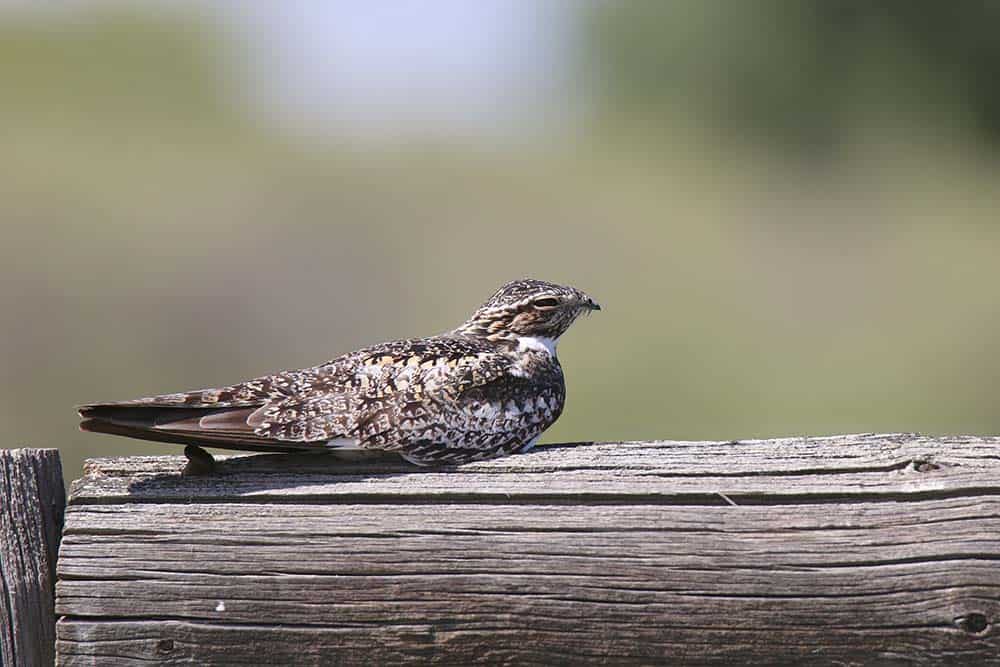
Common poorwills can be found in Dinosaur Valley State Park from spring to fall.
©vagabond54/Shutterstock.com
The common poorwill (Phalaenoptilus nuttallii) is a small bird in the nightjar family and reaches around seven inches in length. These birds are nocturnal and are known for the distinctive call of the poor-will that they make throughout the night. Common poorwills are present in the park from spring to fall and are often found in dry, open areas.
Coyote
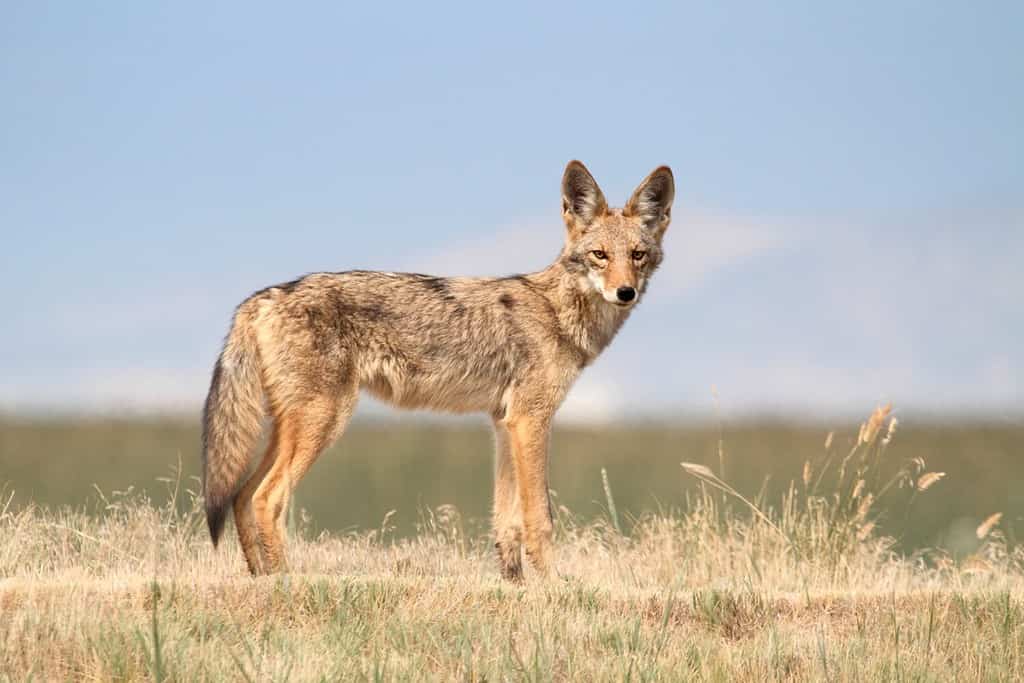
The stealthy coyote can be found in a variety of habitats in the park.
©Steve Byland/Shutterstock.com
Coyotes (Canis latrans) are some of the most adaptable animals in the park and are found in a variety of habitats. However, although they are widespread, sightings are not guaranteed. You can often hear them at dawn and dusk. Coyotes have a varied diet, preying on animals such as birds, rabbits, rodents, and deer.
Fox Squirrel
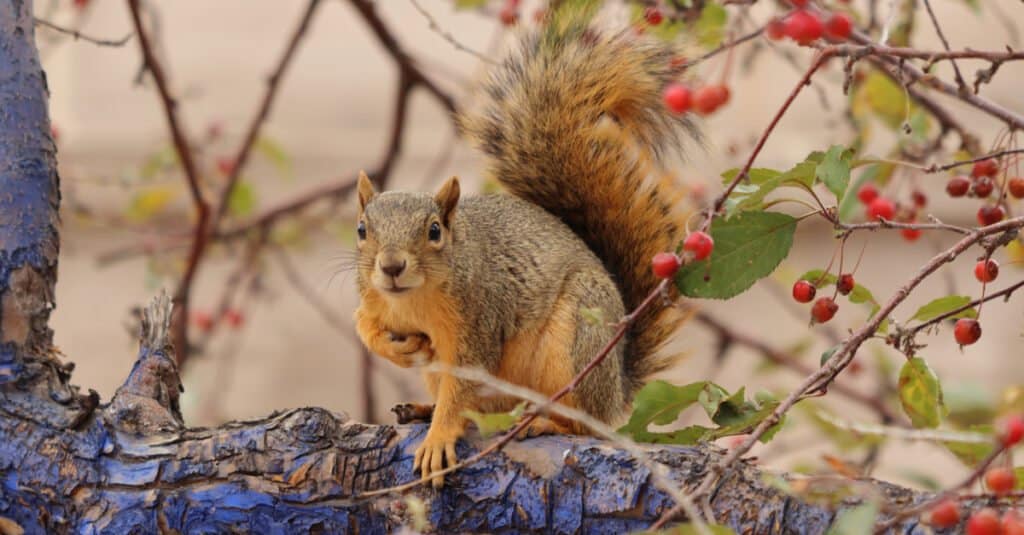
Fox squirrels are particularly common and can even be found around picnic areas.
©Vaclav Matous/Shutterstock.com
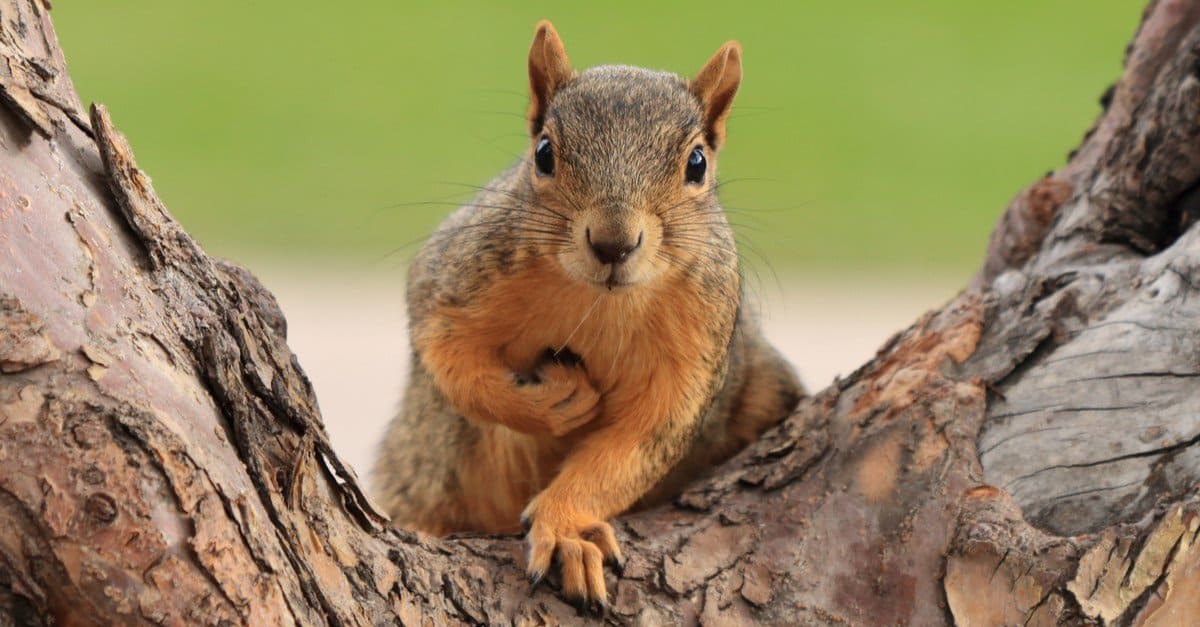
Undoubtedly, squirrels are some of the most common animals in Dinosaur Valley, with the fox squirrel (Sciurus niger) being the most prevalent. Although squirrels are most closely associated with forests and woodlands, they can also be observed around picnic and camping areas. However, despite their cheeky nature, it’s important to remember not to feed them or encourage them to come too close.
Frogs
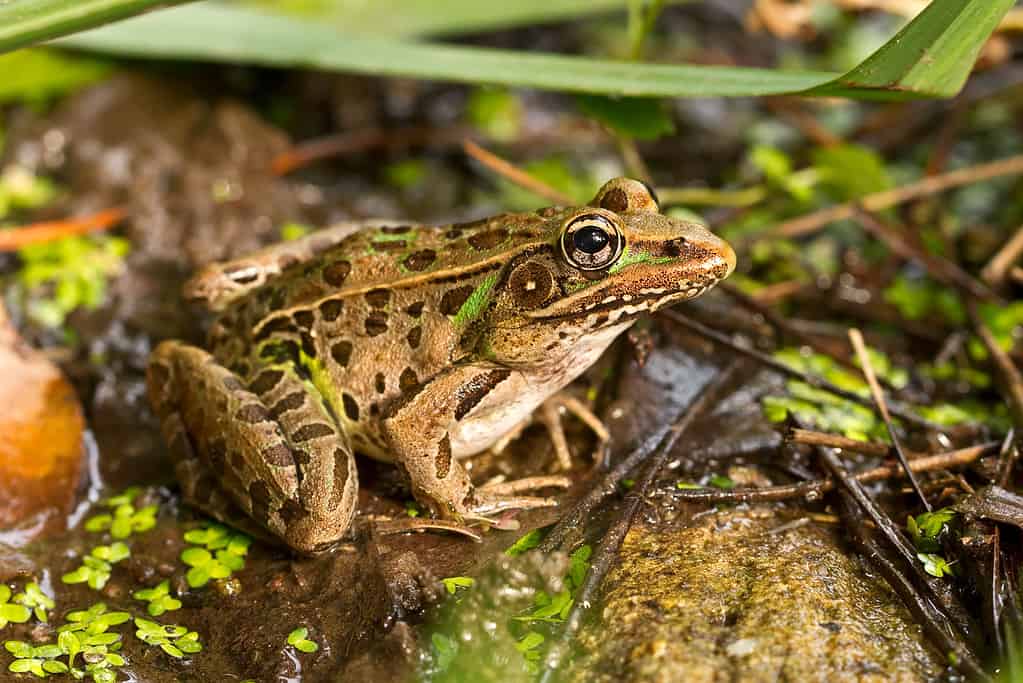
Southern leopard frogs are just one of several species of frogs around the Paluxy River.
©LorraineHudgins/Shutterstock.com
Given that the Paluxy River and its tributaries are a main feature of Dinosaur Valley State Park, it’s unsurprising to find that there are several species of frogs present in the area. Some of these species include the southern leopard frog (Lithobates sphenocephalus) and the plains leopard frog (Lithobates blairi). Frogs can be found around most water sources and prey on animals such as insects and fish.
Golden-Cheeked Warbler
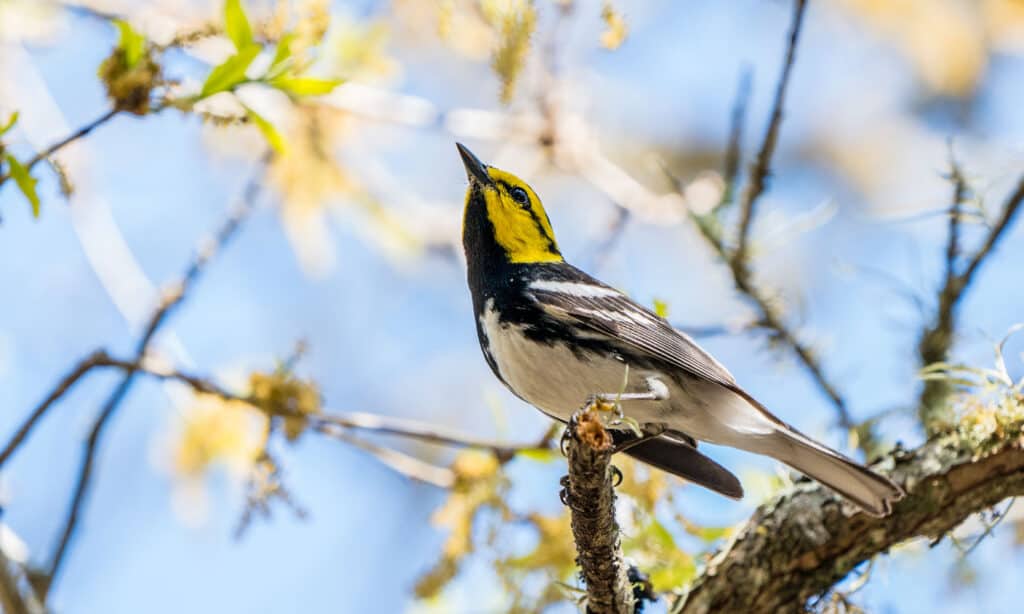
The golden-cheeked warbler is an endangered species.
©Michael Armentrout/Shutterstock.com
If you hope to see an endangered species of bird, then you should be on the lookout for the golden-cheeked warbler (Setophaga chrysoparia), which is a frequent spring and summer visitor to Dinosaur Valley. These birds breed exclusively in Texas between March and late June before migrating south for the winter. The best places to spot these birds in the park are along the Ridge Trails and around Denio Creek.
LeConte’s Sparrow
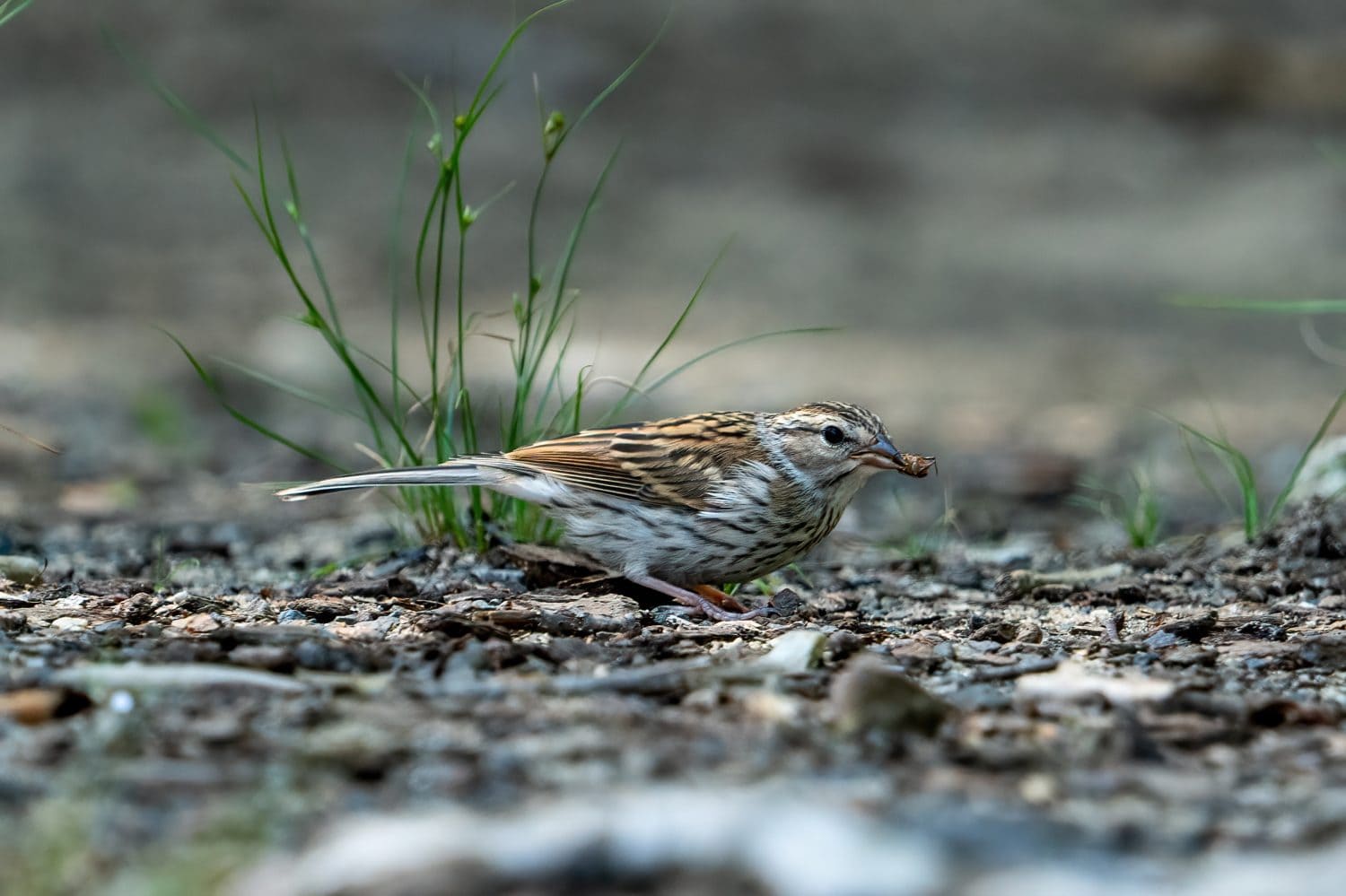
LeConte’s sparrow is a rare winter visitor in Dinosaur Valley.
©MSaucier/Shutterstock.com
If you’re visiting the park in winter, then be sure to keep your eyes peeled for the LeConte’s sparrow (Ammospiza leconteii), which is a rare winter visitor. These little birds are one of the smallest species of sparrows in North America, with a body length of around 4.7 inches. They have a brown and white appearance with yellowish-orange cheeks and a brown crown. LeConte’s sparrows breed in Canada and the northern areas of the U.S. before moving south for the winter. When they are present in the park, they can usually be observed in the field upriver from the picnic grounds.
Lizards
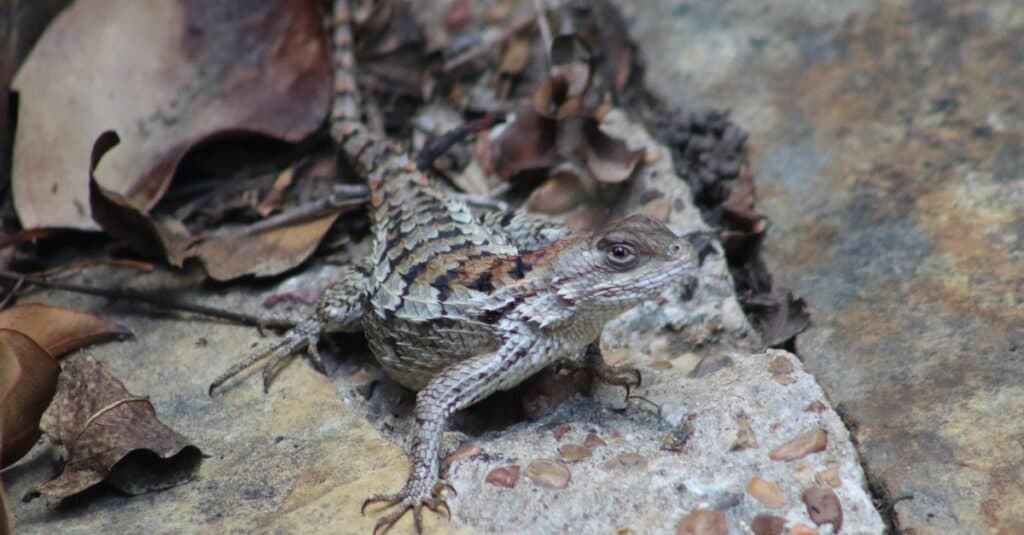
Lizards are very good at camouflaging themselves against logs and rocks, so they may be difficult to spot.
©iStock.com/Wytenite
You might also see some lizards during your visit to the park, and there are several species present, including the Texas spiny lizard (Sceloporus olivaceus) and the greater earless lizard (Cophosaurus texanus). They are often found in forests and woodlands, but may be difficult to spot as they are adept at hiding under logs and rocks.
Nine-Banded Armadillo
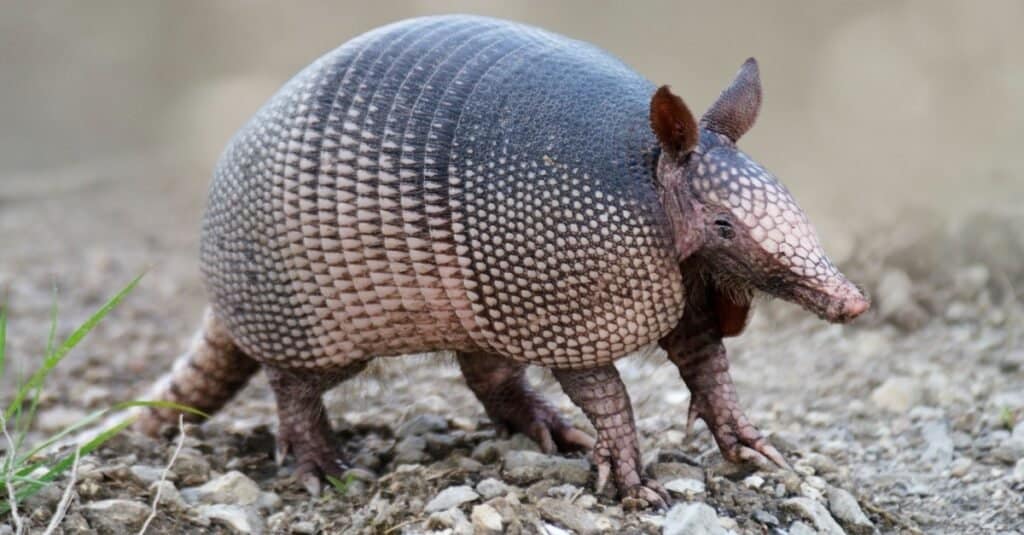
The nine-banded armadillo is one of the more unusual animals in the park.
©iStock.com/Saddako
Armadillos are some of the most unique-looking animals in Dinosaur Valley, and the nine-banded armadillo (Dasypus novemcinctus) is the species that you’ll find there. They are covered with armor made of epidermal scales, but their underside lacks any protection. Also, despite their name, they do not always have exactly nine bands on their body. Nine-banded armadillos prefer warm, moist environments but have also been found in scrubland. They are mainly nocturnal, so it’s best to look for them in the evening, when they come out to forage for insects.
Northern Flicker
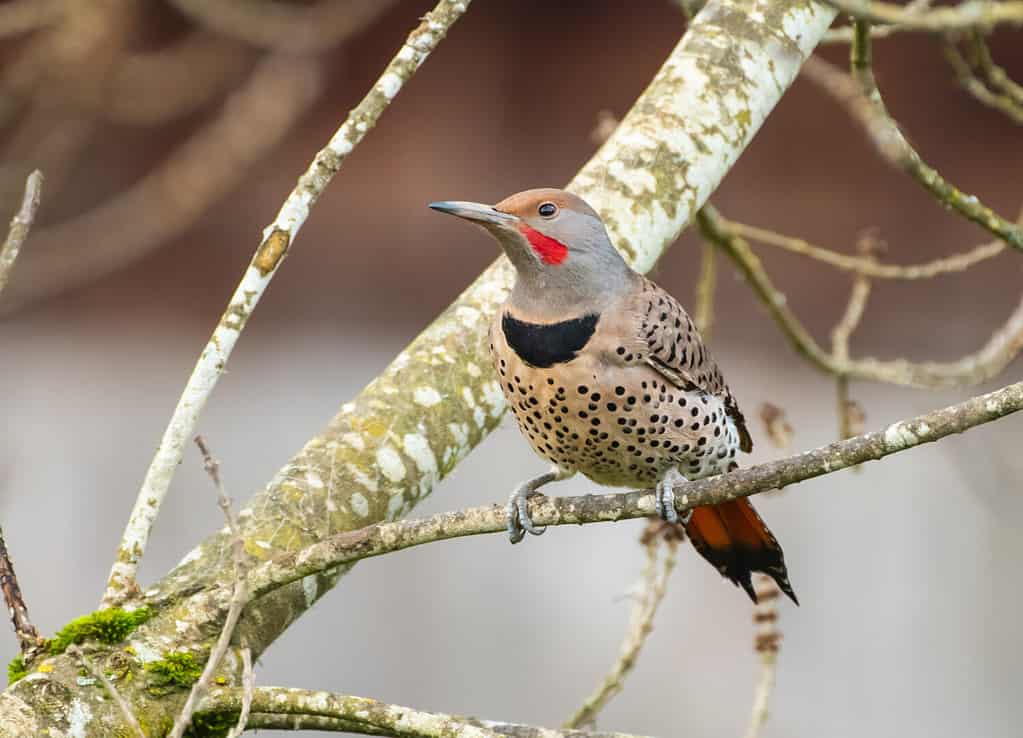
The northern flicker can often be spotted foraging around the camping and picnic grounds.
©Jennifer Bosvert/Shutterstock.com
Another winter visitor is the northern flicker (Colaptes auratus), which is a species of woodpecker. These birds have a brown appearance, with black markings on their back and wings. Unlike most other woodpeckers, northern flickers tend to prefer more open habitats, such as woodland edges. In Dinosaur Valley, they can be found around the camping and picnic grounds. Northern flickers are ground feeders, so you’ll likely see them foraging on the ground for insects.
Opossums

Opossums are omnivorous animals found in woodlands.
©Karel Bock/Shutterstock.com
Also known as a possum, the Virginia opossum (Didelphis virginiana) is another animal that you might see during the evening and night. These medium-sized animals are mainly found in woodlands, although they may also venture out into grasslands and prairies. Opossums are omnivores and eat a range of plants and animals, including rodents, rabbits, birds, and insects.
Raccoons
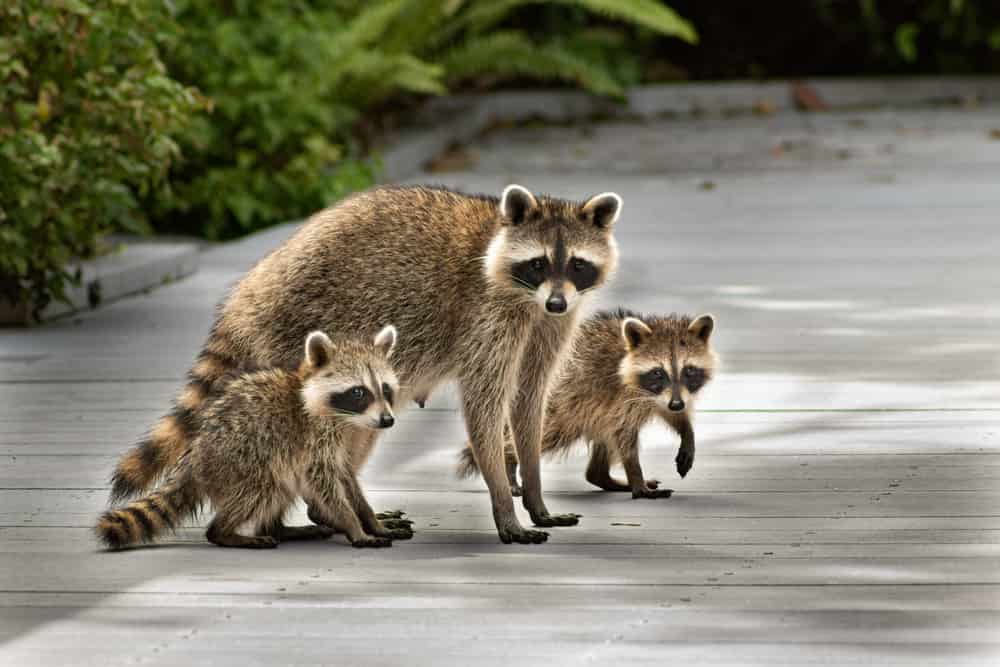
The distinctive raccoon is usually found in woodlands.
©Tyler Plum/Shutterstock.com
Raccoons (Procyon lotor) are also common in the state park. They tend to avoid open areas and are usually found in woodlands. They are mainly nocturnal, although this sometimes depends on the behavior and abundance of their prey. Raccoons have a varied diet, but it often includes bird eggs, insects, fish, amphibians, and plant material.
Rufous-Crowned Sparrow
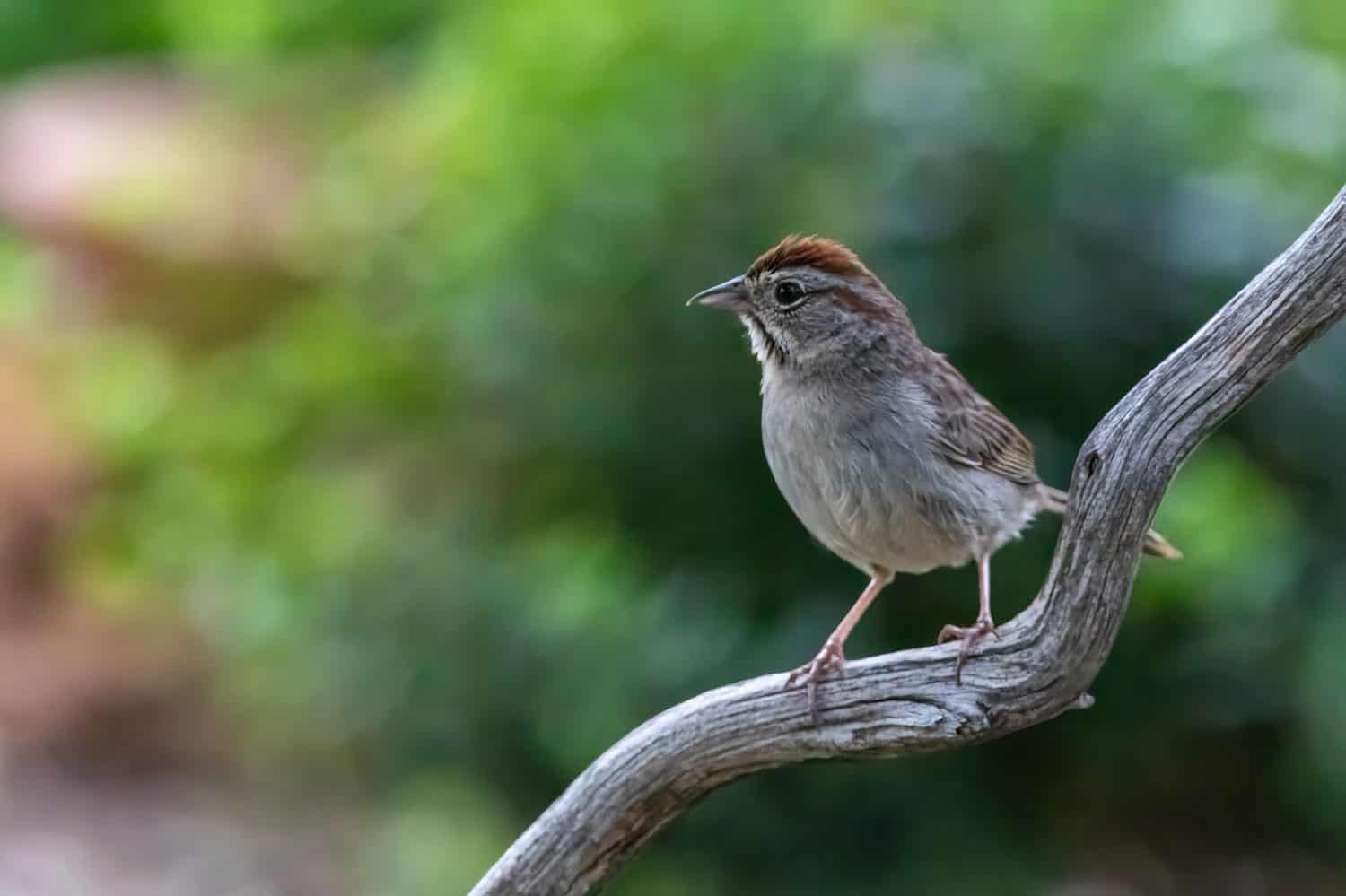
Rufous-crowned sparrows can be found in grasslands and woodlands.
©B Norris/Shutterstock.com
One of the more common birds in the park is the rufous-crowned sparrow (Aimophila ruficeps), which can be observed all year round. Rufous-crowned sparrows are named for their reddish-brown crown, but they also have streaks of color on their wings. They are fairly small birds, reaching a little over five inches long. They are often found in open woodlands and grassy areas, and in the summer, they are most frequent in the grasslands and along the drier banks of the Paluxy River.
Snakes
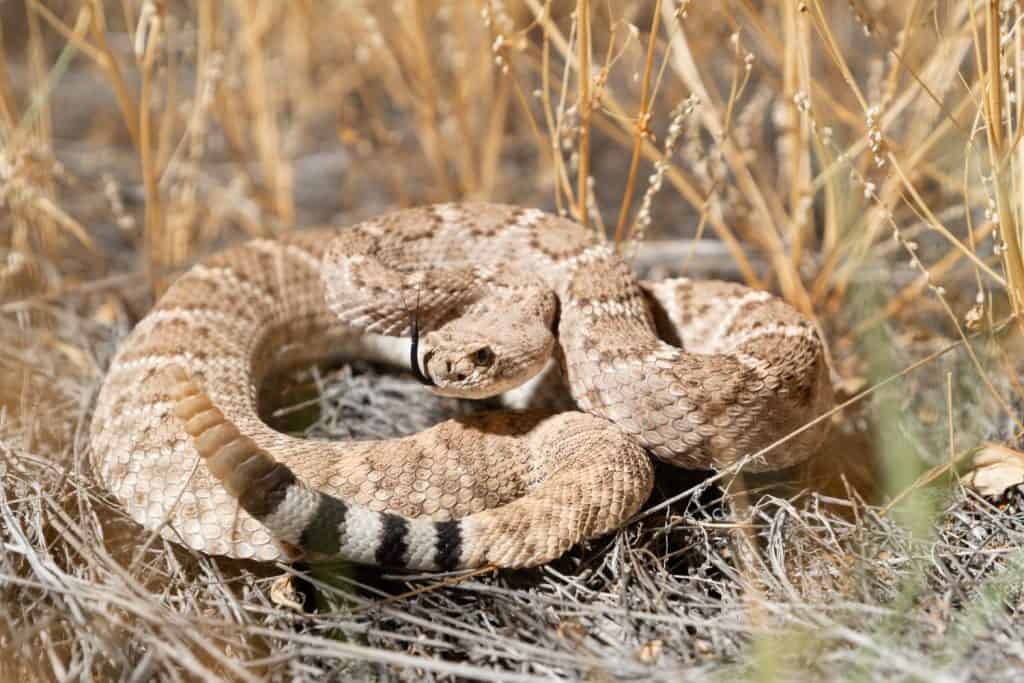
The western diamondback rattlesnake is a venomous snake found in Dinosaur Valley State Park.
©Clint H/Shutterstock.com
There are several species of snakes in the Dinosaur Valley State Park, including the diamondback water snake (Nerodia rhombifer), western rat snake (Pantherophis obsoletus), and the eastern racer (Coluber constrictor). There are also several venomous species in the area, such as the western diamondback rattlesnake (Crotalus atrox) and the broad-banded copperhead (Agkistrodon laticinctus). These snakes can live in a variety of habitats, so it’s important to always watch your step and never put your hand into a crevice or area where you cannot see inside.
White-Tailed Deer
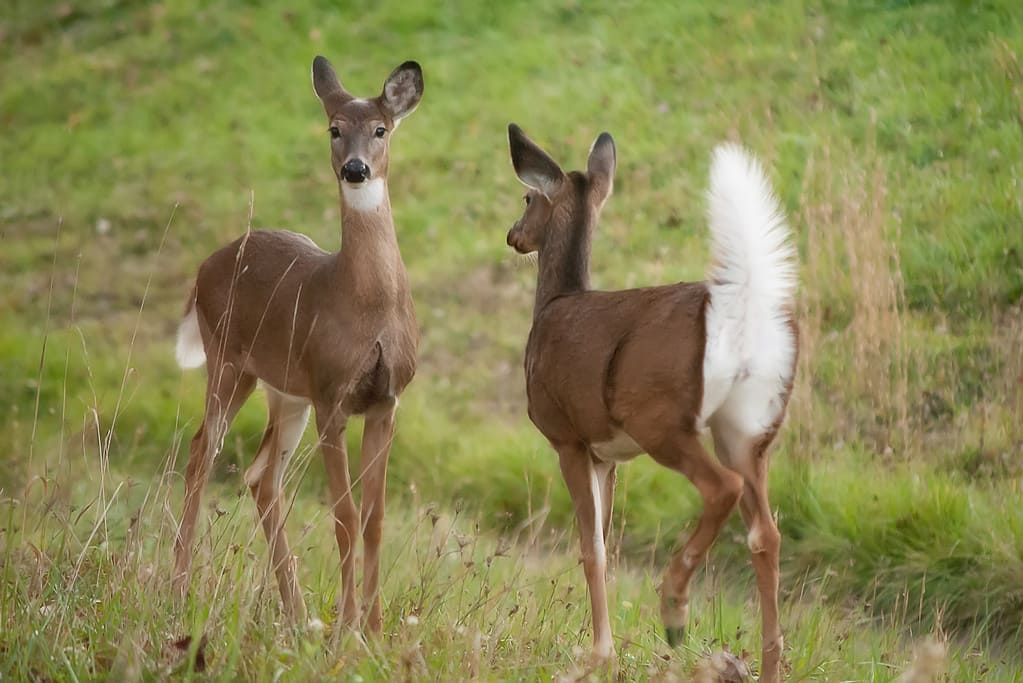
The distinctive white-tailed deer are some of the most common animals in the state park.
©Christopher Roth/iStock via Getty Images
White-tailed deer are also common within the park and can be observed in grasslands and forest edges. They are easily distinguished by the white underside of their tail. This is most visible when they raise their tail, often when they are alarmed or have detected a nearby predator. White-tailed deer are fairly large, with males reaching around 300 pounds.