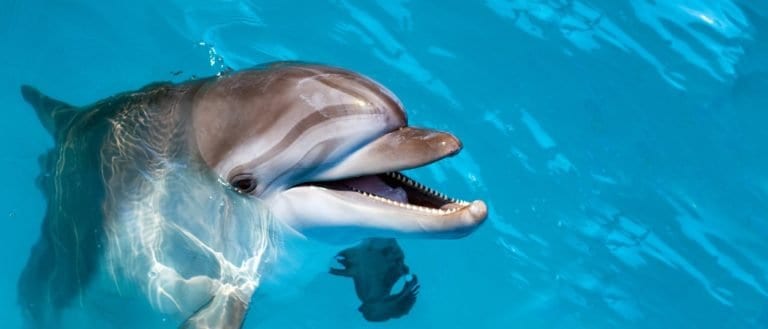
Dolphin
Pods, clicks, and ocean smarts.

Pods, clicks, and ocean smarts.
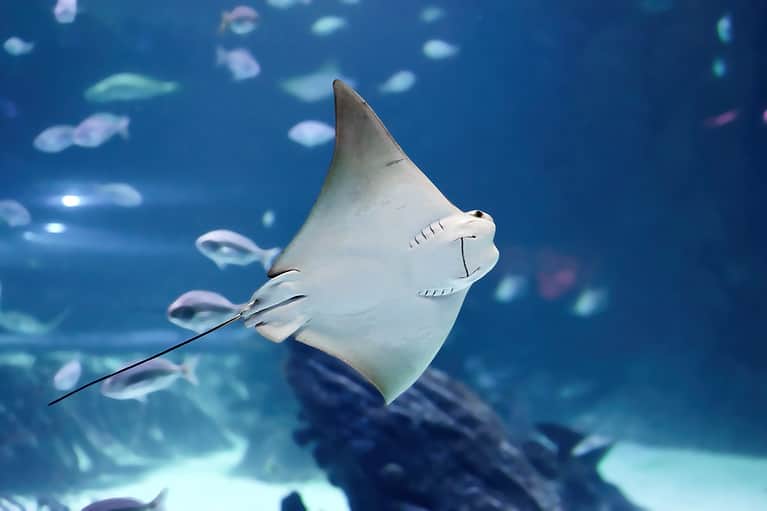
Stingrays: discs, senses, and surprises
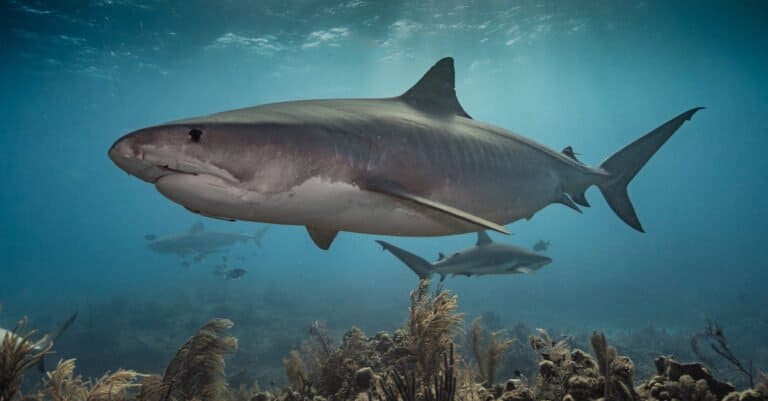
Striped. Serrated. Supremely adaptable.
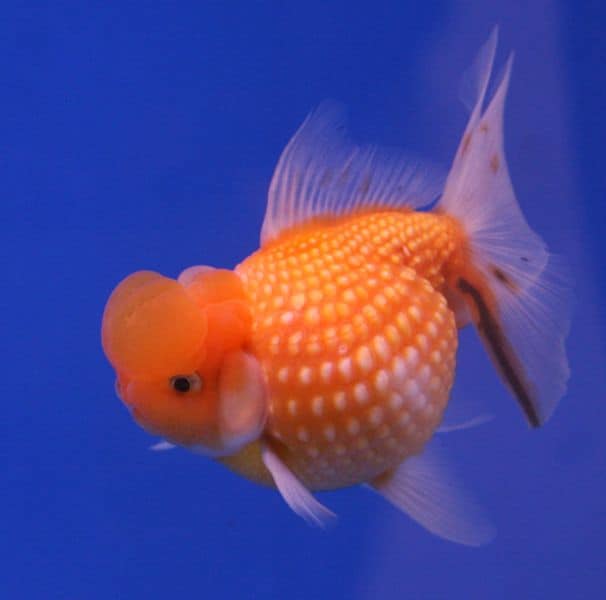
Bony rays, endless ways.
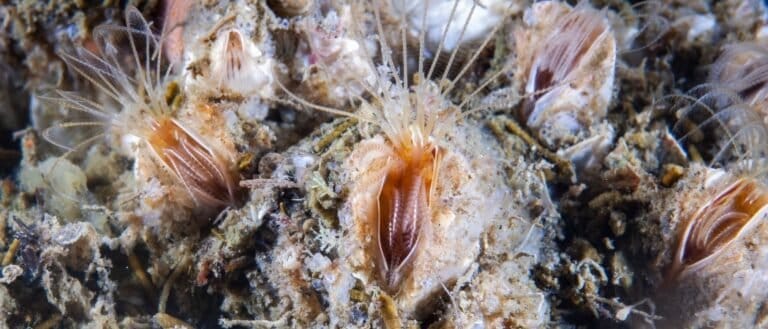
Crustaceans that live like living glue
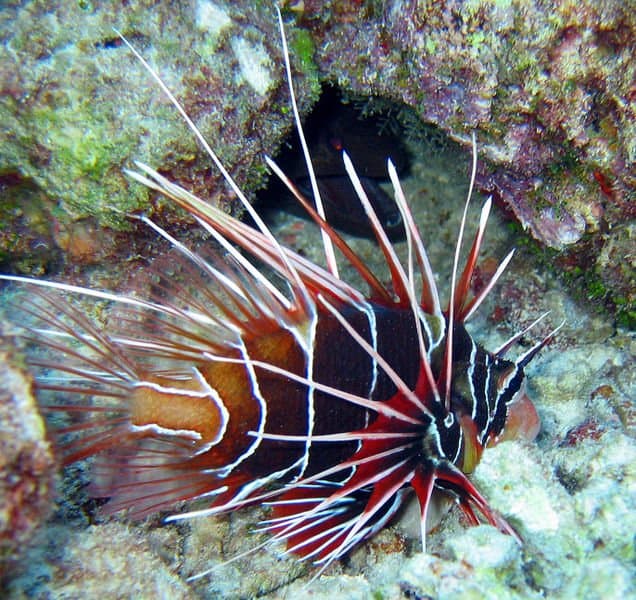
Beauty with a sting.
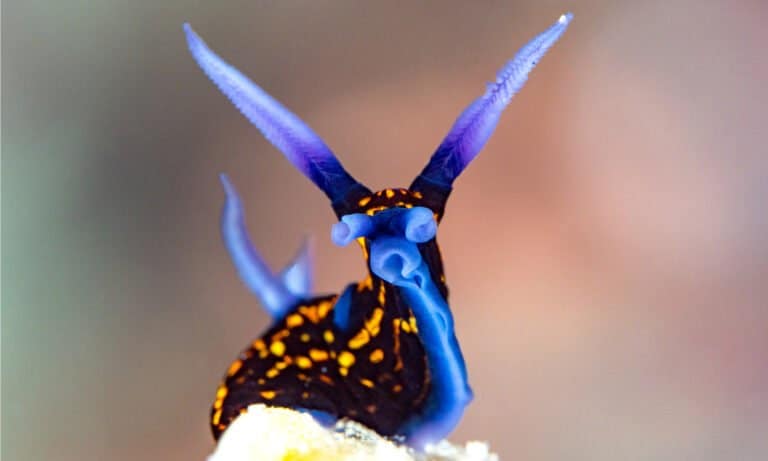
Naked gills, wild skills.

Ancient shells, modern survivors
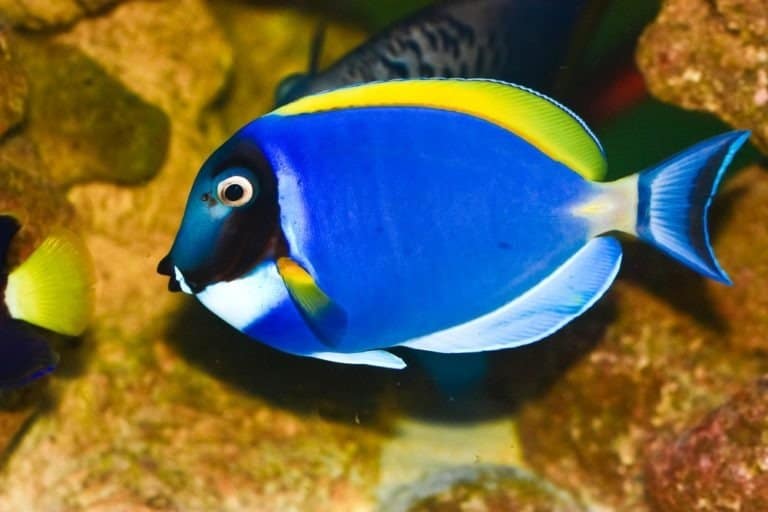
Reef gardeners with a hidden blade
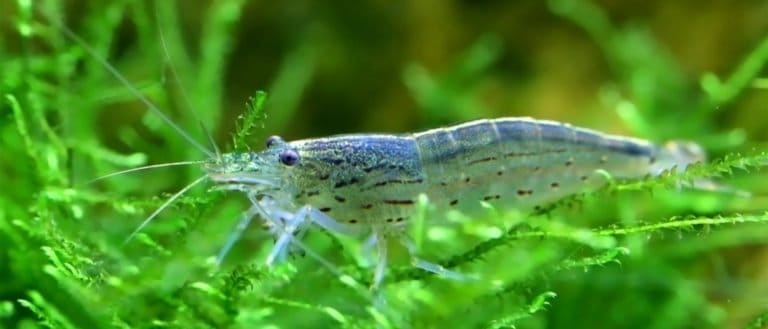
Small crustaceans, big ocean jobs
A coral reef is a shallow-water marine habitat built primarily by reef-forming corals and other calcifying organisms that create rigid calcium carbonate structures. These reefs occur mostly in warm, clear, sunlit seas and form complex three-dimensional ecosystems that support exceptionally high biodiversity.
Coral reefs are underwater places made over thousands of years by reef-building corals and coralline algae that lay down calcium carbonate. With zooxanthellae, they grow best in clear tropical waters. Their crevices, caves, overhangs, and branches make homes for fish, invertebrates, algae, and microbes, and protect coasts. Reefs are threatened by heat, ocean acidification, pollution, harmful fishing, bleaching, and disease.
High light; photic zone with strong PAR needed for symbiotic zooxanthellae. Commonly in clear water with low turbidity; optimal in shallow sunlit areas, with depth limit set by light attenuation.
Shallow, clear, well-oxygenated marine water; typically normal oceanic salinity (~34-36 PSU, tolerates ~30-38 PSU short-term). Currents/wave action range from sheltered lagoons to high-energy fore-reef; moderate flow beneficial for nutrient/oxygen delivery and sediment removal, while persistent high turbidity/runoff is detrimental.
High - coral reefs provide complex three-dimensional structure and many microhabitats (crevices, branching corals, overhangs) coupled with strong niche specialization, symbioses, and high productivity, which together support exceptionally high species richness across fishes, invertebrates, and microbes.
Globally threatened and in declining condition; many reefs have lost live coral cover and structural complexity due to repeated mass-bleaching, ocean warming, and local stressors. While some reefs remain relatively intact, overall health is widely assessed as poor to moderate with increasing frequency of severe disturbance events.
Moderate but constrained: local restoration can rebuild coral cover and habitat complexity at targeted sites (especially where water quality and fishing pressure are well managed), but long-term success depends on reducing chronic local stressors and limiting warming/acidification. Best outcomes come from combining protection, water-quality improvements, and restoration using heat-tolerant genotypes/species where appropriate.
Very high: coral thermal thresholds are narrow, and marine heatwaves are increasing in frequency and intensity. Repeated bleaching can outpace recovery, and ocean acidification undermines reef accretion, making reefs among the most climate-sensitive ecosystems.
Corals are animals, not plants or rocks-they're colonies of tiny polyps that build skeletons of calcium carbonate.
Many corals get much of their energy from microscopic algae (zooxanthellae) living inside their tissues; reef health is a partnership, not a solo act.
Coral bleaching isn't the coral "turning white" by itself-it's the loss of those symbiotic algae (and their pigments), usually triggered by heat stress or other pressures.
Reefs can be incredibly noisy: snapping shrimp and fish choruses create a constant crackle and hum that helps larval fish navigate back to reef habitat.
Some reefs thrive in unexpected places: "deep" or "mesophotic" reefs exist at lower light levels, and a few coral communities persist in cooler or more turbid waters than people typically imagine.
A reef's dazzling colors often come from living tissue and symbiotic algae-dead coral skeleton is usually white unless coated by algae or other organisms.
Corals don't just build upward; storms can break coral branches, and those fragments can reattach and grow-reef recovery can sometimes look like underwater "cloning."
Think of a coral reef as an underwater city: high-rise structures, hidden alleyways, and neighborhoods that different species specialize in.
Reef-building corals are like tiny stonemasons-each polyp adds a bit of limestone, and together they construct whole "apartment complexes."
Coral reefs are the "tropical rainforests of the sea" in biodiversity: lots of species packed into complex, layered habitat.
Bleaching is like a power outage for corals: without their energy-producing partners, they can starve if stressful conditions last too long.
A healthy reef is like a living breakwater-its rough, solid structure helps dissipate wave energy and reduce coastal erosion during storms.
Coral reefs cover less than 1% of the ocean floor but support roughly a quarter of all marine species-an outsized "biodiversity jackpot" for such a small area.
The Great Barrier Reef is the largest coral reef system on Earth (about 2,300 km long) and is so extensive it can be seen from space under the right conditions.
Some reef-building corals can live for centuries, making certain coral colonies among the longest-lived animals in the ocean.
Reef structures can be massive: over long timescales, coral growth and cementation can build limestone formations that become islands and even mountain-sized rock records of ancient seas.
Reefs are among the most economically valuable ecosystems per unit area, supporting fisheries, tourism, and coastal protection worth billions of dollars annually worldwide.
Bony rays, endless ways.
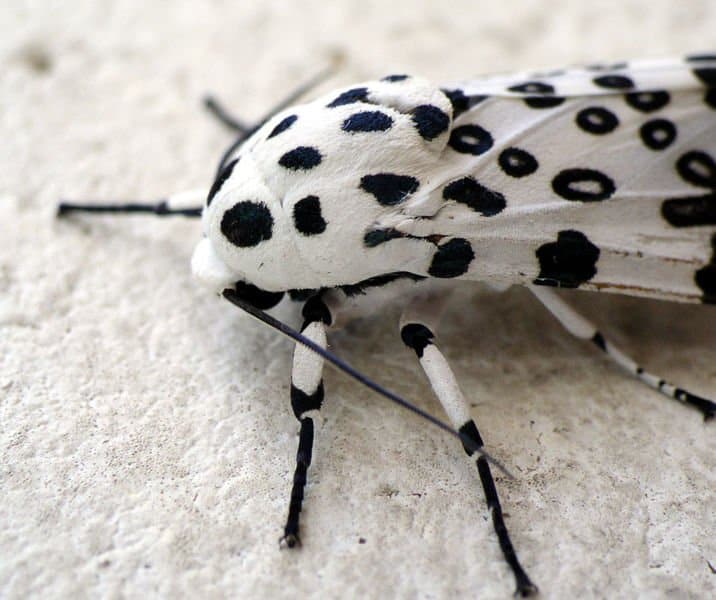
Six legs, endless lives.
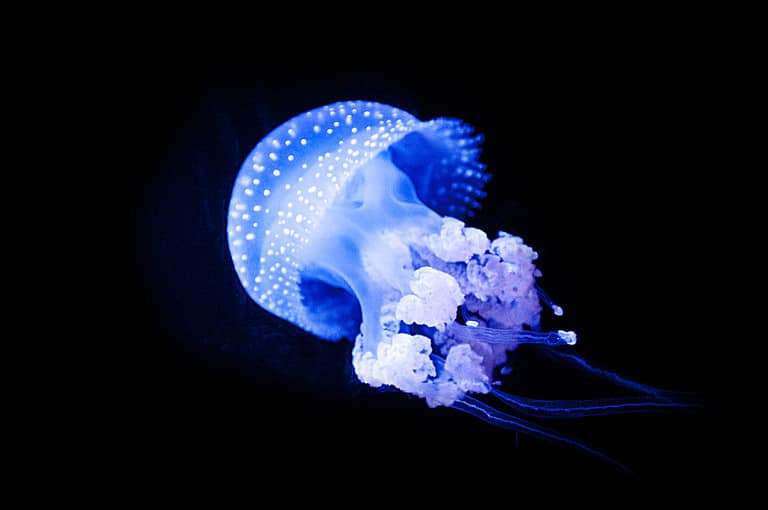
Sting-powered drifters of the sea
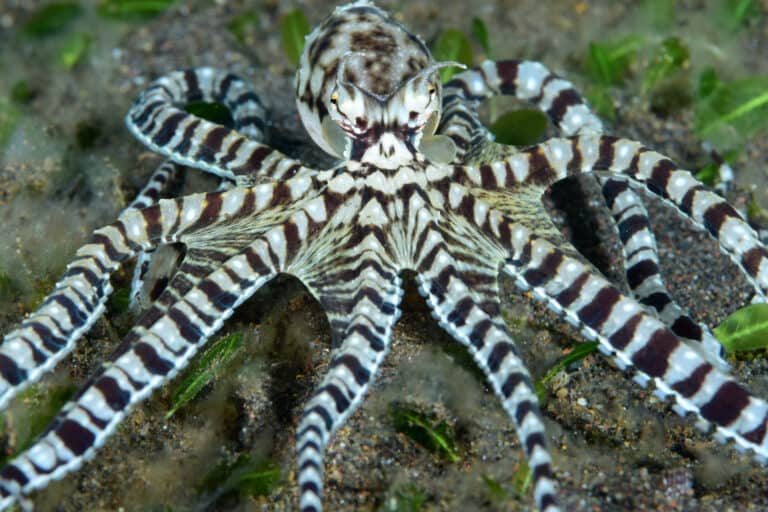
Eight arms, endless ingenuity
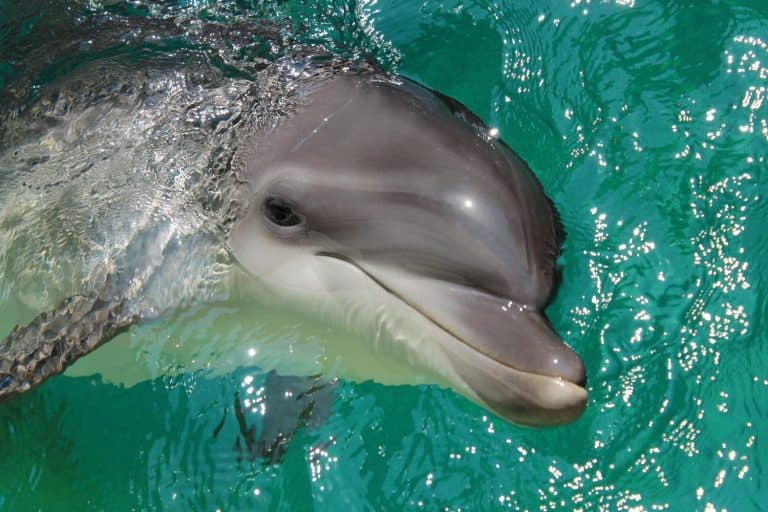
Built for the surf-and sonar.
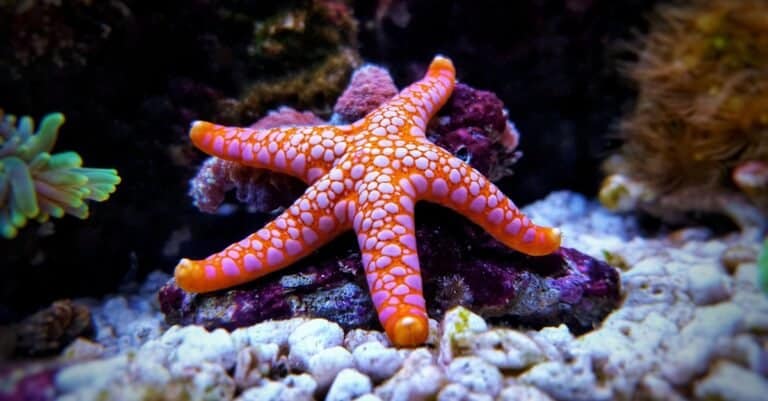
Hydraulic feet, star-shaped predators
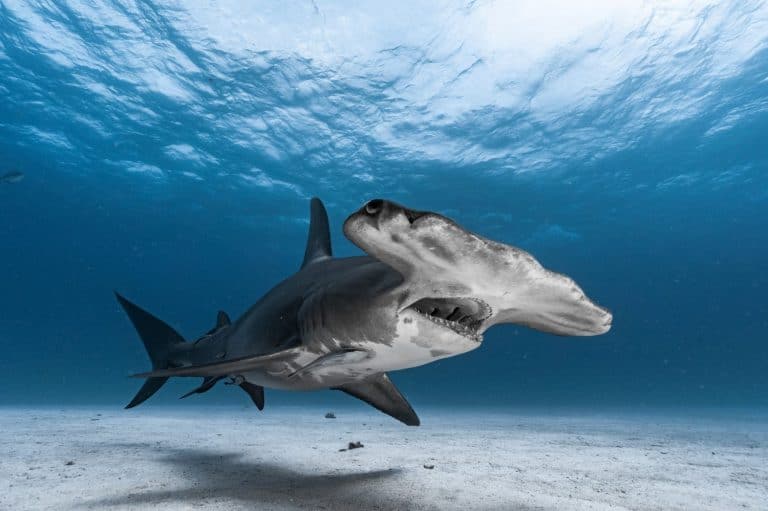
Built like a hammer, tuned like a radar
Stingrays: discs, senses, and surprises
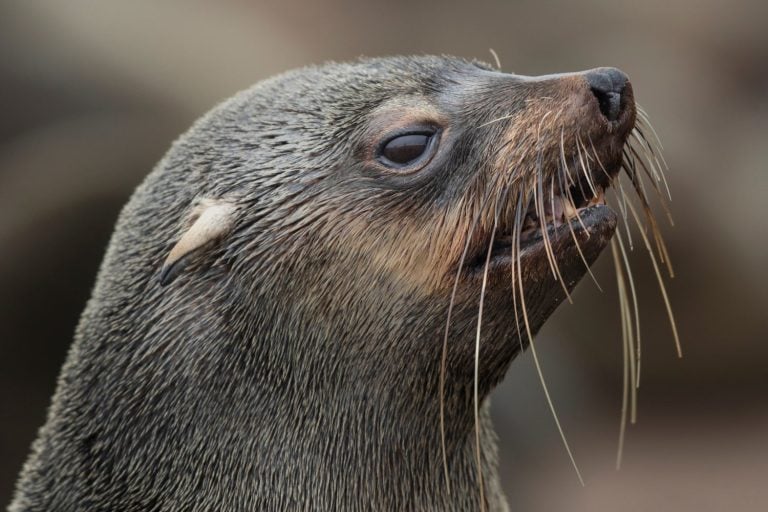
Earless divers of the world's seas
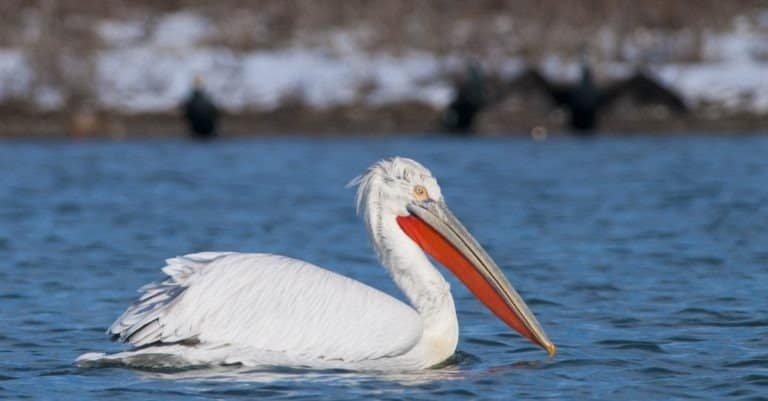
Big bill, bigger teamwork.
Ancient shells, modern survivors
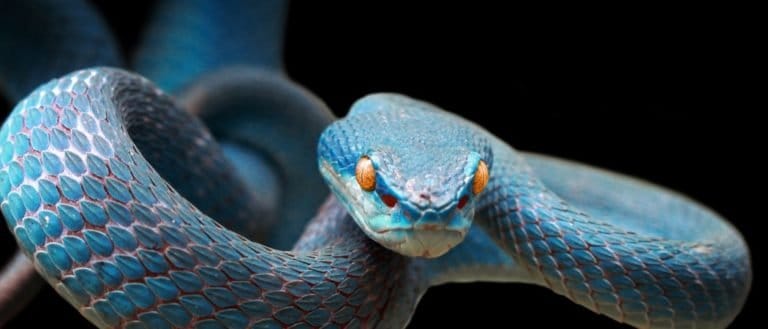
Built to glide, strike, and swallow

Big bluff, sharp beak, potent chemistry.

Feathers, flight, and endless variety
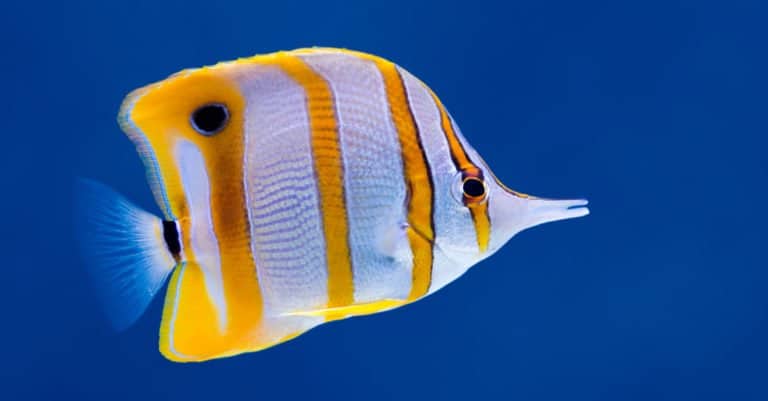
Color-coded courtiers of the coral reef
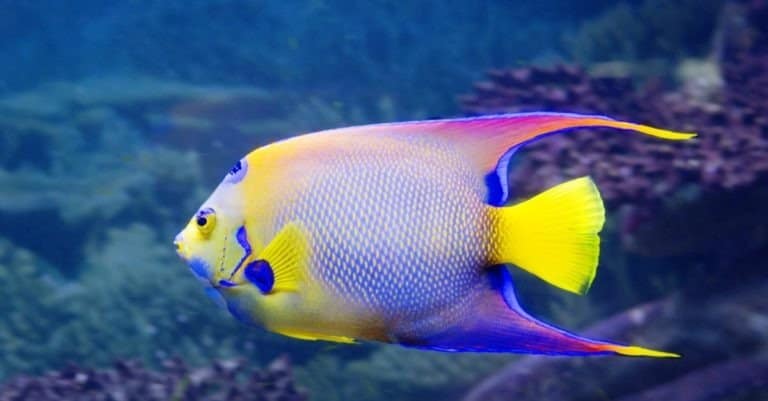
Reef royalty with a wardrobe change
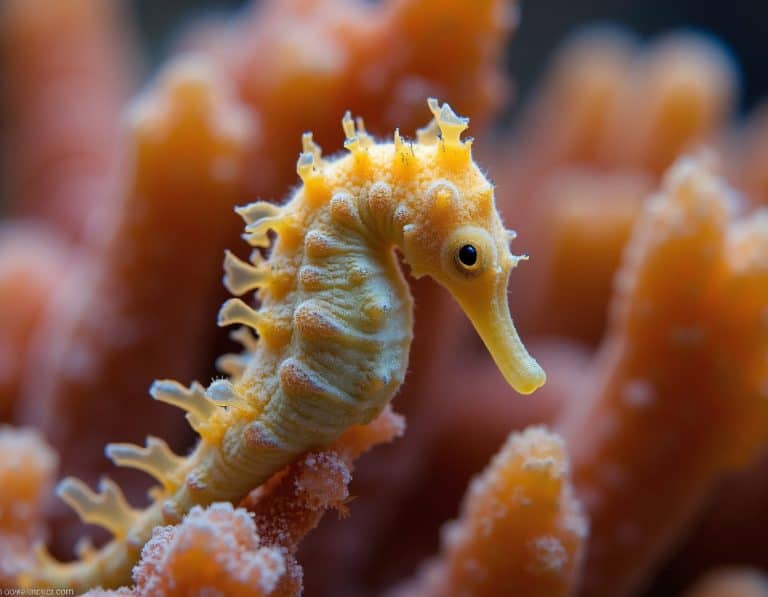
Dads who carry the ocean's babies
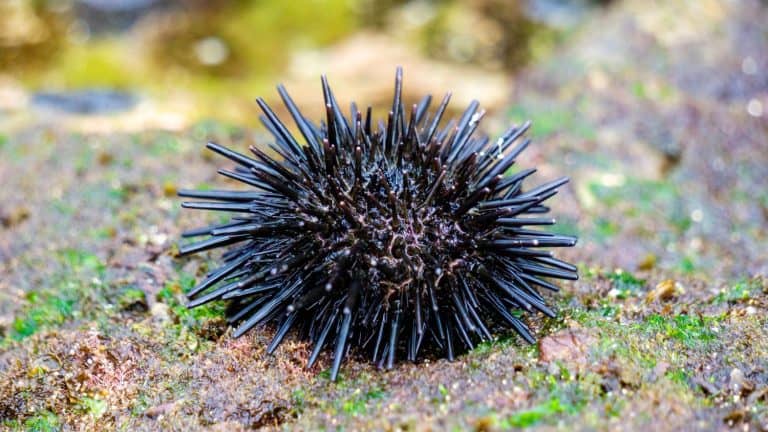
Spines, jaws, and ocean power
Beauty with a sting.
Naked gills, wild skills.
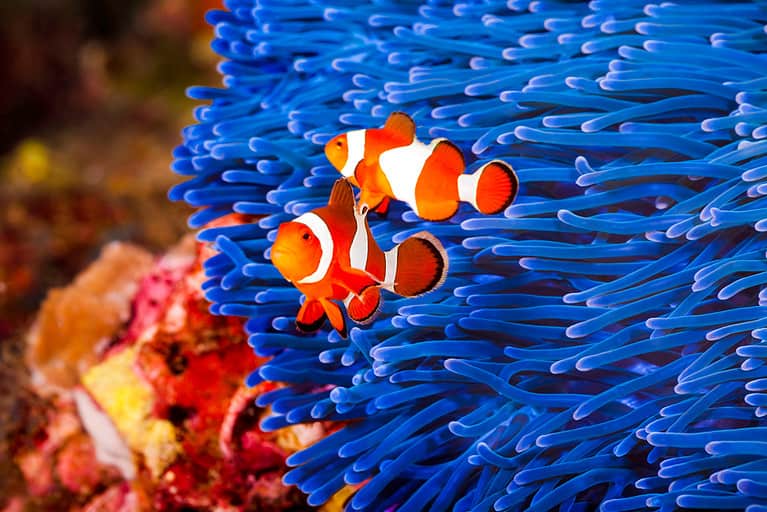
The anemone's bold little bodyguard
Reef gardeners with a hidden blade
Small crustaceans, big ocean jobs
Crustaceans that live like living glue
Thank you for reading! Have some feedback for us?
We appreciate your help in improving our content.
Our editorial team will review your suggestions and make any necessary updates.
There was an error submitting your feedback. Please try again.