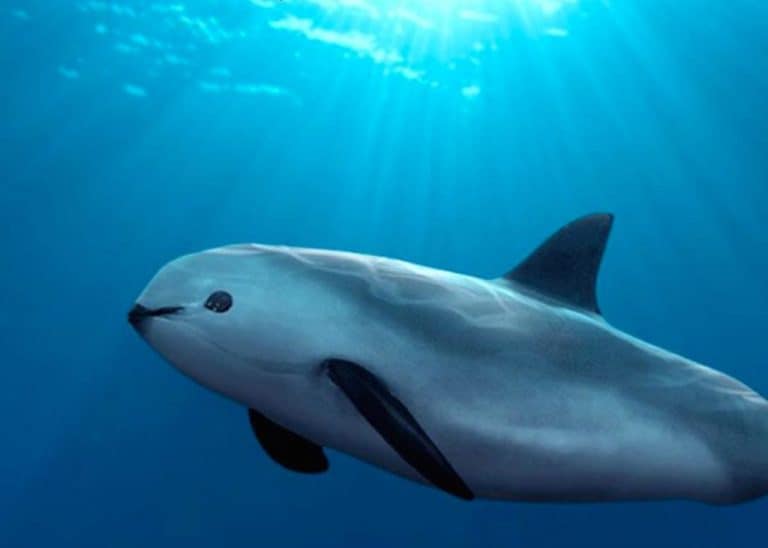



The vaquita holds several records among its fellow cetaceans, including that of the smallest and rarest of all known marine mammals. This porpoise species was only recently discovered and cataloged by researchers, who didn’t have a live specimen to study until the 1980s.
Vaquitas are found only in a small area at the northern end of the Gulf of California, known as the Sea of Cortez. While information about the biology and behavior of these animals is very limited, conservationists warn that they are at extreme risk of extinction, with only a handful of individuals remaining.
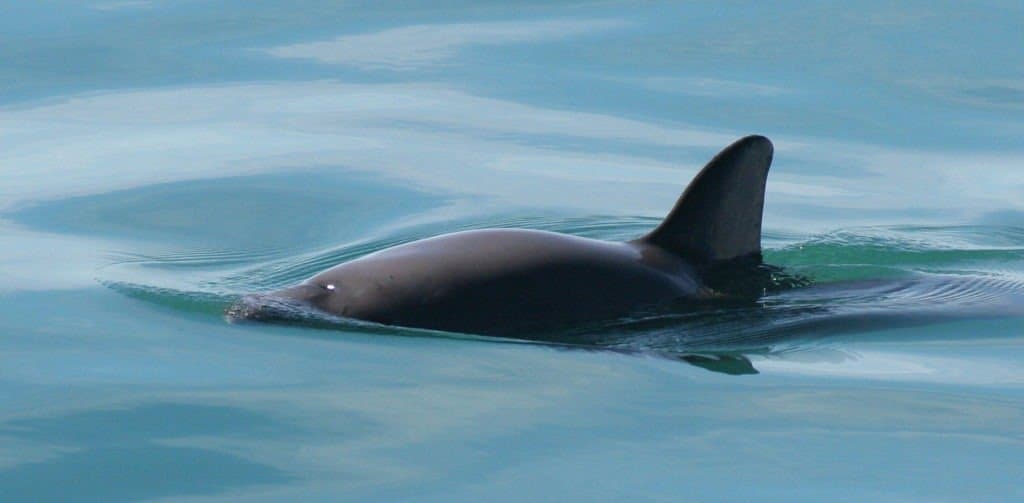
The vaquita (Phocoena sinus) is a critically endangered porpoise species endemic to the northern part of the Gulf of California.
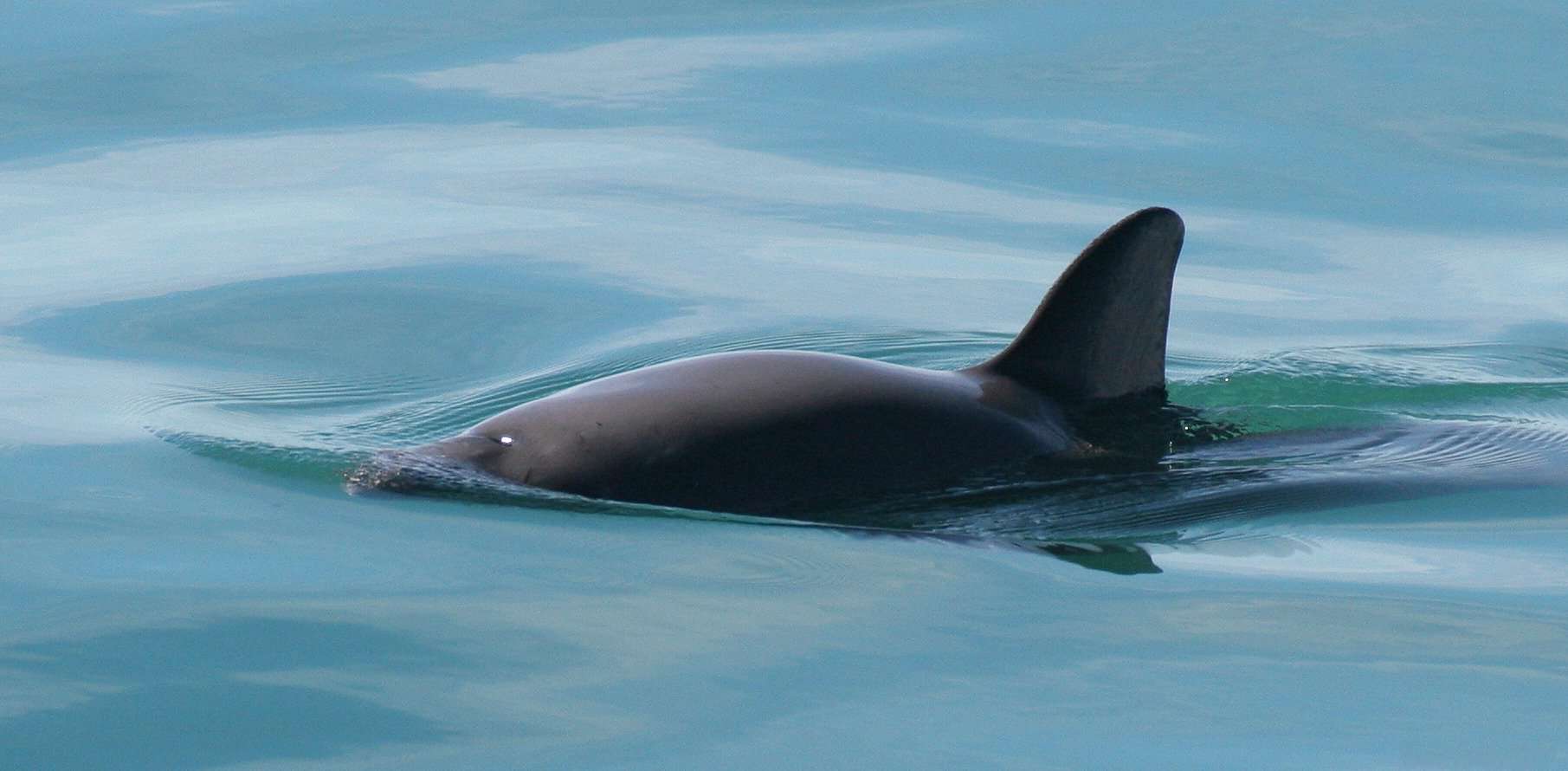
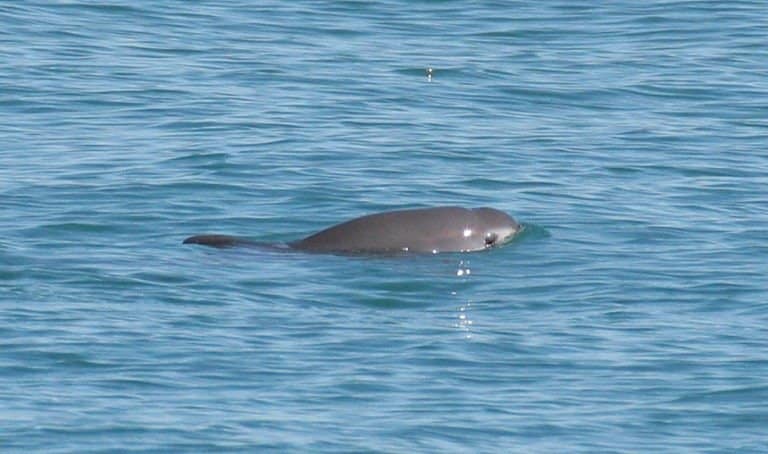
©Paula Olson, NOAA / Public domain, via Wikimedia Commons – Original / License
Classification and Scientific Name
Vaquita is a Spanish word that means “little cow,” which comes from its extremely small stature relative to other porpoise species. As a cetacean, the little cow is closely related to other marine mammals like dolphins and whales.
The species is classified as Phocoena sinus, which literally means “porpoise from the Gulf of California.” This gulf is the animal’s only known natural habitat. They are members of the Phocoenidae family in the Mammalia class.
Evolution and Origins
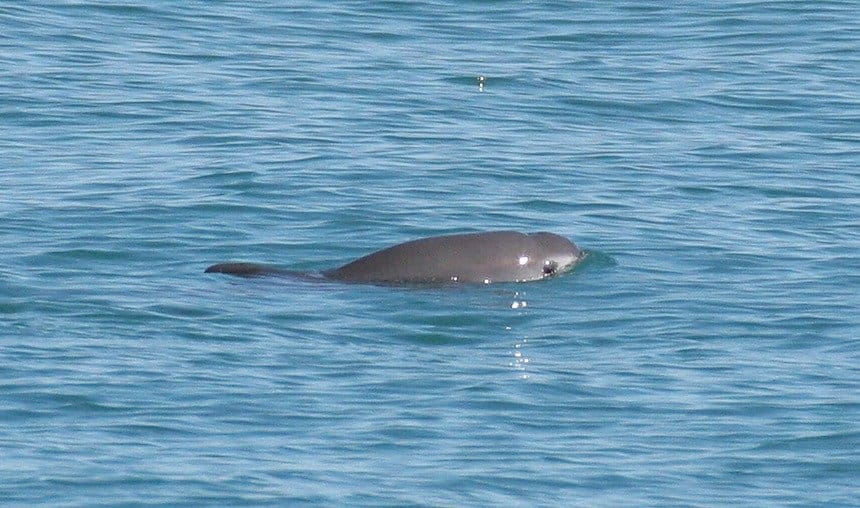
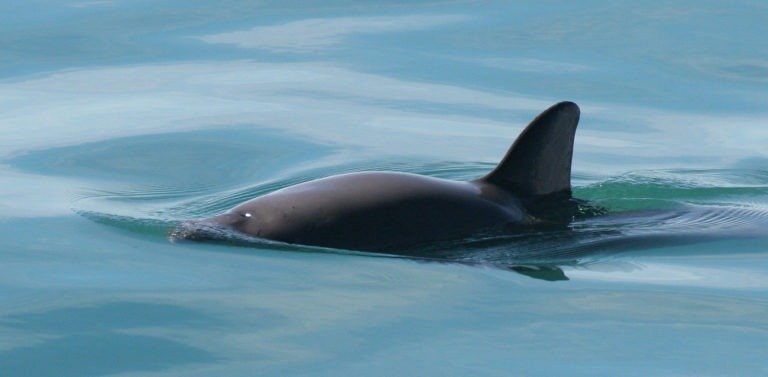
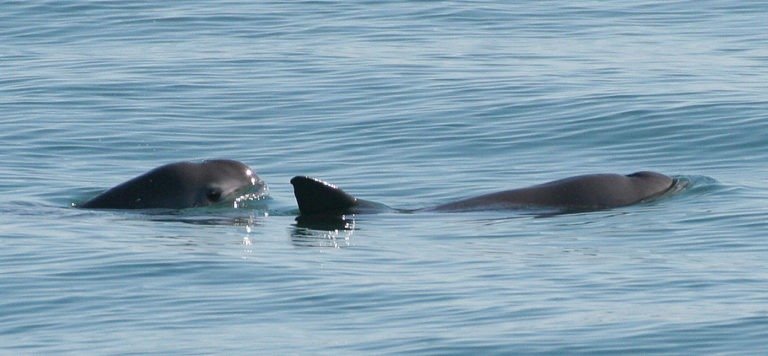
Vaquitas are the only species of porpoise that lives in warm water.
©Paula Olson, NOAA, Public domain, via Wikimedia Commons – Original / License
Vaquitas are thought to have descended from a population of Burmeister’s porpoises that migrated to the Gulf of California about a million years ago. The vaquita is the only species of porpoise that has evolved to live in warm water.
In fact, the vaquita possesses the most limited habitat range among all marine mammals, being confined to the northern region of the Gulf of California in Mexico. The majority of vaquitas reside to the east of San Felipe, Baja California, within a land area of 1,519 square miles, which is less than a quarter of the size of metropolitan Los Angeles.
This porpoise was only identified in 1958, and just over 50 years later, sadly, they are at risk of extinction. Vaquitas are frequently trapped and suffocated in gillnets set up by illegal fishing activities, which take place within the marine protected regions in the Gulf of California of Mexico.
Appearance
As the smallest cetacean species in the world, the little cow is aptly named. Adults grow to about 4 to 5 feet in length with a mature weight ranging from 60 to 120 pounds. They have a distinctly large and angular dorsal fin relative to their size.
Adult females tend to be a bit longer than males but have less prominent dorsal fins. Like dolphins and other marine mammals, they need to periodically surface to breathe.
Their relatively small bodies have a rounded shape with no noticeable beak, which gives them a distinctly different look from their dolphin cousins.
The vaquita’s body is mostly grey with darker skin along the top and lighter skin along the belly. They also have characteristic dark coloration around their eye sockets and mouths.
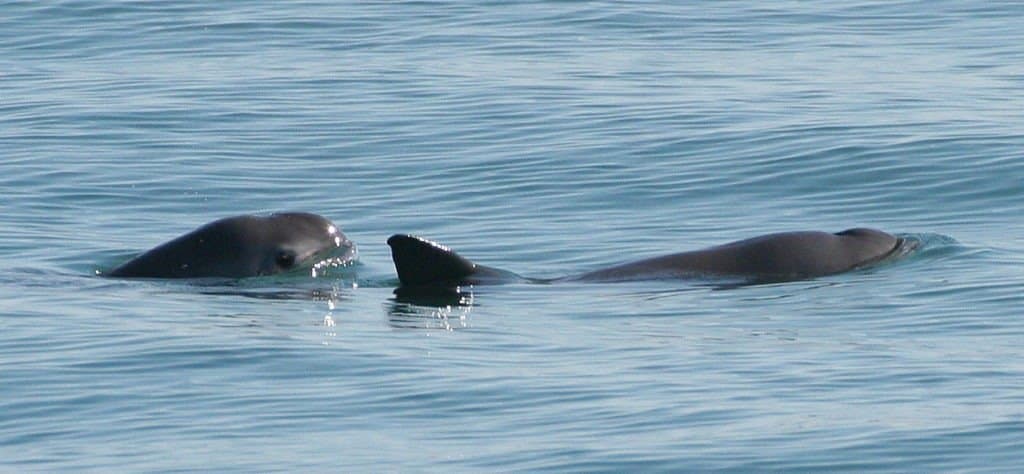
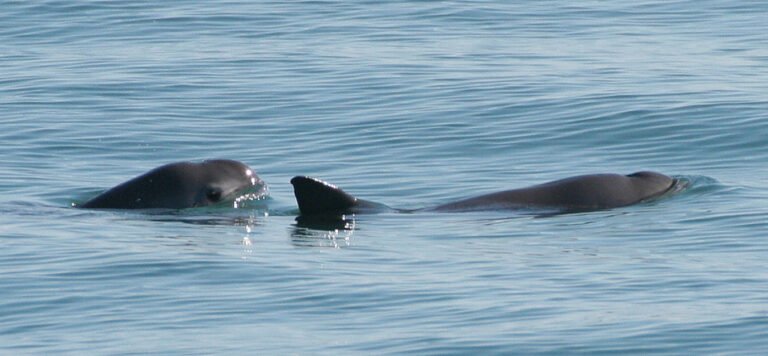
Two vaquitas. It is considered the smallest and most endangered cetacean in the world.
©Paula Olson, NOAA, Public domain, via Wikimedia Commons – Original / License
Distribution, Population, and Habitat
Vaquita holds the dubious record of rarest marine mammal in the world, as well as the one with the smallest geographical range.
They have only been found in the relatively sheltered waters of the Sea of Cortez, which is a saltwater body at the northern end of the Gulf of California. The gulf provides decent shelter from stronger ocean currents found in the Pacific, as well as turbulence from storms and the larger predators that frequent those waters.
Vaquitas are animals that tend to stick to shallow waters and typically swim within 500 feet of the surface. This is one of the reasons why they are particularly vulnerable to gill nets and other practices of local commercial fishing operations.
Many vaquitas have been lost over the last few decades due to being accidentally caught in illegal nets designed to trap the endangered totoaba drum fish, shrimp, and other aquatic species. These small sea-going mammals face multiple threats aside from bycatch in fishing nets, including exposure to pollution and disruption of the local food supply.
Conservationists and researchers estimate that there are only about 6 to 10 vaquita individuals left in the wild, which has prompted their classification as critically endangered.
Recent conservation efforts have focused on habitat protection and gillnet removal, but despite significant public awareness, funding, and international participation, the vaquita remains at imminent risk of extinction.
Predators and Prey
Predators
Very limited observation has made it difficult for researchers to ascertain the details of the vaquita’s involvement in the local food chain.
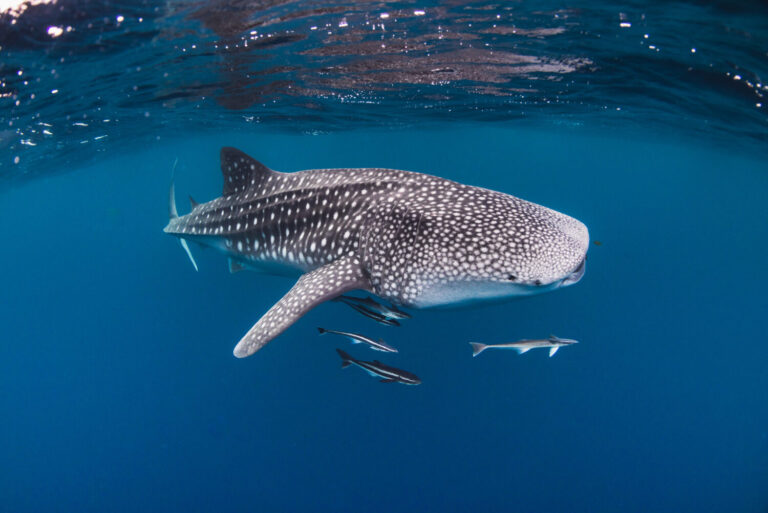
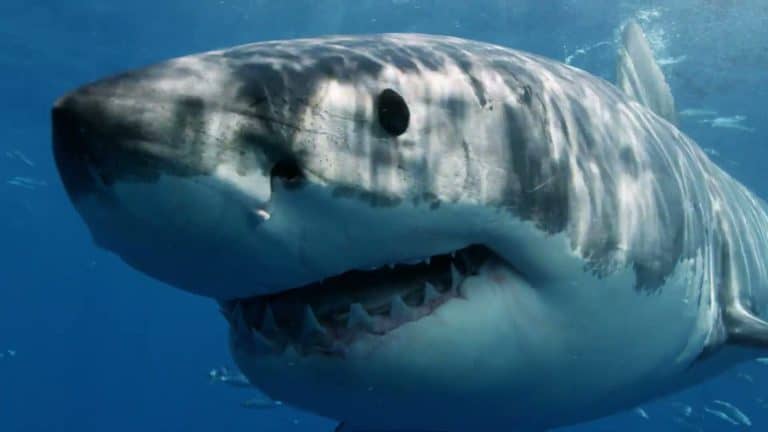
Reports from fishermen indicate that some shark species prey on the animal, but this is not thought to be a major factor contributing to their impending extinction. Both great white sharks and whale sharks enter the Gulf of California. They are not a known target for any modern recreational or commercial fishing operations.
Diet
Vaquitas are generalist carnivores, much like dolphins and other cetaceans. They target a variety of local fishes, with croakers and other benthic fish species being a large component of their diet. They may also consume squids and crustaceans if they can find them.
Reproduction and Lifespan
Vaquitas are relatively slow to reproduce, which only worsened the recent population crisis. Limited observations of the animals’ behavior indicate that males compete for the attention of the larger females.
Females are thought to give birth every other year to a single calf after a 10- to 11-month pregnancy. Calves are usually around 2.5 feet long and about 15 pounds in weight when they are born. These marine mammals are believed to have a lifespan that can extend over 20 years, and adult females reach sexual maturity at 3 to 6 years old.
Population
It’s virtually impossible to ascertain the exact number of vaquita individuals left in the Gulf, but scientists have several ways of tracking and estimating their numbers. Total numbers have been in sharp decline over the last few decades. Researchers estimated a population of around 200 individuals in 2008, but this number fell to less than 30 in 2016 and is now estimated at only 6 to 10 individuals as of 2025.
Vaquita Pictures
View all of our Vaquita pictures in the gallery.

Sources
- World Wildlife Federation / Accessed December 3, 2020
- National Geographic / Accessed December 3, 2020
- Wikipedia https://en.wikipedia.org/wiki/Vaquita Jump to top / Accessed December 3, 2020
- Marine Mammal Commission / Accessed December 3, 2020
- NOAA Fisheries / Accessed December 3, 2020
- Center for Biological Diversity / Accessed December 3, 2020