C
Species Profile

Chilesaurus

Chilesaurus

Chile's dinosaur mash-up
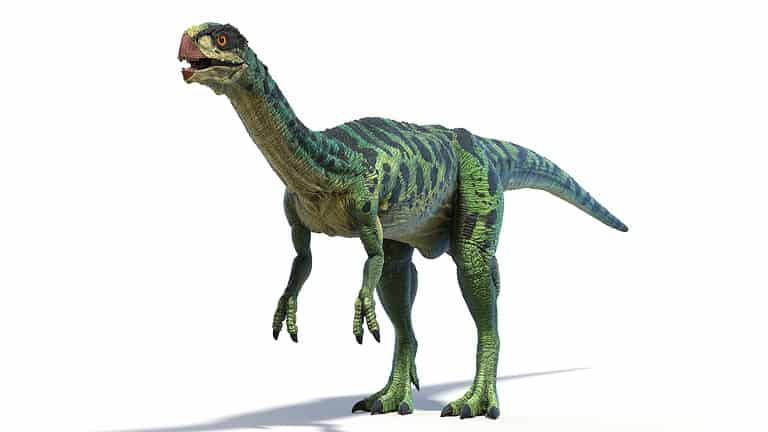
iStock.com/Kitti Kahotong

Chilesaurus Distribution

Click a location to explore more animals from that region

Endemic Species
Loading map...

Found in 1 country

Size Comparison

Human 5'8"
Chilesaurus 3 ft 3 in

Chilesaurus stands at 58% of average human height.

Chilesaurus diegosuarezi dinosaur

At a Glance

Genus Overview This page covers the Chilesaurus genus as a group. Stats below are general traits shared across the genus.
Diet Herbivore
Activity Diurnal+
Lifespan 12 years
Weight 100 lbs
Status Not Evaluated
Did You Know?

Chilesaurus is known from southern Chile (Patagonia) and dates to the Late Jurassic (~150 million years ago).

Scientific Classification

Genus Overview "Chilesaurus" is not a single species but represents an entire genus containing multiple species.

Chilesaurus is a Late Jurassic dinosaur genus known from Chile, notable for an unusual combination of anatomical features that led to debate about its precise relationships among major dinosaur lineages.

Kingdom
Animalia
Phylum
Chordata
Class
Reptilia
Order
Dinosauria
Family
Chilesauridae
Genus
Chilesaurus

Distinguishing Features

  • Mosaic anatomy combining traits seen in different major dinosaur groups (a key reason its placement has been debated)
  • Small-bodied compared with many contemporaneous dinosaurs
  • Known from Late Jurassic deposits in Chile (Gondwanan distribution)

Did You Know?

Chilesaurus is known from southern Chile (Patagonia) and dates to the Late Jurassic (~150 million years ago).

The genus is currently known from one species (C. diegosuarezi), so "genus-wide" ranges reflect the single described species so far.

It combines features seen in different dinosaur groups-theropod-like limbs, ornithischian-like pelvis, and other mixed traits-making it a famous classification puzzle.

Its teeth and jaw are consistent with mostly plant-eating, unusual for dinosaurs it was initially compared with.

The species name honors Diego Suárez, a child who helped discover the fossils-an iconic story in Chilean paleontology outreach.

Multiple individuals have been reported from the fossil site(s), helping scientists compare variation among specimens rather than relying on a single skeleton.

Its discovery highlighted that Gondwana (southern continents) could produce dinosaur body plans not easily predicted from better-known northern fossil records.

Unique Adaptations

  • Mosaic anatomy: a rare combination of traits associated with different major dinosaur lineages, which is why its relationships have been repeatedly re-evaluated in the scientific literature.
  • Herbivory-linked skull/teeth in an unexpected context: dental and jaw features point toward plant processing rather than classic meat-slicing theropod teeth.
  • Pelvic configuration unlike typical predatory theropods: parts of the hip anatomy resemble ornithischian-style arrangements, central to the classification debate.
  • Forelimb/hand specialization: comparatively strong arms with prominent claws, suggesting functions beyond simple prey capture (e.g., manipulation of plants).
  • Small-bodied, lightly built frame: likely supported agility and efficient travel while foraging in complex environments (inferred from overall proportions).

Interesting Behaviors

  • Bipedal foraging: limb proportions suggest it moved primarily on two legs while feeding close to the ground or at low shrubs (inferred).
  • Plant-focused diet: tooth shape indicates a shift toward herbivory/omnivory; browsing likely dominated its ecology (inferred).
  • Claw-assisted feeding/defense: robust forelimbs and large hand claws may have helped pull vegetation, dig, or deter predators (inferred; no direct feeding traces).
  • Habitat use: as a small-bodied dinosaur, it likely exploited patchy food resources on Jurassic floodplains/woodlands; seasonality and local movements are plausible but unproven.

Cultural Significance

Chilesaurus, from Patagonian Late Jurassic fossils, is one of Chile's best-known dinosaurs. Its strange features changed ideas about early dinosaur evolution. Named for Diego Suárez, the story shows public help in digs and protecting fossil sites.

Myths & Legends

No traditional pre-scientific folklore is known specifically about Chilesaurus; it is a modern scientific genus named and defined from Jurassic fossils discovered in Chile.

A common modern story in paleontology says the species name diegosuarezi honors Diego Suárez, who as a child helped spot fossils. Museums tell it to show discoveries can start with good observation, not rank.

In Chilean cultural association (modern, not ancient legend), Chilesaurus is frequently presented as a "Patagonian original" and a symbol of national fossil heritage, emphasizing stewardship of the Aysén/Patagonia region's deep-time record.

Conservation Status

NE Not Evaluated (fossil dinosaur genus; IUCN does not assess Mesozoic taxa)

Has not yet been evaluated against the criteria.

Population Unknown

Protected Under

  • Chile: Law No. 17,288 (National Monuments Law) - generally covers protection/management of paleontological heritage (fossils) via national heritage/monuments provisions

You might be looking for:

Chilesaurus diegosuarezi

95%

Chilesaurus diegosuarezi

The only widely recognized species assigned to the genus Chilesaurus; an unusual, small-bodied Late Jurassic dinosaur from Chile with a mosaic of traits.

Chilesauridae (family concept used by some authors)

5%

Chilesauridae

A proposed family-level grouping erected for Chilesaurus; the higher-level placement of Chilesaurus has been debated in the literature.

Life Cycle

Birth 15 hatchlings
Lifespan 12 years

Lifespan

In the Wild
8–20 years

Reproduction

Mating System Data Deficient
Social Structure Aggregation Group
Breeding Pattern Transient
Fertilization Internal Fertilization
Birth Type Internal_fertilization

Behavior & Ecology

Social Herd Group: 8
Activity Diurnal, Cathemeral
Diet Herbivore Soft understory leaves-especially fern and seed-fern foliage

Temperament

Generally cautious and non-aggressive toward conspecifics, consistent with a small-bodied, primarily herbivorous/omnivorous dinosaur; most aggression likely limited to feeding priority, mate competition, and nest defense.
Variation expected by age class: juveniles likely more skittish and more reliant on grouping; adults potentially more assertive at feeding sites.
Ecological generalization for the genus: small to modest body size (on the order of a few meters in length, tens to low-hundreds of kilograms) and comparatively vulnerable to large predators, favoring vigilance and flexible grouping.
Life history generalization: dinosaurian growth suggests multi-year maturation and likely lifespans on the order of one to a few decades, with substantial uncertainty and potential variation driven by local conditions (food, predation, injury).

Communication

Low-frequency calls (inferred; not directly evidenced) used for contact within groups and during separation events
Short alarm-like sounds (inferred) during predator detection
Hisses/snorts or breathy exhalations (inferred) in close-range agitation
Visual signaling via posture changes (head/neck orientation, body turning, tail positioning) for spacing, mild dominance, and courtship
Tactile communication (nudging/contact) within close-knit groups, especially between adults and juveniles
Substrate signaling (foot stamping or rapid movement) as a plausible alarm/alert cue in group contexts
Chemical cues (inferred) for individual and reproductive status recognition, consistent with many reptiles and birds

Habitat

Biomes:
Temperate Forest Freshwater Wetland
Terrain:
Mountainous Hilly Valley Plains Riverine Rocky
Elevation: Up to 4921 ft 3 in

Ecological Role

Small-to-medium-bodied terrestrial browser in Late Jurassic ecosystems (primarily herbivorous), likely an important consumer of understory vegetation and a potential prey item for larger predators.

Understory vegetation control via browsing Plant community shaping through selective feeding (e.g., favoring softer foliage) Nutrient cycling through fecal deposition Potential seed/cone dispersal in incidental ingestion cases Energy transfer to higher trophic levels as prey for larger theropods

Diet Details

Other Foods:
Fern fronds Seed ferns Horsetails Cycad and bennettitalean foliage Conifer shoots, needles and tender branch tips Low-growing understory plants Seeds and conifer cones +1

Human Interaction

Domestication Status

Wild

As a Pet

Not Suitable as Pet

Legality: Not a pet — Chilesaurus is extinct. Owning, collecting, exporting, or selling fossils are often regulated or banned by national heritage laws (for example, Chile) and need permits; trying to get fossils can be illegal or unethical.

Care Level: Expert Only

Purchase Cost:
Lifetime Cost:

Economic Value

Uses:
Scientific research value Museum and educational value Geotourism and cultural heritage value Media/merchandising value
Products:
  • museum exhibits and educational programming
  • research publications and academic datasets (e.g., CT scans, skeletal reconstructions)
  • replica casts and educational models (legally produced)
  • documentaries/books and licensed merchandise
  • geotourism associated with fossil localities (where permitted)

Relationships

Related Species 4

Chilesaurus diegosuarezi Chilesaurus diegosuarezi Shared Family
Plateosaurus Plateosaurus engelhardti Shared Order
Heterodontosaurus Heterodontosaurus tucki Shared Order
Allosaurus
Allosaurus Allosaurus fragilis Shared Order

Ecological Equivalents 3

Animals that fill a similar ecological role in their ecosystem

Heterodontosaurids Heterodontosauridae Broadly comparable small-to-mid-sized terrestrial dinosaurs often interpreted as low-browsing herbivores/omnivores; occupy a similar functional niche to Chilesaurus as primarily plant-feeding dinosaurs with possible dietary flexibility.
Basal ornithopods Ornithopoda Ground-level to mid-height plant browsers in Jurassic-Cretaceous ecosystems, providing a niche analogue for Chilesaurus's inferred herbivory and locomotor ecology.
Small sauropodomorphs Sauropodomorpha Comparable as medium-sized terrestrial herbivores. Included because Chilesaurus historically exhibited anatomical features that invited comparison with sauropodomorph-like feeding adaptations and aspects of body plan.

Types of Chilesaurus

1

Explore 1 recognized types of chilesaurus

Chilesaurus is a genus of dinosaur that lived during the Late Jurassic Epoch. To date, the genus contains a single species, Chilesaurus diegosuarezi. All known Chilesaurus fossils come from the Toqui Formation in southern Chile. Chilesaurus was a small, herbivorous dinosaur that featured several unique traits as well as common traits shared by different dinosaur groups, including theropods, ornithischians, and sauropodomorphs. As a result, Chilesaurus represents a unique specimen in terms of the evolutionary history of dinosaurs. 

Description and Size

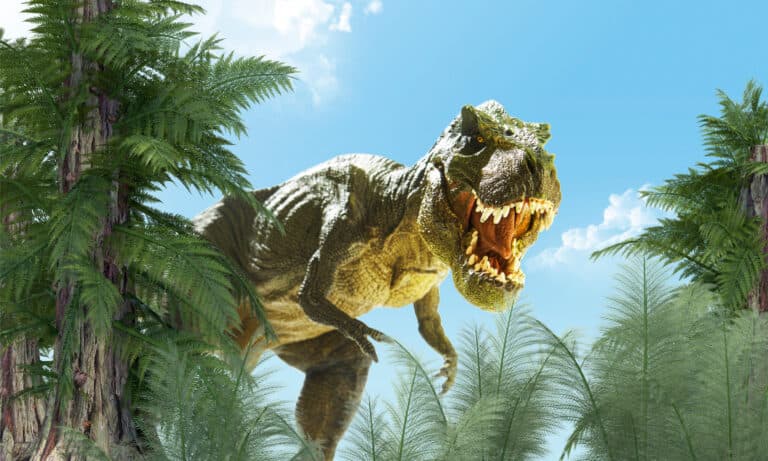
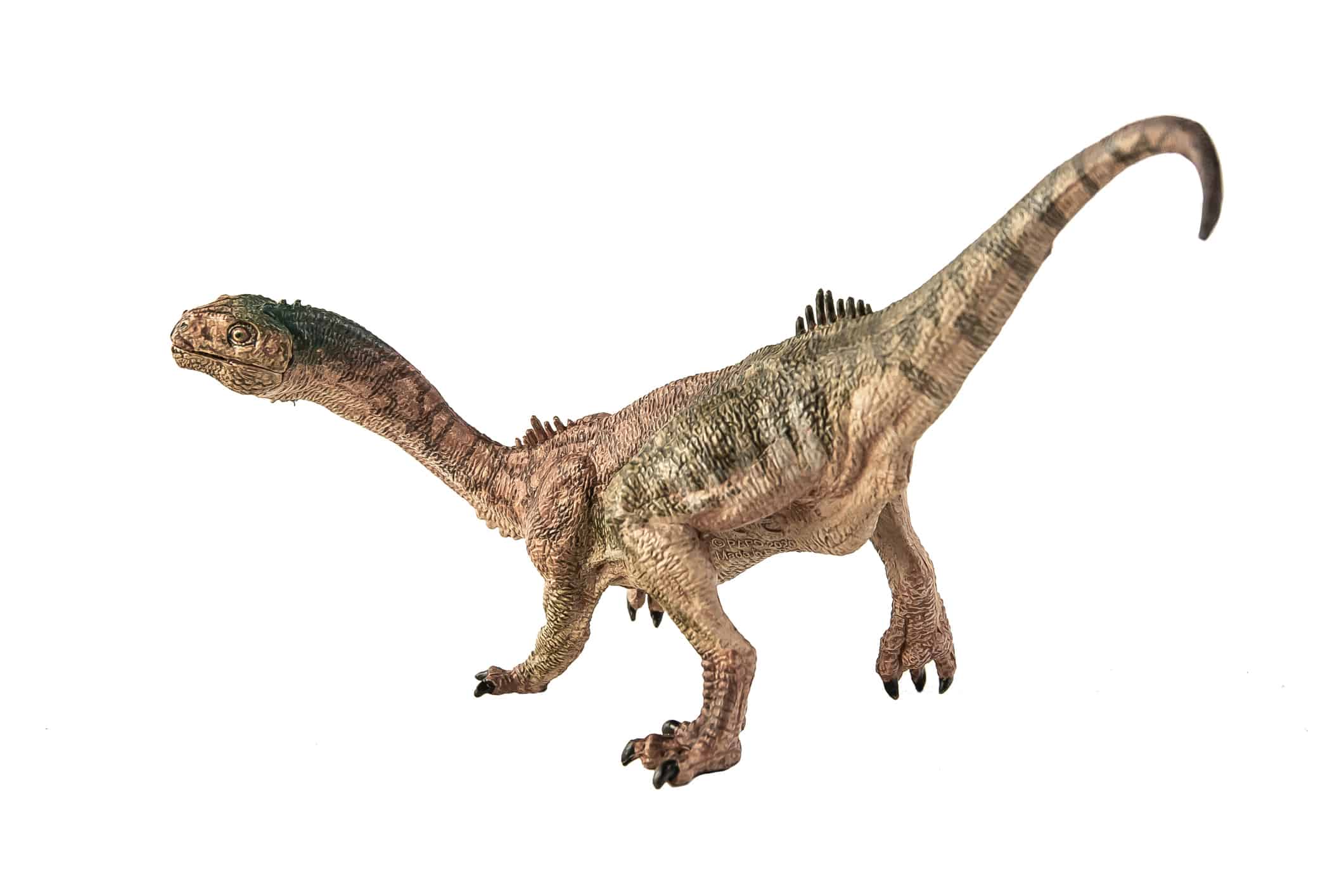
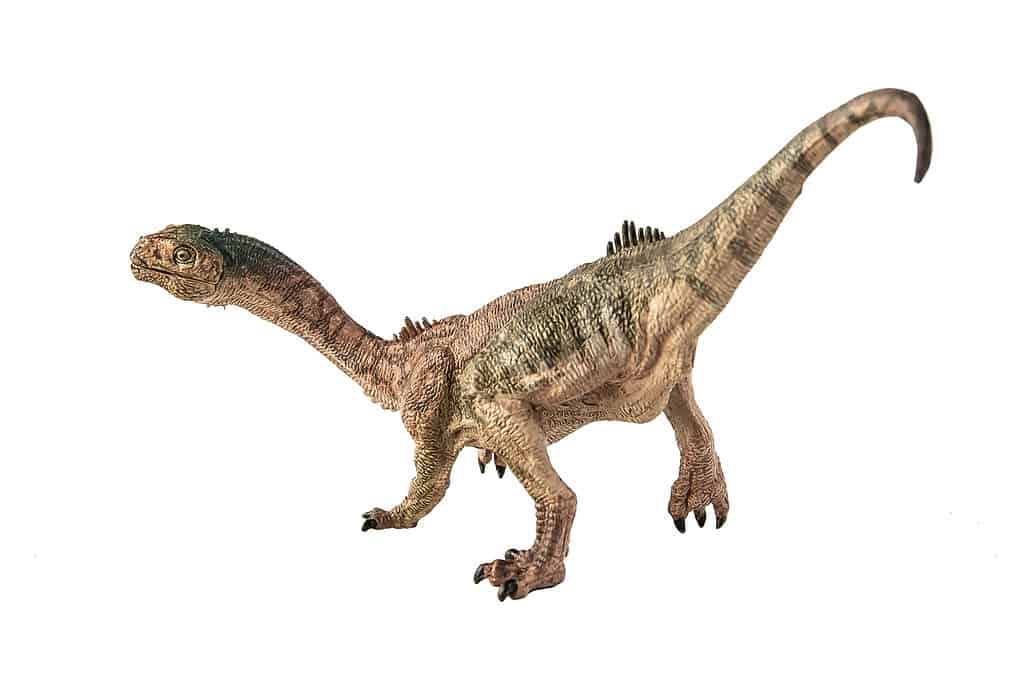
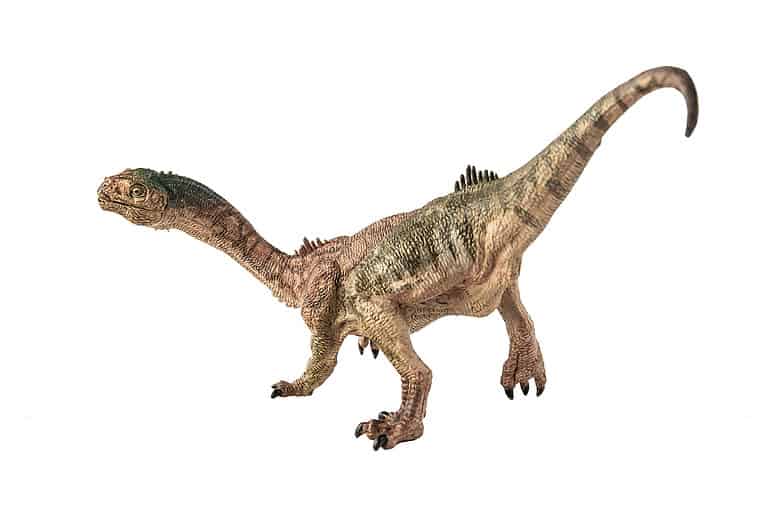
Chilesaurus was a bipedal dinosaur that walked on two legs. Based on examinations of incomplete fossils, Chilesaurus likely measured around 10.5 feet long from nose to tail. That said, the holotype fossil only measured around half that size. In terms of height, it likely measured around 2.8 feet at the shoulder, or a little over 3 feet tall. Given these dimensions, Chilesaurus likely measured between 200 to 300 pounds. 

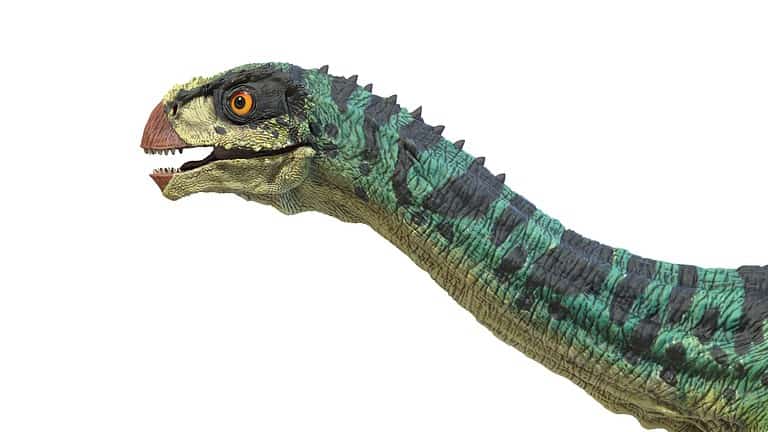
Chilesaurus possessed long, spatula-shaped teeth designed to chew plant material. It had a backward-facing pubic bone, typical of “bird-hipped” dinosaurs in the order Ornithischia. Chilesauruss hind limbs likely were not well-adapted to running due to its broad feet and a small crest on the shinbone’s front. However, it could possibly defend itself using its strong front arms, which each possessed a large claw. 

Like other dinosaurs, Chilesaurus probably sported a covering of colorful feathers. However, these features’ color, distribution, and appearance remain unknown. 
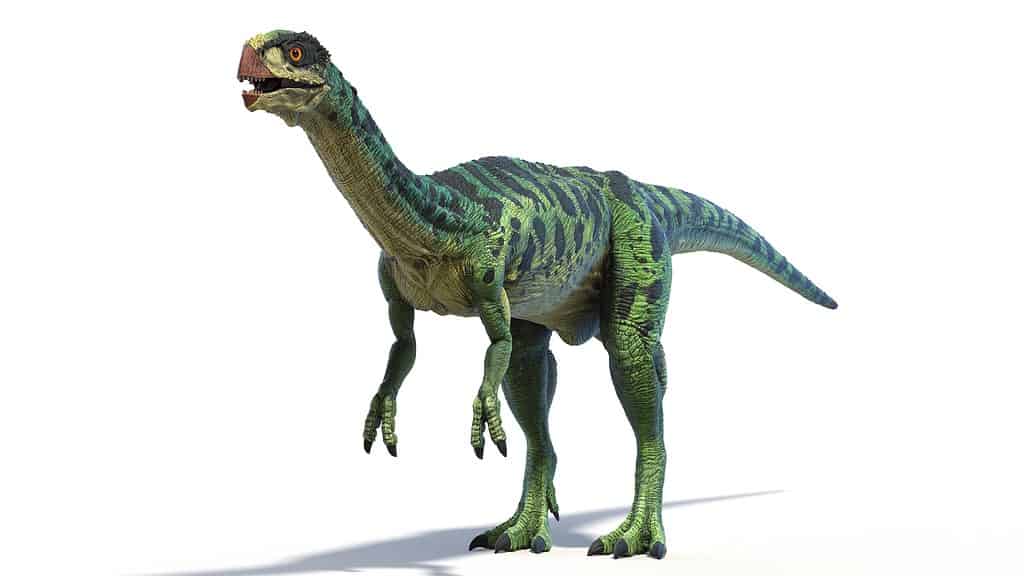
Chilesaurus diegosauezi dinosaur walked on two legs

Chilesaurus was a bipedal dinosaur that walked on two legs.

Evolution and History

Chilesaurus belongs to the reptile clade Dinosauria. However, from there its evolutionary history gets much more complex and uncertain. That’s because Chilesaurus displays traits of several different dinosaur groups, including Theropoda, Ornithischia, and Sauropodomorpha. At first, paleontologists placed it in the theropod group Tetanurae. However, a different theory proposed in 2017 placed Chilesaurus in a basal position in Ornithischia. According to this later hypothesis, theropods and ornithischians share more in common with each other than with sauropodomorphs. This theory places both theropods and ornithischians in the clade Ornithoscelida. Regardless of where it resides, paleontologists find Chilesaurus fascinating because of the implications it poses for dinosaur evolution.  

Diet – What Did Chilesaurus Eat?

Presently, paleontologists classify Chilesaurus as a herbivore. Experts came to this decision based on several key features present in recovered fossils. First, Chilesaurus contains long, forward-facing, spatula-shaped teeth. While somewhat unique among Theropoda dinosaurs, its teeth resemble the teeth of other herbivores. Additionally, Chilesaurus sports a backward-oriented pubic bone. This orientation creates additional space for digestive organs, including a large stomach and long intestines. These features are most common in herbivores as plant material takes longer to digest than animal flesh. A carnivore does not require as much space for its gut as an herbivore. As a result, these two features point to the likelihood that Chilesaurus ate plants. However, the types of plants it ate remain unknown. 
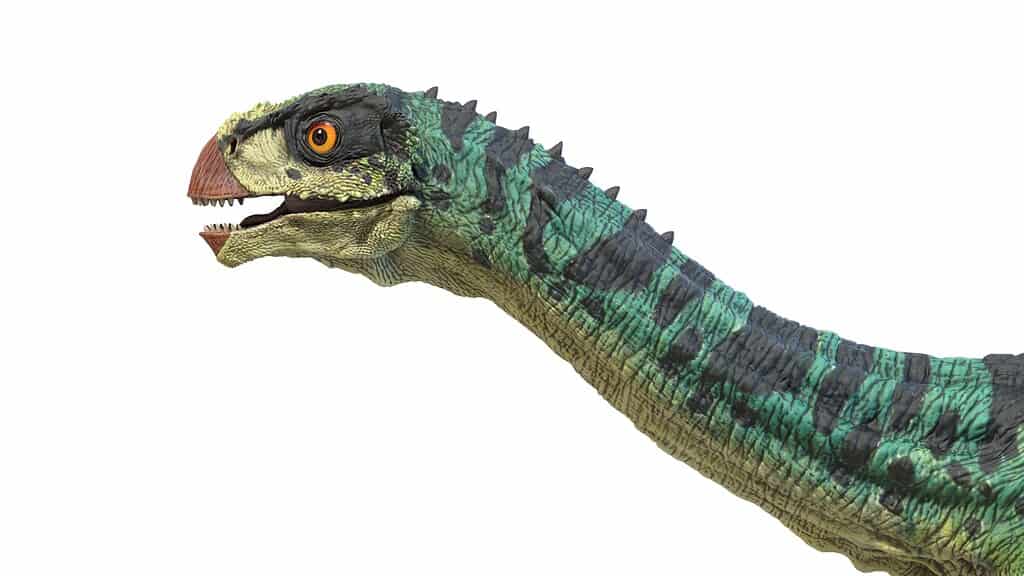
Paleontologists classify Chilesaurus as a herbivore

Based on fossil records, paleontologists classify Chilesaurus as a herbivore.

Habitat – When and Where it Lived

To date, the only known Chilesaurus fossil came from the Aysen Region in southern Chile. Today, this area features many geological formations created by glaciers, including lakes and fjords. It contains the third largest icefields in the world, the Northern and Southern Patagonian Ice Fields. The northern half of the region contains numerous volcanoes, while the western half is mountainous with dense vegetation, and the eastern half consists of flat grasslands. 

During the time of Chilesaurus, the world’s climate was starting to change. The area around modern-day southern Chile became warmer and wetter. As an herbivore, Chilesaurus likely lived in or around woodlands, forests, or riparian areas with plenty of vegetation. However, other aspects of its habitat and preferred environment remain a mystery and require additional research. 

Threats and Predators

Due to its relatively small size, Chilesaurus likely had its fair share of predators. That said, little evidence exists that sheds light on potential predators that lived in the same area as Chilesaurus during the Late Jurassic. Only a few dinosaur fossils from the Late Jurassic have been recovered from South America. These include other herbivores such as Brachytrachelopan and Tehuelchesaurus. However, one known predator that lived near Chilesaurus around the same time was Pandoravenator. 

Discovered in Argentina, Pandoravenator lived between 160 and 150 million years ago. A close relative of tyrannosauroids, allosauroids, and maniraptorans, Pandoravenator was a medium-sized carnivore. While its size remains unknown, fossil records confirm it measured slightly larger than Chilesaurus. Although we may never know, there’s a good chance that Pandoravenator preyed on Chilesaurus over 150 million years ago. 

Discoveries and Fossils – Where It was Found

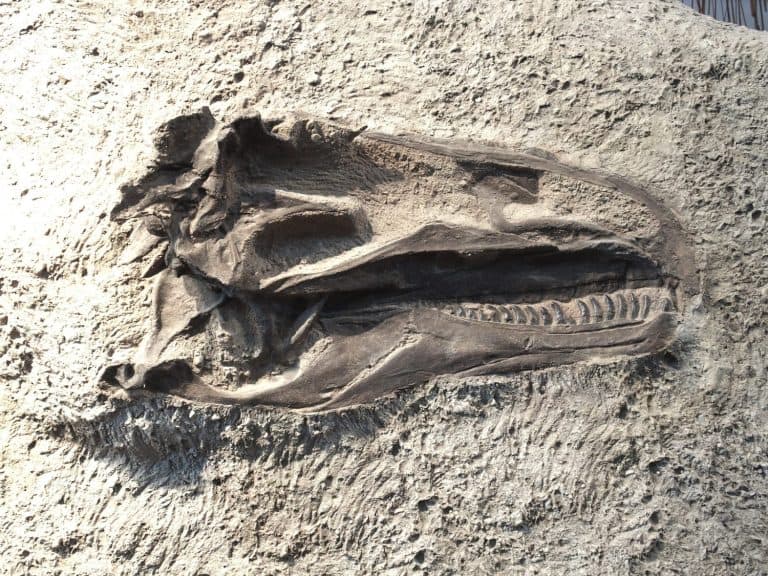
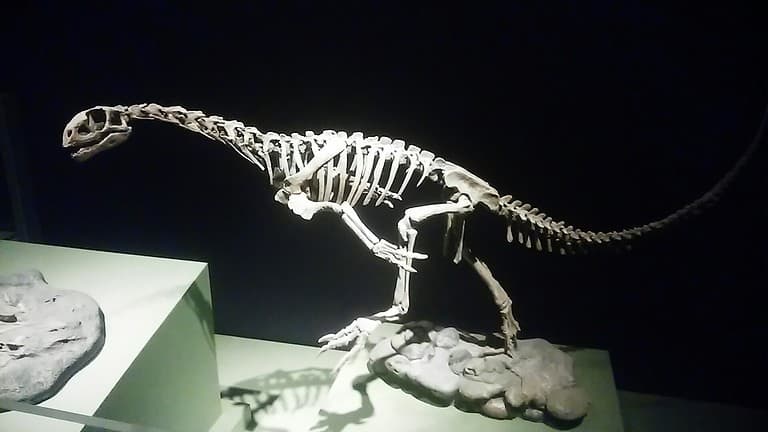
The first Chilesaurus fossils were discovered in 2004 by a seven-year-old boy named Diego Suarez. Suarez found the fossil while on a trip to the Aysen Region with his parents, geologists Rita de la Cruz and Manual Suarez. The family was searching for decorative stones in the Toqui Formation, a Tithonian-stage geological formation consisting of sandstone, volcanic tuffs, and ignimbrite. While searching in the formation. young Diego Suarez discovered a vertebrae and rib fossil that turned out to be the bones of Chilesaurus. Over the next few years, paleontologists recovered more Chilesaurus bones from the same site. These include an almost complete juvenile skeleton and the current species holotype dubbed SNGM-1935. The common name Chilesaurus honors the country of Chile, while its specific name, diegosuarezi, honors its discoverer, Diego Suarez. 
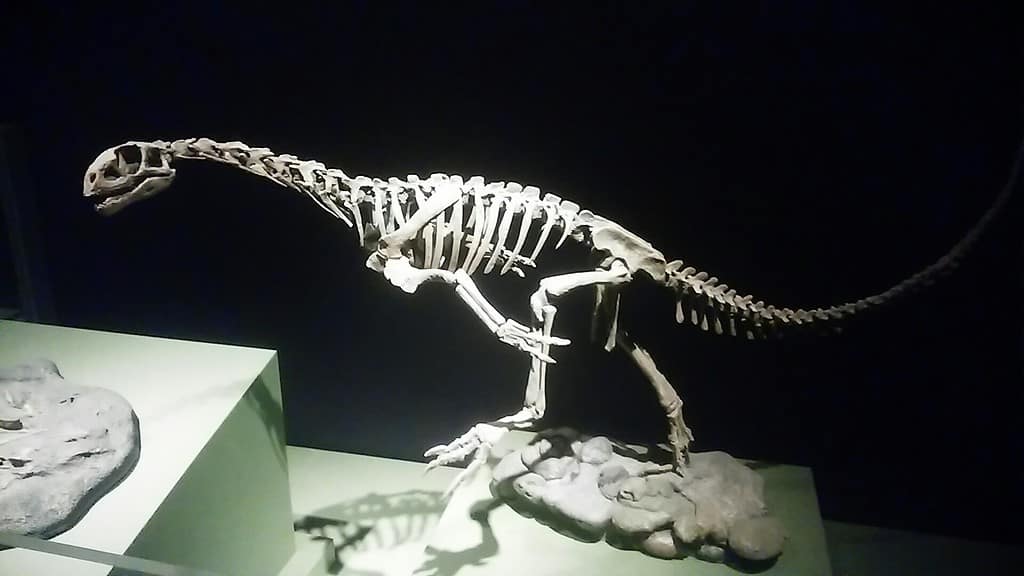
Chilesaurus diegosuarezi dinosaur skeleton

The first Chilesaurus fossils were discovered in 2004 by a seven-year-old boy named Diego Suarez.

Extinction – When Did It Die Out?

Chilesaurus died out approximately 145 million years ago at the end of the Late Jurassic Epoch. In geological terms, scientists refer to this period as the Jurassic-Cretaceous Boundary or the Jurassic-Cretaceous Transition. This period is baffling to scientists for several reasons. Most major geological boundaries witnessed mass extinction events or radical transformations in planetary conditions. For example, the Cretaceous Extinction Event witnessed the extinction of nearly three-quarters of all life on Earth.

Then there’s the Jurassic-Cretaceous Boundary, which lacks a massive extinction event. While minor extinctions did occur, they did not occur at the same scale as in other period boundaries. Additionally, the Jurassic-Cretaceous Boundary lacks an official global indicator that geologists can use to differentiate the Jurassic and Cretaceous Epochs. However, this timeframe did witness long, drawn-out environmental changes. The continued breakup of the Pangea supercontinent led to sea level changes, and volcanic activity picked up markedly. The world’s climate also became much wetter during this timeframe. One or several of these factors may have led to the extinction of Chilesaurus.  

Similar Animals to Chilesaurus

  • Neornithischia. Neornithischia is a sister group to Thyreophora, in the order Ornithischia. These dinosaurs possessed thick enamel on their bottom teeth, enabling them to eat tougher plants than other dinosaurs.    
  • Thyreophora. Meaning “shield bearers,” Thyreophora is a group of armored dinosaurs that lived between the Early Jurassic and the Late Cretaceous epochs. Represented members included Stegosaurus, Ankylosaurus, and Scelidosaurus.  
  • Pisanosaurus. Pisanosaurus was a small, herbivorous dinosauriform like Chilesaurus. based on the one discovered fossil, it likely measured around 3.3 to 4.3 feet long. It lived during the Late Triassic in northwestern Argentina. 
View all 395 animals that start with C

Sources

  1. The Guardian / Accessed March 29, 2023
  2. Daily Mail / Accessed March 29, 2023
Thank you for reading! Have some feedback for us?


Chilesaurus FAQs (Frequently Asked Questions)

Chilesaurus lived around 145 million years ago during the Late Jurassic period. Specifically, it lived sometime during the late Tithonian, the final age of the Late Jurassic Epoch and the uppermost stage of the Upper Jurassic Series. The Tithonian age lasted approximately 7 million years, between 152 and 145 million years ago.